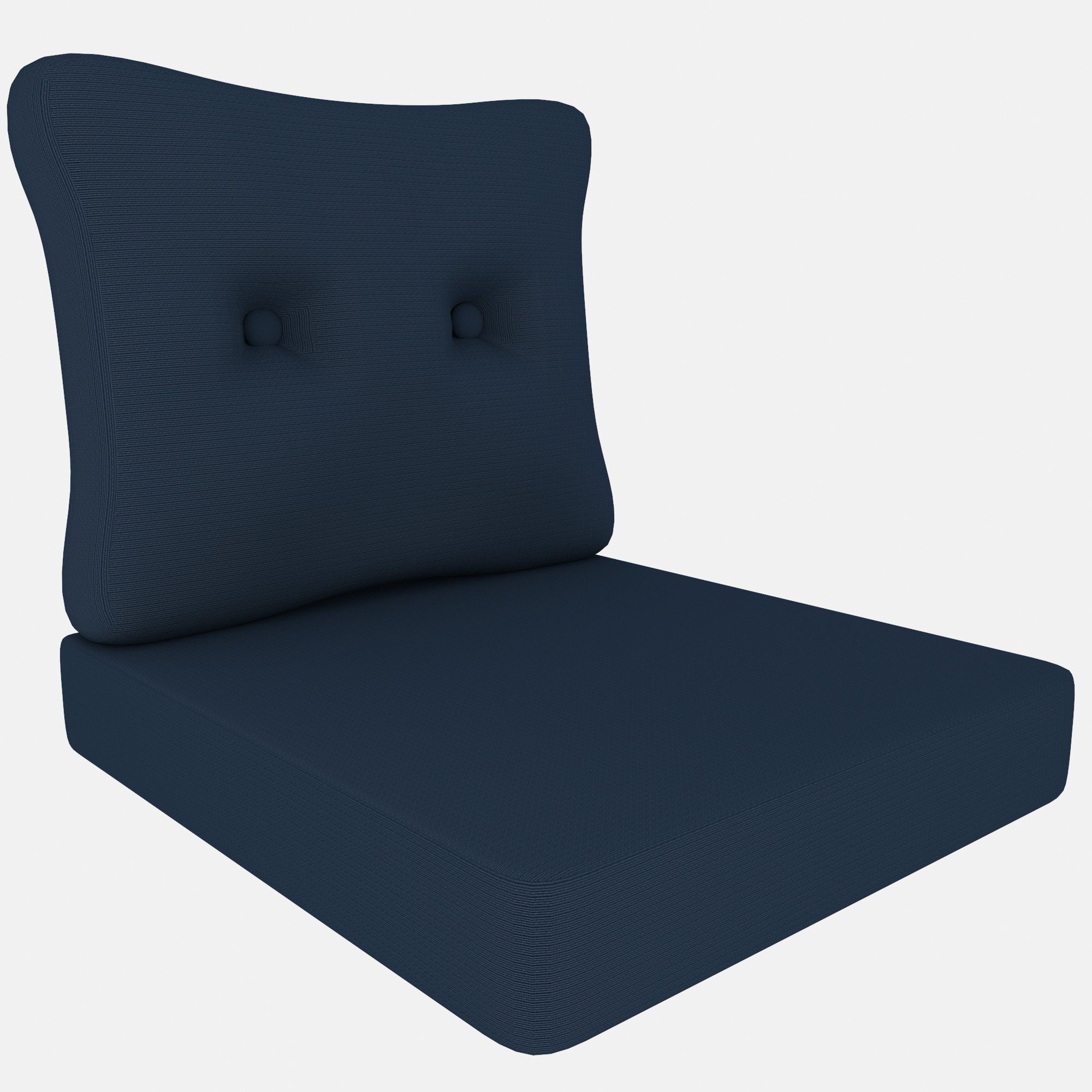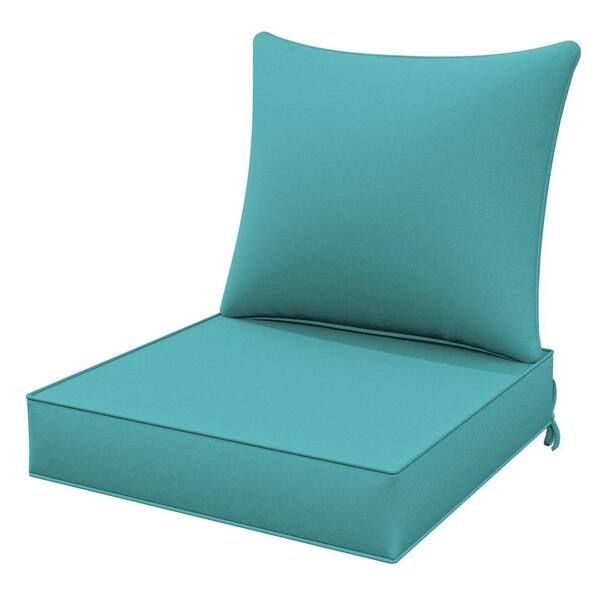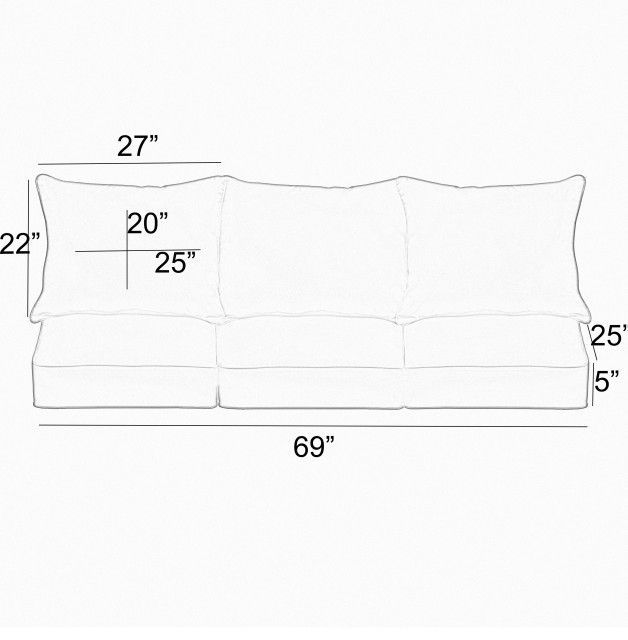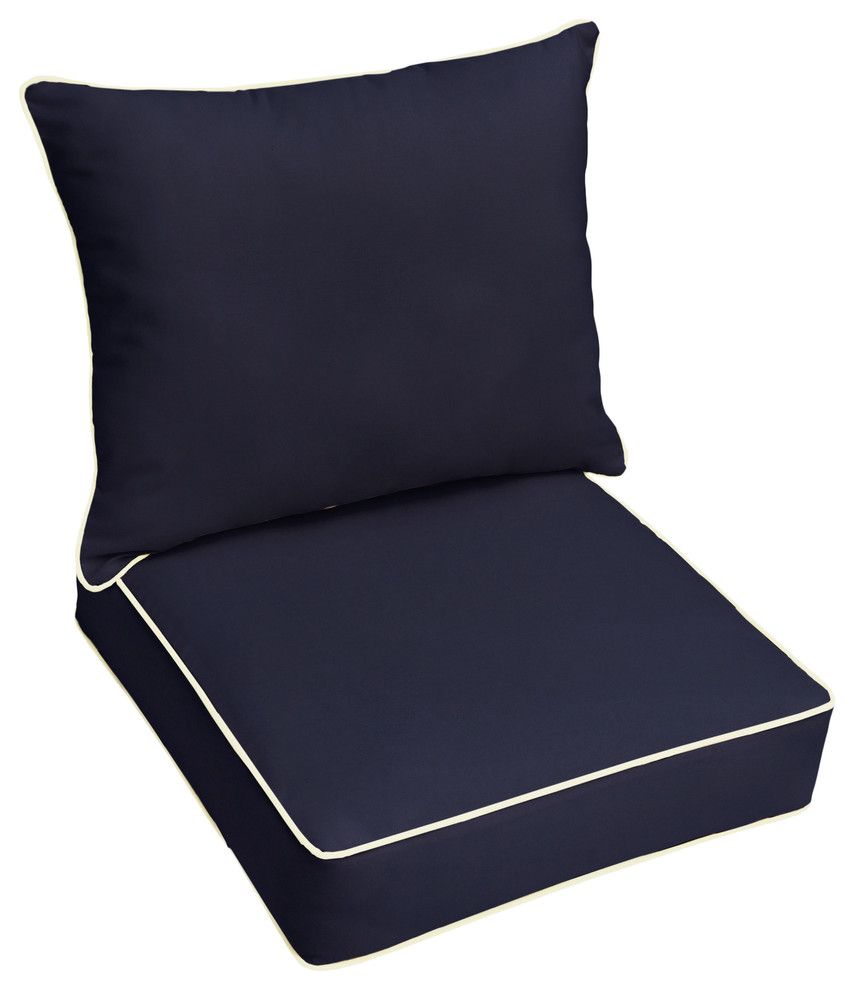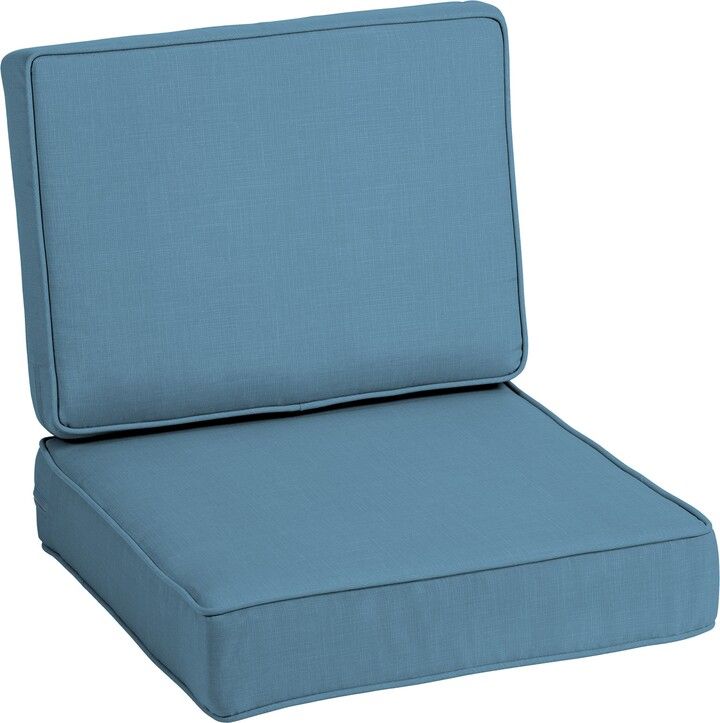
We all love a comfy cushion, right? That plush feeling, the way it molds to your body. But have you ever stopped to wonder what makes some cushions last for years, looking and feeling almost as good as new, while others seem to sag and lose their shape after just a few months? It’s a question that’s surprisingly complex, involving a whole lot of science and a good dose of practical engineering. Let’s unravel the mystery behind cushion resilience and discover what truly makes a cushion a champion at weathering the elements of daily life.
Think about your favorite armchair, your go-to sofa, or even that trusty floor cushion you’ve had forever. They’re more than just furniture; they’re silent companions in our daily lives, offering comfort and support. But the real magic isn’t just in the fabric or the initial plumpness. It’s in their resilience – their ability to bounce back from constant use, spills, and the simple passage of time. Understanding this resilience is key to choosing or caring for cushions that will bring joy for years to come. It’s about looking beyond the immediate feel and appreciating the long-term performance.
What Exactly IS Cushion Resilience?
At its core, cushion resilience is all about how well a cushion can return to its original shape and loft after being compressed. Imagine sitting on a cushion – your weight pushes down, deforming it. A resilient cushion will spring back, or at least significantly recover, once you get up. This isn’t just about aesthetics; it’s crucial for maintaining comfort and support. Low resilience means a cushion will quickly develop permanent indentations, becoming flat and unsupportive. It’s a property influenced by the materials used and how they are constructed.
The Key Players: Filling Materials and Their Prowess
The heart of any cushion, and the biggest determinant of its resilience, is its filling. Different materials behave very differently under pressure. Let’s break down some common ones:
- Foam (Polyurethane/Memory Foam): Foam is a popular choice, offering a good balance of softness and support. High-density foams, especially those designed for upholstery, tend to be quite resilient. Memory foam, while known for its contouring ability, can sometimes be less resilient than traditional polyurethane foam, meaning it might recover more slowly. The open-cell structure of some foams allows air to move through, aiding in recovery. The quality of the foam, its density, and the manufacturing process all play a role.
- Polyester Fiberfill (Poly-fil): This is often seen in decorative pillows and less-strenuous applications. It’s soft and can be quite lofty initially, but it tends to compress over time and doesn’t always spring back as effectively as foam. Think of it as a bit more delicate. However, some higher-quality, bonded fiberfills can offer better resilience.
- Down and Feathers: Nature’s luxury! Down and feathers offer unparalleled softness and a luxurious feel. However, their resilience can be variable. While down clusters have some spring, feathers (with their quills) can flatten more easily. Cushions filled with a blend of down and feathers often offer a good compromise, with the feathers providing structure and the down adding that signature plushness. They do require regular plumping to maintain their shape and loft.
- Natural Fibers (Cotton, Wool, Latex): Cotton can be comfortable but tends to compact significantly over time, reducing its resilience. Wool has better loft and some natural springiness, often used in high-end cushions. Latex, particularly natural latex, is highly resilient and durable, offering excellent support and bounce-back capability. It’s a premium option known for its longevity.
Construction Matters: How It’s Put Together
It’s not just about what’s inside; how the filling is contained and supported also impacts resilience. A well-constructed cushion will have a durable inner lining that helps keep the filling evenly distributed. For foam cushions, the way the foam is cut and shaped, and whether it’s wrapped in a layer of fiber or batting, can affect its initial feel and how it performs over time. For fiberfill or down cushions, the quality of stitching and the internal baffling (compartments that prevent filling from shifting) are crucial for maintaining uniform loft and preventing lumps.
Testing Resilience: What to Look For
When you’re shopping for a new cushion, or assessing one you already own, how can you tell how resilient it is? Here are a few practical tests:
- The Sit Test: The obvious one! Sit on the cushion. Does it feel supportive, or do you sink straight to the bottom? Get up quickly. Does it spring back immediately, or does it stay compressed for a while?
- The Poke Test: Press your hand firmly into the cushion. Hold it there for a few seconds, then release. How quickly does the indentation disappear? The faster it recovers, the more resilient it is.
- Visual Inspection: Look for signs of premature wear, such as permanent indentations, flattening in specific areas, or a general lack of plumpness, especially on high-traffic cushions.
- Check the Label: Look for information about the filling material and density, especially for foam. Higher density often correlates with better durability and resilience.
Factors That Challenge Cushion Resilience
Even the most resilient cushion will eventually show signs of wear. Several factors contribute to this breakdown:
- Compression Set: This is the technical term for when a material doesn’t fully return to its original shape after being compressed. Repeated, prolonged pressure is the main culprit.
- Environmental Factors: Extreme temperatures, humidity, and exposure to sunlight can degrade certain filling materials over time, making them less resilient.
- Usage Intensity: A cushion on a formal sofa that’s rarely used will last much longer than the seat cushion on your favorite, everyday armchair. Heavy, consistent use is the ultimate test.
- Moisture and Spills: While not directly related to compression, moisture can affect the integrity of some filling materials, especially fibers, leading to clumping and reduced loft, which indirectly impacts perceived resilience.
Maximizing Your Cushion’s Lifespan
Want to give your cushions the best chance to stay comfy and supportive? A little care goes a long way:
- Regular Fluffing and Rotating: For fiberfill and down cushions, daily fluffing and rotating them can help redistribute the filling and prevent permanent flattening. For foam cushions, rotating them (if they are reversible) can ensure even wear.
- Prompt Spill Cleanup: Address spills immediately. Blot, don’t rub, and allow the cushion to dry thoroughly. Using a fabric protector can also help.
- Avoid Overloading: While cushions are meant to be used, try not to pile excessive weight on one area for extended periods if possible.
- Consider a Cushion Wrap: For foam cushions, a thin wrap of polyester batting or a breathable fabric can add an extra layer of protection and enhance the initial feel, while still allowing the foam to breathe and recover.
So, the next time you sink into a comfortable seat, take a moment to appreciate the engineering and material science that makes it possible. Cushion resilience isn’t just a fancy term; it’s the unsung hero that keeps our furniture feeling inviting and supportive, day after day. By understanding the different filling materials, construction techniques, and how to care for them, you can make informed choices and ensure that your cushions remain a source of comfort and joy for years to come. It’s about investing in quality and understanding that true comfort is built to last, weathering the elements of everyday life with grace and enduring appeal.