Welcome, design lovers, to a world of outdoor elegance. Today, we’re diving deep into the fascinating world of mountain bluestone pavers. These natural stone tiles are more than just a paving material; they’re a statement, a foundation for your outdoor dreams. Whether you’re envisioning a tranquil patio, a meandering garden path, or a grand entrance, understanding bluestone is key. We’ll explore everything you need to know, from the different types of bluestone to the practical considerations for choosing the perfect pavers for your needs. Let’s get started on this exciting journey to transform your outdoor space. This is going to be fun and, hopefully, easy to understand and full of helpful information.
Your outdoor space is an extension of your home, a place to unwind, entertain, and connect with nature. And the foundation of any great outdoor design often starts with the right paving material. Mountain bluestone pavers have gained immense popularity for their natural beauty, durability, and versatility. But with so many options available, how do you choose the right ones for your particular project? This guide will give you all the ins and outs, making the selection process a breeze, and helping you make a decision you’ll be happy with for many years to come. We’ll break down the essential aspects of bluestone, from its origins to its installation, equipping you with the knowledge you need to create an outdoor space that truly reflects your style and needs. Get ready to transform your outside living areas.
What Exactly is Mountain Bluestone?
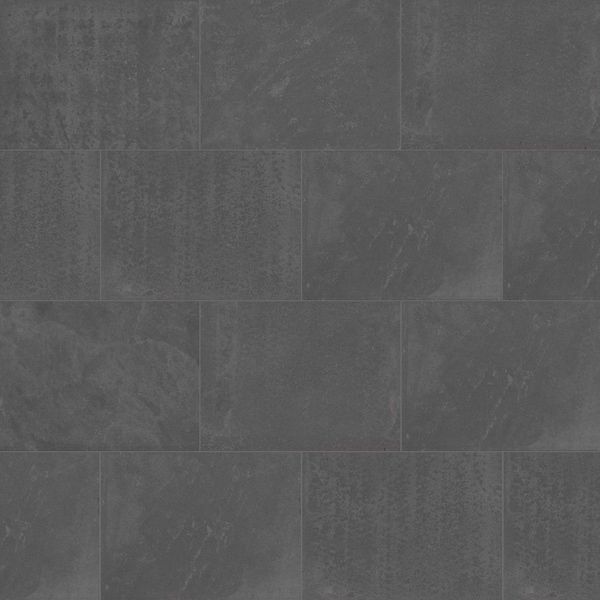
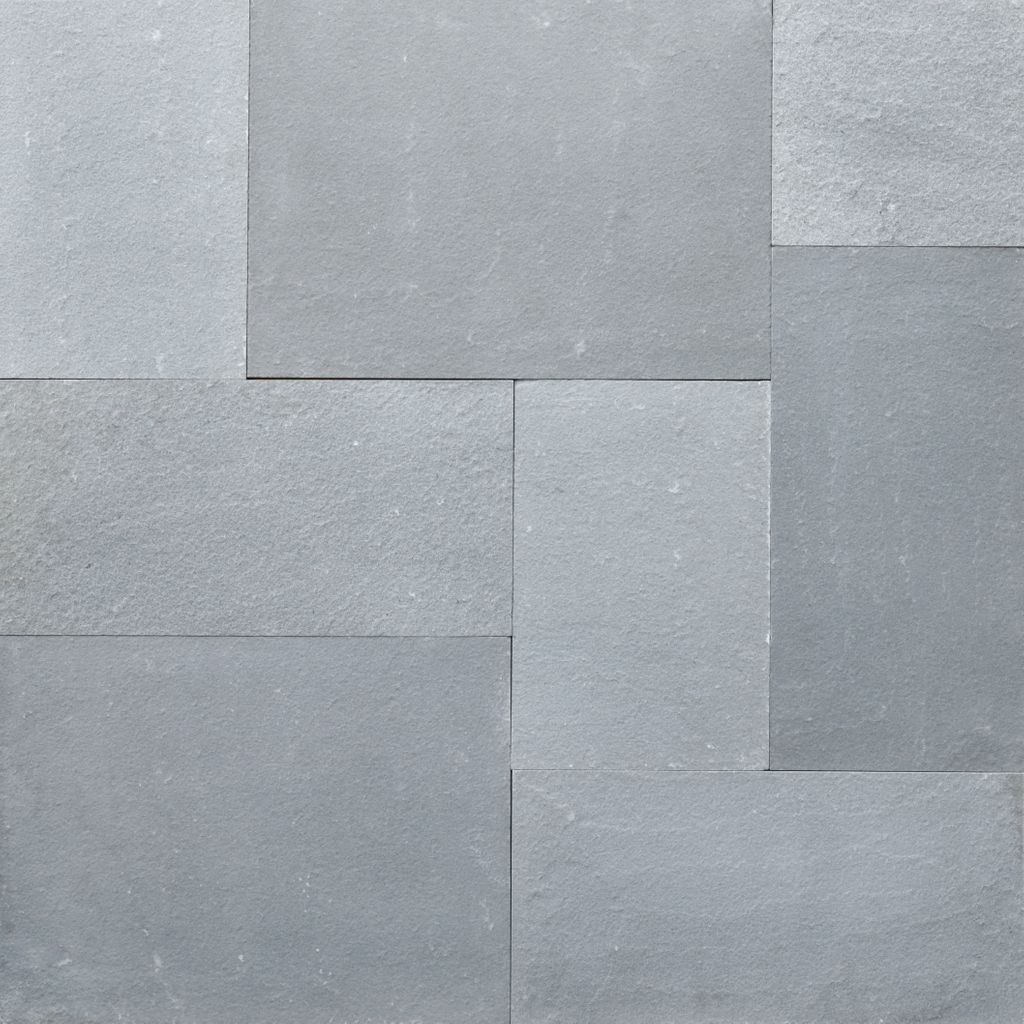
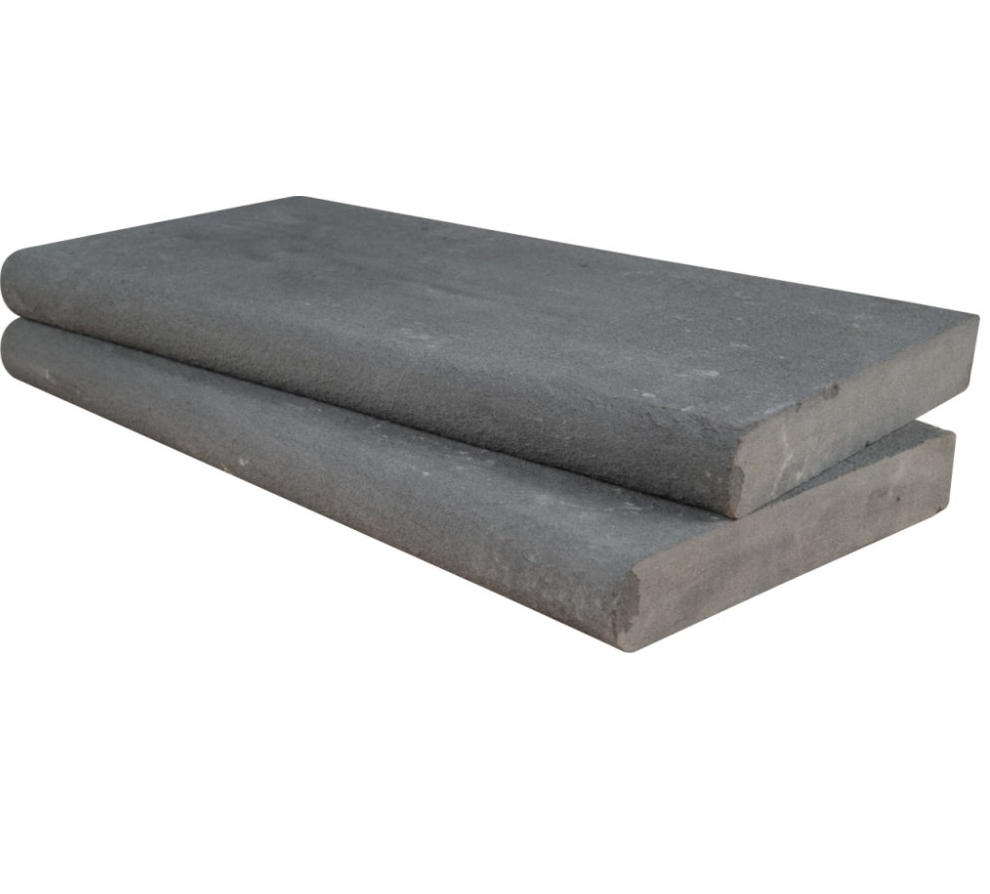
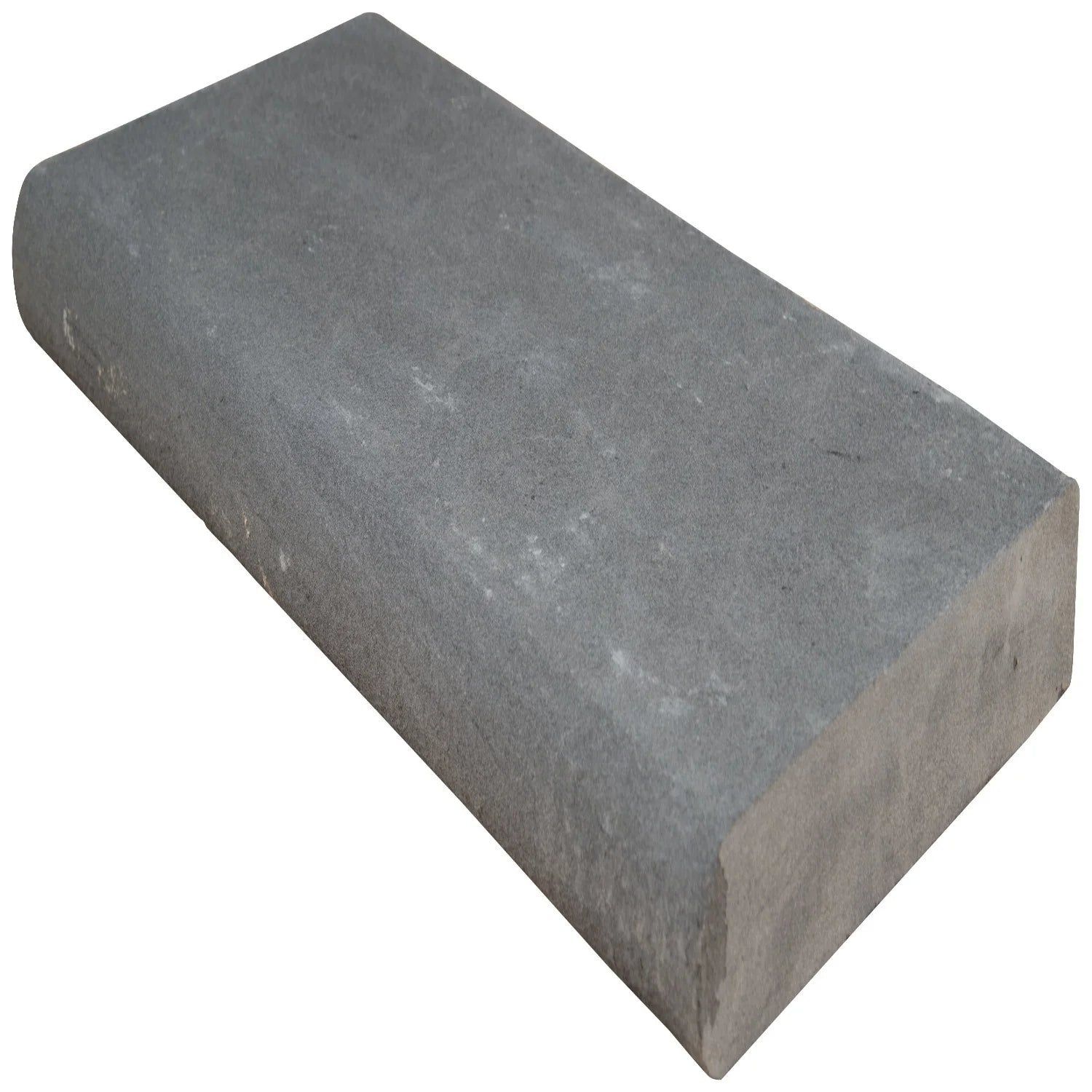
Mountain bluestone isn’t just a pretty face; it’s a geological marvel. It’s a type of sandstone that gets its name from its distinctive blue-gray hue, though it can also display shades of brown, green, and even purple. This natural stone is quarried from specific regions, primarily in the Northeastern United States. The unique color variations and natural clefts give each paver its own character, making your outdoor space uniquely yours. It’s not just about looks, though; bluestone is incredibly tough, able to withstand the wear and tear of weather, foot traffic, and the test of time. Think of it like a naturally occurring work of art, designed to last.
- Natural Variations: No two bluestone pavers are exactly alike, giving your space a unique look.
- Durability: Resists weathering, making it ideal for outdoor applications.
- Origin: Quarried from specific regions, adding to its exclusivity.
Different Types of Bluestone Pavers: Finding the Right Fit
Just like people, bluestone pavers come in different personalities. Understanding the different types will help you to choose what is the best fit for your project. Here’s a quick rundown:
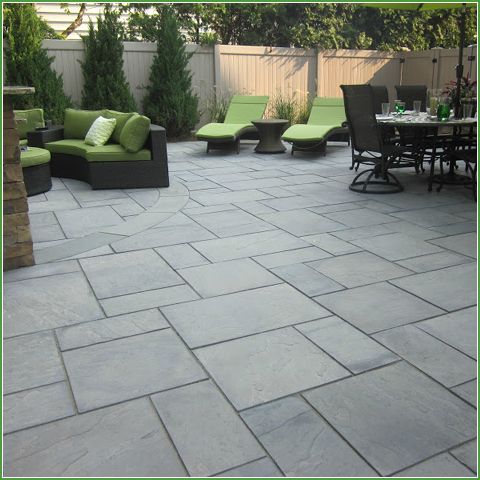
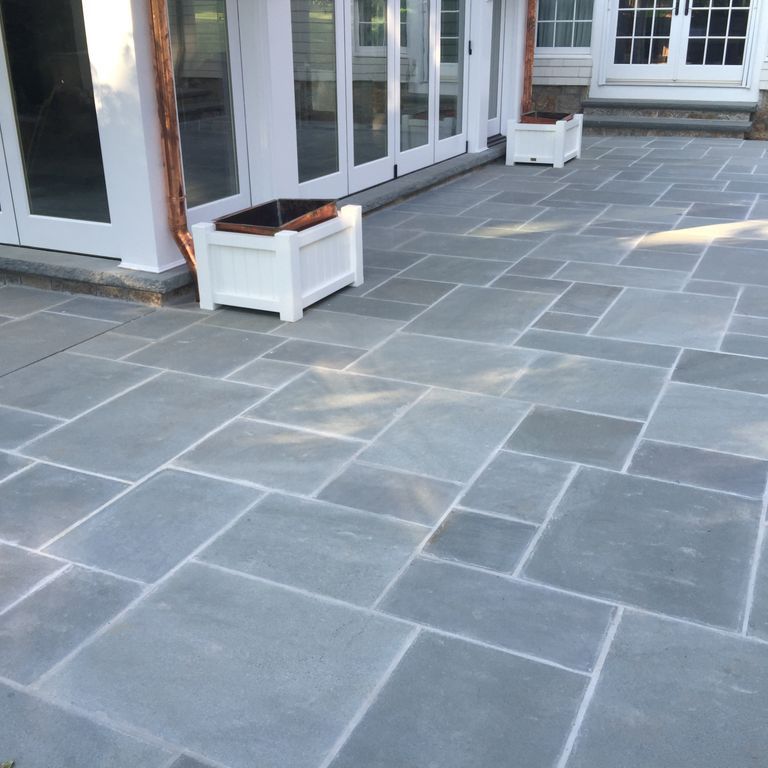
- Patterned Bluestone: These pavers are cut into specific shapes and sizes, often used for patios and walkways to create formal, structured designs. Think of them as the well-dressed option.
- Irregular Bluestone (Flagstone): These are known for their natural, organic shapes and sizes. Perfect for creating a more relaxed and informal look, like a meandering garden path.
- Tumbled Bluestone: These pavers have a softened, aged appearance due to a tumbling process. They add a touch of rustic charm to any outdoor space. They are the slightly older, more relaxed version.
- Thermal Bluestone: These pavers have a smooth, even surface, making them ideal for areas where you want easy maintenance, like pool decks or outdoor kitchens. They are the easy-care option.
Consider the style you’re going for. A contemporary space might benefit from thermal bluestone, while a cottage-style garden might be perfect for irregular flagstone. The choices are many and varied.
Thickness Matters: Choosing the Right Paver Thickness
The thickness of your bluestone pavers is crucial for their durability and the longevity of your project. It’s not a one-size-fits-all situation. Here’s what to consider:
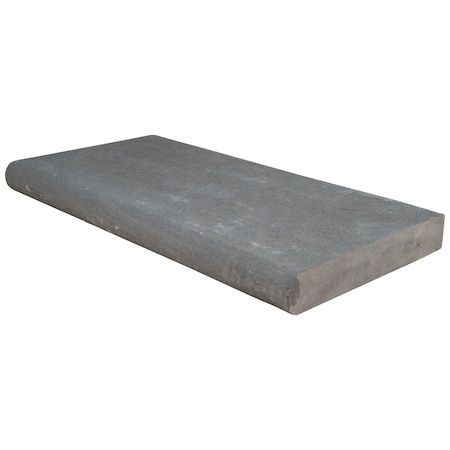
- Residential Use: For patios, walkways, and other residential applications, a thickness of 1 to 1.5 inches is usually sufficient. This provides a good balance of durability and cost.
- Heavy Traffic Areas: If you’re planning on using bluestone in an area with heavy foot traffic or vehicular traffic (like a driveway), you’ll want to opt for thicker pavers, typically 2 inches or more. This added thickness provides extra support and prevents cracking.
- Installation Method: The installation method also influences the required thickness. For example, pavers installed over a concrete slab might require a slightly thinner paver than those installed on a gravel base. Always consult with a professional installer to determine the best thickness for your specific project. Don’t try to guess; get expert advice.
Color Variations and Design: Working with Bluestone’s Natural Palette
One of the main things that makes bluestone so beautiful is its color range. The shades of blue, gray, and sometimes even hints of brown and green, all work together to create a natural look. This natural variation gives your space depth and character. When choosing pavers, consider the overall aesthetic you’re going for. Do you want a cool, calming palette with lots of blues and grays? Or do you prefer a warmer, more inviting look with some earth tones? You can also use the color variations to create patterns and visual interest. For example, you could create a border using darker pavers to frame a lighter-colored patio. Remember, the colors will change over time as the stone weathers, so embrace the natural evolution of your outdoor space. This is the beauty of natural stone.
Installation and Maintenance: Keeping Your Bluestone Looking its Best
Proper installation and maintenance are key to ensuring your bluestone pavers last for years to come. Here’s what you need to know:
- Installation: It’s best to hire a professional installer with experience in bluestone. They will ensure proper base preparation, drainage, and paver placement. This is not a DIY project for the faint of heart.
- Base Preparation: A well-prepared base is crucial. It typically involves a layer of compacted gravel, followed by a layer of sand or setting bed material. This provides a stable and well-draining foundation.
- Jointing: The joints between the pavers can be filled with sand, polymeric sand, or mortar. The choice depends on the application and desired aesthetic. Sand allows for some movement, while mortar provides a more rigid joint.
- Sealing: Sealing your bluestone can protect it from stains and weathering. However, some people prefer the natural look of unsealed bluestone. Talk to your installer about the pros and cons of sealing.
- Cleaning: Regularly sweep your pavers to remove debris. You can also wash them with mild soap and water. Avoid harsh chemicals, which can damage the stone. It’s really not that hard to keep them looking great.
Budgeting and Sourcing: Getting the Most for Your Money
Bluestone pavers are an investment, so it’s important to plan your budget carefully. Here’s a few tips:
- Get Quotes: Get quotes from multiple suppliers and installers to compare prices. Prices can vary depending on the type of bluestone, the thickness, and the region. Don’t be afraid to shop around.
- Factor in Installation Costs: Installation can be a significant portion of the overall cost. Make sure to get a detailed quote from your installer that includes all labor and materials.
- Consider Waste: When calculating the amount of pavers you need, add extra for waste. This is especially important with irregular-shaped pavers, where there might be more cuts.
- Sourcing: Source your bluestone from a reputable supplier. Ask for samples and check their references. Make sure the stone is properly quarried and handled. This will help you avoid problems down the line. Do your homework before you commit.
Choosing the right mountain bluestone pavers is a journey that combines aesthetics, practicality, and a touch of personal style. By understanding the different types of bluestone, considering the appropriate thickness, and planning your installation and maintenance, you can create an outdoor space that is both beautiful and enduring. Embrace the natural variations, the unique character, and the timeless appeal of bluestone. With a little planning and care, you’ll be well on your way to enjoying a stunning outdoor oasis for years to come. Go forth, and build your dream space – it’s waiting for you.