Ever feel like your living room just isn’t quite right? You’ve got the furniture, the decor, but something’s missing. Often, the key to unlocking a room’s true potential lies in a seemingly simple decision: how you position your largest piece of furniture. For many, this means grappling with the mighty sectional. And if you’re looking to create a cozy, conversation-friendly, and visually appealing space, the humble left-facing sectional might just be your secret weapon.
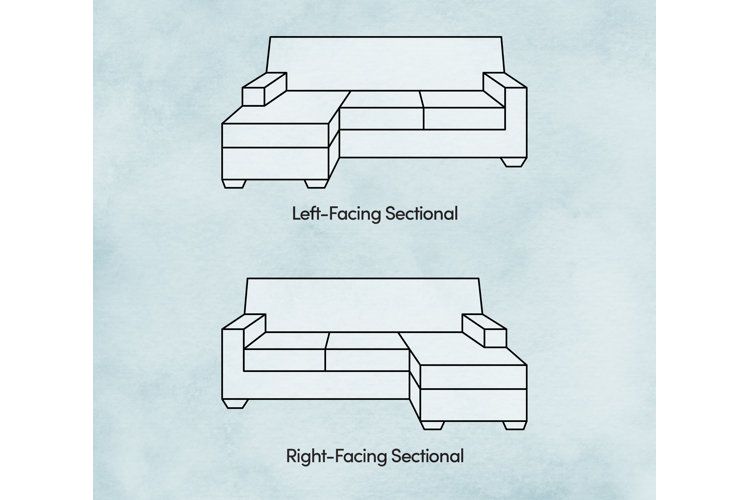
Sectional sofas are fantastic, aren’t they? They offer ample seating, a sense of plush comfort, and can really anchor a room. But placing one can feel like a puzzle. You’ve got the L-shape to contend with, and then there’s the crucial question: which way does that ‘L’ point? A left-facing sectional, meaning the longer portion extends to the left when you’re facing the sofa, offers a distinct set of advantages. It can guide the eye, create flow, and even make smaller rooms feel more expansive. Let’s dive into how you can make this versatile piece work wonders in your own home.
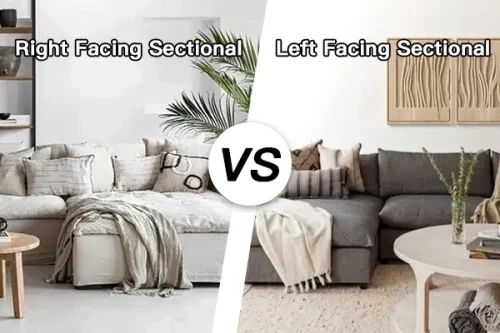
Understanding Left-Facing vs. Right-Facing
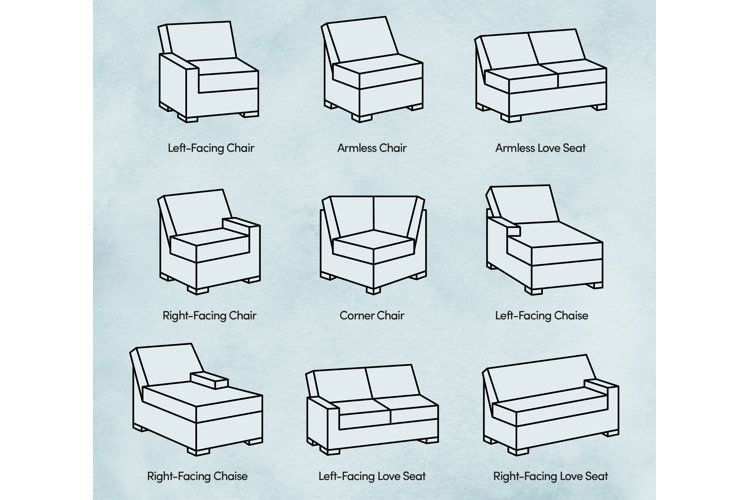
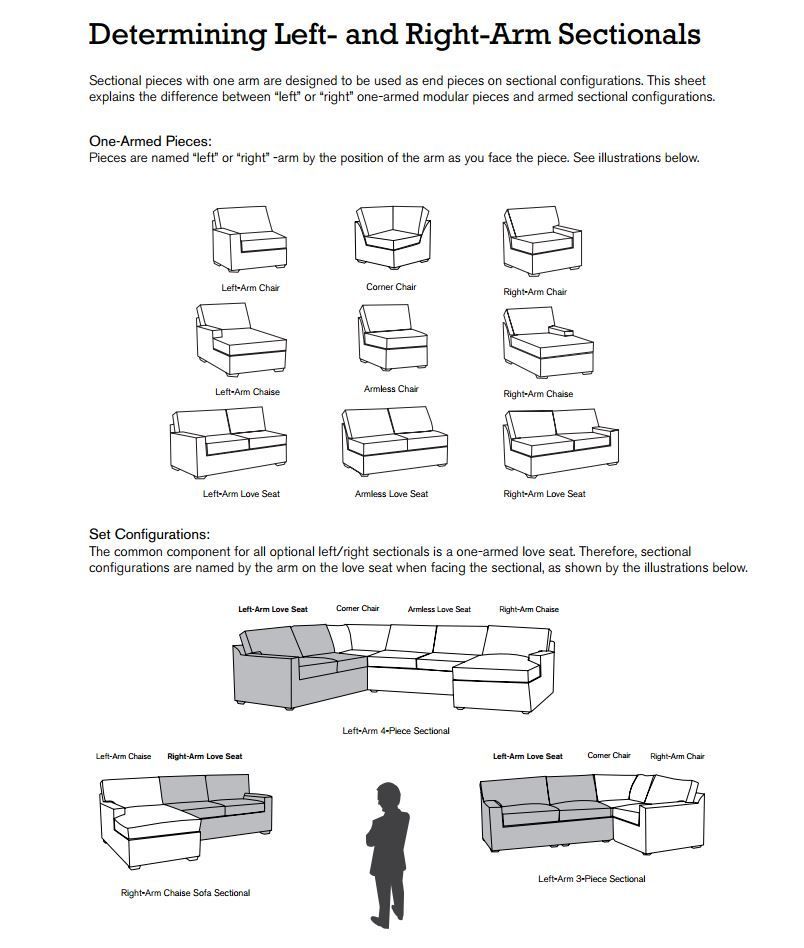
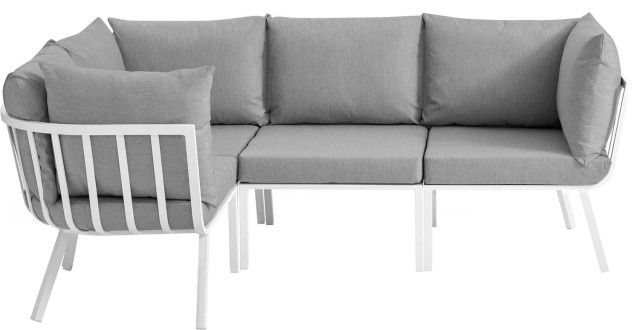
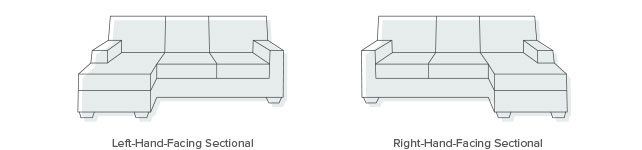
Before we get too deep, let’s clarify. Imagine standing at the entrance to your living room, looking at your sectional. If the longer chaise or sofa portion extends to your left, that’s a left-facing sectional. If it extends to your right, it’s right-facing. This distinction is critical because it impacts how the sofa interacts with the room’s architecture, doorways, windows, and focal points. Choosing the correct orientation is the first step to a successful layout. It’s not just about aesthetics; it’s about how people will naturally move and interact within the space. Think about the flow of traffic – you don’t want your sofa to block the main path.
Creating Conversation Zones
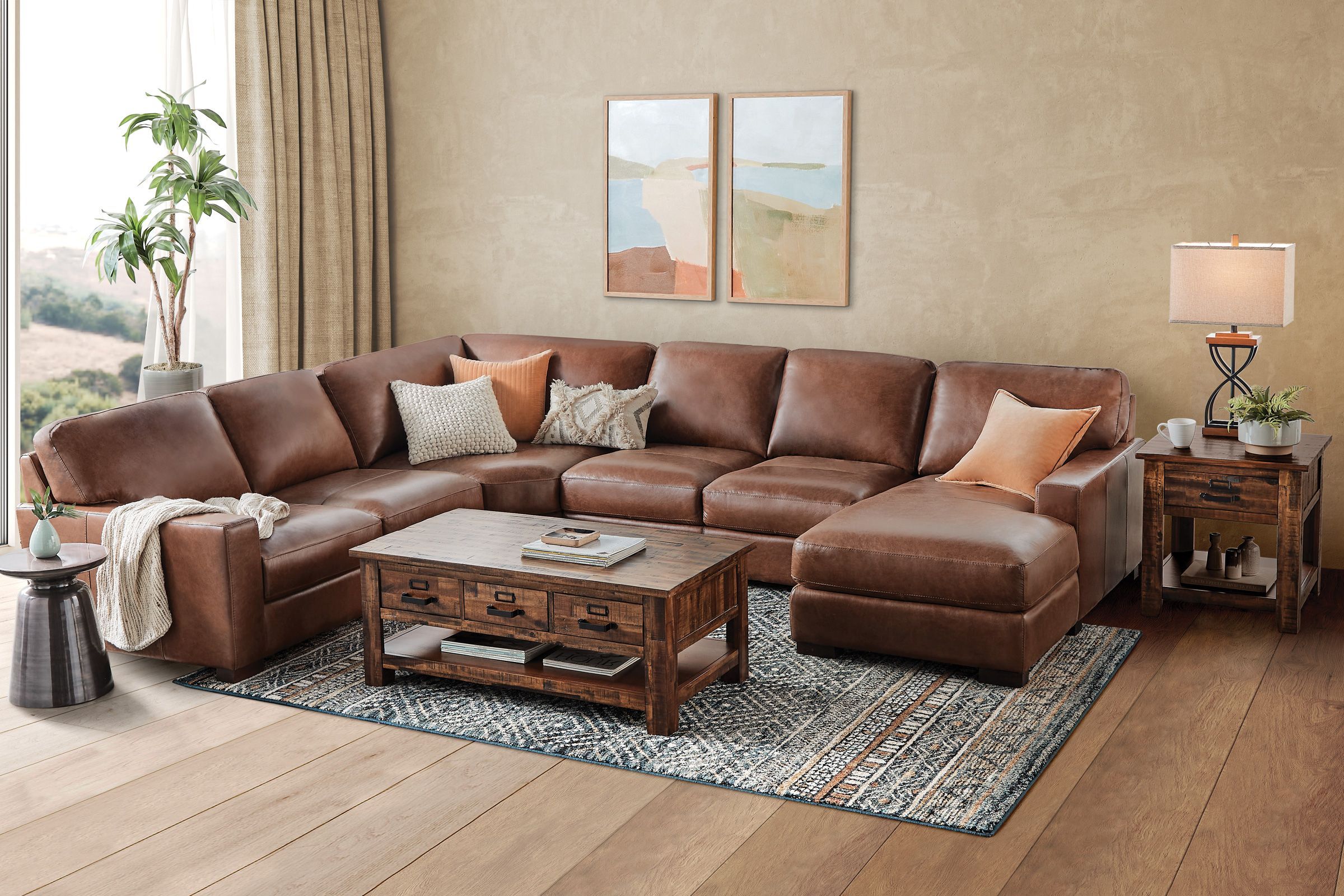
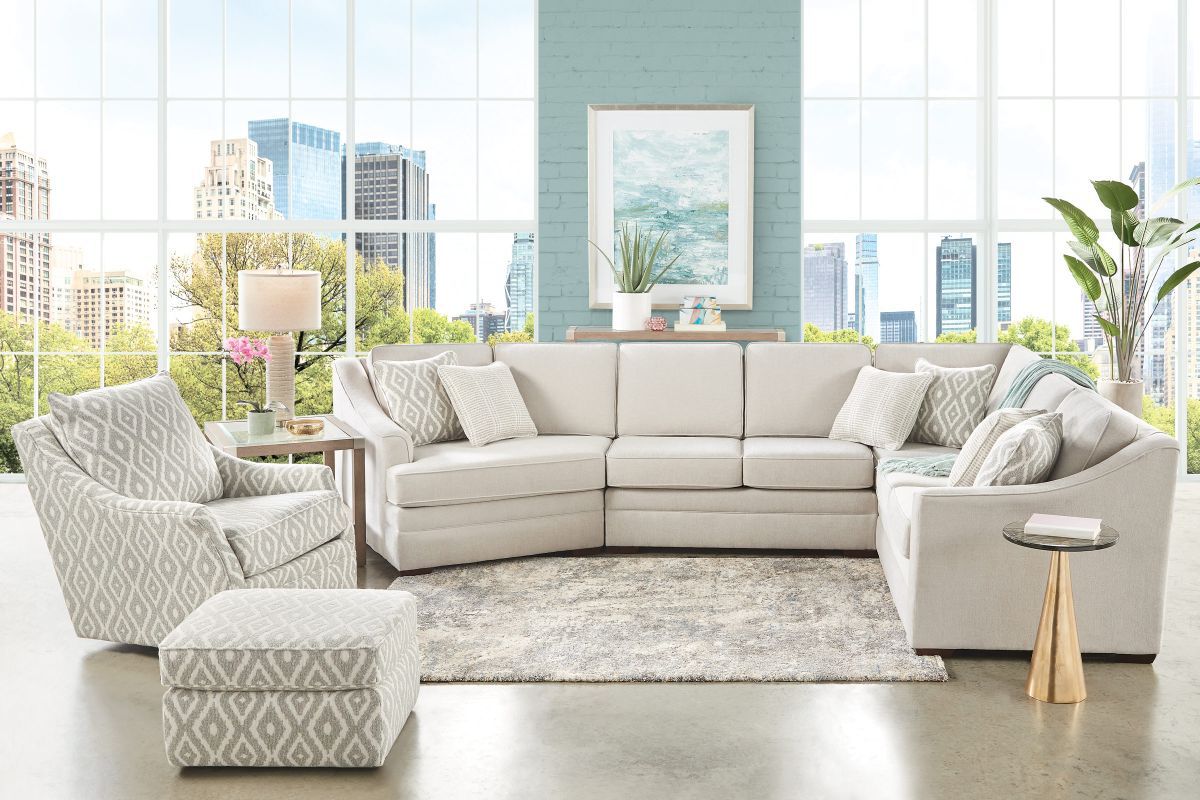
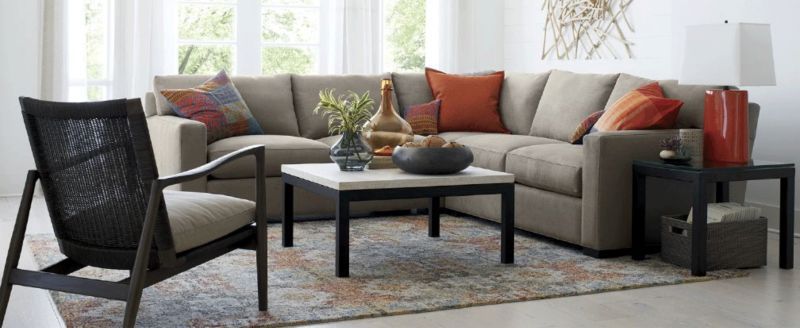
One of the biggest wins with a left-facing sectional is its ability to foster conversation. Positioned correctly, it can create an inviting ‘hug’ around a central area, perfect for gathering with friends and family. Place it facing a fireplace, a television, or even just an open space where you can add accent chairs or a coffee table. This arrangement naturally draws people in and encourages interaction. For example, in a rectangular room, a left-facing sectional placed along the longer wall can create a distinct seating nook without feeling closed off. Consider pairing it with a couple of comfortable armchairs opposite the open end of the sectional to complete the circle of conversation. It’s all about building an inviting atmosphere.
Maximizing Flow and Functionality
The way a left-facing sectional is situated can dramatically influence the room’s overall flow. If your main entry is on the right side of the room, a left-facing sectional placed against the back wall can leave the right side open, allowing for easy passage. Conversely, if the entry is on the left, you might position it to guide people around it, rather than directly past it. Think about windows and doors. You generally want to avoid blocking natural light or impeding access. A left-facing sectional can be a great way to define zones within a larger, open-concept space. It can subtly separate the living area from a dining space, for instance, without the need for bulky dividers. This creates a sense of purpose for each area while maintaining an open feel.
Visual Balance and Room Scale
Scale and balance are super important in interior design, and a sectional can either enhance or detract from these. A left-facing sectional can work wonders in balancing a room, especially if you have a dominant architectural feature on the opposite side, like a large window or a fireplace. It can help to anchor the room and provide a sense of stability. In smaller rooms, be mindful of the sectional’s size. A too-large sectional, even if perfectly oriented, can overwhelm the space. However, a well-proportioned left-facing sectional can actually make a room feel larger by creating clear pathways and a cohesive seating area. It’s about making the most of the square footage you have. Imagine a smaller living room where a left-facing sectional is tucked into a corner, opening up the center of the room. This creates an illusion of more space.
Placement Strategies and Considerations
So, where exactly should you put it? Here are a few ideas:
- The Corner Hug: Place the longer part of the sectional against the back wall and the shorter part against a side wall, creating a cozy corner. This works well if you have a fireplace or television on the adjacent wall.
- The Wall Anchor: Position the longer part of the sectional along the longest wall in the room. This can create a strong visual line and open up the opposite side for other furniture or traffic.
- The Room Divider: In an open-plan living area, use the sectional to visually separate the living space from another zone, like a dining area or a home office. The back of the shorter end can act as a subtle divider.
- Facing the Focal Point: Always consider what you want your guests to look at. Position the sectional so the primary seating faces a fireplace, a stunning view, or your entertainment center. This is paramount for creating an enjoyable experience.
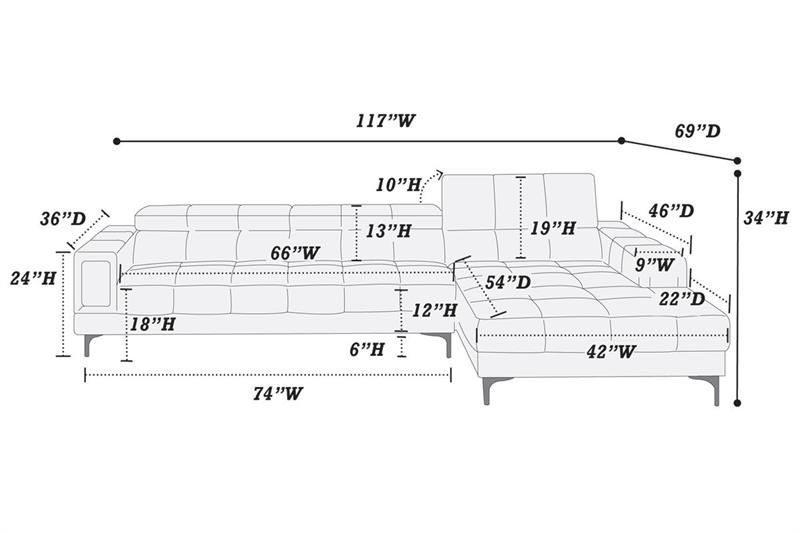
Don’t forget to measure your space and your sofa. Seriously, measure twice, buy once. And consider the scale of other furniture you’ll be adding. A tiny coffee table will look lost in front of a massive sectional, and vice versa.
Accessorizing and Completing the Look
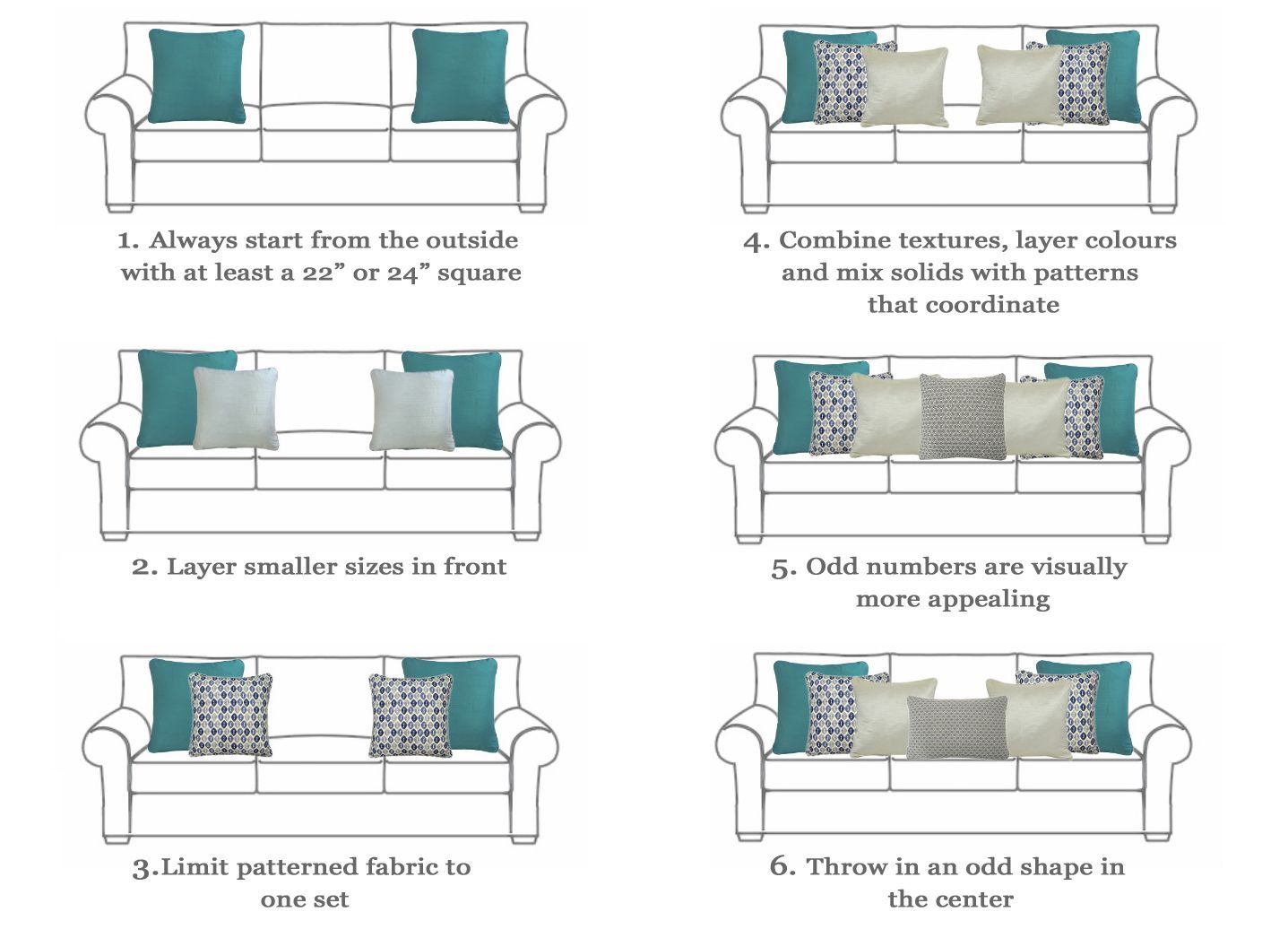
Once your left-facing sectional is in its prime position, it’s time to bring the rest of the room to life. Add a coffee table that complements the sectional’s scale and style – something round or oval can soften the lines of the sofa and make navigating around it easier. Throw pillows and a cozy blanket instantly add warmth and personality. Don’t forget lighting. Floor lamps and table lamps can create ambient mood lighting, crucial for making the space feel inviting. And if you have space, a couple of accent chairs or poufs can extend the seating and add visual interest. Hanging artwork or a mirror on the wall behind the sectional can also help to define the space and add a decorative touch. It’s the finishing touches that really make a house feel like a home.
So there you have it. Placing a left-facing sectional isn’t just about fitting a large piece of furniture into your living room; it’s about strategically shaping your space for comfort, conversation, and flow. By understanding the orientation and considering how it interacts with your room’s architecture and your lifestyle, you can transform your living area into a truly welcoming and functional sanctuary. Don’t be afraid to experiment a little. Sometimes, the best layout is found through trial and error. Happy arranging.