Picture this: a quiet cabin nestled in the mountains, far from the noise of daily life. This isn’t just any ordinary getaway spot. It’s the legacy of Lloyd Flanders, a visionary whose understanding of rest and renewal changed how we think about our weekends. What started as a simple idea has grown into something much bigger – a movement toward intentional living and mindful escape.
When you think about weekend retreats, what comes to mind? Maybe a cozy cabin, a serene lake, or perhaps a peaceful mountain lodge. But behind many of these beautiful spaces lies a deeper story. One man’s vision, one man’s passion, one man who saw something special in the way we spend our time away from work and routine. Lloyd Flanders wasn’t just building buildings – he was crafting experiences. His journey shows us that even the smallest changes in how we design our time off can lead to profound shifts in our lives.
The Beginning: A Simple Idea Born From Necessity
Lloyd Flanders didn’t start out planning retreats. He began as someone who needed a break himself. After years of working in fast-paced environments, he realized something important: his mind and body were exhausted. What began as a personal quest for peace became something much larger. He wanted to create spaces where others could find the same rest he had discovered.
His first project was modest – a small cabin tucked away in a forest. No fancy amenities, no grand designs. Just enough space for reflection, solitude, and simple pleasures like morning coffee and evening stars. But it worked. People came back. They talked about feeling renewed, recharged, and refreshed. That early success planted the seed for something more ambitious.
Design Philosophy: Less Is More, But More Is Better
One of Lloyd’s core beliefs was that true retreat spaces needed to be designed with intention. Not every feature mattered. What mattered was creating environments that encouraged presence rather than distraction.
His philosophy centered around several key principles:
• Natural materials over synthetic ones
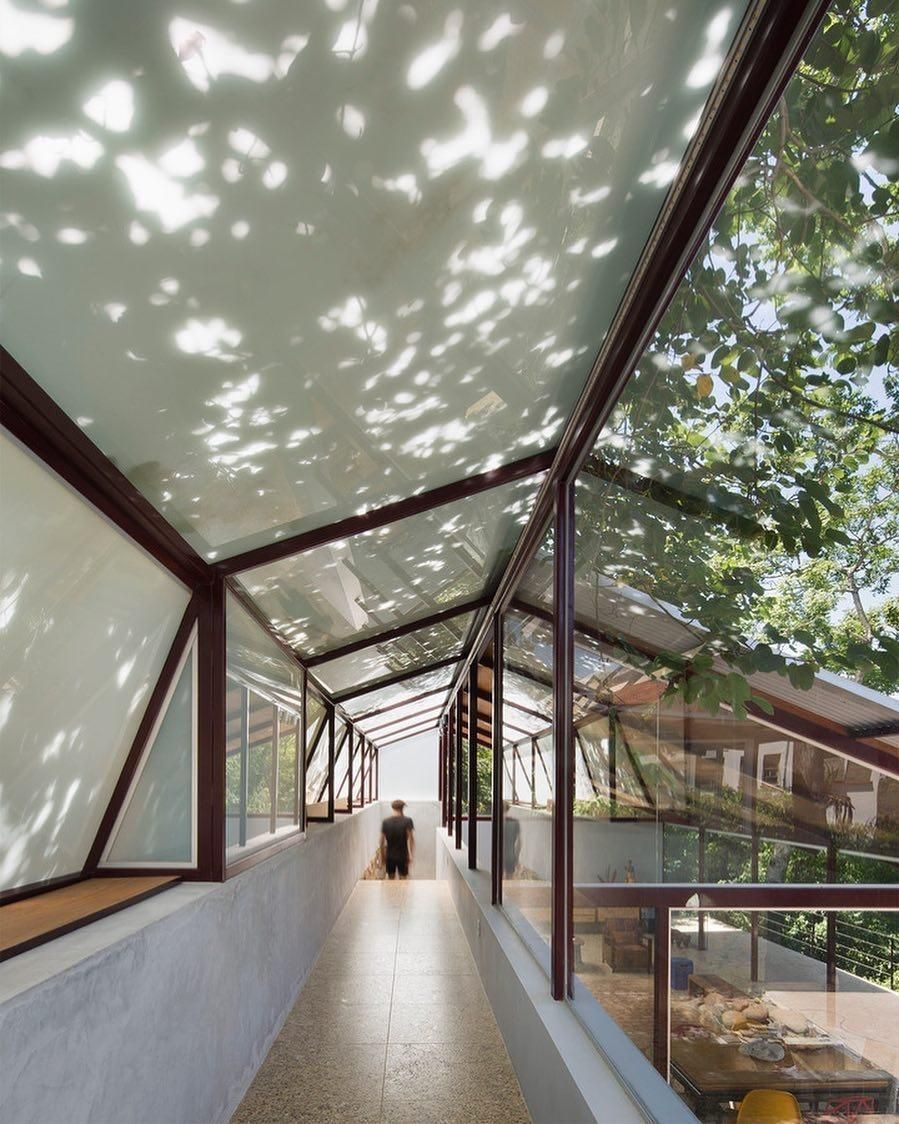
• Open spaces that invite light and air
• Minimalist design that reduces mental clutter
• Integration with the surrounding environment
• Comfort that feels effortless rather than forced
These weren’t just design choices – they were lifestyle statements. Every element served a purpose beyond decoration. The wood used in furniture wasn’t chosen for its beauty alone, but for its ability to connect people with nature. The windows weren’t just for viewing – they were designed to frame views that would bring peace to anyone looking through them.
The Shift Toward Community and Connection
As Lloyd’s retreats grew in popularity, he noticed something unexpected happening. People weren’t just coming for individual peace – they were also seeking connection. Not the kind found in busy social events, but the kind that happens when people share quiet moments together.
He began incorporating communal areas designed for conversation and shared meals. These weren’t spaces meant for entertainment, but for genuine interaction.
The dining hall became a place where guests would sit together, sharing stories and experiences. The common room offered comfortable seating arrangements that naturally encouraged conversation. Even the bathroom areas were thoughtfully designed to allow for brief interactions between guests.
This shift showed Lloyd that retreats were becoming more than just places to escape. They were becoming places where people could rebuild relationships, whether with themselves or others.
Technology Integration: Finding Balance in the Digital Age
In today’s world, the idea of disconnecting from technology might seem impossible. Yet Lloyd understood that true rest required a conscious choice to step away from constant connectivity.
His approach wasn’t to ban phones entirely, but to create environments that made disconnection feel natural and even enjoyable.
Some of his retreats featured:
• Designated phone-free zones that encouraged face-to-face communication
• Spaces with minimal electronic infrastructure to reduce digital temptation
• Areas where guests could enjoy analog activities like reading or writing
• Quiet rooms designed specifically for meditation and reflection
He believed that technology should serve people, not control them. When people truly connected with their surroundings and each other, the need for constant digital stimulation diminished naturally. It was about finding harmony between modern life and timeless needs for peace.
Sustainability: Building for Future Generations
What set Lloyd apart wasn’t just his design sense or his understanding of human psychology. It was his deep commitment to sustainability. He saw retreat spaces as temporary homes that should not leave lasting damage on the environment.
His projects reflected this mindset in multiple ways:
• Using locally-sourced materials to reduce transportation impacts
• Incorporating renewable energy sources like solar panels and wind power
• Creating spaces that blended seamlessly with existing landscapes
• Choosing plants and landscaping that supported local ecosystems
• Designing for longevity rather than trendy aesthetics
This environmental consciousness wasn’t just good for the planet – it also reinforced the retreat experience. Guests could feel good about their presence in these spaces, knowing they were part of a sustainable ecosystem. The buildings themselves became symbols of responsible living.
Legacy and Modern Impact: How His Vision Lives On
Today, Lloyd Flanders’ influence can be seen everywhere. From small family cabins to large resort-style retreats, his principles continue to shape how we think about weekend getaways.
Many modern retreat centers now follow his approach:
• Emphasis on natural materials and organic forms
• Integration of outdoor and indoor spaces
• Focus on community-building activities
• Sustainable construction practices
• Mindful design that promotes wellness
But perhaps most importantly, his vision helped normalize the idea that weekends should be more than just time off from work. They should be opportunities for growth, reflection, and restoration.
Even those who never visited one of his actual retreats have been influenced by his philosophy. Whether it’s choosing to spend time in nature instead of scrolling through social media, or simply taking a few minutes each day to breathe deeply and reset, Lloyd’s impact is everywhere.
Looking back at Lloyd Flanders’ journey, it’s clear that his vision went far beyond creating pretty buildings. He understood that the spaces we inhabit directly affect how we feel and function. His retreat spaces weren’t just about getting away from stress – they were about getting back to ourselves.
Through careful attention to design, sustainability, and human needs, he created a model that still resonates today. The question isn’t whether we’ll continue to evolve weekend retreats – it’s how we’ll honor Lloyd’s original insight that sometimes the best way to move forward is to slow down and reconnect with what matters most.
His legacy reminds us that the most meaningful changes often start with small, thoughtful gestures. Whether it’s choosing to spend time in a well-designed space or simply deciding to take a moment to appreciate the world around us, we all have the power to create our own versions of what Lloyd achieved. The weekend retreats he imagined continue to grow, evolve, and inspire us to live more intentionally every single day.