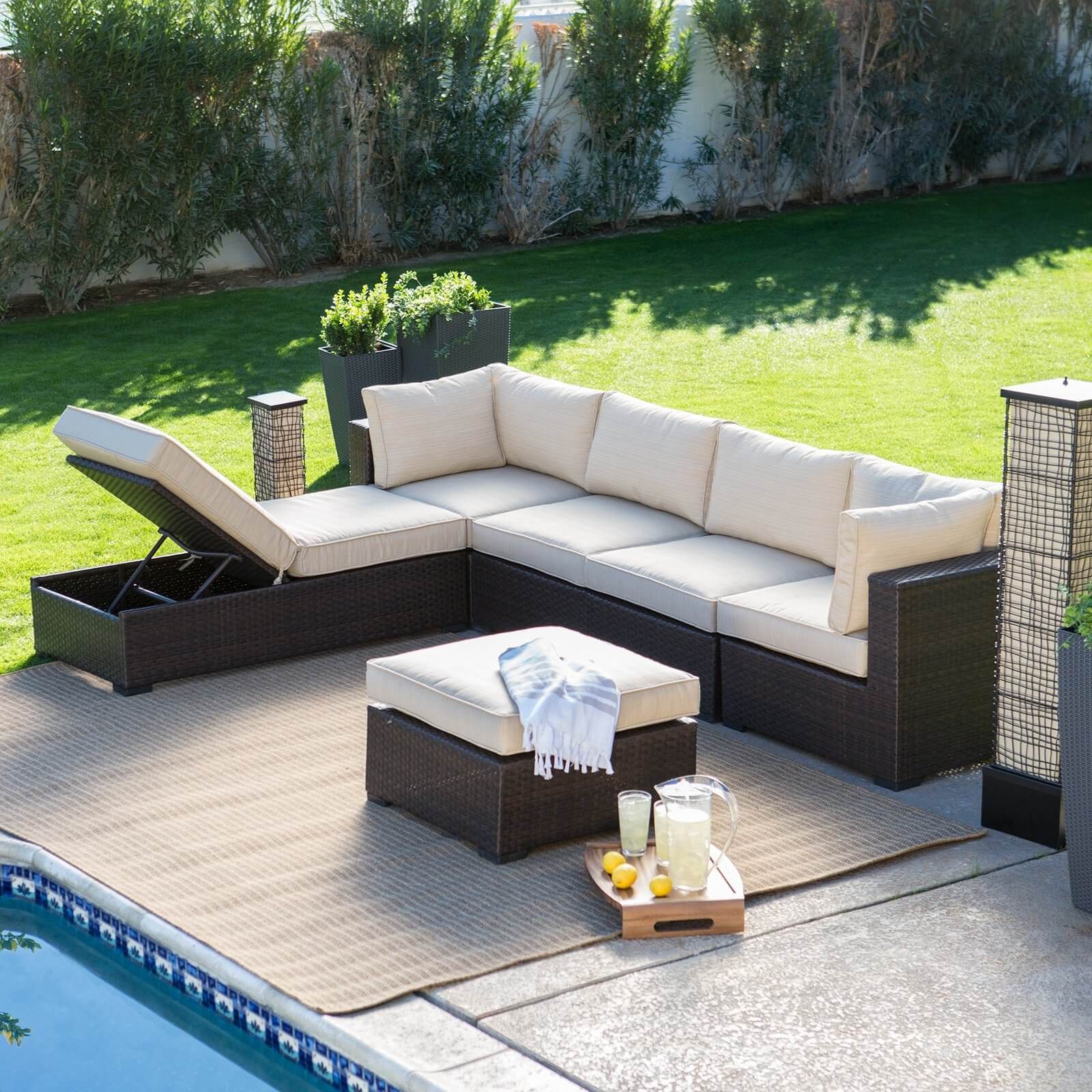
There’s something magical about eating under the stars or beside a gentle breeze. But let’s be honest, outdoor dining can quickly turn into a disaster if you don’t get the seating right. The right setup transforms a simple meal into an unforgettable experience.
Outdoor dining has become more than just a trend – it’s a lifestyle choice that many people embrace wholeheartedly. Whether it’s a backyard barbecue, a restaurant patio, or a beachside feast, the way we arrange seating makes all the difference between a forgettable meal and one that people talk about for weeks. It’s not just about having chairs and tables; it’s about creating an environment where people want to linger, connect, and enjoy every moment. The right seating arrangement can turn a casual dinner into a celebration, and that’s what we’re going to explore today.
Understanding the Basics of Outdoor Seating
Before diving into specific arrangements, it’s crucial to understand some fundamental principles. Outdoor spaces have unique challenges compared to indoor settings. Weather plays a major role, from unpredictable rain to sudden gusts of wind. Sun exposure varies dramatically throughout the day, affecting comfort levels significantly. Temperature changes can be dramatic between day and night. And let’s not forget about insects, which can quickly ruin an evening if not properly considered.
The first thing to consider is space. You need enough room for people to move comfortably around their seats. Think about traffic flow – people shouldn’t have to squeeze past tables or struggle to get to their chairs. A good rule of thumb is to allow at least three feet of clearance around each table. This might seem like a lot, but it really does make a huge difference in how relaxed guests feel.
Another important factor is accessibility. Not everyone moves the same way. Some guests may have mobility issues, while others might be elderly or young children. Making sure everyone can easily access their seats and move around freely creates a more inclusive dining environment. Consider ramps, wider pathways, and easy-to-reach seating options.
Choosing the Right Furniture for Outdoor Settings
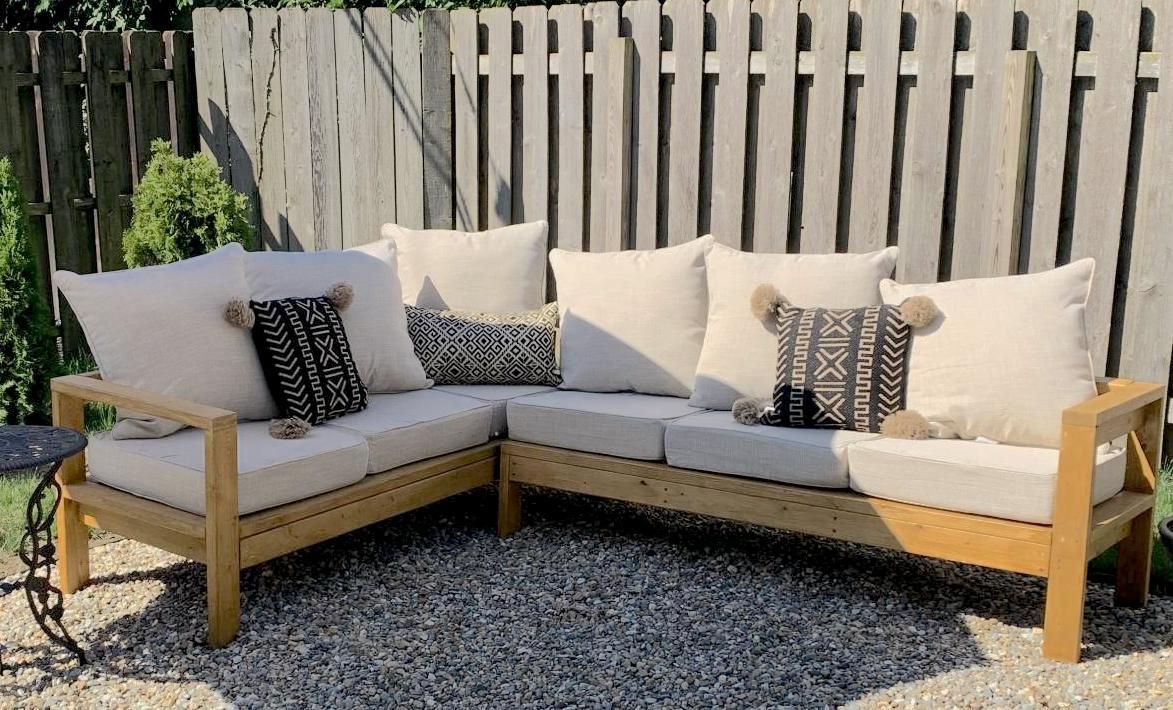
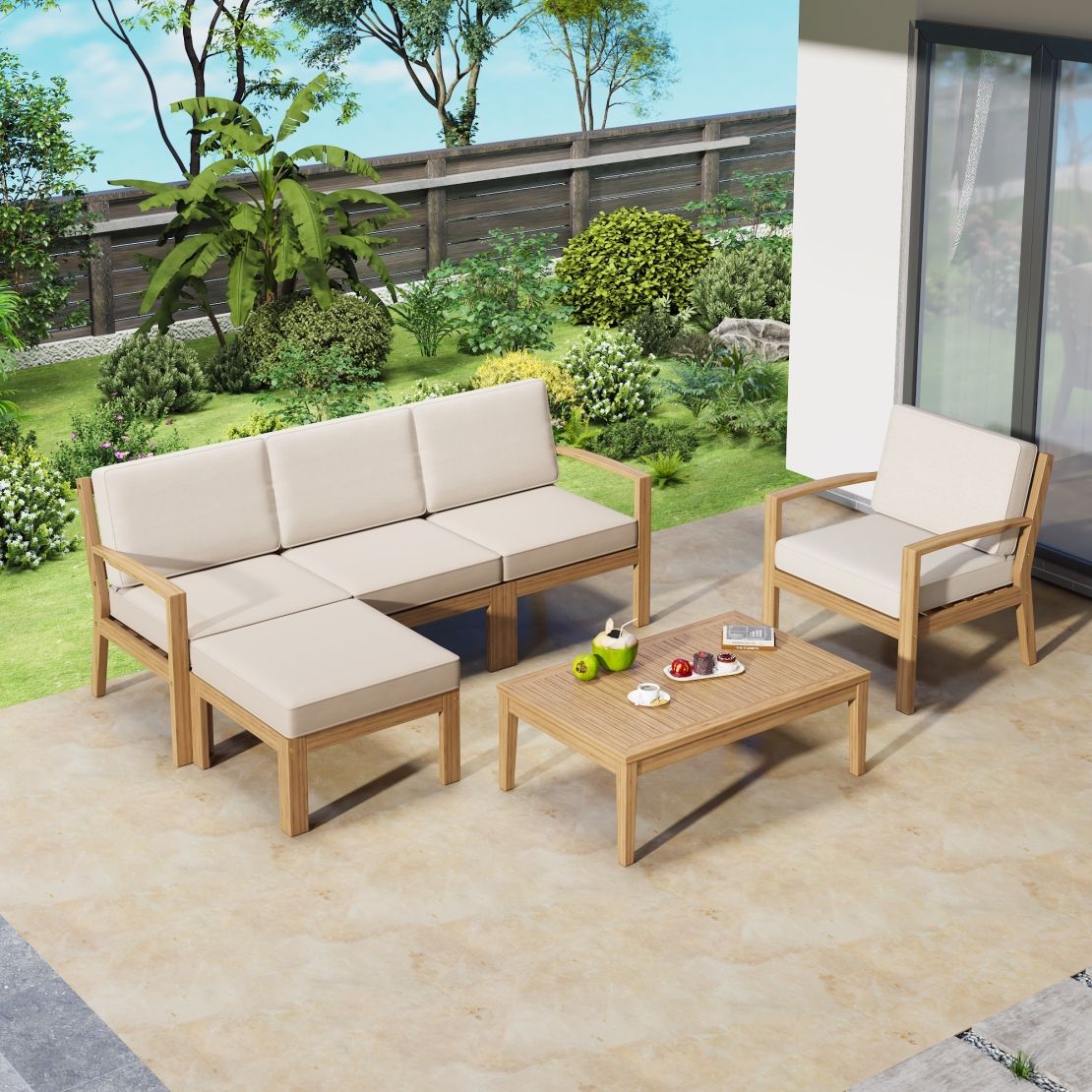
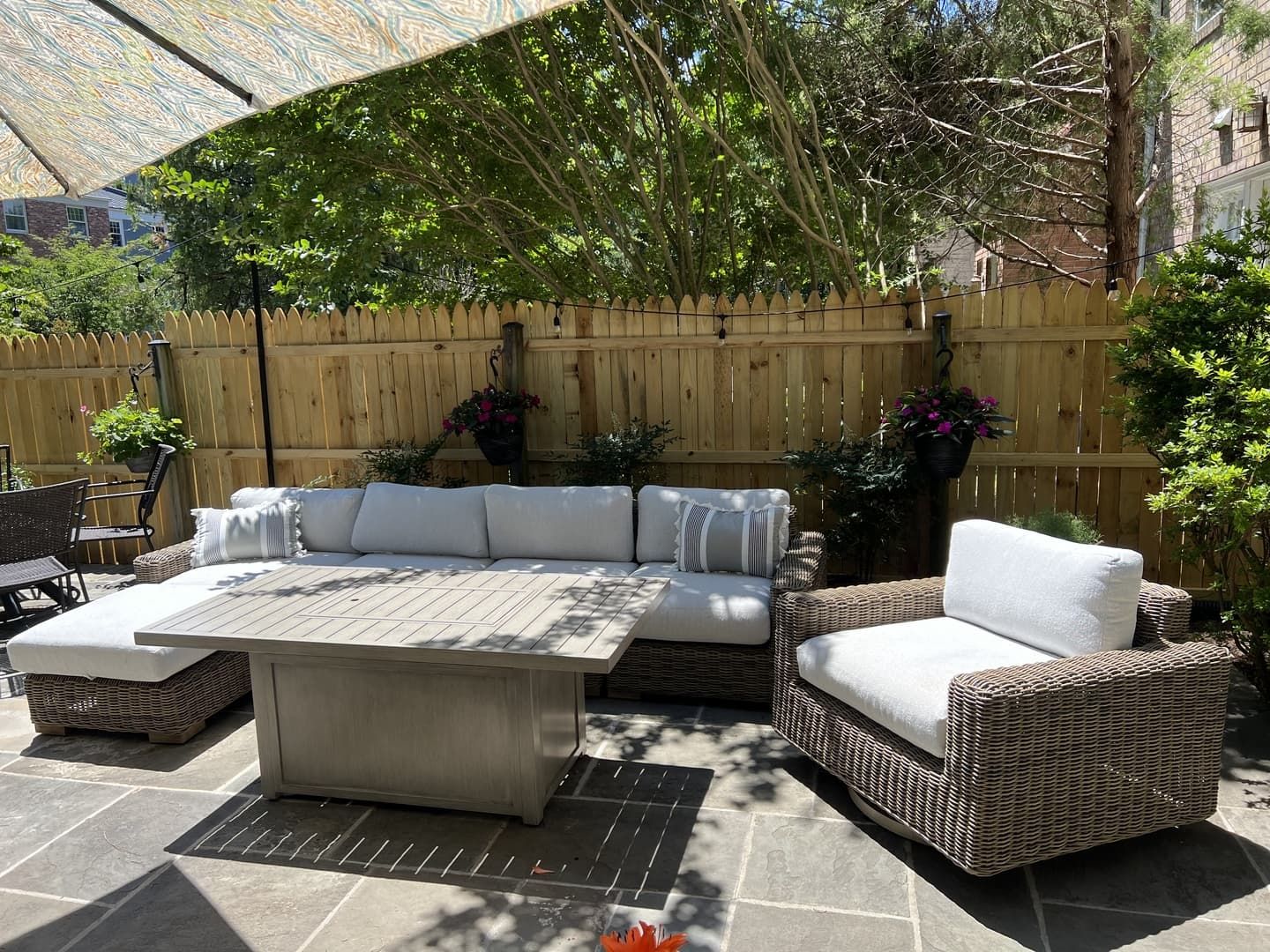
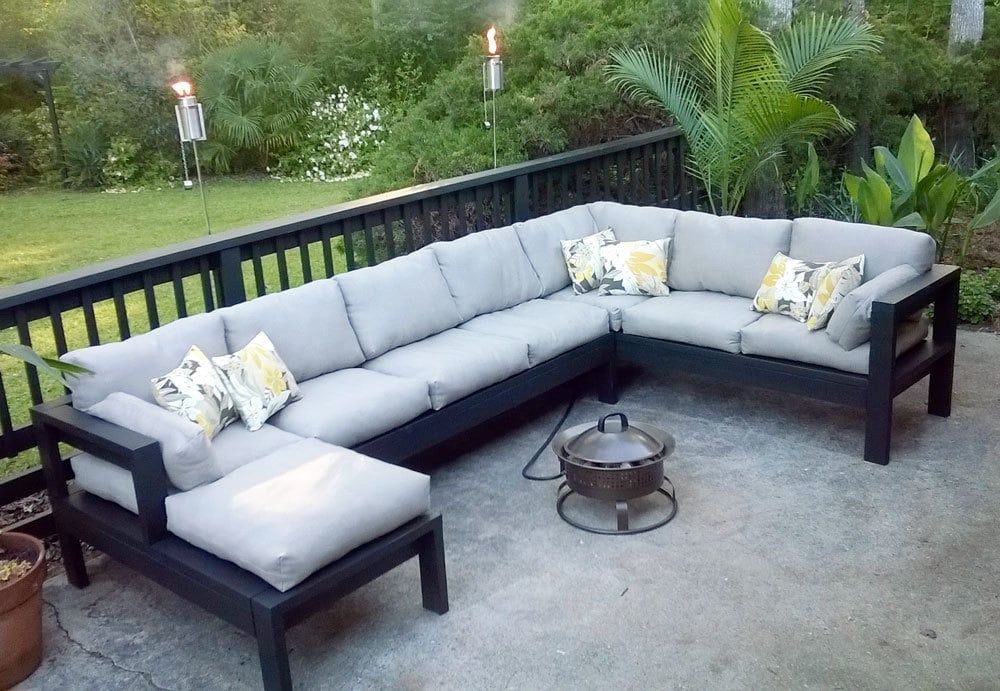
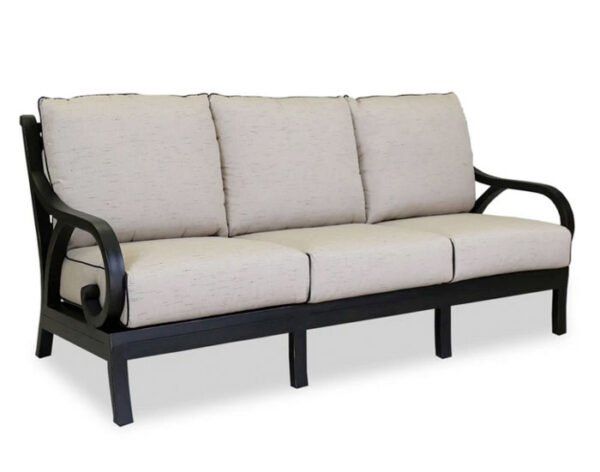
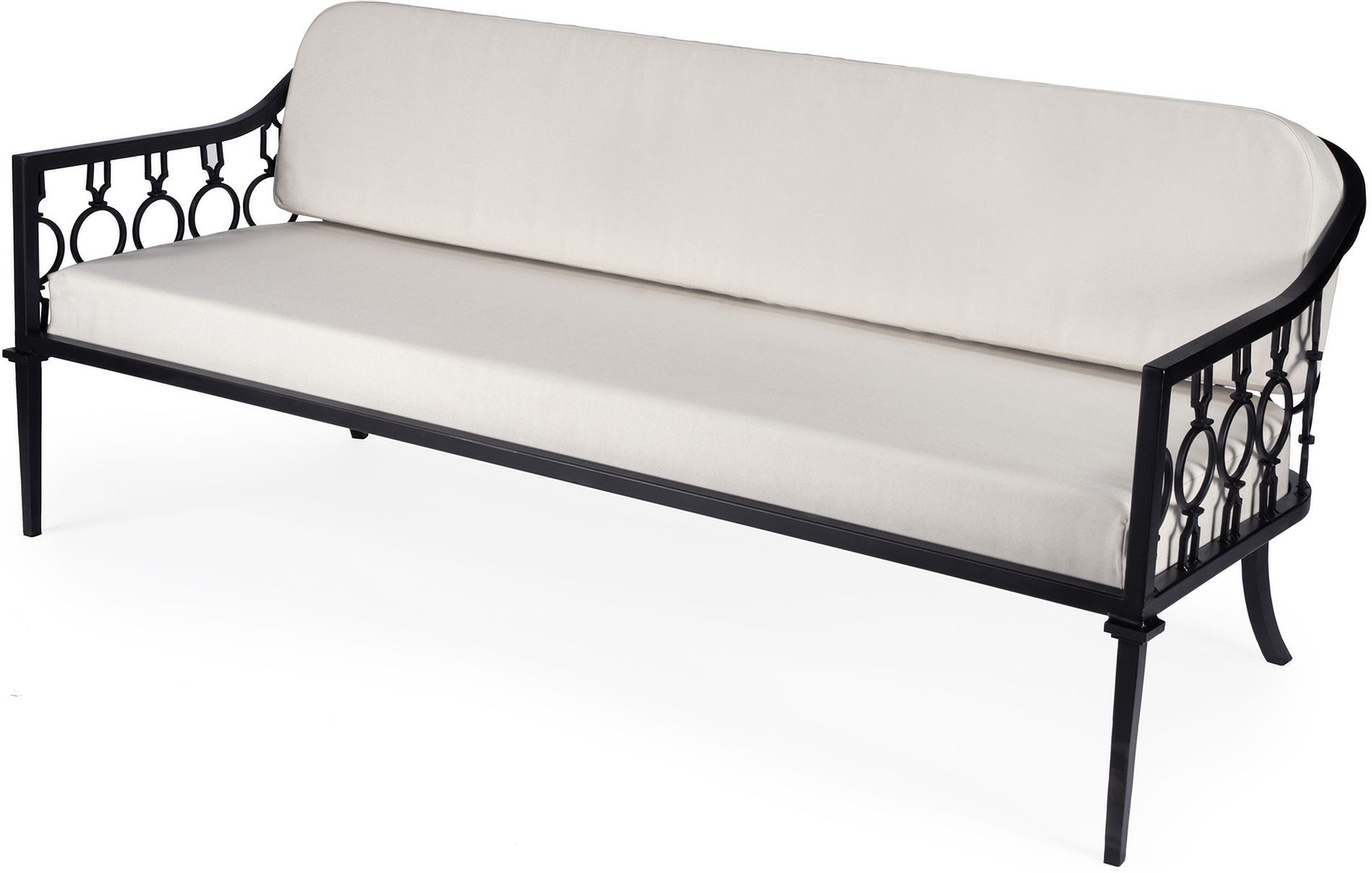
The furniture you select sets the tone for the entire experience. Wood furniture brings warmth and classic appeal, but it requires regular maintenance and can be affected by weather. Metal frames offer durability and modern aesthetics, though they can get hot in direct sunlight. Plastic and synthetic materials provide low maintenance and weather resistance, making them popular choices for casual settings.
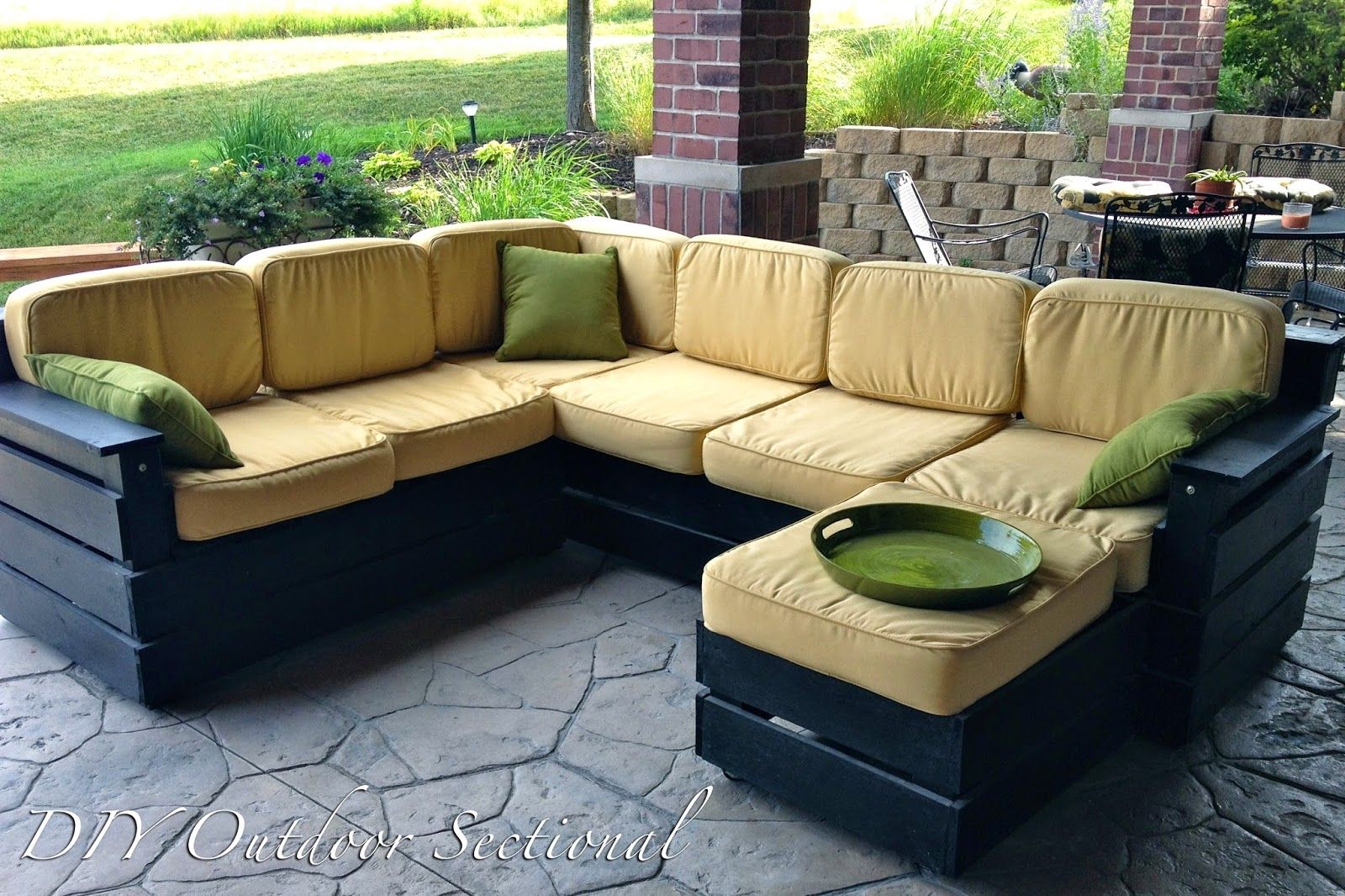
Material selection should also consider comfort. Cushions play a vital role in outdoor seating. Look for weather-resistant fabrics that can handle sun, rain, and temperature changes. Polyester and acrylic blends work well because they dry quickly and resist fading. Remember that outdoor cushions often need to be removable for cleaning and storage.
Consider the weight and portability of furniture. If you’re setting up for a party or event, having lightweight pieces that can be easily moved and rearranged gives you flexibility. Heavy furniture might look impressive but can limit your ability to adjust the layout based on guest preferences or weather changes.
Don’t overlook the importance of matching your furniture to the overall theme. If you’re aiming for a rustic vibe, wooden tables and chairs with natural finishes work perfectly. For a contemporary look, sleek metal frames with clean lines might be more appropriate. The visual consistency helps create a cohesive experience that feels intentional rather than random.
Creating Functional Layouts for Different Spaces
Every outdoor area presents its own set of challenges and opportunities. A small balcony might only accommodate two or three seating areas, while a large backyard could support multiple zones. The key is understanding how to maximize the available space while maintaining comfort and functionality.
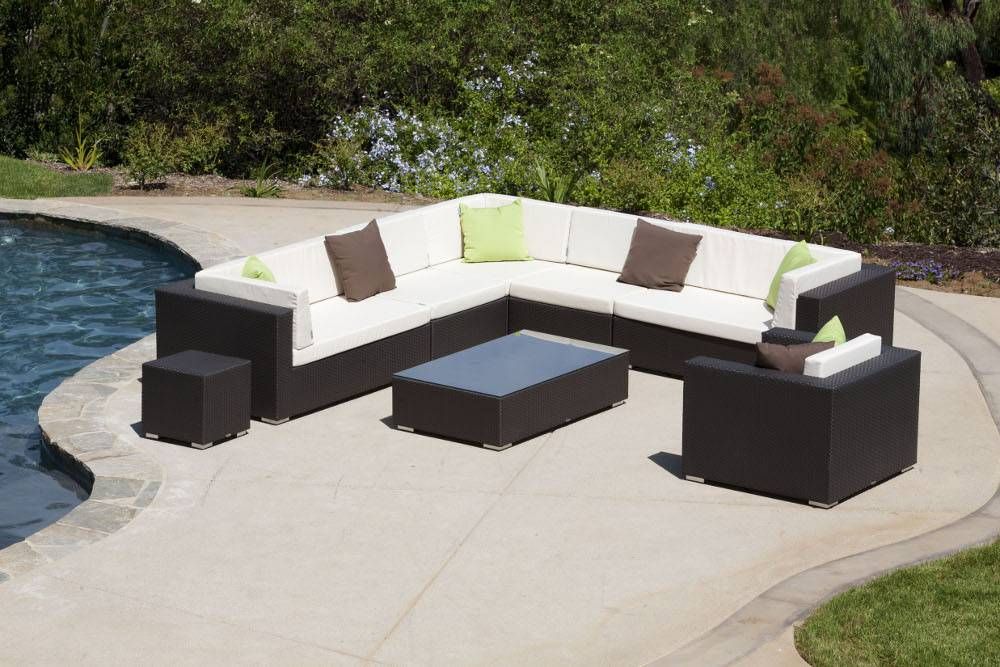
For small spaces, think vertically. Use wall-mounted seating or hanging chairs to save floor space. Create intimate groupings by arranging chairs in circles or small U-shapes rather than long rows. This encourages conversation and makes guests feel more connected to each other.
In larger areas, consider creating distinct zones. A dining area might be separate from a lounging area. This allows different groups to enjoy various activities simultaneously. One zone could focus on serious dining, while another offers more casual seating for socializing or watching the sunset.
Lighting plays a crucial role in defining these spaces. String lights can create ambiance in a dining area, while softer lighting in lounging zones encourages relaxation. Position lights strategically to avoid glare on food or creating shadows that might interfere with visibility.
Flow is essential when designing layouts. Ensure there’s a clear path between seating areas and between seating and other amenities like restrooms or kitchens. Guests should never feel trapped or unable to navigate the space easily.
Weather Considerations and Protection Strategies
One of the biggest challenges in outdoor dining is dealing with weather elements. Rain, wind, and sun can either enhance or ruin an experience depending on how well you prepare. The key is being proactive rather than reactive.
Rain protection is probably the most critical consideration. Canopy covers, pergolas, or even large umbrellas can provide shelter when unexpected showers occur. These should be easy to deploy and secure during storms. Consider installing retractable awnings that can be adjusted based on weather conditions.
Wind protection helps maintain comfort and prevents items from being blown away. Strategically placed windbreaks like privacy screens, hedges, or even large planters can redirect airflow. Position seating away from direct wind paths whenever possible.
Sun protection is equally important. Too much direct sunlight can make people uncomfortable and cause eye strain. Shade structures, umbrellas, or strategic tree placement can provide relief. Some outdoor restaurants use adjustable sun shades that can be positioned throughout the day as the sun moves.
Temperature control also matters. Fans can provide relief during hot summer months, while heaters can make winter dining more comfortable. Consider portable options that can be moved as needed. The right balance of cooling and warming features ensures year-round usability.
Comfort Factors That Make or Break Outdoor Dining
Comfort isn’t just about soft cushions and ergonomic design – it encompasses everything that affects how people feel while dining outdoors. The right combination of physical and psychological comfort creates an environment where guests want to stay longer.
Cushion quality and padding are obvious but crucial factors. Poorly cushioned seating can lead to discomfort after just a few minutes. Look for cushions with supportive foam or high-quality fill materials that maintain their shape and comfort over time. The height of seating should match the table appropriately, typically allowing for about 18 inches of clearance between seat and table surface.
Back support is often overlooked but extremely important. Chairs that provide adequate back support help people relax and enjoy their meals without straining their backs. This is especially true for extended dining sessions.
Temperature regulation matters more than you might expect. Materials that retain heat can make summer dining unbearable, while those that provide cooling benefits are welcome in warmer climates. Consider seating materials that naturally regulate temperature or add breathable fabrics to cushion designs.
Noise levels affect comfort too. Outdoor spaces often have more ambient sound than indoor areas. While some background noise can be pleasant, excessive noise from traffic, construction, or other sources can disrupt conversations and dining experiences. Sound barriers or strategic placement of seating can help minimize unwanted noise.
Making Seating Accessible and Inclusive
Creating truly welcoming outdoor dining experiences means considering people with varying abilities and needs. An inclusive approach makes everyone feel valued and accommodated.
Accessibility starts with physical considerations. Wide pathways ensure wheelchair users can navigate the space easily. Raised seating options can help people with mobility issues eat more comfortably. Consider adjustable-height tables that can accommodate different needs.
Visual accessibility includes good lighting and clear sightlines. People with visual impairments need adequate lighting to see their food and surroundings clearly. Avoid cluttered arrangements that might create obstacles or confusion.
Sensory considerations matter too. Some people are sensitive to bright lights, loud noises, or strong scents. Creating quieter zones or offering options for different sensory experiences helps accommodate these needs.
Age-related considerations should also guide seating arrangements. Young children might need smaller chairs or booster seats. Elderly guests may prefer seating with armrests or back support. Having flexible seating options allows you to accommodate different age groups effectively.
Family-friendly arrangements are particularly important for events. Having spaces where parents can keep an eye on children while still enjoying their meals creates a more enjoyable experience for everyone involved.
Creating the perfect outdoor dining experience isn’t just about choosing pretty furniture or finding the right location. It’s about understanding human needs and designing spaces that make people feel comfortable, included, and genuinely happy. When you consider weather protection, accessibility, comfort factors, and thoughtful layout, you’re not just arranging chairs and tables – you’re crafting memorable moments.
The best outdoor dining experiences happen when everything comes together seamlessly. From the way guests enter the space to how they move between seating areas, every detail contributes to the overall feeling. Whether you’re hosting a small family gathering or planning a large event, taking time to thoughtfully arrange your seating will pay dividends in guest satisfaction and enjoyment.
Remember, great outdoor dining isn’t about perfection – it’s about creating an environment where people want to spend time, connect with others, and savor their meals. With careful attention to these elements, you’ll find that your outdoor dining experiences become something special that people look forward to returning to again and again.