Every time you sit on a patio chair or admire a colorful awning, you’re witnessing a triumph of science and engineering. But what happens when those brilliant hues face the relentless assault of sun, rain, and wind? The answer lies in something called colorfastness testing.
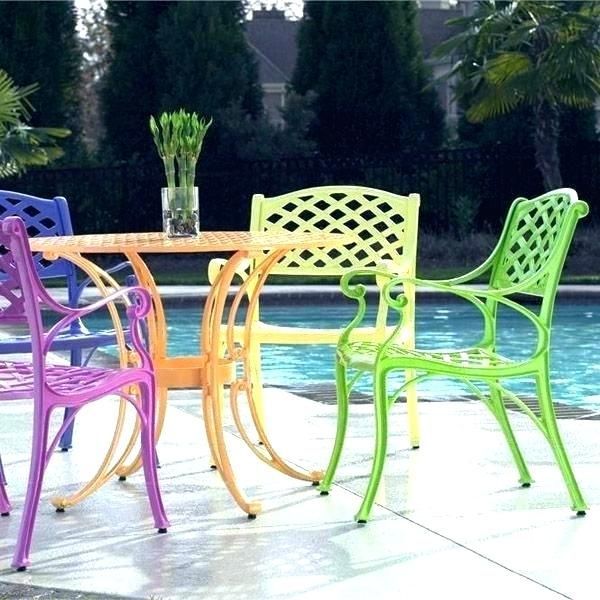
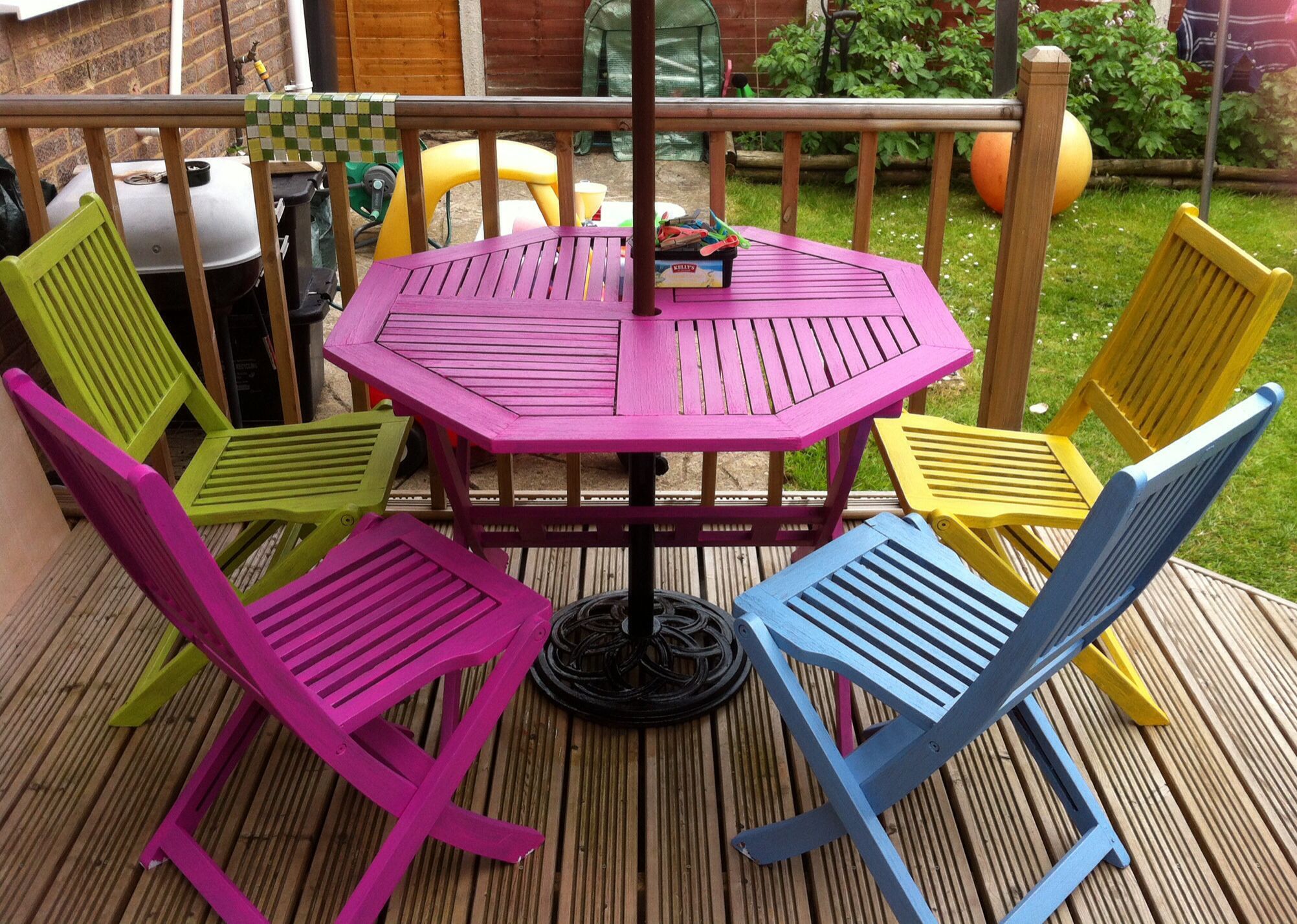
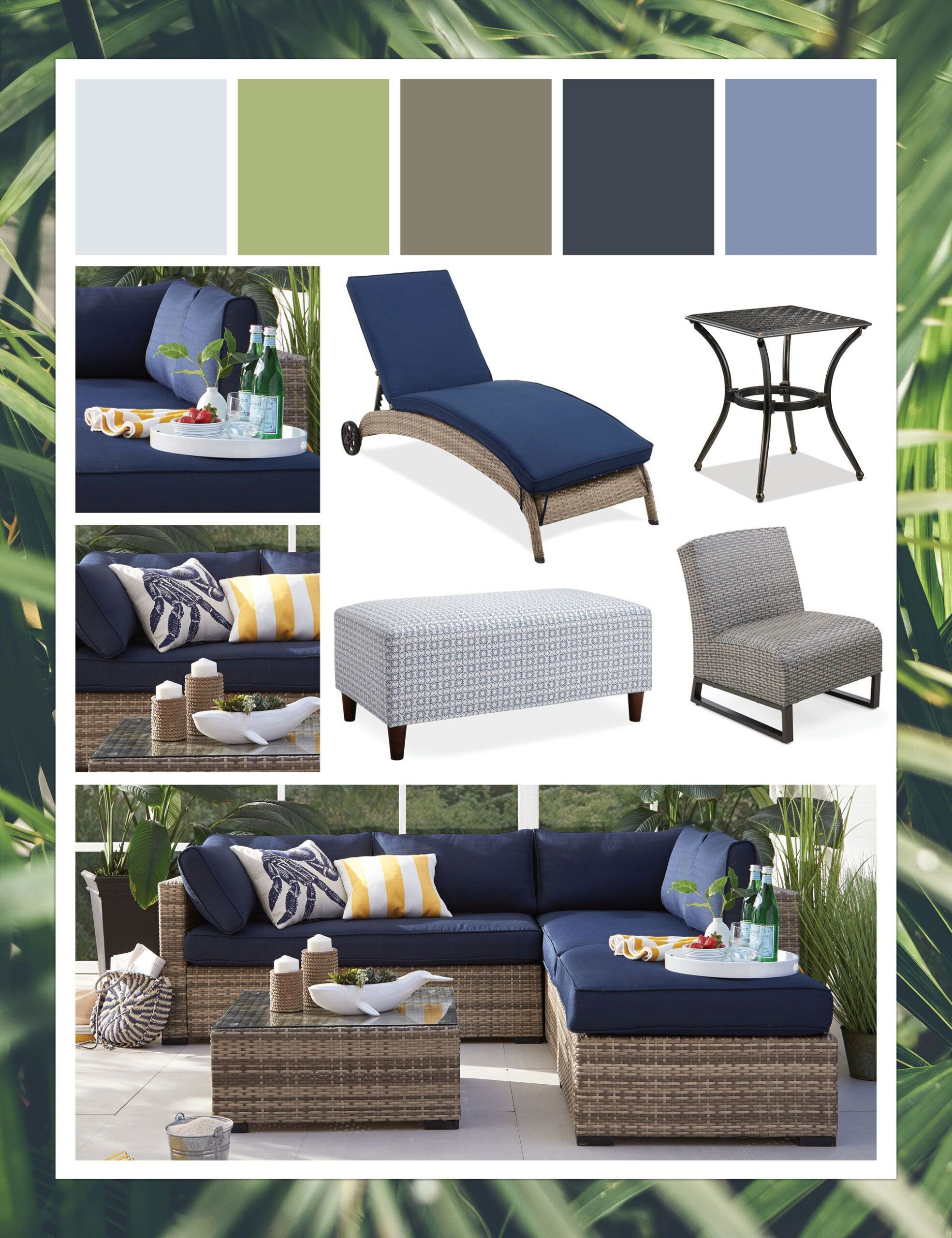
Picture this: You’ve just bought a stunning blue patio set that looks like it was pulled straight from a summer dream. It’s got that perfect shade that makes everything else look pale by comparison. But then comes the first summer storm, followed by months of intense UV exposure. What happens to those gorgeous colors? Do they fade like a memory or hold their ground like a determined friend?
This isn’t just a question about aesthetics – it’s about durability, safety, and the fundamental relationship between fabric and environment. Colorfastness testing answers these questions before you even buy the product. It’s the invisible guardian that ensures your outdoor textiles will last, look good, and keep you safe from fading hazards.
What Exactly Is Colorfastness?
Think of colorfastness as a fabric’s ability to hold onto its colors under pressure. It’s not just about looking pretty – it’s about ensuring that the dyes won’t wash out, bleed, or fade when exposed to harsh conditions.
In outdoor applications, this becomes even more critical. Unlike indoor fabrics that might see a few months of normal use, outdoor textiles face constant assault from:
• Intense ultraviolet radiation
• Rain and moisture
• Temperature fluctuations
• Wind and abrasion
• Chemical exposure from cleaning products
A fabric that passes colorfastness tests can withstand all of these challenges while maintaining its visual appeal and functional integrity. This means no more worrying about your favorite outdoor cushions turning into a sad, pastel mess after just one season.
Why Outdoor Fabrics Need Special Attention
Not all fabrics are created equal, especially when it comes to outdoor performance. Indoor textiles are designed for comfort and appearance in controlled environments, but outdoor fabrics must endure the full force of nature.
Consider the difference between a living room curtain and an outdoor umbrella. The curtain might fade slightly over time, but it’s not a safety concern. An outdoor umbrella that loses its color could mean poor visibility, reduced effectiveness, and potentially dangerous situations.
Outdoor textiles also face unique challenges that indoor fabrics never encounter:
• Direct sunlight exposure for extended periods
• Salt spray near ocean environments
• Extreme temperature variations
• Accumulation of dirt and debris
• Frequent washing and cleaning
These factors combine to create a perfect storm for color degradation. Without proper testing, manufacturers risk producing products that look great initially but fail quickly in real-world conditions.
The Science Behind Testing Methods
Colorfastness testing isn’t just about throwing fabric outside and waiting for it to fade. It’s a carefully orchestrated process that mimics real-world conditions in laboratory settings.
The most common testing methods include:
• UV exposure tests – Using specialized equipment that simulates years of sun exposure in a matter of hours or days
• Washing tests – Subjecting samples to repeated cleaning cycles using standardized detergents
• Rain and moisture tests – Simulating weather conditions with controlled water exposure
• Abrasion tests – Measuring how well colors resist wear and tear
Each test uses specific protocols and standards, such as AATCC Test Methods or ISO standards, to ensure consistency across different manufacturers and countries. These methods allow scientists to predict how a fabric will perform over time without waiting for months or years of actual use.
Key Factors That Affect Colorfastness
Several elements work together to determine how well a fabric maintains its color:
• Dye type and quality – Some dyes are naturally more resistant to fading than others. Reactive dyes, for example, form strong chemical bonds with fibers, making them more permanent.
• Fabric construction – The weave, knit, and fiber blend all influence how well colors stay put. Tighter weaves often provide better protection.
• Finishing treatments – Special coatings and treatments can significantly improve color retention.
• Environmental conditions – As mentioned earlier, UV exposure, moisture, and temperature play major roles.
Understanding these variables helps manufacturers make informed decisions about material selection and processing techniques. For instance, a manufacturer might choose different dyes for a beach umbrella versus a garden swing set based on expected environmental exposure.
Real-World Applications and Examples
Let’s look at some concrete examples of how colorfastness testing impacts everyday items:
• Campground awnings – These must withstand weeks of direct sunlight and frequent cleaning. A fabric that fails testing might turn brown or gray, making it unsightly and potentially unsafe.
• Marine upholstery – Boats require fabrics that resist salt water, UV rays, and constant movement. Colorfastness testing ensures that boat seats remain vibrant and functional.
• Outdoor furniture covers – These protect expensive items from weather damage. If the cover fades quickly, it defeats the purpose of protection.
In each case, the testing process helps manufacturers avoid costly recalls, customer complaints, and safety issues. A single failed test can cost companies thousands in rework and lost reputation.
How to Choose Colorfast Outdoor Fabrics
If you’re shopping for outdoor textiles, understanding colorfastness can save you money and frustration. Here are some ways to identify quality fabrics:
• Look for certifications – Reputable manufacturers often display test results or certifications showing their fabrics meet industry standards
• Check fabric labels – Many high-quality outdoor fabrics indicate their colorfastness properties
• Research the brand – Companies with strong reputations usually invest in thorough testing processes
• Ask about testing – Good manufacturers will be happy to explain their colorfastness procedures
Remember, the cheapest option isn’t always the best choice if it means replacing your outdoor furniture every season due to fading. Investing in properly tested fabrics pays dividends in both longevity and visual appeal.
Future Trends in Colorfastness Testing
The field of colorfastness testing continues to evolve with new technologies and materials. Emerging trends include:
• Advanced simulation techniques – New equipment can more accurately replicate complex environmental conditions
• Digital color measurement – Sophisticated instruments can detect minute changes in color that human eyes might miss
• Sustainable dye solutions – Researchers are developing eco-friendly dyes that maintain excellent colorfastness
• Smart textiles – Integration of sensors and monitoring systems to track fabric performance over time
These developments promise even better protection for outdoor textiles while reducing environmental impact. The future holds exciting possibilities for fabrics that not only last longer but also contribute positively to our planet.
Colorfastness testing might seem like a technical detail buried deep in manufacturing processes, but it’s actually what keeps your outdoor spaces beautiful and functional. From the moment you purchase that new patio set to the final years of use, these tests ensure that your investment in quality textiles pays off.
The next time you enjoy a sunny afternoon on your outdoor furniture, remember that somewhere in the background, scientists and engineers have been working to make sure those colors stay bright and true. It’s a quiet victory of technology and care that makes our outdoor experiences so much more enjoyable.
Whether you’re a manufacturer, retailer, or consumer, understanding colorfastness testing helps you make smarter choices about outdoor textiles. After all, there’s nothing quite like watching your favorite outdoor space maintain its vibrant colors year after year, thanks to careful attention to the science behind color retention.