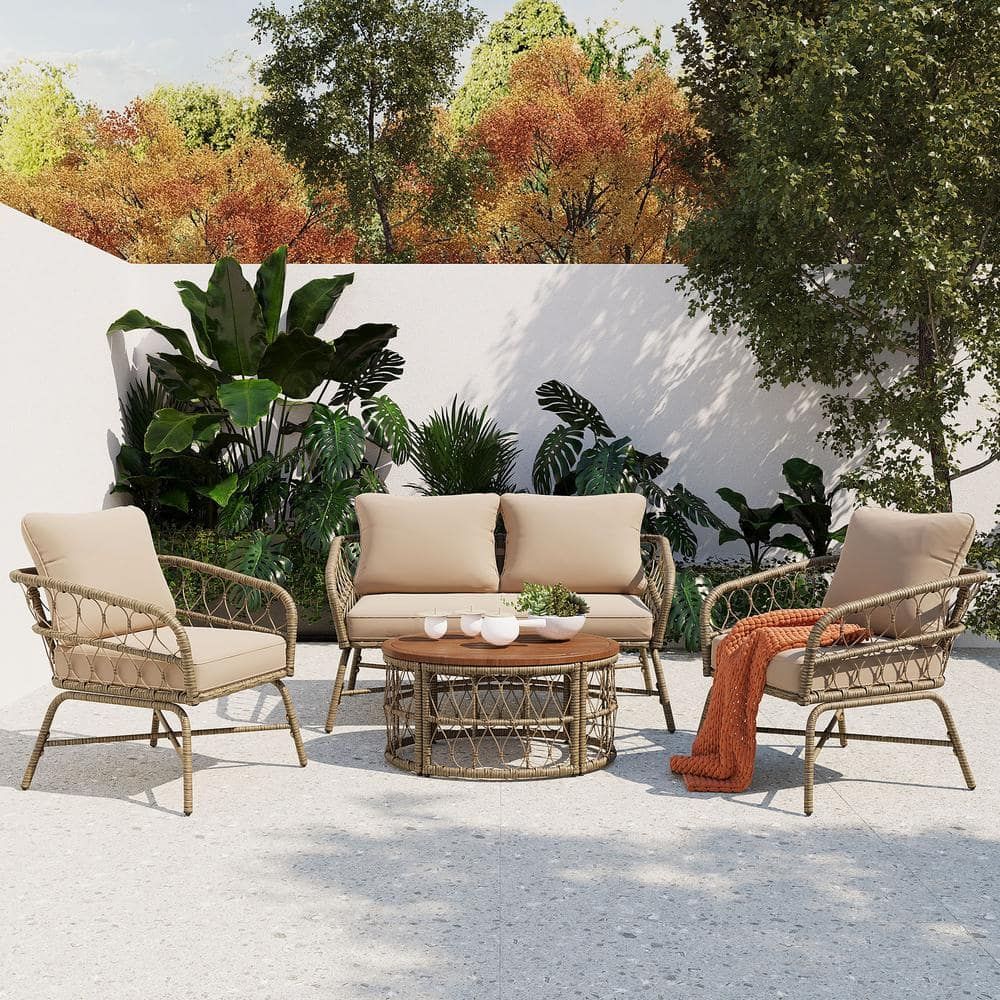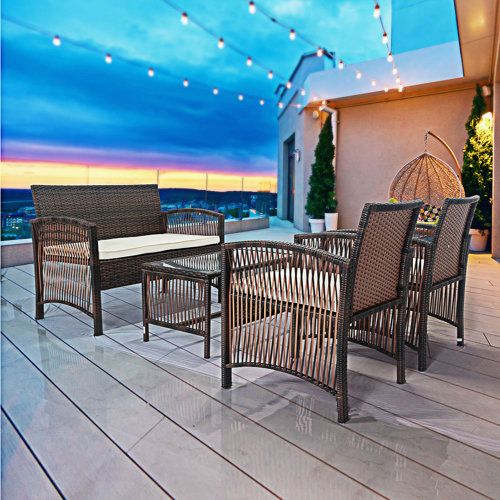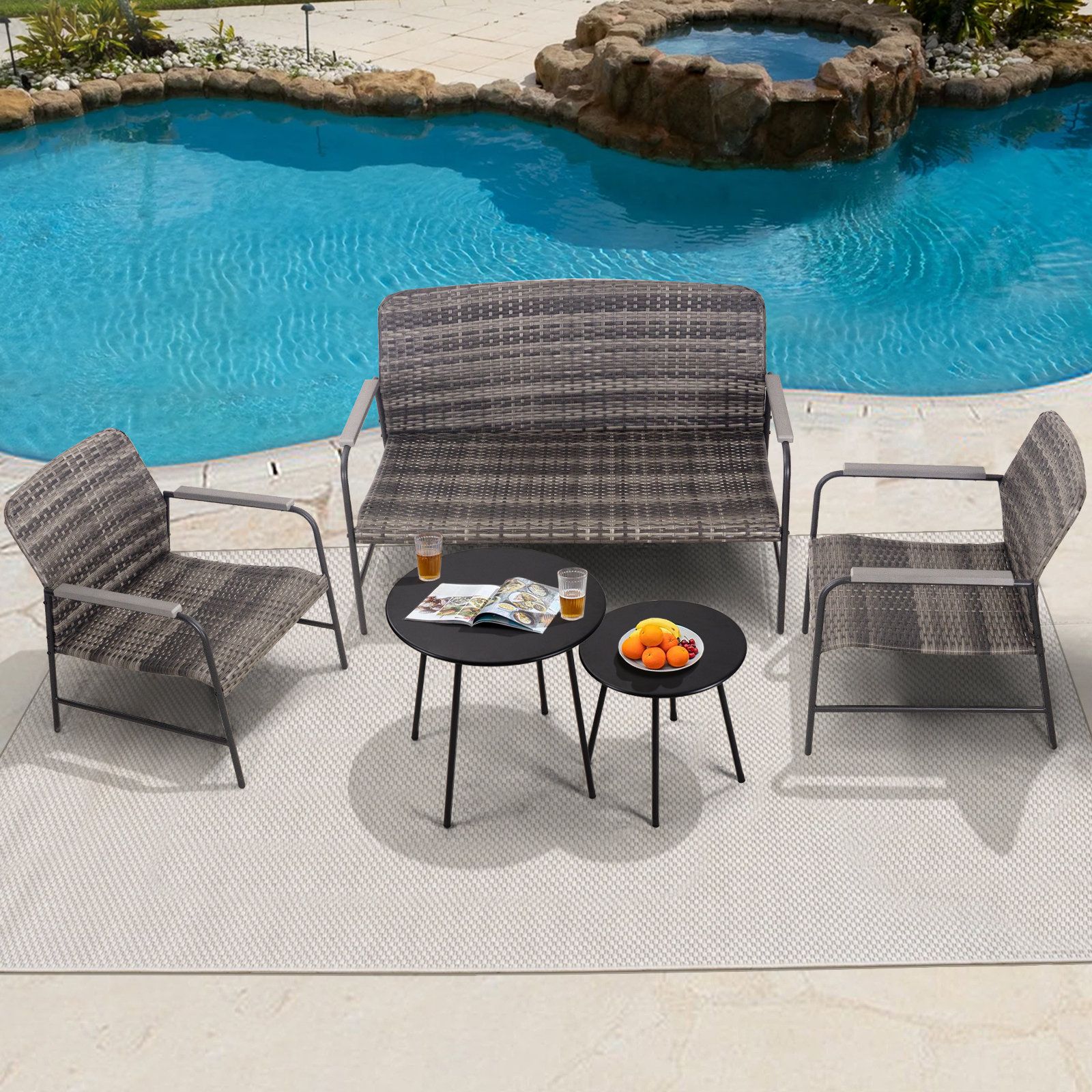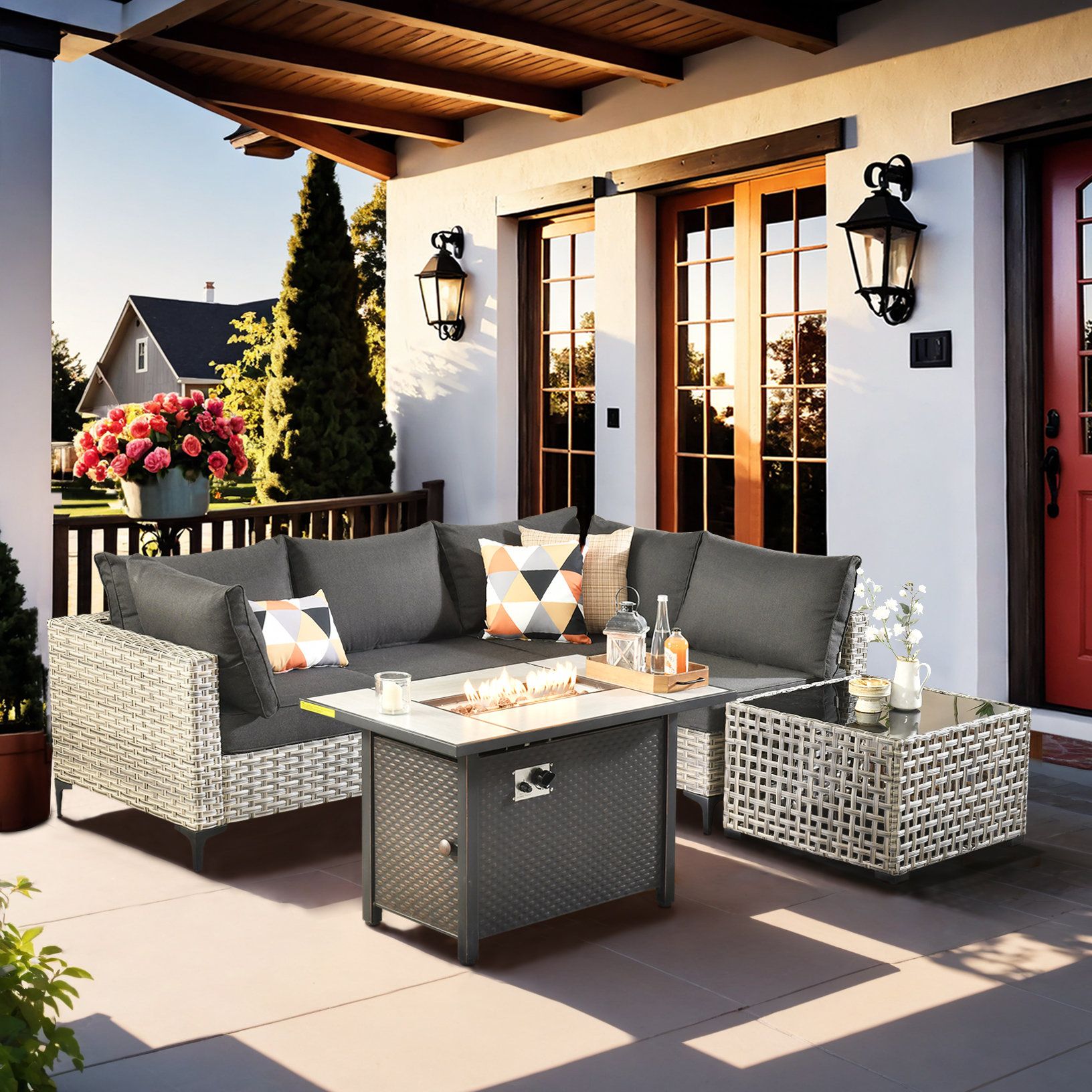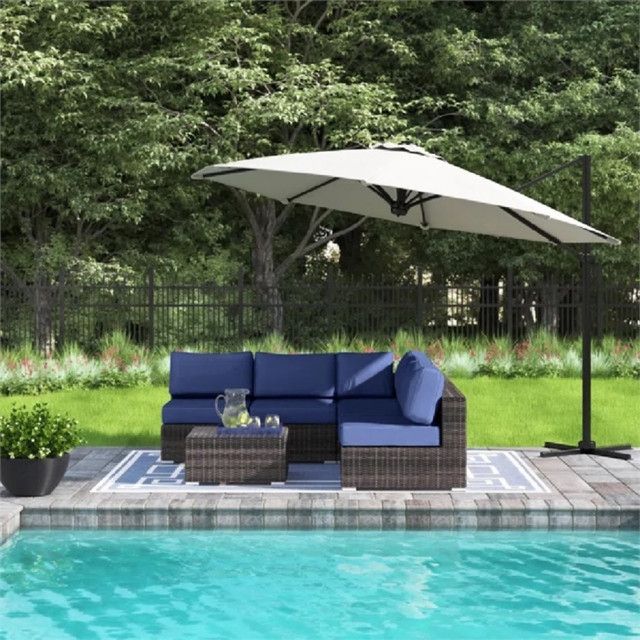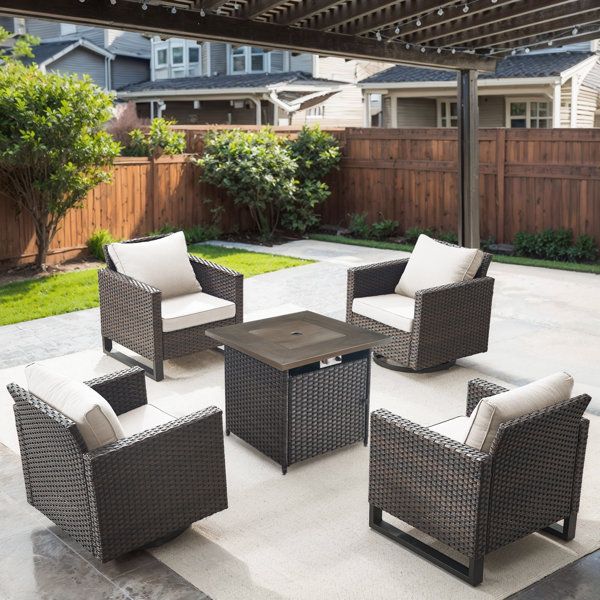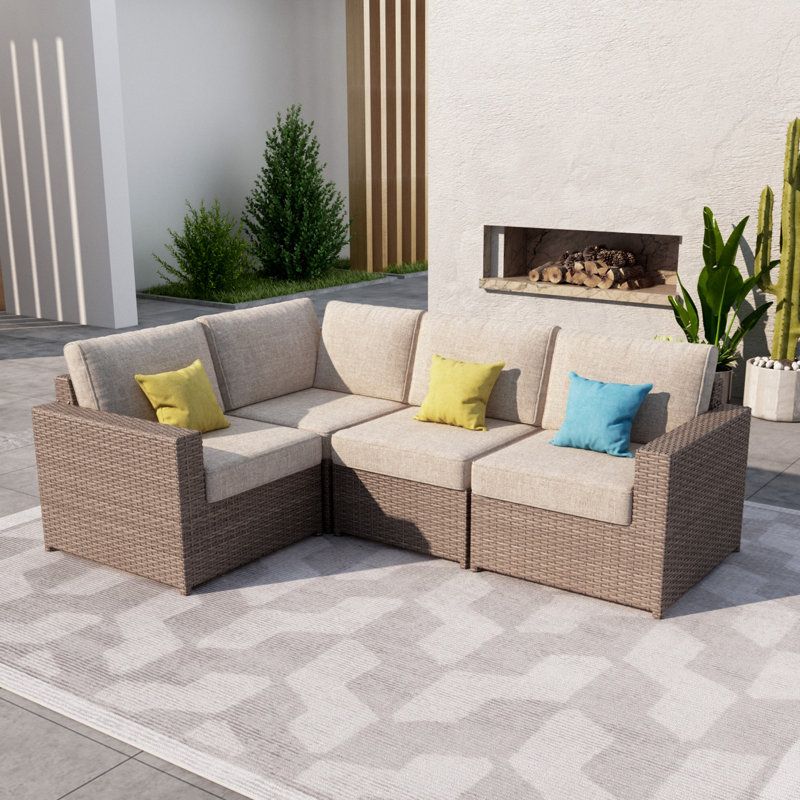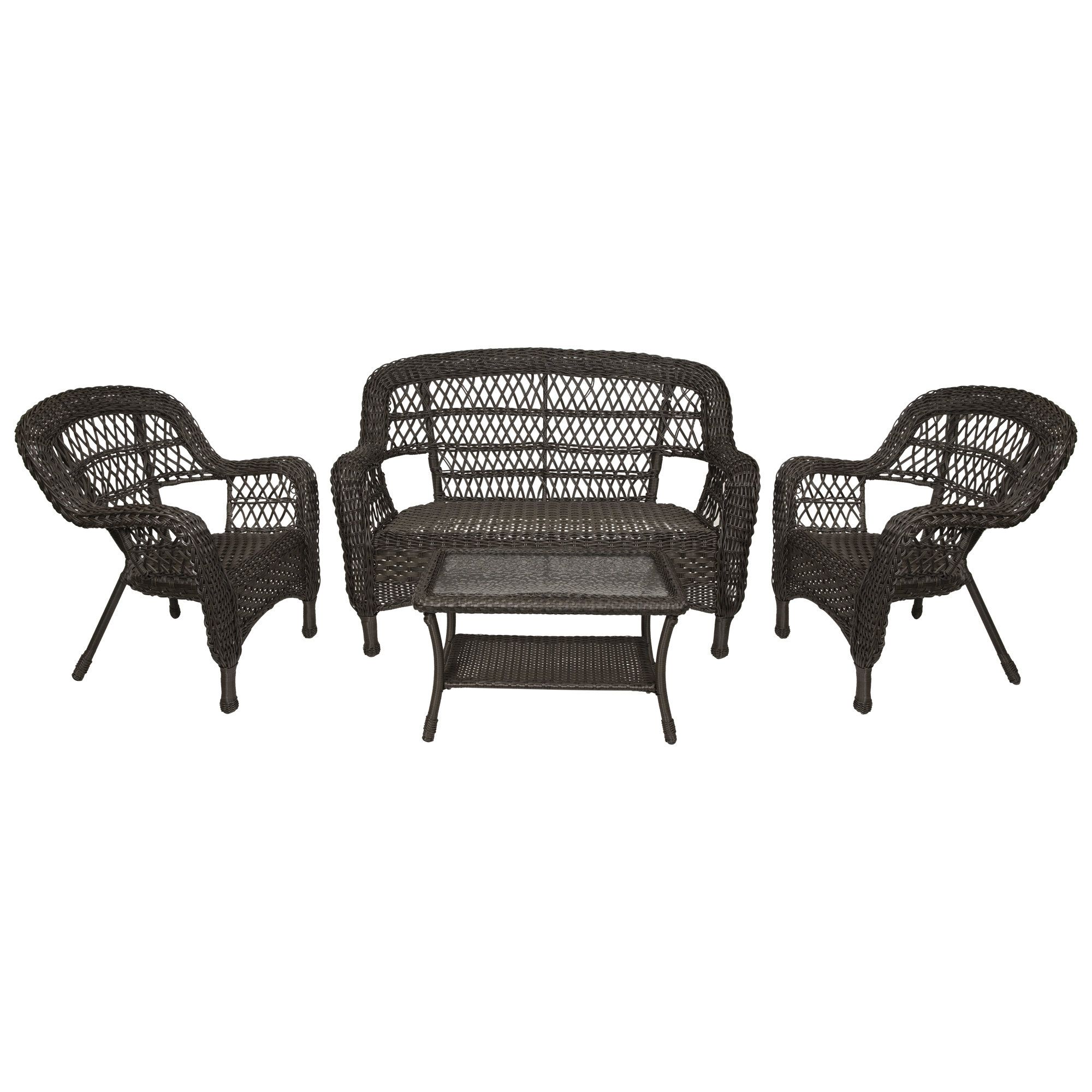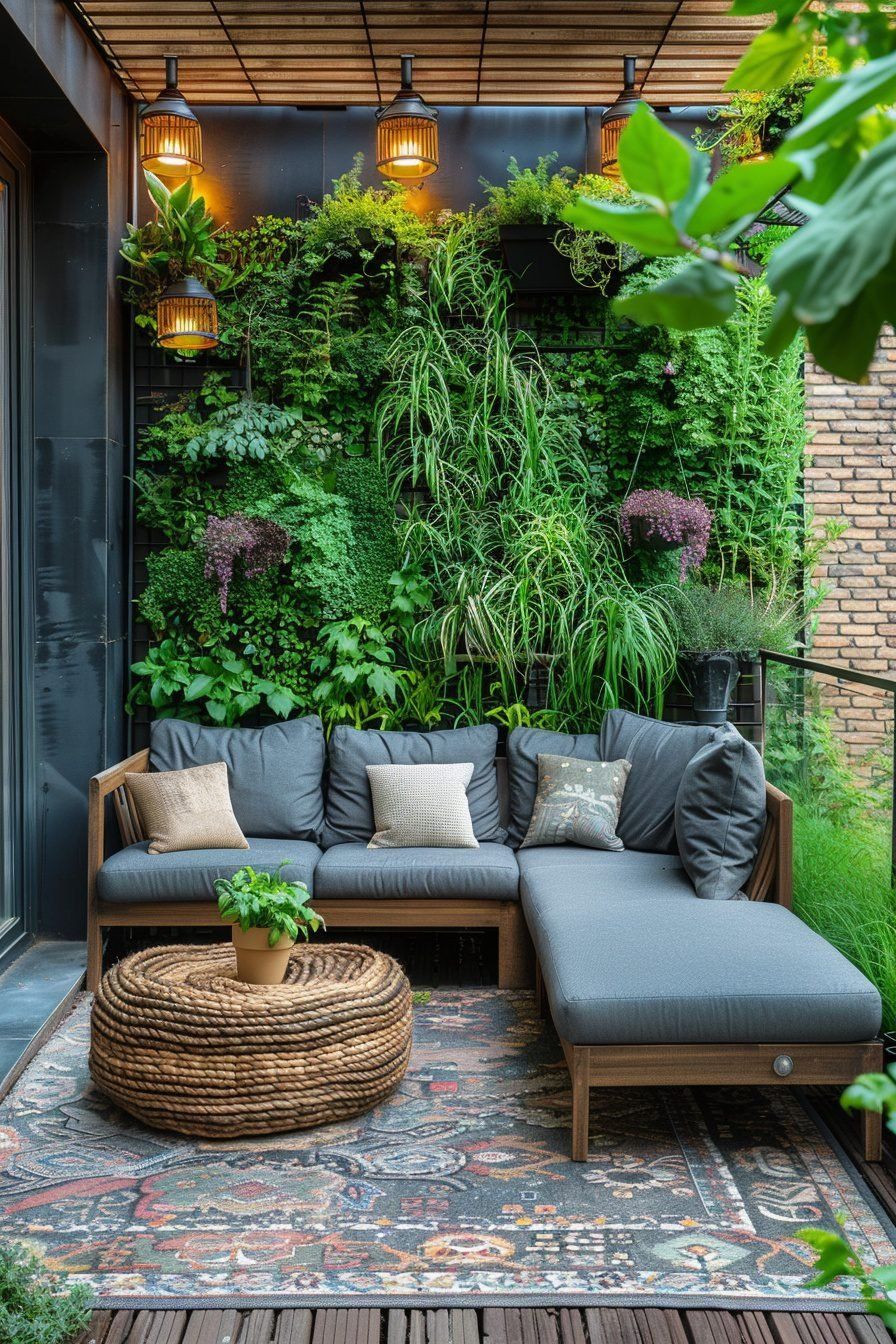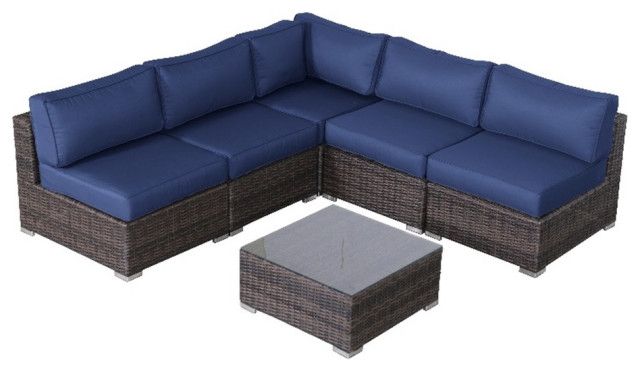
Whether you’re planning a cozy backyard gathering or a serene morning coffee spot, choosing the right outdoor seating can transform your space. It’s not just about comfort, but also about durability, style, and how well it works with your environment. The right chairs, benches, or lounges can make all the difference between a good outdoor area and a great one.
When it comes to outdoor living spaces, seating often takes center stage. It’s where we relax, dine, entertain, and simply enjoy the fresh air. But with so many options available, selecting the perfect outdoor seating can feel overwhelming. You want something that looks good, lasts long, and fits your space perfectly. Let’s dive into what really matters when choosing your outdoor furniture.
Assess Your Space First
Before even thinking about styles or colors, you need to know what you’re working with. Measure your space carefully. Consider the shape, size, and layout of your patio, deck, or garden area. Do you have enough room for a dining set, or will a couple of chairs suffice? Think about traffic flow too. You don’t want people bumping into furniture when they walk around. Also, check if there are any obstacles like trees, walls, or existing structures that might impact placement. A small balcony needs different considerations than a large backyard. Sometimes, the most important thing is knowing exactly what you have to work with.
Consider Your Lifestyle and Needs
Your daily routine should guide your choice. If you host regular parties, you’ll want sturdy, comfortable seating that can handle frequent use. For quiet evening reading sessions, maybe a cozy armchair or chaise lounge would be better. Think about how often you’ll use the space. Will it be used year-round, or mostly during summer months? This affects material choices. Families with young children might prefer easy-to-clean fabrics or weather-resistant materials. People who entertain frequently might opt for larger seating arrangements that can accommodate guests comfortably.
Material Matters for Longevity
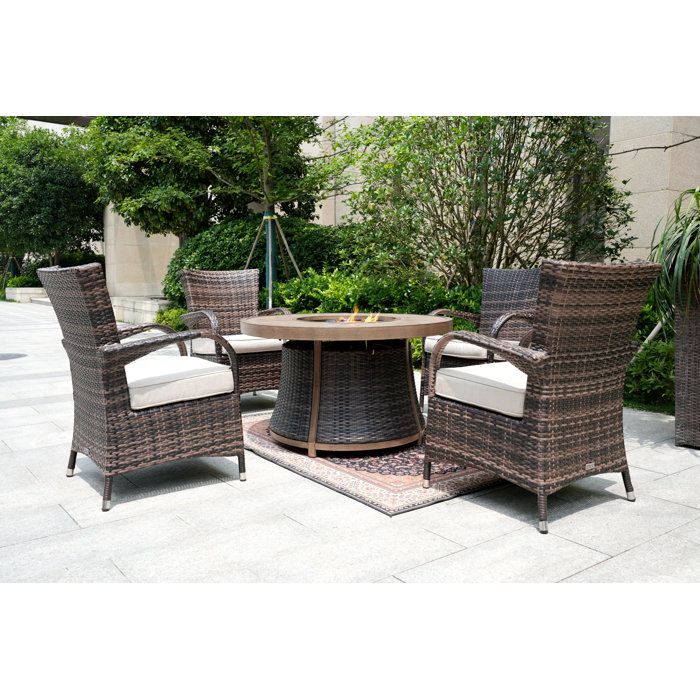
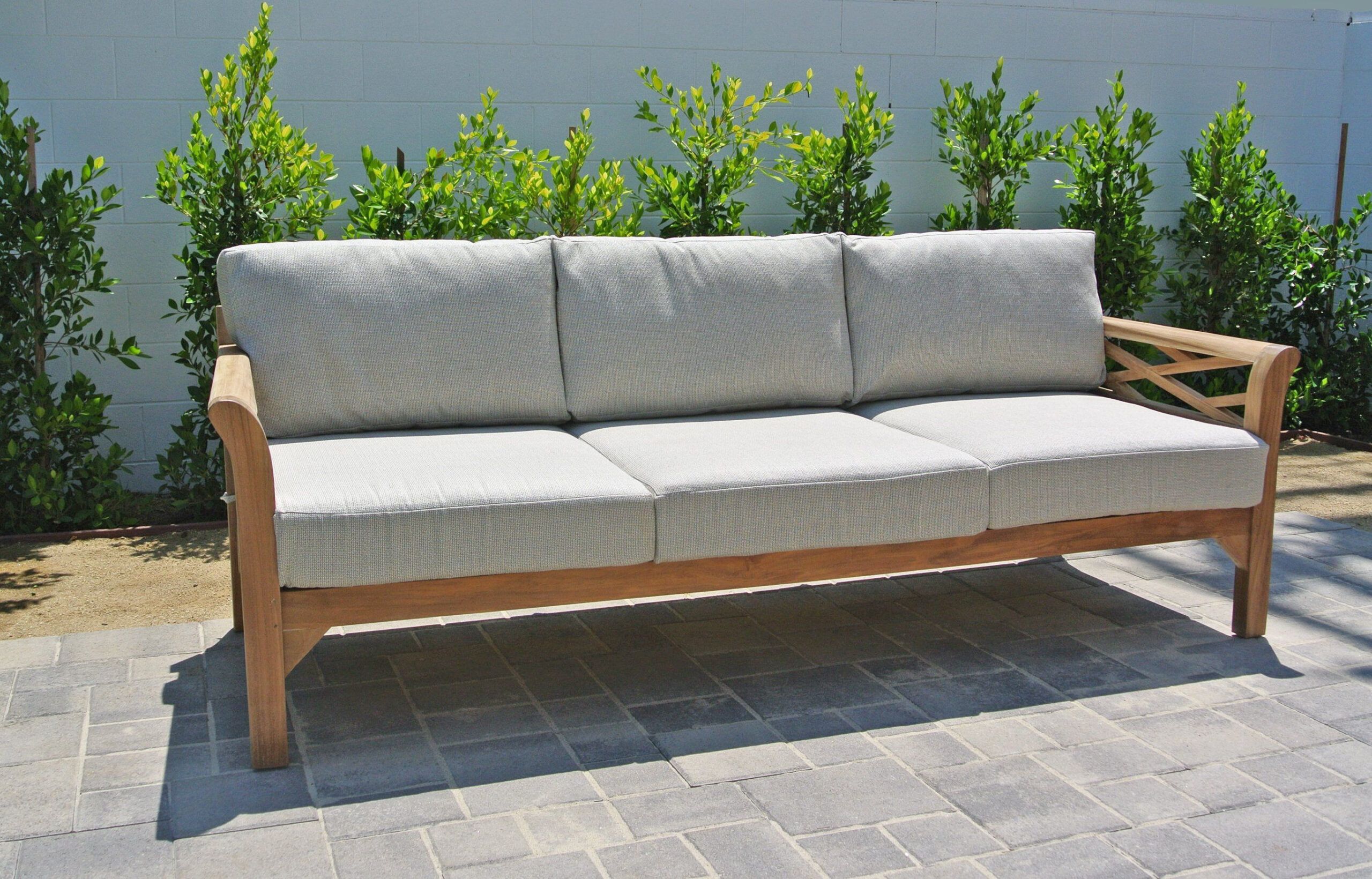
The material of your outdoor seating determines its lifespan and maintenance needs. Aluminum is lightweight and rust-resistant, making it ideal for areas with high humidity or salt exposure. Teak wood offers natural beauty and durability, though it requires some upkeep. Wicker made from synthetic fibers resists fading and doesn’t split like natural wicker. Plastic is budget-friendly and easy to clean, but may not last as long as other options. Metal frames combined with weatherproof cushions offer a good balance of strength and comfort. Don’t overlook the importance of UV protection – some materials fade quickly under direct sunlight.
Think About Comfort and Functionality
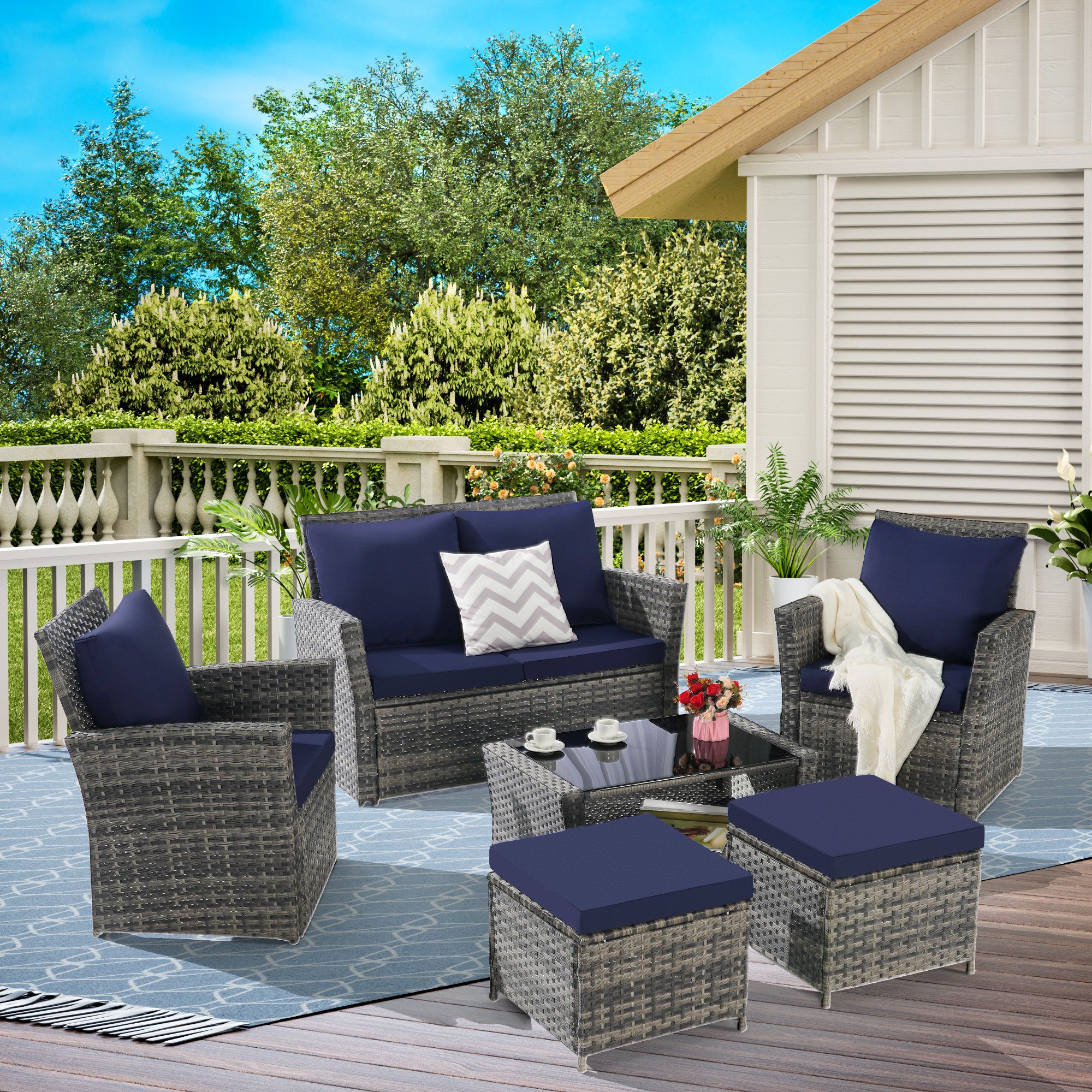
Comfort should never be overlooked. Test out seat heights and back support before buying. The right height allows for easy getting in and out, while proper back support prevents discomfort during extended use. Look for features like adjustable angles, built-in side tables, or cup holders. Consider whether you want fixed seating or pieces that can be rearranged easily. Some outdoor sets come with matching accessories like side tables, umbrellas, or footstools that can enhance both function and aesthetics. Think about storage too – can you keep cushions dry during winter?
Style and Aesthetics Should Match Your Home
Your outdoor seating should complement your home’s overall look and feel. Modern homes often pair well with sleek, minimalist designs and clean lines. Traditional homes might benefit from more ornate, classic styles. If you have a rustic theme, consider natural materials like wood or stone. Contemporary spaces can embrace bold colors and geometric shapes. Don’t forget about color coordination – neutral tones blend easily with most decor, while bolder hues can make a statement. The key is creating harmony between indoor and outdoor spaces.
Budget and Value for Money
Outdoor seating ranges from affordable to quite expensive, so setting a realistic budget is crucial. Remember that quality pieces often cost more upfront but save money over time due to less replacement and repair costs. Look for sales, seasonal discounts, or outlet stores for better deals. Consider buying pieces gradually rather than all at once. Some retailers offer financing options that can spread costs across months. Factor in ongoing maintenance expenses too – some materials require more care than others. Investing in quality often pays off in longevity and satisfaction.
Choosing outdoor seating isn’t just about picking something that looks nice. It’s about finding pieces that work with your lifestyle, space, and budget. Start by understanding your area’s dimensions and usage patterns. Then, consider what materials will hold up best in your climate. Don’t forget to think about comfort and style – your seating should invite relaxation and reflect your personal taste. With thoughtful consideration of these factors, you’ll end up with outdoor seating that enhances your space and brings joy for years to come. Remember, the best seating solution is one that feels right for your specific situation and preferences.