Think about the last time you sat down on your couch or slipped into bed. What did you feel? The softness of your blanket, the breathability of your sheets, or maybe the warmth of a throw that seemed to hug you just right. These everyday moments might seem simple, but they’re powered by something much more profound — textile innovation. Today’s homes are being transformed by fabrics that adapt to our needs, regulate temperature, and even monitor our health. It’s not just about looking good anymore; it’s about feeling better.
We live in an age where technology and comfort collide in unexpected ways. While we often think of home comfort in terms of heating systems, air conditioning, or smart thermostats, there’s another silent hero working behind the scenes: textiles. These seemingly ordinary materials have undergone a remarkable transformation, evolving far beyond their traditional roles. From the moment we wake up to the time we drift off to sleep, the clothes we wear, the furniture we sit on, and the bedding we rest on are all influenced by breakthroughs in textile science. This evolution isn’t just about aesthetics or luxury — it’s about creating spaces that truly respond to our physical and emotional needs. Whether it’s keeping us cool during summer heat or providing gentle warmth when the temperature drops, modern textiles are redefining what it means to feel comfortable at home.
Smart Fabrics That React to Temperature
One of the most exciting developments in textile innovation is the creation of fabrics that automatically adjust to environmental conditions. These aren’t just fancy buzzwords — they’re real solutions that are already making homes more comfortable. Think about how amazing it would be if your bedding could sense when you’re getting too hot and naturally release that excess heat. Or imagine if your curtains could detect sunlight and adjust their opacity to keep your living space perfectly lit without overheating. Smart textiles are doing exactly that. They incorporate phase-change materials that absorb and release heat based on temperature fluctuations. When you get too warm, these materials store excess heat and release it gradually when temperatures drop. It’s like having a personal climate control system built right into your fabric. Some companies are now creating blankets that respond to body heat, adjusting their insulation properties to match your individual needs. These aren’t science fiction concepts anymore — they’re becoming part of everyday life. The result? More consistent comfort levels and reduced reliance on mechanical heating and cooling systems.
Moisture-Wicking Materials for Better Sleep
Let’s talk about sleep quality for a moment. We all know how frustrating it can be to wake up drenched in sweat or feel uncomfortable because of humidity. The good news is that textile scientists have been working hard to solve this problem. Moisture-wicking fabrics were originally designed for athletes, but they’re now finding their way into bedroom textiles. These materials work by pulling moisture away from your skin and allowing it to evaporate quickly, keeping you dry and comfortable throughout the night. Imagine a sheet that not only feels soft against your skin but also prevents that uncomfortable stickiness that can disrupt sleep. These innovations are particularly helpful for people who tend to overheat during sleep or those dealing with conditions like night sweats. Some manufacturers are incorporating antimicrobial properties into these fabrics, preventing the growth of bacteria and fungi that can cause odors and skin irritation. The result is a cleaner, more hygienic sleeping environment that actually helps you sleep better. It’s a small change that can make a huge difference in your daily life.
Sustainable Fibers for Eco-Conscious Comfort
As environmental awareness grows, homeowners are looking for ways to make their comfort choices more sustainable without sacrificing performance. This shift has led to exciting developments in eco-friendly textile production. Recycled fibers made from post-consumer waste like plastic bottles and fishing nets are now being used to create everything from cozy throws to durable upholstery. These materials offer the same comfort and durability as traditional fabrics but with significantly reduced environmental impact. Some innovative companies are even developing bio-based fibers derived from renewable sources like bamboo or hemp. These natural materials often provide superior breathability and temperature regulation compared to synthetic alternatives. What’s particularly impressive is how these sustainable options are improving in quality and performance. You no longer have to choose between being environmentally responsible and feeling luxurious. Many of these eco-friendly fabrics are also designed to be biodegradable or recyclable at the end of their lifecycle. The beauty of this approach is that it allows homeowners to create comfortable living spaces while contributing to a healthier planet. It’s a win-win situation that reflects our growing understanding of the connection between personal comfort and global responsibility.
Antimicrobial and Health-Boosting Textiles
Our homes are full of microscopic life — bacteria, viruses, and allergens that can affect our health and comfort. Textile innovation has responded to this challenge with the development of antimicrobial fabrics that actively fight these invisible threats. These materials incorporate silver ions, copper compounds, or other natural antimicrobial agents that prevent the growth of harmful microorganisms. The implications for home comfort are significant. Imagine having bedding that reduces the risk of bacterial infections or curtains that minimize allergen buildup. These fabrics are particularly valuable for households with children, elderly members, or anyone with compromised immune systems. Beyond basic protection, some advanced textiles are designed to improve air quality by filtering out airborne particles. Others incorporate natural extracts like tea tree oil or eucalyptus that provide both antimicrobial benefits and pleasant aromatherapy effects. The integration of these health-focused features into everyday home textiles represents a major step forward in creating environments that support wellness. It’s about more than just staying clean — it’s about creating a healthier foundation for better sleep and overall well-being.
Flexible and Adaptive Furniture Fabrics
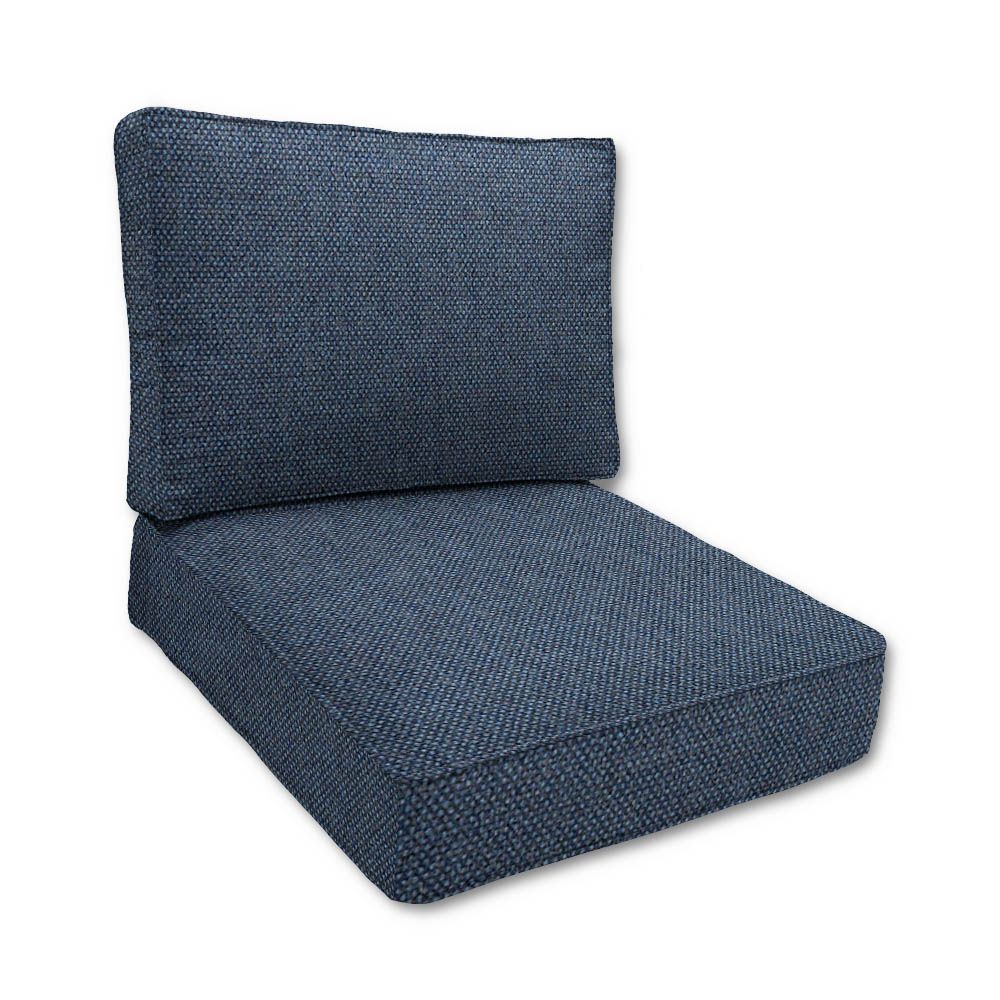
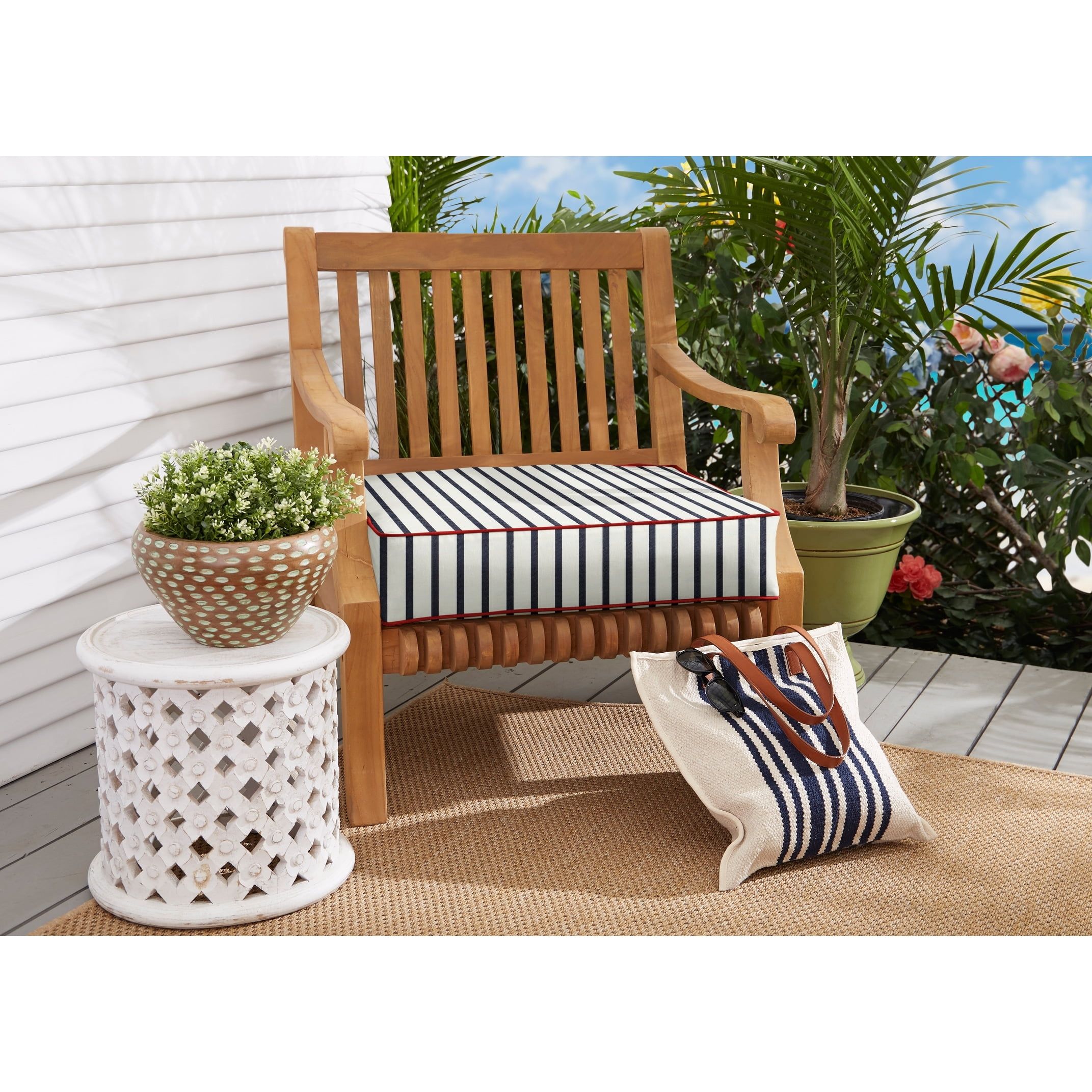
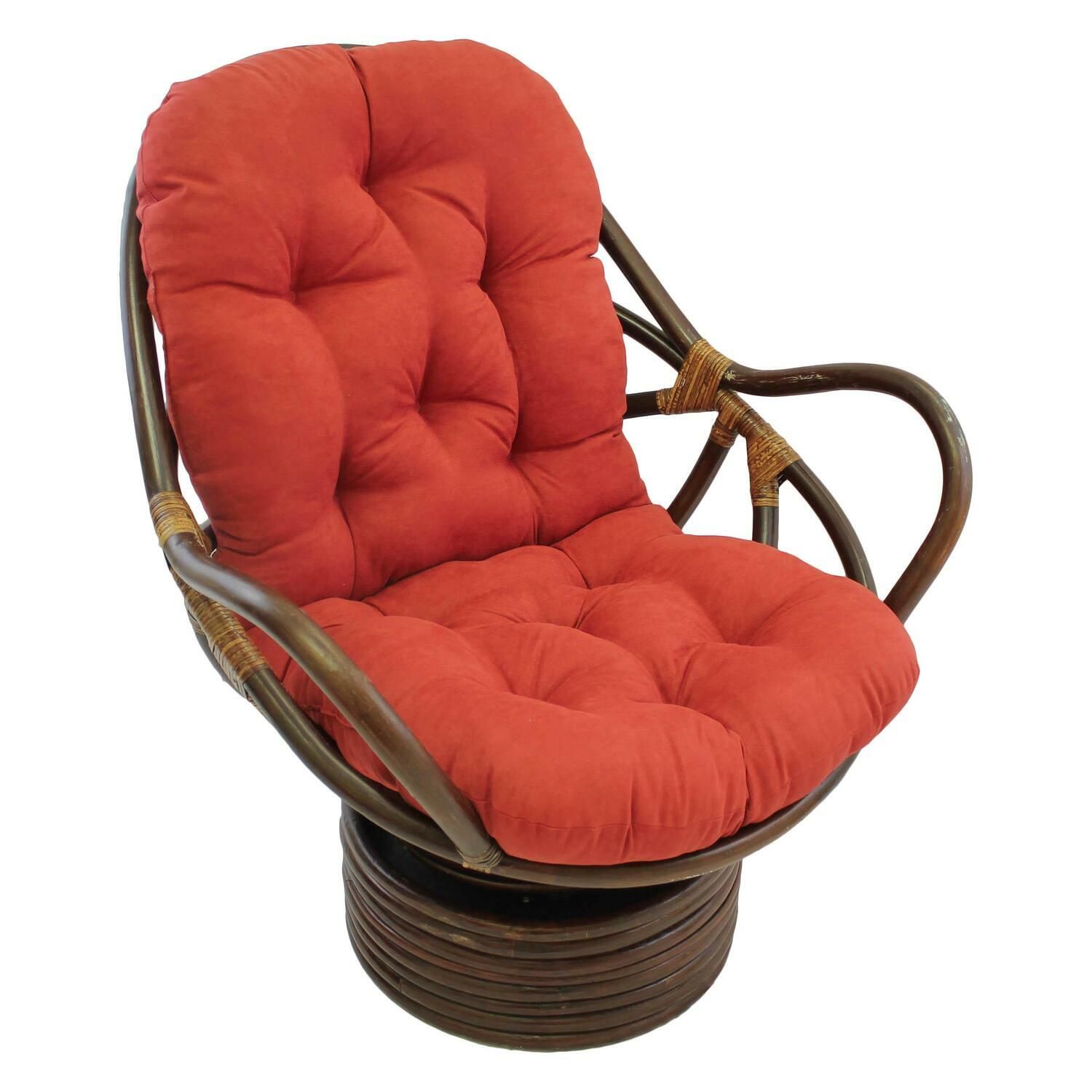
The furniture industry has embraced textile innovation in surprising ways. Modern sofa covers, chair upholstery, and even floor cushions are now being crafted with materials that offer unprecedented flexibility and adaptability. These fabrics can stretch, mold to different body shapes, and provide varying levels of support depending on how they’re used. The result is furniture that feels custom-made to each person who sits on it. Some manufacturers are using smart materials that can adjust their firmness or shape in response to pressure or temperature changes. This kind of adaptive furniture provides personalized comfort that traditional fabrics simply couldn’t match. For families with multiple users, these fabrics mean one piece of furniture can serve everyone differently. There are also new types of fabrics that resist stains and are easy to clean, making them ideal for homes with pets or children. The evolution of furniture textiles shows how innovation in one area can transform an entire category of products. It’s a perfect example of how technological advances can make everyday objects more responsive to our changing needs.
The Future of Home Textiles
What’s next for textile innovation in home comfort? The possibilities are endless. Researchers are exploring fabrics embedded with sensors that can monitor heart rate, breathing patterns, and even stress levels. These could provide valuable health insights while you relax at home. Other developments focus on creating fabrics that can purify the air around them or generate electricity from movement. Imagine a rug that charges your phone while you walk across it, or a curtain that removes pollutants from indoor air. The convergence of textile science with IoT (Internet of Things) technology promises to create homes that are not just comfortable but also intelligent and responsive. These future textiles might even be able to communicate with other smart home devices to create seamless comfort experiences. The ongoing research in nanotechnology and biomimicry suggests that we’re only scratching the surface of what’s possible. As these technologies mature and become more affordable, they’ll likely become standard features in homes around the world. The journey from simple cotton to smart, responsive fabrics represents a fundamental shift in how we think about comfort and home design.
The story of textile innovation in home comfort is still unfolding. Every day, new materials and technologies are emerging that make our living spaces more responsive, healthier, and more sustainable. These aren’t just fancy additions to our homes — they’re practical solutions that address real challenges in daily life. From helping us sleep better to keeping our homes cleaner, these fabrics represent a new era of comfort that’s both intelligent and intuitive. As we continue to develop and refine these technologies, we’re not just making our homes more comfortable — we’re also creating environments that support our health and well-being. The next time you settle into your favorite chair or slip under your favorite blanket, take a moment to appreciate the sophisticated engineering that makes that experience possible. The future of home comfort is already here, woven into the very fabric of our daily lives. It’s not just about what we wear or how we decorate — it’s about creating spaces that truly care for us.