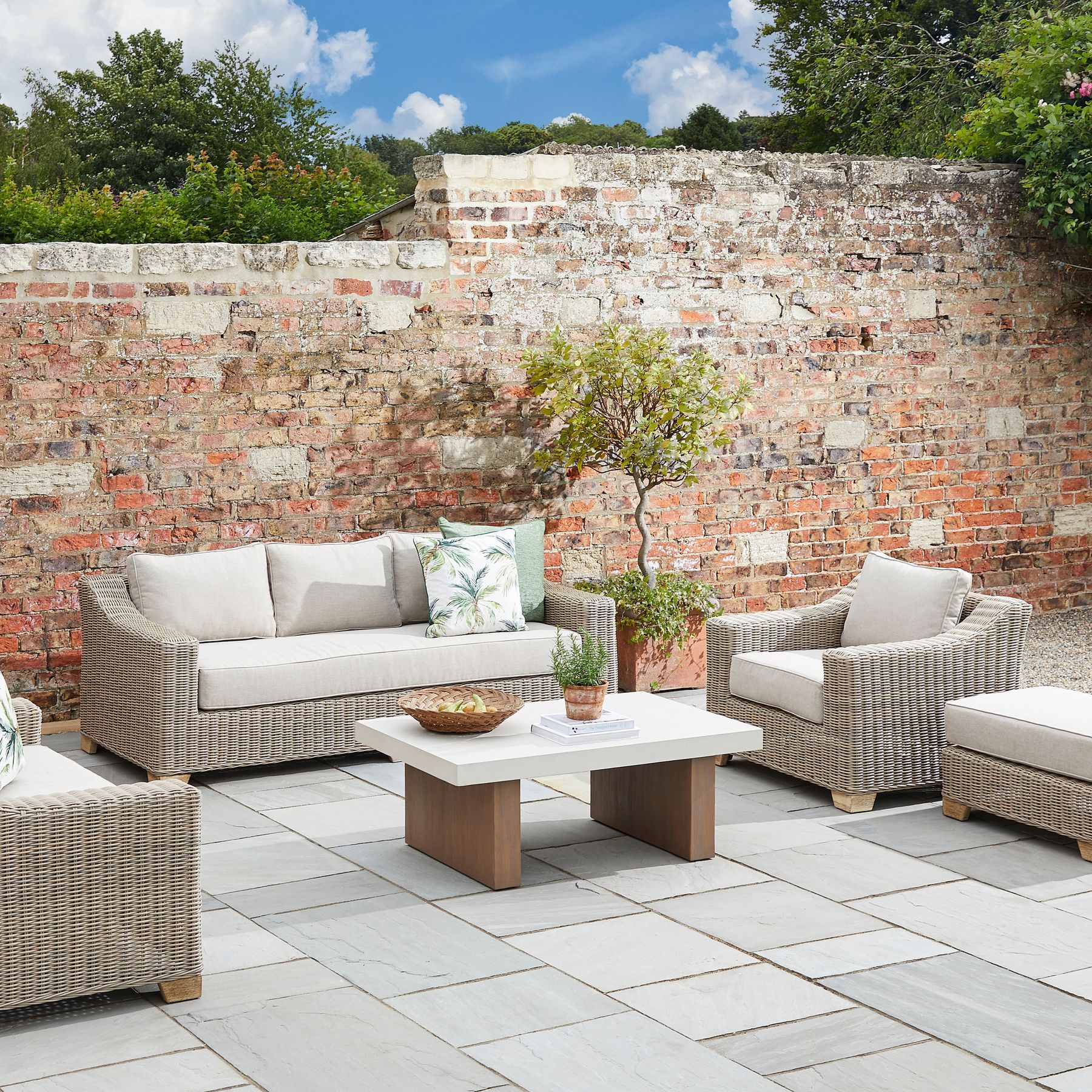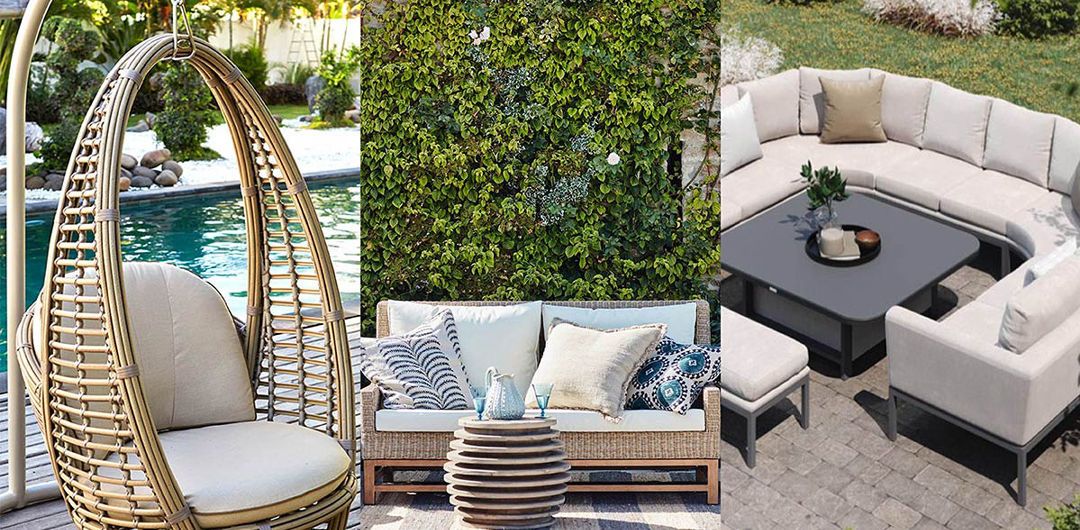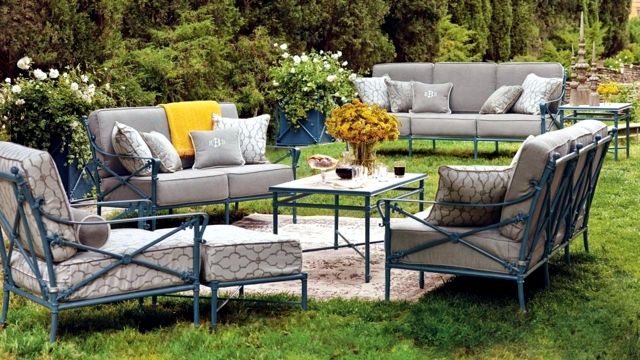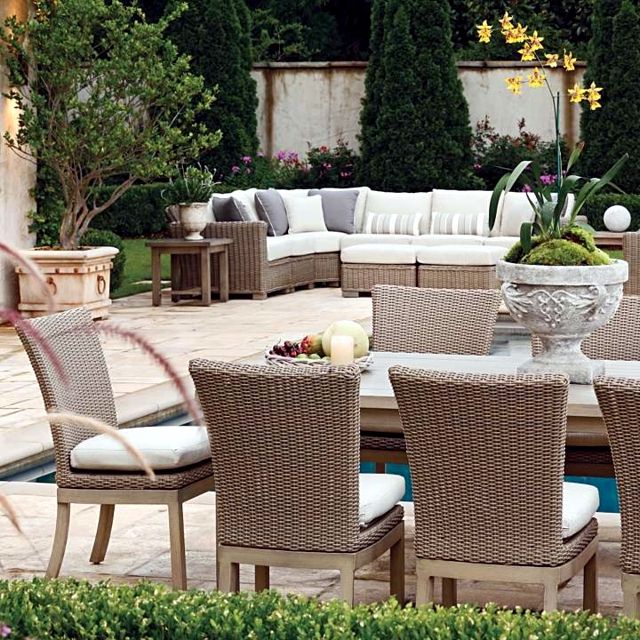
Every homeowner knows the frustration of a tiny patio that feels like it’s barely big enough for a coffee table. But what if you could transform that cramped corner into a cozy gathering spot for friends and family? We’re talking about those magical moments when your 10-seat arrangement becomes the heart of your outdoor living space.
Picture this: You’ve got a modest 8×10 foot patio, maybe even smaller, but you want to host dinner parties and casual get-togethers. The challenge isn’t just fitting 10 people in a small space – it’s doing it stylishly and comfortably. This isn’t about cramming furniture together like sardines. It’s about smart design, thoughtful choices, and creating zones within your limited area. What if you could have a dining area, a lounge zone, and even a little space for kids to play, all while keeping everything looking intentional and inviting?
Understanding Your Space Constraints
Before diving into seating arrangements, it’s essential to measure everything carefully. A typical 10-seat setup requires roughly 60-80 square feet of usable space, depending on the chair dimensions and how much room you want between seating areas.
Consider these factors:
- Clearance requirements – You need at least 24 inches of walking space around seating areas
- Table dimensions – A standard 6-foot dining table needs 36 inches of clearance on all sides
- Traffic flow – Plan pathways for people moving between different areas
- Furniture proportions – Small chairs work better than large ones in tight spots
The key insight here is that most people underestimate how much space they actually need. When you’re working with less than 100 square feet, every inch counts. That’s why understanding the real footprint of your furniture is crucial.
Smart Furniture Selection
Choosing the right furniture is half the battle won. For small spaces, think multi-functional pieces that serve multiple purposes. A 10-piece seating arrangement might include:
- Stackable chairs – These can be stored away when not in use, saving valuable floor space
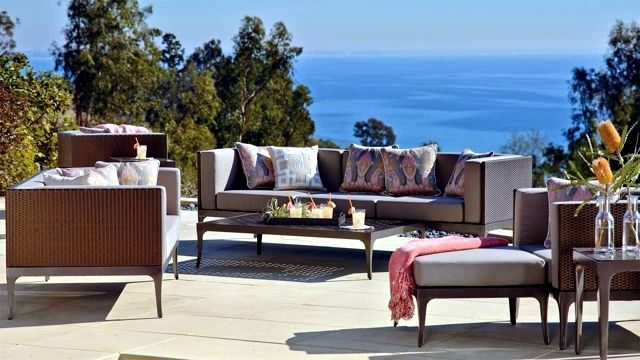
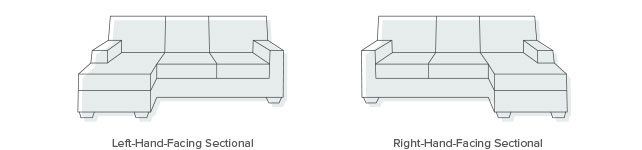
- Modular seating – Pieces that can be rearranged into different configurations
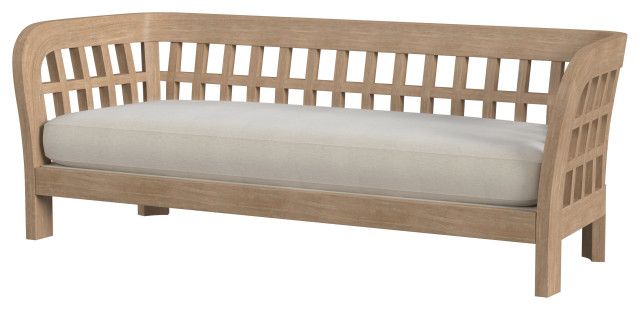
- Bench seating – Provides extra seating while taking up less space than individual chairs
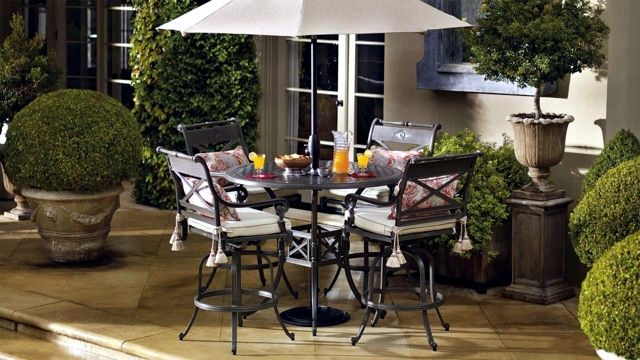
- Compact dining tables – Round or small rectangular tables work best in tight areas
The magic happens when you select pieces that look good together but don’t overwhelm the space. Think about the material too – lighter woods and metals tend to feel less bulky than heavy stone or solid wood pieces. Also consider the height variations. Mixing heights creates visual interest without making the space feel cramped.
Creative Layout Strategies
Layout is where creativity meets functionality. Here are some proven approaches:
The Circular Approach – Arrange chairs in a circle around a central table. This works well when you have a round table and want everyone to face each other naturally. It’s particularly effective in small spaces because it eliminates dead corners and maximizes conversation flow.
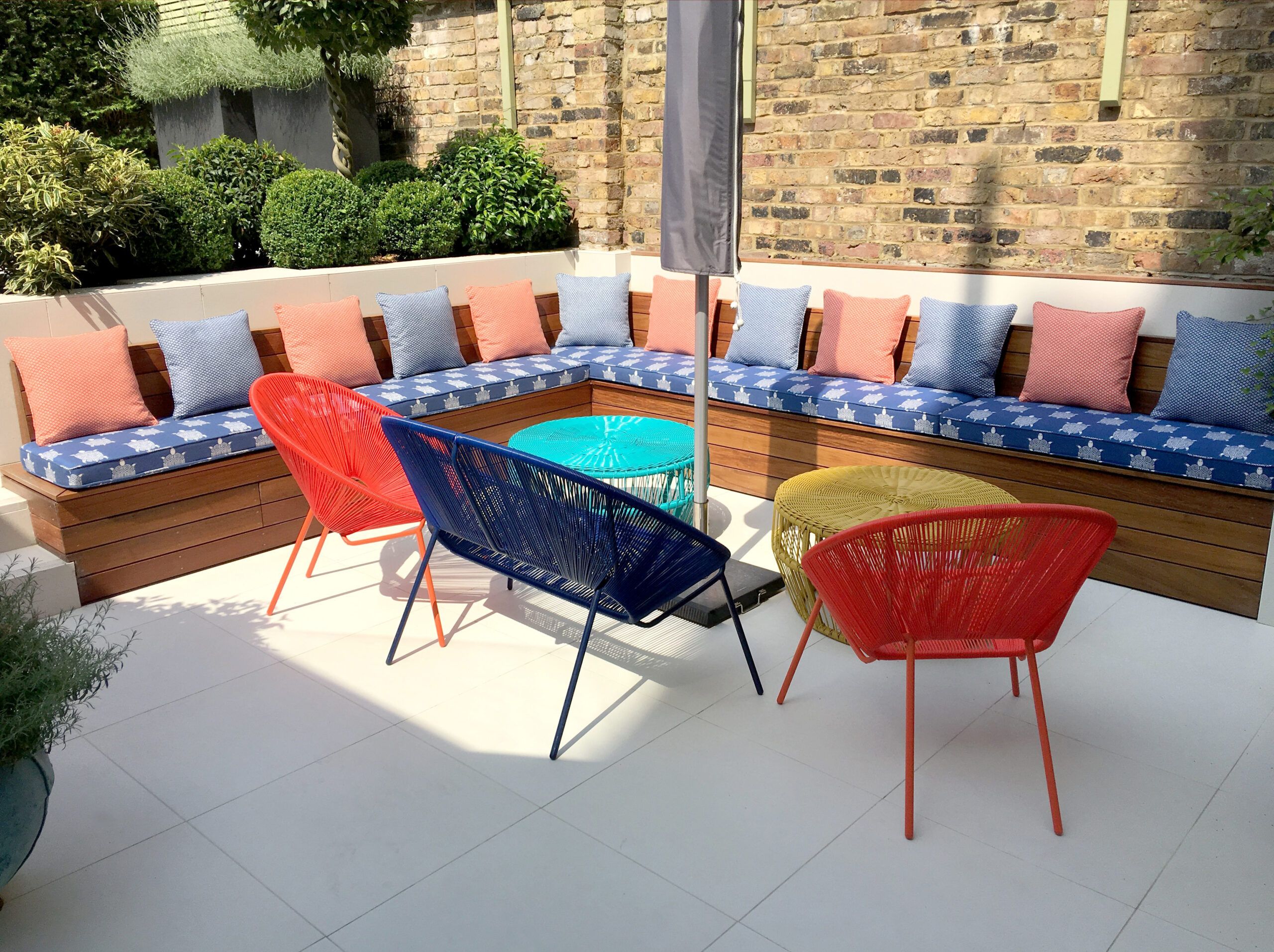
The L-Shaped Configuration – Perfect for patios with corners. Place chairs along two adjacent walls, leaving an open space in the middle. This creates a natural conversation area and makes the space feel more defined.
The Linear Setup – Simple but effective. Line up chairs against one wall with a table in front. This works especially well when you have a narrow patio and want to maximize the usable length.
The Zoning Method – Create distinct areas within your space. One section for dining, another for lounging, and perhaps a third for storage or children’s activities. This approach helps people know where to go and keeps the entire area organized.
Vertical Thinking for More Space
Don’t forget to utilize vertical space! This is where small patio owners often make their biggest gains. Consider:
- Wall-mounted storage – Floating shelves can hold books, plants, or decorative items
- Hanging planters – These add greenery without taking up floor space
- Overhead lighting – String lights or pendant lights can create ambiance while saving ground space
- Vertical seating options – Some modern designs incorporate vertical elements that add visual interest
One real-world example shows a 12×12 foot patio transformed by adding a hanging planter system and using wall-mounted side tables. The result was a 30% increase in usable space without adding furniture. Vertical solutions are particularly powerful because they don’t change the fundamental layout of your seating area.
Practical Storage Solutions
When space is limited, storage becomes a major concern. You’ll want to think about:
- Under-table storage – Many tables now come with built-in storage compartments
- Multi-purpose furniture – Coffee tables with storage, benches with hidden compartments
- Foldable pieces – These can be tucked away when not needed
- Wall storage – Shelves and hooks for items that don’t need to be constantly visible
A practical tip that many people overlook: use the space under your dining table for storage. You can store extra cushions, blankets, or even seasonal decorations. This simple addition can double your storage capacity without taking up additional floor space. The key is choosing storage solutions that blend seamlessly with your overall aesthetic.
Lighting and Ambiance
Lighting plays a crucial role in making small spaces feel larger and more inviting. Good lighting can transform a cramped patio into a welcoming environment.
Consider these elements:
- Layered lighting – Combine ambient, task, and accent lighting for depth
- String lights – These create a magical atmosphere while being easy to store
- Table lamps – Provide focused light for reading or eating
- LED strips – Can be installed under seating or along edges for subtle illumination
Many people find that adding soft lighting makes their small patio feel significantly larger than it actually is. The trick is to avoid harsh overhead lights that can make the space feel cold. Instead, opt for warm, diffused lighting that creates a sense of intimacy. This is particularly important when you’re trying to fit 10 people in a small area.
Maintenance and Longevity
Finally, consider how you’ll maintain your seating arrangement over time. In small spaces, every piece matters more than ever. Here’s what to keep in mind:
- Weather-resistant materials – Choose furniture that can handle outdoor conditions
- Easy cleaning – Select fabrics and surfaces that can be wiped down easily
- Regular maintenance schedule – Small spaces require constant attention to look their best
- Quality over quantity – Invest in fewer, better pieces rather than many cheaper alternatives
A common mistake people make is buying lots of cheap furniture that needs frequent replacement. In small spaces, investing in quality pieces pays off quickly. A well-made chair that lasts 10 years is worth more than five cheap chairs that need replacing annually. The cost savings and reduced stress make this investment worthwhile.
Transforming a small patio into a functional 10-seat gathering space isn’t just about fitting furniture in a tight area. It’s about creating an experience that makes people want to stay longer, laugh more, and feel comfortable. The key lies in understanding your constraints, choosing wisely, and thinking creatively about every element. Whether you’re working with an 8×10 foot space or something even smaller, these principles will help you maximize every square foot. Remember, the goal isn’t just to accommodate 10 people, but to make them feel welcome and connected. That’s what turns a simple seating arrangement into a true outdoor living space.