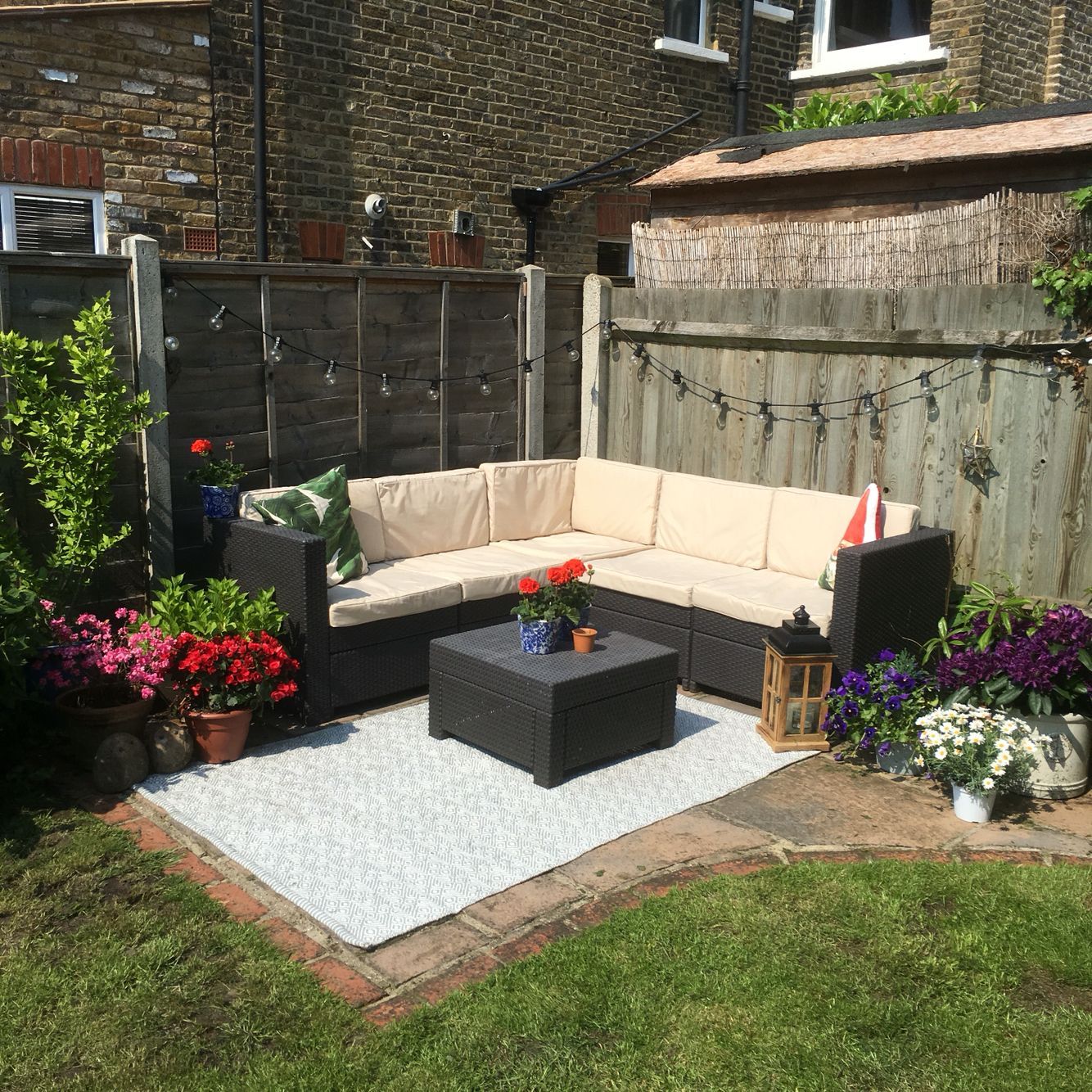
There’s something deeply satisfying about a perfectly arranged outdoor seating area. It’s not just about having chairs in the backyard – it’s about creating spaces where people want to linger, connect, and enjoy the simple pleasures of life outdoors. When done right, corner chair arrangements become the heart of any backyard, drawing family and friends together while offering a sanctuary from the daily grind.
Backyard transformations don’t always require dramatic changes or expensive renovations. Sometimes, the most impactful upgrades come from thoughtful seating arrangements that turn ordinary outdoor spaces into gathering places. Corner chair setups have emerged as one of the most versatile and enduring solutions for creating functional yet beautiful outdoor living areas. These arrangements offer a perfect balance between comfort and style, making them ideal for everything from quiet morning coffee to lively evening conversations.
The Foundation of Great Outdoor Seating
Before diving into specific arrangements, it’s essential to understand what makes a great outdoor seating setup. The key lies in creating spaces that feel both inviting and purposeful. Think about the flow of movement and how people naturally gather in outdoor spaces. A well-planned corner arrangement should accommodate conversation, provide adequate support for relaxation, and offer protection from weather elements. Consider the size of your space and how many people you typically entertain. This foundation ensures your seating won’t feel cramped or inadequate. Many successful backyard designs start with a simple question: What activities do you want to encourage in your outdoor space? Whether it’s reading, dining, or casual chatting, your seating arrangement should support those goals. The corner placement often works best because it naturally creates intimate conversation areas while leaving room for other activities around the perimeter.
Choosing the Right Chair Styles
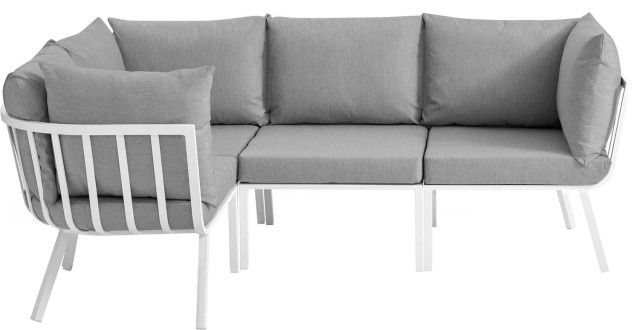
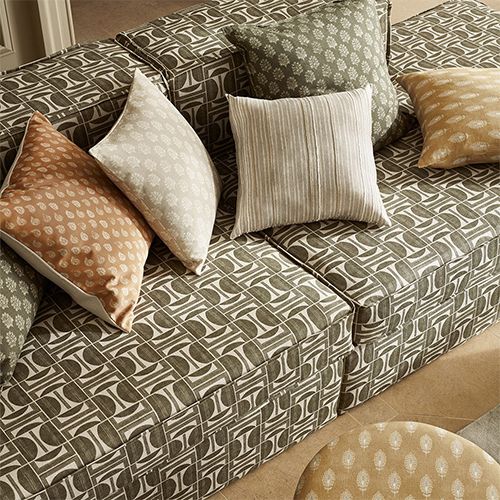
Selecting chairs for your corner arrangement requires balancing aesthetics with practicality. Traditional styles like Adirondack chairs offer classic appeal with their distinctive slanted backs and wide armrests, perfect for lounging and reading. For a more refined look, consider wingback chairs that provide excellent back support and create a cozy nook. The material matters enormously too – teak wood brings natural warmth and durability, while aluminum and steel offer low maintenance and weather resistance. Cushions add comfort and personality, but they must be weather-resistant and easy to clean. Don’t overlook the importance of matching proportions – if your corner is large, bigger chairs might be appropriate. Small corners benefit from more compact seating options. Consider mixing textures and materials for visual interest, such as pairing a wooden chair with a metal frame or combining different fabric patterns.
Strategic Placement and Layout Principles
The way you position your corner chairs can make or break the entire arrangement. The golden rule is to leave enough space for comfortable movement around the seating area. A good starting point is maintaining at least 36 inches of clearance around each chair. Consider the natural flow of your backyard – place the corner arrangement where it feels most logical for people to congregate. Often, corners near a kitchen or dining area work best for casual meals and quick conversations. The height of your chairs should complement the surrounding furniture and landscape features. If you’re placing chairs against a wall, ensure there’s enough space for people to sit comfortably without feeling cramped. Adding a small side table or planter nearby can enhance the functionality and visual appeal of your corner setup. Sometimes, the most effective layouts involve a slight angle rather than straight lines, creating natural conversation zones.
Creating Visual Interest and Balance
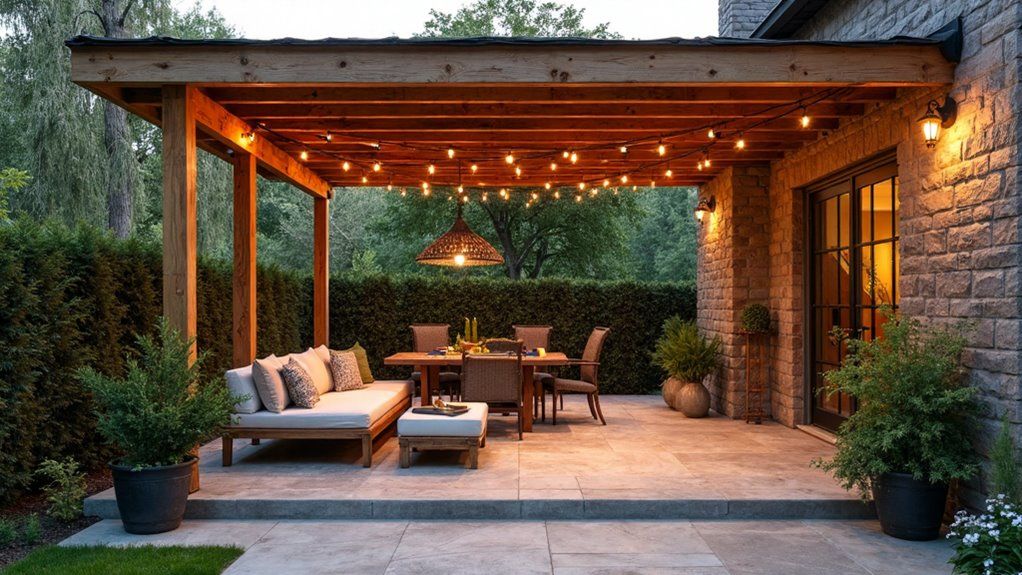
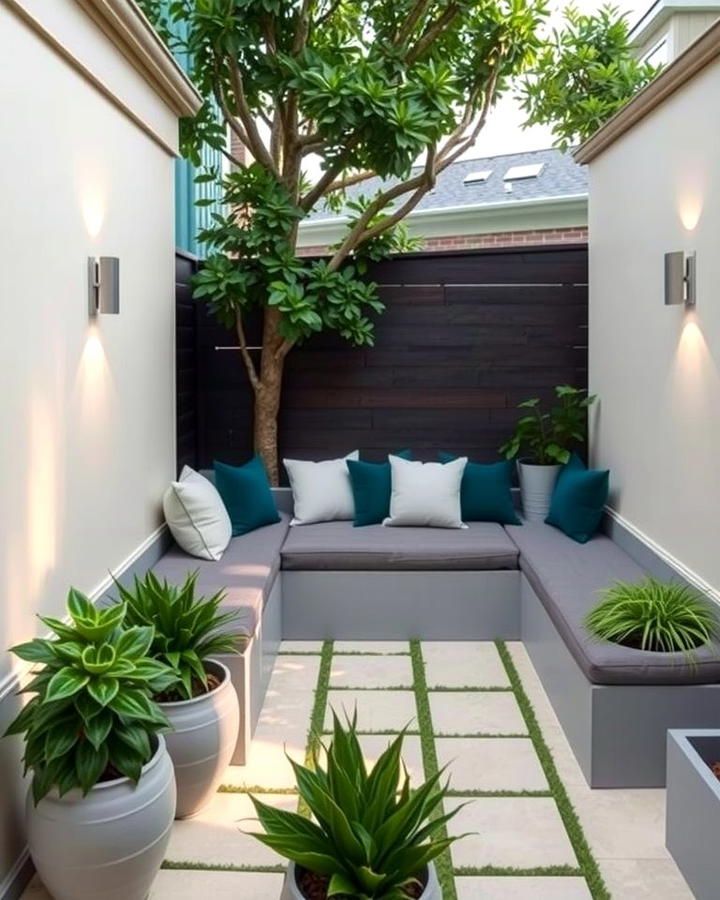
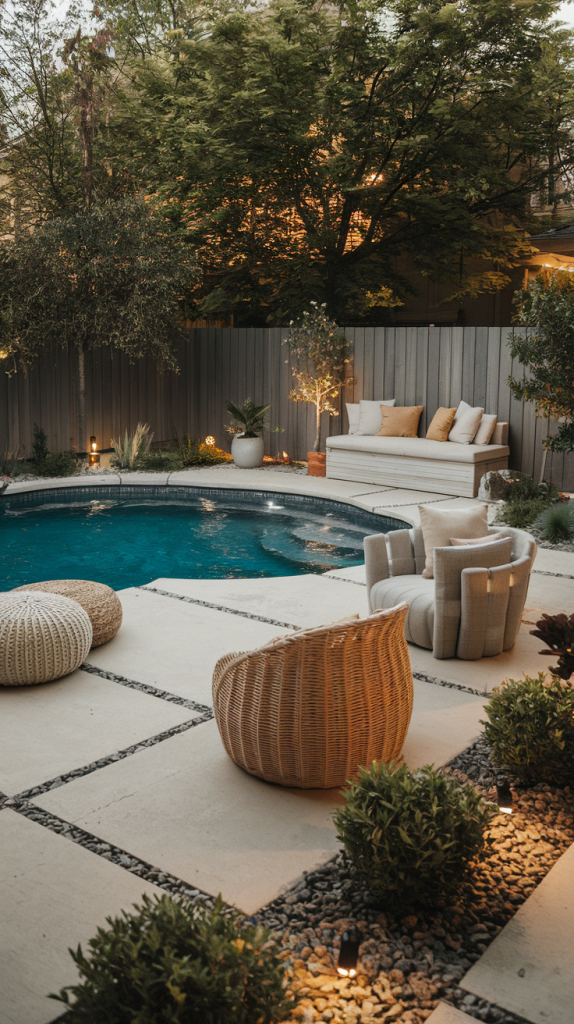
A truly captivating corner arrangement goes beyond mere functionality to become a focal point of your outdoor space. Balance plays a crucial role in achieving visual harmony. You might use symmetry by placing identical chairs on opposite sides of a corner, or create dynamic balance with varying heights and shapes. Incorporating elements like plants, lanterns, or decorative objects adds depth and personality. Natural elements such as stone, wood, or water features can ground the seating area and provide visual anchors. The color palette should complement your existing outdoor décor and surroundings. Neutral tones tend to be more versatile and timeless, though bold accent colors can create striking focal points. Consider layering textures through different materials and fabrics to add richness and dimension. Lighting elements like string lights or solar-powered options can transform the space from day to night, extending its usability and appeal.
Weather Considerations and Longevity
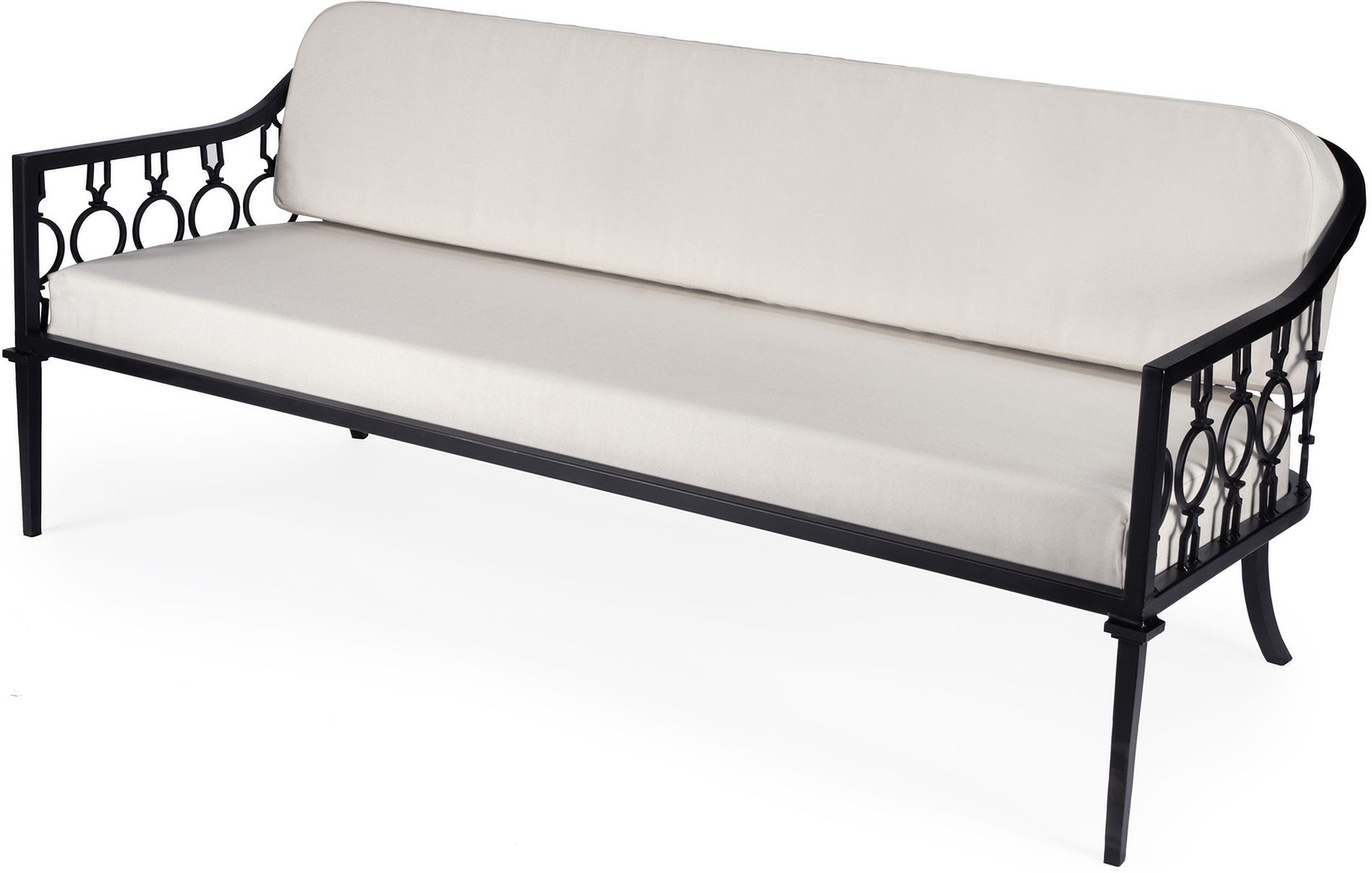
Outdoor furniture faces constant challenges from weather, sun, and moisture. Choosing materials that stand the test of time is crucial for maintaining your investment. Teak and cedar woods naturally resist decay and insects, making them excellent choices for long-term durability. Metal frames should be powder-coated or treated to prevent rusting. Fabric cushions need to be fade-resistant and water-repellent for year-round use. Investing in protective covers during harsh weather seasons extends furniture life significantly. Regular maintenance routines help preserve the beauty and function of outdoor seating. Simple steps like cleaning with mild soap and water, applying protective treatments, and storing cushions properly can make the difference between furniture that lasts decades versus furniture that needs frequent replacement. Understanding your local climate helps determine the best materials and care approaches for your specific situation.
Practical Tips for Every Season
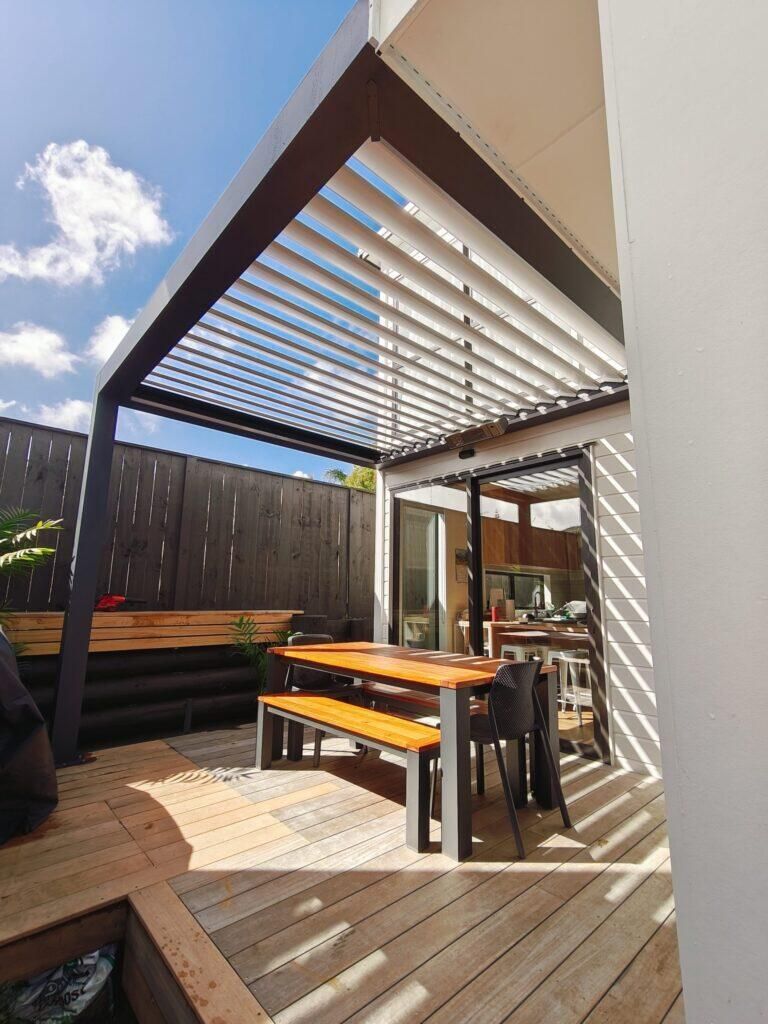
Successful outdoor corner arrangements adapt to changing seasons and conditions. In summer months, focus on providing shade through umbrellas, awnings, or strategic tree placement. Cool evenings call for additional lighting and perhaps warmer fabrics or throws for comfort. Winter considerations include weatherproofing strategies and potentially seasonal seating adjustments. Layering textiles allows for easy adaptation to temperature changes. Some homeowners find success in rotating seating arrangements seasonally, moving lighter items indoors during extreme weather. Creating a sense of continuity across seasons helps maintain the space’s appeal year-round. Consider storage solutions for cushions and accessories when not in use. Planning ahead for seasonal changes ensures your outdoor space remains comfortable and inviting throughout the year. The key is flexibility in your approach while maintaining the core elements that make the arrangement special.
Transforming your backyard with timeless corner chair arrangements is more than just furniture placement – it’s about creating spaces that enhance your lifestyle and bring joy to everyday moments. The beauty of these setups lies in their ability to evolve with your needs while maintaining their fundamental appeal. Whether you’re entertaining guests or simply enjoying quiet solitude, a thoughtfully designed corner seating area becomes an extension of your home that invites connection and relaxation. The key is starting with the basics – understanding your space, choosing quality materials, and considering how people will actually use the area. With proper planning and attention to detail, your outdoor corner arrangement can become the most cherished spot in your backyard, offering comfort and beauty for years to come. Remember, the best outdoor spaces are those that feel lived-in and loved, not perfect and sterile. Let your personal style guide your choices, and don’t be afraid to experiment until you find exactly what works for your family and lifestyle.