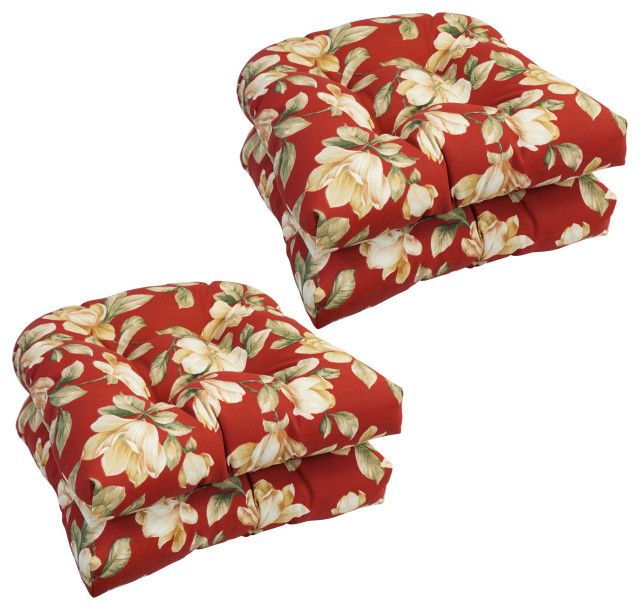
Picture this: you’re relaxing on your patio, enjoying a sunny afternoon, when a sudden shower catches you off guard. Your outdoor furniture looks like it just survived a hurricane, but your Sunbrella cushions? They’re still looking fresh. What gives? It’s not magic, it’s science.
When we think about outdoor fabrics, we often picture something that’s either flimsy or overly stiff. But Sunbrella stands out in the crowd. This textile isn’t just another fabric that gets ruined by rain or fades under the sun. It’s engineered with a purpose. Every thread, every weave, every treatment has been carefully designed to withstand nature’s wrath. Think of it like a superhero costume – not just any old fabric, but one built for battle against the elements.
The Molecular Magic of Oleophobic Treatments
At the heart of Sunbrella’s weather resistance lies something called oleophobic treatments. That’s a fancy word for ‘oil-repelling.’ Imagine water droplets rolling off a lotus leaf – that’s exactly what happens with Sunbrella. The fabric’s surface has microscopic structures that repel water and oils alike.
This isn’t just about looking good. These treatments prevent stains from setting in. Oil-based substances like BBQ sauce, wine, or even sunscreen simply bead up and roll right off. No need for harsh chemicals or expensive cleaning products. The science works on a molecular level, creating barriers between the fabric and potential damage.
A few decades ago, manufacturers were using basic treatments that wore off quickly. Sunbrella’s breakthrough was developing a permanent oleophobic coating that bonds with the fibers at a molecular level. It’s like giving each thread its own protective shield.
UV Protection: More Than Just Color
Sunbrella’s resistance to ultraviolet light goes beyond simple colorfastness. While many fabrics fade because UV rays break down their chemical bonds, Sunbrella uses specialized UV absorbers embedded within the fiber structure itself.
These aren’t just surface treatments. They’re integrated into the very core of each strand. When UV radiation hits, instead of breaking the molecular chain, these absorbers capture and dissipate the energy safely. It’s like having a built-in sunscreen for your fabric.
The result? Colors stay vibrant for years. A bright blue chair won’t turn into a faded gray after months of summer sun. This technology helps explain why Sunbrella can maintain its appearance even after years of outdoor exposure.
Some fabrics might look great initially, but they start to deteriorate within months. Sunbrella’s UV protection system is designed to last, making it a smart investment for anyone who spends time outdoors.
Moisture Management Through Fiber Construction
The way Sunbrella’s fibers are woven together plays a crucial role in moisture resistance. Unlike traditional fabrics that absorb water like sponges, Sunbrella’s construction prevents liquid from penetrating deep into the material.
Think about how a towel works – it absorbs water quickly. Sunbrella does the opposite. Its fibers are engineered to channel moisture away from the surface rather than soaking it up. This creates a dual benefit: quick drying and reduced risk of mold or mildew growth.
The weave pattern itself acts as a barrier. Water can’t easily penetrate through the tight construction. Even if some moisture does get through, the fibers’ hydrophobic properties ensure it beads up and rolls off rather than soaking in.
This is particularly important for outdoor furniture. A wet couch after a rainstorm shouldn’t mean you have to wait days for it to dry. With Sunbrella, you can expect quick recovery and minimal maintenance.
Chemical Resistance and Stain Prevention
Sunbrella’s ability to resist chemicals comes from a combination of its fiber composition and surface treatments. When you spill coffee, wine, or other common household liquids, the fabric handles them gracefully.
The secret lies in the fiber chemistry. Traditional polyester might absorb these substances, making them permanent stains. Sunbrella’s modified fibers repel these chemicals before they can interact with the material.
But it’s not just about preventing absorption. The surface treatment creates a barrier that makes cleanup easy. Most spills can be wiped away with just water and mild soap. No need for aggressive solvents or professional cleaning services.
Real-world testing shows that even strong acids or bases don’t damage Sunbrella fabric. This makes it ideal for environments where chemical exposure is common, like restaurants or industrial settings. The fabric maintains its integrity while keeping your space looking pristine.
Breathability Without Compromise
Here’s something that might surprise you: Sunbrella fabrics are actually quite breathable. This might seem contradictory given their waterproof properties, but it’s all about balance.
The fabric allows air to pass through while blocking water molecules. It’s like having a fence that lets the breeze through but keeps rain out. This breathability prevents the stuffiness that can occur with completely sealed materials.
For outdoor applications, this matters enormously. When you sit on a Sunbrella chair on a hot day, you won’t feel trapped or overheated. The fabric maintains comfort levels while protecting against environmental damage.
The breathability also helps with odor control. Moisture doesn’t get trapped inside the material, reducing the chance of unpleasant smells developing. This is especially helpful for items that see heavy use or are exposed to pets.
Longevity Through Advanced Testing Methods
What separates Sunbrella from other outdoor fabrics is the extensive testing process. These aren’t just theoretical claims – they’ve been put through rigorous real-world trials.
Laboratory tests simulate decades of weather exposure in a matter of weeks. They subject fabrics to intense UV radiation, extreme temperatures, humidity cycles, and mechanical stress. Sunbrella consistently performs well across all categories.
The company tests samples in various climates, from desert heat to coastal salt spray. They examine how the fabric behaves under different conditions and adjust their formulations accordingly. It’s not just about surviving one season – it’s about lasting for years.
Industry standards measure fabric performance based on factors like tensile strength, colorfastness, and resistance to abrasion. Sunbrella meets and exceeds these benchmarks repeatedly. The numbers don’t lie – they’ve been verified through independent testing labs worldwide.
Sunbrella’s weather resistance isn’t just marketing speak. It’s the result of decades of research, development, and refinement. Every aspect of the fabric, from the fiber composition to the finishing treatments, has been optimized for outdoor durability.
The science behind it might seem complex, but the benefits are simple: better-looking furniture, less maintenance, and peace of mind. Whether you’re entertaining guests or simply enjoying your backyard, Sunbrella gives you a reliable foundation.
It’s easy to see why this fabric has become the gold standard for outdoor textiles. The combination of innovative chemistry, careful engineering, and real-world testing creates a product that truly stands the test of time. So next time you see someone enjoying their outdoor space with Sunbrella furnishings, remember that there’s a whole science behind those enduring qualities.