There’s something magical about stepping outside and finding yourself in a perfectly curated outdoor space. Whether you’ve got a sprawling backyard or a tiny balcony, the right furniture choices can transform your outdoor area into a haven of comfort and style. It’s not just about picking pretty pieces – it’s about creating spaces that work for your lifestyle while reflecting your personality. This guide will walk you through everything you need to know about choosing and placing outdoor furniture with confidence.
Outdoor living spaces have become increasingly important to many of us. They offer a chance to relax, entertain guests, and connect with nature all while staying comfortable. But let’s be honest – setting up an outdoor area that feels both stylish and practical isn’t always easy. You might have the best intentions, but end up with furniture that’s either too big, too small, or just doesn’t fit the vibe you’re going for. The secret lies in understanding how to select pieces that work together and position them thoughtfully. It’s less about following rigid rules and more about developing an eye for what creates harmony in outdoor environments. Think of it like putting together a puzzle – each piece matters, and when they align correctly, you get something beautiful.
Understanding Your Outdoor Space
Before you even think about buying furniture, take some time to really assess your outdoor area. Measure everything carefully, noting dimensions and any unique features like existing trees, slopes, or architectural elements. Consider how much space you actually have versus how much you think you have. Often, people overestimate their available space. Also, look at the surrounding environment – are there neighbors nearby? What does your property face? These details matter more than you might expect.
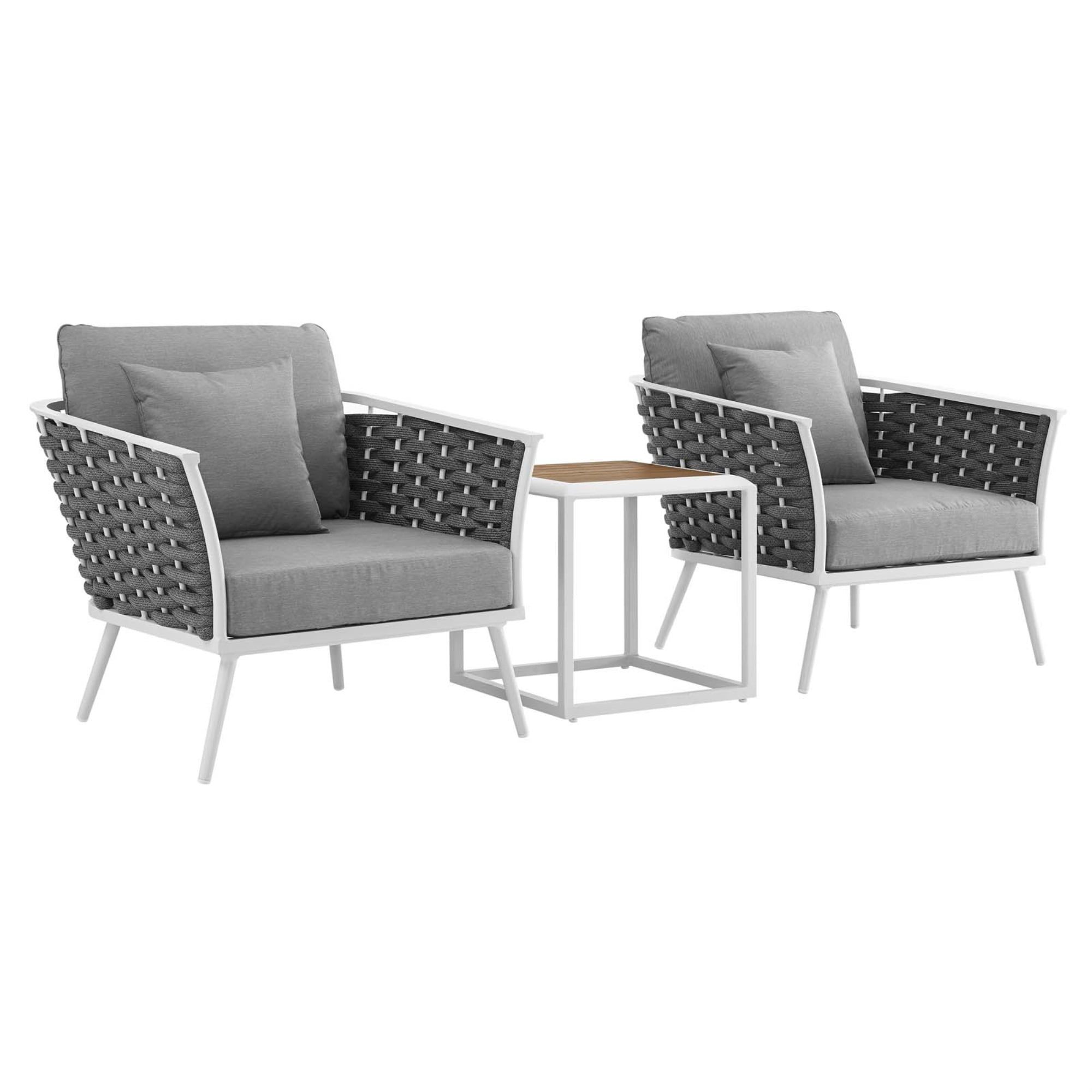
Think about your daily routine. Do you mostly entertain guests or prefer quiet solo moments? Are you someone who likes to cook outdoors? These questions will shape your decisions significantly. For instance, if you love hosting barbecues, you’ll want more seating options and perhaps a dining table that can accommodate several people. On the other hand, if you’re more of a solo reader, a cozy corner with a couple of chairs and a small side table might be exactly what you need. Understanding your needs first helps avoid buyer’s remorse later.
Material Matters: Choosing the Right Outdoor Furniture
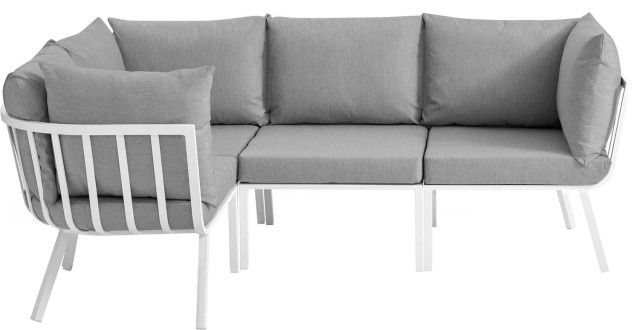
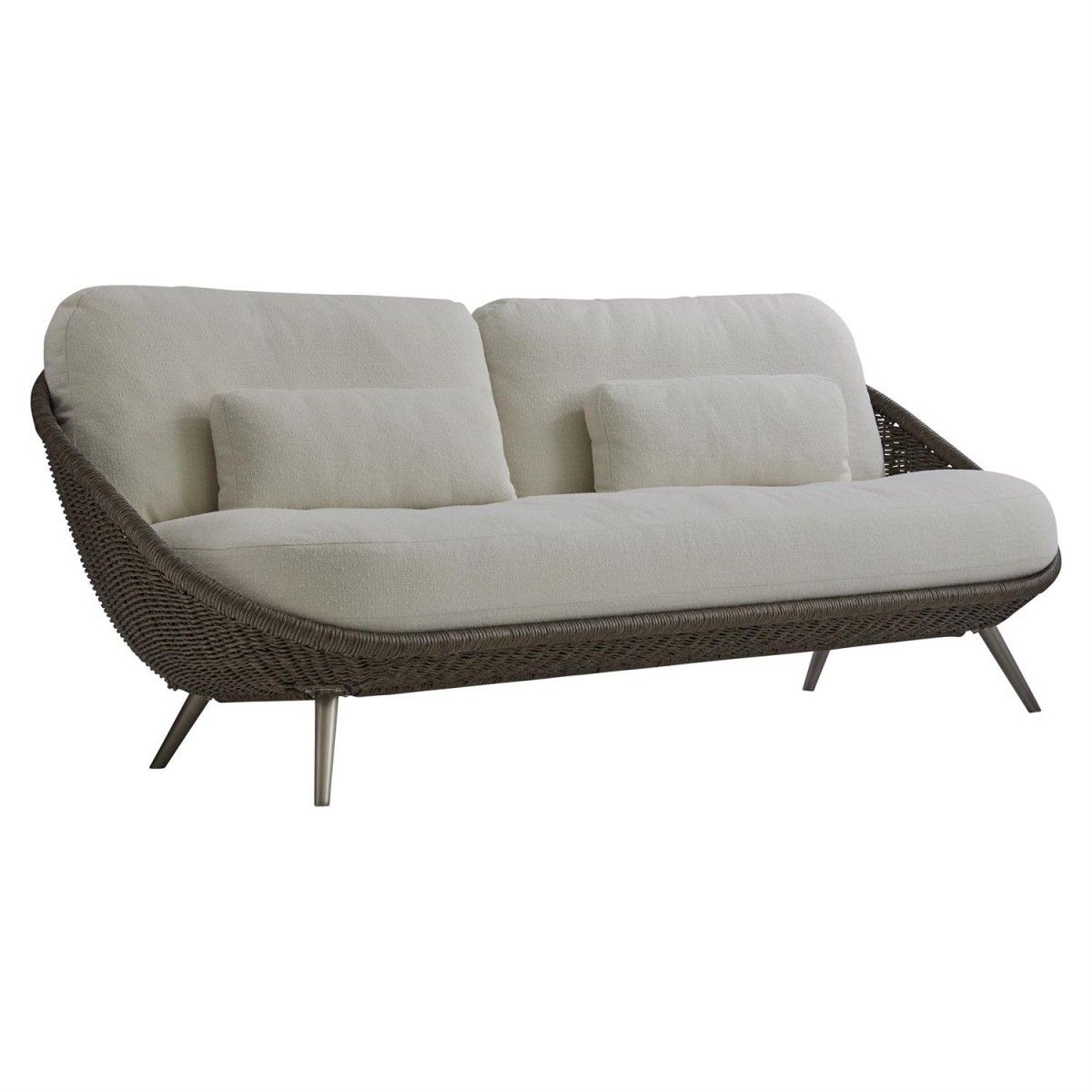
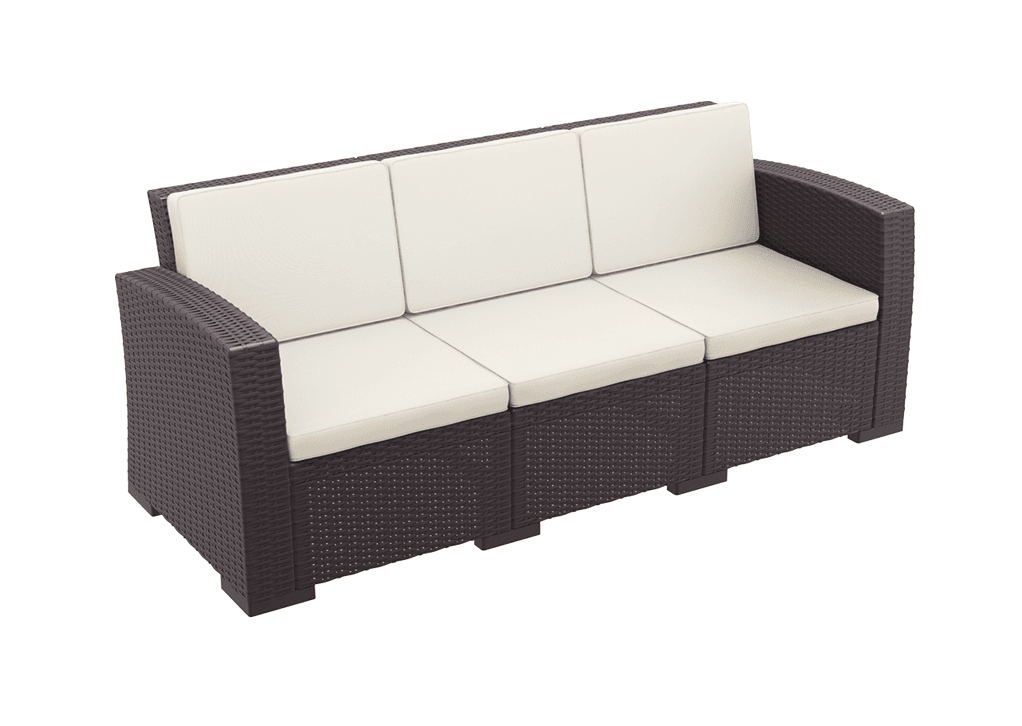
One of the most crucial aspects of outdoor furniture selection is material choice. Different materials handle weather differently and have varying levels of durability. Aluminum is lightweight and rust-resistant, making it ideal for areas with high humidity. Teak wood offers natural resistance to moisture and insects, though it requires some maintenance. Wicker and rattan provide that classic look but may need protection from direct sun exposure.
Consider your local climate too. If you live somewhere with harsh winters, you’ll want materials that can withstand freezing temperatures and snow. In hot, sunny regions, look for UV-resistant fabrics and materials that won’t fade quickly. Some modern synthetic materials like polyethylene and synthetic wicker have revolutionized outdoor furniture by combining aesthetics with durability. They’re easy to clean, resistant to fading, and often come in vibrant colors that brighten up any space.
It’s worth noting that while some materials require more care, they also often offer superior comfort and longevity. The key is matching the material to your lifestyle and environment.
Creating Functional Zones Within Your Outdoor Space
Good outdoor design isn’t just about having lots of furniture – it’s about creating distinct areas for different activities. Think of your outdoor space like a house inside – you wouldn’t put your kitchen in the middle of your bedroom, right? Similarly, separate areas for dining, lounging, and cooking make your space more usable and enjoyable.
A common mistake is trying to cram everything into one large area. Instead, consider creating zones using furniture arrangement. For example, place a dining set in one corner, then position lounge chairs nearby to create a conversation area. You could even use plants or small decorative elements to define these boundaries visually. Sometimes a simple change in furniture placement can dramatically alter how a space feels and functions.
Also remember that your zones should flow naturally. People should be able to move through your outdoor space easily without feeling cramped or confused about where things belong. A well-planned zone layout makes entertaining effortless and creates a more inviting atmosphere for everyone.
Proper Sizing and Scale in Outdoor Design
This is where many people trip up. Buying furniture that’s too big for your space makes everything feel cramped and uncomfortable. Conversely, furniture that’s too small can make your outdoor area look unfinished or underwhelming. Finding the right scale is crucial.
Start with the basics – measure your space before shopping. Leave at least 36 inches of clearance around seating areas for easy movement. For dining sets, ensure there’s enough room for chairs to pull out comfortably. A good rule of thumb is to keep your largest furniture pieces no larger than 1/3 of your space dimension.
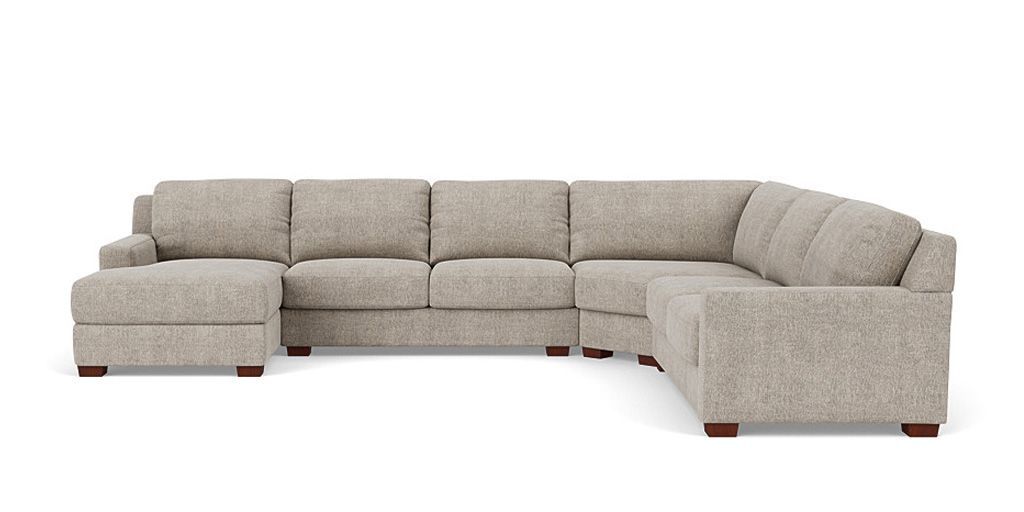
Think about proportions too. A large sectional sofa might dominate a small patio, while a tiny loveseat could feel lost in a large deck. The goal is balance. When you’re shopping, hold a ruler or measuring tape handy. Test how pieces fit together before purchasing. Sometimes a slightly smaller piece works better than a grander one.
Remember that scale also applies to accessories. A massive umbrella might overwhelm a small bistro set, while a tiny plant pot could get lost next to a large dining table. Everything needs to relate to each other appropriately.
Lighting and Ambiance for Outdoor Spaces
Most people focus on furniture and decor, but lighting is equally important for creating the right mood. Proper outdoor lighting can transform a space from merely functional to truly inviting. It’s not just about visibility – it’s about atmosphere.
Consider multiple layers of lighting. Ambient lighting provides general illumination, while task lighting focuses on specific areas like dining tables or reading spots. Accent lighting highlights architectural features or interesting plants. String lights, lanterns, and candles can add warmth and intimacy.
Don’t forget that lighting affects safety too. Step lights along pathways and adequate illumination near stairs or steps. LED options are energy-efficient and long-lasting, making them ideal for outdoor use. Solar-powered lights are convenient and eco-friendly, especially for areas where electrical outlets aren’t readily available.
The timing of your lighting matters too. A few well-placed lights can make your outdoor space feel magical during evening gatherings, while dimmer options can create a cozy atmosphere for quiet moments. Planning lighting early in the design process ensures everything works harmoniously.
Placement Strategies for Maximum Comfort and Flow
Where you put your furniture matters almost as much as what you choose. Good placement creates flow, comfort, and visual interest. Start by identifying focal points in your space – maybe a view, a fire pit, or a tree.
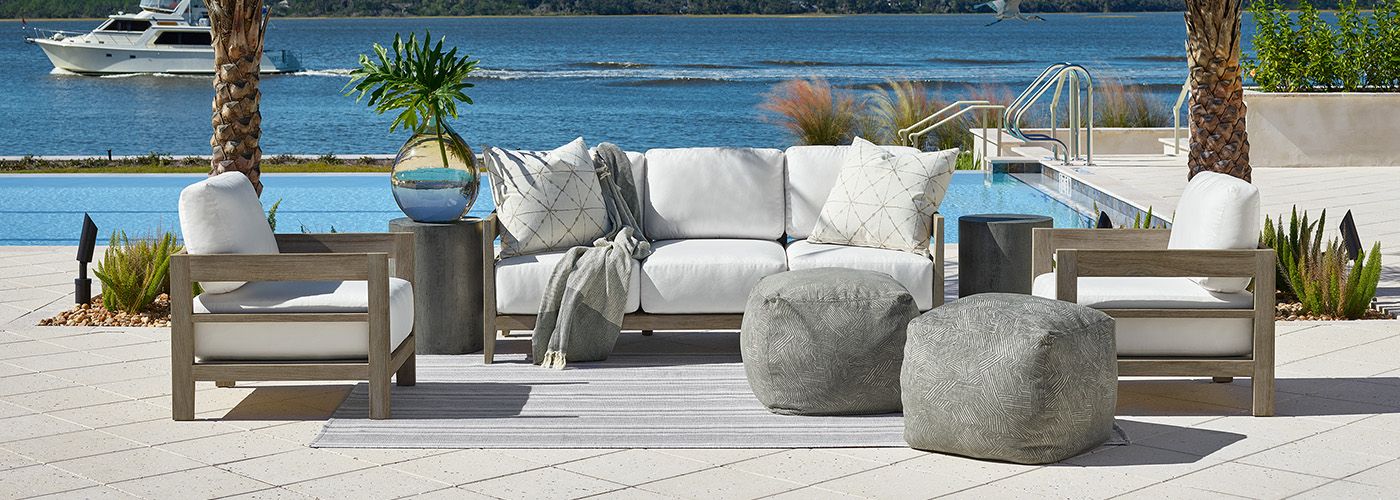
Position seating to take advantage of these features. If you have a beautiful garden view, arrange chairs so people can enjoy it. Don’t put a dining table directly facing a wall – instead, orient it toward the most appealing part of your outdoor area.
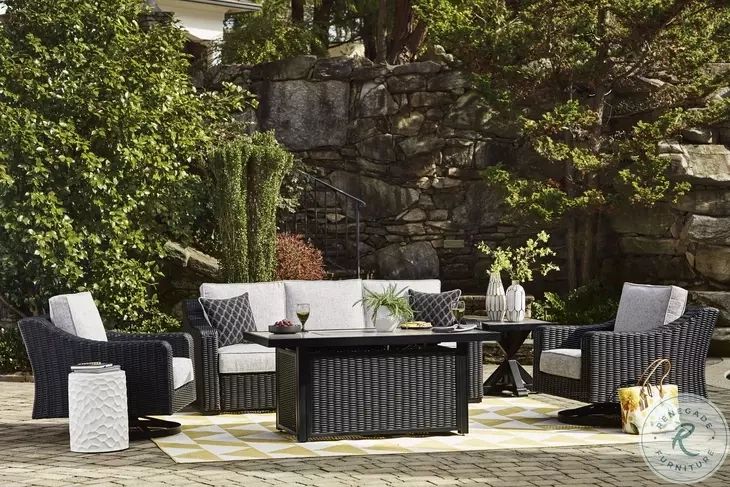
Create conversation areas by grouping furniture together. A typical setup might include a coffee table surrounded by chairs, with additional seating arranged to encourage interaction. Keep the groupings intimate rather than spreading out too much.
Also consider traffic flow. Ensure there’s clear walking space between furniture arrangements. People should be able to move around freely without bumping into items or each other. Sometimes a small path or a strategic placement of a plant can help define these routes naturally.
Finally, think about seasonal changes. How will your setup work in winter? Will you need to rearrange things? Planning ahead for these scenarios makes your outdoor space more versatile and useful year-round.
Maintaining Your Outdoor Furniture Long-Term
Investing in quality outdoor furniture is wonderful, but it needs care to last. Regular maintenance prevents damage and keeps everything looking fresh. Most outdoor furniture benefits from seasonal cleaning and protection.
For fabric items, check manufacturer instructions for washing. Many outdoor cushions can be removed and cleaned with mild soap and water. Store them indoors during harsh winters when possible. Wooden pieces might need annual treatments to prevent weathering.
Protect your investment with covers when not in use. A good cover protects against rain, sun, and dust. However, avoid leaving covers on for extended periods without ventilation, as this can cause moisture buildup.
Keep an eye out for signs of wear or damage. Early detection means easier repairs and prevents small problems from becoming bigger ones. Regularly check fasteners, tighten loose screws, and replace worn parts promptly.
Think about replacement cycles too. Even the best outdoor furniture has a lifespan. Knowing when to refresh pieces helps maintain the overall quality and appearance of your space.
Budget-Friendly Approaches to Outdoor Design
Great outdoor furniture doesn’t have to break the bank. Smart shopping strategies can help you achieve professional results without overspending. Start by prioritizing what matters most to you. If you love entertaining, invest in quality dining and seating pieces. If you prefer quiet time alone, focus on comfortable lounge furniture.
Shop strategically. Look for sales, outlet stores, and seasonal clearance events. Many retailers offer significant discounts after peak seasons. Keep an eye on online deals too, but always verify return policies and shipping costs.
Consider mixing materials and styles. Combining different textures and finishes can create visual interest without requiring expensive purchases. For example, pair a budget-friendly metal frame with high-quality cushions.
DIY projects can also stretch your budget further. Simple modifications like reupholstering old chairs or adding fresh planters can give new life to existing pieces. Sometimes the biggest impact comes from creative rearrangements rather than expensive additions.
Remember that quality pieces tend to last longer, so spending a bit more upfront often saves money in the long run.
Choosing and placing outdoor furniture is both an art and a science. It combines practical considerations with aesthetic preferences to create spaces that truly serve you. By understanding your space, selecting appropriate materials, creating functional zones, and paying attention to scale and placement, you can build outdoor areas that are both beautiful and functional. The key is to approach it thoughtfully rather than impulsively. Take time to plan, measure, and consider how you’ll actually use the space. Remember that outdoor furniture is an investment in your lifestyle, so it’s worth getting right. With these principles in mind, you’ll be well-equipped to create an outdoor environment that brings joy and comfort for years to come. Whether you’re designing a whole backyard or simply refreshing a small patio, these fundamentals will guide you toward success. Your outdoor space deserves thoughtful consideration, and it’s never too late to start making improvements.