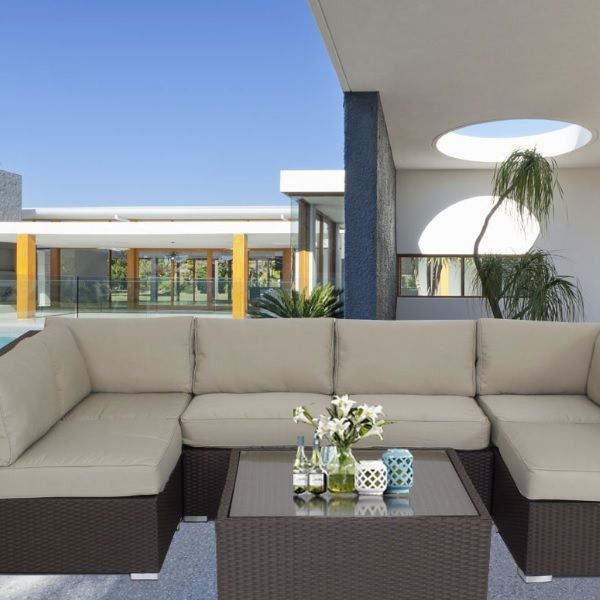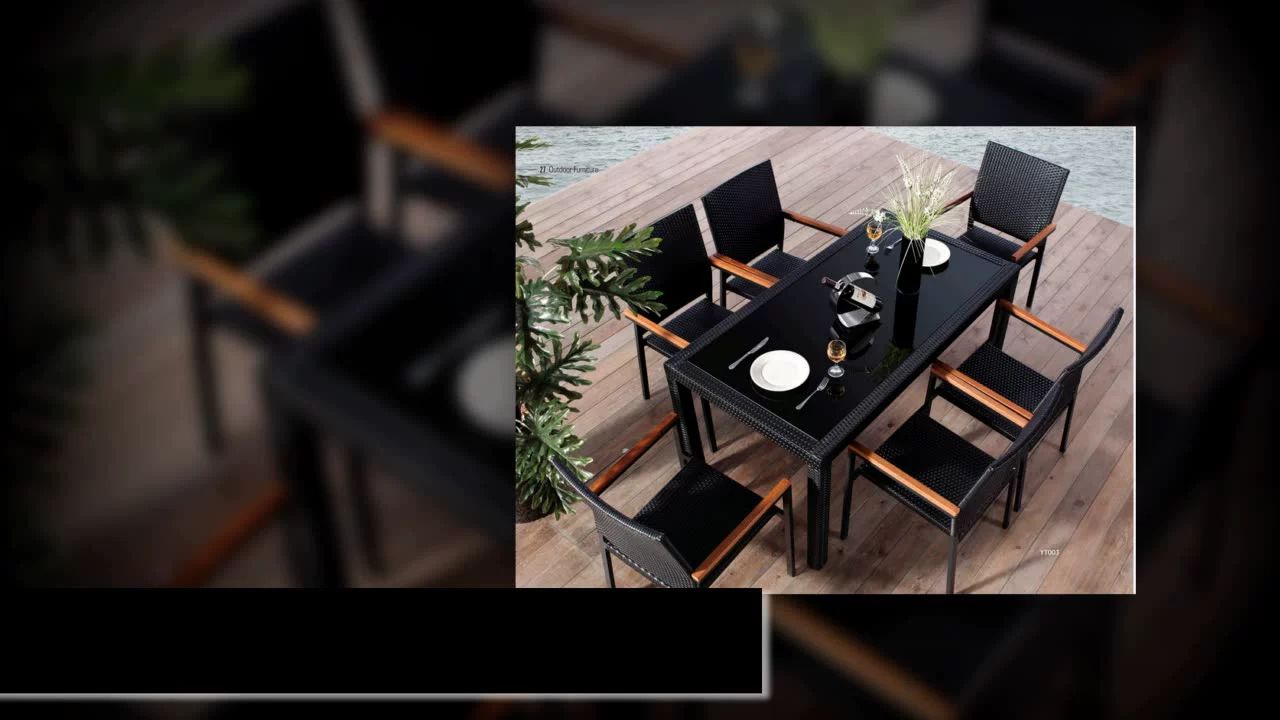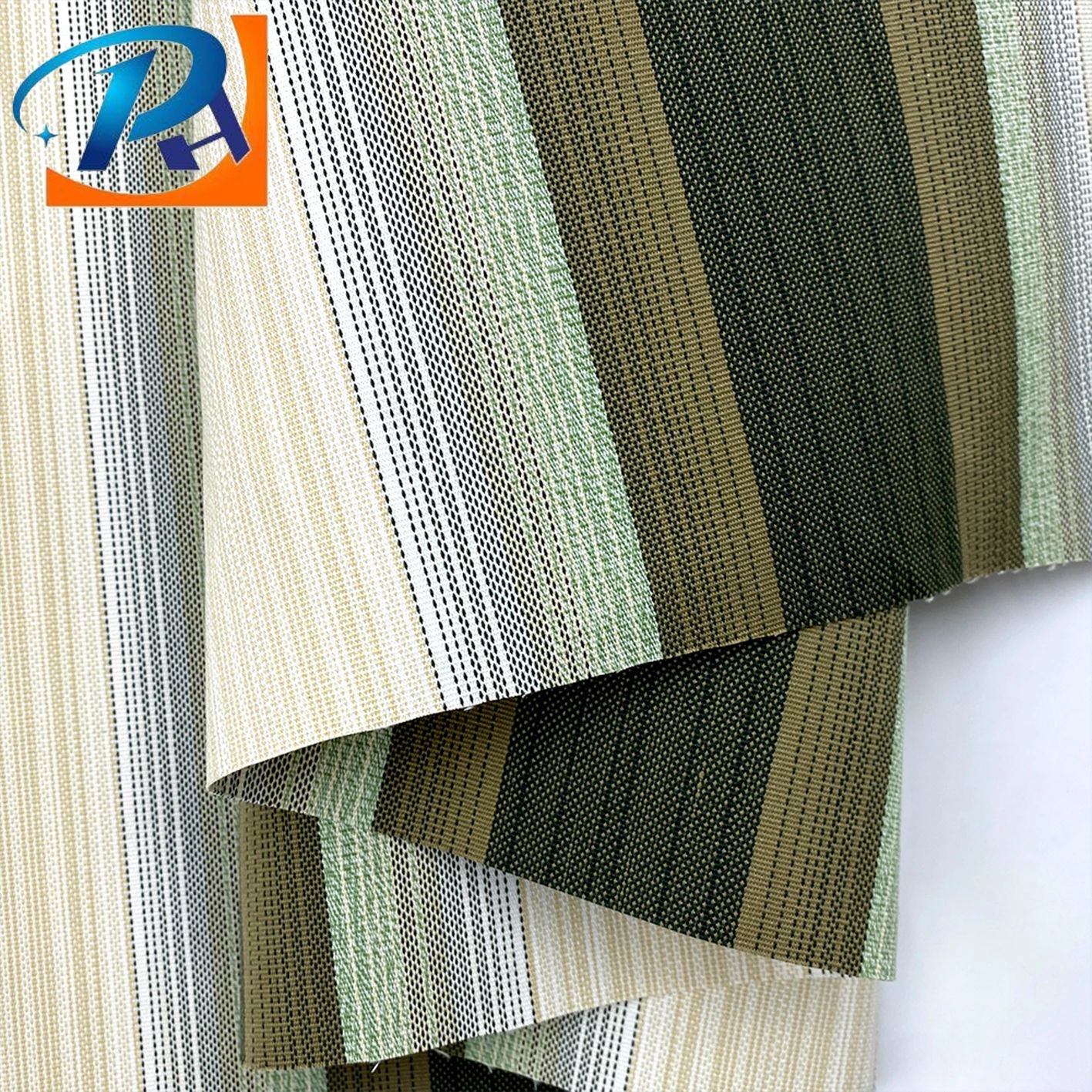
Picture this: You’re lounging on your patio, the sun is warming your skin, and the gentle breeze carries the scent of blooming flowers. The only missing piece? Perfectly chosen outdoor cushions that make every moment feel like pure bliss. But here’s the thing – choosing the right cushions isn’t just about picking colors that match your furniture. It’s about understanding how cushion specifications can make or break your outdoor comfort experience.
Outdoor living spaces have become the heart of modern homes, serving as extensions of our indoor comfort zones. Whether you have a sprawling backyard or a tiny balcony, the right cushions can turn any outdoor area into a cozy retreat. But with so many options available, how do you know which cushions will truly maximize your outdoor space? The secret lies not just in aesthetics, but in understanding the crucial specifications that determine comfort, durability, and style. From material selection to size considerations, each element plays a vital role in creating an outdoor oasis that feels both inviting and long-lasting.
Understanding Outdoor Cushion Materials
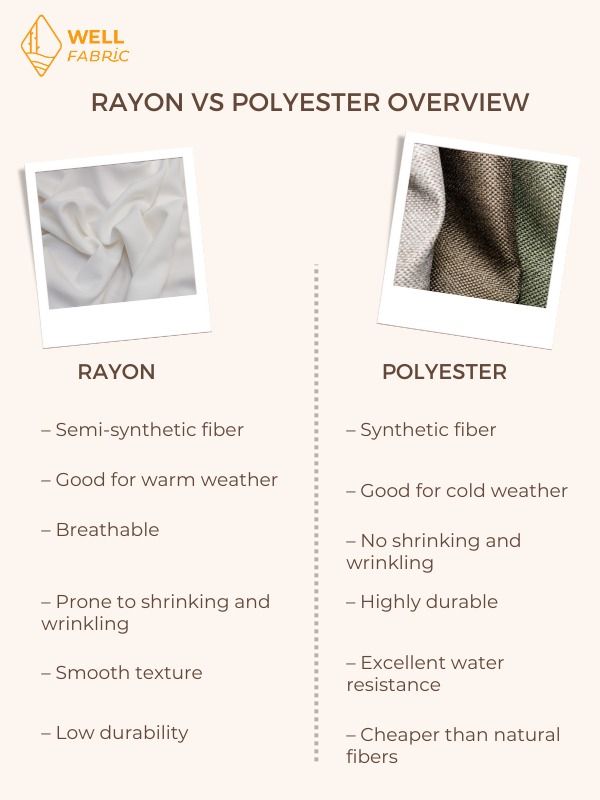
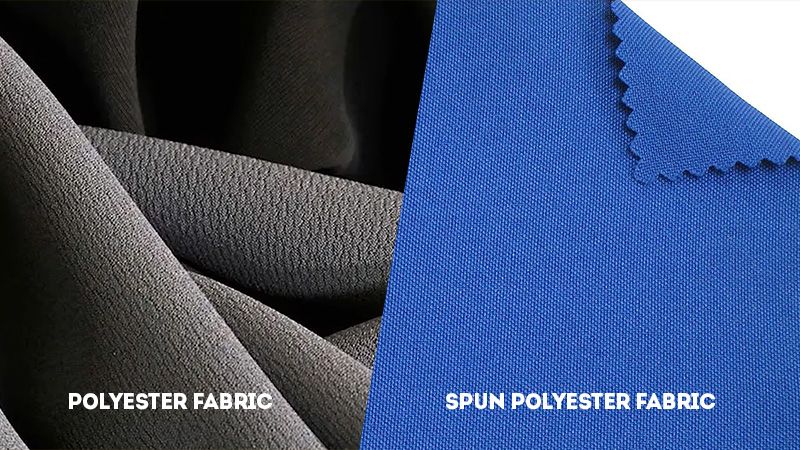
When it comes to outdoor cushions, materials matter more than you might think. The right fabric can withstand harsh weather while keeping you comfortable. Polyester and acrylic are popular choices because they resist fading and water damage. These synthetic options often mimic the look of natural fibers but with added durability. Cotton and linen offer that classic, breathable feel, though they require more maintenance and protection from the elements.
Consider the difference between a basic polyester cushion and one made with premium water-resistant coating. The latter might cost a bit more upfront, but it could save you from replacing cushions every few seasons. Think about your local climate too – if you live in a sunny region, UV protection becomes essential. And if rain is common, you’ll want materials that dry quickly and resist mold.
Real-world example: A family in Florida invested in high-quality outdoor cushions with built-in UV protection. After three summers, their cushions looked brand new, while neighbors’ cheaper alternatives were faded and worn out.
Size and Proportional Fit
The size of your outdoor cushions should complement both your seating arrangement and the space you’re filling. Too small, and they’ll look awkward and potentially unsafe. Too large, and they might overwhelm the area or create tripping hazards. The key is finding that sweet spot where cushions enhance rather than compete with your outdoor setup.
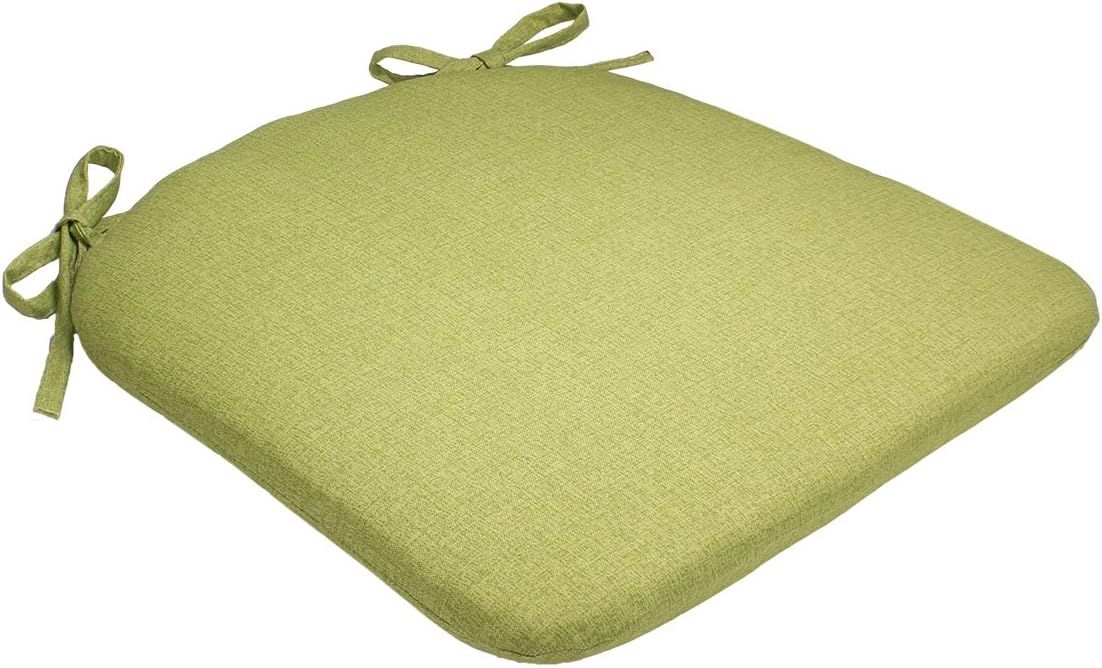
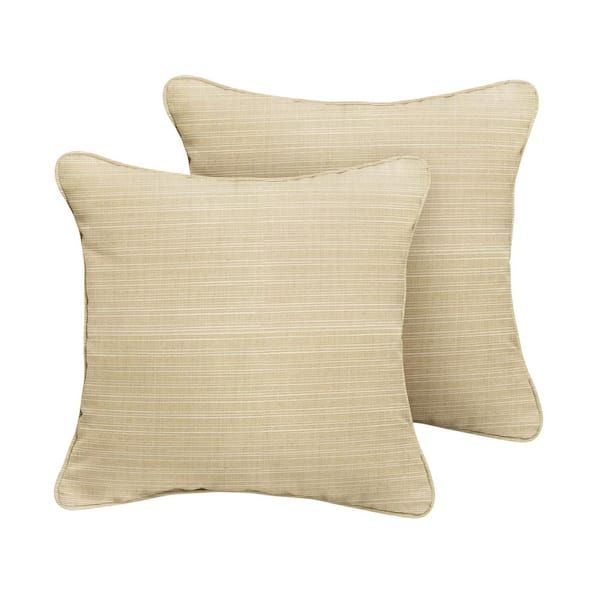
Standard outdoor cushions typically range from 18×18 inches to 24×24 inches, but custom sizes exist for unique furniture arrangements. When measuring, consider not just the seat dimensions, but also how much space you want to cover. For a lounge chair, a 18×18 inch cushion works well. For larger sectional sofas, you might need 24×24 or even 30×30 inch pieces.
Pro tip: Always measure twice, buy once. Many people find that their first purchase doesn’t quite fit perfectly. It’s better to get precise measurements before shopping. Also, remember that cushions with removable covers allow for easy cleaning and replacement, which can extend the life of your investment.
Density and Comfort Levels
Not all cushions are created equal when it comes to comfort. The density of the filling material directly impacts how long your cushions will maintain their shape and provide support. Low-density foam tends to compress quickly and lose its form after just a few uses. Higher-density foam maintains its structure longer and offers better support for extended sitting periods.
Memory foam is another option that’s gaining popularity for outdoor use. It contours to your body shape, providing personalized comfort. However, memory foam requires more careful consideration of temperature sensitivity – some varieties can become uncomfortably warm in direct sunlight.
The fill weight matters too. A cushion filled with 1.5 pounds of high-density foam will last longer than one filled with just 1 pound of lower-quality material. Consider how much time you spend outdoors and how often you’ll be using the cushions. If you’re planning for daily use, investing in higher density materials makes sense.
Example: A couple who spends evenings on their deck found that low-density cushions became flat within months, forcing them to replace them regularly. Switching to higher density options gave them years of comfortable use.
Weather Resistance and Durability
Outdoor cushions face daily challenges that indoor ones never encounter. Sun exposure, rain, wind, and temperature fluctuations all take their toll. That’s why weather resistance should be your top priority when selecting outdoor cushions.
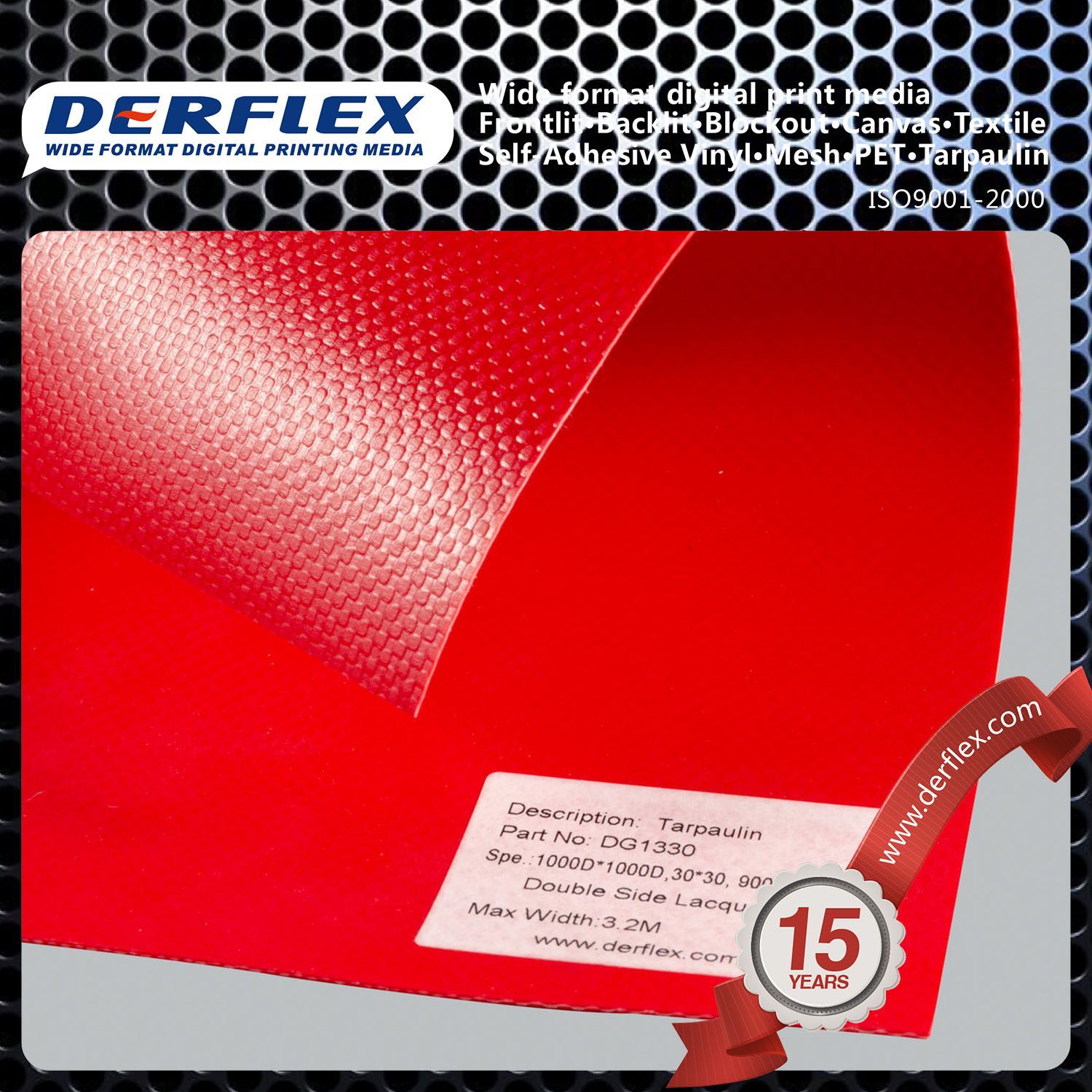
Waterproof and fade-resistant fabrics are essential. Look for cushions with quick-dry properties – this prevents mold and mildew growth. Some manufacturers treat their fabrics with special coatings that repel water and resist stains. These treatments can extend the life of your cushions significantly.
Check the construction details too. Reinforced stitching, quality zippers, and sturdy hardware all contribute to durability. A well-made cushion with reinforced corners will handle daily use much better than one with basic construction.
The key is balancing protection with breathability. You want your cushions to keep you comfortable while protecting against the elements. Some modern outdoor cushions combine multiple protective features, such as water-resistant outer shells with breathable inner layers.
Real-life scenario: A homeowner in coastal California had cushions that lasted only two years due to salt spray and UV exposure. After switching to marine-grade materials with specialized saltwater resistance, their cushions now last over five years with minimal maintenance.
Color and Pattern Selection
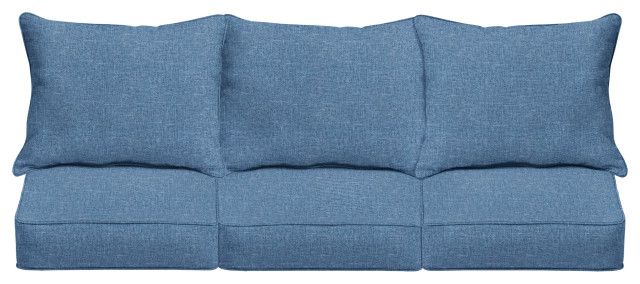
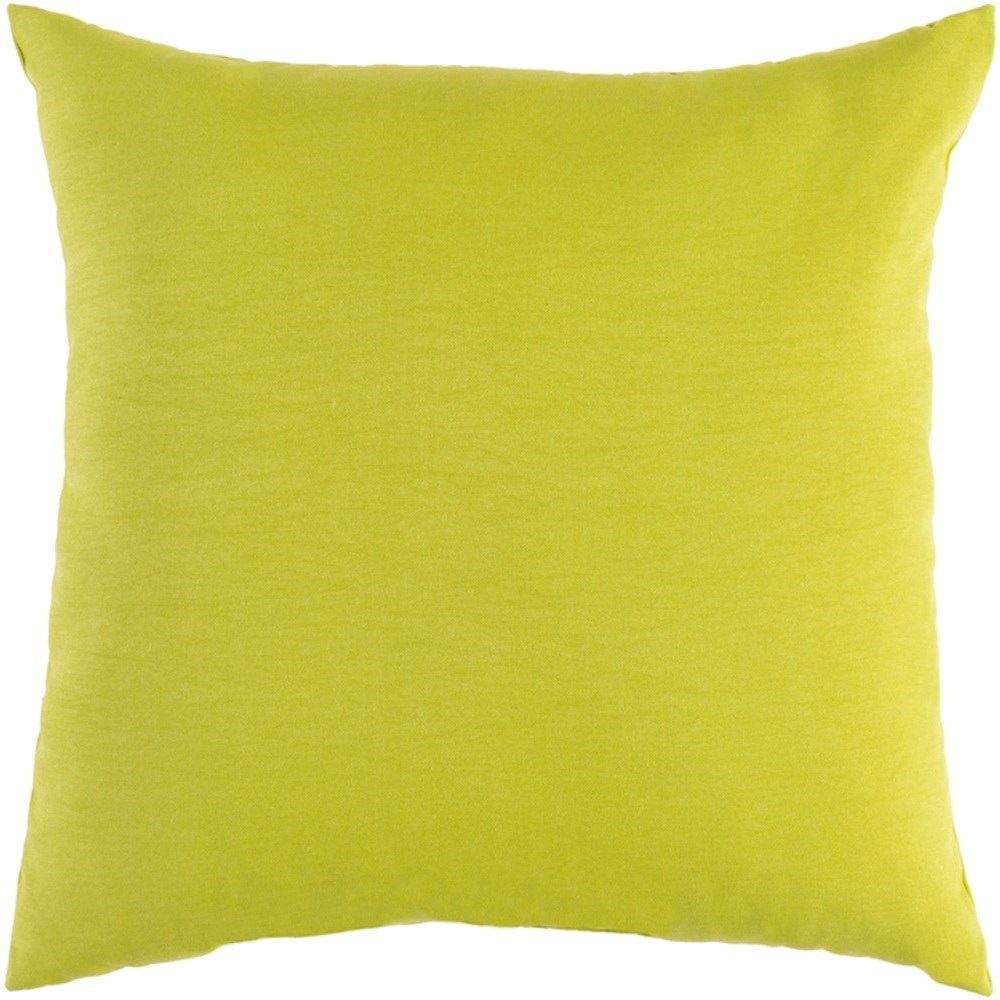
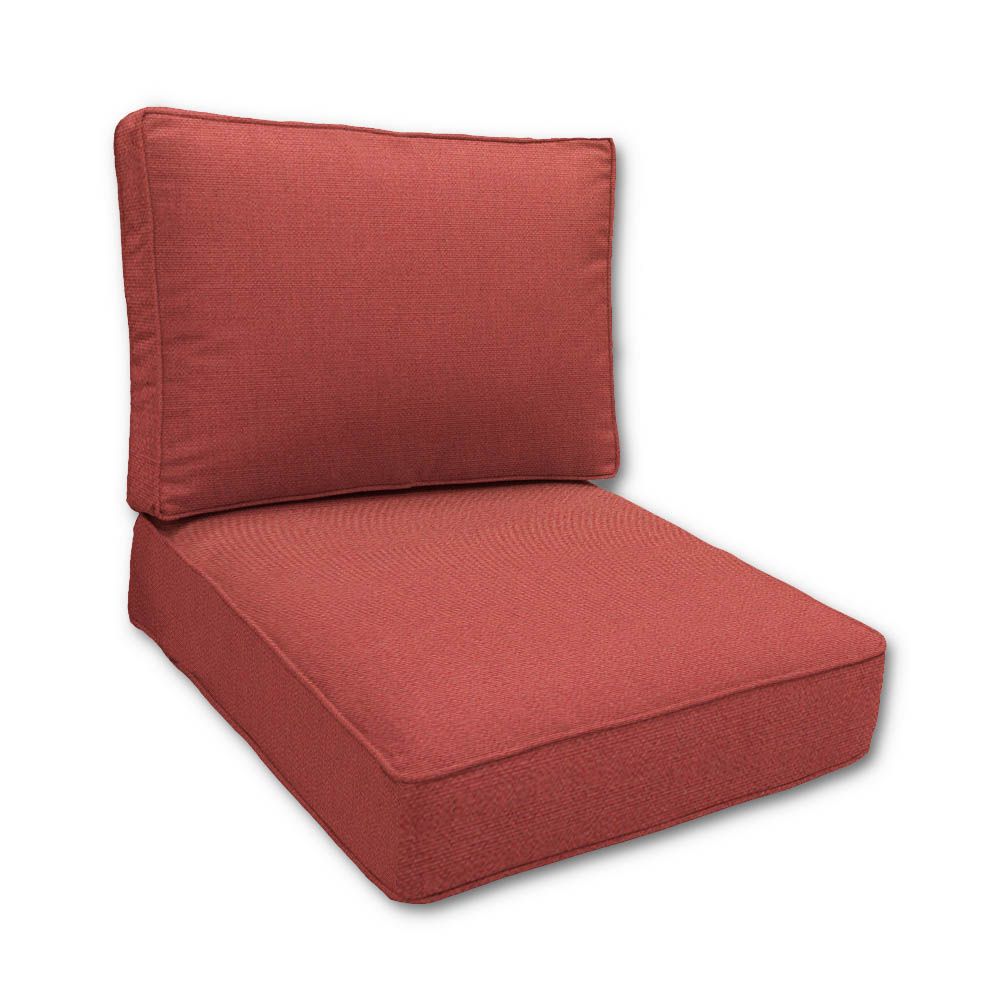
Colors and patterns can either make or break your outdoor space. They influence mood, blend with surroundings, and affect how your space feels to use. Bold colors can energize a small space, while neutral tones create a calming environment that works well with most décor styles.
Consider the overall aesthetic of your outdoor area. If you have a modern minimalist design, clean lines and simple color palettes work best. For traditional or rustic settings, rich colors and patterned designs can add warmth and character.
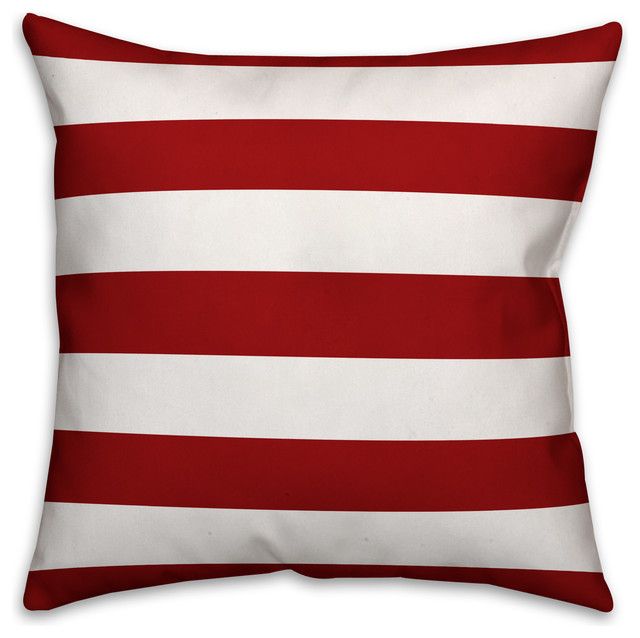
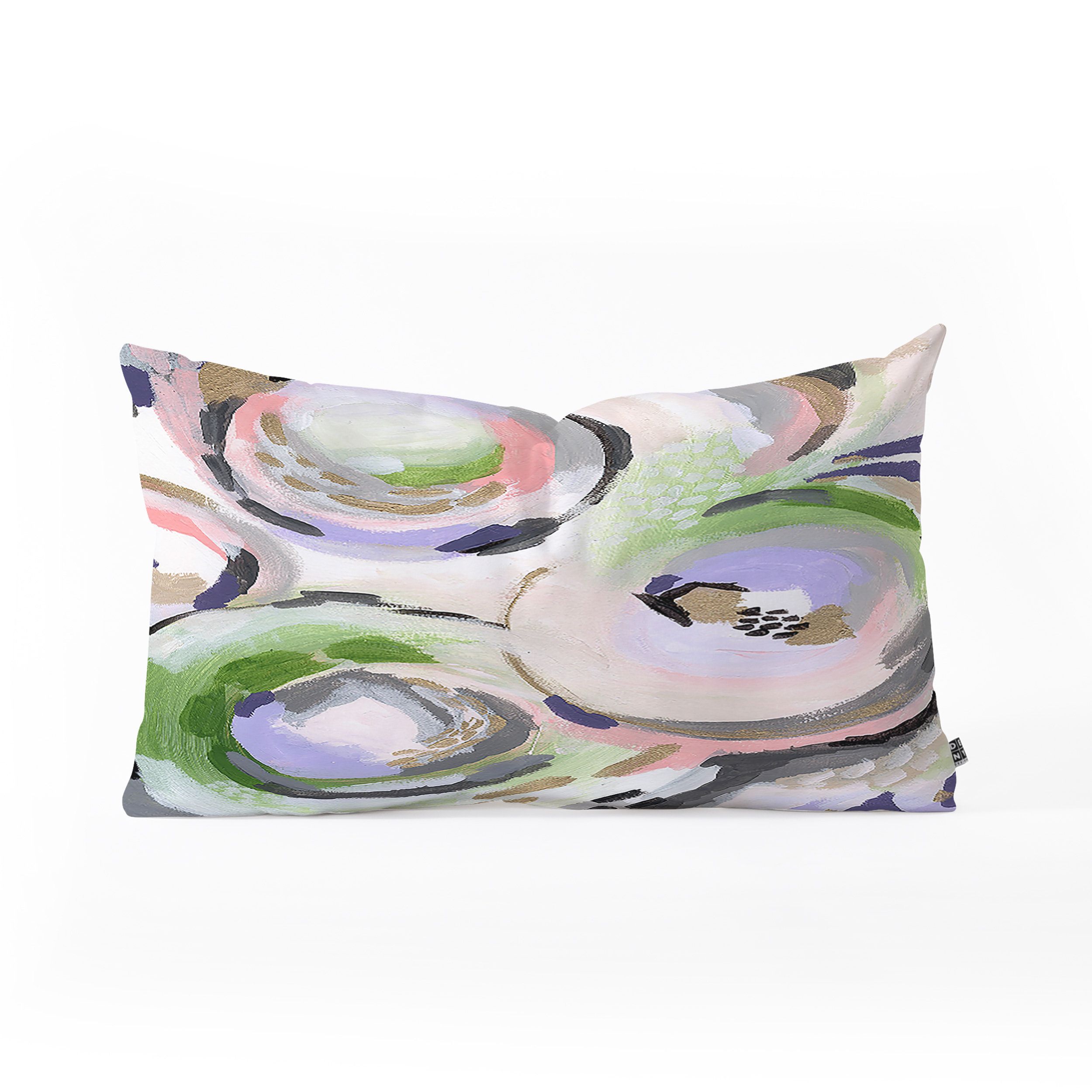
Pattern selection deserves attention too. Solid colors are versatile and easy to coordinate, while patterns can add visual interest. But be careful – too many patterns can make a space feel chaotic. A good rule of thumb is to stick to one bold pattern with neutral base colors.
Seasonal considerations also play a role. You might want lighter colors during summer months and richer tones during fall and winter. Some people prefer to change their cushions seasonally to match the changing landscape and weather conditions.
Example: A family with children chose vibrant, patterned cushions that could handle spills and wear. They found that their bold choices made the space feel playful and welcoming, encouraging more outdoor time for everyone.
Maintenance and Care Considerations
Even the best outdoor cushions require proper care to maintain their appearance and longevity. Understanding maintenance requirements helps you make informed decisions about your investment. Some cushions are designed for easy maintenance, while others require more attention.
Removable covers are a game-changer for maintenance. They allow you to clean individual components without handling the entire cushion. This feature is especially helpful for families with pets or young children who might cause spills or stains.
Regular cleaning schedules prevent buildup of dirt, salt, and other outdoor elements. Most outdoor cushions benefit from a quick rinse with water every few weeks. Deeper cleaning might be needed seasonally or after heavy use.
Storage considerations are also important. During harsh winters or extended periods of non-use, proper storage protects cushions from damage. Some cushions are designed specifically for indoor storage, while others can handle being left outside with proper protection.
Remember: the time you invest in maintenance today pays dividends in the longevity and enjoyment of your outdoor space tomorrow. Consider how much time you want to spend caring for your cushions versus how much you want to enjoy them.
Choosing the right outdoor cushions isn’t just about finding something that looks good – it’s about creating a space that serves you well for years to come. From material selection to maintenance practices, each decision affects how much you’ll enjoy your outdoor area. The investment you make in proper cushion specifications pays off in comfort, durability, and peace of mind.
Whether you’re designing a new outdoor space or refreshing an existing one, remember that the right cushions can transform any area into a comfortable retreat. Take time to consider your specific needs, lifestyle factors, and environmental conditions. When you choose wisely, your outdoor cushions will become the foundation of countless memorable moments under the open sky. The key is matching the specification to your actual usage patterns and space requirements. Don’t just buy the cheapest option – think about what will give you the most satisfaction and value over time. Your future self will thank you for making thoughtful choices today.