What if your outdoor space could feel just as cozy and welcoming as your indoor living room? It’s not just a dream anymore. With thoughtful planning and smart design choices, you can create outdoor areas that invite relaxation, entertaining, and everyday joy. Whether you have a sprawling estate or a tiny balcony, the principles of creating comfortable outdoor living spaces remain the same.
Outdoor living spaces have evolved far beyond simple patios or decks. Today’s homeowners want their backyards, rooftops, and porches to function like extensions of their homes. These areas need to provide comfort, privacy, and a sense of belonging that rivals indoor spaces. The secret lies in understanding what makes people feel at ease outdoors, and then designing with those needs in mind. Think about the last time you felt truly relaxed outside – what elements made that possible? It wasn’t just the view or the weather, but rather the combination of comfort, functionality, and atmosphere that created that perfect moment.
Understanding What Makes Outdoor Spaces Comfortable
Comfort isn’t just about having a nice chair or a pretty umbrella. True outdoor comfort comes from addressing several key factors that affect our physical and emotional well-being. Temperature control matters enormously – you want to feel neither too hot nor too cold. Humidity levels, wind protection, and even the quality of light all play crucial roles. Consider the different seasons and how your space will feel year-round. A comfortable outdoor area should adapt to changing conditions while maintaining its appeal. Think about how you move through the space, where you want to sit, and what activities you’ll enjoy there. Does it feel spacious enough for conversation, or does it feel cramped? Is it easy to access water, shade, or shelter when needed?
Creating Zones for Different Activities
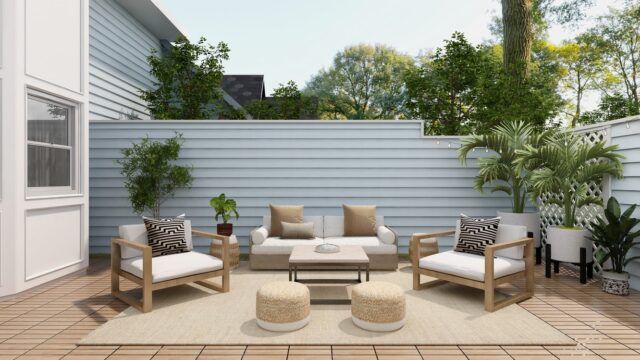
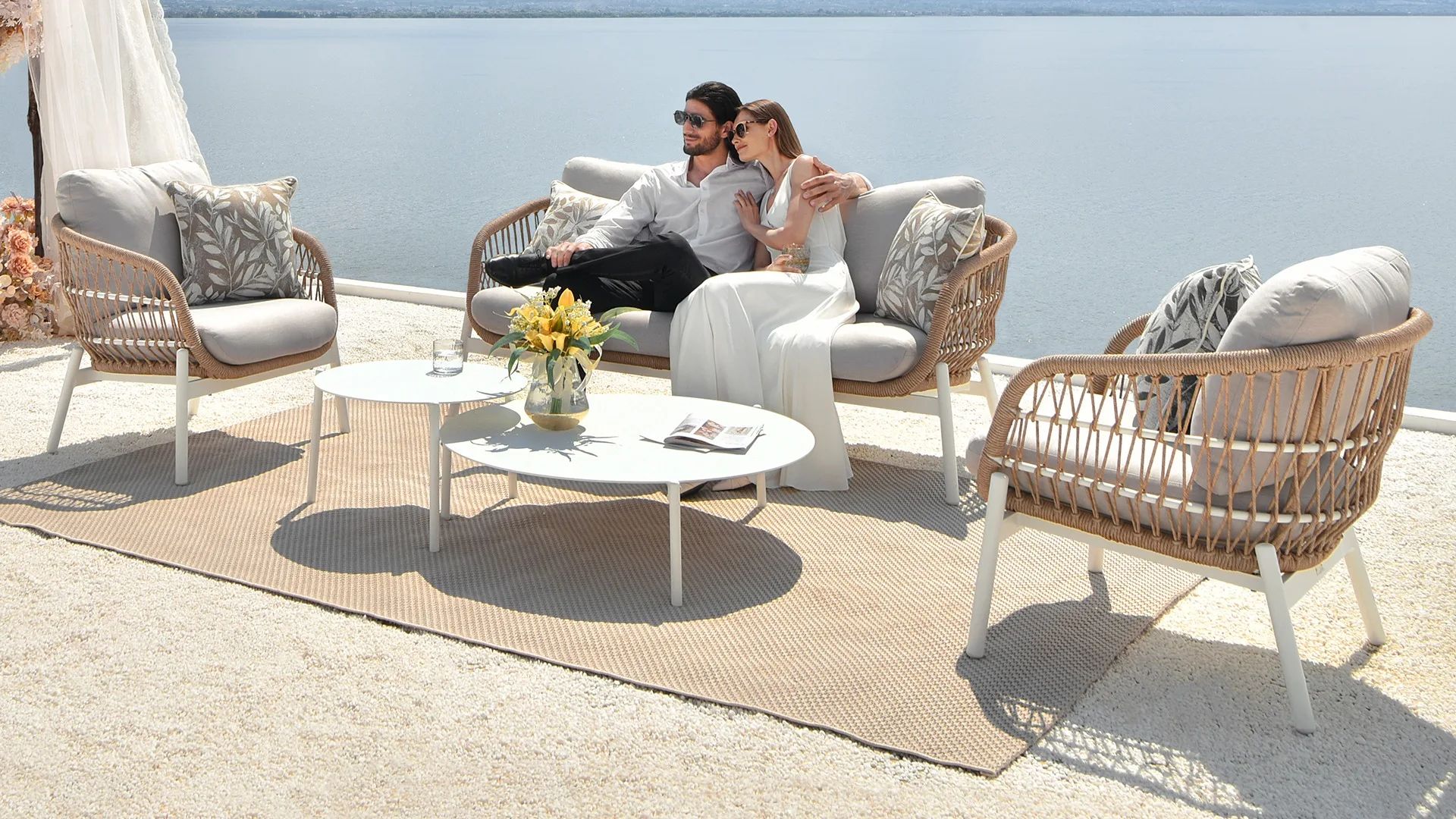
One of the most effective ways to make an outdoor space feel comfortable is by dividing it into distinct zones. You don’t want one big, confusing area where everything blends together. Instead, think about creating separate sections for different purposes. Perhaps you want a dining zone with a table and chairs, a lounge area with comfortable seating, and maybe a small cooking station. Each zone should have its own character while still feeling part of the whole. This approach gives people options for how they want to spend their time outdoors. For example, someone might want to relax alone in the lounge area while others gather around the dining table. It’s also helpful to consider how these zones connect to each other and flow naturally from one to the next.
Choosing the Right Furniture and Materials
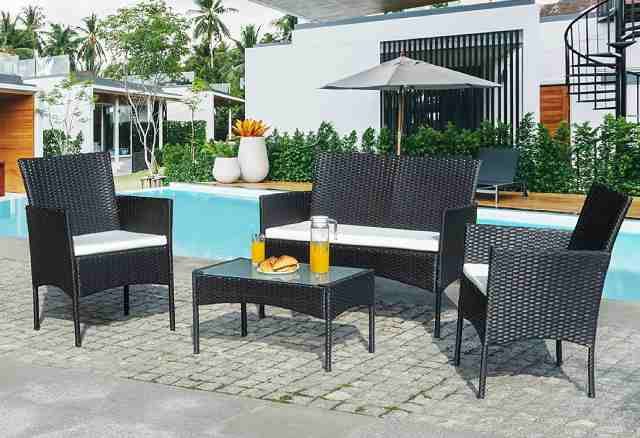
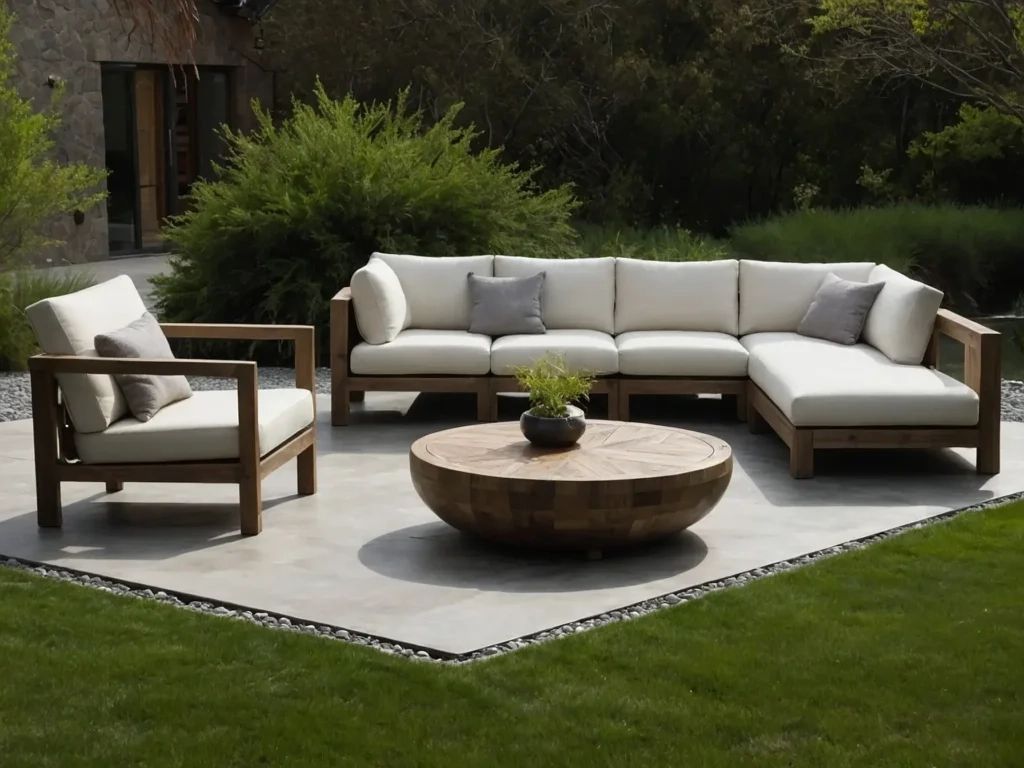
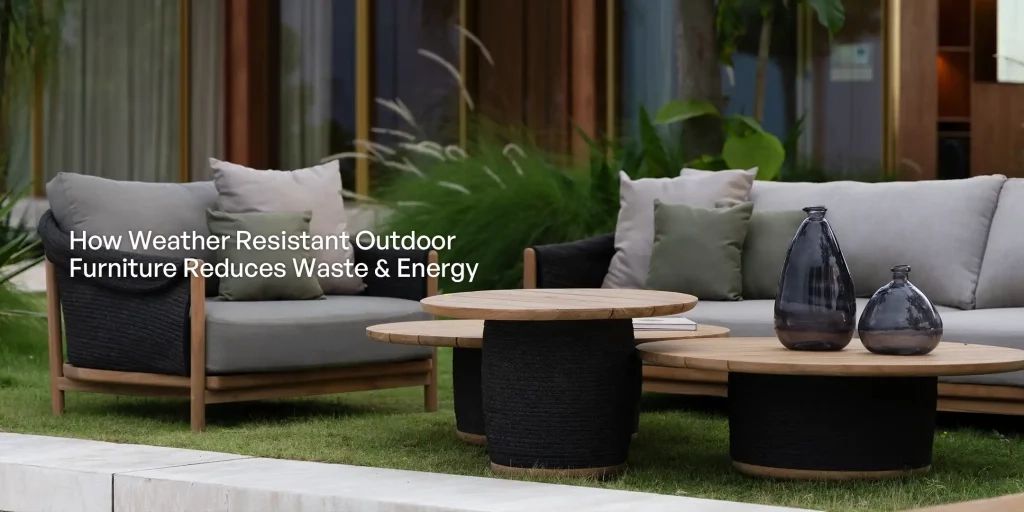
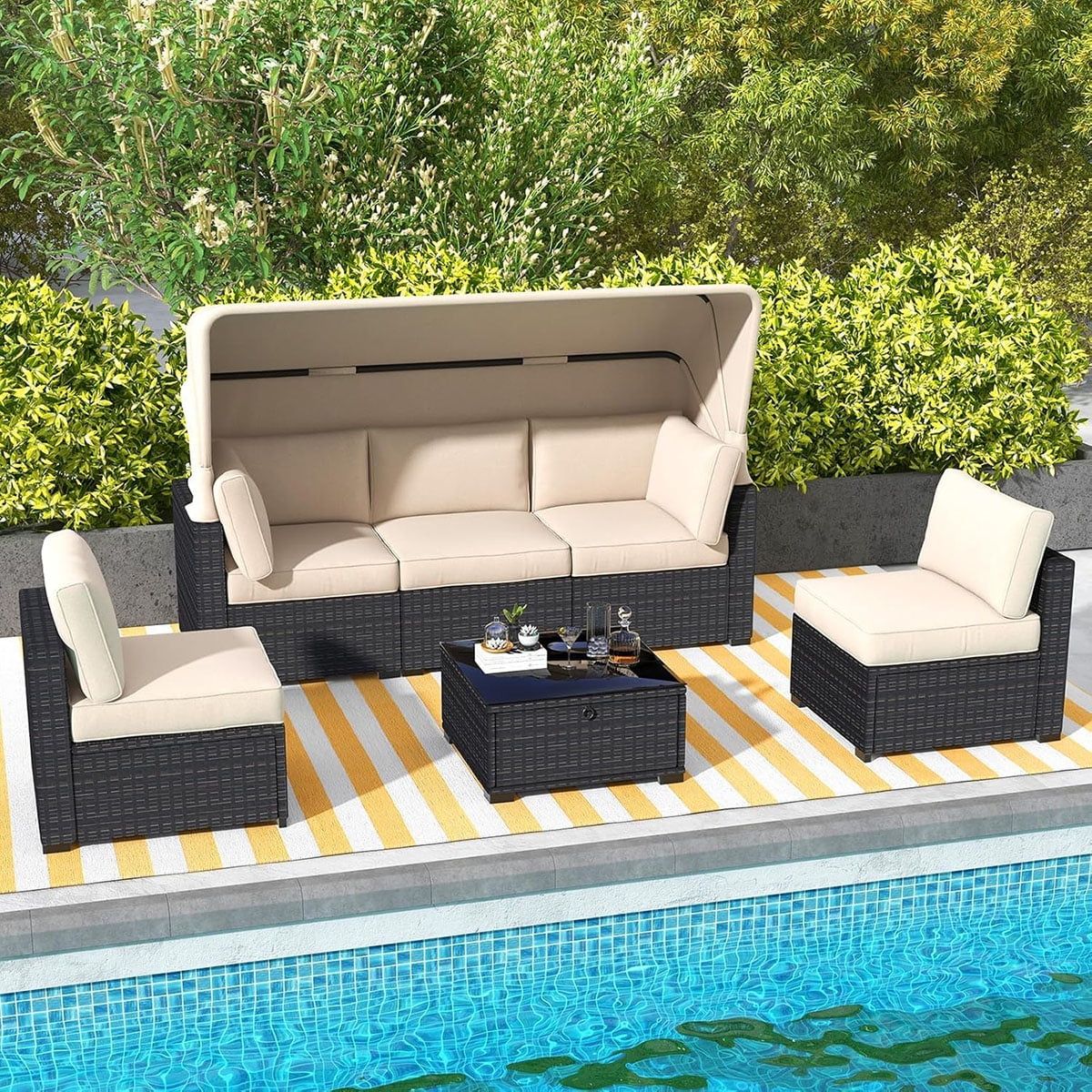
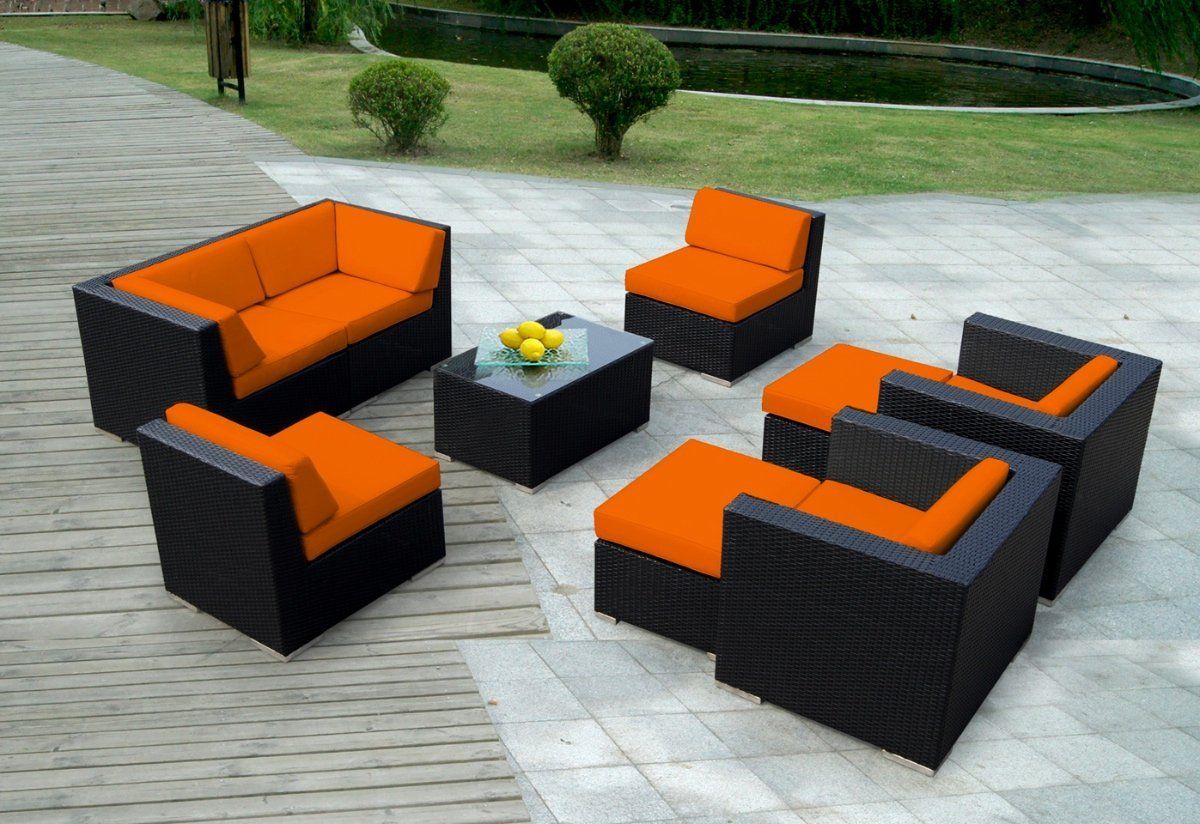
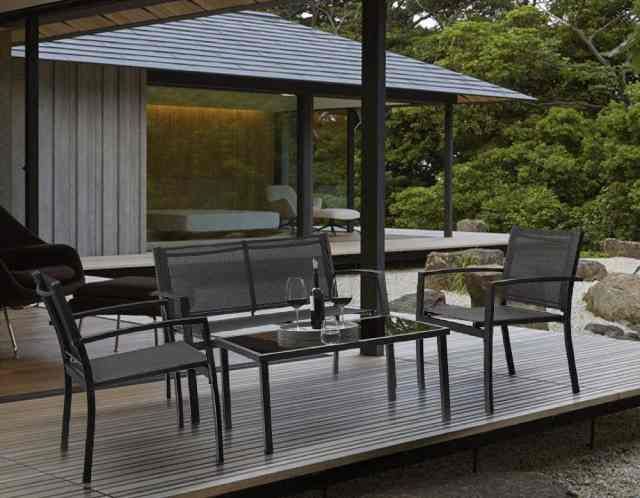
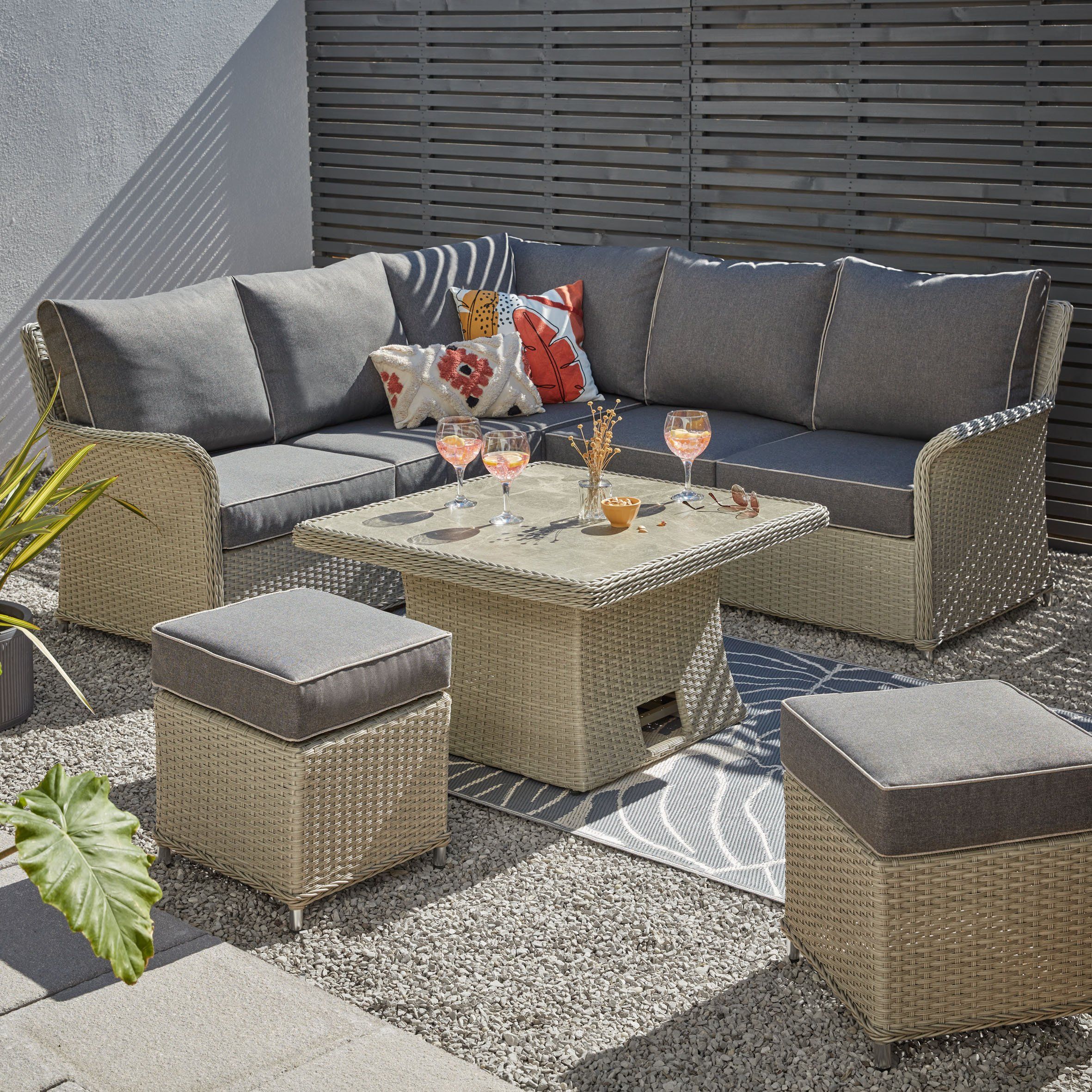
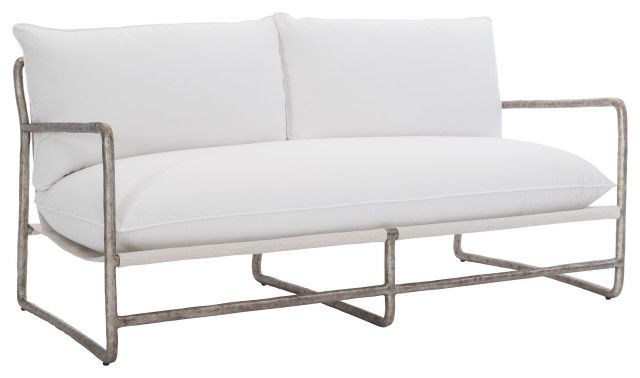
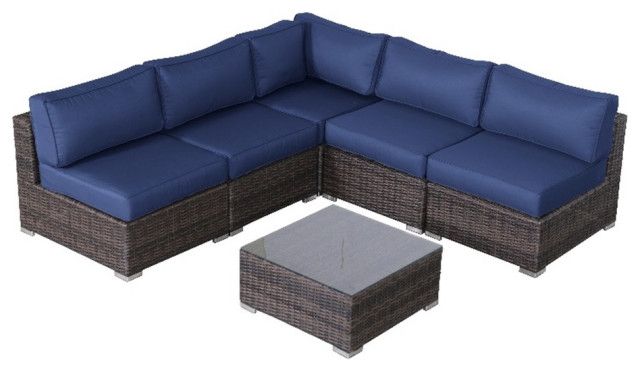
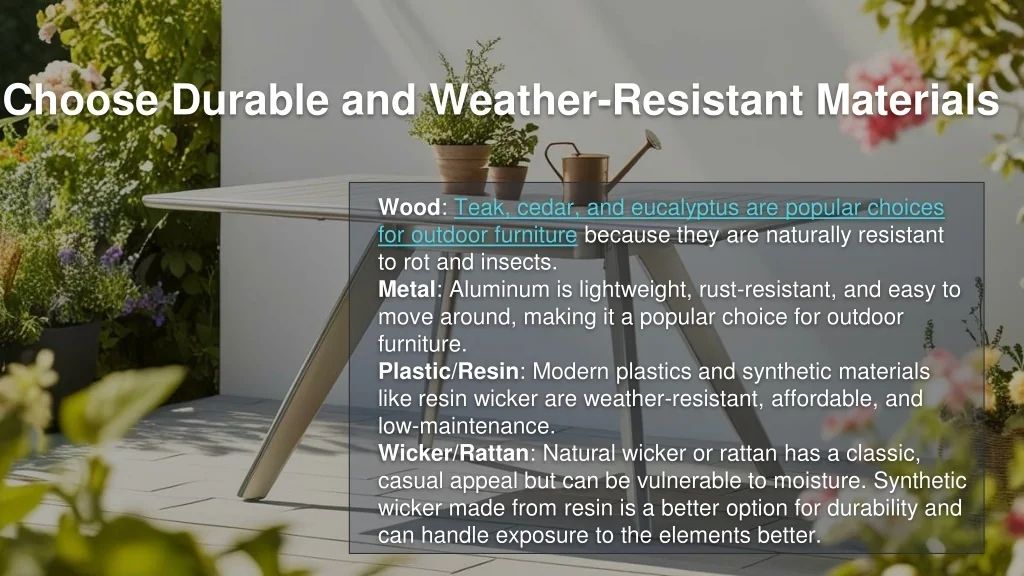
The furniture you select can make or break your outdoor comfort. Look for pieces that are built to withstand the elements while still being inviting. Weather-resistant materials like teak, aluminum, or synthetic wicker work well for long-term outdoor use. The right cushions and throws can transform a basic bench into a cozy spot for afternoon reading. Don’t forget about ergonomics – chairs should support good posture, and tables should be the right height for comfortable dining. Consider the scale of your furniture in relation to your space. Too much furniture can make an area feel cluttered and uncomfortable, while too little can leave it feeling empty and unwelcoming. Quality pieces that you love will encourage more use of your outdoor space.
Lighting That Sets the Mood
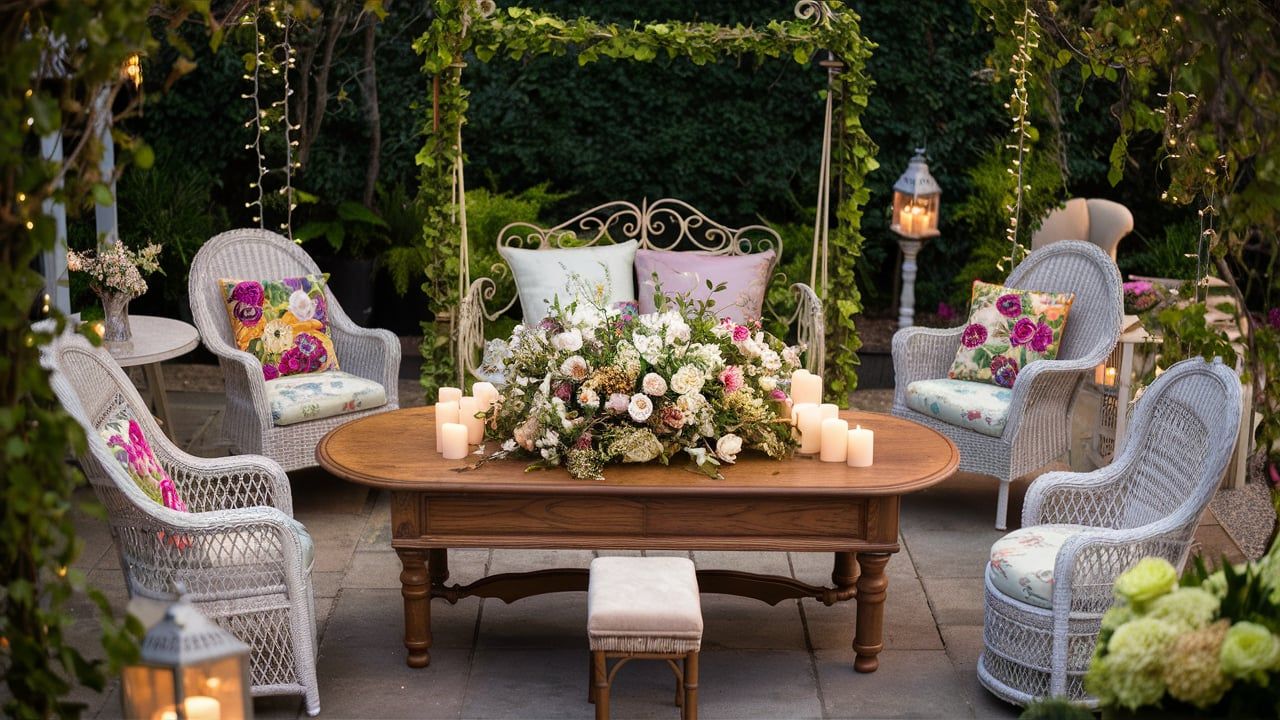
Lighting isn’t just about safety – it’s about creating atmosphere and extending the usability of your outdoor space. Good lighting helps people feel secure while also adding warmth and character. String lights can create a magical ambiance, while recessed lighting can highlight specific features. Consider layering different types of lighting: ambient light for general illumination, task lighting for specific activities, and accent lighting to showcase plants or architectural elements. Smart lighting systems allow you to adjust brightness and color temperature based on the time of day or occasion. The right lighting can make a small space feel larger, or transform a plain area into something special. Think about how you want to use the space during different hours of the day and night.
Adding Natural Elements and Greenery
Plants and natural features bring life and comfort to outdoor spaces. They create visual interest, improve air quality, and provide natural shade. Choose plants that match your climate and maintenance preferences. Some people prefer low-maintenance options like succulents or drought-tolerant varieties, while others enjoy the lushness of flowering plants. Consider incorporating different textures, heights, and colors to create visual depth. Vertical gardens, hanging planters, or ground-covering plants can maximize greenery in smaller spaces. Natural elements like stones, wood, or water features add character and create a sense of calm. These elements also help soften hard edges and make the space feel more organic and integrated with nature.
Practical Considerations for Year-Round Comfort
A truly comfortable outdoor space works well in all seasons. This means thinking about heating and cooling options, rain protection, and seasonal maintenance. Fire pits or outdoor heaters can extend the usability of your space into cooler months. Canopies, umbrellas, or pergolas provide shade and protection from the elements. Storage solutions keep your outdoor furniture and accessories organized and protected. Consider how you’ll maintain the space throughout the year – from seasonal cleaning to protecting furniture during harsh weather. Planning for these practical needs upfront saves headaches later and ensures your outdoor investment continues to provide comfort and enjoyment.
Designing a comfortable outdoor living space is really about creating a place where people want to spend time. It’s not just about aesthetics or functionality, but about crafting an environment that supports how we live and connect with others. When you think about what makes a space feel welcoming, you’re already on the right track. Whether you’re starting with a blank slate or renovating an existing area, focus on the fundamentals: comfort, practicality, and personal touches that reflect your lifestyle. Remember that great outdoor spaces evolve over time, so don’t be afraid to experiment and adjust as your needs change. The most successful designs are those that feel like a natural extension of home, where you can truly relax and enjoy the beauty of the outdoors.