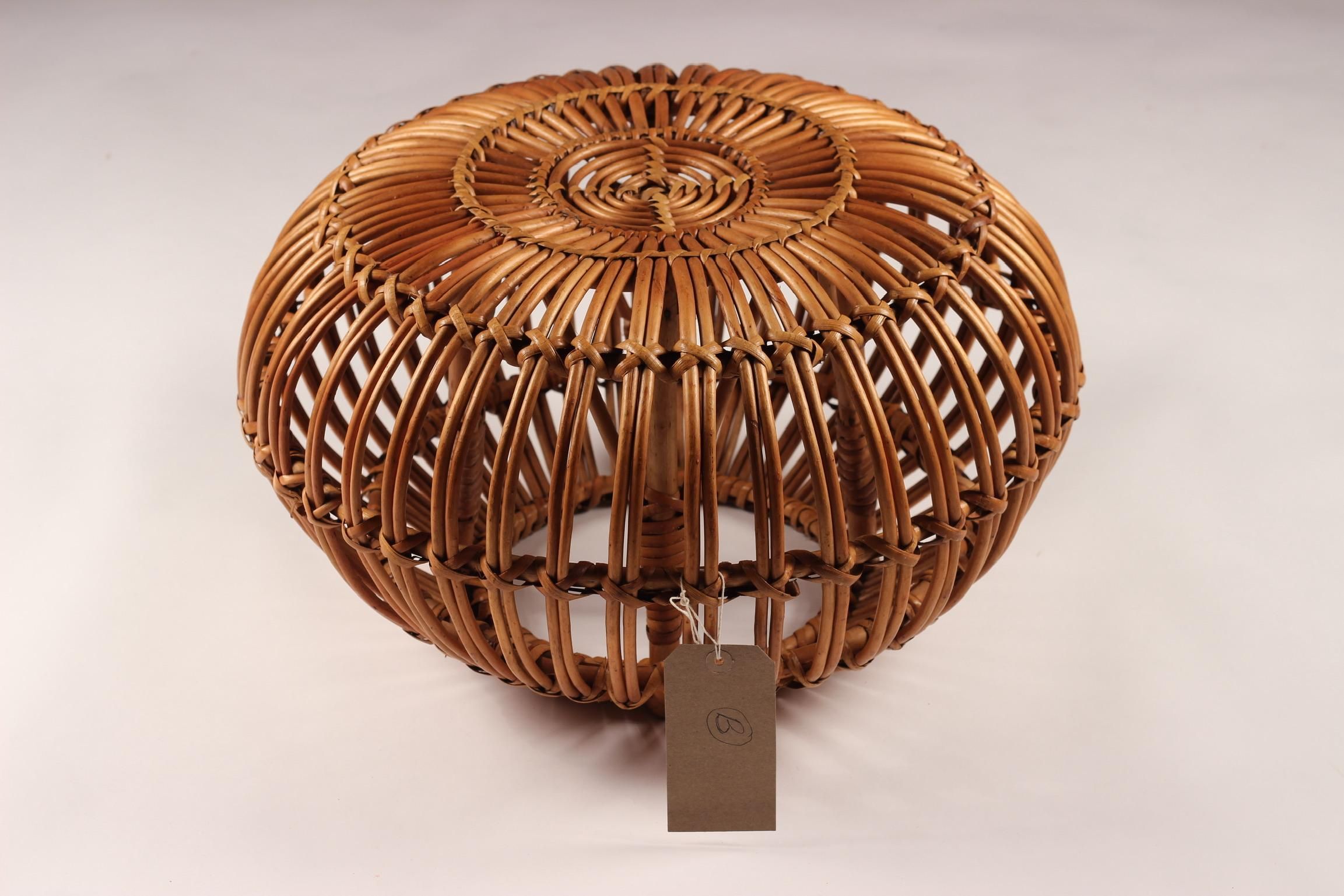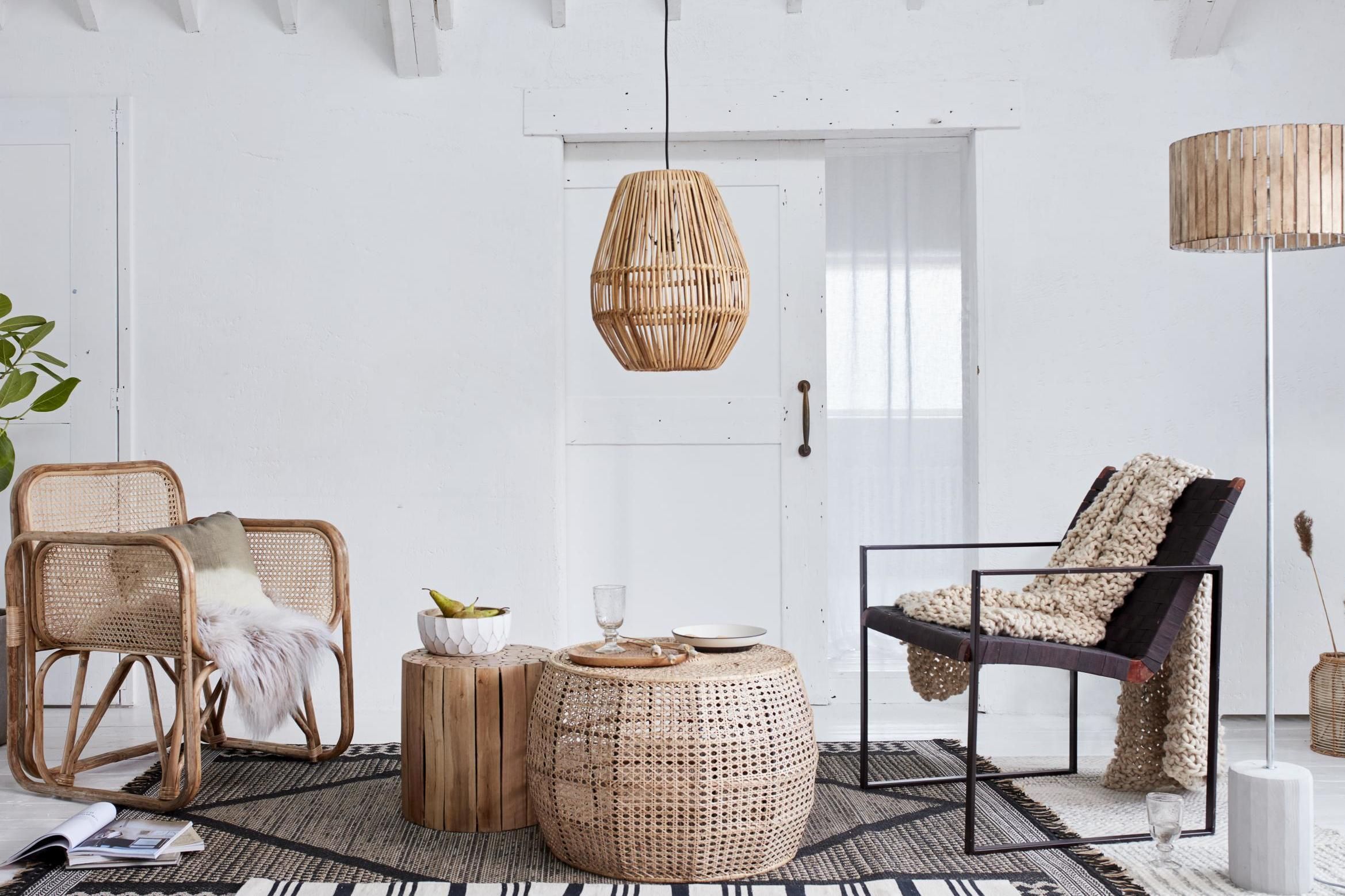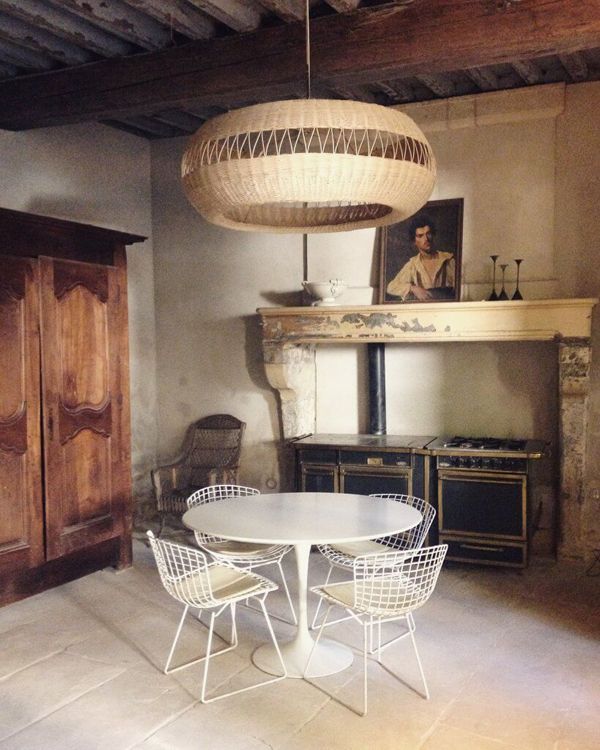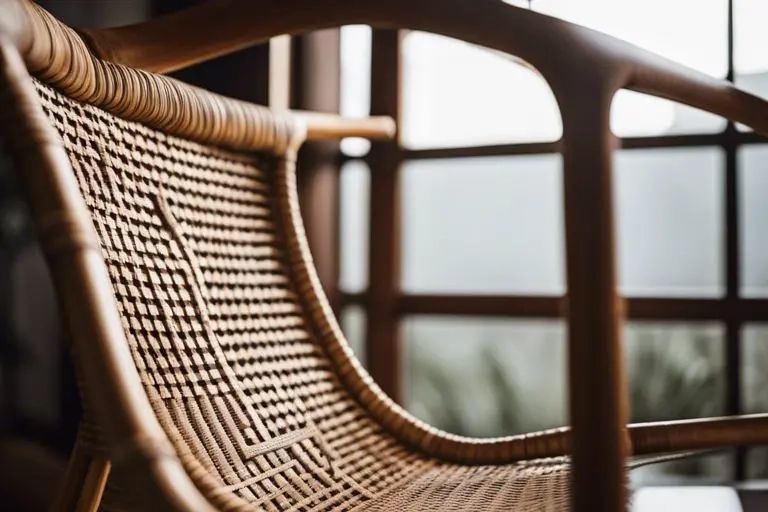
Wicker and rattan have journeyed from rustic garden furniture to becoming cornerstones of contemporary interior design. What started as simple materials for outdoor spaces has blossomed into sophisticated elements that define modern living rooms, dining areas, and even bedrooms. These natural fibers have managed to bridge the gap between rustic charm and sleek sophistication, creating a unique aesthetic that speaks to both traditional sensibilities and contemporary tastes.
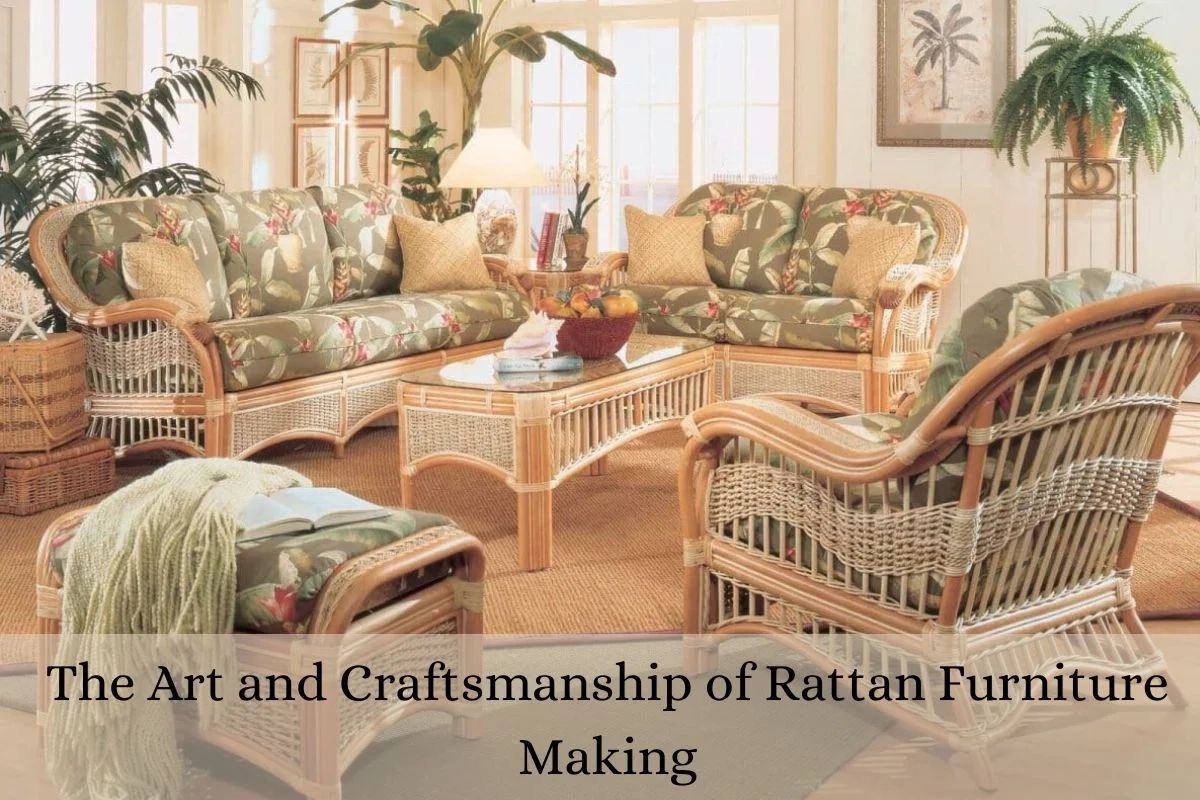
Picture this: You’re sitting in a cozy living room, surrounded by comfortable seating that feels both inviting and stylish. The furniture isn’t just functional – it tells a story. That story might involve wicker and rattan, two materials that have quietly revolutionized how we think about indoor spaces. These natural elements, once relegated to backyards and porches, have found their way into the heart of modern homes. They’ve transformed from being mere accessories to becoming foundational components of interior design. This evolution isn’t just about style – it’s about how we’ve learned to live with nature in our daily lives. The shift represents more than just a trend; it’s a fundamental change in how we approach comfort, sustainability, and aesthetic appeal in our homes.
Historical Roots and Traditional Uses
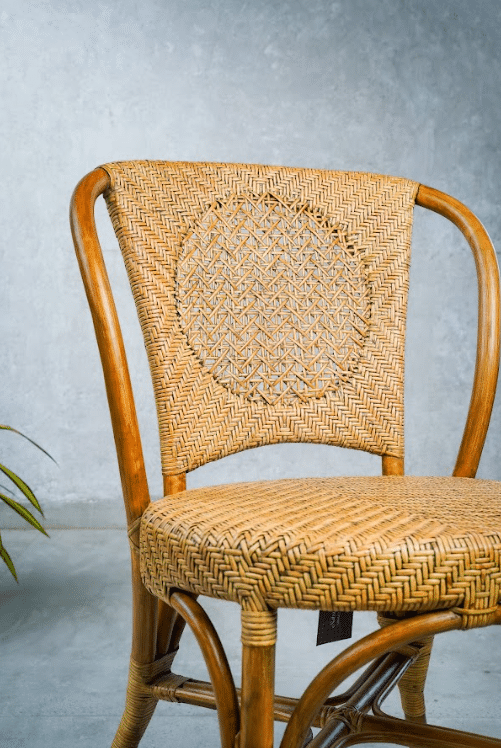
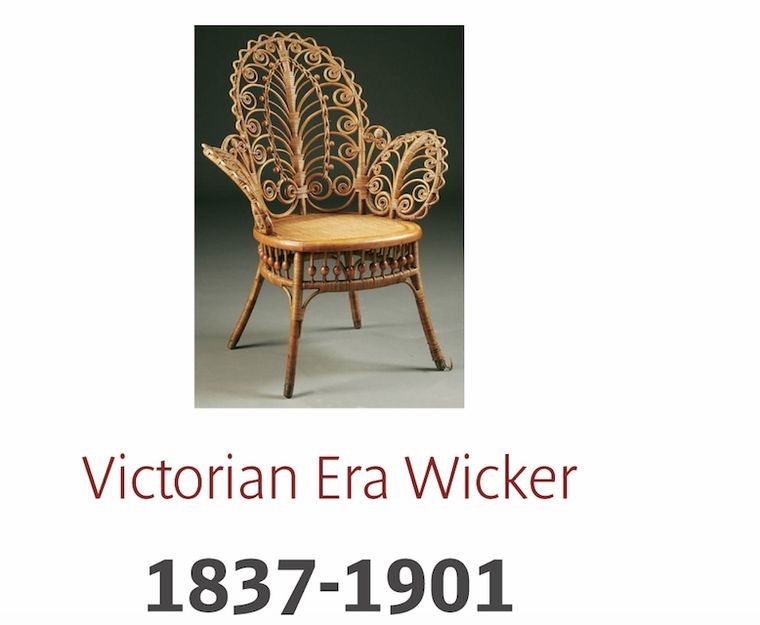
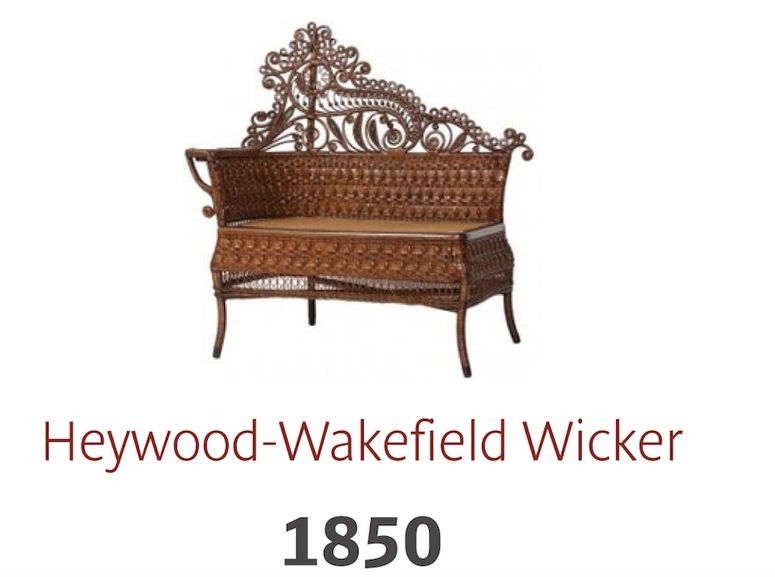
Wicker and rattan have ancient origins that stretch back centuries. These materials were originally used for practical purposes – baskets, furniture, and storage solutions. In many cultures, they represented a connection to the earth and a way of life that was simple yet elegant. Traditional wicker work required skill passed down through generations, often involving intricate weaving techniques that created beautiful, durable pieces. The materials themselves were chosen for their strength and flexibility, making them perfect for items that needed to withstand daily use while maintaining their appearance. Early uses included everything from fishing nets to decorative panels, showing how versatile these natural resources could be. Even in their earliest forms, they demonstrated a harmony between function and beauty that continues to influence designers today. The craftsmanship involved was meticulous, with artisans spending months learning the proper techniques for creating lasting pieces.
Modern Materials and Manufacturing Advances
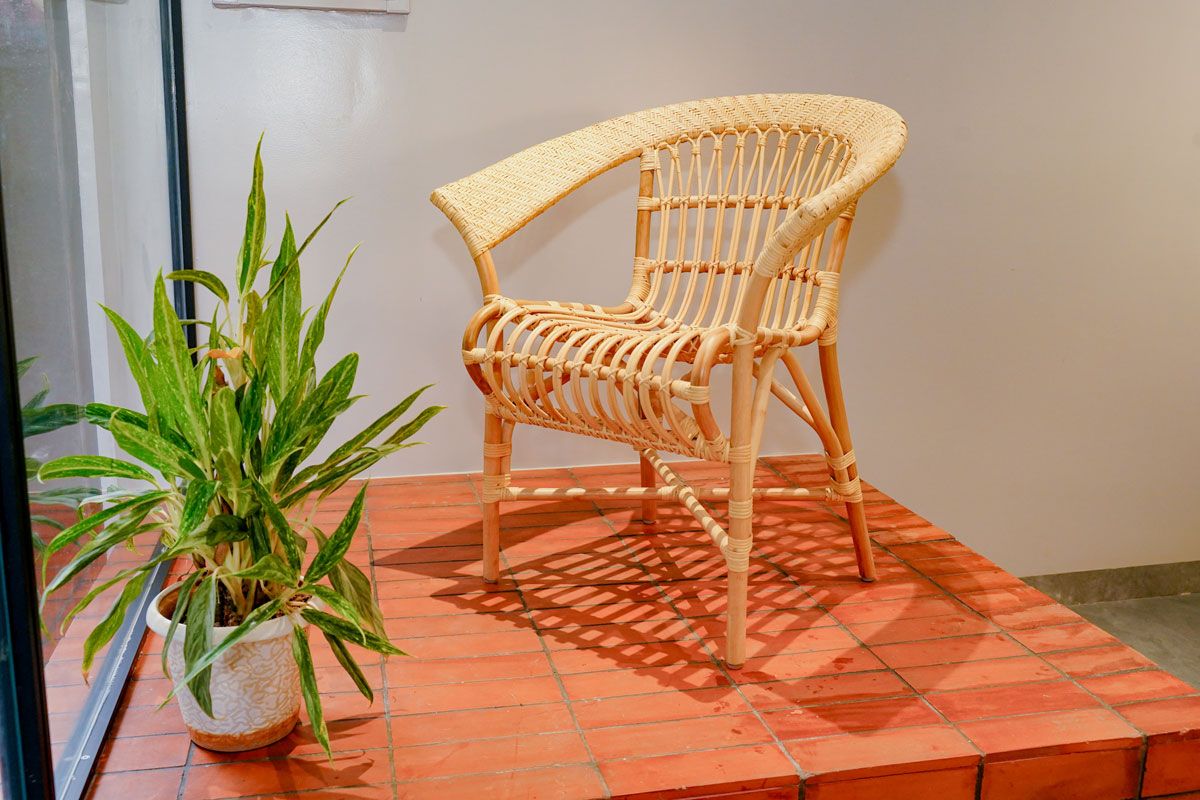
The transformation of wicker and rattan in contemporary design really began with material improvements and manufacturing innovations. Today’s versions incorporate synthetic fibers that maintain the look and feel of natural materials while offering enhanced durability. Some manufacturers blend natural rattan with modern polymers, creating products that resist weather damage and wear better than traditional versions. These advances have made it possible to use these materials in places where they couldn’t before – like inside homes where humidity and temperature changes are common. The manufacturing process has also become more precise, allowing for consistent quality and more complex designs. New finishing techniques mean that surfaces can be smoother, more resistant to stains, and easier to clean. This evolution has opened doors to more ambitious design projects and has made these materials accessible to a broader range of consumers. The result is furniture that looks handmade but is built to last.
Design Philosophy and Aesthetic Appeal
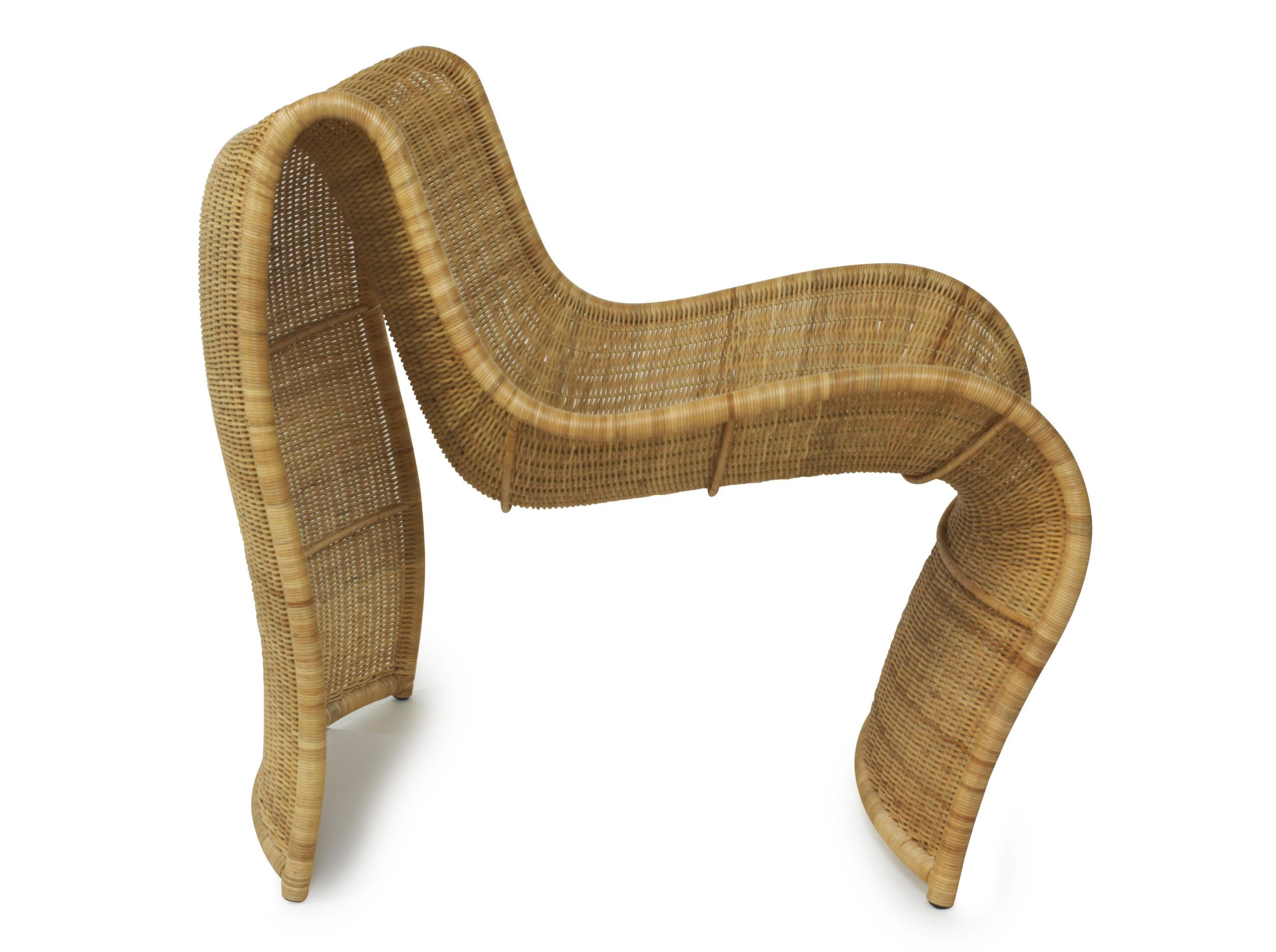
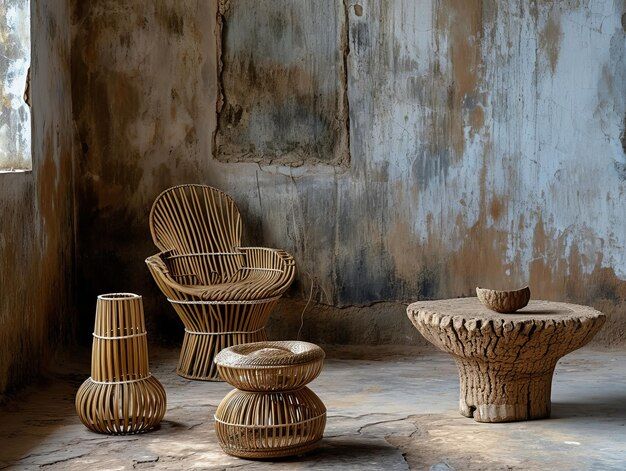
Contemporary interior design embraces wicker and rattan because they bring something special to any space – a sense of warmth and naturalness that’s hard to replicate with synthetic alternatives. These materials create visual texture that adds depth to rooms, especially when combined with other natural elements like wood and stone. The organic curves and flowing lines inherent in wicker work complement modern architectural styles beautifully. Designers love how these materials can be both bold and subtle – they can serve as focal points or blend seamlessly into a room’s overall scheme. The aesthetic appeal lies in their ability to create a sense of calm and connection to nature, even in bustling urban environments. Many designers use wicker and rattan to add character to minimalist spaces, creating balance between clean lines and organic textures. This contrast makes rooms feel lived-in rather than sterile, which is exactly what many people seek in their homes.
Sustainability and Environmental Considerations
In an era where environmental consciousness matters more than ever, wicker and rattan offer compelling advantages. Both materials are renewable resources, meaning they can be harvested without destroying the plants or ecosystems that produce them. Rattan grows rapidly and requires minimal care, making it one of the most sustainable materials available. Wicker, when sourced responsibly, provides similar benefits. Many manufacturers now emphasize eco-friendly practices, using natural dyes and avoiding harmful chemicals in production. The longevity of well-made wicker and rattan pieces means fewer replacements are needed over time, reducing overall waste. Additionally, these materials are biodegradable at the end of their lifecycle, unlike plastics and many synthetic alternatives. This environmental profile makes them attractive to consumers who want their home choices to align with their values. The sustainability factor isn’t just good marketing – it’s a genuine benefit that resonates with today’s environmentally aware buyers.
Versatility Across Different Room Types
One of the greatest strengths of wicker and rattan is their adaptability to various spaces within a home. In living rooms, they provide comfortable seating that feels welcoming and casual. Dining areas benefit from wicker tables and chairs that create a relaxed atmosphere for meals and conversations. Bedrooms can feature wicker headboards or nightstands that add a touch of natural elegance. Even bathrooms have found creative uses for these materials, such as towel racks and storage solutions. The versatility extends beyond aesthetics – the materials’ breathability makes them ideal for spaces that might otherwise feel stuffy or closed-in. They work well in both formal and informal settings, adapting to different design themes without losing their appeal. This flexibility has made them go-to choices for interior designers working on diverse projects, from modern apartments to traditional homes. The key is understanding how to integrate them appropriately for each space.
Care and Maintenance Tips for Longevity
Proper care ensures that wicker and rattan pieces continue to look beautiful for years. Regular dusting with a soft cloth removes surface debris and prevents buildup. For deeper cleaning, mild soap and water work well, though it’s important to avoid soaking the materials. Most pieces benefit from periodic conditioning to maintain their suppleness and prevent cracking. When storing outdoors during winter, covering them properly protects against weather damage. It’s also helpful to rotate cushions and fabrics periodically to ensure even wear. Following manufacturer instructions for specific pieces is always wise, as some treatments may require special attention. Professional cleaning may be necessary for heavily soiled items or those with intricate details. Understanding the maintenance needs helps owners appreciate the investment and enjoy their pieces for decades rather than just seasons. Good care habits also preserve the materials’ natural beauty and extend their useful life.
Future Trends and Innovations
The future of wicker and rattan in interior design looks bright, with several exciting developments on the horizon. Smart integration is one area seeing growth, with manufacturers experimenting with hidden electronics in wicker furniture. This allows for charging stations, lighting, or even smart controls built into traditional-looking pieces. New color palettes are emerging, including deeper browns, muted greens, and rich earth tones that complement modern design preferences. 3D printing technology is beginning to influence wicker patterns, creating more complex and unusual shapes. Sustainable sourcing practices are becoming more standardized, ensuring that the materials remain truly eco-friendly throughout their supply chain. Designers are also exploring hybrid materials that combine natural fibers with recycled components, creating new possibilities for innovation. These trends suggest that wicker and rattan will continue evolving while maintaining their core appeal. The challenge for manufacturers is balancing tradition with innovation to meet changing consumer expectations.
The journey of wicker and rattan from garden sidelines to living room centers shows us how thoughtful design can transform everyday materials into extraordinary elements. Their evolution reflects our growing appreciation for natural materials, sustainability, and the importance of creating spaces that feel both comfortable and meaningful. Whether you’re drawn to their classic appeal or their modern interpretations, these materials offer something special that’s hard to find elsewhere. As design continues to evolve, wicker and rattan seem destined to remain relevant, adapting to new trends while preserving their essential character. They remind us that the best design solutions often come from respecting traditional wisdom and finding new ways to apply it. The story of these materials isn’t just about furniture – it’s about how we choose to live with nature in our increasingly digital world. What began as simple craft has become a powerful force in shaping how we experience our homes.