Picture this: your garden isn’t just a place for plants and pets, but a destination where friends gather, conversations flow, and memories are made. It’s the kind of space that makes people want to linger, to unwind, and to feel truly at home. This isn’t just about having pretty flowers or a nice patio. It’s about creating intentional spaces within your garden that serve a purpose beyond mere decoration. Think about it – when was the last time you really enjoyed yourself outside? What made that moment special? Was it the way light filtered through trees? The sound of laughter echoing across a well-designed seating area? The simple pleasure of having everything you need right outside your door?
Gardens have always been more than just collections of plants and soil. They’re extensions of our homes, personal sanctuaries where we can escape the world’s chaos. But what if your garden could do more than offer peace? What if it could become a hub of connection, conversation, and genuine hospitality? That’s exactly what strategic outdoor hospitality setup aims to accomplish. It’s not about turning your garden into a restaurant or hotel lobby, though those elements can certainly enhance the experience. Instead, it’s about creating thoughtful spaces that encourage gathering, conversation, and the kind of relaxed, welcoming atmosphere that makes people want to stay longer. Whether you have a sprawling backyard or a tiny balcony, there are ways to maximize your outdoor space for hospitality purposes. The key lies in understanding how people move through and interact with outdoor areas, and then designing with intention rather than accident.
Understanding the Psychology of Outdoor Gathering Spaces
When we think about outdoor hospitality, we’re really thinking about human behavior and psychology. People naturally gravitate toward certain types of spaces – those that feel safe, comfortable, and inviting. A well-designed outdoor area can make guests feel like they’re part of something special. Consider the difference between sitting on a plain concrete patio versus having a cozy seating arrangement under a canopy or surrounded by lush greenery. The latter creates a sense of enclosure and comfort that makes people want to relax and engage with others. The right setup can influence how people behave, encouraging conversation and connection rather than isolation or hurried movement. Think about your favorite outdoor spaces – what makes them memorable? Is it the lighting? The acoustics? The way the space feels when you step into it?
The secret often lies in creating layers of intimacy. This means having different zones within your garden that serve different purposes. A large open area might work for games or parties, while a smaller, more intimate corner could be perfect for quiet conversations. These spaces don’t have to be separate rooms, but they should feel distinct in their function and atmosphere. When you design with this in mind, you’re not just creating a garden – you’re crafting experiences that resonate with people on a fundamental level.
Essential Elements for Creating Inviting Outdoor Spaces
What makes a space truly hospitable? It’s not just about having nice furniture or attractive plants. It’s about combining several key elements that work together to create an atmosphere where people want to spend time.
• Lighting – This is crucial for extending the usability of your garden space. Good lighting can transform a garden from merely functional to magical. String lights, lanterns, candles, and even solar-powered options can create ambiance that encourages evening gatherings. Consider layering different types of lighting – ambient, task, and accent – to give depth and flexibility to your space.
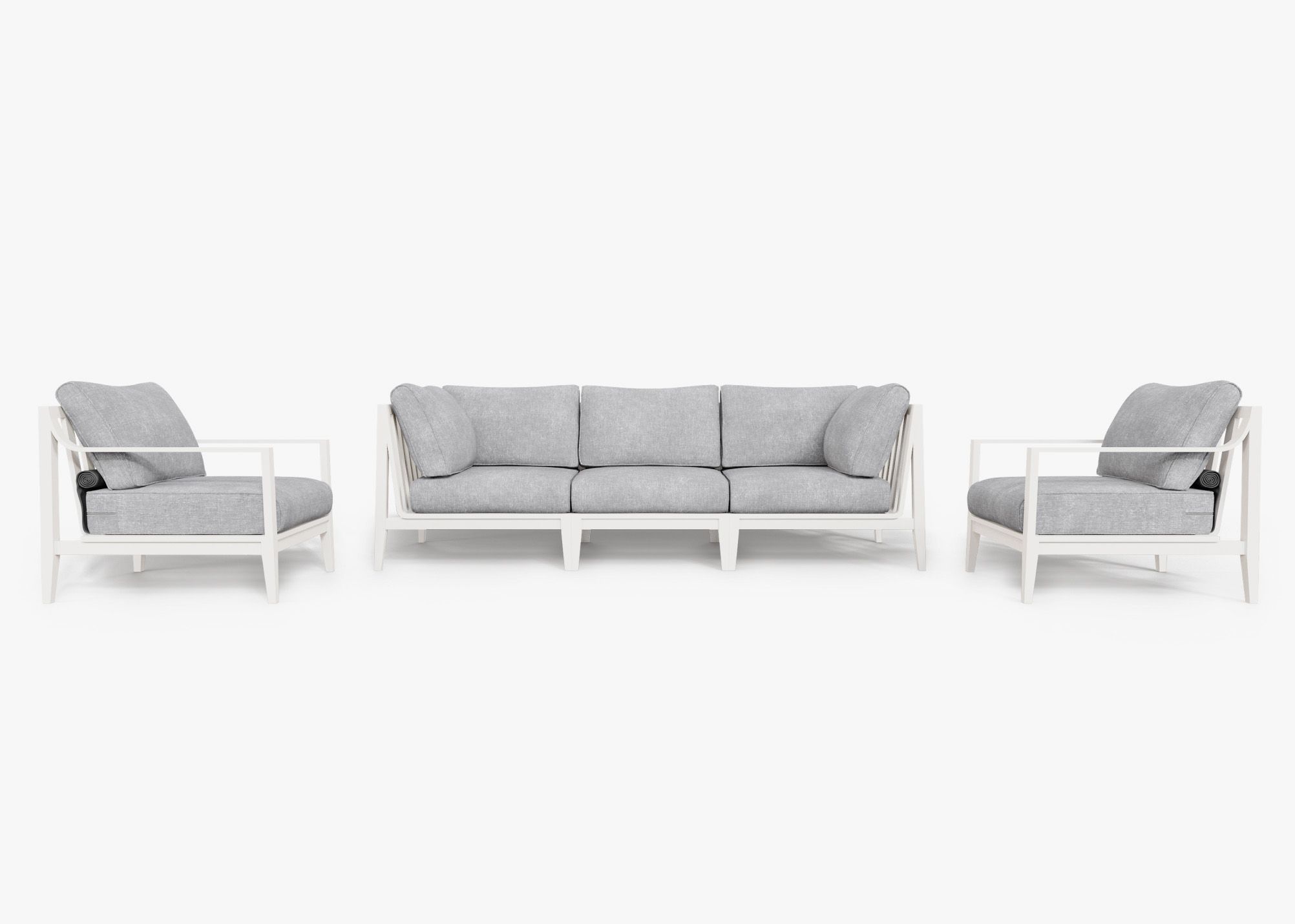
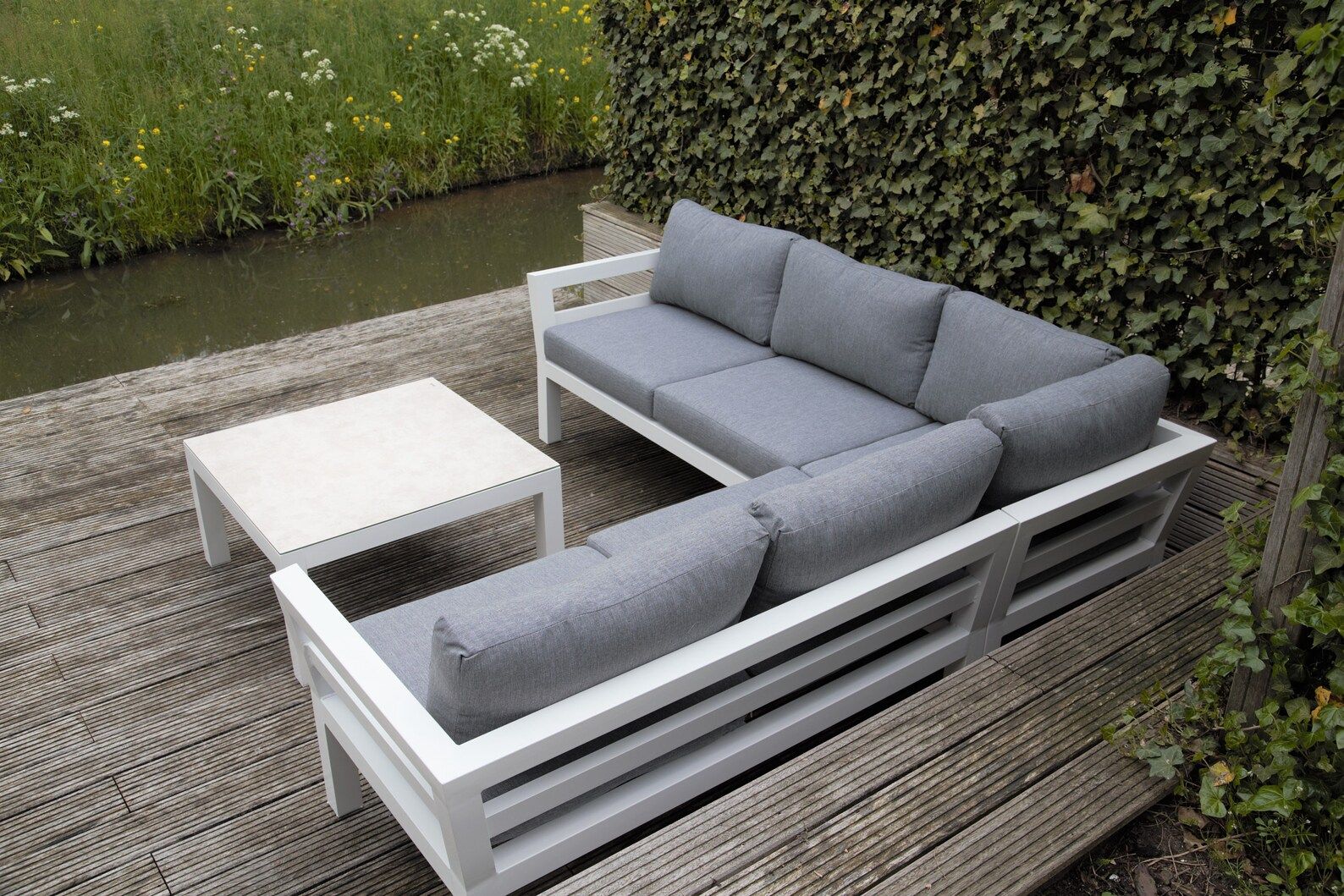
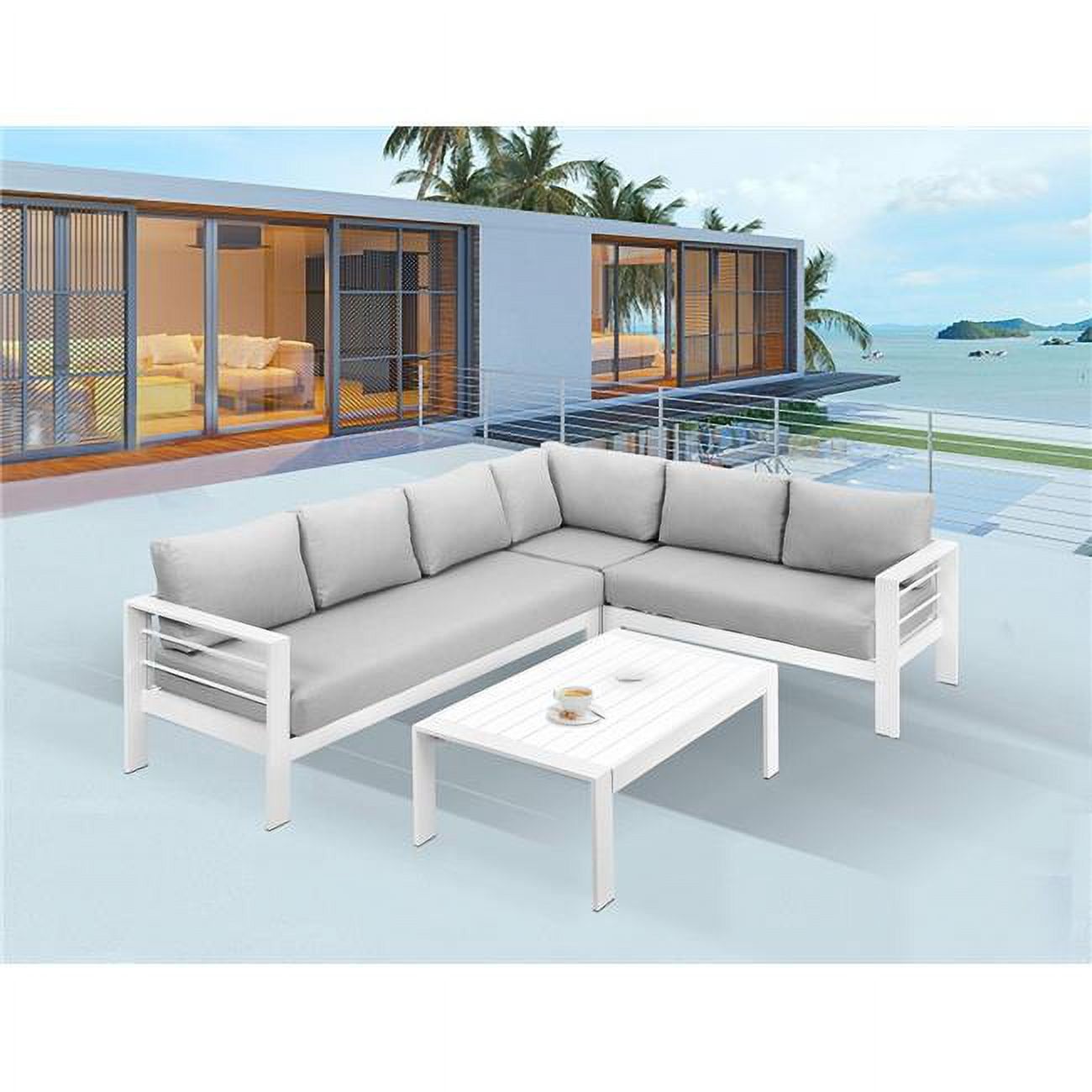
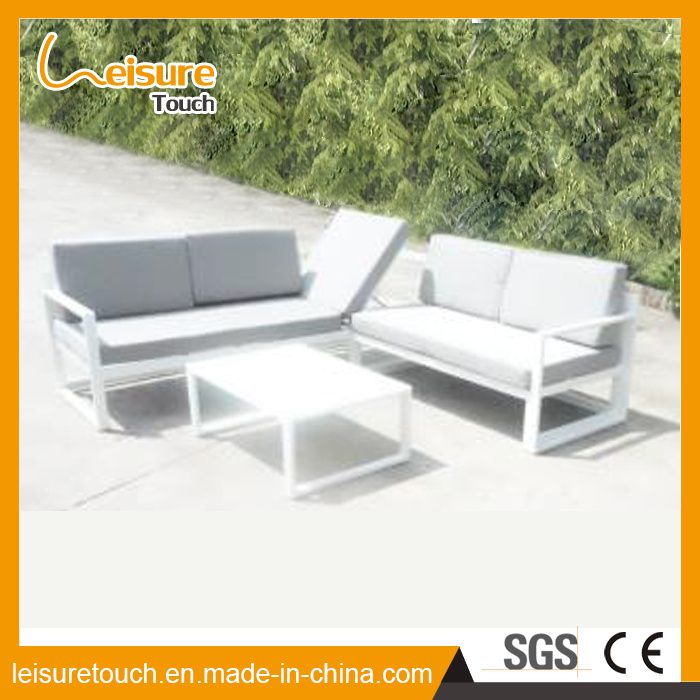
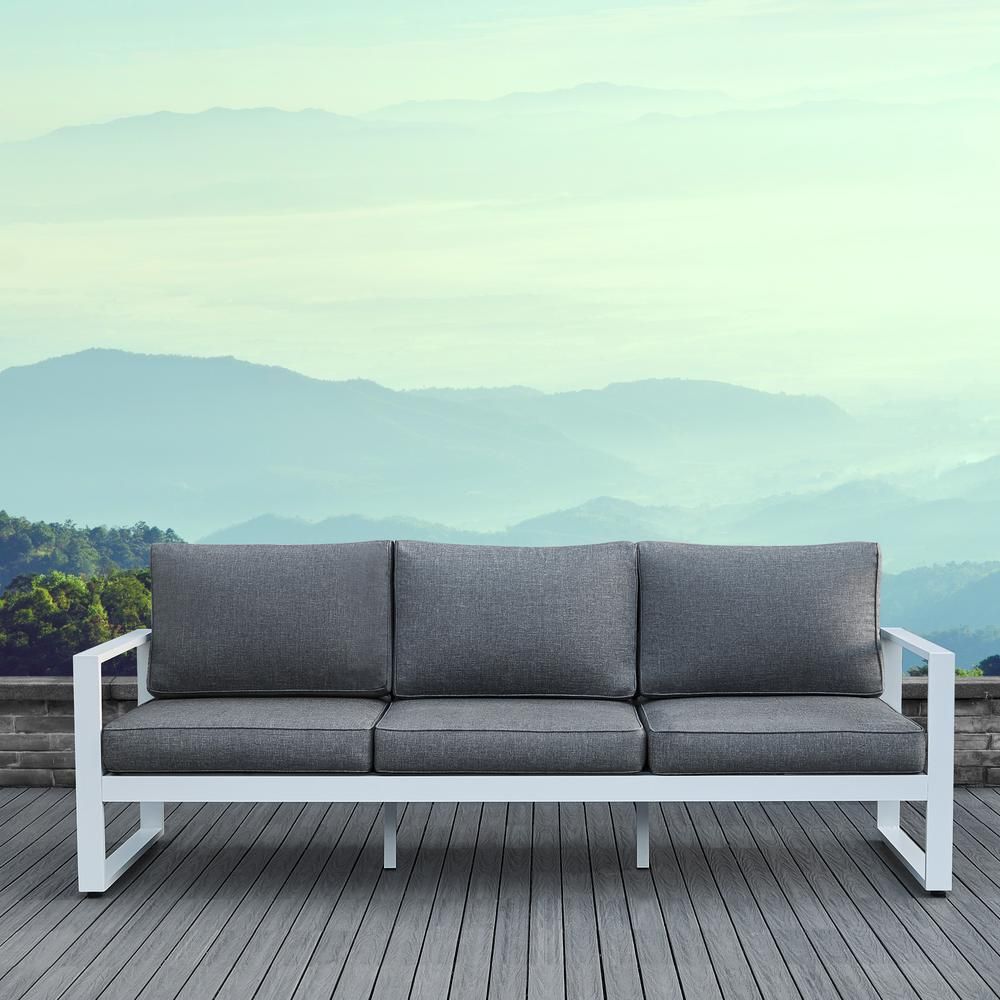
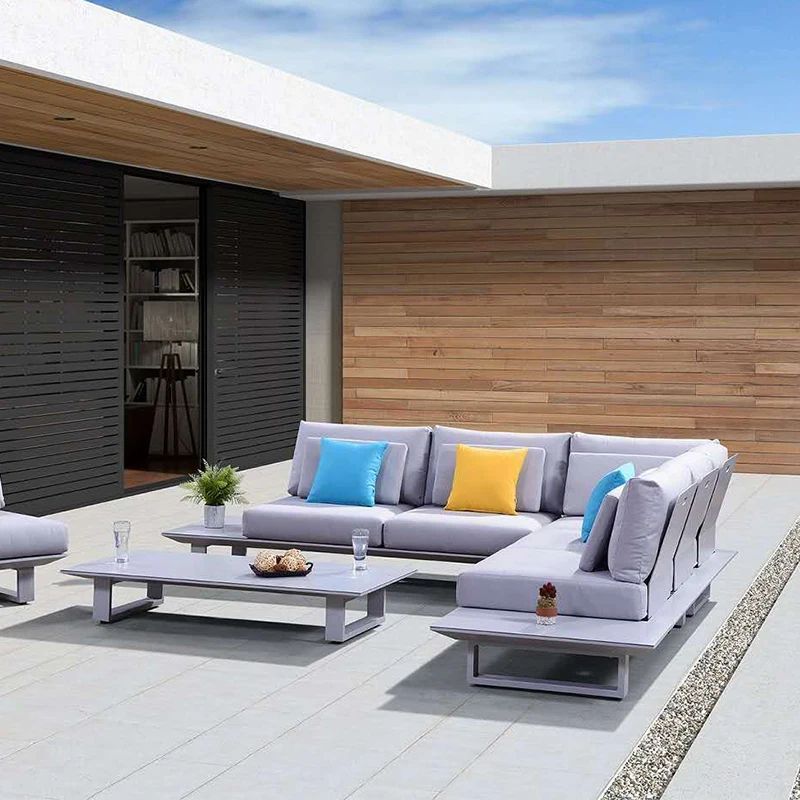
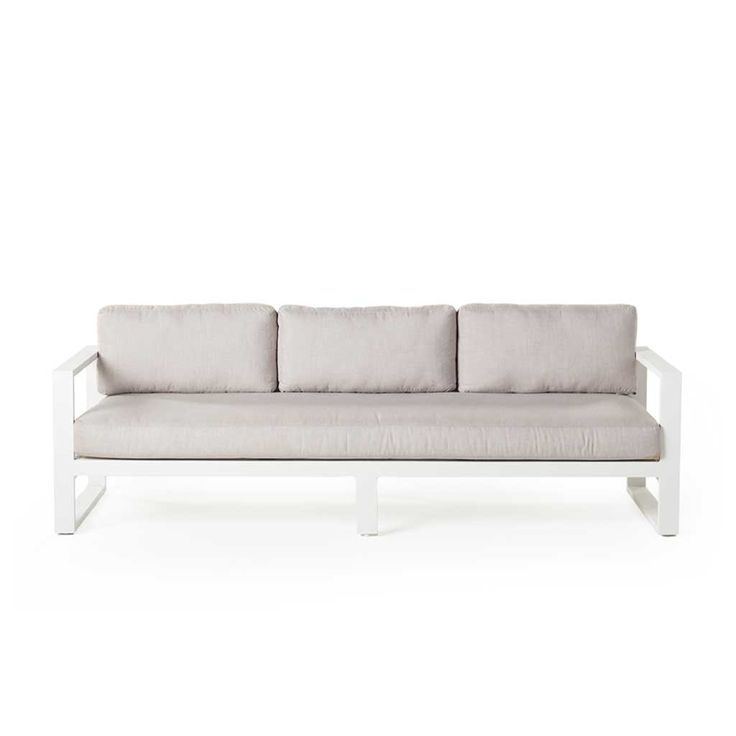
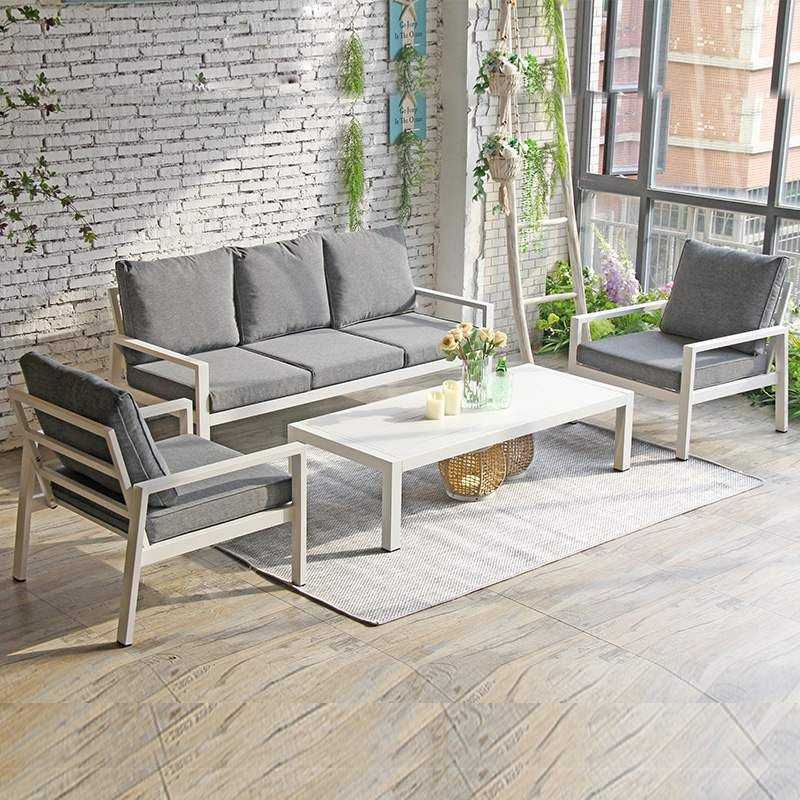
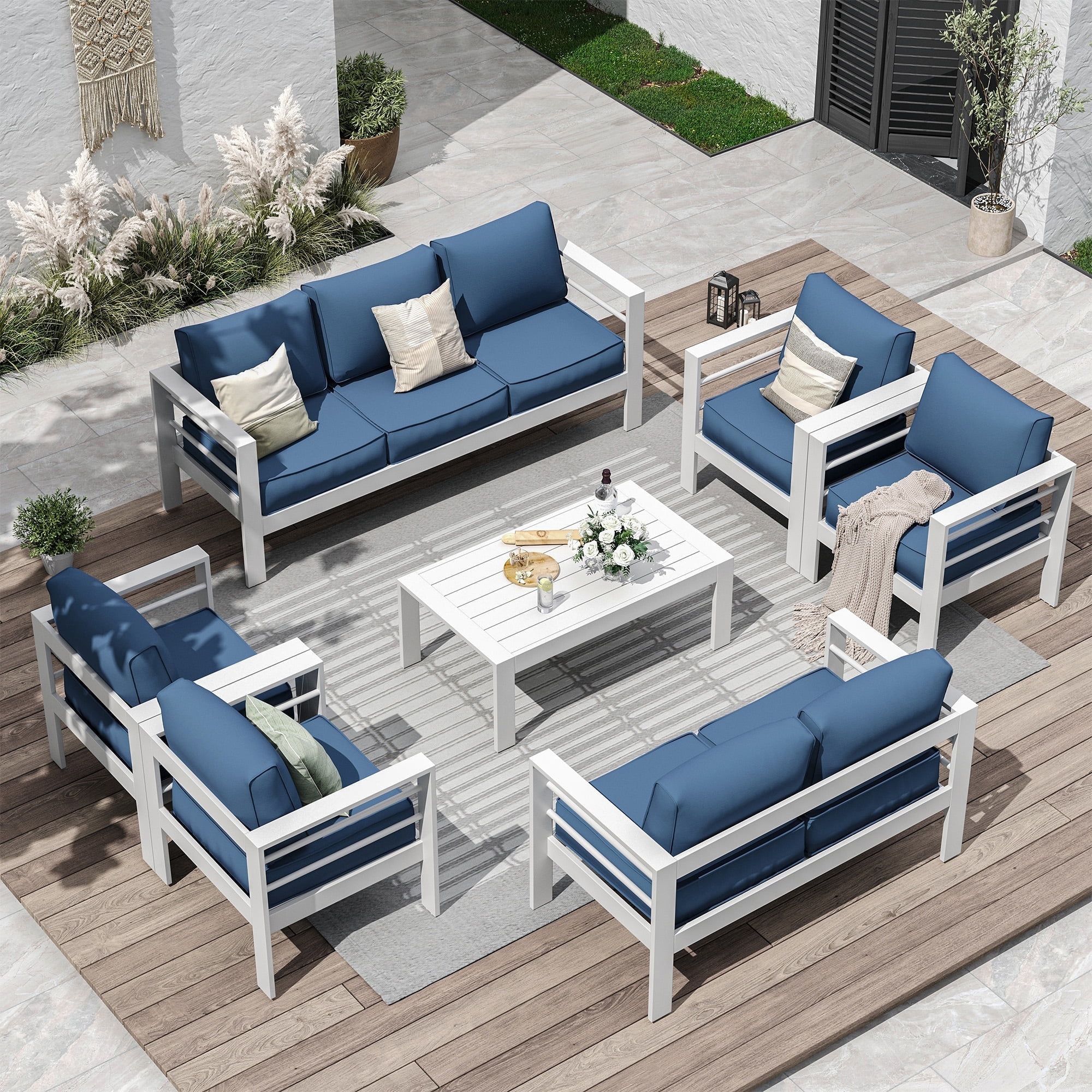
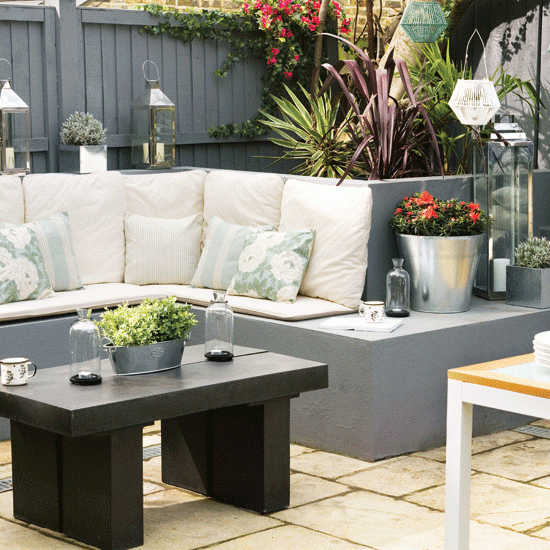
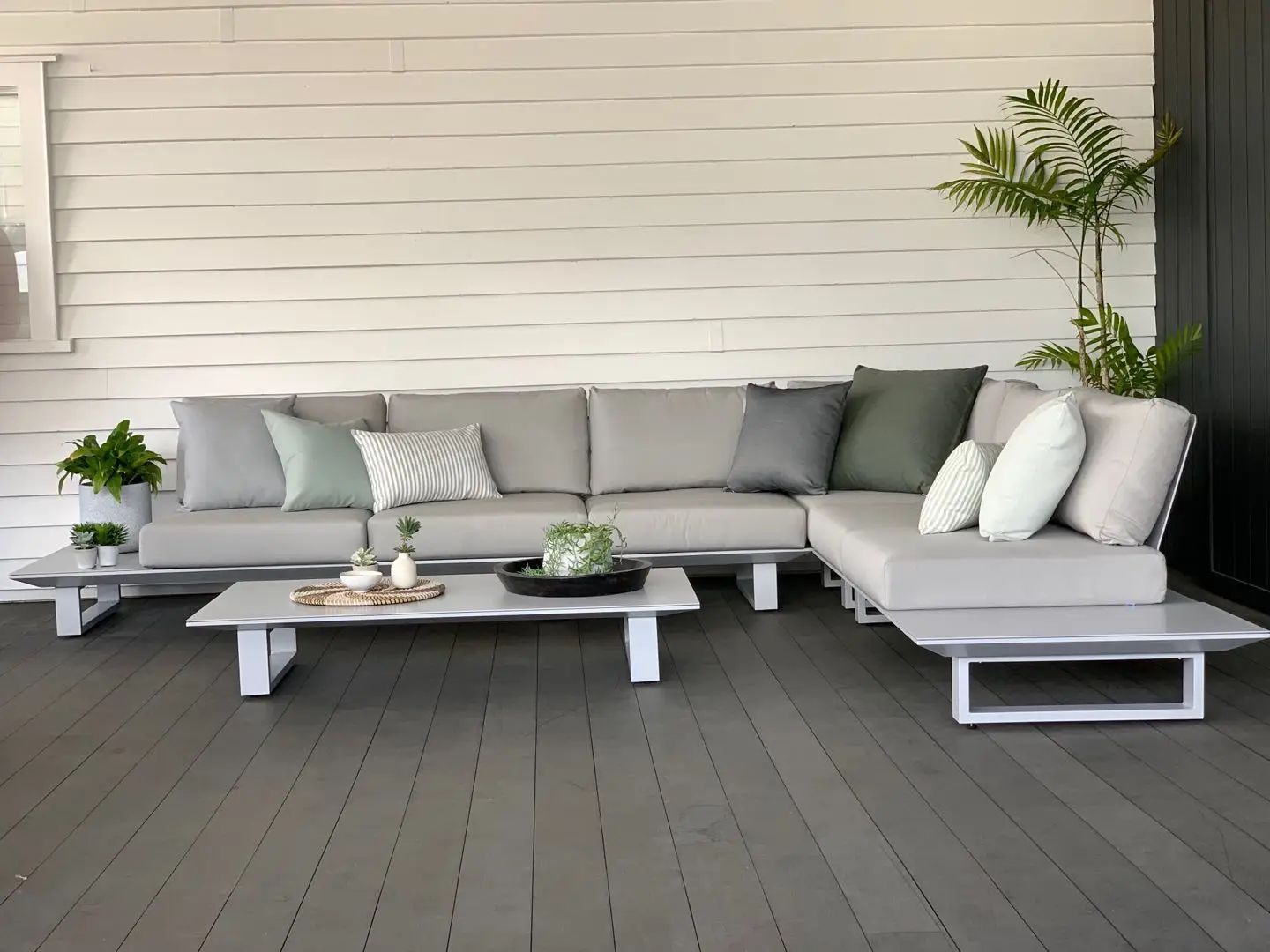
• Comfortable Seating – This is perhaps the most important element. You need seating that’s both visually appealing and physically comfortable. Think about mixing different types of seating – chairs, benches, loungers, even cushions on the grass. The key is providing options so people can choose what works best for them.
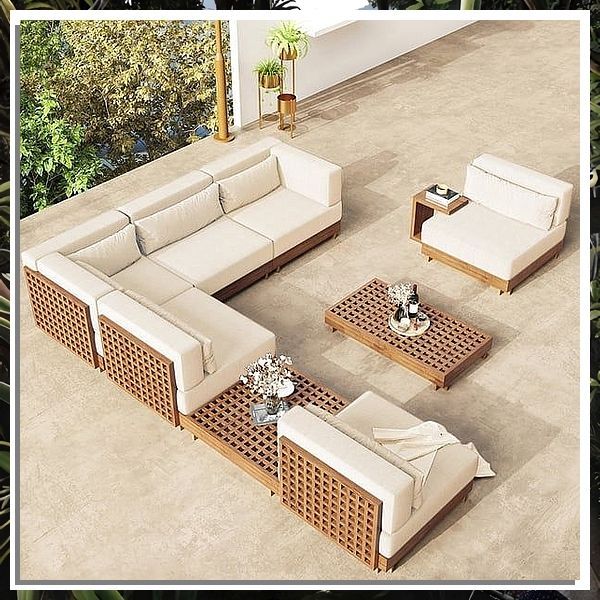
• Functional Areas – Every successful outdoor hospitality space has clearly defined areas for different activities. There might be a dining area, a lounge zone, a play area for children, and maybe a quiet reading spot. Each area should have its own character while still feeling part of the whole garden.
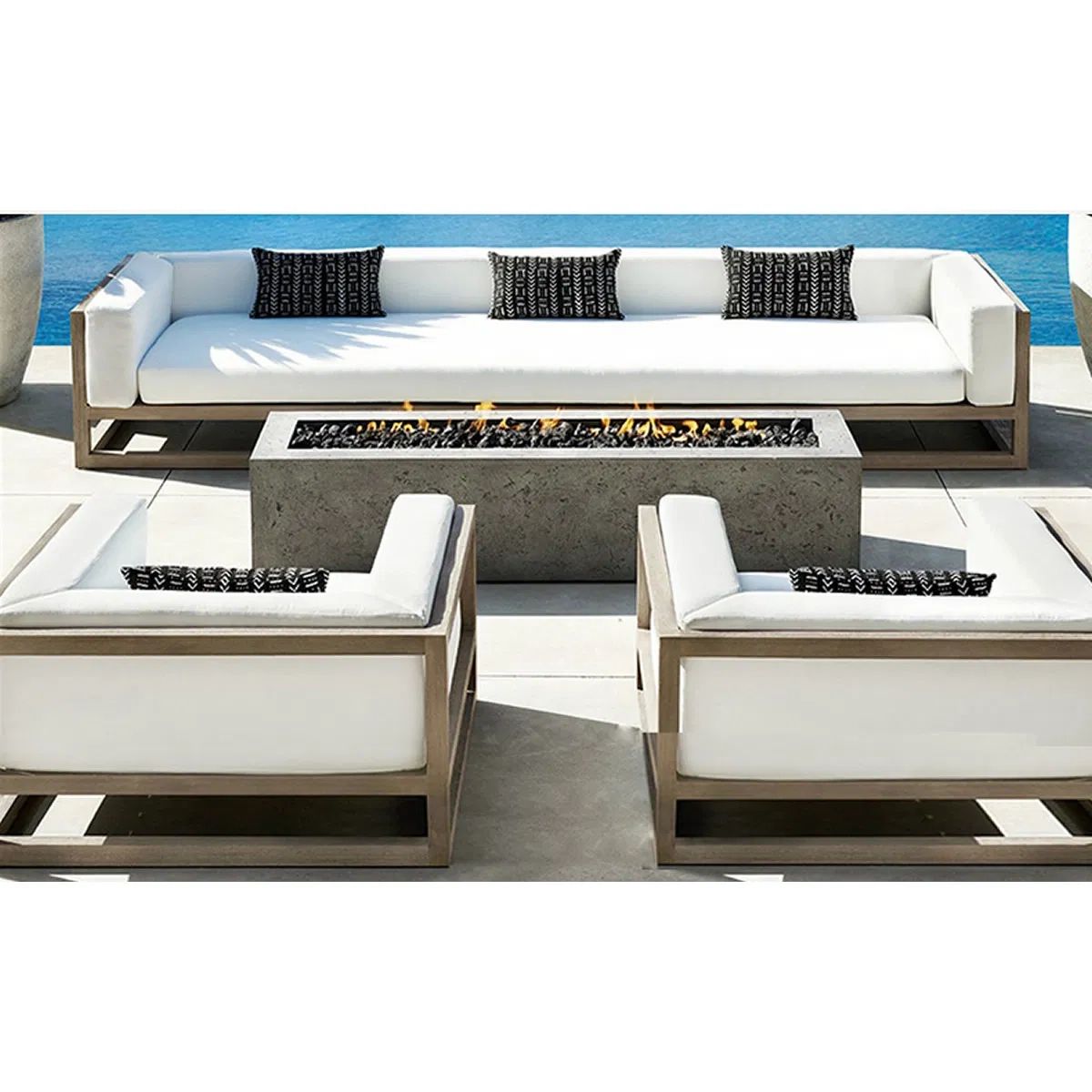
• Natural Elements – Incorporating water features, fire pits, or even just different textures in plantings can make your space feel more alive and interesting. These elements often become focal points that draw people in and create conversation starters.
Designing for Different Seasons and Weather Conditions
A truly strategic outdoor hospitality setup considers all weather conditions and seasons. What works beautifully in summer might not be ideal in winter, and vice versa. The key is planning ahead for these variations. During hot summer months, you’ll want shade solutions – whether that’s through strategically placed trees, umbrellas, pergolas, or even temporary shade structures. In cooler months, you might need heating options like fire pits or outdoor heaters to keep people comfortable.
Consider creating flexible spaces that can adapt to changing conditions. For example, a covered area that can be opened up during good weather but closed off when rain threatens. This might mean using retractable awnings, movable screens, or even temporary roofing solutions. The goal is to maximize the usability of your garden year-round, rather than letting it become a seasonal afterthought.
Also, think about how your garden looks in different seasons. What plants bloom in spring? Which ones provide structure and interest in winter? Planning your planting scheme with year-round appeal in mind ensures your outdoor hospitality space remains inviting throughout the calendar year. This might mean selecting plants that offer different visual rewards – flowers for spring, berries for fall, evergreen foliage for winter, and interesting bark or seed heads for the dormant season.
Incorporating Technology Without Losing the Natural Feel
Modern outdoor hospitality spaces often benefit from some technological enhancements, but it’s important to integrate them thoughtfully. You don’t want your garden to feel like a high-tech showroom – it should remain warm and welcoming. Smart lighting systems can adjust automatically based on time of day or weather conditions, while outdoor speakers can provide background music without being obtrusive.
Consider how technology can enhance rather than dominate your space. A smart irrigation system keeps your plants healthy without requiring constant attention, while a weather station helps you plan your outdoor activities. Maybe you want to add a small outdoor kitchen or bar area with built-in appliances. These additions should complement your overall aesthetic rather than clash with it.
The key is to choose technology that serves your guests’ needs without creating distractions. A good rule of thumb: if it requires explanation or instruction, it probably doesn’t belong in a truly hospitable outdoor space. Everything should feel intuitive and effortless to use. The best outdoor hospitality setups are those where technology disappears into the background, supporting the experience rather than demanding attention.
Practical Tips for Small Spaces and Limited Budgets
Not everyone has acres of garden space or unlimited funds to work with. But that doesn’t mean you can’t create a wonderful outdoor hospitality environment. The beauty of strategic outdoor setup is that it’s scalable – you can start small and build up over time.
Here are some approaches for maximizing limited space and budget:
• Multi-functional furniture – Choose pieces that serve multiple purposes. A bench with storage underneath can hold cushions and blankets, while a table that folds away when not in use saves space.
• Vertical gardening – Use walls, fences, or trellises to grow plants upward. This creates privacy, adds visual interest, and maximizes growing space in small areas.
• DIY projects – Simple projects like building a small pergola, creating a fire pit, or making outdoor cushions can be done on a budget. Look for materials at discount stores or repurpose items you already own.
• Seasonal changes – Rather than buying new decorations each season, focus on rearranging existing items. Swap out cushions, change lighting arrangements, or simply move furniture to create a fresh look.
• Smart plant selection – Choose low-maintenance plants that thrive in your climate. This reduces ongoing costs and effort while ensuring your space stays beautiful year-round. Even small container gardens can make a big impact when carefully planned.
Creating Zones That Encourage Social Interaction
One of the biggest challenges in outdoor hospitality design is encouraging people to gather and interact. We’ve all experienced the awkwardness of a party where people are scattered around a large space, unable to find each other or engage in conversation. The solution lies in creating intentional zones that naturally bring people together.
Think about how people typically interact in outdoor settings. They tend to cluster around food, drink, or interesting activities. A well-planned dining area with good lighting and comfortable seating can become a natural gathering point. Perhaps you have a small outdoor kitchen or bar area that draws people in for drinks and snacks.
Another effective approach is creating spaces that invite participation. This might be a small garden where people can sit and watch plants grow, or a dedicated area for games or activities. Even something as simple as a small table where people can leave notes or share stories can encourage interaction.
Consider the flow of people through your space. Where do they naturally go? How can you guide them toward areas where conversation is more likely to happen? Sometimes a simple pathway or a distinctive feature can direct attention to your most important hospitality areas. The goal is to make it easy for people to find each other and easy for them to want to stay and connect.
Transforming your garden into a strategic outdoor hospitality space isn’t about following rigid rules or spending a fortune. It’s about understanding what makes people feel comfortable, welcomed, and eager to spend time together. Whether you’re hosting elaborate dinner parties or casual afternoon gatherings, the principles remain the same: create spaces that invite people in, make them feel at ease, and encourage connection.
The magic happens when you combine thoughtful design with genuine hospitality. It’s not enough to have nice furniture or pretty plants – you need to consider how people actually use the space and what they need to feel comfortable. That means paying attention to details like lighting, seating comfort, weather protection, and even the soundscape of your garden.
Remember, the best outdoor hospitality spaces evolve over time. They’re never quite finished because people’s needs and preferences change. The key is staying flexible and continuing to refine your approach based on what works best for your guests. Start small, experiment with different layouts and elements, and most importantly, pay attention to how people actually behave in your space. What brings them joy? What makes them want to stay longer? Answering these questions will help you create a garden that truly serves as a place where people want to be.