What if your pillow could be the secret to waking up refreshed instead of stiff? The right ergonomic design might just be what you’ve been missing. We’re diving deep into how pillow shape, material, and support work together to give you better sleep posture and more comfortable nights.
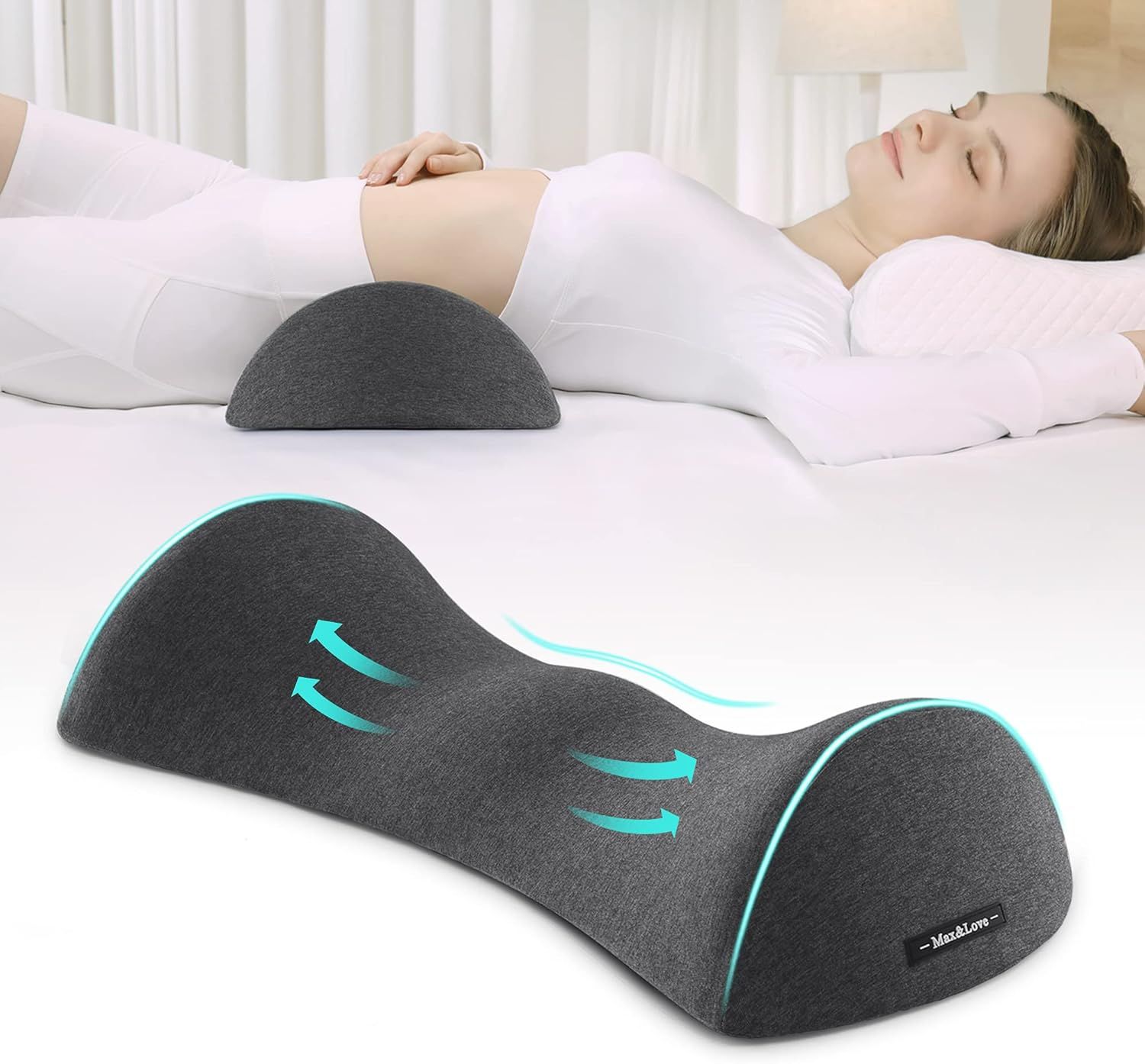
We all know that good sleep matters, but sometimes we don’t realize how much our pillow choice impacts our sleep quality. Picture this: you’re lying on your back, trying to get comfortable, but your neck feels strained and your shoulders ache. You might think it’s just your mattress or sleeping position, but often it’s the pillow that’s causing the problem. The solution isn’t always obvious, and it’s not just about softness or firmness. It’s about understanding how your body naturally aligns during sleep and finding a pillow that supports that alignment. This is where ergonomic design comes in – it’s not just about comfort, but about proper spinal support that helps you sleep better. Think about it – when you’re asleep, your body is essentially suspended in space. Every part needs to be supported correctly to avoid strain and discomfort. That’s where the magic happens with properly designed ergonomic pillows. They’re engineered to keep your head, neck, and spine in a straight line, reducing pressure points and promoting better blood circulation. The difference between a regular pillow and an ergonomic one isn’t just in the price tag – it’s in the quality of your sleep experience. It’s like having a personal trainer for your neck and head while you sleep.
Understanding Sleep Posture Basics
Before we jump into pillow design, let’s talk about what actually happens when you sleep. Your body doesn’t just lie flat – it has natural curves that need support. When you sleep on your back, your spine should remain straight from your neck to your lower back. This means your pillow needs to lift your head just enough to keep that straight line. If your pillow is too high, it can tilt your head forward and cause neck pain. If it’s too low, your neck might bend unnaturally. Side sleepers face a different challenge. Their heads need to stay aligned with their spine, which means they often need a higher pillow to fill the gap between their ear and shoulder. Front sleepers are the trickiest group. They need very little elevation because their faces are already pressed against their pillows. But even they benefit from the right amount of support to avoid neck strain. The key is finding the balance between support and comfort. Many people think they want a pillow that’s thick and fluffy, but that’s not always true. Sometimes, the best support comes from a more structured pillow that maintains its shape and provides consistent support. It’s like choosing the right shoes – they need to fit your foot perfectly, not just feel nice. A well-designed ergonomic pillow will help your body find its natural resting position without forcing it into an uncomfortable shape.
The Science Behind Ergonomic Support
So what makes a pillow truly ergonomic? It starts with understanding the science of spinal alignment. Your spine has natural curves that need to be maintained during sleep. These curves are called cervical, thoracic, and lumbar curves, and they work together to distribute weight evenly. An ergonomic pillow works by supporting these curves rather than disrupting them. The material matters too. Memory foam has become popular because it molds to your head and neck shape, providing personalized support. Latex offers a bouncier feel while still maintaining good support. Down and synthetic fillings can work well, but they need to be properly distributed to provide consistent support. The height and width of a pillow also play important roles. Too narrow, and you’ll have to turn your head to one side to reach the support. Too wide, and you might not be able to lie comfortably. The right dimensions depend on your sleeping position and body type. Consider your shoulder width and how you naturally position your head. Some people need extra width to accommodate their shoulders, while others prefer a more compact design. The key insight is that ergonomic pillows aren’t just about the materials – they’re about creating a system that works with your body’s natural alignment. They’re designed to prevent the neck from bending unnaturally, which is what causes most morning stiffness and headaches. When you sleep with proper support, your muscles can relax completely, leading to deeper, more restorative sleep. It’s not just about avoiding pain – it’s about optimizing your sleep for better health outcomes.
Different Sleeping Positions and Pillow Needs
Not everyone sleeps the same way, and that’s perfectly normal. Each sleeping position creates different demands on your pillow. Back sleepers need a pillow that keeps their neck in line with their spine. This usually means a medium-height pillow that’s not too thick. The pillow should support the natural curve of the neck without lifting the head too high. Side sleepers require more height because they need to fill the gap between their ear and shoulder. A good side sleeper pillow will be taller and often firmer to maintain proper alignment. Some people prefer a pillow that’s specifically designed for their dominant side, which means they can flip it over when they change positions. Front sleepers have unique challenges. They typically need a very thin pillow or no pillow at all. The key is finding something that supports the head without forcing the neck to bend forward. Many front sleepers benefit from a specialized pillow that’s designed to keep the head in a neutral position. Some people switch between positions during the night, which means they need a pillow that can work for multiple scenarios. This is where adjustable pillows come in handy. They can be reshaped or repositioned to suit different needs throughout the night. The important thing is to match your pillow to your actual sleeping habits, not just what you think you should be doing. Your pillow should adapt to your body, not the other way around. Real-world experience shows that people who adjust their pillows based on their sleeping position often report better sleep quality and fewer aches in the morning.
Material Matters: What Works Best
When it comes to pillow materials, there’s no one-size-fits-all answer. Each material brings different benefits to the table. Memory foam is probably the most well-known option, and for good reason. It contours to your head and neck, providing custom support that adapts to your shape. This material is particularly helpful for people who move a lot during sleep, as it responds to pressure changes. However, memory foam can retain heat, which might be a concern for hot sleepers. Latex is another popular choice. It offers excellent support and breathability, plus it’s naturally resistant to dust mites and allergens. Latex pillows tend to be more durable than memory foam and offer a more responsive feel. Down and feather pillows are traditional choices that many people love for their softness and fluffiness. They’re often more affordable and can provide good support if they’re properly filled. Synthetic alternatives offer similar benefits to down but without the potential allergens. They’re also more budget-friendly and easier to care for. Some people prefer hybrid pillows that combine different materials for the best of both worlds. For example, a pillow might have a latex core with a memory foam top layer. The key is finding a material that matches your sleeping preferences and physical needs. Some people notice they sleep better with a firmer material, while others prefer something softer. Temperature regulation is also crucial – if you tend to overheat during sleep, look for breathable options. The right material can make the difference between a restless night and a peaceful slumber.
Design Features That Make a Difference
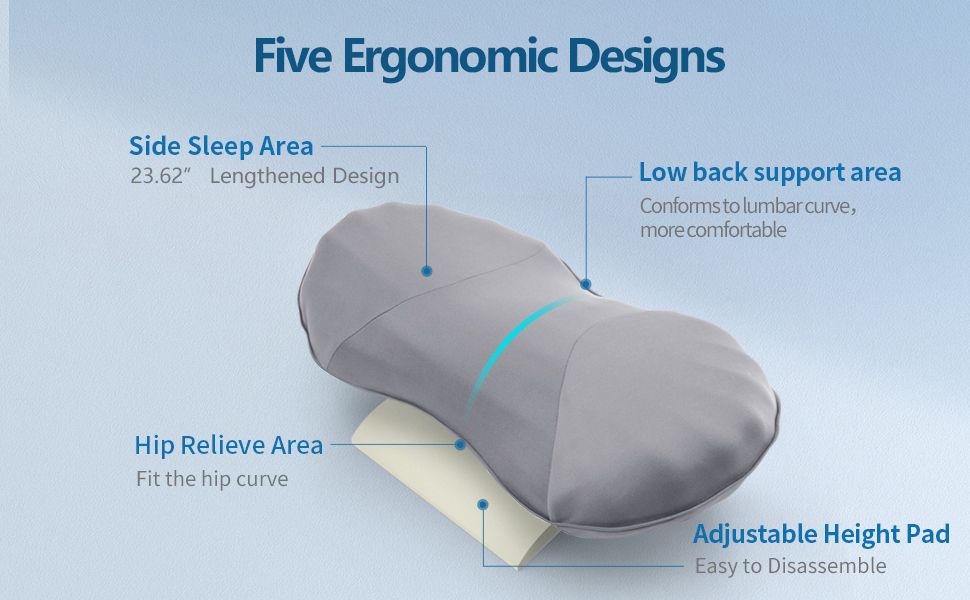
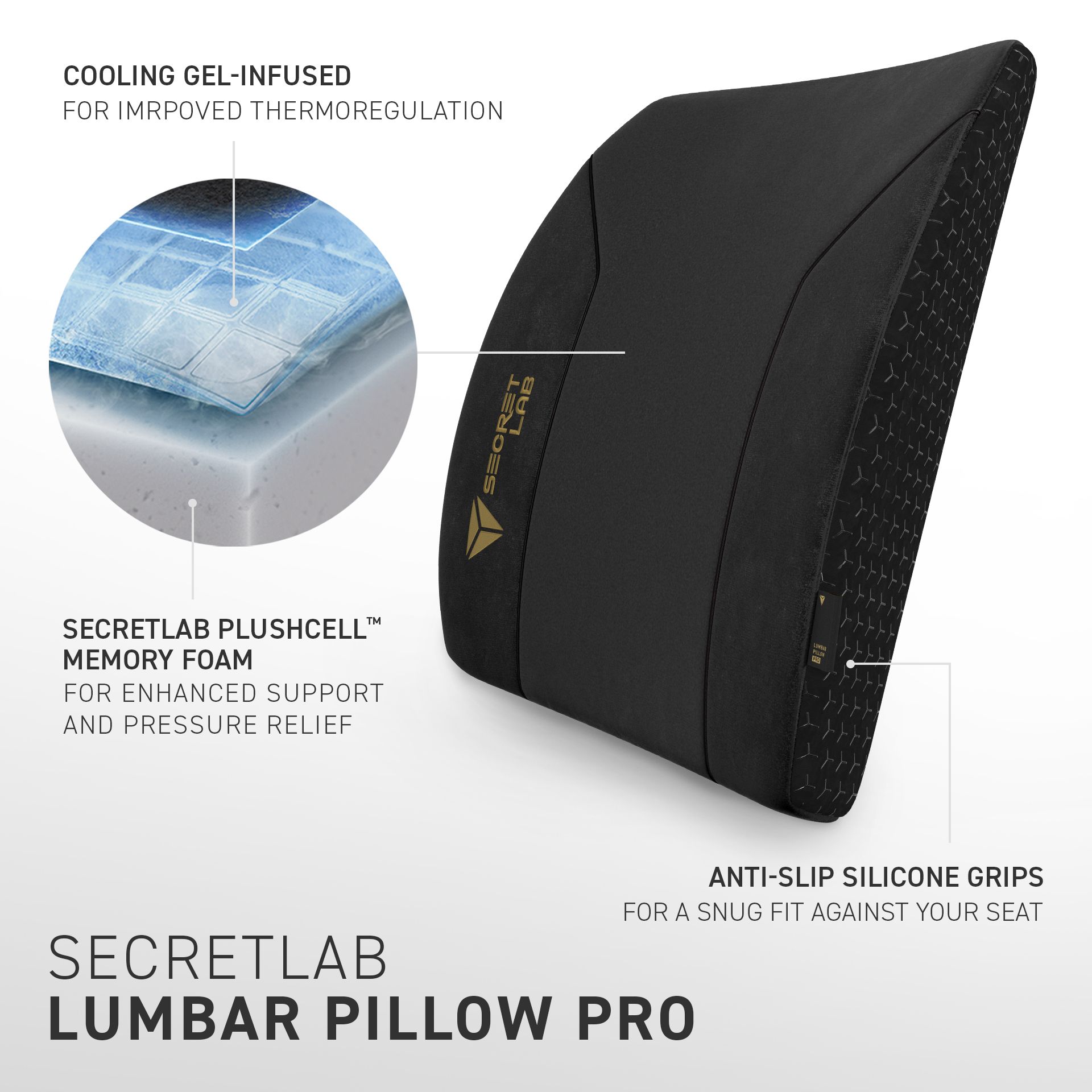
Modern ergonomic pillows come with features that go beyond basic support. Some include cooling technology, like gel inserts or breathable fabrics, which can be especially helpful for people who sleep hot. Others feature adjustable filling that allows you to customize the height and firmness. Some pillows have built-in neck support systems that help maintain proper alignment. The shape itself matters – some pillows are designed with a cutout or depression that allows your head to sit in a more natural position. This can reduce pressure on sensitive areas and improve airflow. Ventilation channels are another common feature, helping to keep the pillow cool and comfortable. Some designs incorporate multiple layers of different materials to provide targeted support where you need it most. For instance, a pillow might have a firmer base for stability and a softer top layer for comfort. The overall construction also plays a role – a well-made pillow will maintain its shape and support over time. Quality control is important, as a poorly constructed pillow might lose its effectiveness quickly. Look for pillows with reinforced edges and secure filling that won’t shift around during the night. Features like removable covers make cleaning easier and help maintain hygiene. Some pillows even include antimicrobial treatments to prevent odors and bacterial growth. These thoughtful design elements might seem small, but they can significantly impact your sleep experience. They’re the details that separate a good pillow from a great one.
Making the Right Choice for Your Body
Choosing the right ergonomic pillow isn’t just about reading labels – it’s about understanding yourself. Start by thinking about your sleeping position and how you naturally rest. Do you wake up with neck pain or stiffness? That might indicate your current pillow isn’t providing proper support. Consider your body measurements too. People with larger frames often need more substantial support, while smaller individuals might find a more delicate approach works better. Age can also influence your needs. As we age, our neck muscles may weaken, requiring more support. Pregnancy brings its own considerations, as the changing body requires special attention to alignment. Some people find that their pillow needs change over time as their bodies do. Trial and error might be necessary – don’t be afraid to try a few different options before settling on one. Many retailers offer return policies that allow you to test a pillow for a period. Pay attention to how you feel in the morning. Are you waking up refreshed or stiff? Does your neck feel supported or strained? These are important indicators of whether you’ve found the right pillow. Don’t overlook the importance of your existing bedding and mattress too. A new pillow might not make a difference if your mattress is too soft or too firm. The whole sleep setup needs to work together. Finally, consider consulting with a healthcare provider if you have chronic neck or back issues. They might recommend specific types of pillows or support systems that could help with your condition. The goal is finding a pillow that feels natural, supports your body correctly, and helps you sleep better. Sometimes, the best pillow is the one that makes you forget you’re even wearing one.
Common Mistakes to Avoid
Even with the best intentions, people often make mistakes when choosing pillows. One common error is assuming that a higher pillow is always better. In reality, too much height can throw off your alignment and cause neck strain. Another mistake is buying a pillow based solely on price – cheaper doesn’t always mean better. Quality matters, especially when it comes to support and durability. Many people don’t realize that pillows lose their effectiveness over time. A pillow that was once perfect might now be flattened or misshapen, losing its ability to support your neck properly. Another frequent mistake is ignoring how you actually sleep. Someone might buy a pillow designed for side sleepers but primarily sleep on their back. This mismatch can lead to discomfort and poor sleep quality. Some people are too attached to their old pillows, even when they’re no longer serving their needs. It’s okay to let go of a pillow that’s been through thick and thin – your body deserves better. There’s also the temptation to choose a pillow that looks appealing rather than one that meets your actual requirements. A pillow might look amazing but not provide the support you need. Don’t fall into the trap of buying based on appearance alone. Finally, some people expect immediate results. It can take a few nights to adjust to a new pillow, so give it time to work with your body. The transition period is normal and necessary for your body to adapt to the new support system. Learning from these mistakes can save you money and improve your sleep dramatically. The investment in the right pillow pays dividends in better sleep quality and reduced aches over time.
The Future of Sleep Comfort
Technology continues to evolve in the pillow industry, bringing new possibilities for better sleep. Smart pillows with sensors can track your sleep patterns and adjust support accordingly. Some even integrate with apps to provide personalized recommendations based on your sleep data. These innovations might seem futuristic, but they’re becoming more accessible to consumers. The trend toward sustainable materials is also influencing pillow design. Eco-friendly options made from organic materials or recycled components are gaining popularity among environmentally conscious buyers. We’re seeing more focus on allergy-free materials and hypoallergenic options that cater to people with sensitivities. The customization aspect is growing too, with some companies offering pillows that can be tailored to individual measurements and preferences. This personalized approach promises even better support and comfort. As research continues into sleep science and ergonomics, we’ll likely see even more sophisticated designs that address specific sleep issues. The future might include pillows that automatically adjust to your body temperature or provide gentle massage during the night. These developments represent a shift toward more personalized and intelligent sleep solutions. The ultimate goal remains the same: helping people sleep better, feel better, and live better. With continued innovation, the next generation of ergonomic pillows could revolutionize how we think about sleep comfort. It’s exciting to think about what’s coming next in this field.
The journey to better sleep through ergonomic pillow design is more than just about comfort – it’s about taking control of your health and wellbeing. When you invest in a pillow that supports your natural sleeping position, you’re investing in your body’s ability to heal and restore itself during sleep. The right pillow doesn’t just make you feel better while you sleep – it can transform your entire day. From morning stiffness to improved concentration, the benefits of proper pillow support extend far beyond bedtime. Whether you’re a side sleeper looking for extra height, a back sleeper needing precise neck support, or someone who simply wants to wake up feeling refreshed, there’s a design out there that can help. The key is understanding your own needs and being willing to experiment until you find what works for you. Don’t underestimate the power of a well-designed pillow to improve your sleep quality. It’s one of the simplest changes you can make to your sleep environment, yet it can have one of the biggest impacts on your daily life. Take the time to explore your options, pay attention to how you feel, and remember that good sleep is a fundamental part of good health. Your future self will thank you for making this investment in better sleep posture today.