Picture this: a simple wooden bench under a tree, maybe a couple of chairs scattered around a fire pit. That’s how outdoor seating looked decades ago. But today? We’ve got outdoor loungers that feel like luxury hotel beds, and furniture that can withstand hurricanes while looking absolutely stunning. It’s a transformation that’s been happening right before our eyes.
Outdoor living spaces have undergone a remarkable metamorphosis over the past few decades. What started as basic, functional seating arrangements has blossomed into a sophisticated world of design, comfort, and innovation. Think about it – we used to grab a chair from the garage and drag it outside when guests came over. Now, people invest thousands of dollars in outdoor furniture that rivals their indoor collections. This isn’t just about aesthetics anymore. It’s about creating spaces where people want to spend time, whether that’s relaxing after work or hosting dinner parties with friends.
The Foundation Years: Basic Beginnings
In the early days, outdoor seating was all about function. People had a few wooden benches and metal chairs that could handle the elements. These weren’t exactly comfortable, but they served their purpose. The materials were straightforward: wood, metal, maybe some wicker. You’d find these pieces in backyards, porches, and patios, often weathered and worn. They were built to last, but comfort was rarely a priority.
Consider the typical backyard setup of the 1970s and 80s. A plastic table with mismatched chairs, maybe a couple of wooden benches. These weren’t designed with ergonomics in mind. The focus was purely on keeping people out of the rain and providing somewhere to sit. Many pieces were mass-produced, which meant they looked the same across different yards. There was little thought given to user experience or aesthetic appeal.
What changed this landscape? The rise of suburban living and increased disposable income gave people more freedom to invest in their outdoor spaces. They wanted more than just a place to sit – they wanted a place to enjoy.
The Comfort Revolution: Embracing Design
The 1990s marked a turning point. Suddenly, people began to see outdoor spaces as extensions of their indoor living areas. Designers started paying attention to ergonomics and comfort. This shift happened gradually but was noticeable. Cushions became more important, and materials improved significantly.
Think about how much better a cushioned chair feels compared to a hard wooden seat. That’s exactly what happened during this era. Manufacturers began using fabrics that could resist fading and water damage while still feeling soft. They experimented with different frame materials too, moving away from heavy steel to lighter alternatives that maintained strength.
This period saw the birth of the modern outdoor lounge chair. These weren’t just functional pieces anymore – they were statement items. People started to care about how their outdoor furniture looked and felt. The idea of having a comfortable place to relax outdoors became mainstream. It wasn’t just about being outside anymore; it was about enjoying the outdoors in comfort.
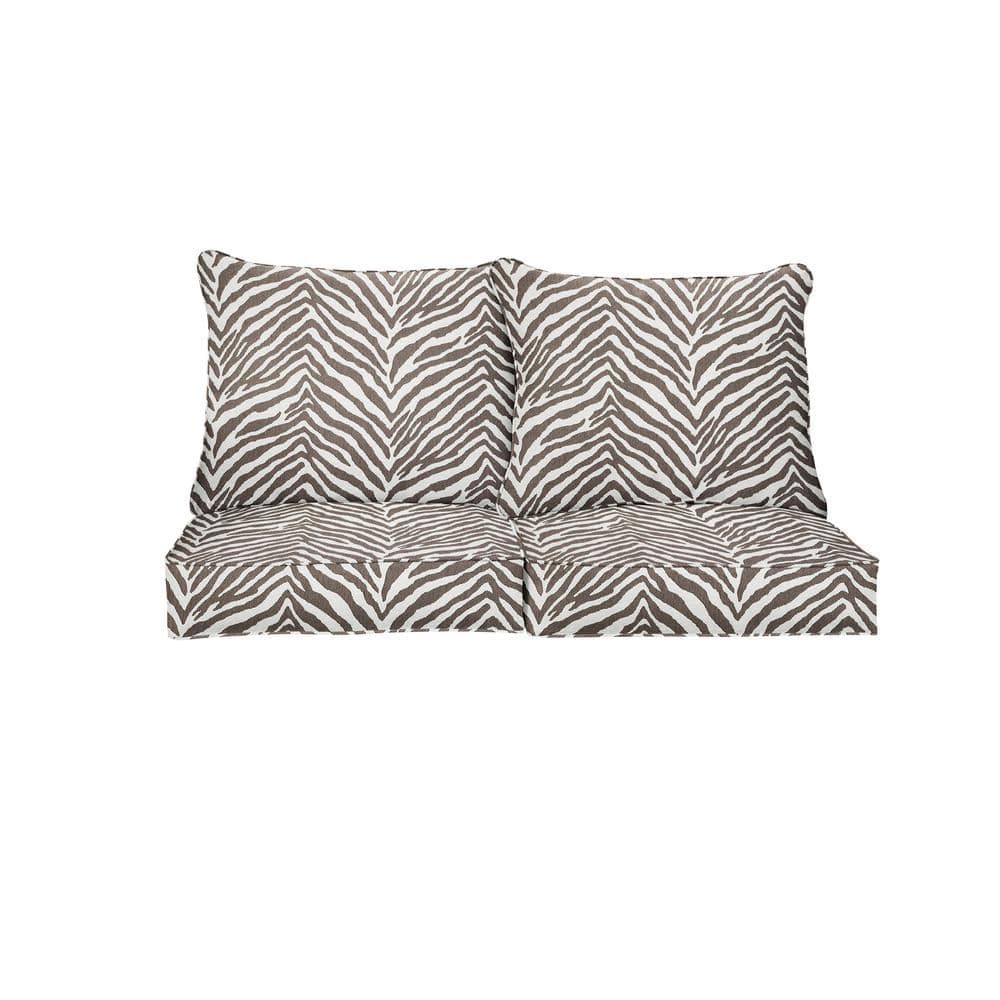
One key development was the introduction of modular seating systems. These allowed homeowners to create custom layouts based on their space and needs. No longer did you have to buy a complete set of matching furniture. You could mix and match pieces to create something unique.
Material Innovation: Weather-Resistant Wonders
The 2000s brought us a revolution in materials. This was when manufacturers really started thinking about durability and longevity. New synthetic materials emerged that could handle everything from intense sun exposure to heavy rainfall without degrading.
Polymer-based materials became incredibly popular. They offered the look and feel of traditional materials like wood and rattan but with superior resistance to weather damage. These materials didn’t splinter, fade, or warp. They maintained their appearance year after year. The result? Outdoor furniture that could be left outside year-round without worry.
Aluminum frames gained traction as well. They’re lightweight, rust-resistant, and strong enough to support substantial weight. Combined with weather-resistant fabrics, aluminum became the go-to choice for many outdoor furniture makers. The combination of these materials created furniture that looked good and lasted longer than anything seen before.
Another significant advancement was the development of UV-resistant fabrics. These materials prevented fading and degradation from prolonged sun exposure. People could now have vibrant colors and patterns that stayed fresh for years. This opened up new design possibilities and made outdoor spaces more visually exciting.
The evolution of materials also meant better performance in extreme conditions. Furniture had to withstand not just typical weather but also harsher environments. This led to innovations in waterproofing, heat resistance, and impact protection.
Smart Features: Technology Meets Comfort
Today’s outdoor seating solutions incorporate technology in ways that previous generations couldn’t imagine. We’re talking about features that enhance both comfort and convenience. Smart heating elements in chairs and tables have become increasingly common, allowing people to extend their outdoor enjoyment into cooler months.
Some high-end pieces now include built-in USB charging ports, Bluetooth speakers, and even LED lighting systems. These aren’t just furniture – they’re integrated entertainment and comfort systems. The idea is to create seamless experiences that bridge indoor and outdoor living.
The integration of smart technology has also brought about better climate control options. Some seating solutions now feature adjustable ventilation systems that respond to temperature changes. Others have built-in fans that activate automatically when the temperature rises.
There’s also been progress in ergonomic design. Manufacturers now consider how people actually sit and move in outdoor settings. This has led to better back support, more comfortable armrests, and seating arrangements that accommodate different body types and preferences. The focus has shifted from just making things look good to ensuring they feel good too.
These technological advances have made outdoor living more accessible to people who might previously have avoided it due to discomfort or inconvenience.
Sustainability Focus: Eco-Conscious Choices
As environmental awareness grew, so did the demand for sustainable outdoor furniture options. Consumers started asking questions about where materials came from and how products were manufactured. This shift has driven many companies to adopt eco-friendly practices and materials.
Recycled materials have become increasingly popular in outdoor furniture manufacturing. Plastic lumber made from recycled bottles and containers provides an alternative to traditional lumber that’s both durable and environmentally friendly. These materials offer the look and feel of natural wood without the environmental impact.
Bamboo has emerged as a favorite material for sustainable outdoor furniture. It grows rapidly, requires minimal resources to cultivate, and provides excellent strength-to-weight ratios. Bamboo furniture is both beautiful and environmentally responsible.
The push toward sustainability has also influenced manufacturing processes. Companies are investing in cleaner production methods and reducing waste. Some manufacturers now offer take-back programs where old furniture can be returned for recycling.
This trend has also affected design philosophy. Instead of constantly replacing furniture, there’s been a move toward creating pieces that last longer and can be easily repaired or upgraded. The goal is to reduce overall consumption while maintaining quality and aesthetics.
Many brands now highlight their sustainability credentials, showing that environmental responsibility and beautiful design can coexist.
Customization and Personalization
Modern outdoor seating solutions offer unprecedented levels of customization. People can now choose from a wide range of colors, materials, and configurations to match their personal style and space requirements. This level of personalization wasn’t possible in earlier eras.
The ability to mix and match components has transformed how people think about outdoor furniture. Instead of buying a complete set, customers can select individual pieces that work together. This flexibility allows for creative layouts and personal touches that reflect individual taste.
Custom dimensions are another area where personalization shines. People can specify exact measurements to fit their unique spaces perfectly. Whether it’s a narrow balcony or a large deck, there are solutions that accommodate any size or shape.
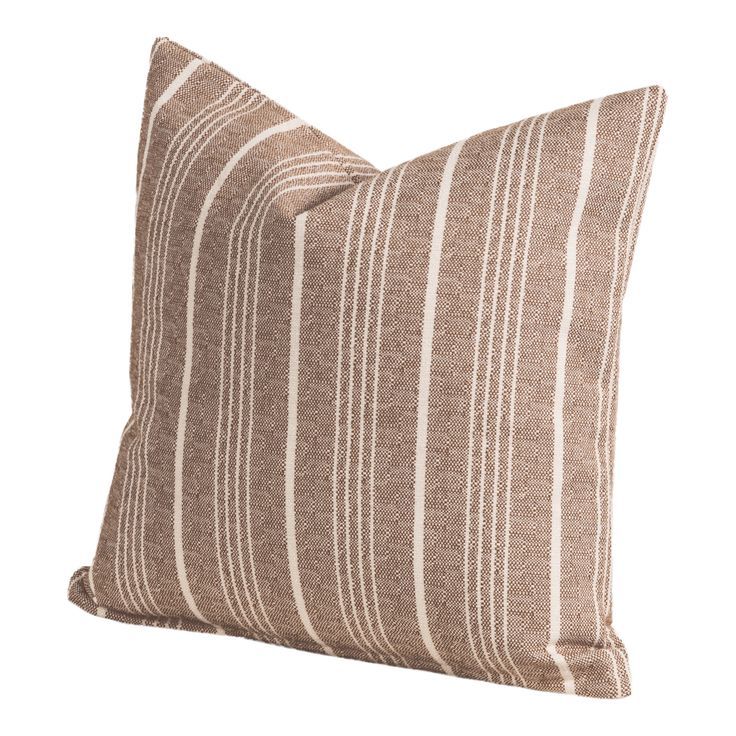
Color palettes have expanded dramatically. Where once outdoor furniture was limited to neutral tones, today’s market offers vibrant hues and intricate patterns. People can now express their personality through their outdoor seating choices.
Some companies even offer bespoke services where customers can work directly with designers to create entirely unique pieces. This level of personalization makes outdoor furniture feel less like a commercial purchase and more like a personal investment in lifestyle and comfort.
The availability of online configurators has made this process even easier. Customers can visualize their custom designs before purchasing, helping them make informed decisions about their investments.
The journey from basic wooden benches to today’s sophisticated outdoor seating solutions represents more than just a change in design. It reflects how our relationship with outdoor spaces has evolved. We no longer view outdoor furniture as merely functional items – they’re integral parts of our lifestyle and well-being. From the early days of simple wooden chairs to today’s smart, sustainable, and customizable options, outdoor seating has become a reflection of our values, our comfort needs, and our desire to enjoy life outside our homes. The future promises even more exciting developments, but the foundation we’ve built is already transforming how we experience outdoor living. Whether you’re looking for a quiet spot to read or a gathering place for friends, the evolution of outdoor seating solutions ensures that every moment outside can be comfortable and enjoyable.