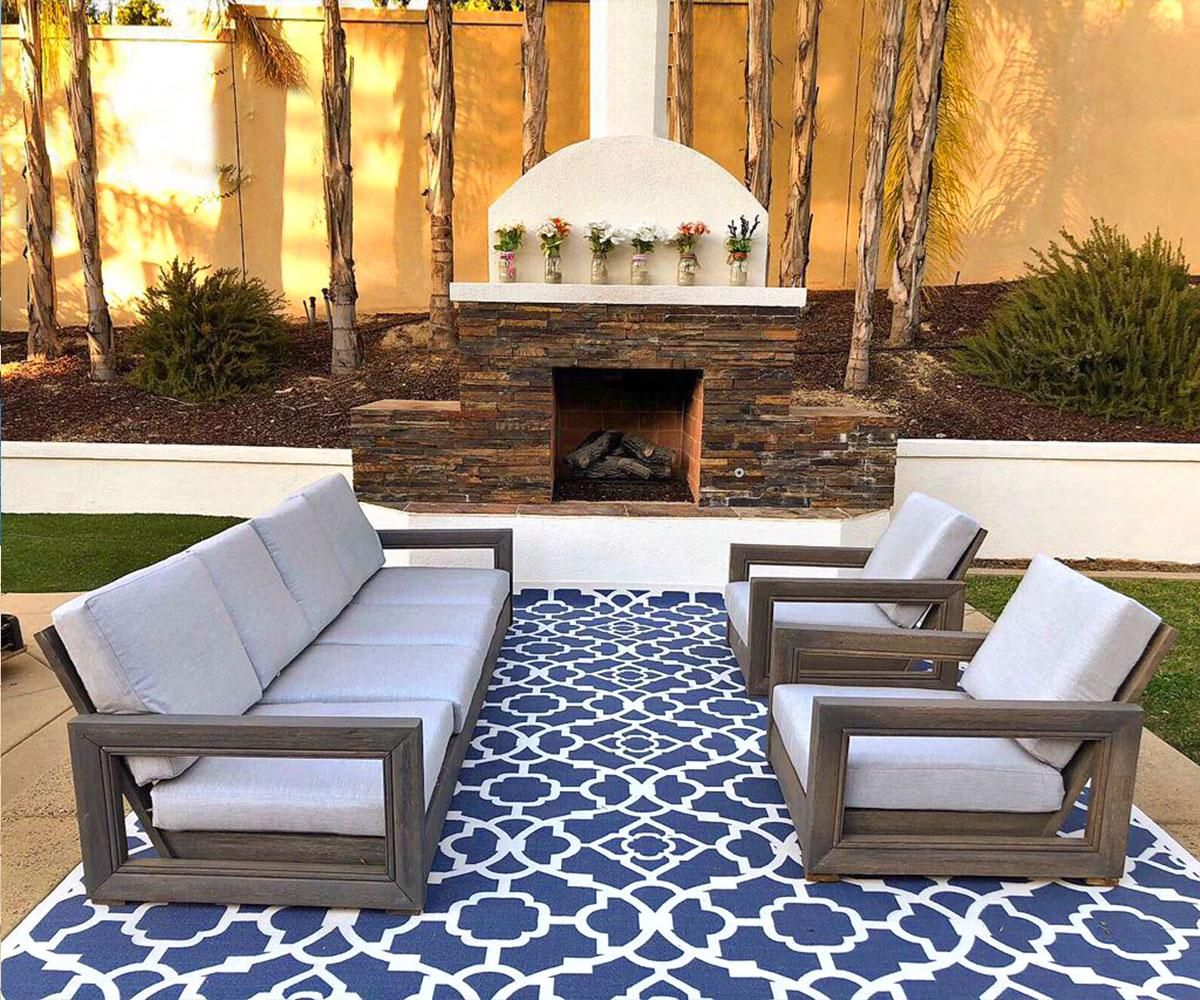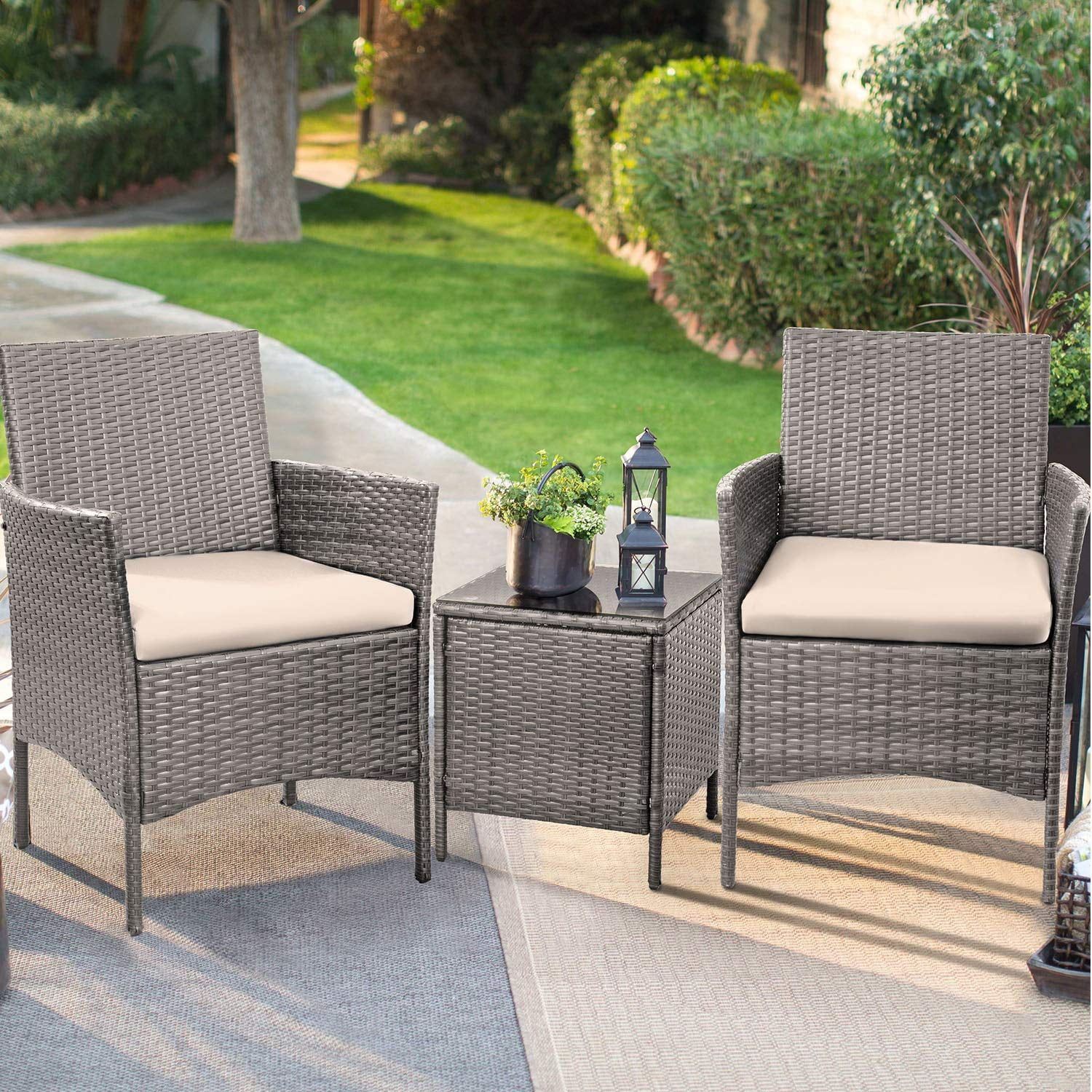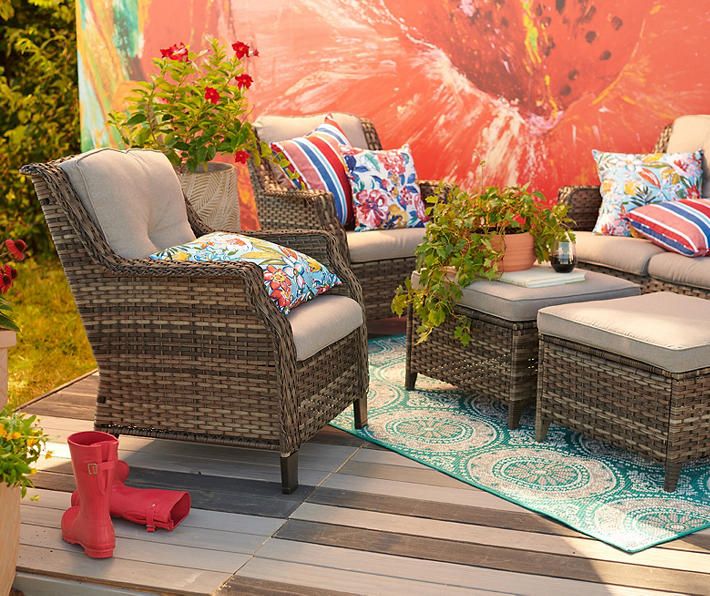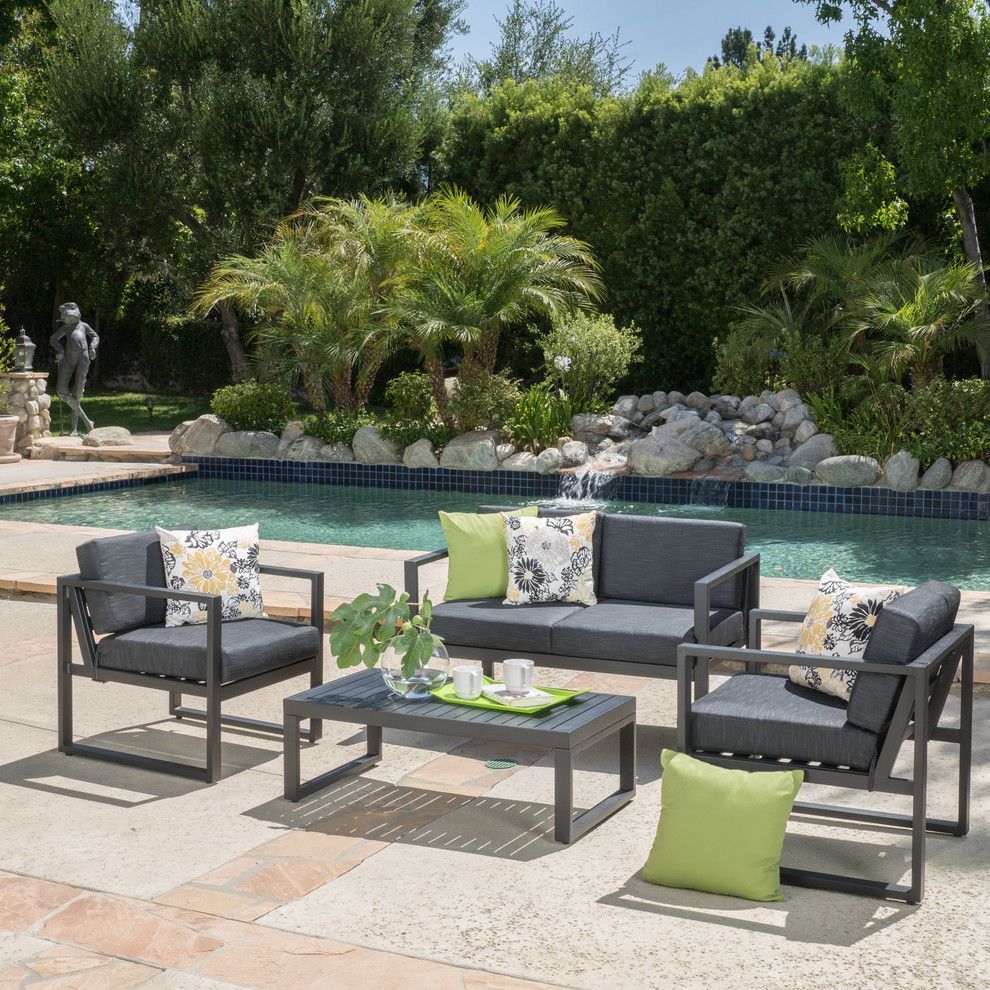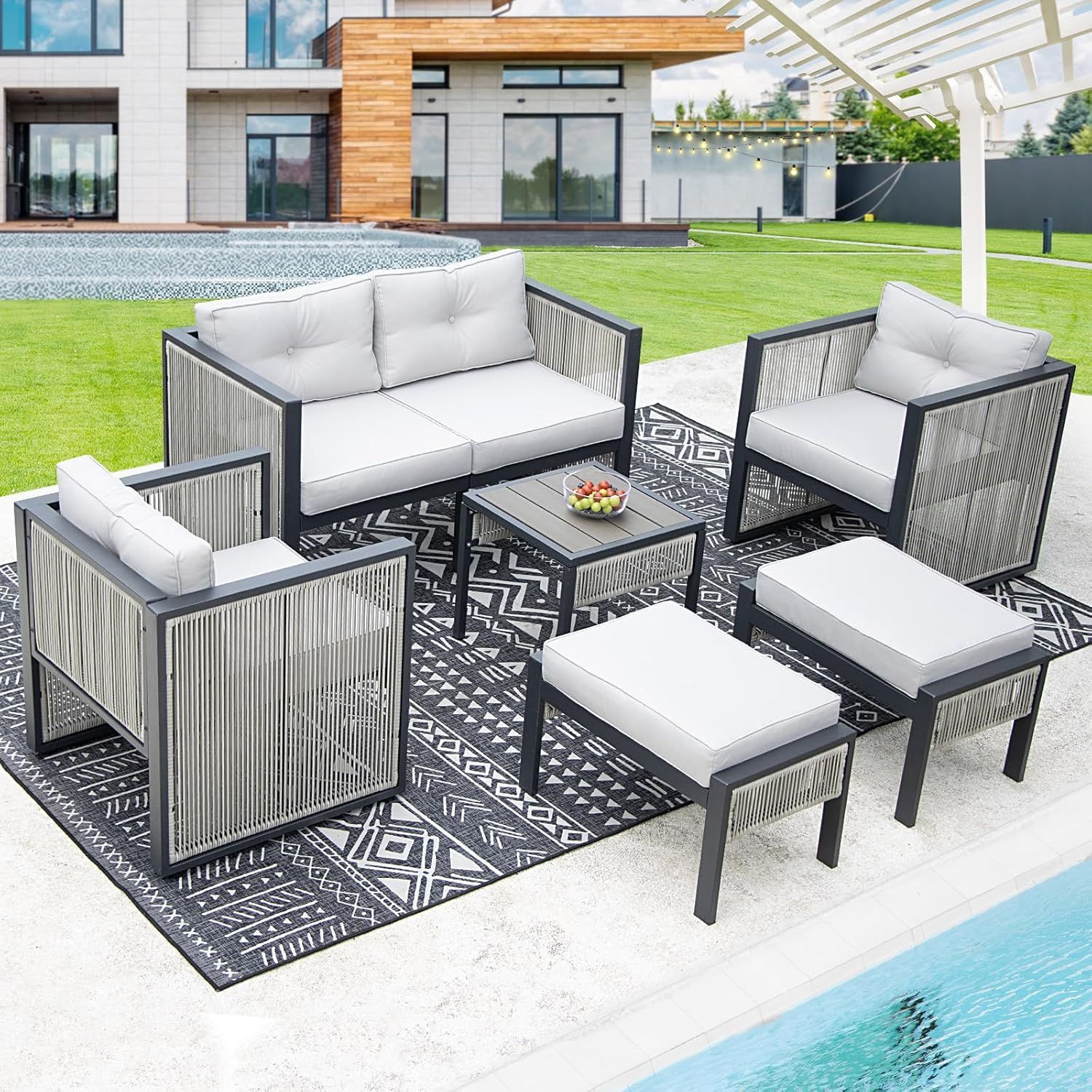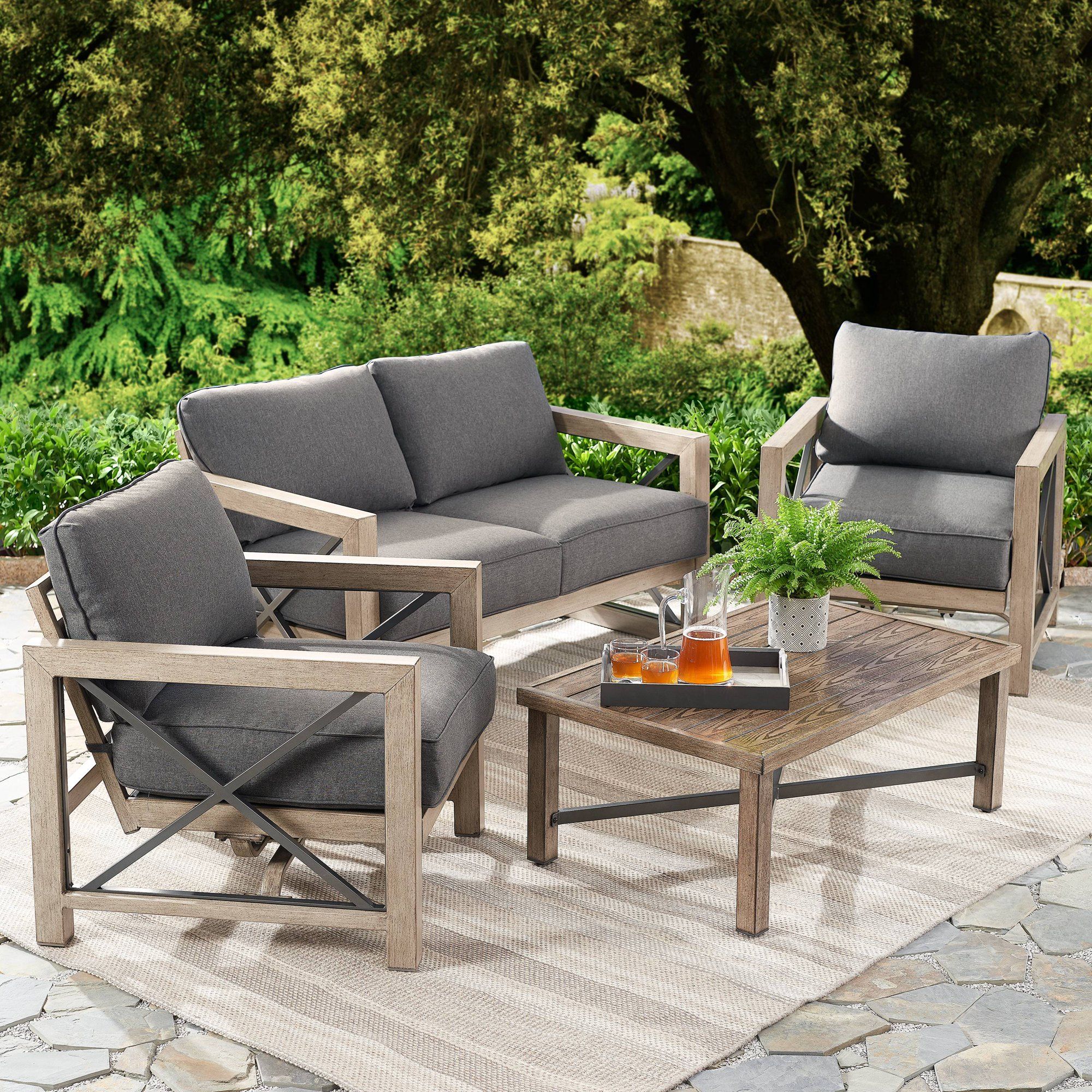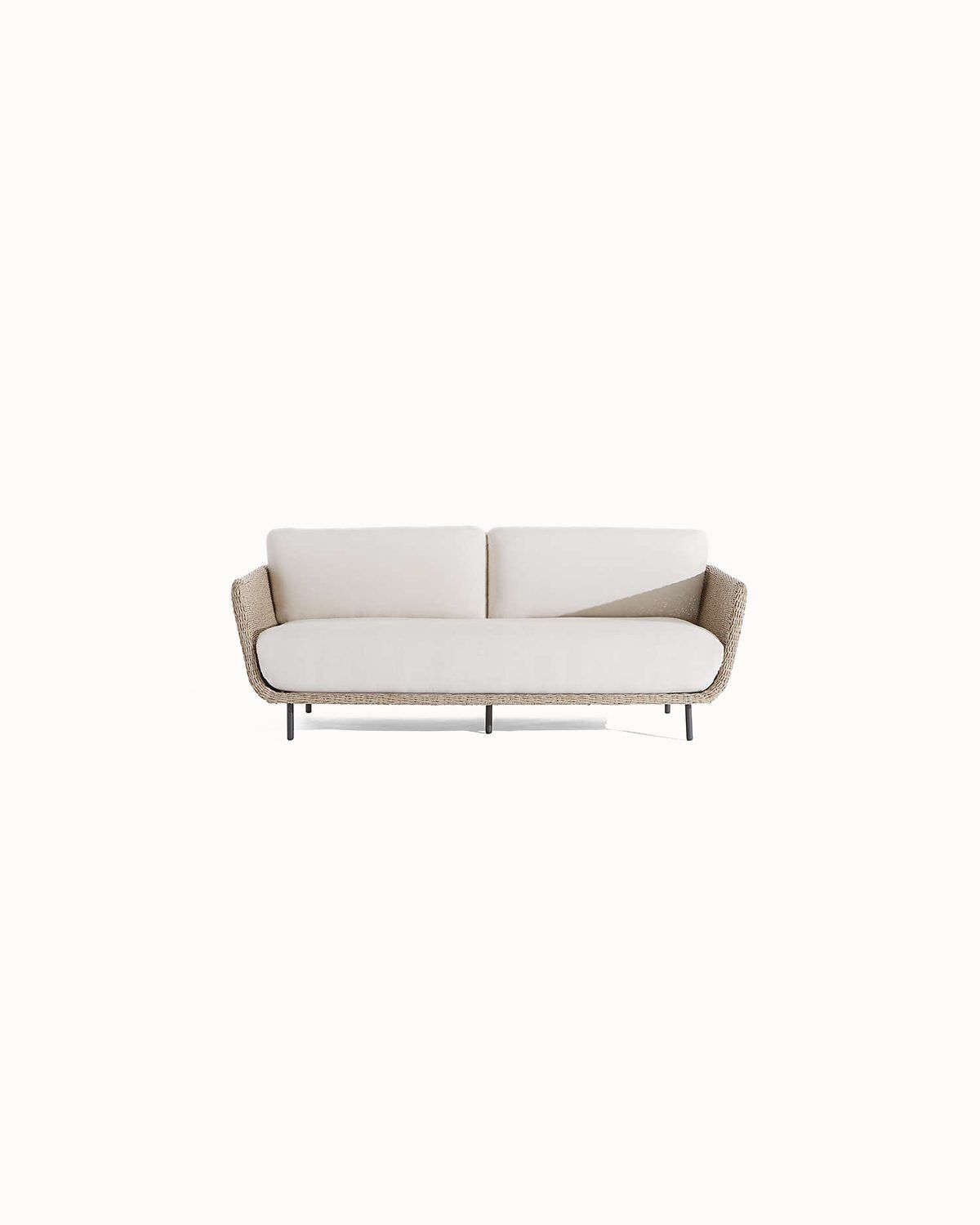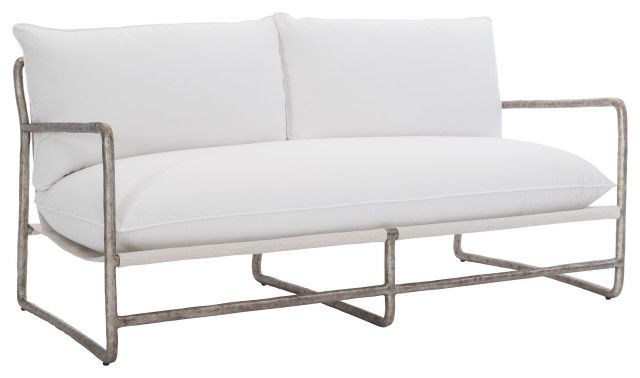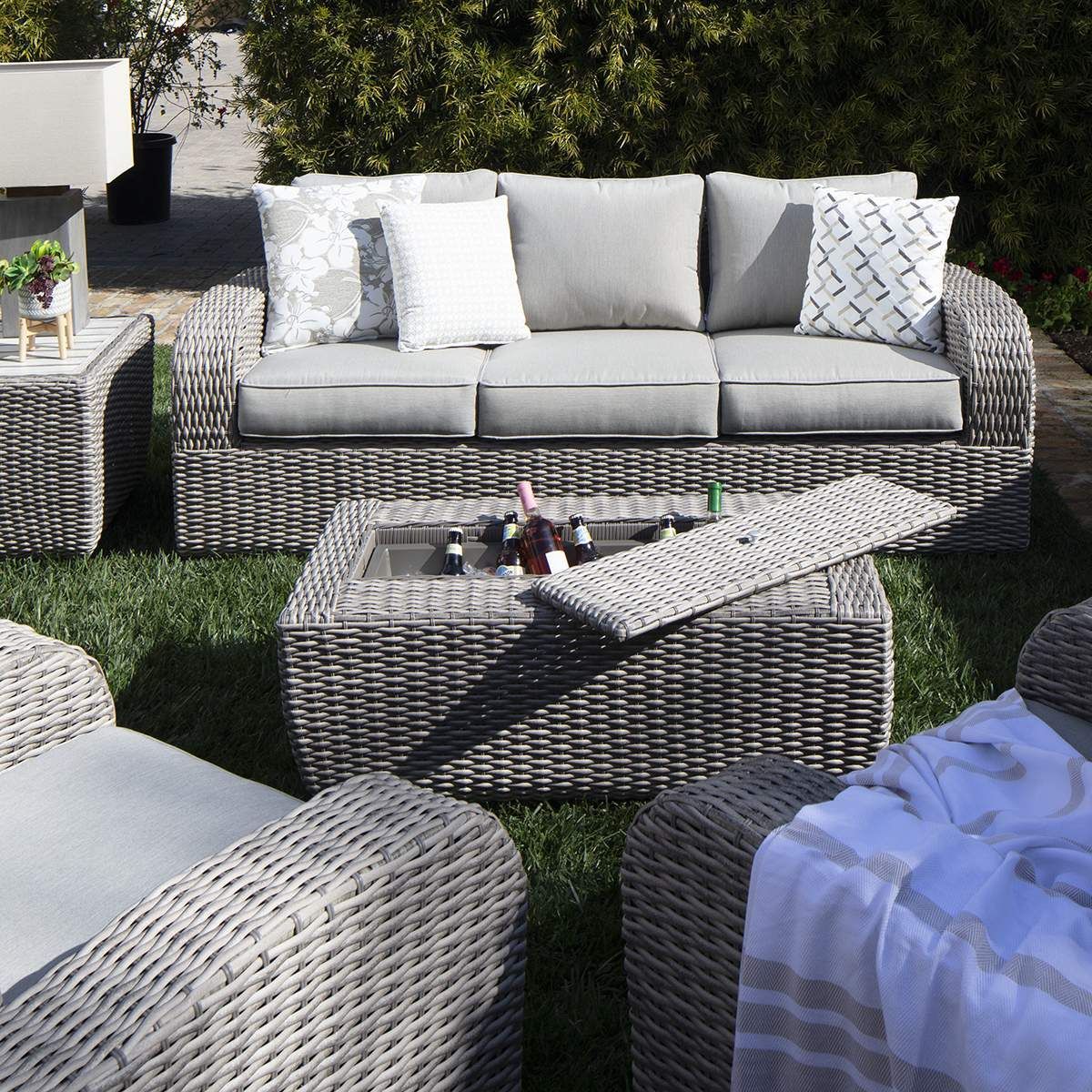
When it comes to enjoying meals outdoors, we all want beautiful spaces that bring families together. But what if your outdoor dining area could also help protect our planet? That’s exactly what eco-friendly furniture offers – a way to enjoy your al fresco meals while making choices that support environmental health. Think about it: every time you gather around a table, you’re choosing not just comfort and style, but also responsibility. The right outdoor furniture can transform your backyard into a sanctuary that reflects your values, without sacrificing the joy of shared meals.
Outdoor dining has become more than just a mealtime activity – it’s a lifestyle choice that brings people together under the open sky. As we become more aware of our impact on the environment, many of us are searching for ways to align our outdoor living spaces with our ecological values. The good news is that sustainable furniture options are no longer limited to basic materials or basic designs. Today’s eco-conscious outdoor dining solutions offer everything from stunning aesthetics to long-lasting durability. Whether you’re planning a small weekend brunch or a grand summer dinner party, there are thoughtful choices available that make your outdoor dining experience both enjoyable and responsible.
Understanding Sustainable Materials
The foundation of eco-friendly outdoor furniture lies in the materials used. Traditional outdoor furniture often relies on treated woods or synthetic plastics that can harm the environment over time. Sustainable alternatives offer a better path forward. Bamboo, for instance, grows incredibly fast and requires minimal resources to cultivate. It’s naturally resistant to pests and moisture, making it ideal for outdoor use. Reclaimed wood represents another excellent option, giving new life to materials that might otherwise end up in landfills. This approach reduces demand for newly harvested timber while creating unique character in each piece. Recycled aluminum and steel provide strength and longevity without the environmental cost of virgin metal production. These materials can withstand weather conditions while maintaining their structural integrity for years to come. Natural fibers like sisal and jute offer breathable seating options that are biodegradable and renewable. When shopping for sustainable outdoor furniture, look for certifications like FSC (Forest Stewardship Council) for wood products or recycled content labels for metals. These indicators help ensure that the materials meet genuine environmental standards rather than just marketing claims.
Design Considerations for Longevity
Sustainable furniture isn’t just about what it’s made of – it’s also about how well it will last. A piece that needs replacing every few years defeats the purpose of eco-conscious purchasing. Look for designs that emphasize durability and versatility. Modular furniture allows you to adapt your setup as your needs change, extending the life of each component. Pieces with simple, timeless designs tend to remain stylish longer than trendy items that quickly go out of fashion. Consider the maintenance requirements of different materials. Some sustainable options require more care than others, but many modern treatments make natural materials more weather-resistant. For example, teak oil treatment can significantly extend the life of teak furniture while preserving its natural beauty. Quality hardware matters too – stainless steel or brass fittings last much longer than plastic or cheap metal alternatives. When evaluating longevity, think beyond immediate appearance. A chair that looks good today but rots in two years isn’t truly sustainable. Instead, focus on pieces that maintain their structural integrity and aesthetic appeal over time. The investment in quality often pays off in reduced replacement costs and less environmental impact.
Weather Resistance and Maintenance
Outdoor furniture must withstand various weather conditions, from scorching sun to heavy rain. Eco-friendly materials often perform well in these situations, sometimes even better than traditional alternatives. Cedar and redwood naturally resist rot and insects due to their high tannin content, making them excellent choices for outdoor use. These woods have been used for centuries in construction and continue to prove their worth in modern applications. Synthetic materials like recycled polyethylene offer impressive weather resistance without any maintenance requirements. They won’t warp, crack, or fade significantly in sunlight, making them popular for high-traffic areas. Natural materials may require some attention, but proper care can extend their lifespan dramatically. Regular cleaning and appropriate storage during harsh seasons can preserve the integrity of wooden and natural fiber pieces. Many sustainable outdoor furniture brands now offer warranties that cover weather-related damage, showing confidence in their products’ performance. The key is understanding the specific needs of each material type and planning accordingly. Some eco-friendly options might need periodic treatments, while others require minimal upkeep. Knowing what to expect helps you choose the right furniture for your lifestyle and climate.
Local Sourcing and Community Impact
Beyond material choices, consider the broader impact of your furniture purchases. Locally-sourced furniture often provides multiple benefits that align with sustainable values. Buying from regional artisans and manufacturers reduces transportation emissions associated with shipping goods across long distances. Local pieces also support community economic development and craftsmanship traditions that might otherwise disappear. Many local makers use sustainable practices in their production processes, from sourcing materials to managing waste. When you purchase furniture locally, you’re investing in people and businesses that share your commitment to environmental responsibility. Additionally, local suppliers often provide better customer service and repair options, extending the useful life of your furniture. Some communities have developed entire industries around sustainable furniture production, creating jobs while protecting natural resources. This creates a positive feedback loop where environmental consciousness supports local economies. You can often find unique pieces that reflect regional aesthetics and cultural influences, adding character to your outdoor space that mass-produced items simply cannot match. The connection between your purchase and its local impact creates a more meaningful relationship with your furniture.
Cost-Benefit Analysis Over Time
Sustainable outdoor furniture may seem more expensive upfront, but the long-term financial picture often tells a different story. While initial costs might be higher, the extended lifespan of quality pieces means fewer replacements over time. This reduction in replacement frequency directly translates to cost savings and decreased environmental impact. Consider the total cost of ownership, including maintenance, repairs, and eventual replacement. A $200 chair that lasts 15 years costs far less per year than a $100 chair that needs replacing every three years. The environmental savings compound over time as well. Fewer manufacturing processes mean less resource consumption and pollution. Many sustainable furniture pieces also appreciate in value over time, especially those with classic designs or artisanal qualities. Some pieces become family heirlooms that are passed down through generations, maximizing their return on investment. Insurance and warranty considerations also factor into the equation. Quality sustainable furniture often comes with longer warranties and better insurance coverage, providing additional protection against unexpected issues. Budgeting for sustainable furniture requires thinking beyond immediate expenses toward long-term value creation. The investment in durability and environmental responsibility pays dividends in both financial and ecological terms.
Innovations in Eco-Friendly Outdoor Dining
The field of sustainable outdoor furniture continues to evolve rapidly, with new innovations emerging regularly. Smart materials like bio-composites combine natural fibers with recycled plastics to create durable, low-maintenance options. These materials offer the aesthetic appeal of natural wood while resisting weather damage and requiring minimal upkeep. Modular design systems allow for flexible configurations that adapt to changing needs. Some companies now offer furniture that can be reconfigured seasonally, maximizing utility throughout the year. Digital printing technology enables intricate designs on sustainable materials without the environmental impact of traditional manufacturing methods. New finishing techniques preserve natural textures while enhancing weather resistance. Some innovative pieces incorporate solar panels or other renewable energy features, making them partially self-sufficient. Biodegradable adhesives and natural treatments are becoming standard in eco-friendly furniture production. These advances show that sustainability and innovation don’t have to be mutually exclusive. In fact, they often complement each other beautifully. The newest eco-friendly options combine cutting-edge technology with traditional sustainable principles, creating solutions that were unimaginable just a decade ago. These developments suggest that the future of outdoor dining furniture will be increasingly green, functional, and exciting.
Creating an eco-friendly outdoor dining space is more achievable than ever before. By considering sustainable materials, design longevity, weather resistance, local sourcing, and long-term costs, you can build an outdoor area that reflects your values while providing years of enjoyment. The journey toward sustainable outdoor furniture isn’t just about making better choices – it’s about creating experiences that honor both our environment and our relationships with others. Every time you gather around a table made from responsibly sourced materials, you’re participating in a larger movement toward environmental stewardship. Whether you’re starting fresh or upgrading existing pieces, the options available today make it easier than ever to dine sustainably. The key is to take your time, research carefully, and remember that the best choice is often the one that balances your needs with environmental responsibility. Your outdoor dining experience becomes a celebration of both good food and good citizenship, bringing people together while protecting the planet for future generations.