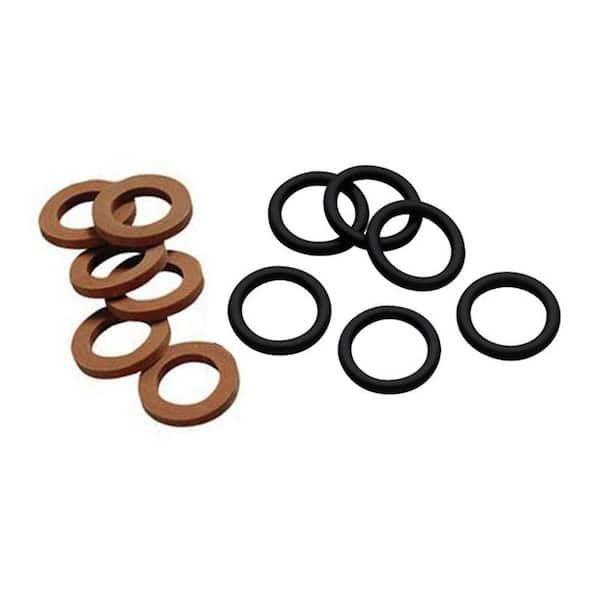
When you think about keeping things tight and preventing leaks, two names come up again and again: rubber washers and O-rings. These little components might look similar, but they’re actually quite different in how they perform their jobs. It’s like comparing apples to oranges – they might both be fruits, but they have very different tastes and uses. Let’s take a closer look at what makes each one tick.
In the world of mechanical engineering, sealing solutions are crucial for maintaining system integrity and preventing unwanted fluid or gas escape. Among the many options available, rubber washers and O-rings stand out as two of the most commonly used sealing elements. While both serve the essential function of creating a barrier against leakage, their design, materials, and performance characteristics vary significantly. Understanding these differences isn’t just academic – it directly impacts equipment reliability, maintenance costs, and overall system performance. Whether you’re designing a new product or troubleshooting an existing one, knowing when to choose one over the other can save time, money, and prevent costly failures.
Design and Physical Characteristics
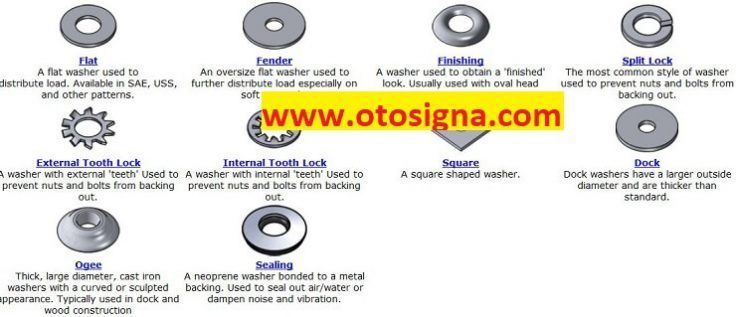
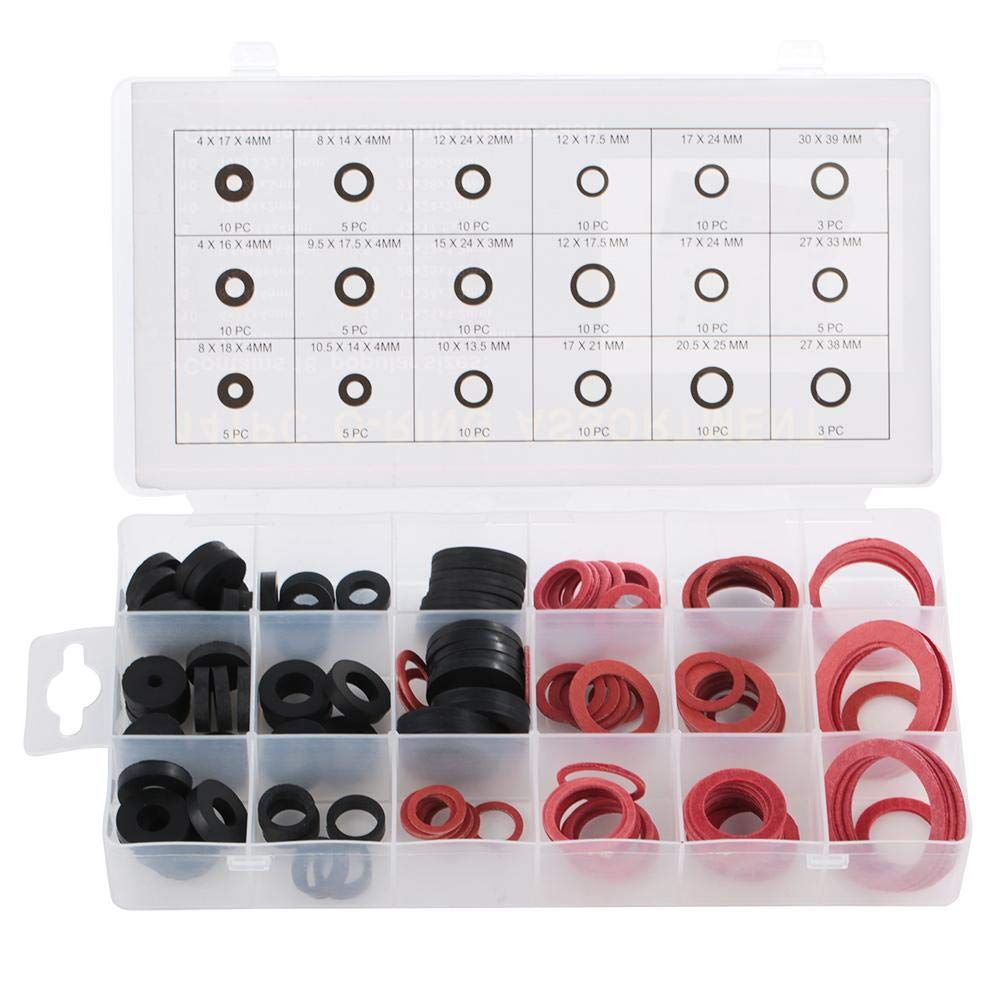
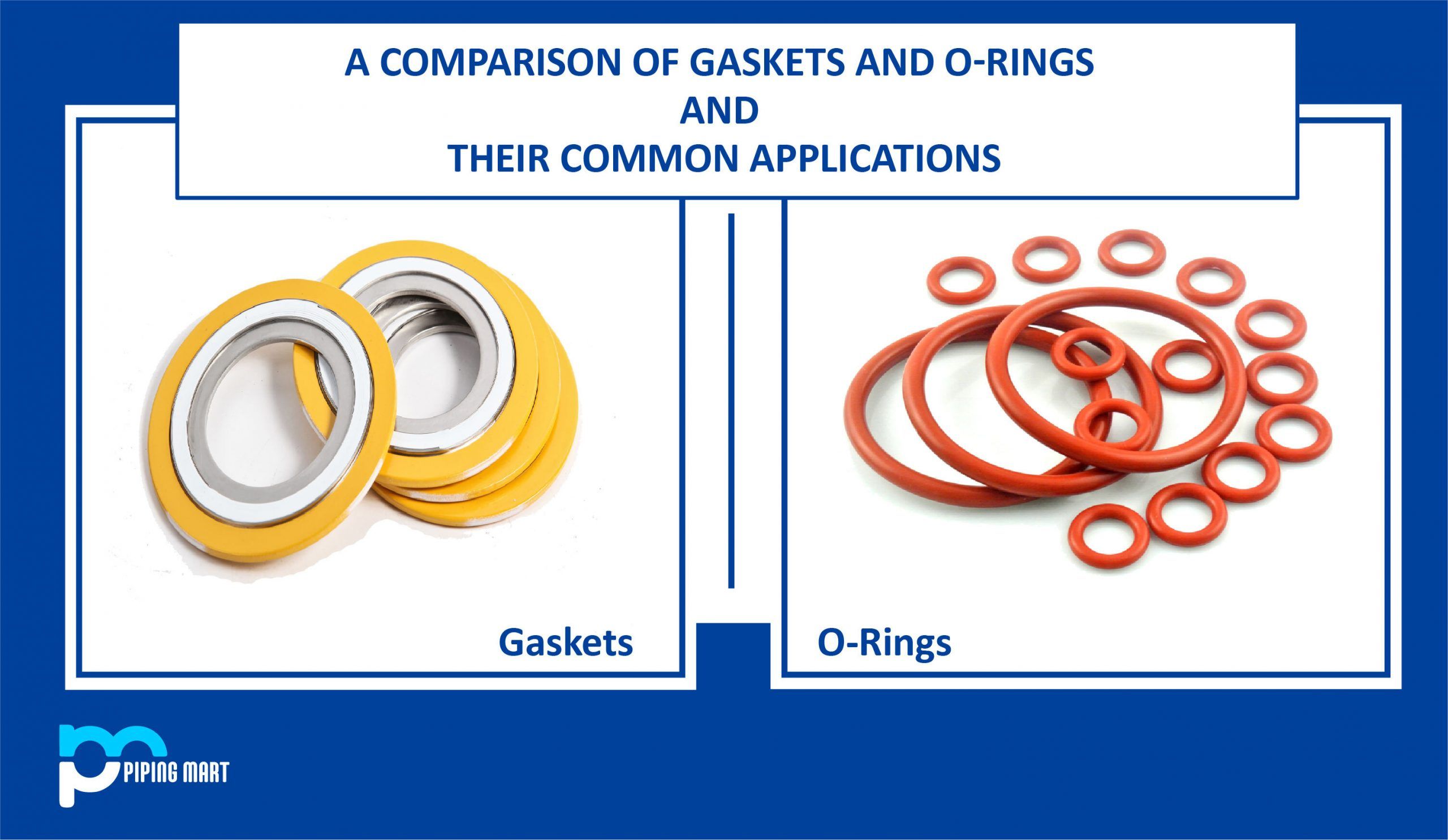
The physical differences between rubber washers and O-rings are immediately apparent once you start looking closely. Rubber washers are typically flat, circular discs with a hole in the center, often featuring a slight lip or flange around the outer edge. This design allows them to sit flat against surfaces and provide compression sealing. They’re usually made from soft rubber compounds and can be found in various thicknesses and diameters.
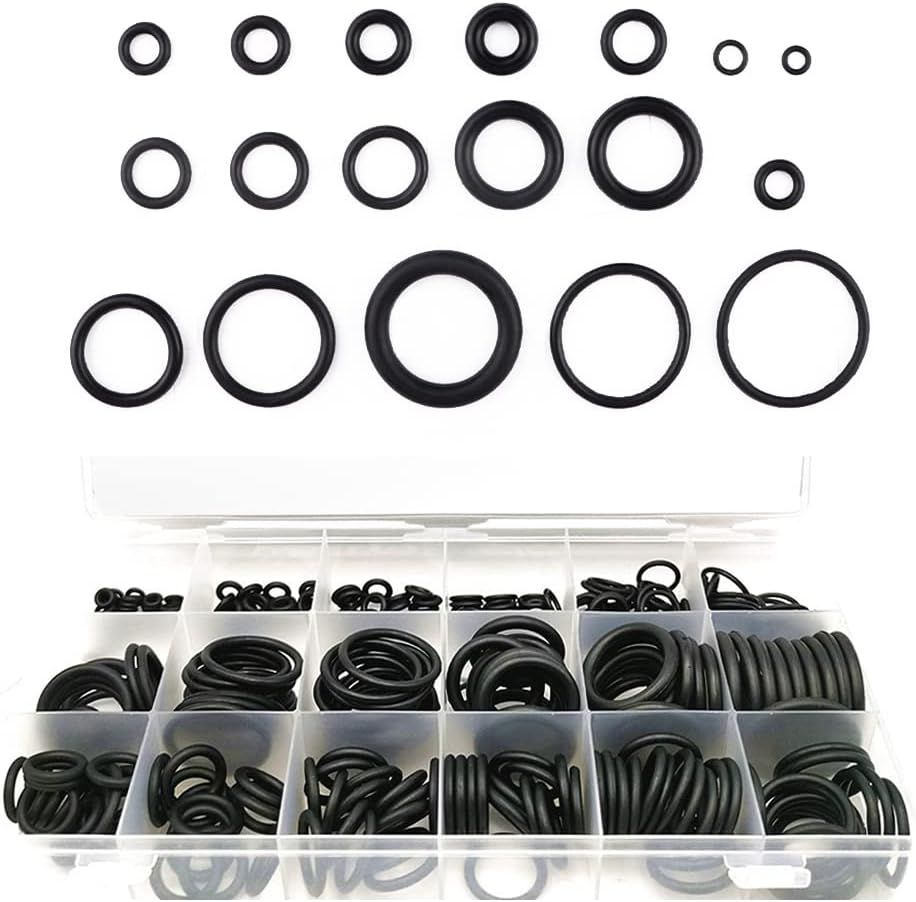
O-rings, on the other hand, are torus-shaped seals that look like a perfect circle cut in half and then reassembled. The key difference lies in their cross-sectional shape – they’re designed to create a seal by being compressed radially against the sealing surfaces. This creates a much more uniform pressure distribution around the entire circumference of the seal. The classic O-ring shape means it can be installed in grooves and maintains its seal even under varying pressures and temperatures.
Think of it this way: if you were trying to seal a bottle cap, a washer would be like placing a flat rubber垫 on top of the opening, while an O-ring would be like threading a rubber band around the neck of the bottle. Both work, but they apply pressure differently and handle stress in distinct ways.
Material Composition and Flexibility
The materials used in rubber washers and O-rings play a huge role in their performance capabilities. Most rubber washers are made from softer compounds like silicone or natural rubber, which gives them excellent flexibility and conformability. This softness allows them to fill small gaps and irregularities in mating surfaces, making them ideal for applications where surface finish isn’t perfectly smooth.
O-rings, while also made from rubber compounds, tend to be constructed from materials that offer better resistance to chemicals, temperature extremes, and long-term aging. Common materials include nitrile, fluorocarbon (Viton), and silicone, each chosen based on specific application requirements. The material selection process for O-rings often involves balancing factors like chemical compatibility, temperature range, and mechanical strength.
Consider this scenario: if you’re sealing a fuel line that experiences frequent temperature changes, an O-ring made from fluorocarbon might handle those shifts better than a standard rubber washer. The O-ring’s material properties give it superior resilience in harsh environments.
Pressure Handling and Stress Distribution
When it comes to handling pressure, O-rings generally outperform rubber washers. The torus shape of an O-ring creates a more uniform pressure distribution around its entire circumference. As pressure increases, the O-ring expands slightly outward against the sealing surfaces, creating a tighter seal. This self-enhancing characteristic makes O-rings particularly effective in high-pressure applications.
Rubber washers, being flat and relying on compression, distribute pressure unevenly across their surface area. They’re more susceptible to pressure-induced deformation and may fail if the pressure exceeds their design limits. However, this also means they’re more forgiving in situations where pressure fluctuates frequently.
Imagine a water pipe system under varying pressure conditions. An O-ring will maintain its seal even as pressure rises and falls, while a rubber washer might compress too much or lose its shape entirely, leading to potential leaks. This is why you’ll find O-rings in hydraulic systems, automotive engines, and industrial machinery where pressure stability is crucial.
Temperature Performance Range
Temperature extremes present another major distinction between these two sealing types. O-rings are engineered to handle a wide range of temperatures, from cryogenic applications to extreme heat environments. Many O-ring materials can operate effectively from -65°F to 400°F, though some specialized compounds extend this range further.
Rubber washers, while capable of functioning in moderate temperature ranges, are more limited in their thermal performance. They tend to become brittle in cold conditions and may soften or degrade in high heat. Their performance drops off significantly when exposed to extreme temperatures, making them less suitable for applications with severe thermal cycling.
A practical example: in automotive applications, O-rings are used in engine compartments where temperatures can reach 300°F or higher, while rubber washers might be used in interior components where temperature variations are minimal. The O-ring’s ability to maintain its properties across temperature extremes makes it the preferred choice for demanding environments.
Installation and Maintenance Considerations
Installation processes differ significantly between rubber washers and O-rings, affecting both initial setup and ongoing maintenance requirements. Rubber washers are relatively simple to install – they simply sit on a surface and are secured by bolts or clamps. No special tools or techniques are usually required, making them attractive for quick repairs or assembly lines where speed matters.
O-rings require more careful attention during installation. They must be properly seated in grooves, and the installation environment must be clean to avoid contamination. Specialized tools may be needed to ensure proper seating, and technicians must verify correct sizing and material selection. However, once properly installed, O-rings typically require less maintenance and offer longer service life.
Think about a plumbing repair situation. Installing a rubber washer might involve just placing it on a fitting and tightening a nut, while installing an O-ring requires ensuring the groove is clean, selecting the right size, and possibly using a lubricant to aid installation. The extra care upfront pays dividends in long-term reliability.
Cost Effectiveness and Application Suitability
From a cost perspective, rubber washers are generally less expensive than O-rings due to their simpler design and manufacturing process. They’re also easier to replace, requiring no special tools or training. This makes them economical for low-stress applications where performance demands are modest.
O-rings, while more costly initially, often provide better value over time due to their superior performance and longevity. Their ability to handle higher pressures, wider temperature ranges, and more demanding environments means fewer replacements and reduced downtime. In critical applications, the higher upfront cost of O-rings can be justified by avoiding costly failures and maintenance issues.
Consider a factory production line where thousands of units are assembled daily. Using O-rings in critical sealing points might cost a bit more per component, but the reduction in maintenance calls, equipment failures, and production delays can quickly offset that initial expense. For budget-conscious projects with minimal stress requirements, rubber washers remain a solid choice, but for anything beyond basic sealing needs, O-rings typically deliver better long-term value.
The choice between rubber washers and O-rings ultimately depends on the specific demands of your application. Rubber washers excel in simple, low-pressure scenarios where ease of installation and replacement are priorities. They’re perfect for applications where surface irregularities need to be accommodated and where cost-effectiveness is paramount. However, when facing high pressures, extreme temperatures, or demanding environmental conditions, O-rings prove their worth with superior sealing performance and durability.
Understanding these differences isn’t just about technical specifications – it’s about making informed decisions that impact everything from equipment lifespan to operational efficiency. Whether you’re a seasoned engineer or someone just starting to learn about mechanical sealing, recognizing these distinctions helps ensure you select the right solution for your specific needs. The key is matching the sealing element to the challenge at hand, because sometimes the most obvious choice isn’t always the best one. Remember, a well-chosen seal can mean the difference between smooth operations and frustrating breakdowns.