When you’re out in nature, every detail matters. Your pillow becomes more than just comfort—it’s your gateway to restful nights under the stars. But here’s the thing: not all outdoor pillows are created equal. Two major design philosophies dominate the market—knife edge and traditional. Which one suits your camping style better? Let’s break it down.
Picture this: you’ve hiked all day, your feet are sore, and the sun is setting. You’re ready to crash, but your outdoor sleeping setup isn’t quite right. Maybe it’s the way your head sits on your pillow, or perhaps it’s how the pillow holds up during those windy nights. This is where the age-old debate between knife edge and traditional pillow designs comes into play. These aren’t just different shapes—they represent two different approaches to solving one fundamental problem: how to sleep comfortably while camping, hiking, or backpacking. Both designs have their champions, and both have their drawbacks. The question isn’t which one is better, but which one fits your specific needs.
The Anatomy of a Knife Edge Pillow
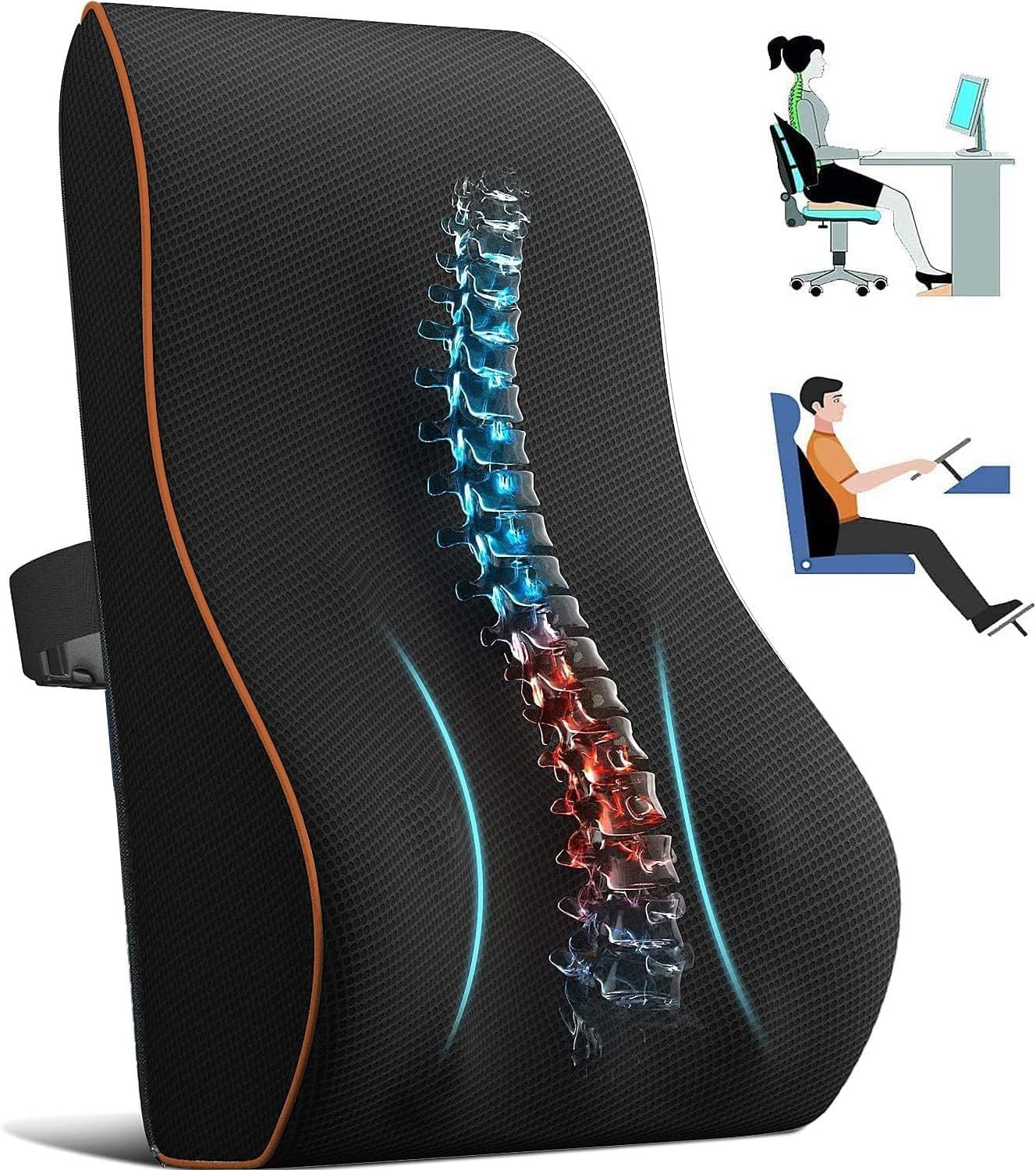
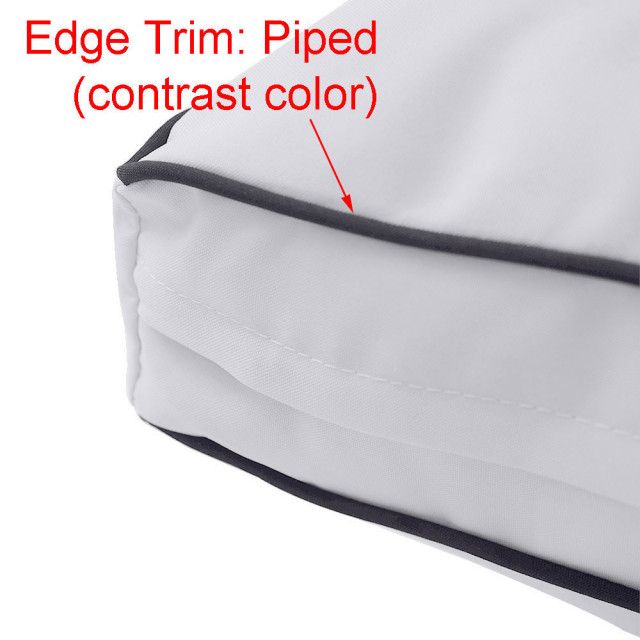
Let’s start with the knife edge design. Think of it as a modern, streamlined approach to outdoor sleeping comfort. The name comes from its sharp, angular edges that cut through space like a blade. These pillows typically feature a narrow profile that hugs your neck and head closely. They’re usually made from high-density foam or specialized synthetic materials that offer excellent support without taking up much room. The design is all about efficiency—the less material, the lighter weight, and the more packable. Many knife edge pillows are designed with a slight curve that follows the natural shape of your neck. This can be particularly helpful if you tend to toss and turn during your outdoor slumber. Some models even incorporate cooling technologies or moisture-wicking fabrics to keep you comfortable. The key advantage here is the reduced bulk. When you’re packing light and every ounce counts, a knife edge pillow can be a game-changer. It’s like having a compact version of your favorite bedroom pillow, but optimized for travel.
Traditional Pillows: The Time-Tested Approach
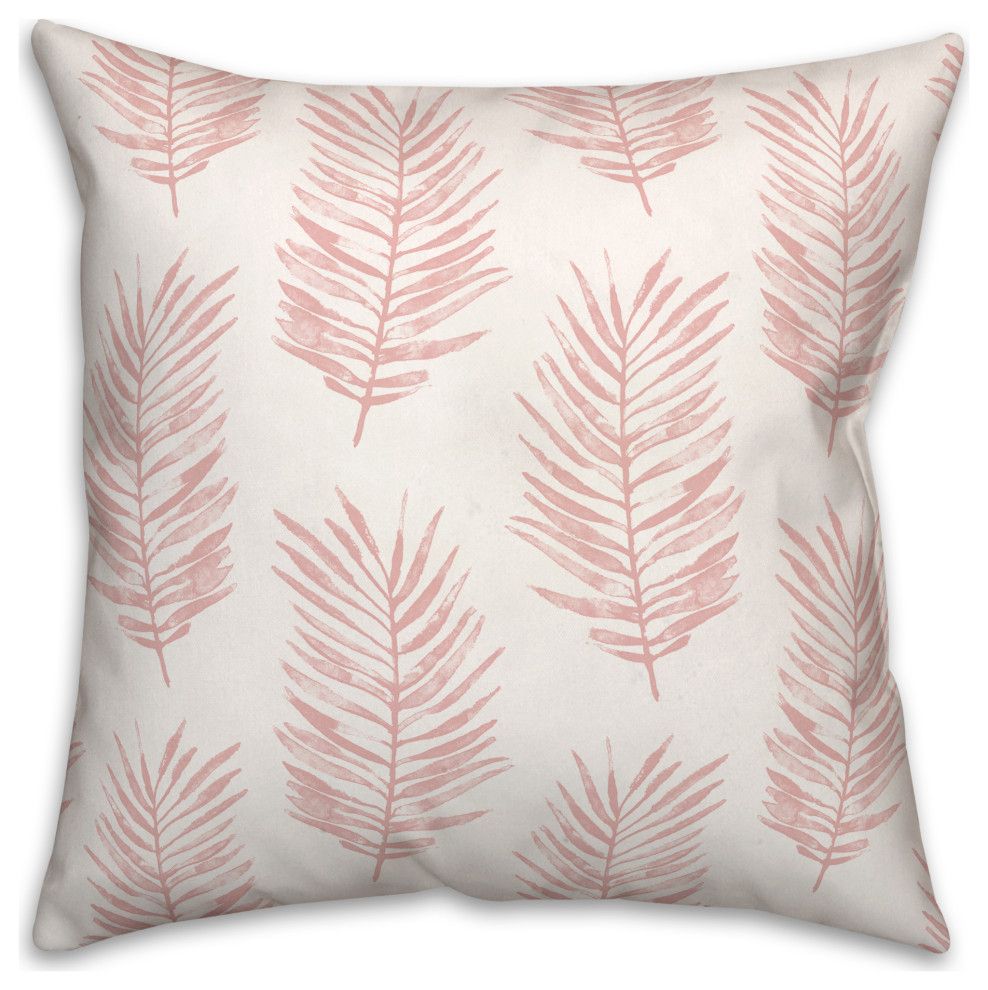
Traditional pillows, on the other hand, stick to what’s worked for decades. These are the classic, round or rectangular shapes that most people associate with comfort. They come in various sizes and materials, from memory foam to down alternatives and synthetic fills. The main benefit of traditional designs is their familiarity. If you’re used to sleeping on a regular bed pillow, you’ll find the transition to a traditional outdoor pillow relatively easy. They offer generous support and often provide more surface area for your head and shoulders. These pillows can be incredibly plush and soft, making them appealing to people who want maximum comfort. The downside? They’re usually bulkier and heavier. A traditional pillow might weigh twice as much as a knife edge model, and take up significantly more space in your pack. However, they do offer something that knife edge pillows often lack: versatility. You can adjust the position, fluff the pillow, or even use it in multiple ways. Some people prefer the classic shape because it feels more natural to their body when they’re sleeping outdoors.
Weight and Packability Considerations
This is where things get interesting. Weight and packability become critical factors for outdoor enthusiasts. Knife edge pillows are typically engineered for minimal weight and space. Many models can be compressed to less than half their original size, making them ideal for backpackers who need to maximize their gear efficiency. A typical knife edge pillow might weigh around 8-12 ounces, compared to traditional pillows that can range from 16-32 ounces. The packability factor is equally important. When you’re hiking with a heavy pack, every extra ounce matters. Some knife edge models can be folded or rolled into tiny packages that fit easily in your sleeping bag or pack. Traditional pillows, while offering more comfort, often require more space and add significant weight to your load. This isn’t necessarily a bad thing—some hikers and campers prioritize comfort over weight. But if you’re planning a multi-day backpacking trip or are ultra-conscious about gear weight, the knife edge approach makes more sense. The trade-off is that you might sacrifice some of the plushness and adjustability that traditional designs offer.
Comfort and Support: What Works Best for You
Comfort is subjective, and what works for one person might not work for another. Knife edge pillows are designed with a focus on support rather than luxury. They tend to offer more structured support that keeps your neck aligned, which can be beneficial for people with neck issues or those who sleep on their sides. The firmness is usually consistent across the surface, providing reliable support night after night. Traditional pillows, however, offer a different kind of comfort. They’re often softer and more accommodating, allowing your head to sink in and adjust naturally to your sleeping position. For side sleepers, a traditional pillow can provide more cushioning around the shoulder area. People who are sensitive to pressure points often prefer the softer feel of traditional designs. The challenge with traditional pillows is that they can sometimes lose their shape or become compressed over time, especially with frequent use. Knife edge pillows maintain their form better, but they may not provide the same level of cushioning that some users crave. Ultimately, it’s about finding what supports your unique sleeping style and physical needs.
Durability and Longevity Factors
When you’re spending money on outdoor gear, durability matters. Knife edge pillows are generally built to withstand the rigors of outdoor use. The materials used are often more robust and resistant to wear. Many are designed to handle being compressed, rolled, and carried around for extended periods. The construction tends to be more straightforward, with fewer layers and components that could fail. This means they often last longer and require less maintenance. Traditional pillows, while they can be durable, are more prone to wear and tear. The stuffing can shift, the fabric can fray, and the overall shape can change with regular use. However, many traditional models come with warranties or guarantees that cover manufacturing defects. Some high-end traditional pillows use premium materials that can rival the longevity of knife edge designs. The key is understanding what you’re getting. If you’re planning to use your pillow frequently and in harsh conditions, the knife edge design might be more practical. But if you’re using it occasionally and want something that looks and feels like a regular pillow, traditional options have their merits. Both types can last for years, but the way they handle wear differs significantly.
Price Points and Value Considerations
Budget plays a big role in choosing the right pillow for outdoor adventures. Knife edge pillows often fall into the mid-range price category, with basic models starting around $20 and premium versions going up to $60 or more. The higher-end knife edge designs usually offer better materials, more advanced features, and improved construction. Traditional pillows vary widely in price, from budget-friendly options around $15 to luxury models that can cost $80 or more. The premium traditional pillows often use high-quality materials like down or memory foam, which can justify the higher cost. However, when you consider the overall value proposition, knife edge pillows often offer better bang for your buck. They’re lighter, more packable, and designed specifically for outdoor use. Traditional pillows might give you more immediate comfort, but they’re often heavier and less efficient. That said, if you’re someone who values the familiar feel of a regular pillow and aren’t too concerned about weight, traditional options can offer great value. The key is matching your priorities with your budget. Some outdoor enthusiasts swear by the investment in a quality knife edge pillow, while others prefer the occasional splurge on a premium traditional model for special trips.
The choice between knife edge and traditional pillow designs isn’t just about preference—it’s about aligning your gear with your lifestyle and outdoor adventures. Knife edge pillows shine when weight and packability matter most. They’re perfect for backpackers, ultralight travelers, or anyone who wants to minimize their gear footprint. Traditional pillows excel when comfort and familiarity are top priorities. They’re ideal for car camping, weekend getaways, or when you want that classic pillow feel. Neither design is inherently superior; they simply serve different purposes. Consider your specific needs first. Do you hike long distances? Then the knife edge design might be your best bet. Do you mostly camp in your car or at home base? Traditional pillows could be more suitable. The most important thing is to think about how you sleep, what conditions you’ll face, and what you’re willing to compromise on. Whether you choose the sharp efficiency of a knife edge or the comforting familiarity of a traditional design, both can deliver great outdoor sleep experiences. The key is making an informed decision based on your personal requirements and outdoor habits.