We’ve all been there – staring at those stubborn grout lines that seem to hold every speck of dirt, mold, and mildew. The good news? You don’t have to resort to harsh chemicals or expensive professional treatments to get your grout looking fresh again. With the right approach, you can tackle those dirty grout lines safely and effectively right in your own home.
Grout is the unsung hero of tiled surfaces. It holds everything together, but it’s also the most vulnerable part of any tiled space. Whether it’s your bathroom, kitchen, or even your shower, grout lines collect dirt, soap scum, and moisture that creates the perfect breeding ground for mold and mildew. Many people avoid tackling grout cleaning because they’re afraid of damaging their tiles or using harmful substances. But the truth is, with the right knowledge and approach, you can keep your grout looking pristine without compromising safety or effectiveness.
Understanding Grout and Why It Needs Special Care
Grout isn’t just a simple filler between tiles. It’s actually a porous material that readily absorbs liquids, stains, and contaminants. This porosity is both its strength and its weakness. While it helps tiles stay in place, it also makes grout susceptible to discoloration, staining, and microbial growth.
Think about how quickly water seeps into a sponge or how easily a coffee stain sets into fabric. Grout behaves similarly, which is why regular cleaning is essential. The key is understanding that different types of grout require different care approaches. Cement-based grouts are more porous and need gentler treatment, while epoxy grouts are more resistant but still benefit from proper maintenance.
The challenge comes when dealing with aged grout that has already absorbed years of grime. These sections often require more intensive cleaning methods, but even then, safety should remain paramount. The last thing anyone wants is to damage their beautiful tile installation while trying to clean it.
Natural Cleaning Solutions That Actually Work
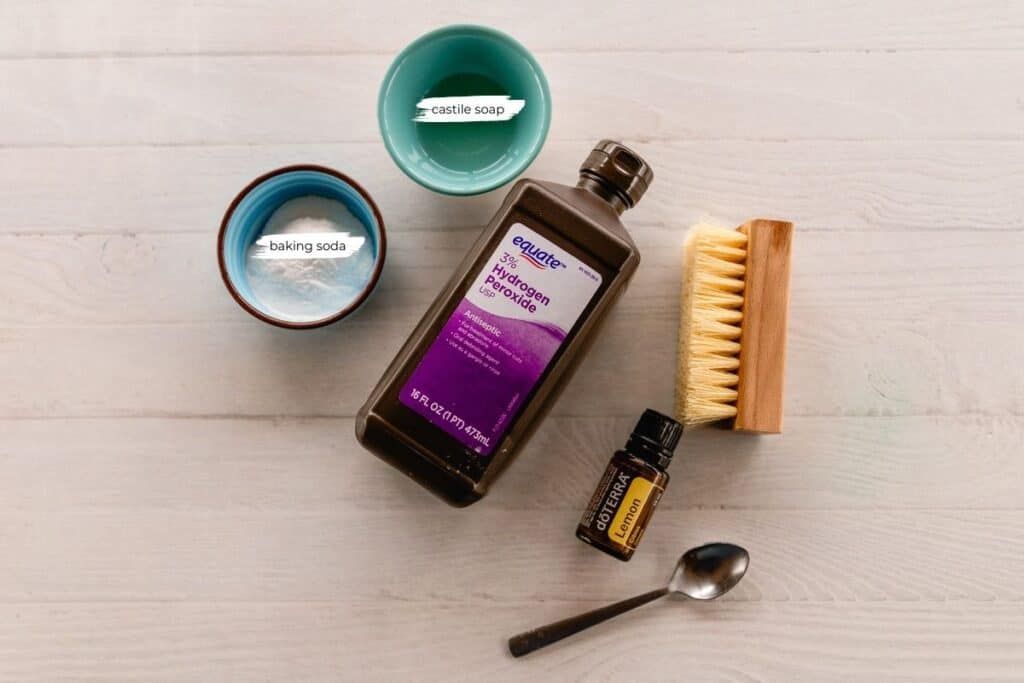
You don’t need to reach for harsh chemical cleaners to get great results. Many effective grout cleaning solutions come from ingredients you probably already have in your kitchen. Vinegar, baking soda, and hydrogen peroxide are excellent choices that work wonders on grout.
Vinegar is particularly powerful against mold and mildew. Its acidic properties break down organic matter and kill bacteria. Mix equal parts white vinegar and water in a spray bottle for a quick and easy solution. Apply it to the grout lines, let it sit for 10-15 minutes, then scrub gently with a small brush.
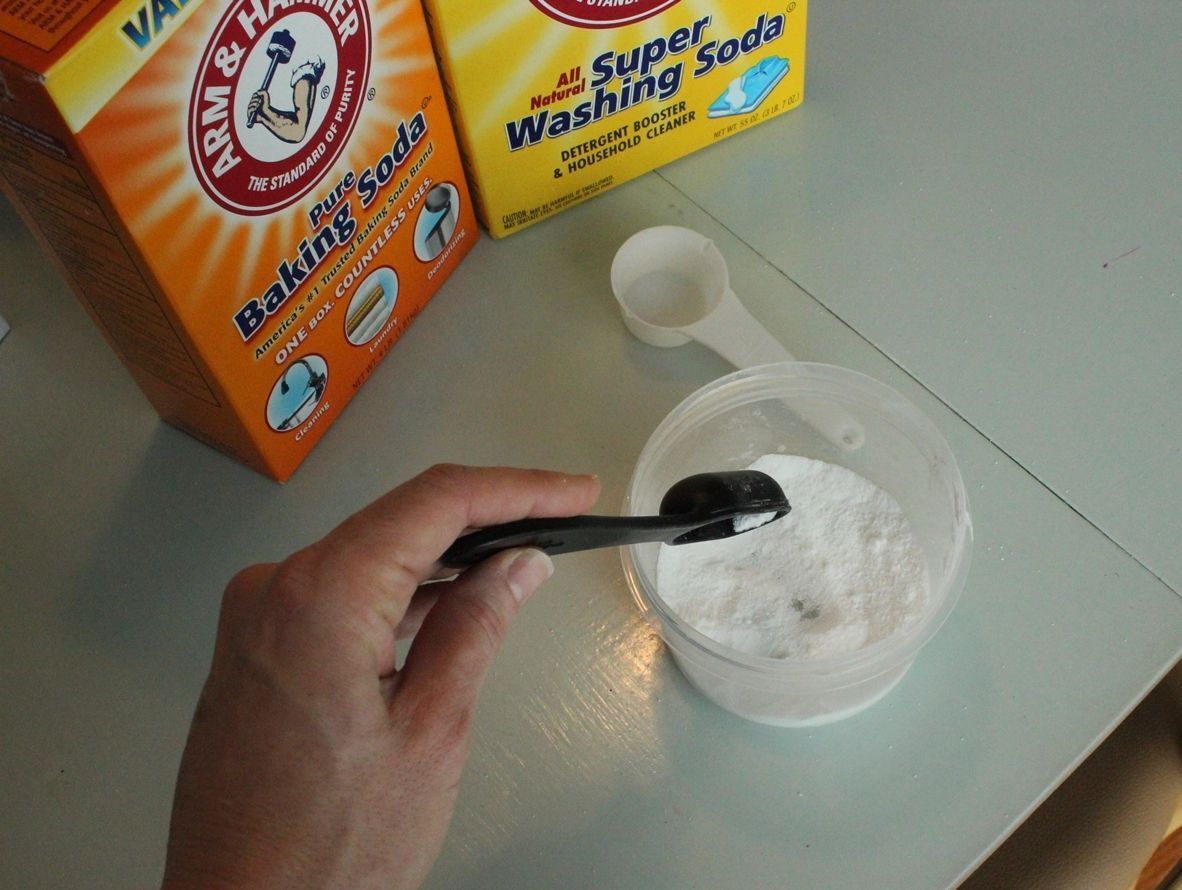
Baking soda acts as a gentle abrasive that removes surface stains without scratching tiles. Combine it with a little water to form a paste, apply it to problem areas, and scrub with a soft brush. This method works especially well for removing light discoloration and soap residue.
Hydrogen peroxide is another excellent option, particularly for whitening grout. Apply it directly to darkened areas, let it fizz and bubble, then wipe clean. The oxygen released during the reaction helps lift stains from the grout surface.
These natural solutions aren’t just safer for your family and pets – they’re also much more affordable than commercial products. Plus, they don’t leave behind toxic residues or strong odors that might linger in enclosed spaces like bathrooms.
Commercial Options That Are Safe and Effective
Sometimes you need something a bit stronger than natural remedies, and that’s where quality commercial products come in. The market offers many grout cleaners that are both effective and safe when used properly.
Look for products labeled as "safe for use on grout" or "non-toxic." These typically contain mild acids or enzymes designed specifically for cleaning porous materials. Many are concentrated formulas that you dilute according to instructions, which means you get better value for money.
When choosing commercial cleaners, pay attention to ingredients. Avoid products containing bleach if you have children or pets, as even diluted bleach can pose risks. Instead, opt for enzyme-based cleaners or those with citric acid, which are gentler alternatives.
Some popular brands offer products specifically designed for bathroom grout, which often include anti-microbial properties to prevent future mold growth. These tend to be more expensive but can save you time and effort in the long run.
Always read labels carefully before purchasing. Check for warnings about ventilation requirements, whether the product is safe for use around pets, and if it’s appropriate for your specific type of grout. Some products work better on certain grout colors, so it’s worth checking reviews or asking for recommendations based on your situation.
Step-by-Step Cleaning Process for Best Results
Cleaning grout effectively requires a systematic approach rather than just spraying anything and hoping for the best. Here’s a proven method that delivers consistent results:
First, sweep or vacuum the area to remove loose debris. This prevents you from pushing dirt deeper into the grout lines.
Next, prepare your cleaning solution. For routine maintenance, a mixture of baking soda and water works well. For tougher jobs, a vinegar solution or commercial cleaner following package directions is more appropriate.
Apply the solution generously to the grout lines. Let it dwell for the recommended time – usually 10-15 minutes. This allows the cleaning agent to penetrate and break down buildup.
Use a small stiff-bristled brush to scrub the grout lines thoroughly. Don’t be afraid to put some pressure on it – this is where the magic happens.
Rinse thoroughly with clean water. Some products require multiple rinses to ensure all residue is removed.
Finally, dry the area completely. This step is crucial for preventing water spots and helping grout look fresh.
This process might take a bit longer than just wiping with a cloth, but it produces much better results. The key is being patient and thorough rather than rushing through the steps.
Prevention Tips to Keep Grout Looking Fresh
Prevention is always better than cure, and this couldn’t be truer when it comes to grout maintenance. Regular care can dramatically extend the life of your grout and reduce the need for heavy-duty cleaning.
One simple practice that makes a huge difference is wiping down wet areas after use. This includes bathrooms and kitchens where moisture tends to accumulate. Water left sitting on grout lines can lead to staining and mold growth over time.
Consider applying a grout sealer periodically. This creates a protective barrier that repels water and stains. Most sealers need reapplication every 6-12 months depending on usage and the type of grout.
Keep your bathroom well-ventilated. Exhaust fans help remove moisture from the air, reducing the conditions that promote mold and mildew growth.
Regular cleaning with mild solutions can prevent buildup from becoming too severe. A monthly routine of light cleaning with a simple vinegar solution keeps grout looking fresh between major cleanings.
Also, don’t ignore small issues quickly. Address water stains, discoloration, or minor mold spots as soon as you notice them. What starts as a tiny problem can quickly become a major cleaning project if ignored.
Safety Considerations and When to Call Professionals
While most grout cleaning can be done safely at home, there are situations where professional help is warranted. When dealing with extensive mold infestations, particularly in older homes, it’s important to know when to seek expert assistance.
If you notice persistent musty odors or visible mold growth that won’t go away despite regular cleaning, professional remediation might be necessary. Some mold species can be dangerous, especially for people with respiratory issues.
Also consider hiring professionals for large-scale projects or if you’re uncomfortable handling potentially hazardous materials. They have specialized equipment and experience that can make difficult jobs much easier.
When cleaning, always ensure good ventilation. Even natural cleaners can produce fumes that might be irritating to sensitive individuals. Wear gloves to protect your skin, and keep cleaning supplies away from children and pets.
If you’re unsure about the safety of a particular cleaning method or product, don’t hesitate to consult with a professional. They can provide guidance tailored to your specific situation and help you choose the safest approach for your home.
Grout cleaning doesn’t have to be a daunting chore or a source of health concerns. With the right knowledge and approach, you can maintain clean, attractive grout lines using safe, effective methods that work for your home. Remember, the key lies in understanding your grout type, choosing appropriate cleaning solutions, and following proper procedures.
Whether you prefer natural remedies or commercial products, consistency in your approach will yield the best results. Prevention through regular maintenance is always more effective than trying to clean heavily stained grout later.
Don’t let dirty grout ruin your bathroom or kitchen aesthetics. Take control of your cleaning routine today and enjoy the satisfaction of a job well done. Your home will thank you, and you’ll feel more confident about maintaining those beautiful tile installations for years to come. The investment in proper grout care pays dividends in both appearance and peace of mind.