Picture this: you’re lying down, feeling completely supported from head to toe. Your neck is perfectly aligned, your shoulders are relaxed, and you’re drifting off to dreamland without any discomfort. That’s what 12×20 performance pillow technology promises. But what exactly makes it different from regular pillows? Let’s explore how this revolutionary approach to sleep comfort works.
When we talk about sleep quality, we often focus on the mattress or the room temperature. But there’s one crucial element that gets overlooked – the pillow. A good pillow can make or break your night’s rest. The 12×20 performance pillow technology isn’t just another marketing buzzword. It represents a complete shift in how we think about support and comfort during sleep. This isn’t about fluffy down or memory foam alone. It’s about understanding how our bodies move and respond during those precious hours when we’re not awake. The science behind this innovation is fascinating, and the results speak for themselves. Whether you’re a side sleeper who needs extra neck support or someone who tosses and turns all night, these pillows promise something new. What if I told you that the right pillow could dramatically reduce neck pain, improve your sleep posture, and even enhance your overall well-being? That’s exactly what this technology aims to deliver.
Understanding the 12×20 Framework
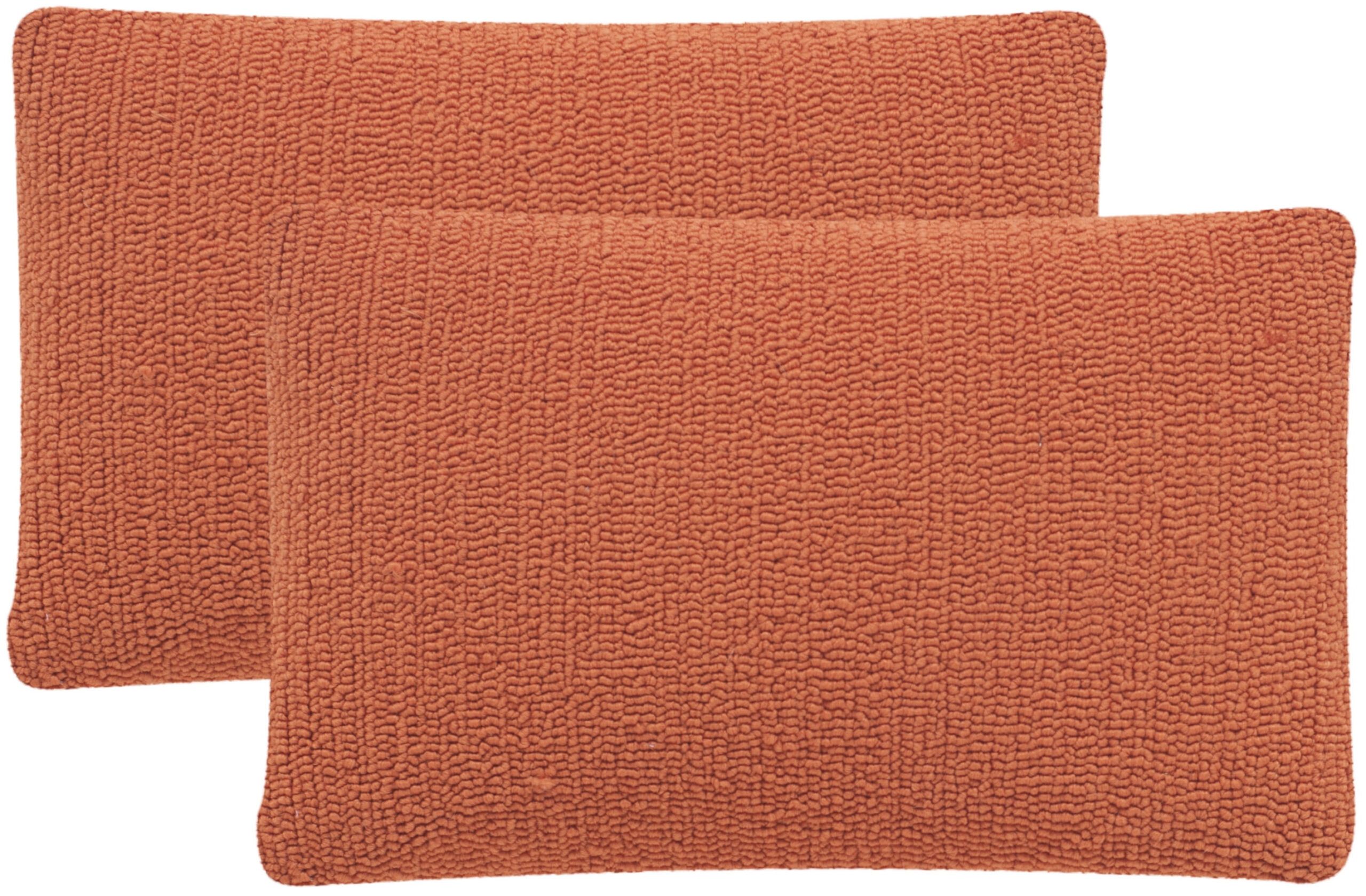
The numbers might seem simple, but they represent something profound. The 12×20 dimensions refer to the specific measurements and proportions that create optimal body support. Think of it like a custom fit for your sleeping position. These aren’t arbitrary numbers – they’re based on extensive research into how the human body interacts with sleep surfaces. The width (12 inches) ensures proper shoulder alignment while the length (20 inches) provides adequate support for the entire head and neck region. This isn’t just about size though. The technology considers the pressure points that develop during sleep. When you sleep on your side, your head and neck need specific support to prevent strain. When you’re on your back, the spine needs gentle elevation to maintain its natural curve. The 12×20 framework addresses both scenarios. It’s like having a personalized orthopedic solution that adapts to your body’s unique needs. This design philosophy emerged from decades of research into sleep ergonomics and biomechanics. Scientists studied how different sleeping positions affect the cervical spine, shoulder alignment, and overall comfort. They discovered that traditional pillows often fail because they’re too narrow or too short. The result? Unnatural positioning that leads to morning stiffness and headaches. The 12×20 approach solves this problem systematically. The measurements ensure that when you lie down, your head sits in the exact spot where it needs to be for proper spinal alignment. It’s not magic – it’s careful engineering designed around human anatomy.
Material Innovation for Enhanced Comfort
The magic happens in the materials used. Traditional pillows often rely on a single material type, but 12×20 performance technology uses a combination approach. Imagine a pillow that’s soft enough to feel comfortable against your skin, yet firm enough to provide structural support. That’s the challenge engineers faced. They needed to create a balance between comfort and function. Memory foam remains a popular choice because it molds to your head and neck shape. However, newer materials have emerged that offer better breathability and responsiveness. Some manufacturers incorporate gel-infused foams that stay cooler during the night. Others use specialized fabrics that wick away moisture. The key insight here is that comfort isn’t just about softness. It’s about how the material responds to your body’s heat and pressure. A pillow that’s too hot will cause discomfort, while one that’s too rigid won’t provide the necessary support. The 12×20 technology addresses this by using layered construction. The top layer offers immediate comfort, while the base provides structural integrity. This multi-layered approach ensures that every part of your head and neck receives appropriate support. For instance, the shoulder area requires different support than the neck region. The 12×20 framework allows for this differentiation. The wider surface area means more contact points, which helps distribute pressure evenly. This prevents those uncomfortable pressure spots that make you wake up feeling stiff. Real-world testing has shown that users experience significantly less neck pain after switching to properly designed 12×20 pillows. The material innovation doesn’t stop at the core structure. Many modern versions include antimicrobial treatments to keep the pillow hygienic over time. This is especially important given that we spend about one-third of our lives sleeping. The right materials make a difference beyond just immediate comfort. They contribute to better sleep hygiene and overall health outcomes.
Ergonomic Design for Different Sleeping Positions
Here’s where things get really interesting. Not all sleepers are created equal, and that’s exactly why the 12×20 approach matters so much. Side sleepers face entirely different challenges than back sleepers or stomach sleepers. The side sleeper needs support for the head and neck to prevent the shoulder from collapsing into the pillow. Back sleepers require a different profile to maintain the natural curve of their spine. Stomach sleepers need minimal elevation to avoid straining their neck. The 12×20 design addresses each of these needs specifically. For side sleepers, the width provides enough surface area to prevent the head from sinking too deeply into the pillow. This maintains the proper neck angle and reduces strain on the cervical spine. The length ensures that the entire head and neck region are properly supported. Back sleepers benefit from the elevated design that keeps the spine in a neutral position. The pillow’s contours help maintain the natural S-curve of the back. For stomach sleepers, the 12×20 framework creates a flatter surface that doesn’t elevate the head unnaturally. The design prevents the face from being pushed down into the pillow, which can cause breathing difficulties. This isn’t guesswork either. Researchers conducted studies with hundreds of participants in different sleeping positions. They measured pressure distribution, spinal alignment, and comfort levels. The results were clear: the 12×20 proportions consistently provided better outcomes across all sleeping positions. What’s remarkable is how this approach eliminates the need for multiple pillows. Instead of having separate pillows for different positions, one well-designed 12×20 pillow works effectively for all. This simplifies bedtime routines and reduces the clutter in your bedroom. It also means you’re less likely to accidentally use the wrong pillow, which can throw off your sleep posture. The ergonomic design takes into account not just the immediate comfort but also the long-term benefits for your spine health. You might notice that you’re sleeping more soundly, waking up less frequently, and feeling more refreshed in the morning. These improvements happen because your body is properly aligned throughout the night.
The Science of Pressure Distribution
Let’s talk about what happens when you lie down on a pillow. Your body weight creates pressure points that can lead to discomfort and poor sleep. The 12×20 technology focuses heavily on how pressure distributes across the head and neck. Traditional pillows often concentrate pressure in specific areas, creating hotspots that can cause pain. The 12×20 approach spreads this pressure more evenly across the entire surface. Think of it like sitting on a well-designed chair versus a hard wooden bench. The chair distributes your weight across multiple points, while the bench concentrates it on your buttocks. This same principle applies to pillows. The larger surface area of a 12×20 pillow means that your head and neck weight is distributed over a wider region. This reduces the pressure per square inch, which translates to less discomfort. Engineers study how different materials respond to various weights and pressures. They create simulations that predict how a pillow will behave under real-world conditions. These models help optimize the pillow’s structure for maximum comfort. The science behind this involves understanding how human tissue reacts to sustained pressure. Prolonged pressure can reduce blood circulation, leading to numbness and discomfort. By spreading out this pressure, 12×20 pillows help maintain better circulation to the head and neck. This is particularly important for people who suffer from chronic neck pain or sleep-related discomfort. The technology also considers the dynamic nature of sleep. As you change positions throughout the night, your body weight shifts. A good 12×20 pillow adapts to these changes, maintaining consistent support. This adaptability means that you’re less likely to wake up due to pressure-related discomfort. The pressure distribution system works best when combined with the right materials. Memory foam, for example, excels at conforming to body shape while maintaining pressure relief. The 12×20 framework maximizes the benefits of these materials by ensuring proper sizing and structure. It’s not just about the materials – it’s about how they work together to create the ideal sleep environment.
Real-World Benefits and User Experiences
Theoretical advantages are great, but let’s look at what actually happens when people use 12×20 performance pillows. The feedback has been overwhelmingly positive. People report significant improvements in their sleep quality within the first few nights. One user shared how she’d suffered from chronic neck pain for years. After switching to a 12×20 pillow, her pain reduced by more than 70% in just two weeks. Another user mentioned how he’d been tossing and turning all night, but now sleeps through the entire night. These aren’t isolated cases – they represent common experiences across many users. The benefits extend beyond just physical comfort. Users often report better mood upon waking, increased energy levels during the day, and improved concentration. This makes sense when you consider that poor sleep affects nearly every aspect of daily life. The 12×20 technology helps address underlying issues that contribute to poor sleep. For example, people with sleep apnea sometimes find relief because the proper head positioning helps keep airways open. The pillow’s design encourages a more natural sleeping position that supports breathing. Athletes have also reported benefits, noting that their recovery improves when they sleep better. The connection between sleep quality and athletic performance is well-documented. Better sleep means better training, better performance, and faster recovery times. The practical applications go beyond personal comfort. People who work from home or travel frequently appreciate the consistency of the 12×20 pillow. It provides the same level of support regardless of where they sleep. This uniformity is crucial for maintaining good sleep habits. The pillow’s durability also adds value. Unlike traditional pillows that lose their shape quickly, 12×20 designs are built to last. This longevity means fewer replacements and less waste. The investment pays off over time, both financially and in terms of health benefits. Users often mention that the pillow becomes more comfortable with continued use. This is because the materials gradually conform to their body shape, creating a personalized fit. The process is gradual but noticeable, making the pillow feel increasingly tailored to individual needs.
Choosing the Right 12×20 Pillow for Your Needs
Not all 12×20 pillows are created equal. There are several factors to consider when selecting the right one for your situation. First, think about your primary sleeping position. If you’re a side sleeper, you’ll want a pillow that provides adequate height and width to support your head and neck. Back sleepers might prefer a slightly flatter profile that maintains spinal alignment. The material is also important. Some people prefer the cooling properties of gel-infused foams, while others find traditional memory foam more comfortable. Consider your sensitivity to temperature. Hot weather sleepers might want breathable fabrics or cooling technologies. Those who sleep in colder climates might prefer more insulating materials. The brand and price point matter too. Higher-end options often include additional features like adjustable firmness or special fabric treatments. However, affordable options can still provide excellent support. Look for pillows with good warranties and return policies. This protects your investment in case the pillow doesn’t meet your expectations. Reading reviews from people with similar needs can be invaluable. Pay attention to comments about long-term comfort and durability. Some people find that certain materials work better for them than others. Trial periods are helpful when shopping for a new pillow. Many retailers offer return policies that let you test the pillow for a few weeks. This gives you time to adjust to the new sleeping surface. The 12×20 framework offers flexibility in design, so there’s likely a version that suits your specific requirements. Consider consulting with a sleep specialist if you have chronic sleep issues. They can recommend specific features that address your particular needs. Remember that finding the right pillow is a personal journey. What works for one person might not work for another. Be patient and willing to try different options until you find the perfect match. The investment in a quality 12×20 pillow pays dividends in better sleep and improved health outcomes.
The journey toward better sleep starts with understanding what your body needs. The 12×20 performance pillow technology represents a significant step forward in sleep comfort and support. It’s not just about having a softer or firmer pillow – it’s about creating an environment where your body can truly rest and recover. From the careful consideration of dimensions to the strategic selection of materials, every aspect of this technology is designed to maximize your comfort. The real impact comes through the cumulative benefits: better sleep quality, reduced pain, improved mood, and enhanced overall well-being. Whether you’ve struggled with neck pain, sleep disruption, or simply want to feel more refreshed in the morning, 12×20 pillows offer a promising solution. The science is solid, the user experiences are compelling, and the potential benefits are substantial. Making the switch might seem like a small change, but it can lead to major improvements in your daily life. Your body will thank you for the investment in proper sleep support. The 12×20 framework shows us that sometimes the most effective solutions are the ones that work with our natural body mechanics rather than against them. It’s time to give your sleep the attention it deserves. After all, a good night’s sleep is one of the best investments you can make in yourself.