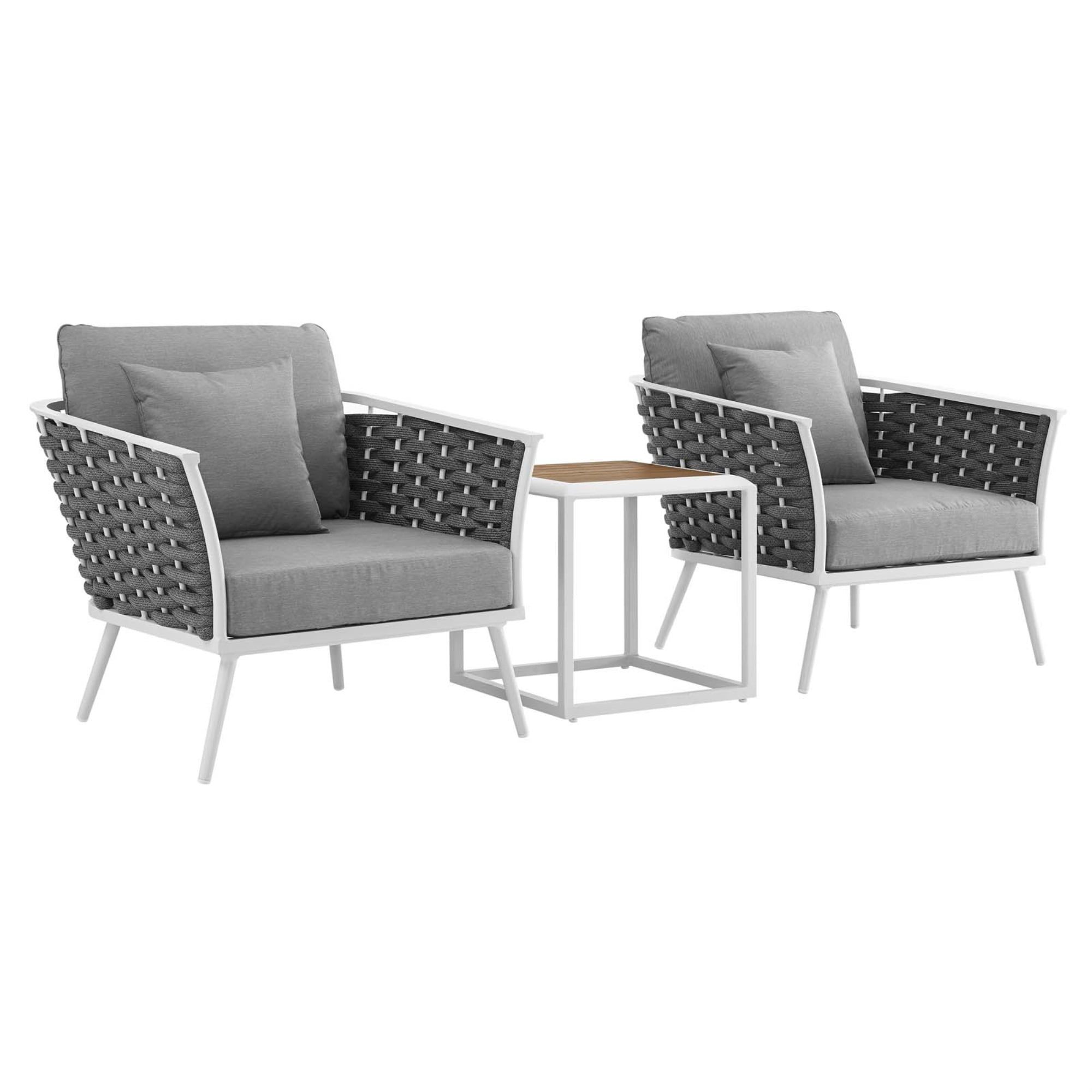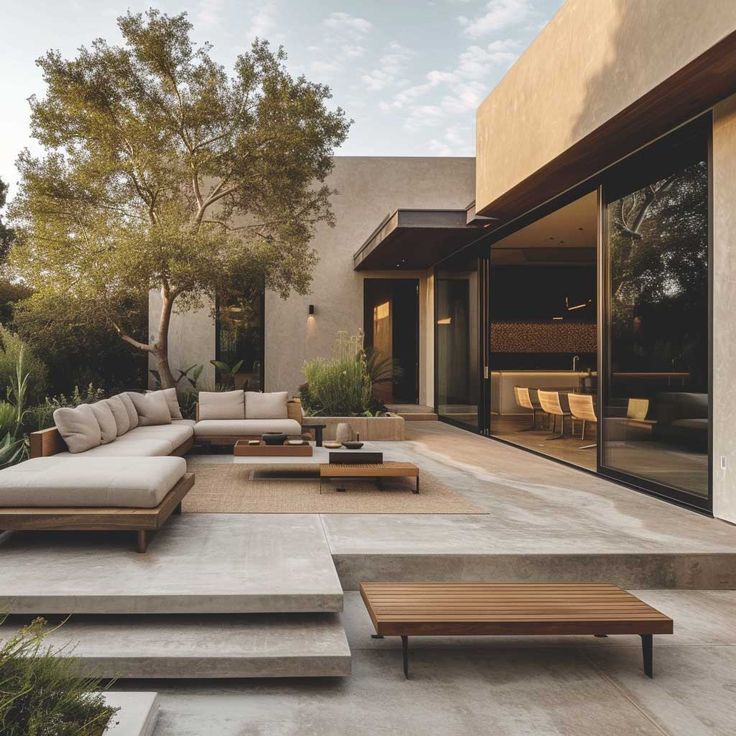
Picture this: You’ve invested in beautiful aluminum patio furniture, maybe even a whole collection. You want it to last through many seasons, through rain and shine, through decades of outdoor entertaining. But how do manufacturers know their aluminum patio sets will actually hold up? What exactly goes into testing these pieces for long-term durability? This is the story of how aluminum furniture gets its reputation for lasting.
When you think about outdoor furniture, aluminum often comes to mind for good reasons. It’s lightweight, rust-resistant, and looks great in any backyard. But what really makes aluminum patio furniture special isn’t just its appearance – it’s how well it holds up over time. We all want our outdoor investments to pay off, right? That means we need to understand how manufacturers ensure their aluminum patio sets will be around for years to come. Think about it – you’re spending money on something that will see constant weather exposure, daily use, and perhaps some rough handling. How does aluminum manage to stay strong under all those conditions? Let’s find out together.
The Science Behind Aluminum’s Strength
Aluminum might seem light, but it’s actually quite sturdy when properly treated and engineered. The key lies in the alloys used and the manufacturing processes. Most patio furniture uses 6000 series aluminum alloys, which contain silicon and magnesium. These elements combine to make the metal stronger than pure aluminum. When manufacturers choose the right alloy, they’re essentially creating a foundation that can handle stress and environmental challenges.
Think of it like building a house. You wouldn’t use just any wood, would you? You’d pick the right type that can handle weather and weight. Aluminum works the same way. The alloying process changes the metal’s molecular structure, making it much more resistant to corrosion and physical damage. Some manufacturers add extra treatments like anodizing or powder coating to boost this protection even further.
A typical aluminum patio set might use different alloys for different parts. The main frame might use a harder alloy, while decorative elements could use something slightly softer. It’s like having different tools for different jobs – each part designed for its specific role.
Environmental Stress Testing
Testing aluminum patio furniture for long-term durability means putting it through extreme conditions that mimic years of outdoor exposure. This isn’t just about dropping a chair from a height. It’s about understanding how materials behave when faced with constant challenges.
One major test involves salt spray exposure. Manufacturers place furniture samples in chambers filled with salt water mist for hundreds of hours. Why salt? Because coastal environments are harsh on metal, and salt accelerates corrosion. After this test, engineers inspect for any signs of rust or weakening. If a piece fails, it means the manufacturer needs to adjust their materials or protective coatings.
Temperature cycling is another crucial test. Furniture goes through repeated heating and cooling cycles, simulating everything from scorching summer days to freezing winter nights. This helps identify weak spots in joints and connections that might fail when expanding and contracting due to temperature changes.
Humidity tests also play a role. High moisture levels can cause problems, especially in areas where furniture sits frequently. These tests check for warping, cracking, or other damage caused by moisture absorption over time.
Mechanical Load Testing
Durability isn’t just about weather resistance. It’s also about being able to handle real-world use. That means putting pressure on aluminum furniture to see how it performs under stress. Engineers test seats, tables, and chairs by applying weights that simulate human body weight and movement.
A standard test might involve placing 300 pounds on a chair seat for several hours. This stresses the frame and joints to see if they can maintain structural integrity. Sometimes they even test for impact loads – dropping objects on furniture or applying sudden force to simulate kids playing or accidental bumps.
Another important aspect is fatigue testing. This means repeatedly applying forces to the same points over thousands of cycles. Think about how often you sit in your patio chair – it’s not just one load, but many small loads over time. Fatigue testing mimics this by repeatedly stressing joints and connection points.
Some manufacturers also test how furniture handles regular use scenarios. They might simulate someone standing up and sitting down repeatedly, or moving furniture around. These tests help ensure that the aluminum won’t bend or break under normal household activity.
Coating and Finishing Durability
While the aluminum itself provides strength, the surface treatment is equally important. Many aluminum patio sets come with various finishes – from simple powder coating to more elaborate anodized surfaces. These coatings protect against UV rays, scratches, and general wear.
Powder coating, for example, creates a tough protective layer that resists fading and chipping. The process involves applying electrostatically charged powder and then baking it to create a hard finish. Quality powder coating can last decades without significant degradation.
Anodizing is a different approach entirely. It’s a chemical process that creates a protective oxide layer on the aluminum surface. This process makes the metal more durable and gives it a matte or glossy finish depending on the treatment. Anodized aluminum is particularly good at resisting corrosion and maintaining its appearance over time.
Manufacturers test these finishes by exposing them to UV radiation, chemicals, and abrasion. They want to make sure that after years of sun exposure, the color stays vibrant and the surface remains intact. A good coating system can mean the difference between furniture that needs replacing every few years versus furniture that lasts for generations.
Real-World Usage Simulation
Laboratory tests are important, but nothing beats seeing how furniture performs in actual homes. This is where real-world testing comes in. Manufacturers sometimes loan prototype furniture to homeowners or install test sets in public spaces to observe performance over time.
These tests look at how furniture behaves in actual conditions. Do people treat it roughly? Does it get exposed to chemicals from pool water or garden fertilizers? How does it handle being moved around seasonally?
Some companies also partner with outdoor living experts and lifestyle bloggers to gather feedback on how furniture performs during extended use. These real users often spot issues that laboratory tests might miss – like how a particular chair handles uneven ground or how a table reacts to heavy items.
Seasonal variations matter too. Furniture might be tested during different months to see how temperature, humidity, and sunlight affect it. Some manufacturers track their products through multiple seasons to understand how they age naturally. This kind of testing helps identify problems before they become widespread issues.
The feedback from real users is invaluable. It shows manufacturers what aspects of their furniture work well and where improvements are needed. This is where the true test of long-term durability happens – not in a controlled lab, but in actual homes and backyards.
Quality Control and Standards
Every manufacturer follows certain standards when testing their aluminum patio furniture. These aren’t just arbitrary rules – they represent industry knowledge built over decades. The American Society for Testing and Materials (ASTM) and similar organizations have created specific guidelines for testing outdoor furniture.
Standards cover everything from minimum thickness requirements to acceptable tolerances in manufacturing. For instance, there are standards for how thick aluminum should be in different parts of a chair or table. Too thin, and it might bend easily. Too thick, and it becomes heavy and expensive.
Quality control teams examine every stage of production. They check raw materials, monitor manufacturing processes, and test finished products. This systematic approach ensures that each piece meets the required specifications. Any deviation from standards triggers investigation and correction.
Certification programs also play a role. Some furniture collections earn certifications that guarantee they meet specific durability standards. These certifications often include guarantees about how long furniture should last under normal conditions. They provide consumers with confidence that their investment is protected.
The goal isn’t perfection – it’s consistency. Every piece should perform similarly, which means manufacturers must maintain strict quality control throughout the entire production process. When this works well, customers get reliable products that live up to expectations.
So what does all this testing really tell us about aluminum patio furniture? It tells us that these pieces aren’t just random products – they’re carefully engineered and rigorously tested to last. From choosing the right alloys to simulating years of outdoor use, manufacturers take great care to ensure their aluminum furniture can handle whatever life throws at it. The real beauty of this process is that it’s invisible to most consumers. You don’t need to know about salt spray tests or fatigue cycles to enjoy your patio set. But knowing that these pieces have been put through such thorough testing gives you peace of mind. When you invest in quality aluminum patio furniture, you’re investing in something that’s designed to be part of your outdoor lifestyle for years to come. Whether it’s hosting summer barbecues or simply enjoying quiet evenings outdoors, your aluminum furniture has been built to support those moments. That’s what makes it truly durable – not just the material, but the thoughtful process behind its creation.