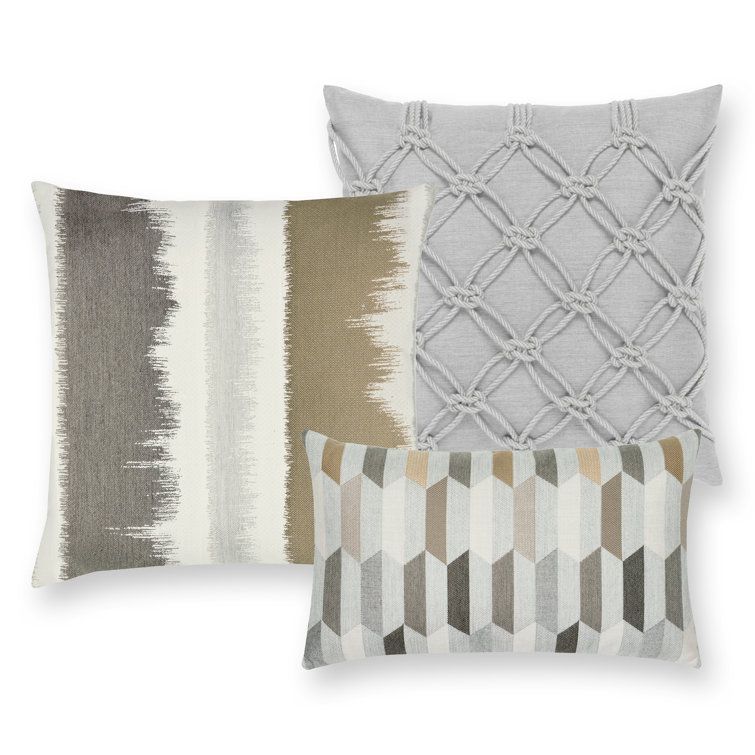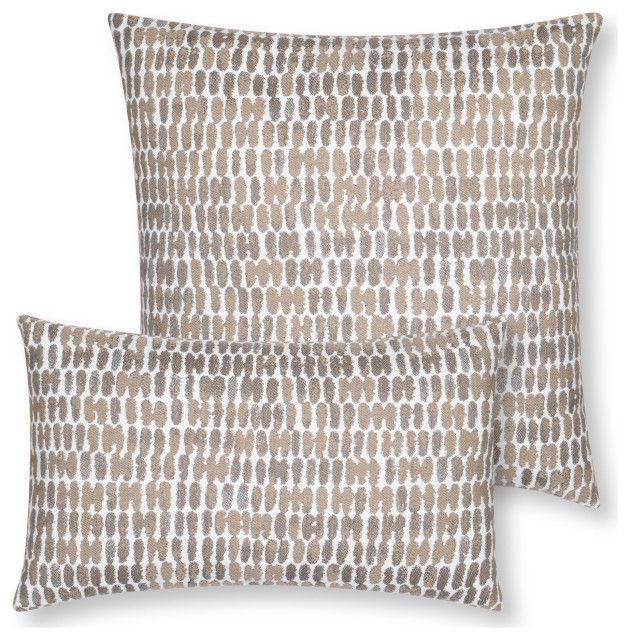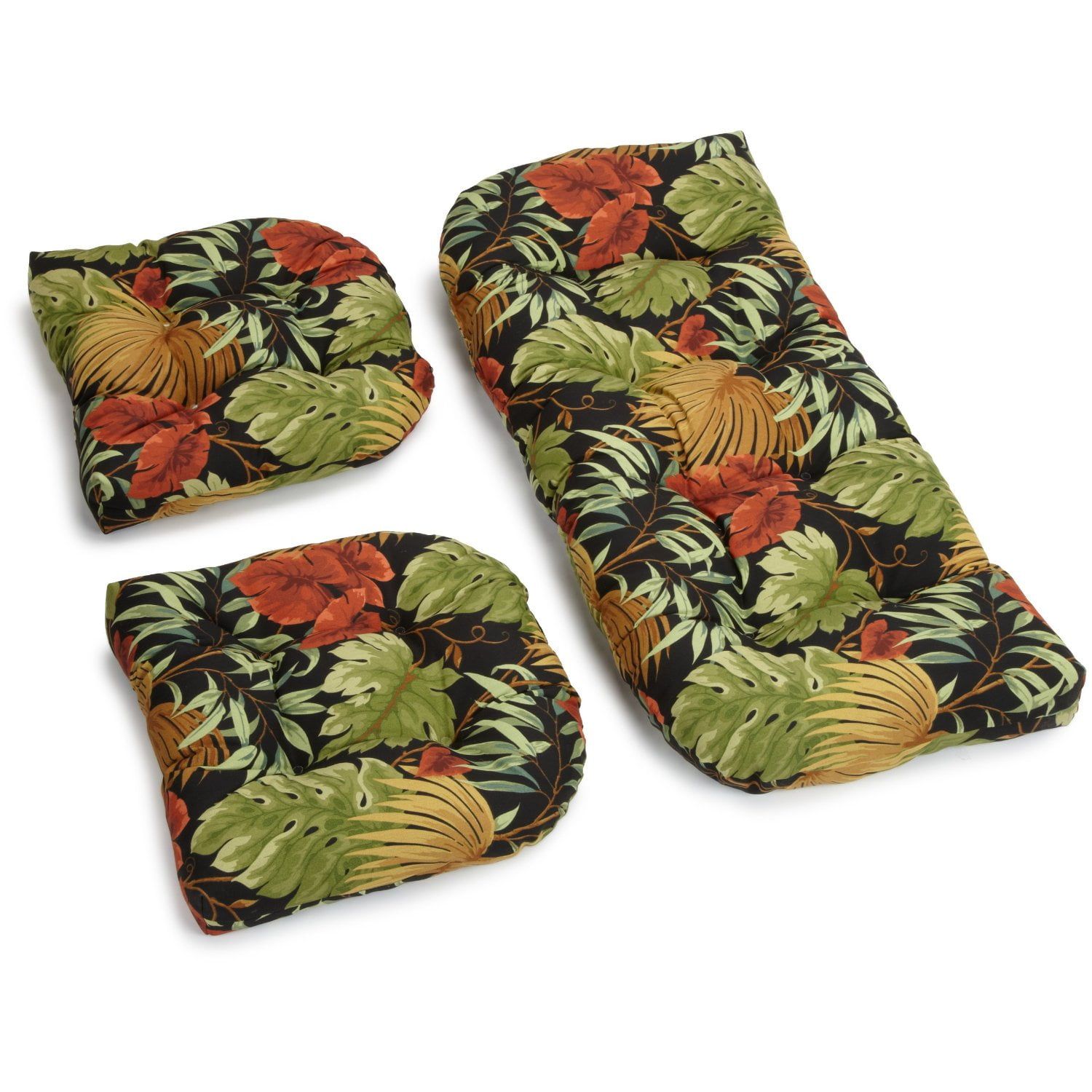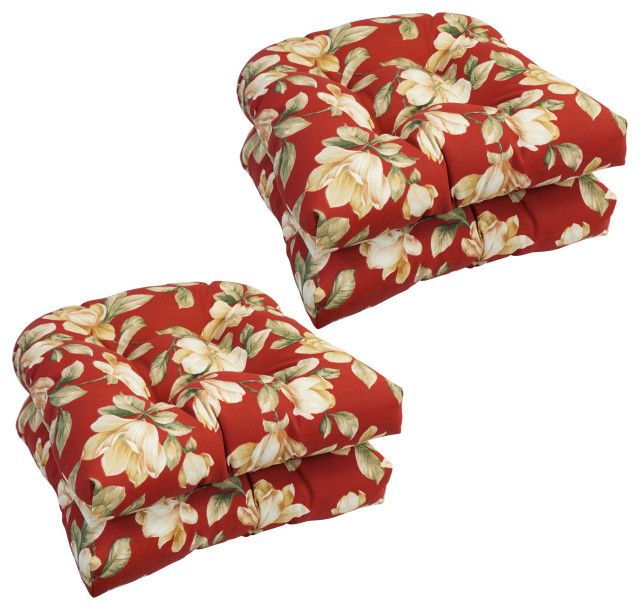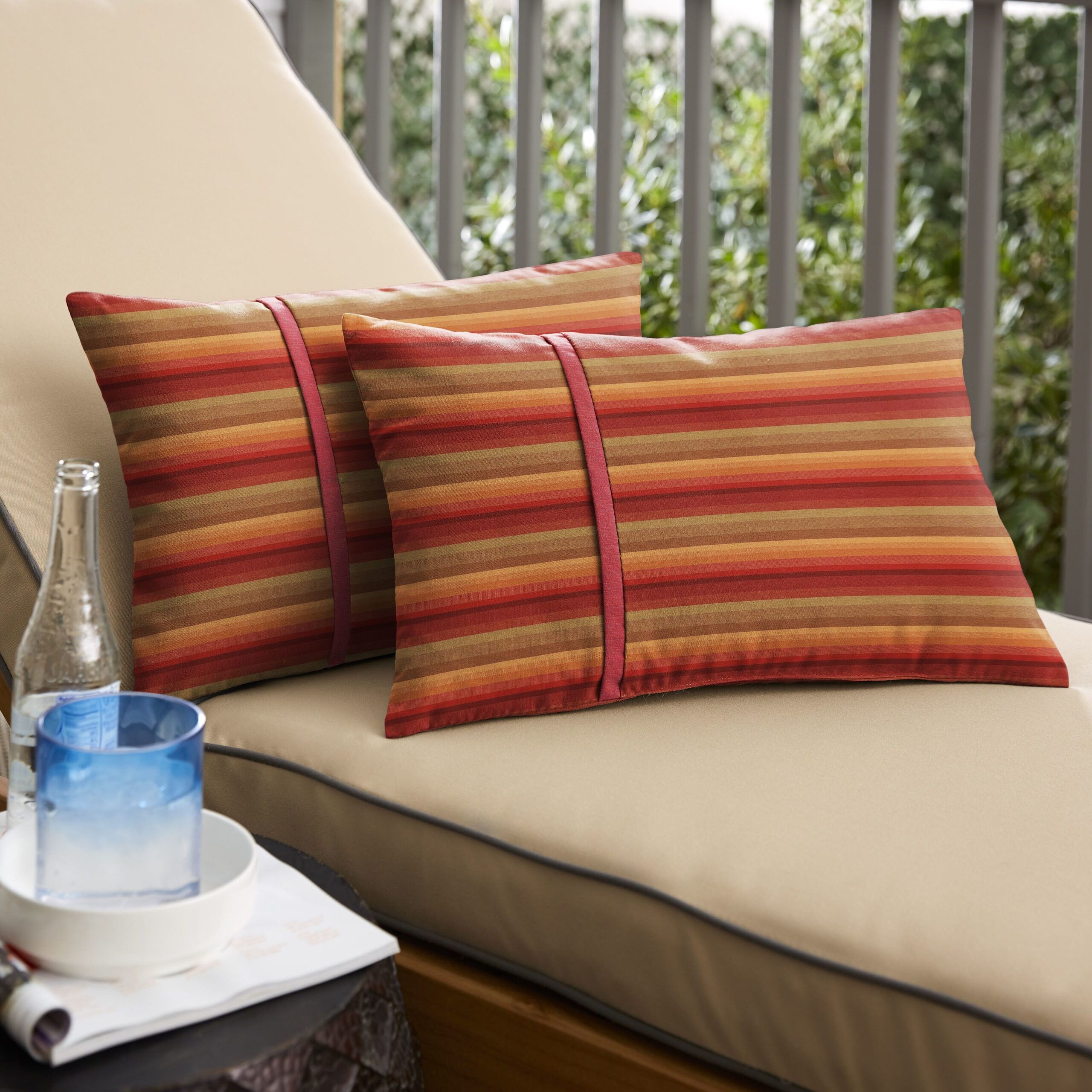
When you think about a pillow, you probably picture something soft and comforting. But what if I told you that the average pillow contains layers of carefully crafted science designed to work in every environment? From high-altitude flights to humid tropical climates, the right pillow construction can make all the difference between a good night’s sleep and a restless one. This isn’t just about comfort—it’s about performance.
Let’s face it, we all have those nights when our heads feel like they’re floating in space or sinking into quicksand. The secret often lies not in the pillow itself, but in how it’s constructed. The science behind performance pillow design is fascinating because it addresses the fundamental challenges of sleep quality across different environments. Whether you’re traveling at 30,000 feet or dealing with extreme weather conditions, the right pillow can be your best ally for restful sleep. What if I told you that understanding how pillows are made could transform your sleep experience?
The Anatomy of a Performance Pillow
Think of a performance pillow like a well-engineered building. It’s not just about the materials used, but how they work together. The outer layer typically consists of breathable fabrics that wick away moisture. The core layer contains specialized fill materials that provide support and pressure distribution. The bottom layer ensures durability and maintains shape over time.
Modern performance pillows often incorporate multiple materials working in harmony. For example, memory foam might be combined with latex to balance pressure relief and responsiveness. The science here isn’t just about softness—it’s about creating the perfect balance between support and comfort. Some manufacturers even add phase-change materials that adapt to body temperature.
Consider this: when you’re flying, your body temperature can fluctuate wildly. A good pillow construction helps regulate this. When you’re sleeping in a hot climate, the right materials can keep you cool. The key is understanding how each component contributes to overall performance rather than just focusing on one aspect.
Temperature Control and Climate Adaptation
One of the biggest challenges in pillow design is managing heat transfer. This becomes especially important when you’re dealing with varying environmental conditions. Scientists have discovered that the ideal pillow should allow for proper airflow while maintaining the right amount of insulation.
In hot climates, the challenge is preventing overheating. Many modern pillows use open-cell foam structures that promote air circulation. Some even feature cooling gels or phase-change materials that absorb excess heat. These materials can actually shift from solid to liquid state as temperature changes, absorbing energy in the process.
For cold environments, the focus shifts to retention of warmth without compromising breathability. Manufacturers often layer different insulating materials or use materials with natural thermal properties. Wool, for instance, is excellent at regulating temperature because it naturally repels moisture while keeping you warm.
What happens when you’re in a room with fluctuating temperatures? The science shows that the best pillows maintain their performance characteristics regardless of whether it’s 80 degrees or 40 degrees. This means understanding thermal dynamics is crucial to good pillow construction.
Support and Pressure Distribution Systems
This is where the real magic happens. A performance pillow isn’t just about comfort—it’s about proper spinal alignment and pressure distribution. The human body has specific needs when it comes to head and neck support.
The science of pressure distribution involves understanding how weight affects different areas of the body. When lying on your back, your head and neck require different support than when you’re on your side. Some pillows use graduated density systems where the center is firmer and edges are softer. This creates a natural cradle effect.
Advanced designs consider the biomechanics of sleep positions. Side sleepers need more elevation to keep the spine aligned, while back sleepers benefit from a flatter profile. The key is creating a pillow that adapts to your natural sleeping position without forcing you into an uncomfortable posture.
Real-world testing reveals that the most effective pillows have a combination of materials that respond to your body’s unique requirements. Memory foam responds slowly to pressure, giving time for the material to adjust to your head shape. Latex provides immediate support and quick recovery. The combination works better than either material alone.
Have you ever noticed how some pillows seem to know exactly where you need support? That’s the result of careful engineering.
Durability and Longevity Considerations
Performance pillows aren’t just about immediate comfort—they’re about lasting value. The materials used must withstand regular use while maintaining their structural integrity. This requires understanding material fatigue and wear patterns.
Foam-based pillows undergo stress cycles that can affect their performance over time. The key is selecting materials that resist compression and maintain their shape. High-density foams are often used for this reason. They may cost more initially, but they offer better long-term performance.
Fabric choices also play a critical role in durability. Breathable fabrics like cotton or bamboo fiber tend to last longer than synthetic alternatives. They’re less prone to developing odors and can handle repeated washing without degrading.
Manufacturers test pillows under extreme conditions to ensure they meet performance standards. This includes simulating thousands of hours of use in controlled environments. The goal is to create pillows that look and function like new after years of regular use.
But here’s the thing—many people replace their pillows too early. Often, they’re not aware that a pillow’s performance can decline significantly within just a few months. Understanding what makes a pillow last helps you make smarter purchasing decisions.
Environmental Impact and Sustainable Materials
Today’s consumers are increasingly concerned about sustainability, and pillow manufacturing reflects this awareness. The industry has moved toward using eco-friendly materials and processes that reduce environmental impact.
Natural materials like organic cotton, wool, and latex are gaining popularity. These materials are renewable and biodegradable, unlike many synthetic alternatives. However, the production process matters just as much as the materials themselves.
Some manufacturers now use recycled materials in their construction. Recycled polyester filling can come from plastic bottles, reducing waste while maintaining performance. Even the manufacturing process is being refined to reduce water usage and chemical runoff.
The science of sustainable pillow construction also involves considering end-of-life disposal. Some companies now offer take-back programs where old pillows are recycled properly. Others design pillows to be easily disassembled for recycling components separately.
What’s particularly interesting is how sustainable materials can sometimes outperform traditional options. Organic cotton, for instance, often provides better breathability than conventional cotton, and natural latex offers superior resilience compared to synthetic alternatives.
It’s not just about being green—it’s about creating products that last longer and perform better while being kinder to our planet.
Testing and Quality Assurance Protocols
Before any pillow reaches store shelves, it goes through rigorous testing. These tests simulate real-world conditions and measure various performance metrics. The science behind this testing is quite sophisticated.
Laboratory tests evaluate factors like compressive strength, recovery rate, and thermal regulation. Some companies even simulate the experience of different sleep positions and body types. This helps them understand how their product will perform for diverse users.
Real-world testing involves gathering feedback from actual users. Companies often partner with sleep clinics or conduct user studies to validate their claims. The results help refine the design before mass production.
Certifications from independent organizations add credibility to performance claims. These certifications verify that pillows meet specific standards for safety, comfort, and durability. They’re particularly important for medical-grade pillows that claim therapeutic benefits.
One surprising finding from testing is that people’s expectations often differ from reality. Many consumers believe they want a very firm or very soft pillow, but testing reveals that the sweet spot is often somewhere in the middle. The science shows that individual preferences vary widely, but there are common patterns in what works best.
The next time you reach for a pillow, remember that it’s the result of decades of scientific research and engineering. Every layer, every material choice, and every design decision has been made to optimize performance across different environments. The science behind performance pillow construction is constantly evolving, with new materials and techniques emerging regularly.
Understanding this complexity can help you make better choices when selecting a pillow. It’s not just about personal preference anymore—it’s about choosing a product that will truly support your sleep needs. Whether you’re traveling, living in a climate-controlled environment, or simply trying to improve your sleep quality, the right pillow construction can make a significant difference.
The future of pillow technology continues to advance, incorporating smart materials and even sensors that monitor sleep patterns. But at its core, the fundamental principles remain the same: support, comfort, temperature regulation, and durability. These are the pillars that define what makes a pillow truly performant, no matter where you are or what conditions you’re facing. So take a moment to appreciate the science behind something so simple—and perhaps consider upgrading your pillow choice based on what you’ve learned.
![Can Camels Live In Tropical Environments? [Camel Q&A] - Youtube in Chiseled Camel Indoor/Outdoor Performance Pillow, 20"X20"](https://dahomengarden.com/wp-content/uploads/2025/10/can-camels-live-in-tropical-environments-camel-qa-youtube-in-chiseled-camel-indoor-outdoor-performance-pillow-20x20-1.jpg)