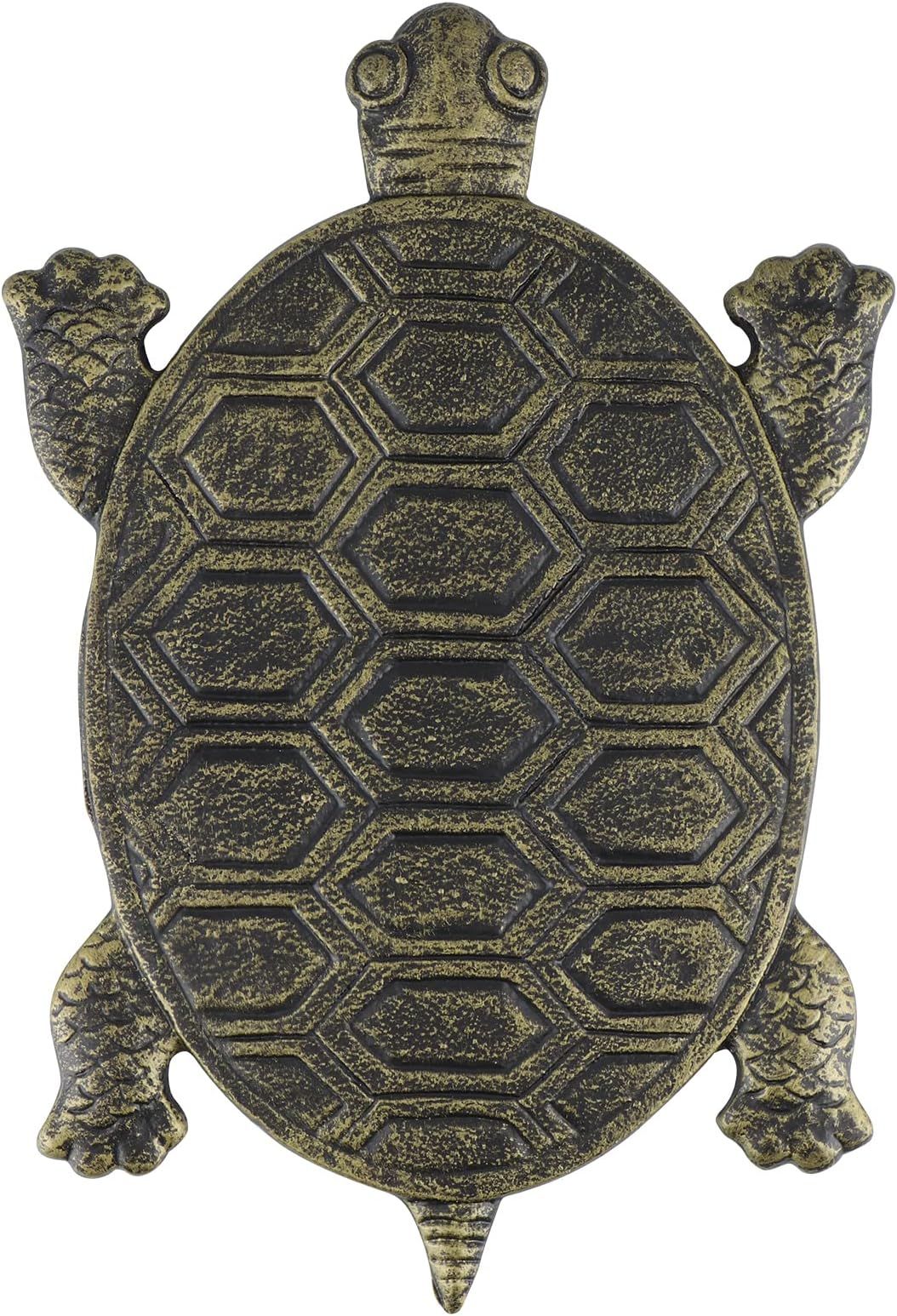
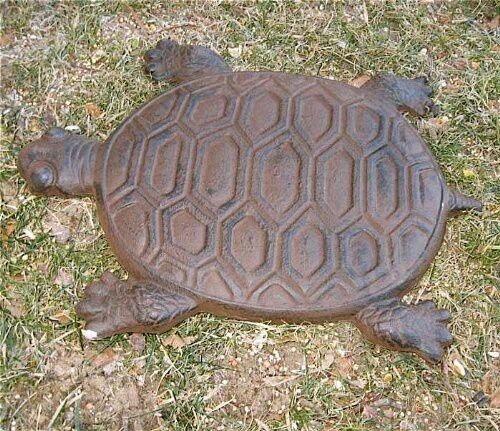
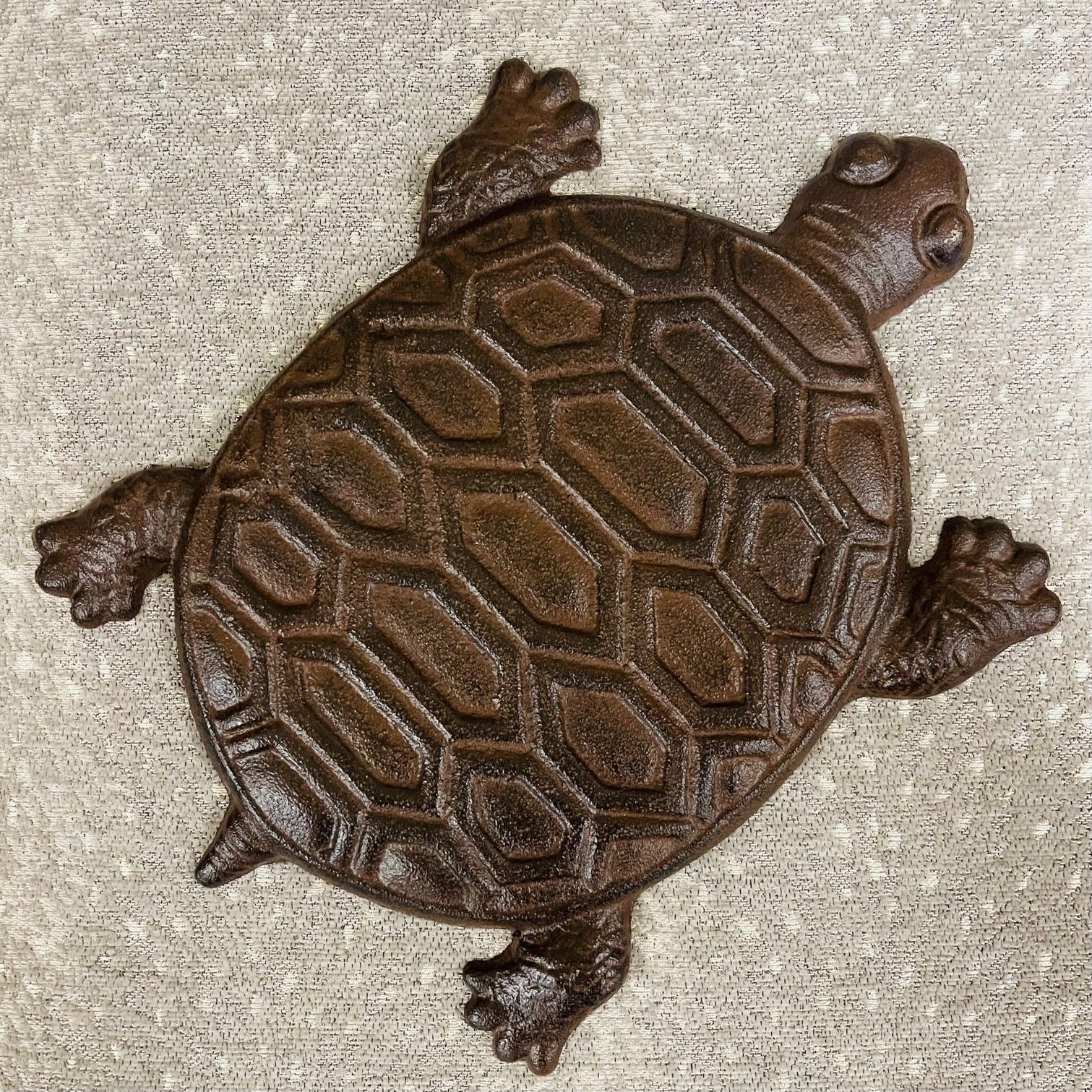
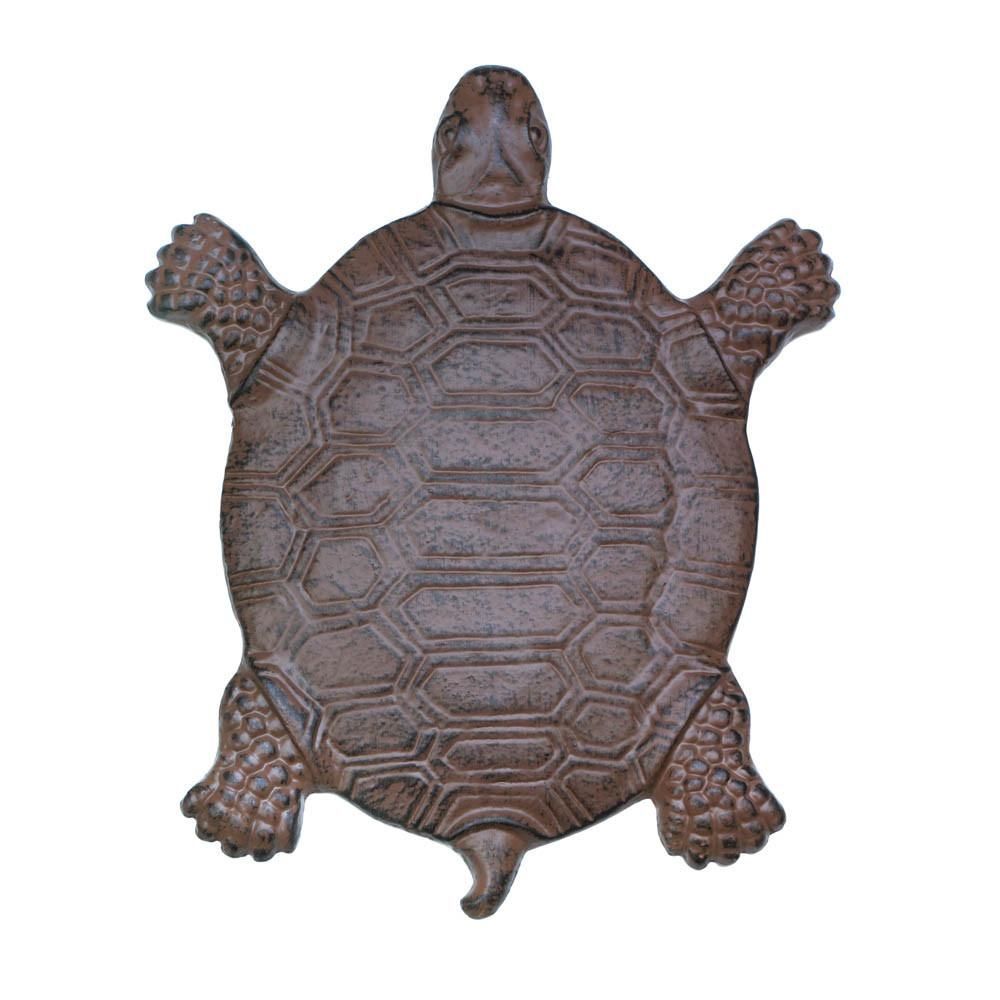
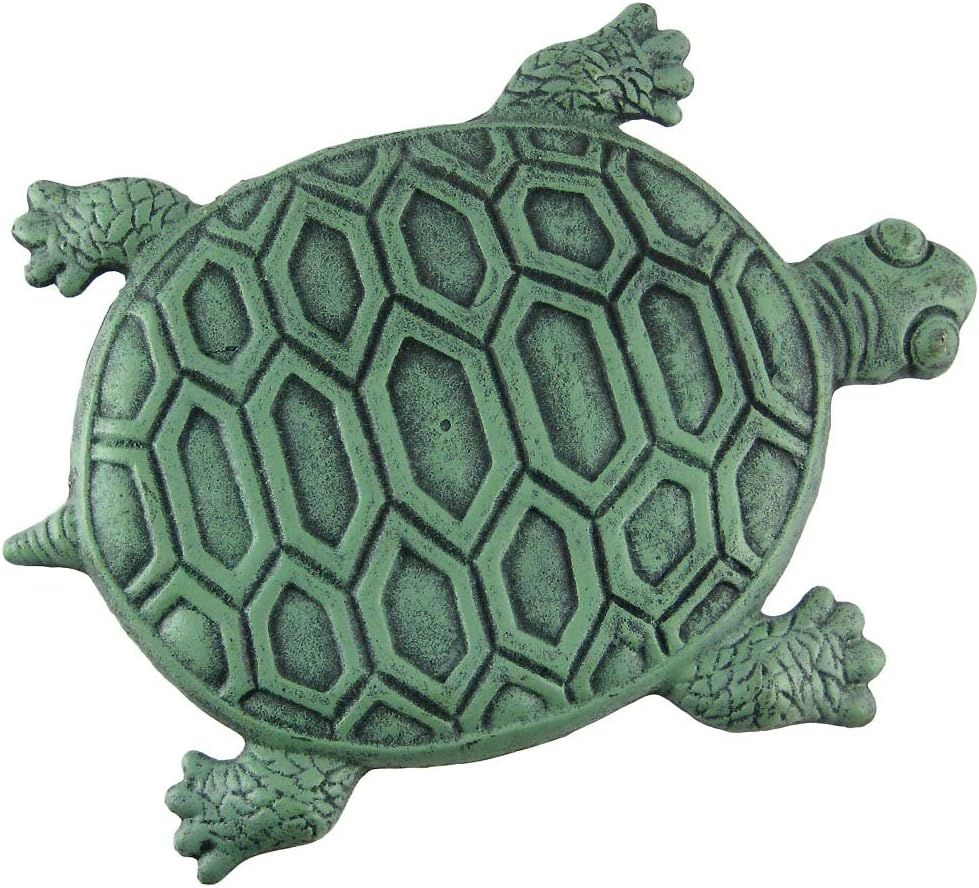
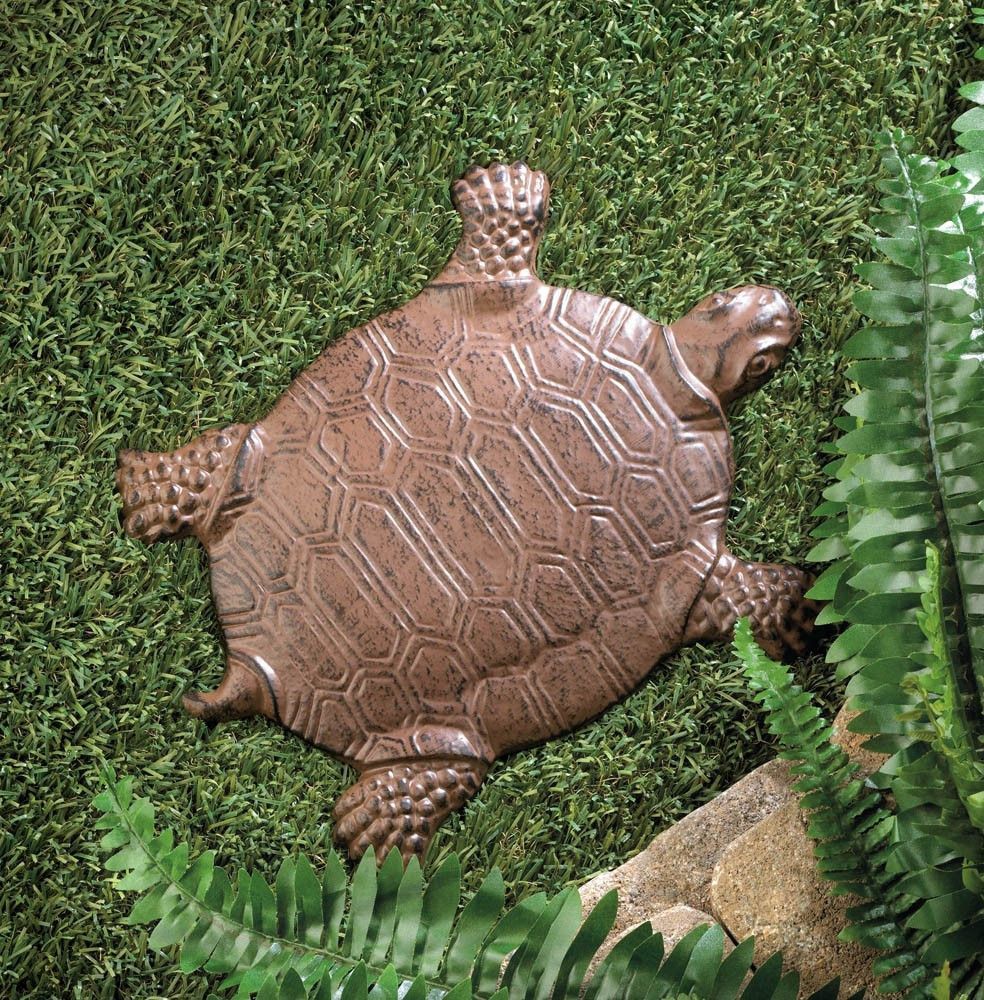
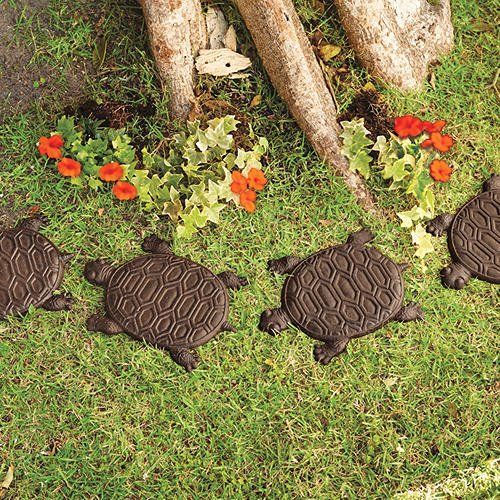
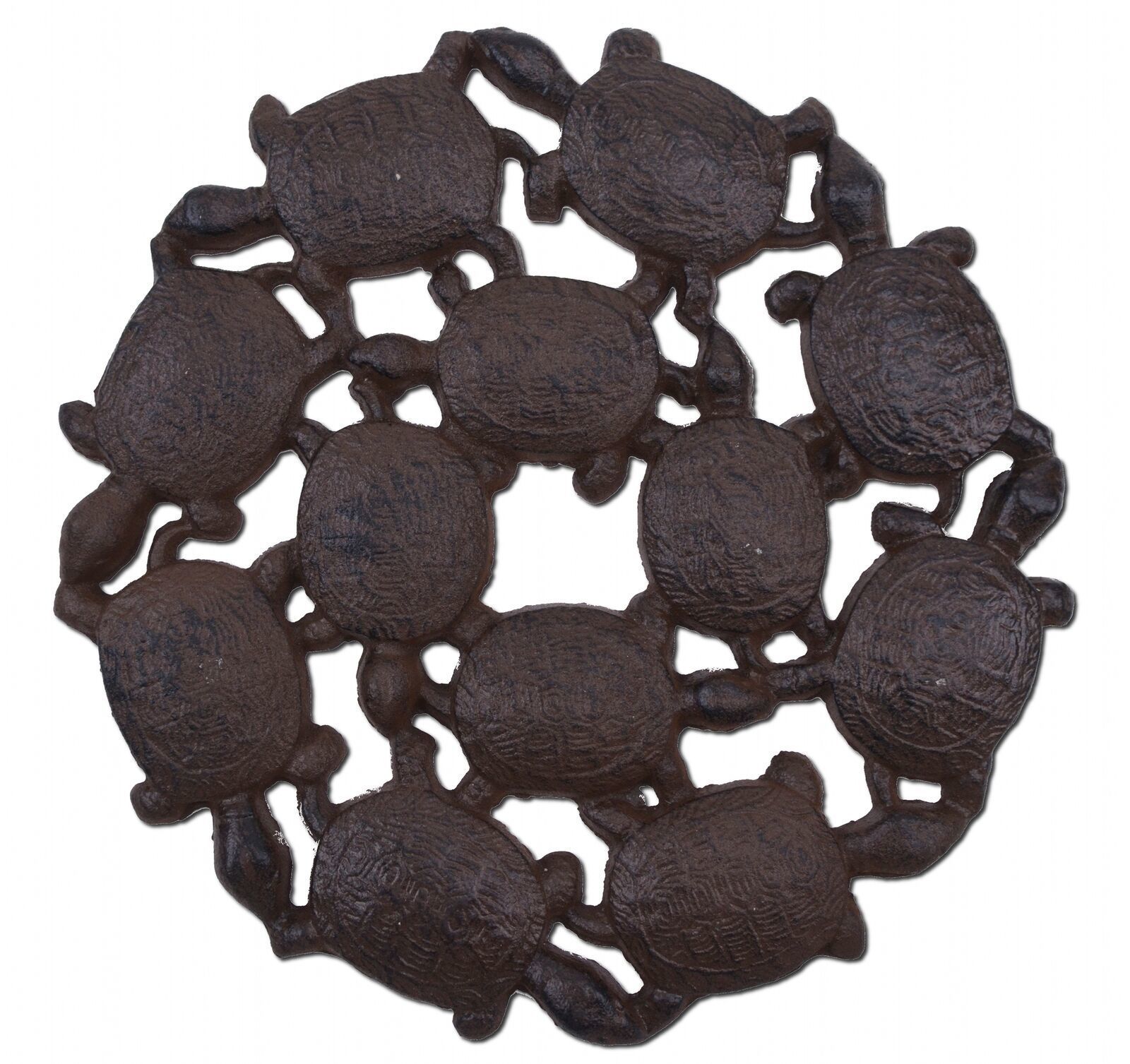
Cast iron stepping stones – they’re more than just a way to traverse your garden; they’re tiny works of art, adding character and charm to any outdoor space. But, like any treasured item, they need a little TLC to stay looking their best. This guide is your go-to resource for keeping your decorative cast iron stepping stones beautiful for years to come, offering practical advice and tried-and-true methods to make sure they stand the test of time (and weather!).
Whether you’ve inherited a set, found some at a flea market, or bought them new, cast iron stepping stones have a certain appeal. Their weight, the intricate designs, and the way they age gracefully make them a favorite amongst gardeners and homeowners alike. But the great outdoors can be tough on cast iron. Rain, sun, and even the simple act of walking on them can take a toll. Fortunately, with a little knowledge and some regular care, you can easily preserve their beauty and prevent them from deteriorating. Let’s dive into how to do just that, shall we?
Understanding Cast Iron’s Needs
Before we get into cleaning and protection, it’s important to understand what makes cast iron tick. Cast iron is a strong and durable metal, but it’s also prone to rust, especially when exposed to moisture. Rust is iron oxide, and it forms when iron reacts with oxygen and water. So, the name of the game is to minimize that contact. Also, cast iron can be surprisingly brittle. Dropping a heavy object on it, or even a sudden change in temperature, can cause cracking or chipping. Keeping these factors in mind will shape how you approach caring for your stepping stones.
Here’s a quick rundown of things that may cause problems:
- Moisture: The biggest enemy. Keeps rust going.
- Air: Oxygen is needed for rust to form.
- Salt: Salt from winter road treatments or even salty air can accelerate corrosion.
- Physical Impacts: Dropping stuff on them or constant heavy use can cause damage.
Regular Cleaning: The Foundation of Care
Regular cleaning is super important. It’s like brushing your teeth – it prevents bigger problems down the road. Aim to clean your stepping stones a few times a year, or more often if they’re in a particularly exposed location.
Here’s how to do it:
- Gentle Scrubbing: Use a soft-bristled brush (like a scrub brush or even an old toothbrush) and some warm, soapy water. Avoid harsh chemicals or abrasive cleaners, as they can damage the finish or even the iron itself.
- Rinsing: Rinse thoroughly with clean water. Make sure all the soap is gone.
- Drying: This is a very important step. Dry the stepping stones completely. You can use a towel or let them air dry in the sun. Drying stops moisture from staying on the surface and causing rust.
- Tip: For stubborn dirt or grime, you can try a solution of mild dish soap and water. Avoid using anything too abrasive.
Dealing with Rust: Removal and Prevention
Rust is inevitable, but it doesn’t have to be a death sentence for your stepping stones. When you spot rust, act fast. Here’s how to get rid of it:
- Assess the Damage: Is it light surface rust or a deeper, more extensive problem? This will determine your approach.
- Light Rust Removal: For small amounts of rust, a gentle scrub with a wire brush (use a brass brush if you’re worried about scratching the iron) can often do the trick. You can also use a commercial rust remover, but be sure to follow the product’s instructions carefully.
- Heavy Rust Removal: For more severe rust, you might need to use a rust-removing solution or even have the stones sandblasted (this is probably best left to professionals). Be prepared for some elbow grease, though!
- Rust Prevention: After removing the rust, it’s time to protect the iron. One option is to apply a rust-inhibiting primer, followed by a coat of exterior paint designed for metal. Alternatively, you can apply a clear sealant or wax designed for metal. This will create a barrier between the iron and the elements. If you live near the ocean, you’ll want to be extra diligent about rust prevention, and cleaning.
Protective Coatings: Your Stepping Stones’ Armor
Applying a protective coating is a critical step in preserving your cast iron stepping stones. This helps to shield them from the elements, preventing rust and wear and tear. There are a few different paths you can take, each with its own pros and cons.
- Paint: Exterior metal paint is a classic choice. It provides a robust barrier against the elements and comes in a wide range of colors. Make sure you choose a paint specifically formulated for metal and follow the manufacturer’s instructions carefully.
- Sealants: Clear sealants or waxes designed for metal can also be effective. They allow the natural beauty of the iron to shine through while providing a layer of protection. These may need to be reapplied more often than paint.
Important: No matter which coating you choose, always make sure the surface of your stepping stones is clean, dry, and free of rust before applying it. And, for the best results, apply multiple thin coats rather than one thick one.
Seasonal Considerations: Adapting Your Care Routine
The seasons can have a big impact on your stepping stones. Here’s how to adjust your care routine throughout the year:
- Spring: Give your stepping stones a thorough cleaning after winter. Check for any damage or rust that may have accumulated during the colder months. Repair any damage and reapply protective coatings as needed.
- Summer: Enjoy your stepping stones. Continue with regular cleaning, and inspect them for any signs of rust. If you live in an area with high humidity or frequent rainfall, you might need to inspect and clean them more frequently.
- Autumn: As leaves begin to fall, clear them away from your stepping stones. Leaves can trap moisture and accelerate rust. Give them a final cleaning before winter sets in.
- Winter: In areas with harsh winters, consider covering your stepping stones to protect them from snow, ice, and the effects of road salt. If covering isn’t an option, be extra vigilant about cleaning them in the spring. Don’t use salt or chemicals to melt snow and ice around your stepping stones, as this can accelerate corrosion. Try sand or kitty litter instead.
Troubleshooting Common Issues
Let’s address some common issues you might face:
- Rust reappearing: If rust keeps coming back, you might not be removing all of it, or your protective coating might not be doing its job. Make sure you’re using the right products and applying them correctly. Also, check the area around the stones for anything that might be contributing to the problem, like sprinklers or a leaky pipe.
- Paint chipping: This can happen if the surface wasn’t properly prepared before painting, or if the paint wasn’t designed for outdoor use. Remove the chipping paint, prep the surface properly, and repaint with a more suitable product.
- Cracks or chips: Small cracks can often be repaired with metal epoxy. For larger damage, you might need to consult with a professional metalworker. These are typically signs of wear and tear; however, if they appear to be getting worse, you should address them.
Remember, taking care of your stepping stones is an ongoing process, not a one-time task. By being proactive and addressing issues promptly, you can keep them looking beautiful for generations.
Caring for your cast iron stepping stones might seem like a lot of work, but it’s actually quite straightforward. By following these steps – regular cleaning, rust removal, protective coatings, and seasonal adjustments – you can ensure that your stepping stones remain a charming and enduring feature of your garden. Remember, these stepping stones are a bit of history, a touch of artistry, and a connection to the past. Enjoy them, care for them, and watch as they bring joy to your outdoor space for many years to come. The effort is truly worth it and the reward is a beautiful garden that is both functional and a work of art. A little bit of effort will make these stepping stones last and the beauty will be something that will be enjoyed for many years to come and perhaps passed down to the next generation.