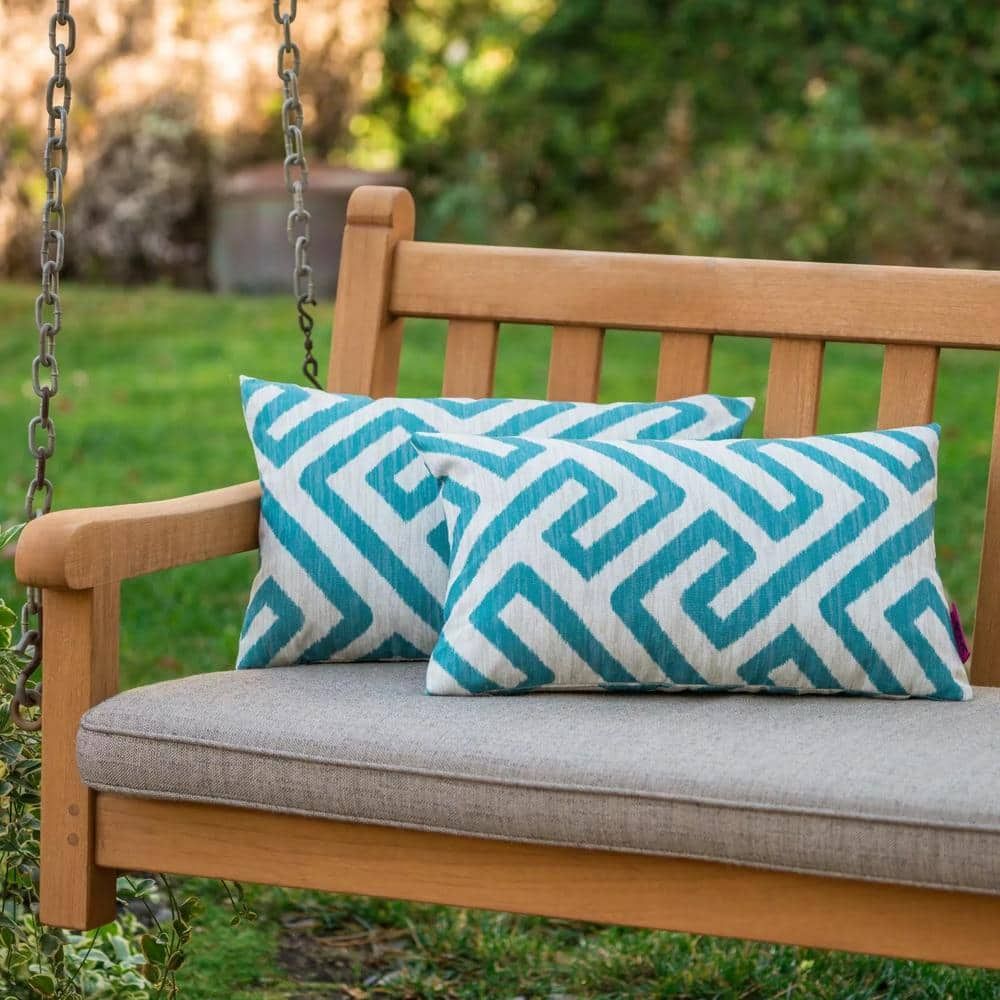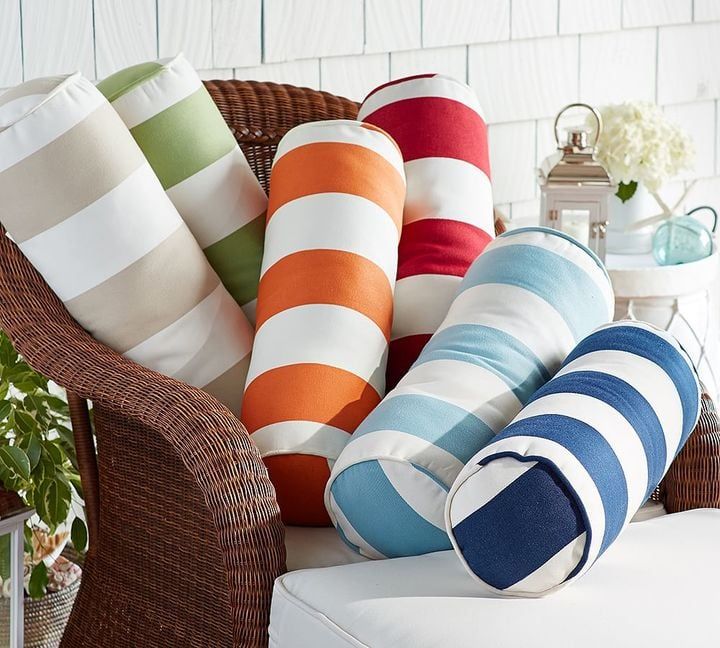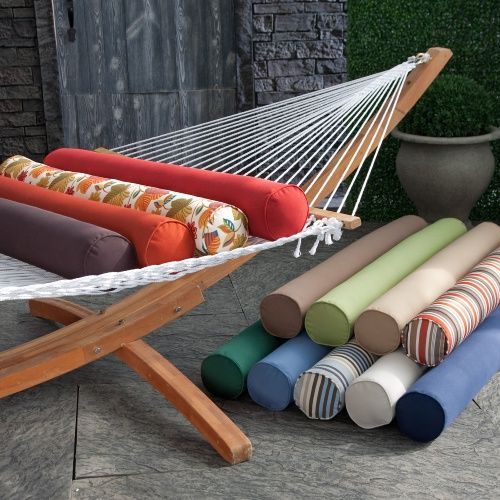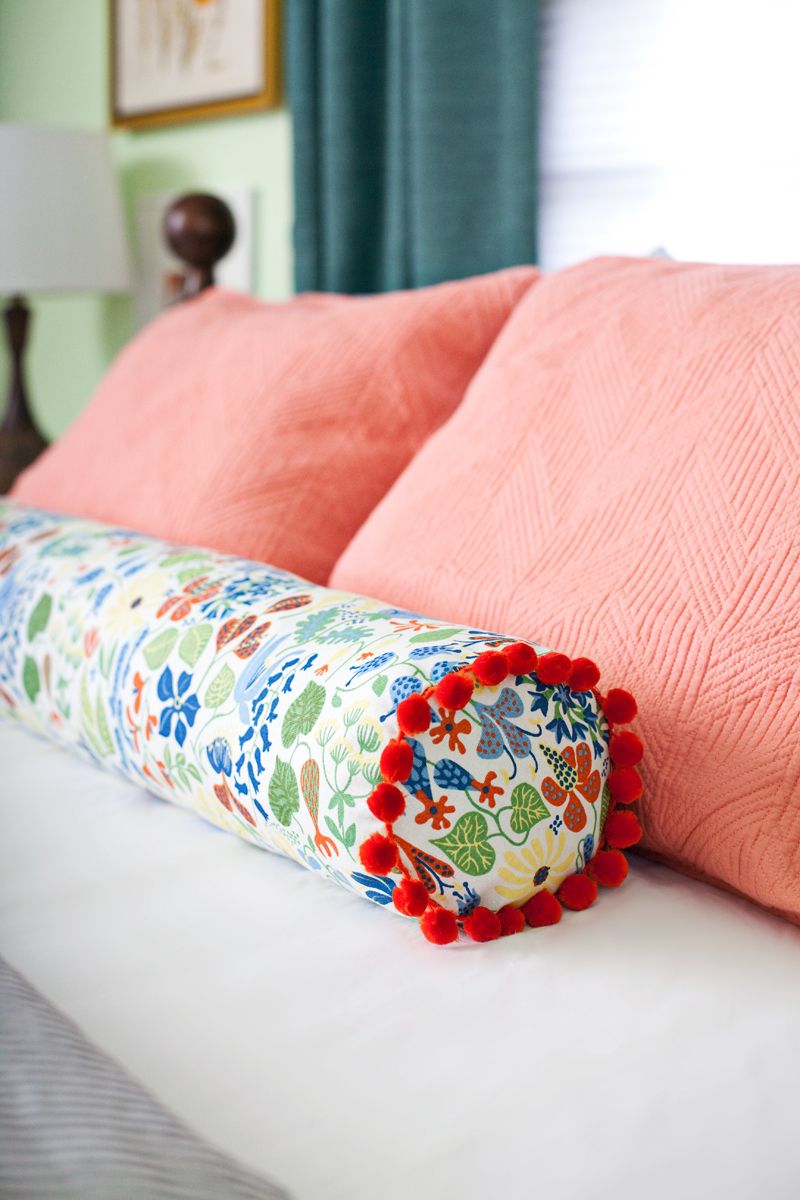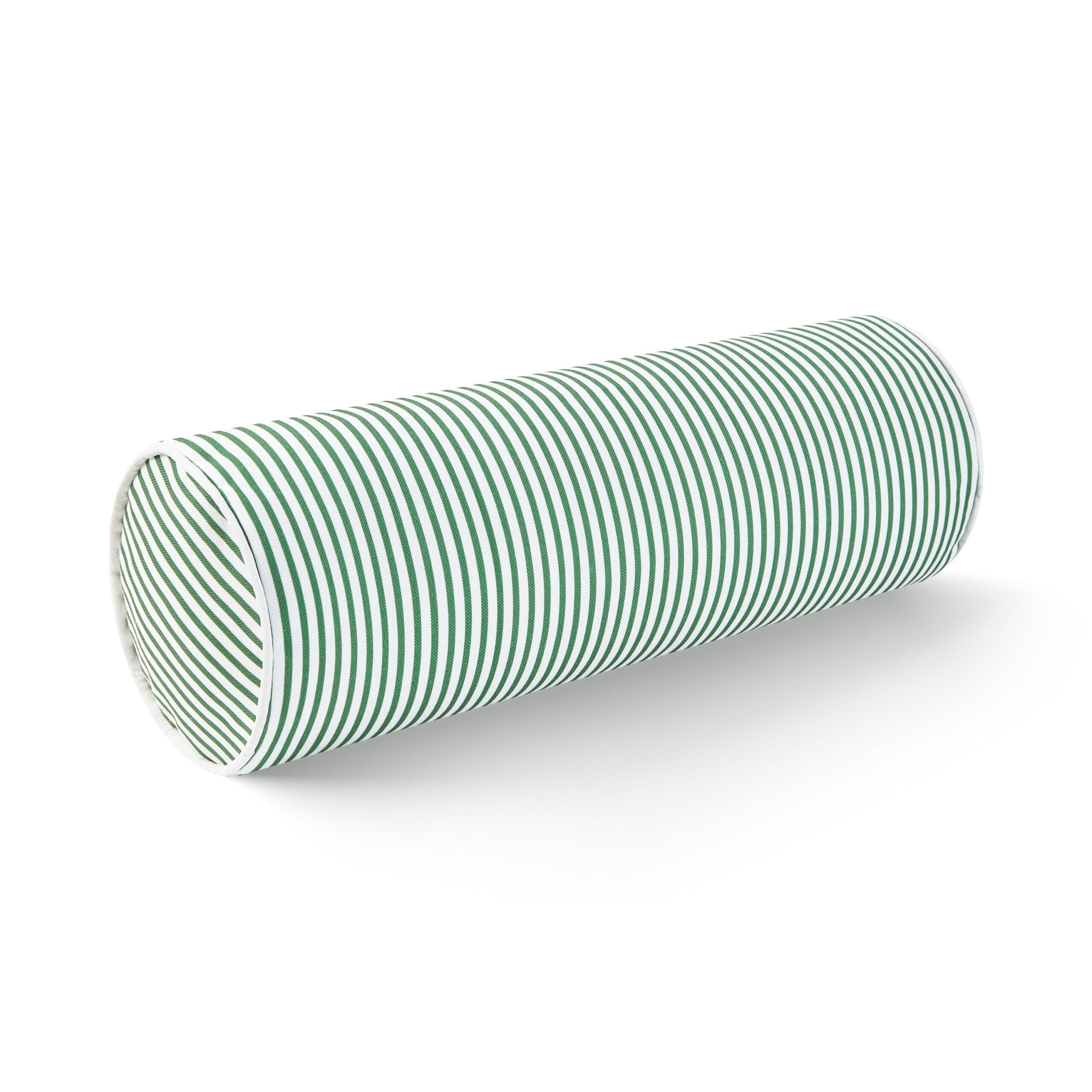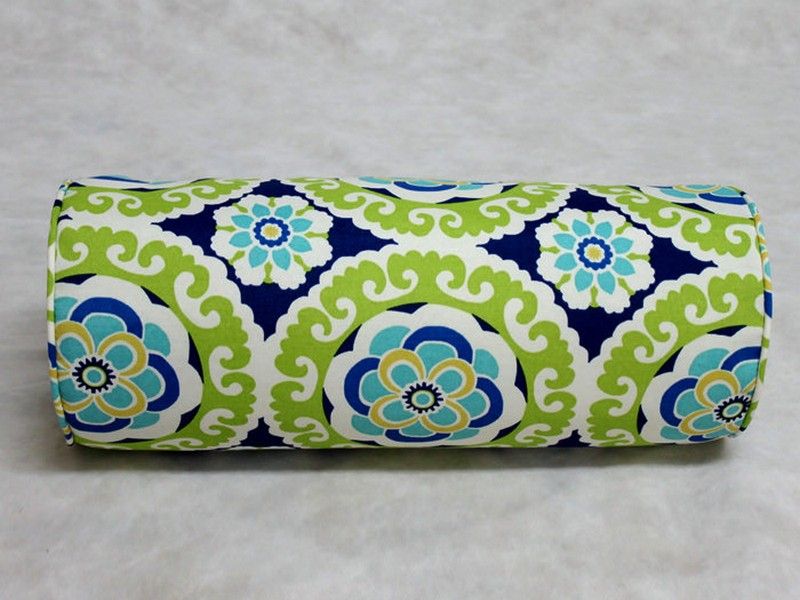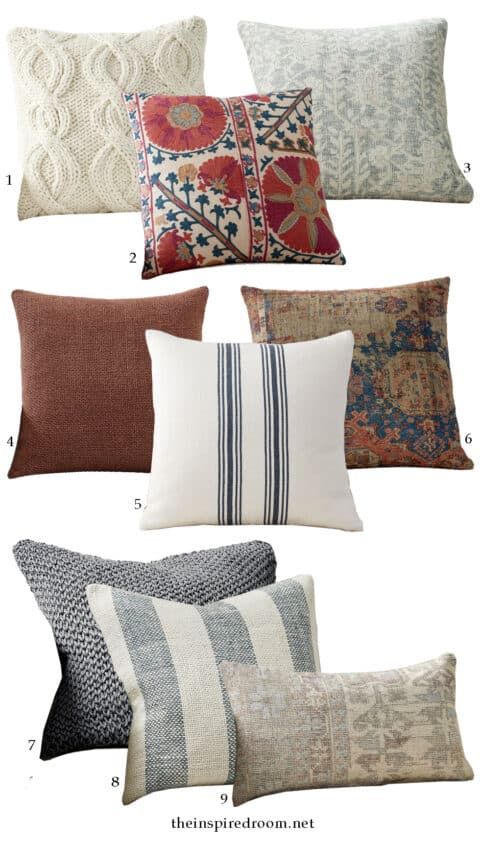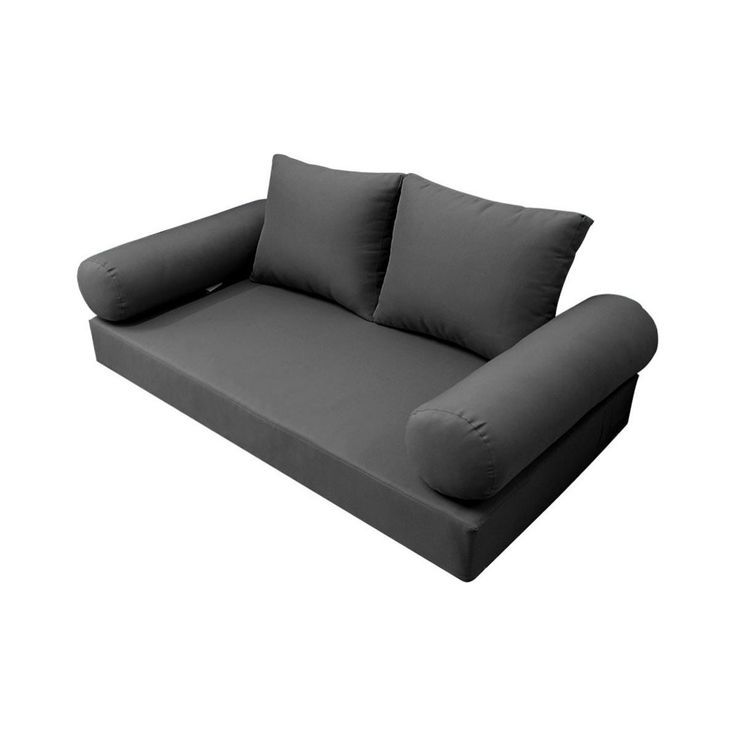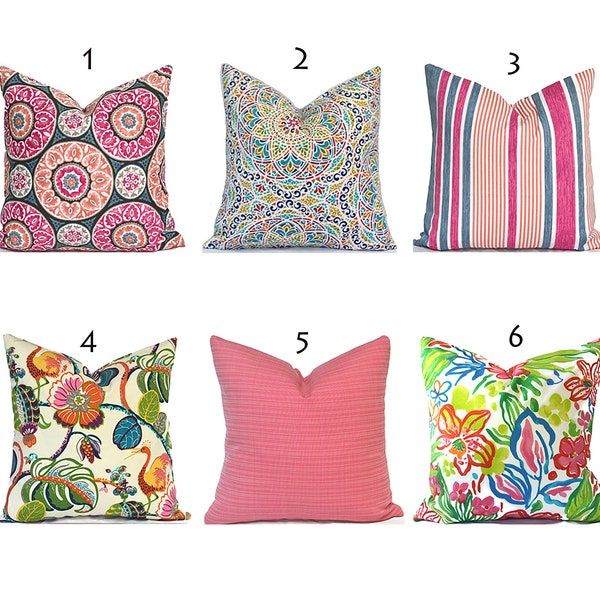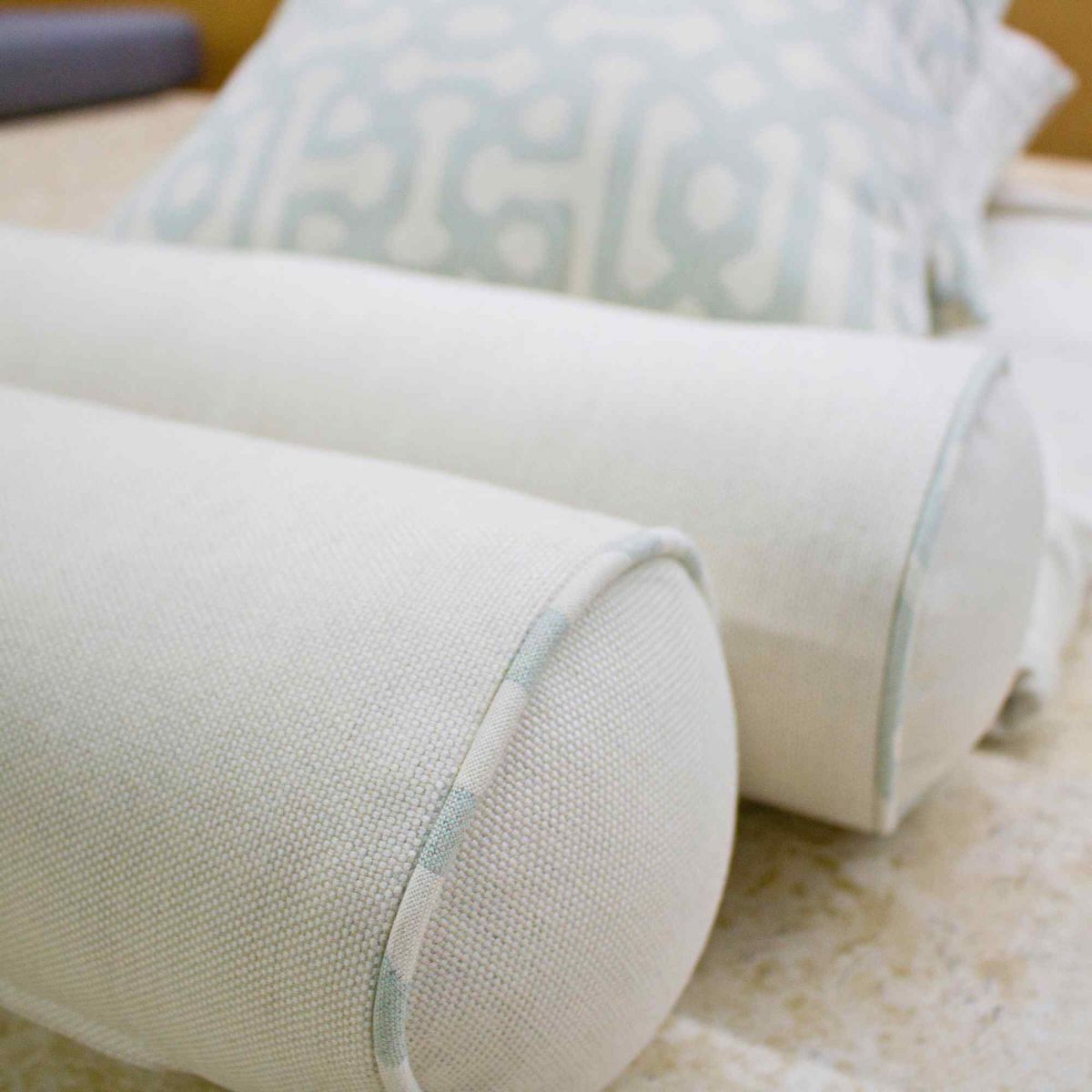
Whether you’re setting up a patio dining area or creating a cozy outdoor lounge space, the right pillow trim can make all the difference. But when it comes to outdoor use, durability meets comfort in ways you might not expect. What makes a trim truly weatherproof? And how do you balance aesthetics with functionality when choosing materials that can handle everything from morning dew to summer heat?
Picture this: You’ve finally created the perfect outdoor living space. The furniture looks great, the lighting sets the mood, and everything seems just right. Then you notice something missing – the pillows. They’re supposed to add comfort and style, but they look like they were made for indoor use only. That’s when you realize the importance of choosing the right pillow trim for outdoor environments. It’s not just about looking good; it’s about making smart decisions that protect your investment while keeping you comfortable.
Understanding Weather-Resistant Materials
When you’re thinking about outdoor pillows, the material matters more than you might think. Natural fibers like cotton and linen have their place, but they’re not always the best choice for extended outdoor use. Synthetic options often win out because they resist fading, water damage, and mildew better than their natural counterparts. Let’s break down some key players:
• Polyester blends offer excellent resistance to sun damage and moisture
• Acrylic materials are known for their softness and color retention
• Olefin fabrics are lightweight and quick-drying
• Nylon tends to be strong and durable in harsh conditions
The truth is, many outdoor pillows use combinations of these materials to get the best of both worlds. A blend might offer the comfort of natural fibers with the resilience of synthetic ones. The key is knowing what each material brings to the table and how it performs under different conditions.
Sun Protection and UV Resistance
This one might surprise you, but UV rays aren’t just about getting a tan. They’re actually one of the biggest enemies of outdoor fabric. Without proper protection, colors fade quickly, and materials become brittle over time. That’s why checking for UV protection ratings becomes crucial.
Many high-quality outdoor trims now come with built-in UV inhibitors. These aren’t just marketing buzzwords – they’re real chemical treatments that block harmful rays. Look for labels that mention UV resistance or UPF ratings. Some manufacturers even specify how long their products can withstand sun exposure before showing signs of deterioration.
Consider this: a pillow that loses its color after just a few weeks of summer use isn’t really serving you well. But a well-chosen trim can maintain its appearance for years, even with daily exposure to bright sunlight. The investment in UV protection pays off in longevity and visual appeal.
Water and Moisture Management
Moisture is another major factor in outdoor fabric performance. Whether it’s rain, humidity, or just general dampness, water can wreak havoc on poorly chosen materials. Here’s what to look for:
• Quick-dry properties are essential for outdoor settings
• Water-repellent coatings help keep moisture at bay
• Breathable fabrics prevent trapped humidity
• Mold and mildew resistance keeps things fresh
Some trims use special treatments that repel water rather than absorb it. These treatments work by creating a barrier that allows air to pass through while keeping liquid out. It’s a subtle but important distinction that affects comfort and maintenance.
Think about your typical outdoor experience. Do you often have guests over during rainy days? Or do you live in a humid climate where moisture is constant? Understanding your environment helps determine how critical moisture management is for your needs.
Durability and Longevity Factors
A weather-resistant trim should last, but what does that really mean? Durability covers several aspects that often go unnoticed until something breaks or wears out unexpectedly. Consider these elements:
• Thread count and weave density affect strength
• Reinforced stress points in corners and edges
• Quality of stitching and construction methods
• Resistance to abrasion from frequent use
• Performance under various temperature extremes
Outdoor pillows face unique challenges that indoor ones never encounter. They get bumped, dragged, and exposed to elements constantly. A well-made trim considers these realities from the start. Some manufacturers test their materials against simulated weather conditions to ensure they hold up.
It’s worth noting that price often correlates with quality in this category. While you might find cheaper options, they often don’t provide the same lifespan. Sometimes spending a bit more upfront saves you money later in replacement costs.
Maintenance and Care Considerations
Even the best materials need some care to stay in top condition. How much effort do you want to put into maintaining your outdoor pillows? The answer can shape your choice significantly.
• Some trims are machine washable and easy to clean
• Others require spot cleaning or professional treatment
• Sunlight exposure may necessitate periodic reapplication of protective coatings
• Storage requirements during off-seasons
• Frequency of cleaning based on usage patterns
Many modern outdoor trims are designed with low maintenance in mind. They’re built to resist stains, easy to wipe clean, and forgiving of occasional spills or dirt. This approach makes them ideal for busy lifestyles where perfect maintenance isn’t always possible.
Think about how often you’ll actually clean your pillows. If you’re planning to use them daily, a trim that handles regular wear and tear without needing constant attention makes sense. On the other hand, if you only use them occasionally, you might prioritize features that offer maximum protection over ease of cleaning.
Design and Aesthetic Considerations
Let’s not forget that these pillows are meant to look good too. The right trim can transform an outdoor space from basic to beautiful. But beauty and function need to work together.
• Color selection that complements your outdoor décor
• Pattern choices that enhance rather than clash
• Texture variations that add interest
• Scale considerations for different furniture sizes
• Seasonal versatility in design choices
The market offers a wide range of options now. From solid colors that make bold statements to intricate patterns that add sophistication, there’s something for every taste. Many trims even offer seasonal options so you can change up your outdoor look throughout the year.
But here’s something to consider: sometimes the most beautiful trim is the one that simply disappears into your overall design. It’s not about making a statement; it’s about enhancing what’s already there. The right choice balances visual appeal with practicality.
Choosing the right pillow trim for outdoor use is more than just picking something that looks nice. It’s about understanding the relationship between materials, environment, and your lifestyle. You want something that stands up to the elements while providing the comfort and style you crave. The key is matching the trim’s characteristics to your specific needs – whether that means prioritizing sun resistance, water management, or ease of maintenance. Take time to evaluate your outdoor space, consider how often you’ll use the pillows, and think about what conditions you’re dealing with regularly. When you make that thoughtful decision, you’ll find yourself enjoying your outdoor spaces more fully, knowing that your investment will last and serve you well for years to come. The right trim doesn’t just cover your pillows – it enhances your entire outdoor experience.