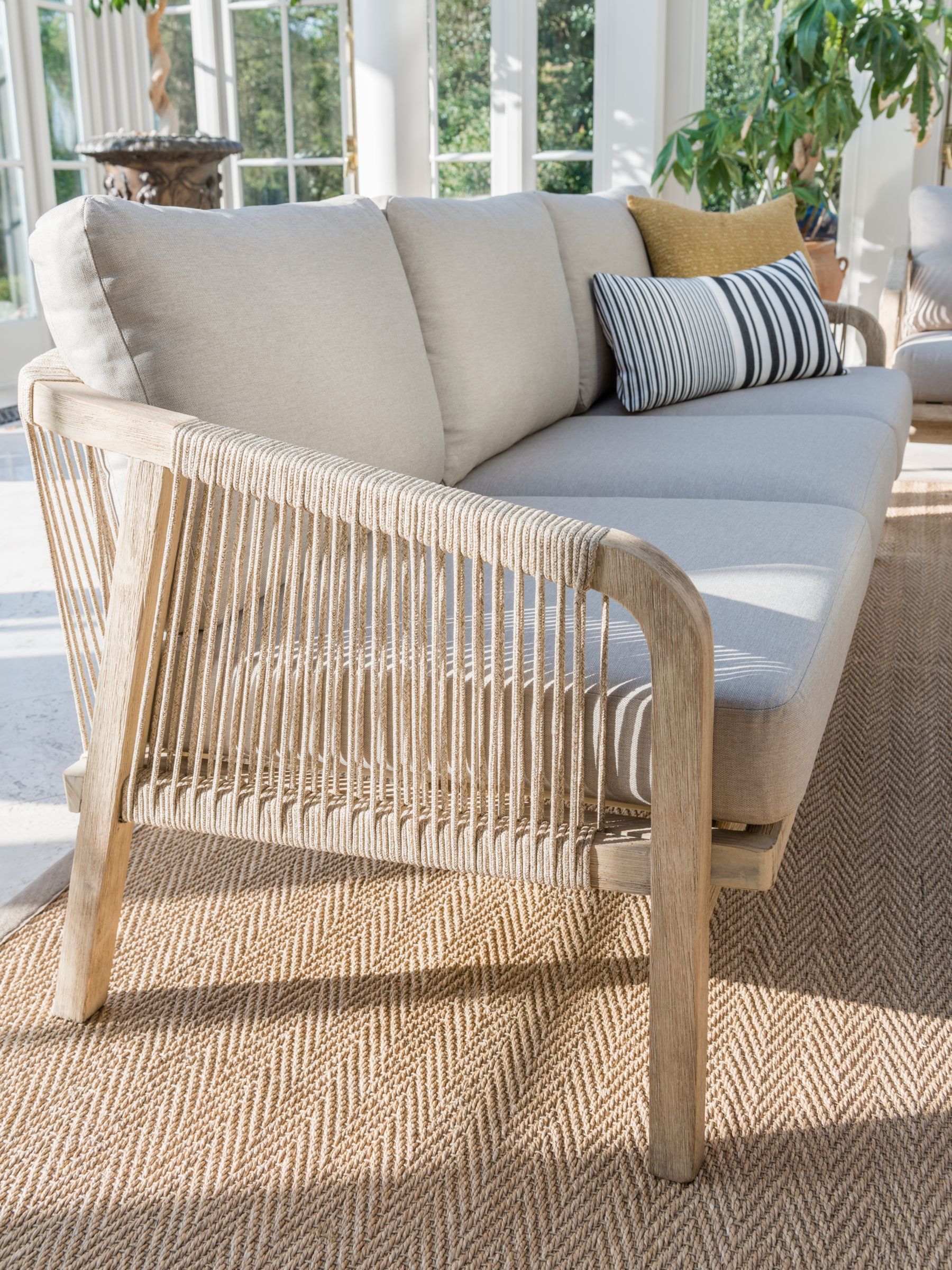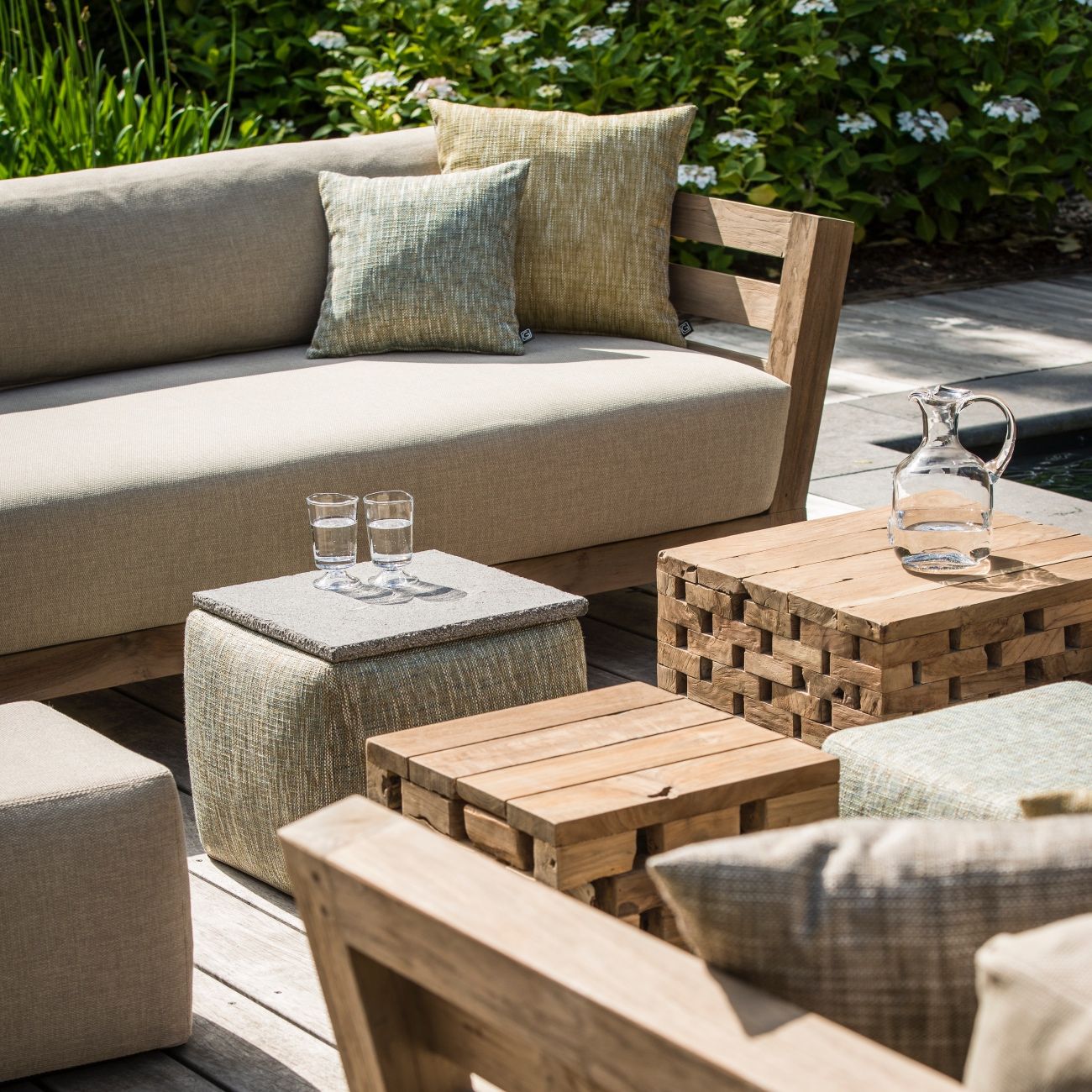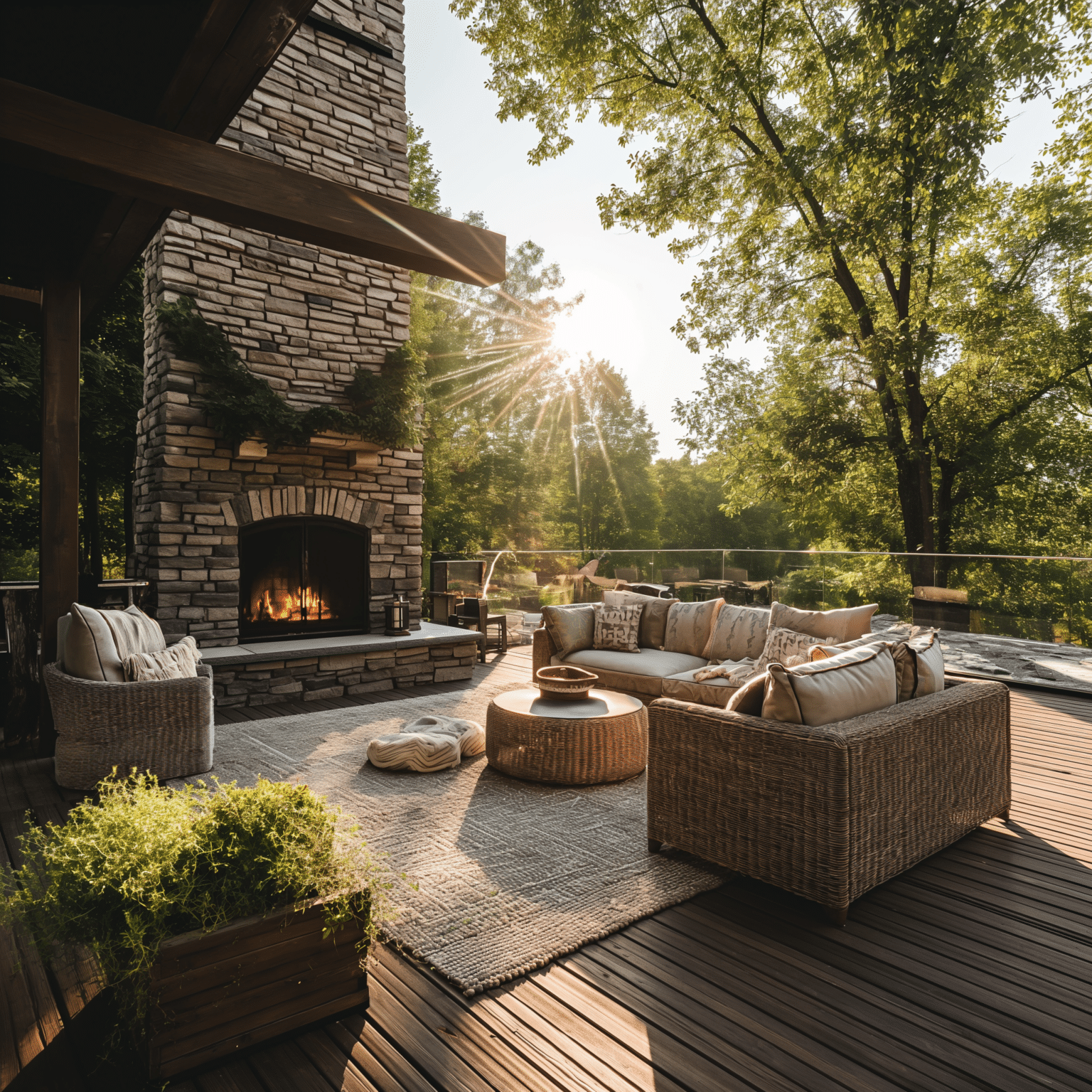
When you think about quality furniture that will last decades, two woods often come to mind: cypress and teak. These aren’t just fancy names thrown around by woodworkers. They represent something special in the world of furniture making – durability, beauty, and a connection to craftsmanship that spans generations. Whether you’re shopping for a new dining table or considering a statement sofa, understanding how these woods work together can help you make smarter choices.
Picture this: you’re settling into your favorite chair after a long day, feeling the smooth texture of the wood beneath your fingertips. This isn’t just any ordinary piece of furniture. It’s crafted from carefully selected cypress and teak woods, chosen not just for their looks, but for their strength and resilience. In the realm of large-scale living room furniture, these materials have earned their reputation as the ultimate combination for creating pieces that stand the test of time. But what exactly makes cypress teak construction so special? Let’s explore the details that make this approach so compelling for both manufacturers and consumers alike.
What Makes Cypress and Teak Special Together
Cypress and teak might seem like unusual partners, but they create something remarkable when combined. Cypress brings its natural resistance to decay and insects, while teak offers incredible stability and beautiful golden-brown coloration. Together, they form a powerful duo that’s perfect for furniture that needs to handle daily wear and tear.
Think about it this way: imagine if your living room furniture had to survive everything from kids running around to pets lounging on it, not to mention the occasional coffee spill or sun exposure. That’s exactly what cypress teak construction delivers. The combination works because each wood contributes its best qualities to the final product.
For instance, cypress contains natural oils that repel insects and prevent rotting. Teak, meanwhile, is famous for its tight grain structure and high silica content, which helps it resist moisture damage. When these two are used together, they complement each other beautifully.
The Traditional Techniques Behind the Construction
Building furniture with cypress teak isn’t just about using the right materials – it’s about understanding time-honored methods passed down through generations. Master craftsmen know that proper construction techniques are just as important as selecting premium woods.
One crucial technique involves using traditional joinery methods like mortise and tenon joints. These aren’t just fancy terms – they’re engineering marvels that create strong connections between pieces. Instead of relying solely on glue and screws, skilled artisans cut precise slots and pegs that fit together perfectly.
Another essential element is the careful preparation of the wood. Before any construction begins, the cypress and teak must be properly seasoned. This means allowing the wood to dry slowly over months or even years. Why? Because improperly dried wood will warp, crack, or shrink once it’s built into furniture. The patience required for this process shows in every well-made piece.
Many craftspeople also use traditional hand tools alongside modern equipment. The precision achieved with a hand plane or chisel can’t be replicated by machines alone, especially when working with these dense woods.
Benefits of Using Cypress Teak in Large Furniture Pieces
Large living room furniture faces unique challenges that smaller items don’t encounter. These pieces must support weight, withstand temperature changes, and maintain their appearance over many years. Here’s why cypress teak construction excels:
• Superior Durability: The combination creates furniture that can handle heavy use without showing signs of wear. You won’t find loose joints or cracked surfaces.
• Excellent Stability: Unlike some woods that expand and contract dramatically with humidity changes, cypress teak maintains its shape remarkably well.
• Natural Beauty: The distinct grain patterns and rich colors of both woods create stunning visual appeal. Each piece becomes a unique work of art.
• Low Maintenance: Once properly finished, cypress teak furniture requires minimal upkeep compared to other materials.
• Environmental Benefits: Both cypress and teak are renewable resources when harvested responsibly. Many manufacturers now source their wood from sustainable forests.
Consider a large dining table made with cypress teak construction. It can easily seat twelve people and still look pristine after years of family gatherings, holiday meals, and weekend brunches.
How to Identify Quality Cypress Teak Construction
Not all furniture labeled as "cypress teak" is created equal. Here are key ways to spot genuine quality:
• Examine the Joints: Look for tight-fitting mortise and tenon connections rather than glued joints alone. When you examine a corner, the pieces should fit together seamlessly.
• Check the Grain Pattern: Authentic cypress teak pieces show consistent grain patterns that flow naturally through the wood. Look for variations that indicate different wood types being used correctly.
• Feel the Surface: High-quality pieces have smooth, even textures. Rough spots or inconsistent finishes often signal poor craftsmanship.
• Listen to the Weight: Good cypress teak furniture feels substantial and solid when moved. Lightweight pieces often use inferior materials.
• Ask About the Process: Reputable sellers will explain their wood selection process, drying times, and construction methods. Vague answers should raise red flags.
A helpful tip: when examining a piece, gently tap the surface with your knuckle. Quality construction produces a solid, resonant sound rather than a hollow or dull tone.
Maintenance and Care for Cypress Teak Furniture
While cypress teak furniture is built to last, proper care ensures it maintains its beauty and strength for decades. Here’s what you need to know:
Regular cleaning is simple but essential. Use a soft cloth with mild soap and water for routine maintenance. Avoid harsh chemicals that could damage the wood finish.
For deeper cleaning, consider using specialized wood cleaners designed for outdoor furniture. These products help remove dirt and grime without harming the wood’s natural oils.
Seasonal care matters too. During dry winter months, consider applying a light coat of wood oil to prevent cracking. In humid summer months, ensure good ventilation to avoid moisture buildup.
Protective measures are also important. Use coasters under drinks, placemats for hot dishes, and furniture pads to prevent scratches. Even the most durable wood can show signs of wear from improper handling.
Some owners prefer to apply periodic treatments to maintain the wood’s luster. Natural oils like teak oil work well for maintaining the characteristic golden hue of teak pieces. The key is consistency rather than over-treatment.
Cost Considerations and Value Proposition
Cypress teak furniture typically costs more than alternatives, but the investment pays off in longevity and quality. Here’s what factors affect pricing:
• Wood Quality: Premium cypress and teak will cost more upfront but offer better long-term value.
• Craftsmanship Level: Handcrafted pieces with traditional techniques command higher prices than mass-produced items.
• Size and Complexity: Larger pieces with intricate designs require more materials and labor.
• Brand Reputation: Established manufacturers with proven track records often charge premiums for their expertise.
When evaluating cost, remember that a $2,000 dining table that lasts 30+ years provides better value than a $800 table replaced every five years. The initial investment pays dividends through reduced replacement costs and continued enjoyment.
Many buyers find that the premium price reflects genuine craftsmanship and superior materials. It’s worth noting that some manufacturers offer warranties that cover defects in construction or materials, providing additional peace of mind.
Consider the total cost of ownership over time. A well-built cypress teak piece becomes a family heirloom, potentially passing down through generations, making the higher initial cost worthwhile for many families.
Cypress teak construction represents more than just a choice of materials – it’s a commitment to quality, craftsmanship, and lasting beauty. When you invest in furniture built with these woods, you’re choosing a foundation that supports both your daily life and your future memories. Whether it’s a grand dining table that brings families together or a comfortable sofa that becomes a gathering place, the right construction makes all the difference.
The combination of cypress and teak creates furniture that stands up to the test of time, not just physically but emotionally. These pieces become part of your story, supporting countless conversations, celebrations, and quiet moments of reflection. Understanding what goes into their creation helps you appreciate the skill and dedication that goes into each piece.
So next time you’re shopping for living room furniture, keep cypress teak construction in mind. It might mean a slightly higher price tag, but the return on investment comes in the form of durability, beauty, and the satisfaction of owning something truly special. After all, isn’t that what we want from our homes – things that last, that bring joy, and that we can feel proud to share with others?