Pillows aren’t just fluffy things we rest our heads on while sleeping. They’re complex tools that can significantly impact how well we sleep, how we feel in the morning, and even our overall health. Have you ever wondered why some pillows feel amazing while others leave you tossing and turning? The answer lies in their features, materials, and design choices that go far beyond simple comfort.
Think about it – we spend roughly one-third of our lives sleeping, yet most of us never give much thought to the pillow beneath our heads. But what if I told you that your pillow might be the secret weapon to better sleep quality, reduced neck pain, and improved posture? It’s true. The right pillow can be transformative. Sure, they’re soft and supportive, but modern pillows incorporate numerous features designed to address specific needs. From temperature regulation to pressure point relief, the science behind pillow construction is fascinating and deeply personal to each individual’s sleep experience.
The Science Behind Pillow Construction
Pillows today are engineered with scientific precision rather than just random stuffing. Every aspect matters – from the fill material to the shape and even the fabric cover. Memory foam, for instance, responds to body heat and pressure, molding itself to your head and neck. This isn’t magic; it’s physics working in harmony with human anatomy. The density of foam directly affects support levels, while open-cell structures allow for better airflow.
Consider the difference between a cheap polyester pillow and a high-end latex one. The latter contains natural proteins that provide resilience and durability. These proteins create a more responsive surface that adapts to your sleeping position. And let’s not forget about the importance of loft – that’s the height and thickness of your pillow. A pillow that’s too thick can strain your neck, while one that’s too flat might not provide enough elevation for proper spinal alignment.
Research shows that the wrong pillow can contribute to headaches, neck stiffness, and even back pain. The right pillow acts as a bridge between your head and mattress, ensuring your spine maintains its natural curve throughout the night. It’s not just about comfort anymore – it’s about health and prevention.
Material Matters: From Cotton to Advanced Fibers
The materials used in pillow construction play a crucial role in how well they perform. Natural fibers like cotton offer breathability and hypoallergenic properties, making them ideal for hot sleepers or those with allergies. Cotton pillows often have a softer, more traditional feel, but they may flatten over time.
Down and feather pillows provide luxurious softness and excellent loft, though they require regular fluffing and can trigger allergies in sensitive individuals. Synthetic alternatives like polyester offer consistency in shape and feel, plus they’re usually more affordable. Some manufacturers now blend synthetic materials with natural elements to get the best of both worlds.
Memory foam has revolutionized pillow technology. The material responds to your body temperature, creating a custom fit that reduces pressure points. However, it can retain heat, which might be problematic for some users. Newer versions incorporate cooling gels or phase-change materials that regulate temperature.
Another exciting development is the rise of plant-based materials like kapok and coconut fiber. These sustainable options offer good support and are naturally resistant to dust mites and mold. They’re also biodegradable, making them an eco-friendly choice for environmentally conscious consumers. Each material brings unique advantages and drawbacks, so understanding what works for your sleep style is key.
Shape and Design: How Form Follows Function
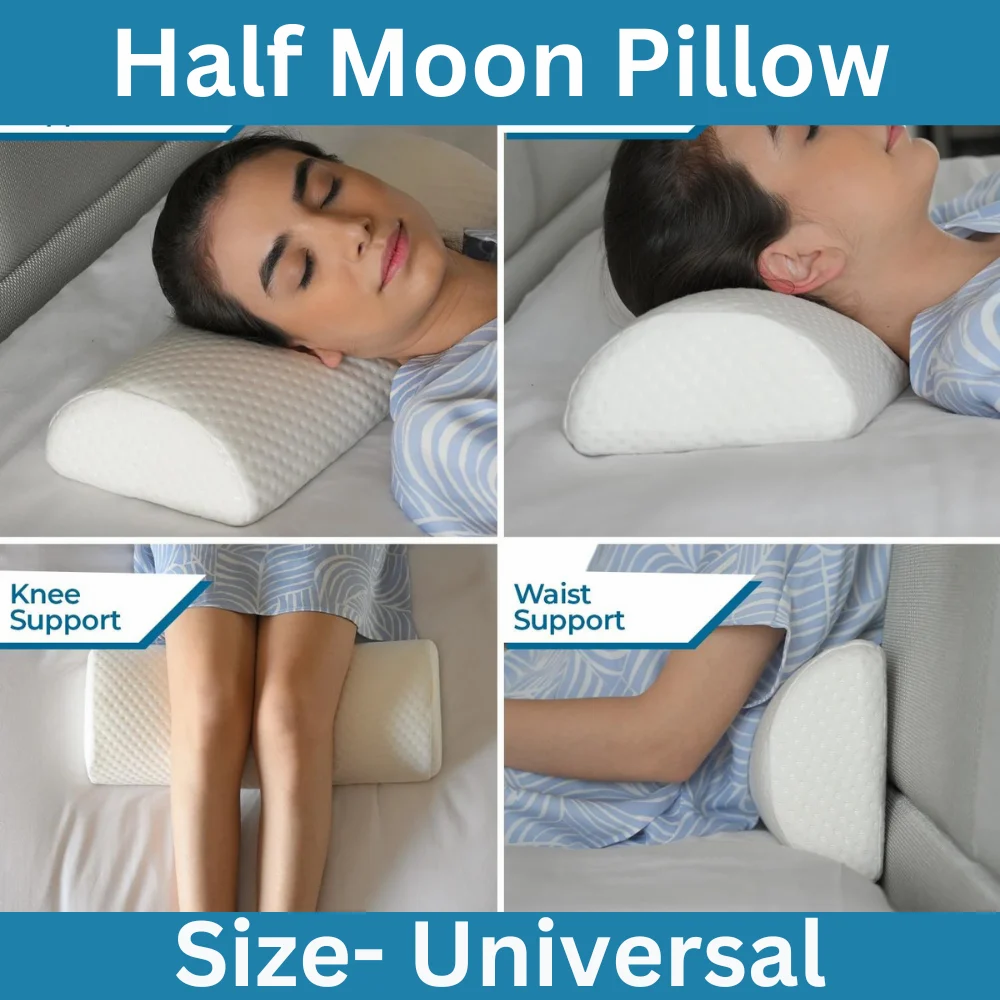
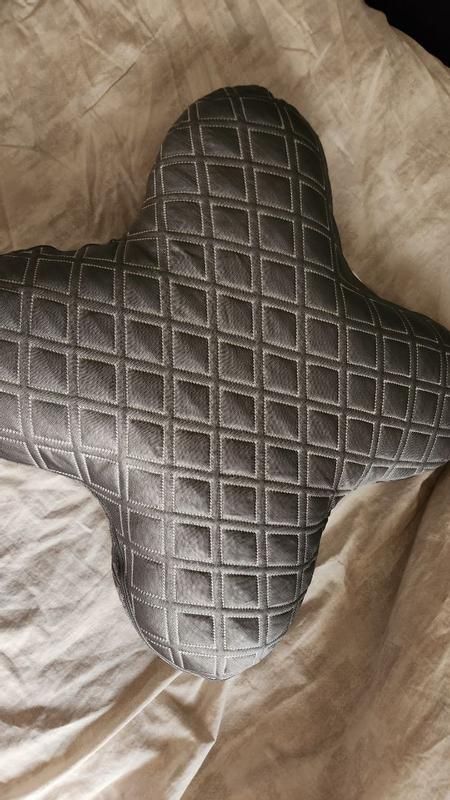
Pillows come in various shapes, and each serves a specific purpose. Standard rectangular pillows work well for side sleepers who need extra height to keep their spine aligned. The classic U-shaped pillow offers support for multiple positions, making it versatile for back and stomach sleepers.
Cervical pillows are designed specifically for neck support. They feature a cutout or depression that cradles the neck while elevating the head. These are particularly helpful for people who suffer from chronic neck pain or sleep with their heads elevated.
T-shape pillows provide support for both the head and shoulders, making them popular among people who sleep on their sides. The T-shape helps maintain proper alignment between the neck and spine.
Contour pillows are shaped to follow the natural curve of your head and neck. They’re often made with memory foam and offer excellent pressure relief. Some even have adjustable features, allowing you to customize the shape to your preferences.
The design also includes considerations like the pillow’s cover. Some are designed with moisture-wicking properties to keep you dry during hot weather. Others feature antimicrobial treatments to prevent odor and bacterial growth. The cover material can significantly affect your sleep temperature and comfort level.
Temperature Regulation: Keeping You Cool and Comfortable
One of the biggest complaints about traditional pillows is overheating. Many people wake up feeling sweaty or uncomfortable because their pillow traps heat. Modern innovations address this issue through several approaches.
Ventilation is key. Pillows with breathable mesh layers or perforated surfaces allow air to circulate freely. Some manufacturers use phase-change materials that absorb excess heat when your body gets warm and release it when you cool down.
Cooling gel inserts are becoming increasingly popular. These gels help dissipate heat away from your head and neck area. They’re especially beneficial for people who sleep hot or live in warm climates.
Some pillows incorporate copper or silver threads that provide natural cooling properties. These metals have inherent thermal conductivity properties that help regulate temperature.
The filling material also plays a role. Down and feather pillows tend to be more breathable than synthetic alternatives. Latex pillows offer good airflow due to their cellular structure. Memory foam, however, can trap heat unless it’s specially treated with cooling technologies.
It’s worth noting that temperature preference varies greatly among individuals. Some people love sleeping cool, while others prefer warmth. The key is finding a pillow that balances your personal comfort needs with the environmental conditions of your bedroom.
Allergen Resistance and Hygiene Features
For many people, allergens and hygiene are major concerns when choosing a pillow. Dust mites, pet dander, and mold spores can all cause uncomfortable reactions during sleep. The good news is that modern pillows are being designed with these issues in mind.
Hypoallergenic materials like synthetic fills and certain natural fibers resist dust mites better than traditional cotton. Some manufacturers treat their pillows with special coatings that repel allergens and bacteria. These treatments can last for years, providing long-term protection.
Washable covers are another important feature. Many high-end pillows now come with removable, machine-washable covers. This allows you to clean the outer layer regularly, removing sweat, oils, and other buildup that can harbor bacteria.
Some pillows feature antimicrobial treatments that prevent the growth of odor-causing bacteria. These treatments are especially useful for people who perspire heavily during sleep or live in humid environments.
The fill material itself can influence allergen resistance. CertiPUR-US certified foams, for example, are tested for harmful chemicals and are less likely to harbor allergens. Natural latex is also naturally resistant to dust mites and mold.
Regular maintenance is crucial for maintaining hygiene. Most experts recommend washing pillowcases weekly and replacing pillows every 1-2 years to ensure optimal cleanliness and performance.
Customization Options for Personalized Sleep
The future of pillows is highly personalized. Manufacturers are developing products that adapt to individual preferences and needs. Adjustable pillows allow users to change the height or firmness according to their sleep position.
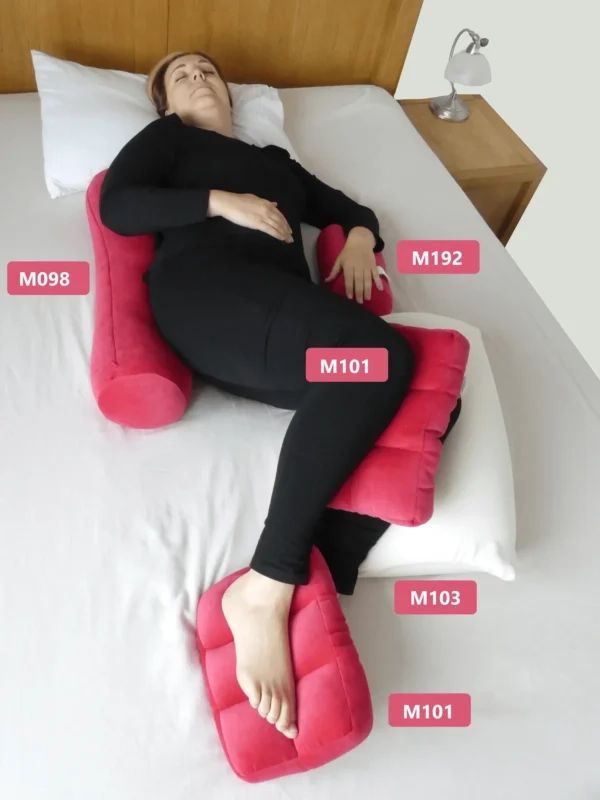
Some pillows feature multiple chambers or compartments that can be filled differently based on personal preference. This allows for fine-tuning of support levels and comfort. People can experiment with different combinations until they find what works best.
Smart pillows are emerging with embedded sensors that monitor sleep patterns and adjust accordingly. While still in early stages, these technologies promise to revolutionize how we think about sleep support.
Modular designs let users swap out components for different seasons or sleep styles. For instance, you might add a cooling layer in summer or increase loft in winter. This flexibility extends the life of your pillow investment.
Size variations also matter. Some people prefer larger pillows for more coverage, while others like smaller ones for specific sleeping positions. The ability to choose the right size for your body and habits makes a significant difference in sleep quality.
Ultimately, the best pillow for you is one that addresses your specific sleep challenges and preferences. Whether you’re a side sleeper needing extra neck support or someone who sleeps hot and needs cooling features, there’s a pillow designed for your exact situation.
The world of pillows has evolved far beyond simple comfort. Today’s pillows are sophisticated products designed to meet specific physiological and personal needs. Understanding the features that make pillows more than just soft support helps us make better choices for our sleep health. From material selection to temperature management and allergen resistance, each element contributes to a better night’s rest. The investment in a quality pillow pays dividends in improved sleep, reduced pain, and enhanced daily energy levels. As sleep science continues to advance, we can expect even more innovative features that personalize the sleeping experience. The next time you reach for a pillow, remember that you’re not just selecting comfort – you’re choosing a tool for better health and well-being. Your pillow is more than just a place to rest your head; it’s a gateway to better sleep and a healthier life.