Picture this: you’re stepping into the shower after a long day, ready for some relaxation. But instead of that blissful warmth, you’re hit with scorching hot water or icy cold blasts. It’s frustrating, right? The good news is that stabilizing water temperature isn’t rocket science. With a few simple fixes and smart strategies, you can enjoy consistent, comfortable showers every time.
We’ve all been there. You turn on the shower, expecting a nice, warm soak, only to be greeted by a sudden blast of freezing water or a sweltering wave that makes you jump back. It’s not just annoying—it can be dangerous too. Whether you have a single-handle faucet or a traditional separate hot and cold setup, maintaining stable water temperature matters more than you might think. Beyond comfort, consistent temperatures protect against burns, reduce energy waste, and make your daily routine much smoother. The truth is, most people don’t realize how many factors affect their shower’s thermal stability. From old pipes to inefficient fixtures, from household usage patterns to the plumbing system itself, everything plays a role. This guide will walk you through understanding why temperatures fluctuate and how to fix them once and for all.
Understanding Why Shower Temperatures Fluctuate
Before diving into solutions, it’s important to know what causes those unwanted temperature shifts. One major culprit is the way water pressure works in your home. When someone else uses water elsewhere—like running the dishwasher or taking a bath—the pressure changes can cause dramatic swings in your shower’s heat. If your hot water heater is too small for your household’s needs, it might run out of hot water quickly, especially during peak usage times. Older plumbing systems often have issues too. Pipes that are corroded or have mineral buildup can restrict water flow, leading to unpredictable temperatures. The type of shower fixture you have also matters. Single-handle mixers, while convenient, can be less precise than separate hot and cold valves. Additionally, seasonal changes affect water temperatures naturally. In winter, your hot water heater works harder, which can sometimes lead to inconsistent output. Understanding these factors helps you pinpoint exactly what’s causing problems in your own shower setup.
Checking Your Water Heater Settings
Your water heater is essentially the heart of your temperature control system. Start by checking the thermostat settings on your unit. Most electric heaters have a dial you can adjust, while gas models may have a temperature gauge. For optimal performance, aim for around 120 degrees Fahrenheit. That’s hot enough for sanitization but not so hot that it burns easily. If you’re unsure about your current setting, try turning it up gradually and testing the results. You might be surprised to find that your water is actually cooler than expected. Also, consider how often you use hot water. If you live in a large house or have multiple bathrooms, a larger tank capacity might be necessary. Regular maintenance helps too. Flushing your water heater annually removes sediment buildup that can interfere with heating efficiency. Some people even install a temperature and pressure relief valve as an extra safety measure. These devices prevent overheating and protect your entire plumbing system from damage. Taking a few minutes to check your water heater could save you from countless uncomfortable showers.
Installing a Thermostatic Mixing Valve
If you’re serious about consistent temperatures, a thermostatic mixing valve (TMV) is one of the best investments you can make. These clever devices automatically blend hot and cold water to maintain a set temperature, regardless of pressure changes. They’re particularly useful if you have older fixtures or frequently experience temperature fluctuations. You can install them on existing showers or incorporate them into new installations. Some models come with built-in safety features like anti-scald mechanisms that shut off water if it gets too hot. The price varies depending on quality and features, but they typically range from $50 to $200. Installation usually requires basic plumbing knowledge, though professional help is always an option. Many people find that after installing one, their showers become remarkably stable. No more jumping back from hot blasts or shivering under cold sprays. It’s a small change that makes a big difference in daily comfort.
Using a Shower Timer or Pressure Balance System
Another effective approach involves using either a shower timer or a pressure balance system. A shower timer helps regulate how long you’re in the shower, preventing excessive hot water use that can deplete your supply. It’s especially helpful for households with limited hot water capacity. Pressure balance systems work differently—they adjust automatically when there are changes in water pressure. These systems use a special mechanism inside the faucet that compensates for pressure variations caused by other water usage. Think of it like a seesaw that keeps things balanced even when weight shifts on one side. While they require more installation work, they offer excellent long-term stability. Some modern showers even feature integrated pressure balancing technology. If you’re considering a bathroom remodel, look for fixtures that include this feature. The investment pays off in reduced frustration and better energy efficiency over time. You’ll also notice fewer instances of sudden temperature changes during your daily routine.
Upgrading to a Modern Shower Fixture
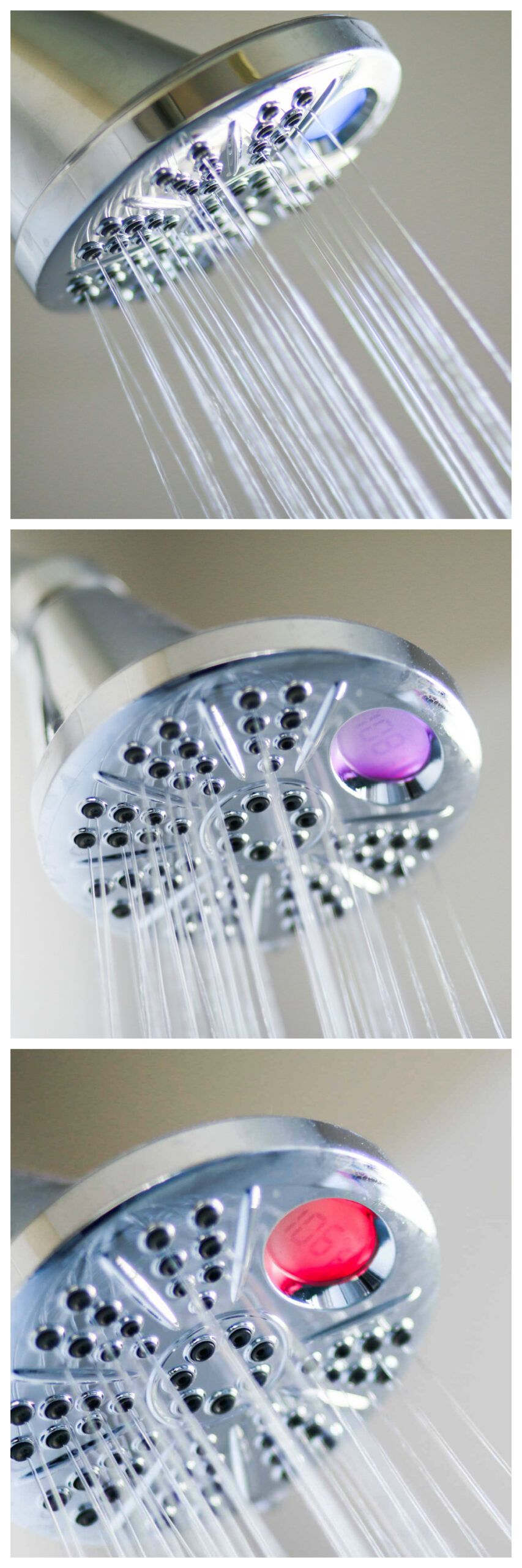
Sometimes the problem lies with the fixture itself. Outdated showerheads and faucets may not have the precision needed for stable temperatures. Modern fixtures often come with improved controls and better materials that resist wear and tear. Look for models with dual-handle designs or high-quality single-handle options that provide more accurate temperature control. Some newer shower systems include digital displays that show exact temperatures, helping you fine-tune your preferences. Consider upgrading to a low-flow model if you’re concerned about conservation. These don’t sacrifice performance but can reduce overall water usage. The key is choosing fixtures that match your home’s plumbing capabilities. If you’re unsure about compatibility, consult with a plumber before purchasing. Remember, the right fixture can transform a frustrating experience into a relaxing one. It’s not just about aesthetics anymore—it’s about functionality and reliability.
Practical Tips for Daily Temperature Management
Beyond major upgrades, there are several daily habits that can help stabilize your shower temperature. First, always test the water before stepping in. This simple habit prevents surprises and gives you time to adjust if needed. Second, try to avoid using multiple water sources simultaneously. If you’re in the shower and someone else turns on the washing machine or starts a load of dishes, expect some temporary fluctuations. Third, keep your shower area well-insulated. Adding insulation around pipes can help maintain consistent water temperatures. Fourth, consider installing a recirculation pump. These systems circulate hot water through your pipes continuously, ensuring immediate access to warm water. Finally, remember that regular maintenance matters. Clean your showerhead periodically to remove mineral deposits that can affect water flow and temperature. These small steps add up to significant improvements in comfort and consistency. Every household can benefit from these simple practices, no matter how old their plumbing system is.
Stabilizing water temperature in your shower setup doesn’t have to be complicated or expensive. By understanding the root causes of temperature fluctuations and implementing practical solutions, you can create a more comfortable and reliable bathing experience. Whether it’s adjusting your water heater settings, installing a thermostatic mixing valve, or simply adopting better daily habits, each step brings you closer to consistent, pleasant showers. Remember, your comfort matters, and investing in proper temperature control is an investment in your daily well-being. Don’t let unpredictable water temperatures ruin your morning routine or evening relaxation. Take action today, and you’ll appreciate the difference tomorrow. After all, a stable shower temperature isn’t just about convenience—it’s about creating a peaceful space where you can truly unwind.