In today’s fast-paced urban environment, our outdoor spaces have become sanctuaries of calm and style. Whether you’re working in a bustling city or living in a compact apartment complex, the way we design our outdoor areas reflects our desire for both beauty and function. The challenge lies in creating spaces that feel fresh and modern while meeting the demands of city life. This guide explores how to balance aesthetic appeal with practicality when crafting your outdoor haven.
The modern urban dweller faces unique challenges when it comes to outdoor living. Limited space, harsh weather conditions, and the need for multifunctional areas all play a role in how we approach designing our outdoor environments. Yet, there’s something deeply satisfying about creating a space that feels intentional and beautiful. It’s not just about having a place to sit or eat; it’s about crafting an experience. What if your backyard, balcony, or even a small patch of concrete could transform into a space that feels like a retreat? This isn’t just wishful thinking – it’s entirely achievable with thoughtful design principles.
Understanding the Urban Outdoor Challenge
Urban outdoor spaces face distinct problems that suburban settings rarely encounter. The most common issues include:
• Limited square footage
• Exposure to pollution and noise
• Harsh weather conditions
• Need for privacy in close quarters
• Balancing multiple functions within small areas
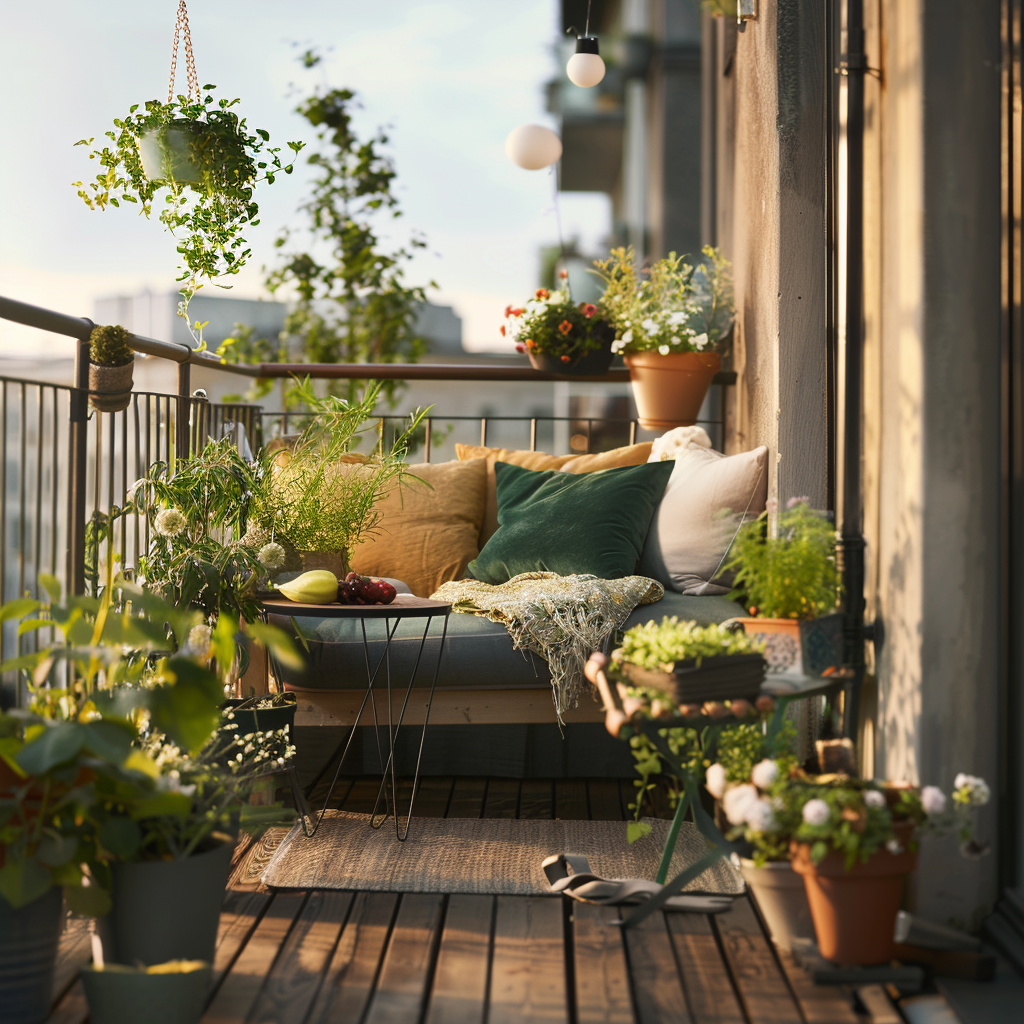
These constraints often lead to frustration, but they also push us to think creatively. When you work with limitations, you often discover innovative solutions that wouldn’t occur in larger spaces. For instance, a narrow balcony might seem restrictive, but it can become a masterpiece of vertical gardening and clever furniture placement.
The key is understanding that urban design isn’t about doing less—it’s about doing more efficiently. Every element must serve multiple purposes. A seating area that doubles as storage, a dining table that can be folded away, or a plant wall that provides privacy and beauty all represent the kind of thinking that makes urban outdoor spaces thrive.
Embracing Minimalist Modern Design Principles
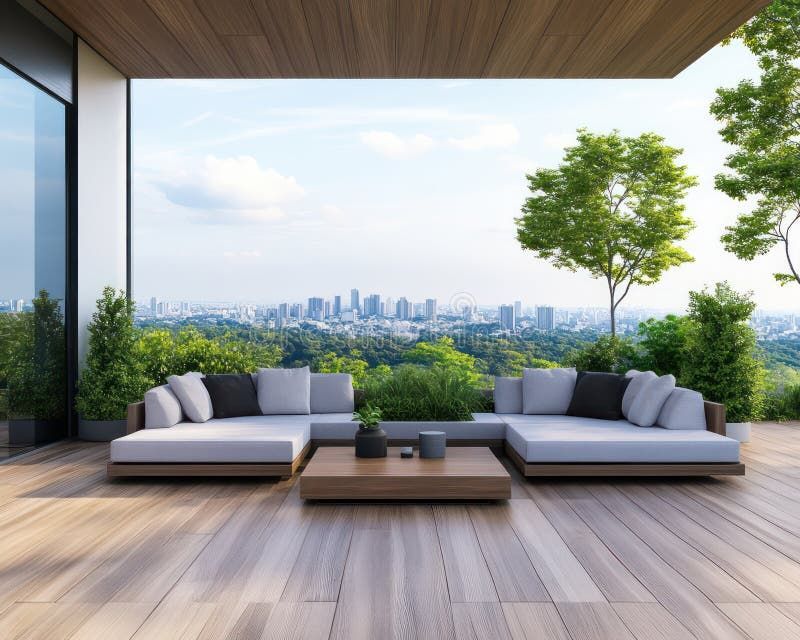
Minimalism in outdoor design means more than just clean lines and neutral colors. It’s about creating spaces that feel open and uncluttered while maximizing utility. Here’s how to apply minimalist principles effectively:
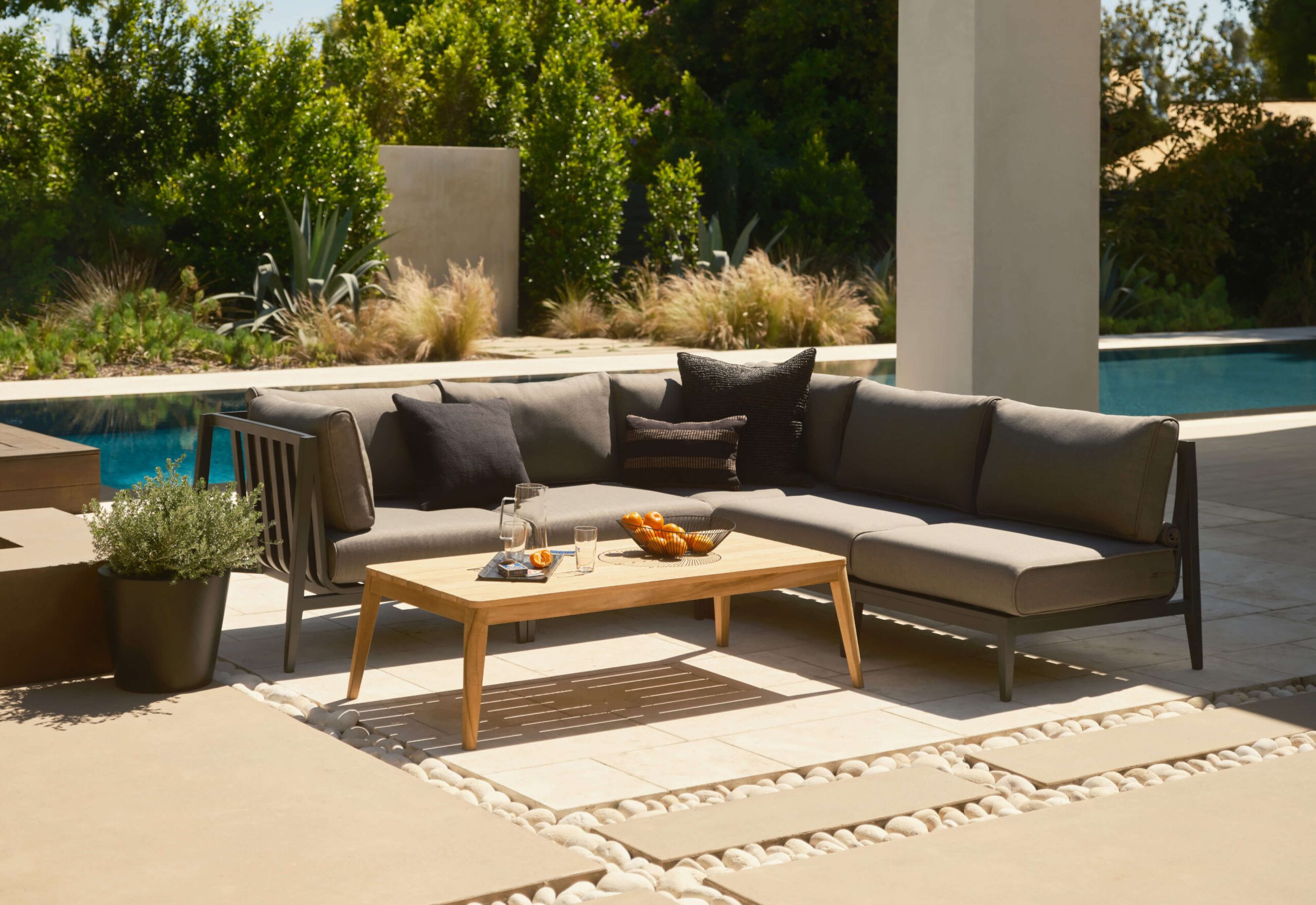
• Choose furniture with simple shapes and strong silhouettes
• Limit color palettes to 2-3 main hues
• Use natural materials like wood and stone
• Create defined zones with subtle changes in flooring or plantings
• Incorporate multi-functional elements
Think about how a single piece of furniture can serve several purposes. A coffee table that holds books and drinks, or a bench that provides seating and storage. These designs reduce visual clutter while maintaining practicality. The beauty of minimalist outdoor spaces lies in their ability to make small areas feel larger and more peaceful.
Consider the Japanese concept of ‘ma’ – the space between things. In outdoor design, this translates to using negative space strategically. Sometimes, the absence of elements creates more impact than their presence. A blank wall might be more striking than one covered in decorative items.
Maximizing Small Spaces with Smart Layouts
Small outdoor areas require careful planning to avoid feeling cramped. Here are essential layout strategies:
• Use vertical space with hanging planters or wall-mounted storage
• Create distinct areas using different floor materials or plants
• Implement the ‘rule of thirds’ for visual balance
• Choose furniture that scales well to the space
• Utilize multi-purpose zones
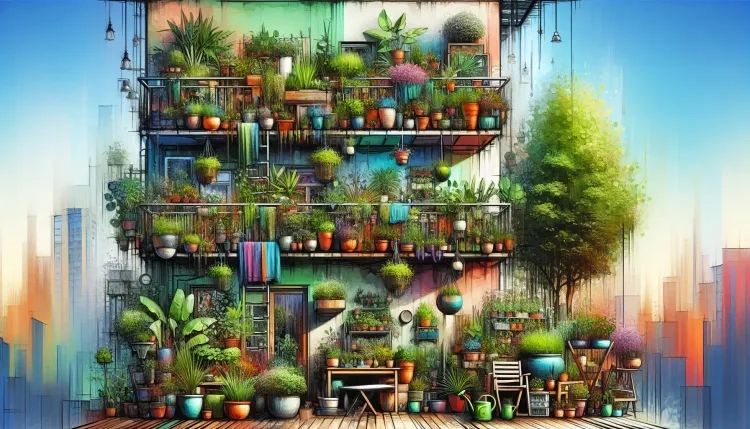
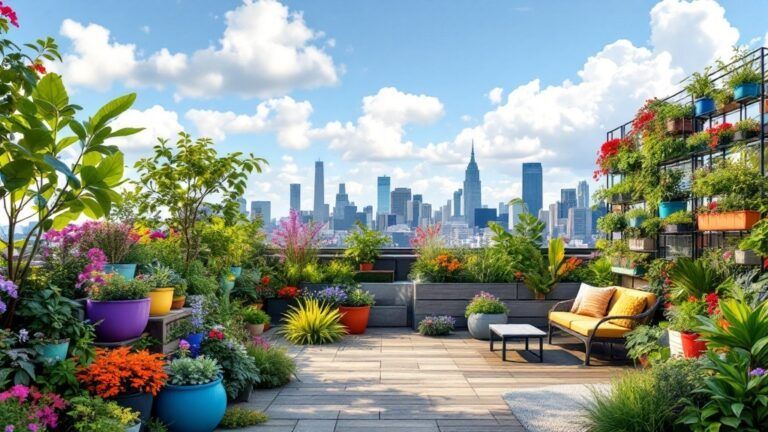
A great example of smart small-space design is the use of tiered planters. They add visual interest while serving practical purposes. You can grow herbs on one level, vegetables on another, and decorative plants on top. This creates a dynamic space that works on multiple levels.
Another effective technique involves creating visual depth. Place taller elements toward the back and shorter ones in front. This makes spaces appear larger and more inviting. Consider using mirrors strategically to reflect light and create the illusion of more space.
Remember, the goal isn’t to fill every inch but to create a sense of flow and purpose. Each element should have a reason for being there, contributing to the overall experience.
Choosing Materials That Suit Urban Conditions
Outdoor materials must withstand the rigors of city life. Here are key considerations:
• Weather resistance is paramount
• Low maintenance requirements
• Sustainable and eco-friendly options
• Compatibility with local climate
• Durability under foot traffic
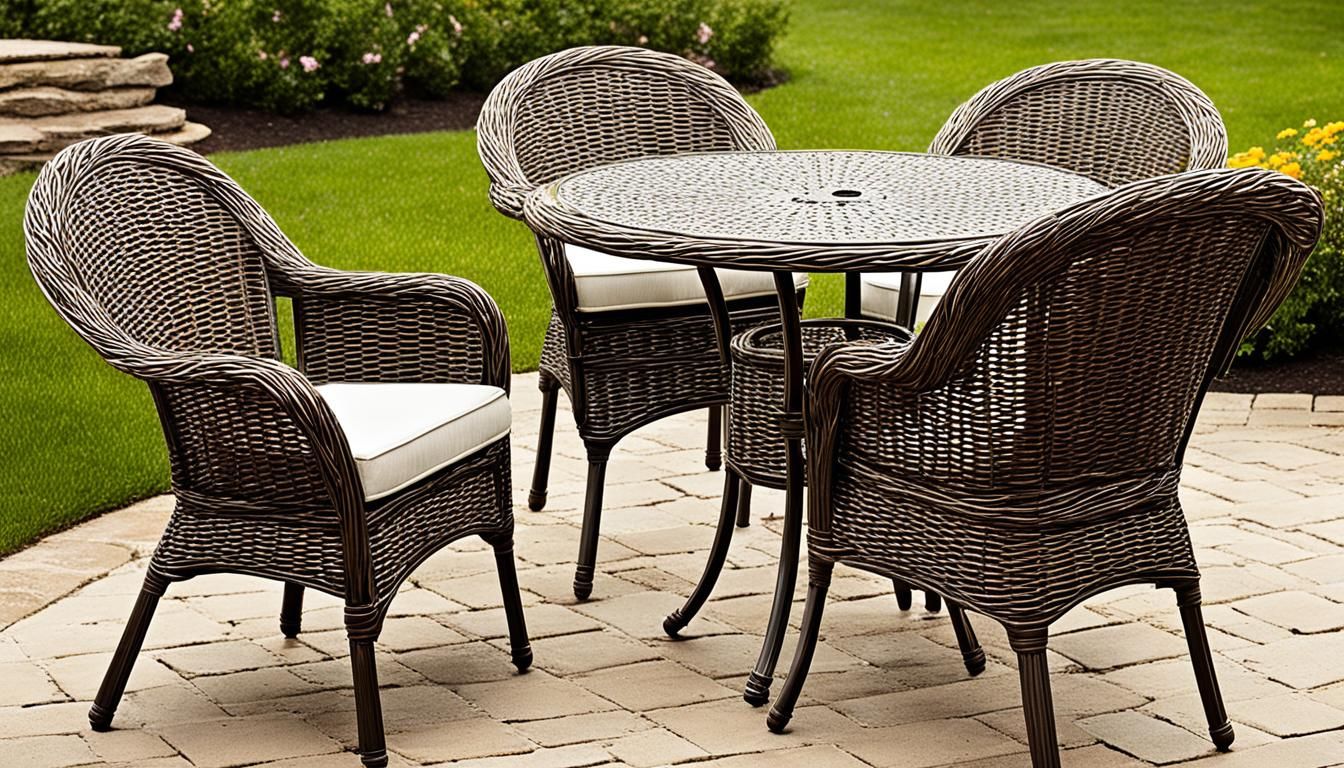
Modern materials like composite decking offer the look of wood without the maintenance. They resist rot, insects, and fading. Similarly, aluminum and steel furniture can handle rain and sun better than traditional wood.
Stone and concrete continue to be excellent choices for flooring because they’re durable and easy to clean. However, they can get hot in direct sunlight. Consider incorporating shade structures or choosing lighter-colored stones to mitigate this issue.
For those concerned about sustainability, recycled materials are increasingly popular. Recycled plastic lumber offers the appearance of wood with minimal environmental impact. It’s also resistant to moisture and pests.
Don’t overlook the importance of texture. Combining materials like smooth concrete with rough stone or natural wood adds visual interest while providing different tactile experiences.
Integrating Technology and Smart Features
Modern outdoor spaces benefit greatly from technology integration. Smart features don’t have to be flashy to be useful:
• LED lighting systems that can change color or brightness
• Smart irrigation systems that water plants automatically
• Outdoor speakers for music and ambiance
• Automated shade systems
• Solar-powered elements
One practical application is using programmable LED strips around seating areas. They provide ambient lighting for evening gatherings while allowing you to set different scenes for various activities. Imagine setting a warm glow for dinner and a bright white light for reading.
Smart irrigation systems are particularly valuable in urban areas where water restrictions might apply. They can be programmed to water plants during cooler hours and adjust based on weather conditions. This saves water while ensuring your garden stays healthy.
The key is choosing technology that enhances rather than overwhelms the space. A few well-placed elements can dramatically improve usability without making the area feel overly commercial.
Creating Privacy and Comfort in Urban Settings
Privacy is often the biggest challenge in urban outdoor spaces. Here are effective solutions:
• Plant screens with tall grasses or shrubs
• Install privacy panels or screens
• Use furniture arrangements to define spaces
• Add soft elements like curtains or drapes
• Create layered planting schemes
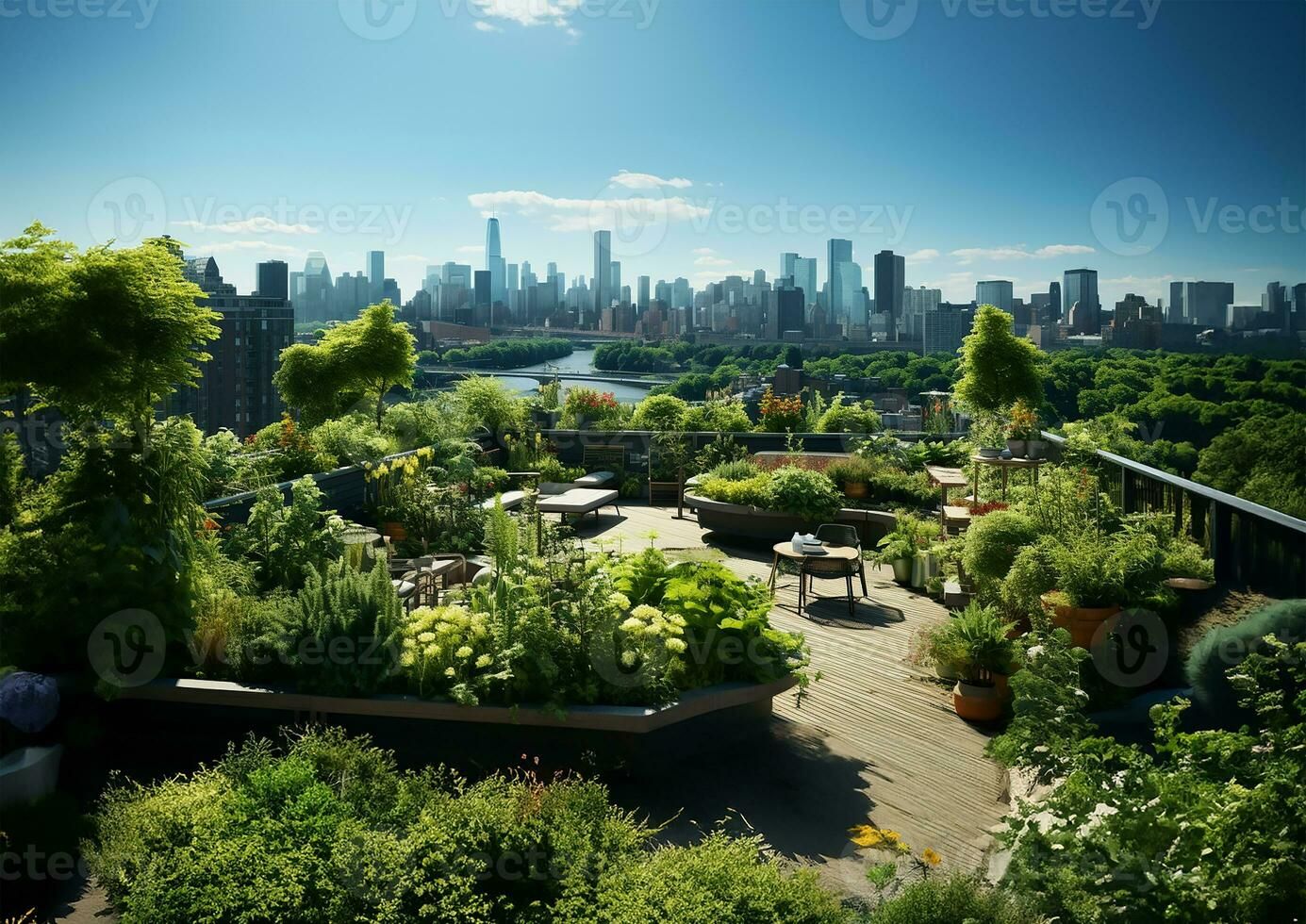
Vertical gardens are excellent for privacy while adding greenery. They can be designed to grow up walls or along fences, creating natural barriers that also filter air and reduce noise. Consider using climbing plants like jasmine or ivy for both beauty and function.
Another approach is to use furniture strategically. A low bookshelf or screen can define a dining area while maintaining openness. The key is balancing separation with visual connection.
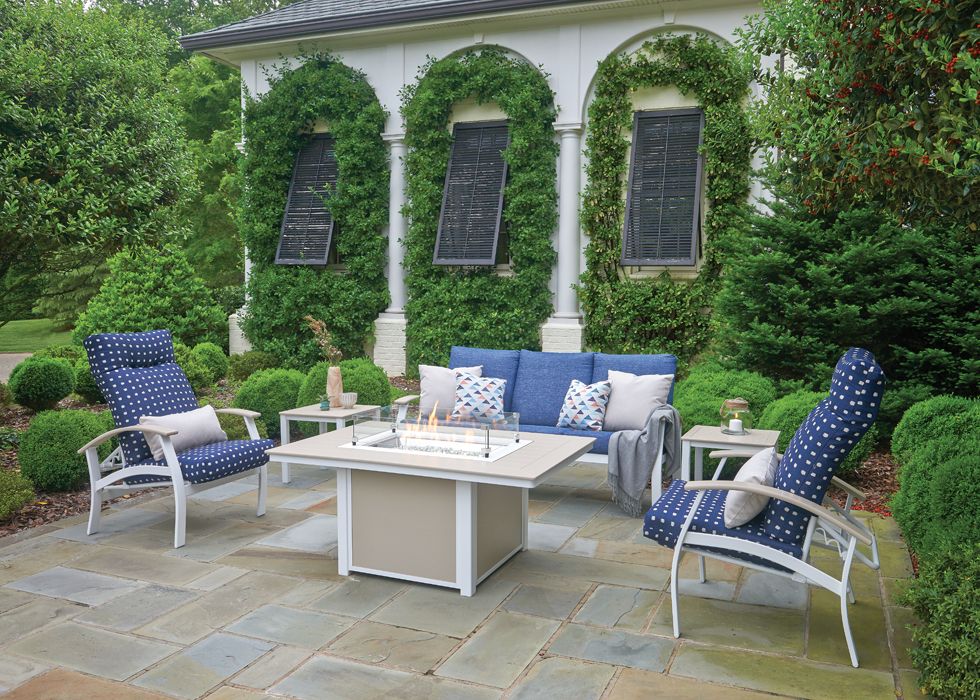
Comfort extends beyond seating. Consider adding elements like fire pits for warmth, windbreaks for protection, or even small water features for sound. These details make spaces more livable and enjoyable year-round.
Designing outdoor living spaces in urban environments requires a delicate balance between form and function. It’s not enough to simply make things look good – the spaces must work for real people in real situations. When you approach outdoor design with intention, creativity, and respect for the constraints of city life, you can create spaces that truly enhance daily living. Whether you’re working with a tiny balcony or a small backyard, the principles remain the same: choose wisely, plan carefully, and focus on what matters most. The result is a space that feels both modern and comfortable, practical and beautiful. It’s not about perfection – it’s about creating an environment that reflects your lifestyle and brings joy to everyday moments.