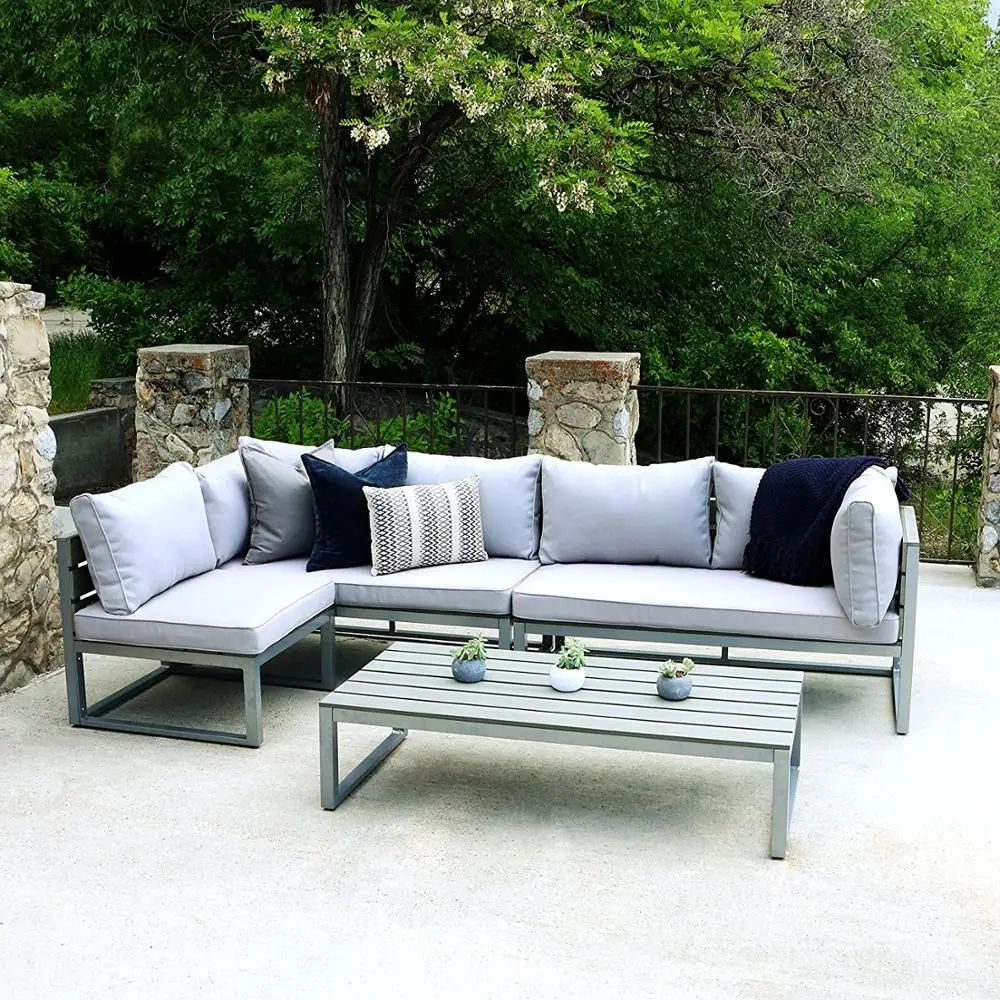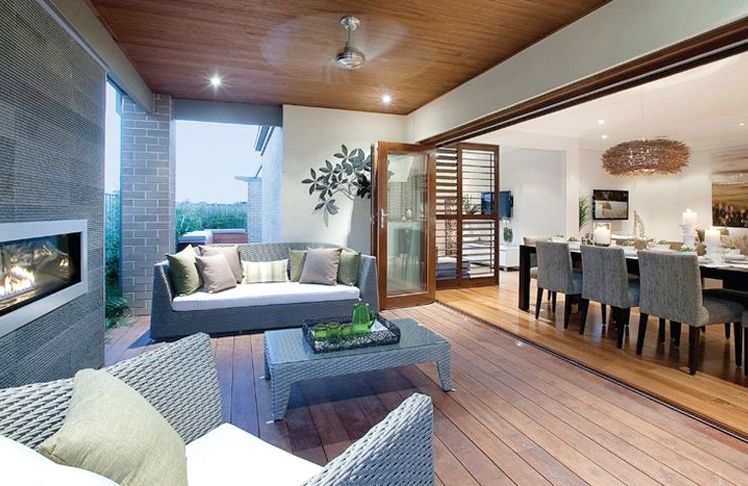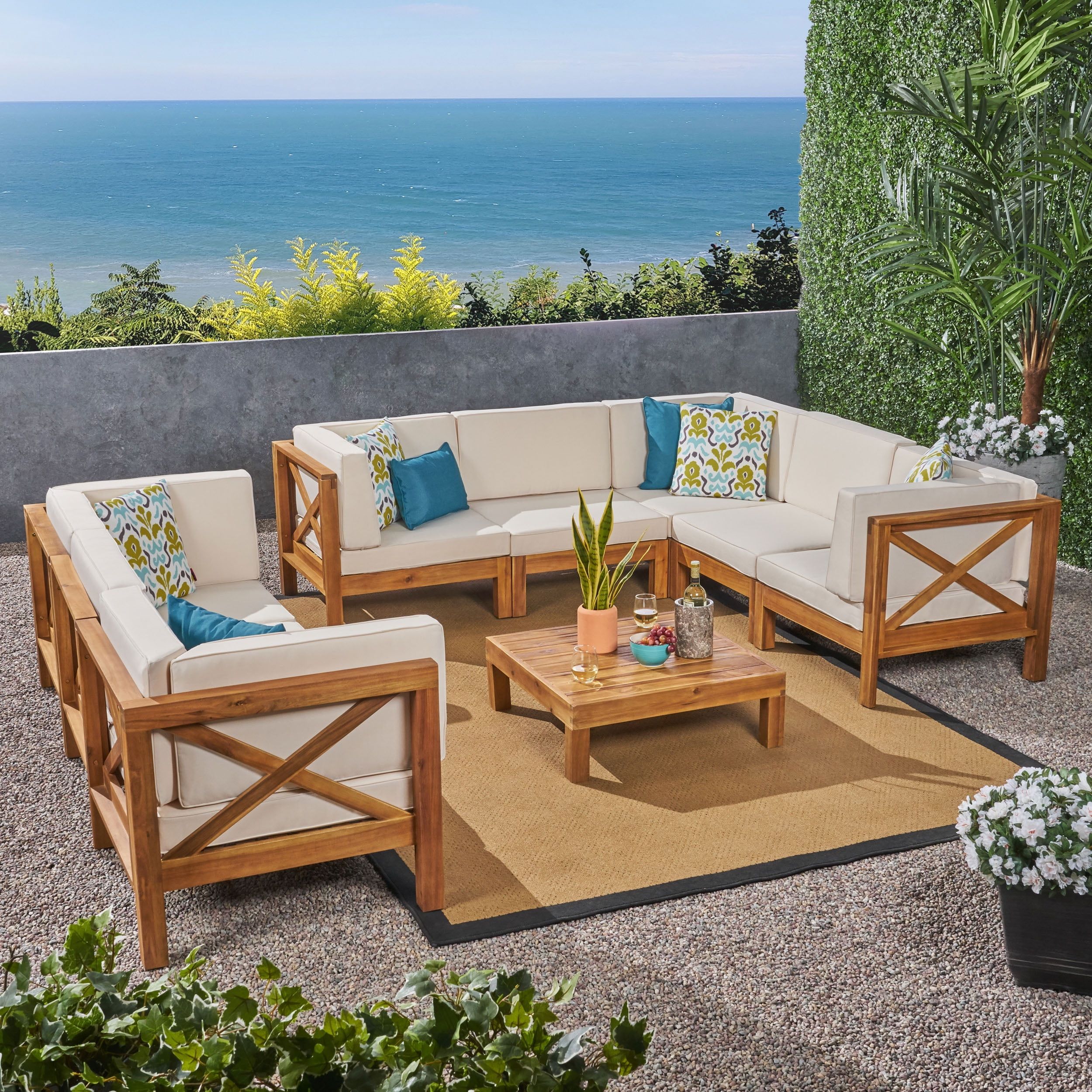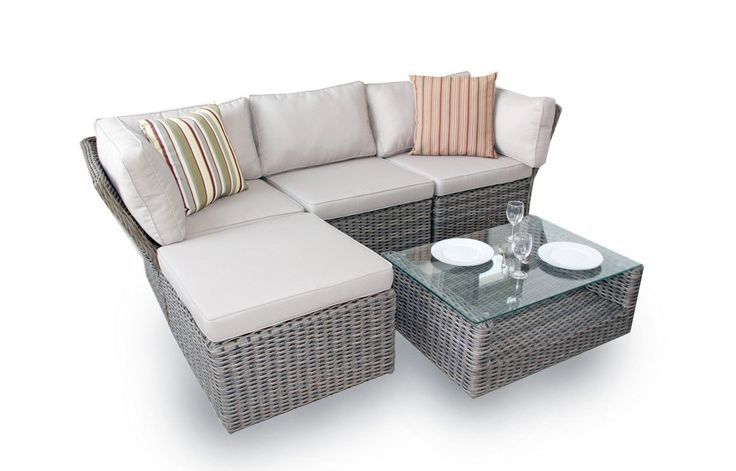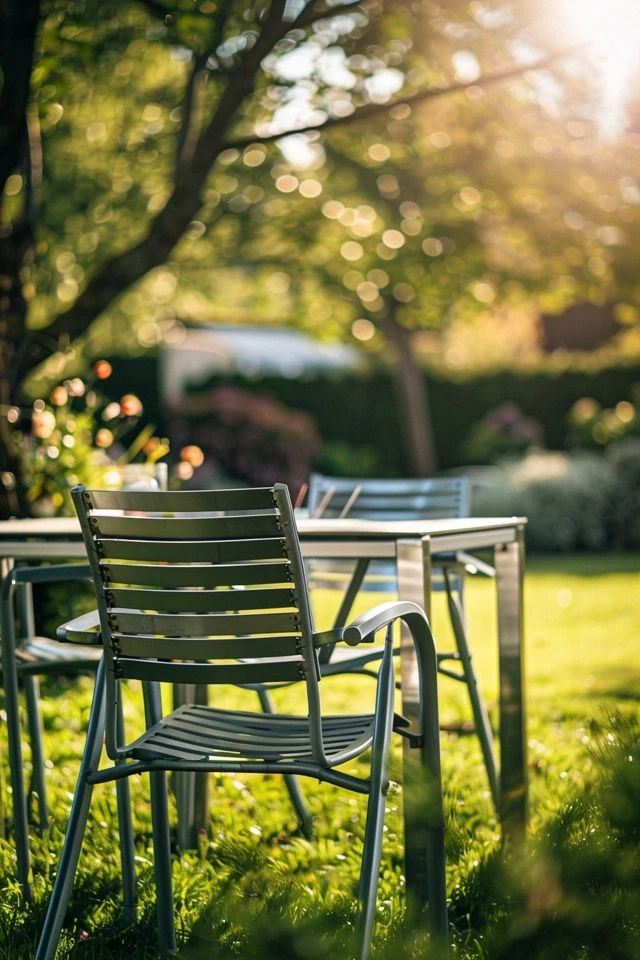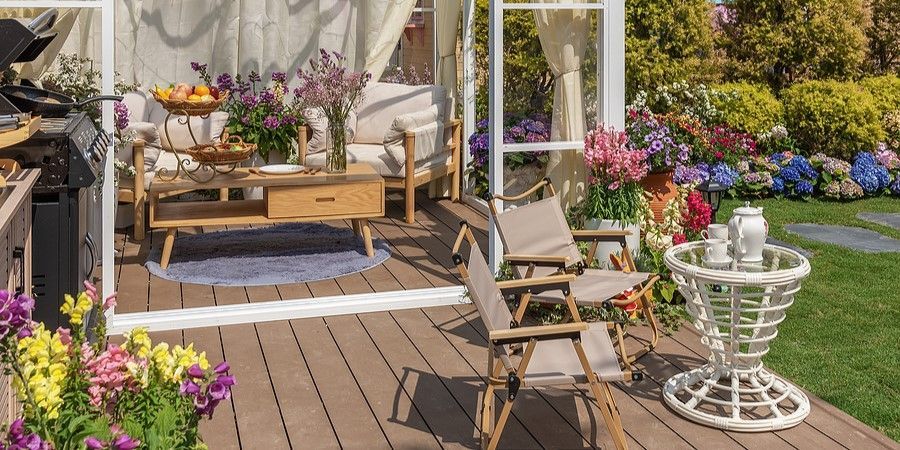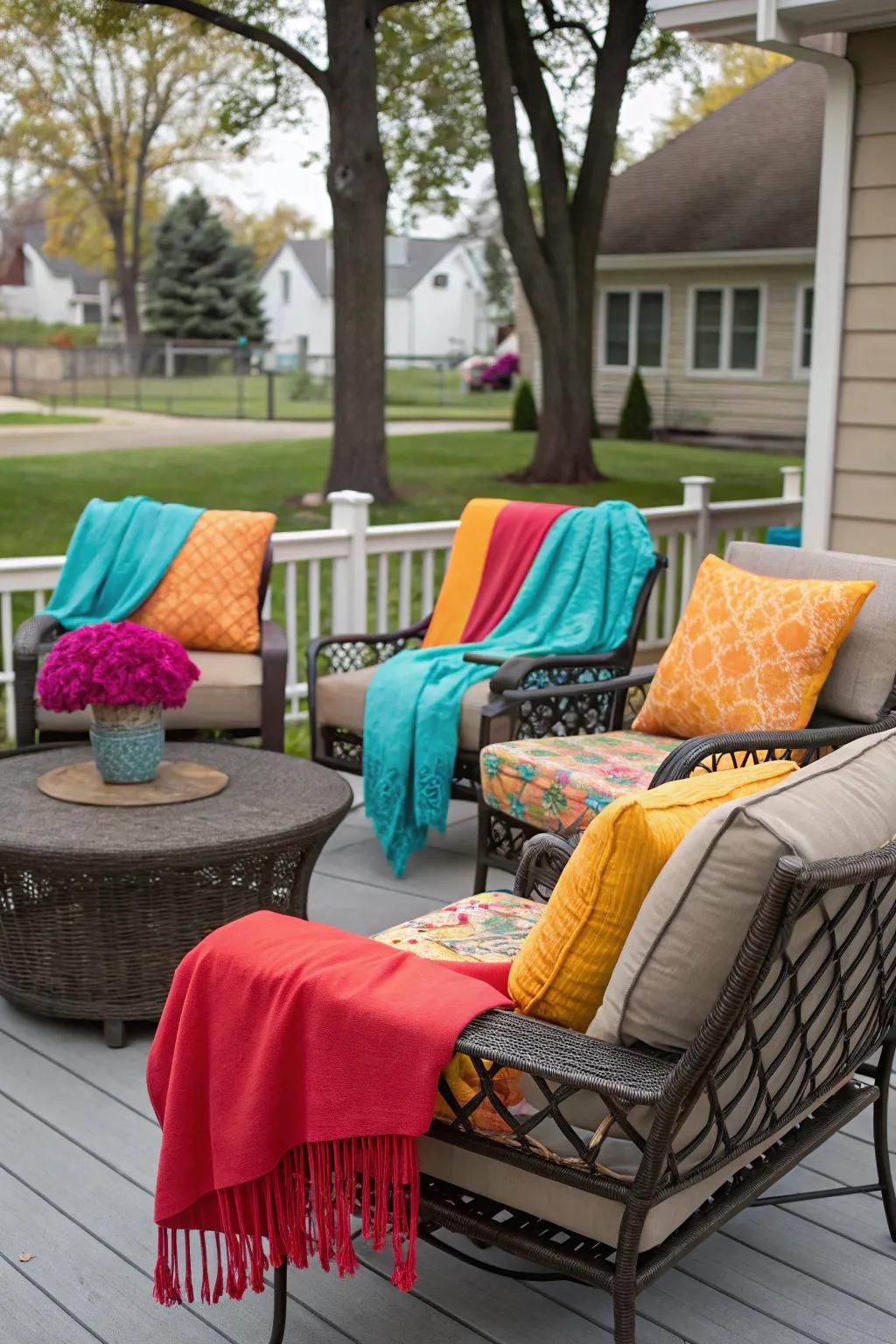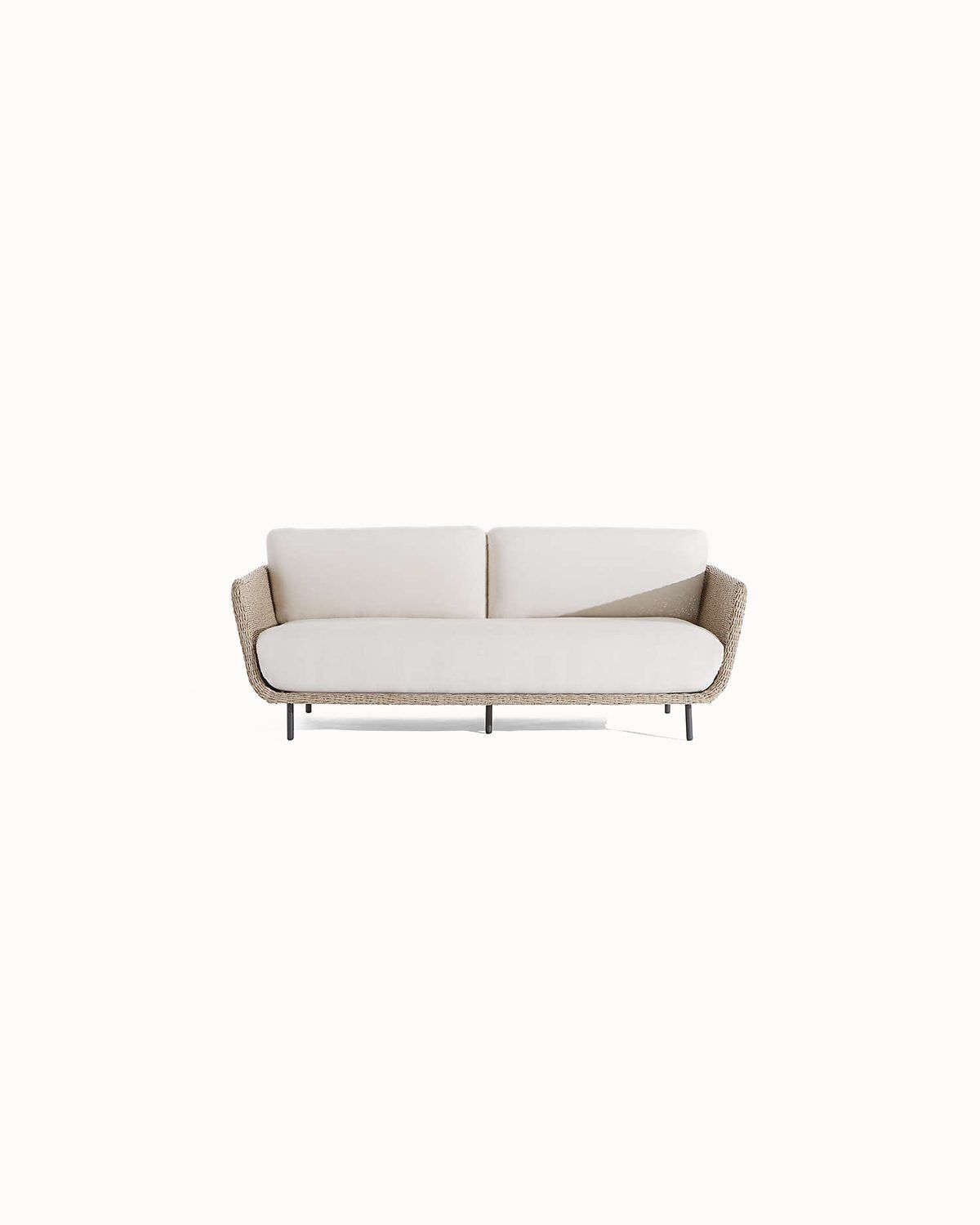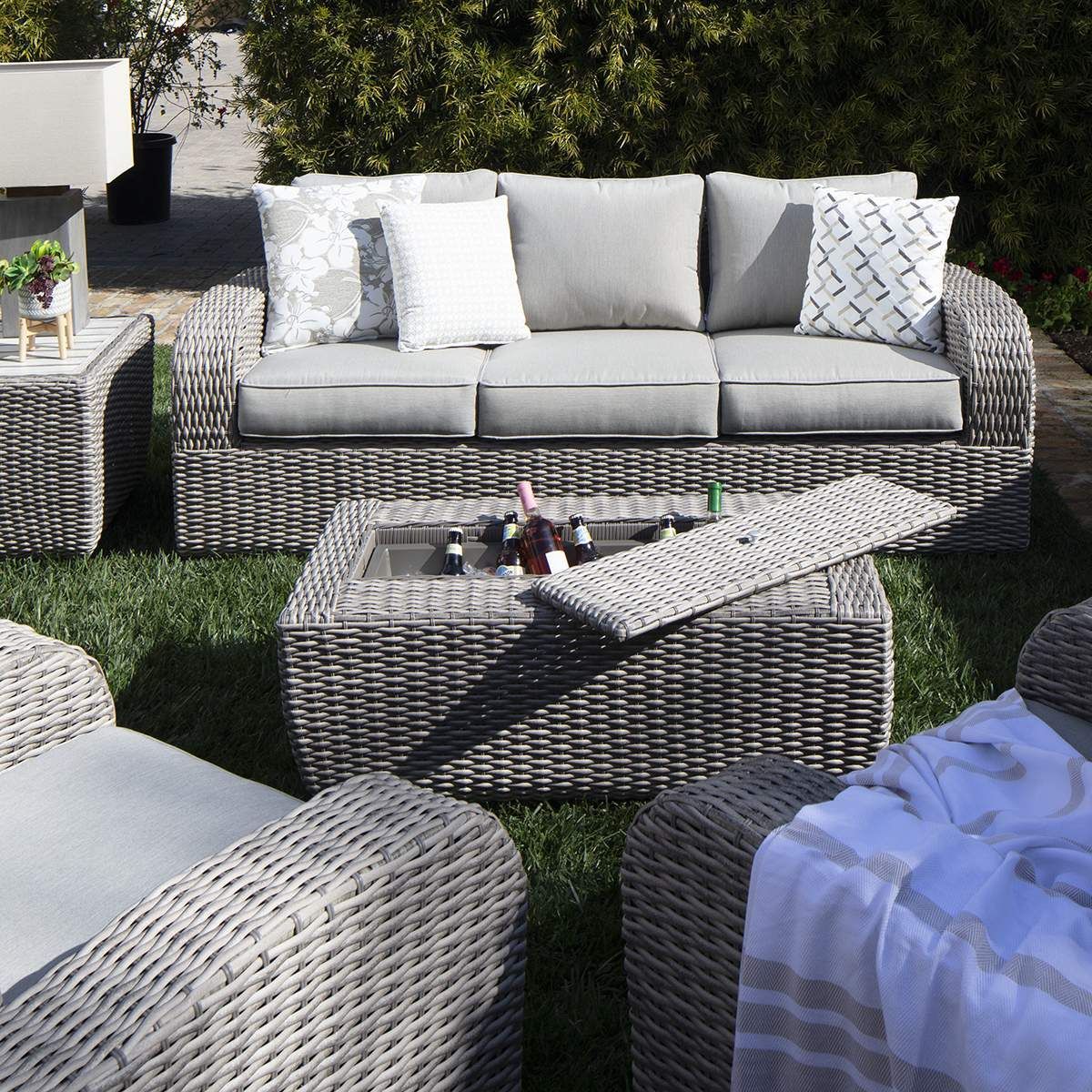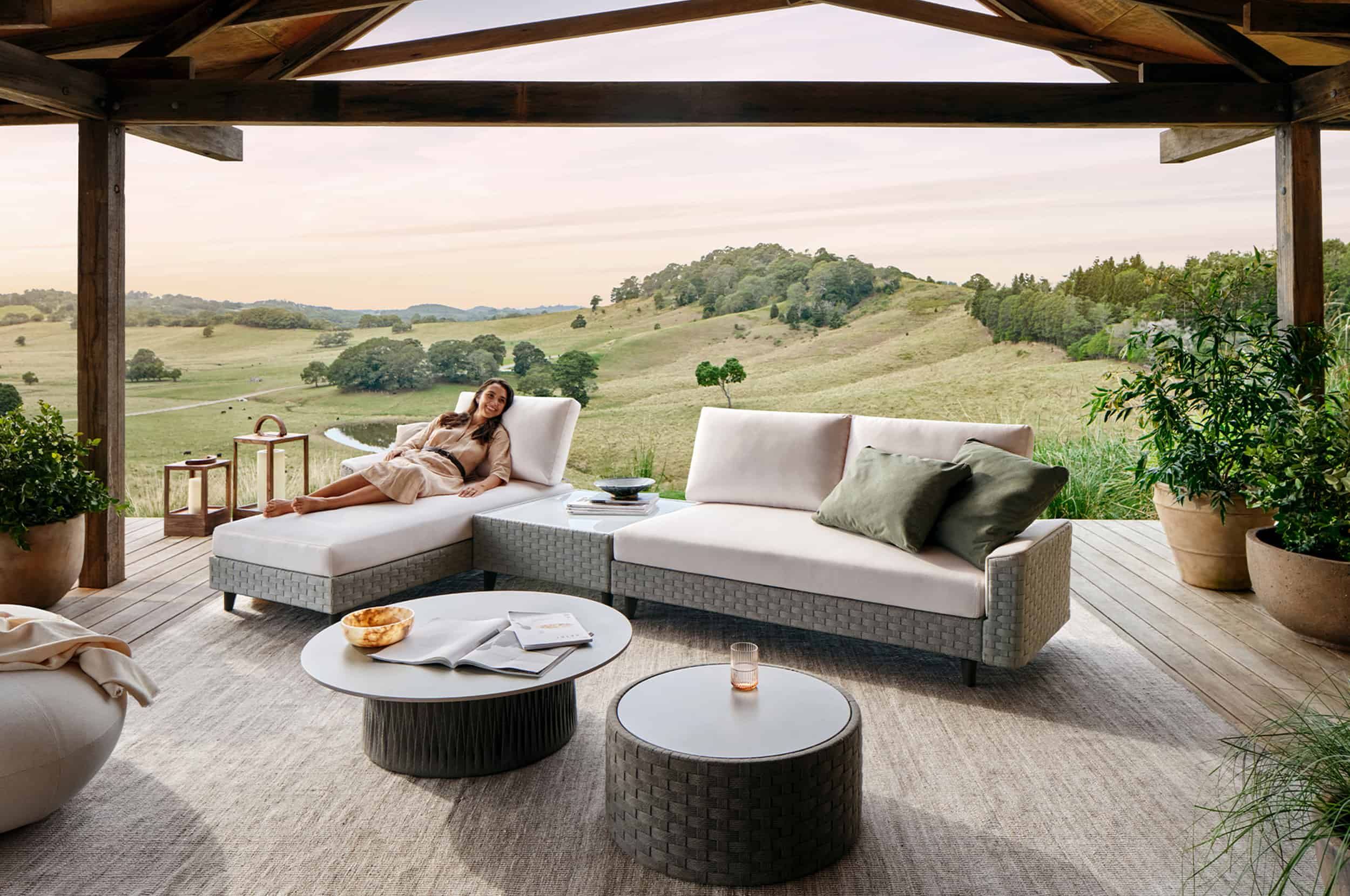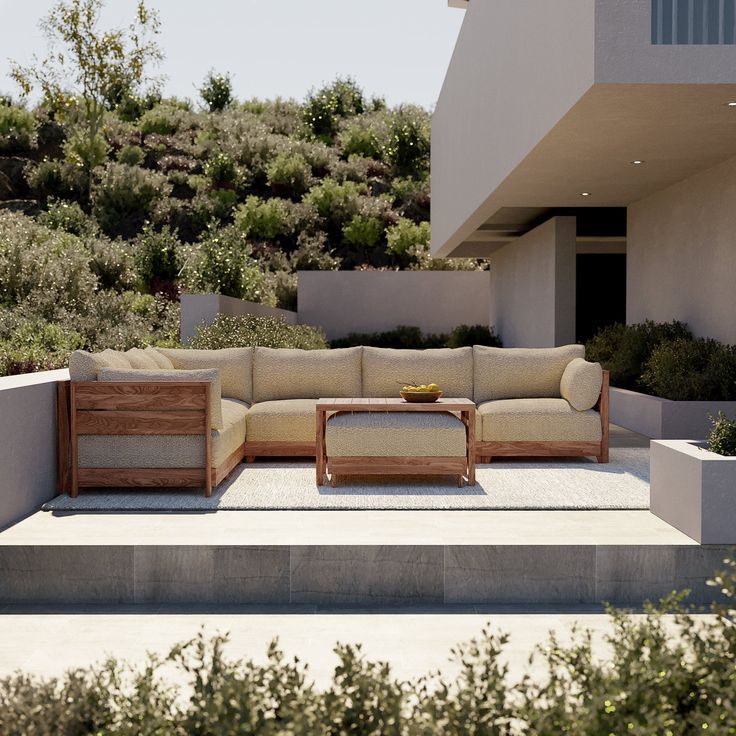
Picture this: a cozy backyard sanctuary where friends gather under the evening stars, children play nearby, and the gentle rustle of fabric chairs creates a soundtrack to summer evenings. This isn’t just wishful thinking – it’s achievable when you choose the right outdoor fabric seating. But what makes some fabrics last while others fade away within months? It’s not just about looking good; it’s about creating spaces that truly serve you year after year.
Outdoor living spaces have transformed from simple extensions of our homes into sophisticated entertainment zones that blend comfort with functionality. The heart of any successful outdoor area lies in its seating – specifically, the fabric that covers those chairs and lounges. Yet many homeowners struggle with the seemingly endless options available, unsure which materials will provide lasting satisfaction. The truth is, building a durable outdoor living space starts with understanding the fundamental differences between various fabric types and their performance characteristics. What seems like a small decision about cushion material can dramatically impact how long your outdoor furniture lasts and how much joy it brings over time.
Understanding Outdoor Fabric Durability
When we talk about durability in outdoor fabric seating, we’re really discussing resistance to several harsh elements. Sun exposure, moisture, temperature fluctuations, and even insects all take their toll on materials. The most resilient fabrics are those that have been specifically engineered for outdoor conditions rather than simply being moved outside.
Think about it this way – a fabric designed for indoor use might look beautiful in your living room, but when exposed to UV rays for hours each day, it could fade within weeks. The key is finding materials that have been treated or selected specifically for their ability to handle these environmental stresses. Look for fabrics that have been tested for both fading resistance and wear resistance, not just aesthetic appeal. Many manufacturers now offer certifications that verify their products meet certain standards for outdoor performance.
Consider the difference between a basic polyester blend and a high-end solution like Sunbrella. While both may seem similar at first glance, the latter has undergone extensive testing and treatment processes that make it significantly more resistant to the elements. These treatments often involve specialized coatings that protect against water absorption, UV degradation, and staining. The investment in quality fabric often pays dividends in reduced replacement costs and continued enjoyment.
Key Factors in Fabric Selection
Choosing the right outdoor fabric involves evaluating several critical factors that influence both immediate satisfaction and long-term performance. First comes the fabric’s composition – whether it’s synthetic, natural, or a blend. Synthetic fibers like acrylic and polyester generally offer better resistance to fading and moisture than natural fibers such as cotton or linen.
Another crucial element is the weave pattern. Tighter weaves tend to resist water penetration better, while looser weaves might allow more air circulation but could be more prone to staining. Some fabrics are designed with special finishes that repel water or oils, making them easier to clean and maintain. These protective treatments can range from simple surface coatings to more complex chemical processes.
The thread count matters too, though not always in the way you might expect. A higher thread count doesn’t necessarily mean better durability – it depends on the quality of the threads and how they’re woven together. Some premium outdoor fabrics use fewer threads but with superior strength and resilience properties. The weave structure itself often matters more than raw numbers.
Don’t overlook the importance of color selection either. Darker colors absorb more heat and may become uncomfortable in direct sunlight, while lighter colors reflect heat better but could show dirt more easily. Consider how you actually use your outdoor space when choosing hues. If you spend a lot of time in full sun, you might want to balance heat management with practicality.
Maintenance and Care Practices
Even the highest-quality outdoor fabrics require proper maintenance to reach their full potential lifespan. Regular cleaning prevents the buildup of dirt, salt, and other substances that can cause deterioration over time. Most outdoor fabrics benefit from periodic deep cleaning, typically once per season or more frequently if used heavily.
Simple weekly maintenance can make a huge difference. Wiping down surfaces with a damp cloth removes surface debris before it becomes embedded. For heavier soils, using mild soap and water usually works well. Always check manufacturer instructions before applying any cleaning solutions, as some treatments can be sensitive to certain chemicals.
Proper storage during off-seasons protects fabrics from prolonged exposure to weather elements. Even when stored indoors, fabrics should be aired out periodically to prevent moisture buildup. Some people prefer to keep their outdoor furniture covered when not in use, but this requires careful attention to ventilation to avoid trapping moisture.
Seasonal preparation is essential. Before winter arrives, thoroughly clean all fabrics and inspect for signs of wear or damage. Early identification of problems allows for timely repairs or replacement of individual components rather than entire pieces. This proactive approach extends the life of outdoor seating significantly and saves money in the long run.
Climate-Specific Considerations
The climate where you live plays a major role in determining which fabrics will perform best in your outdoor spaces. Coastal environments present unique challenges with salt spray and humidity that can accelerate fabric breakdown. In these situations, fabrics with salt-resistant treatments and quick-drying properties are essential.
Desert climates demand different considerations, particularly regarding extreme heat and UV exposure. Fabrics that resist fading and don’t become uncomfortably hot to the touch are ideal. Some materials are specifically engineered to handle intense solar radiation without degrading quickly.
Areas with frequent rain or high humidity require fabrics that dry quickly and resist mold and mildew growth. Breathable materials that allow moisture to evaporate rather than trap it are preferable. These fabrics often feature special construction techniques that promote airflow while maintaining structural integrity.
Winter regions need fabrics that can handle freeze-thaw cycles without cracking or losing their shape. Some materials actually become more resilient in cold temperatures, while others might become brittle. Understanding your local climate’s specific demands helps guide fabric selection toward long-term success.
Cost-Benefit Analysis for Longevity
Investing in quality outdoor fabric seating might seem expensive upfront, but considering the total cost of ownership tells a different story. Lower-cost options may appear economical initially, but they often need replacement every few years due to fading, tearing, or other wear issues.
Quality fabrics typically cost more initially but offer extended service lives that can span 10-15 years or more with proper care. This longevity translates to fewer replacement purchases and less waste over time. Many premium outdoor fabrics come with warranties that cover fading, tearing, or other defects, providing additional value beyond the initial purchase price.
Consider the ongoing costs too. High-quality fabrics require less frequent cleaning and maintenance, saving both time and money. They also reduce the stress of constantly replacing worn-out pieces. When you factor in the time saved, the peace of mind, and the continued enjoyment of your outdoor space, the investment in quality begins to look more reasonable.
Some people find that the initial expense of premium fabrics pays for itself through reduced replacement costs and the enhanced satisfaction of having furniture that truly lasts. The key is balancing your budget constraints with the long-term value you expect from your outdoor living space.
Practical Tips for Selection and Installation
Making the final choice among outdoor fabrics requires a systematic approach that considers your specific needs and usage patterns. Start by identifying how you’ll actually use your outdoor space. Will it see heavy daily use, or more casual weekend gatherings? This determines whether you need maximum durability or simply good performance.
Take measurements carefully and consider the overall design of your outdoor area. The fabric should complement your existing décor while providing functional comfort. Test samples in your actual environment to see how they look and feel under different lighting conditions.
Look for fabrics that offer multiple benefits simultaneously. Some materials combine fade resistance with stain protection and easy cleaning properties. Others might provide both comfort and durability without compromising on aesthetics. The best choices often integrate several positive qualities rather than excelling in just one area.
Installation matters too. Proper mounting and support systems ensure that your seating remains stable and comfortable over time. Consider professional installation for larger pieces or complex setups. Good craftsmanship in the initial assembly sets the foundation for long-term performance regardless of fabric quality.
Building a durable outdoor living space is ultimately about making thoughtful decisions that balance immediate satisfaction with long-term durability. The fabric covering your outdoor seating represents one of the most important investments you can make in creating a space that truly serves you and your family for years to come. By understanding the factors that influence fabric performance, taking proper maintenance seriously, and considering your specific climate and usage patterns, you can select materials that will continue to provide comfort and beauty season after season. The key isn’t just buying something that looks good today, but choosing fabrics that will stand the test of time and weather. When you invest wisely in outdoor fabric seating, you’re investing in countless hours of enjoyment and memories created in your personal outdoor sanctuary. The effort you put into selecting the right materials now will pay dividends in the form of lasting comfort and satisfaction for years ahead.