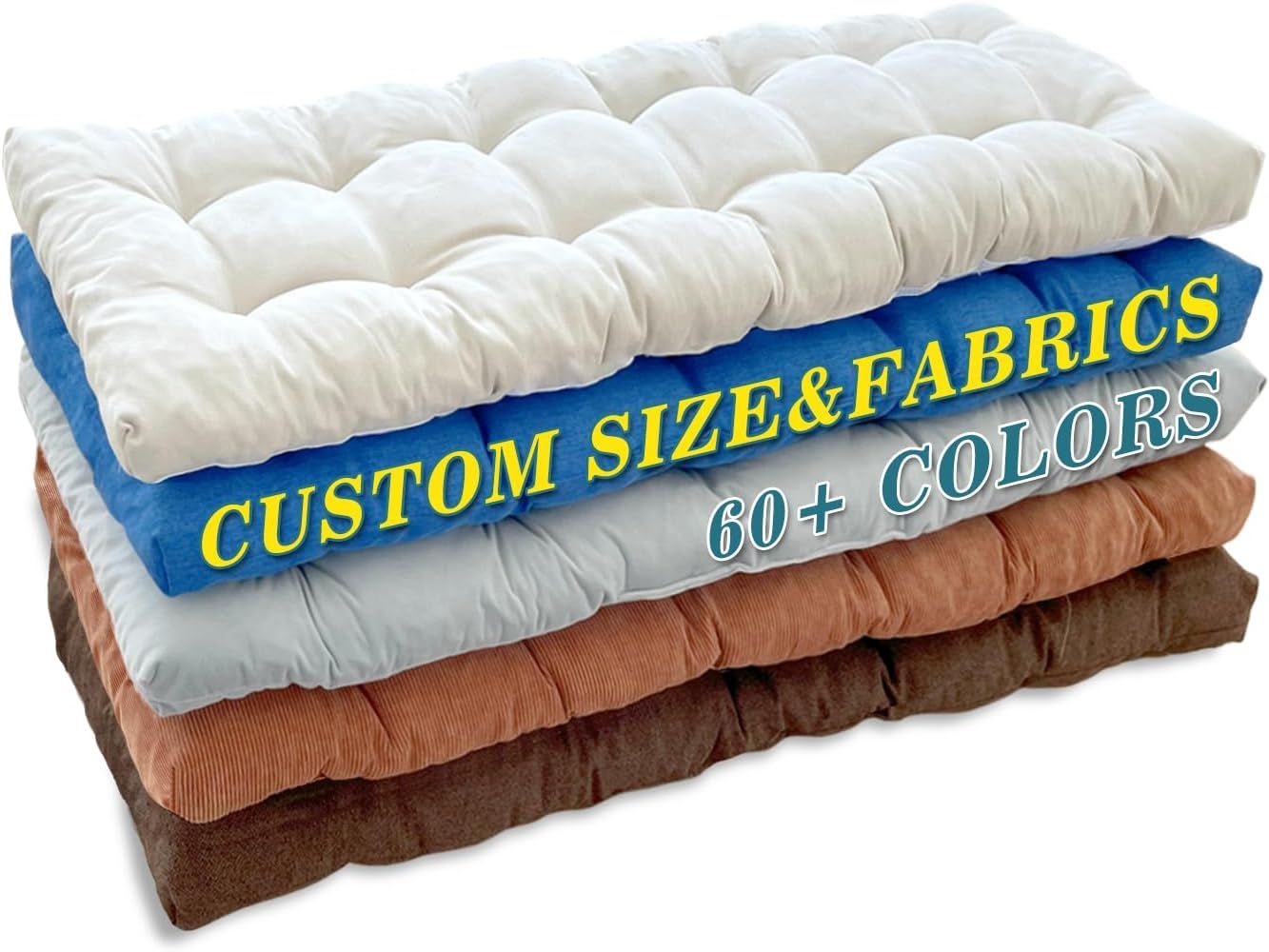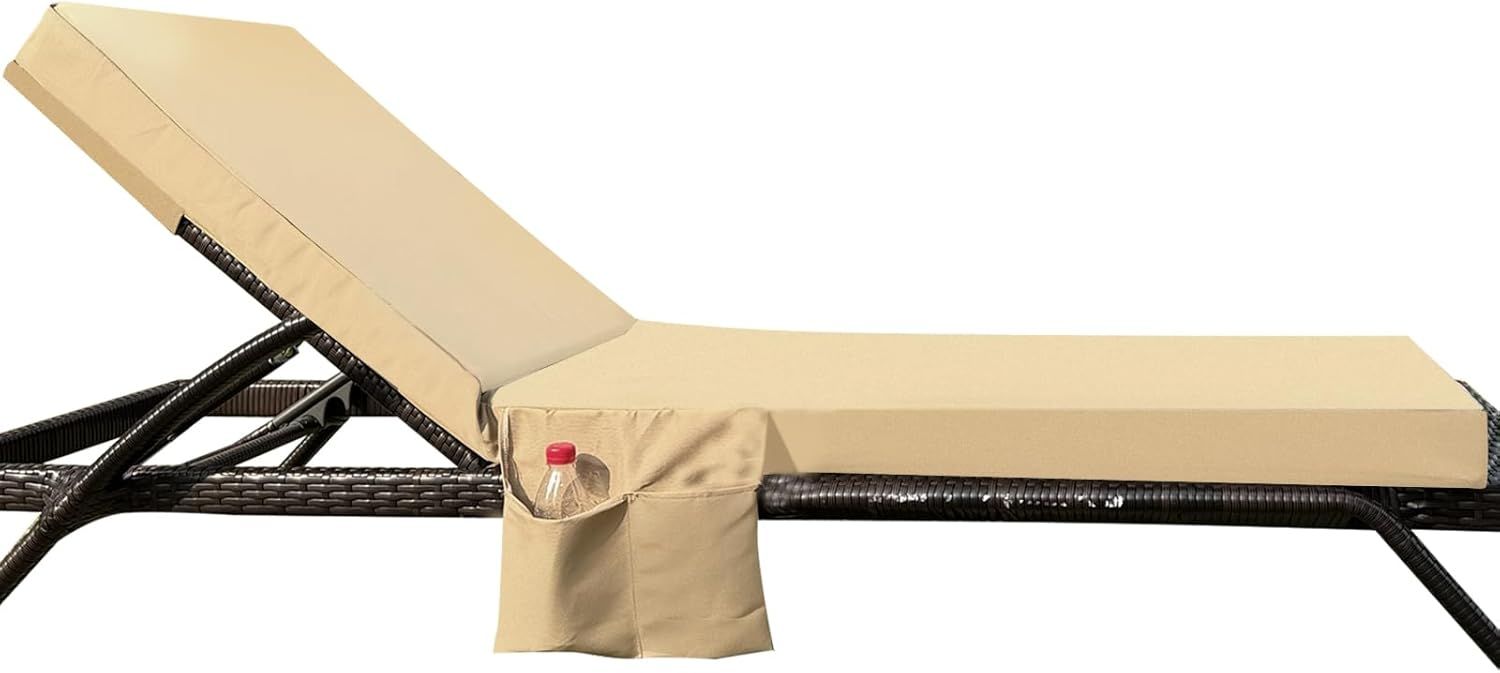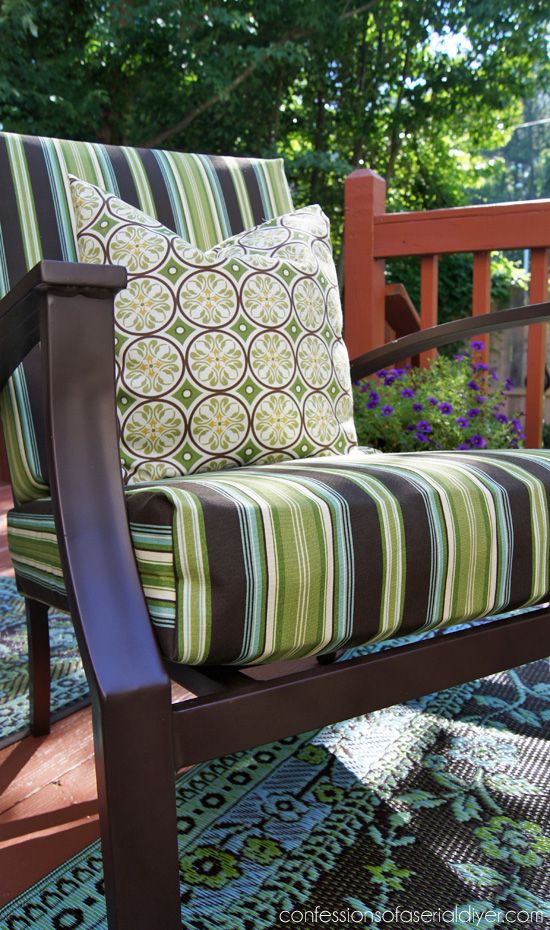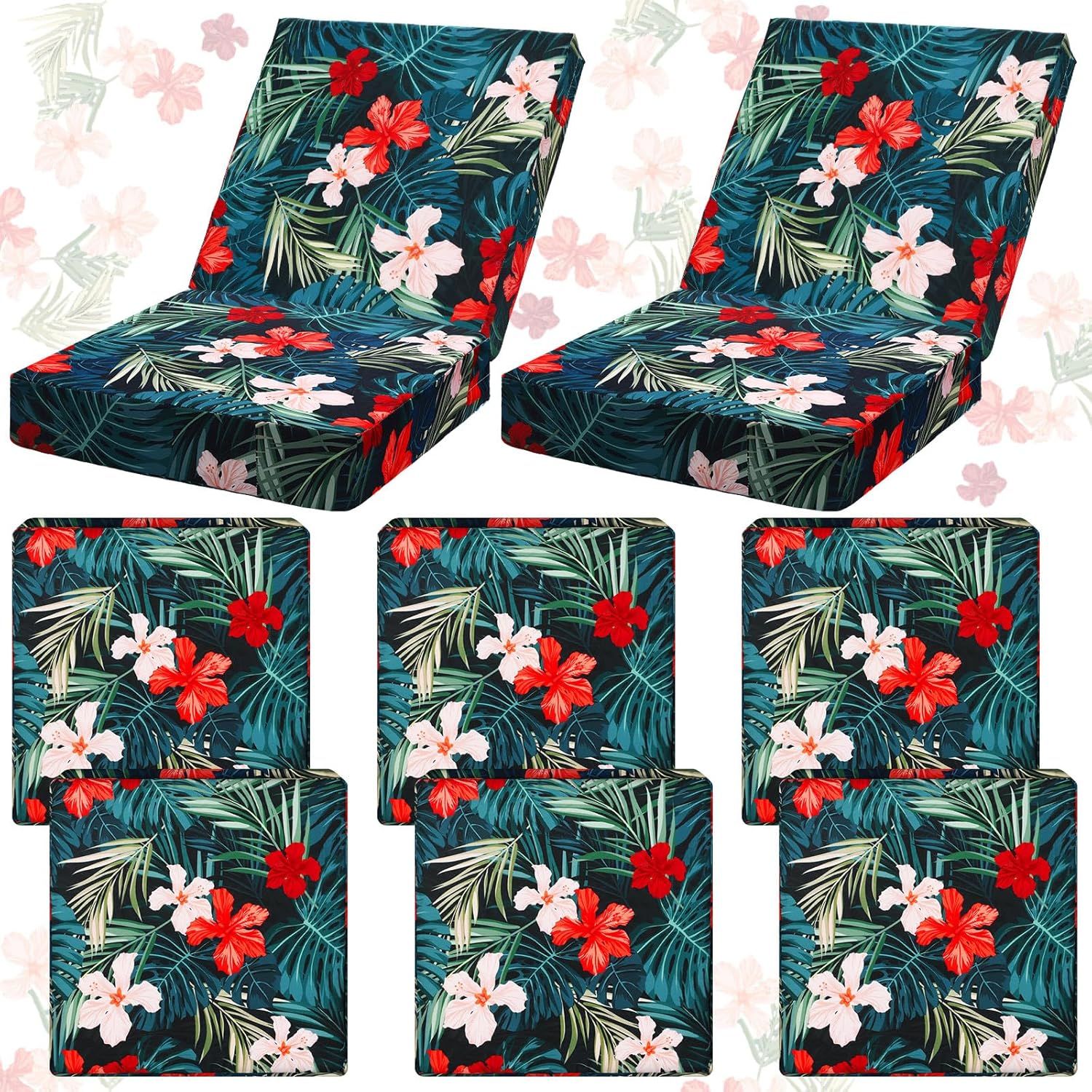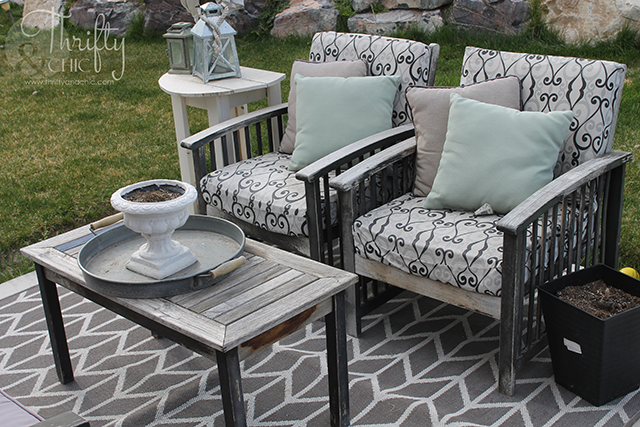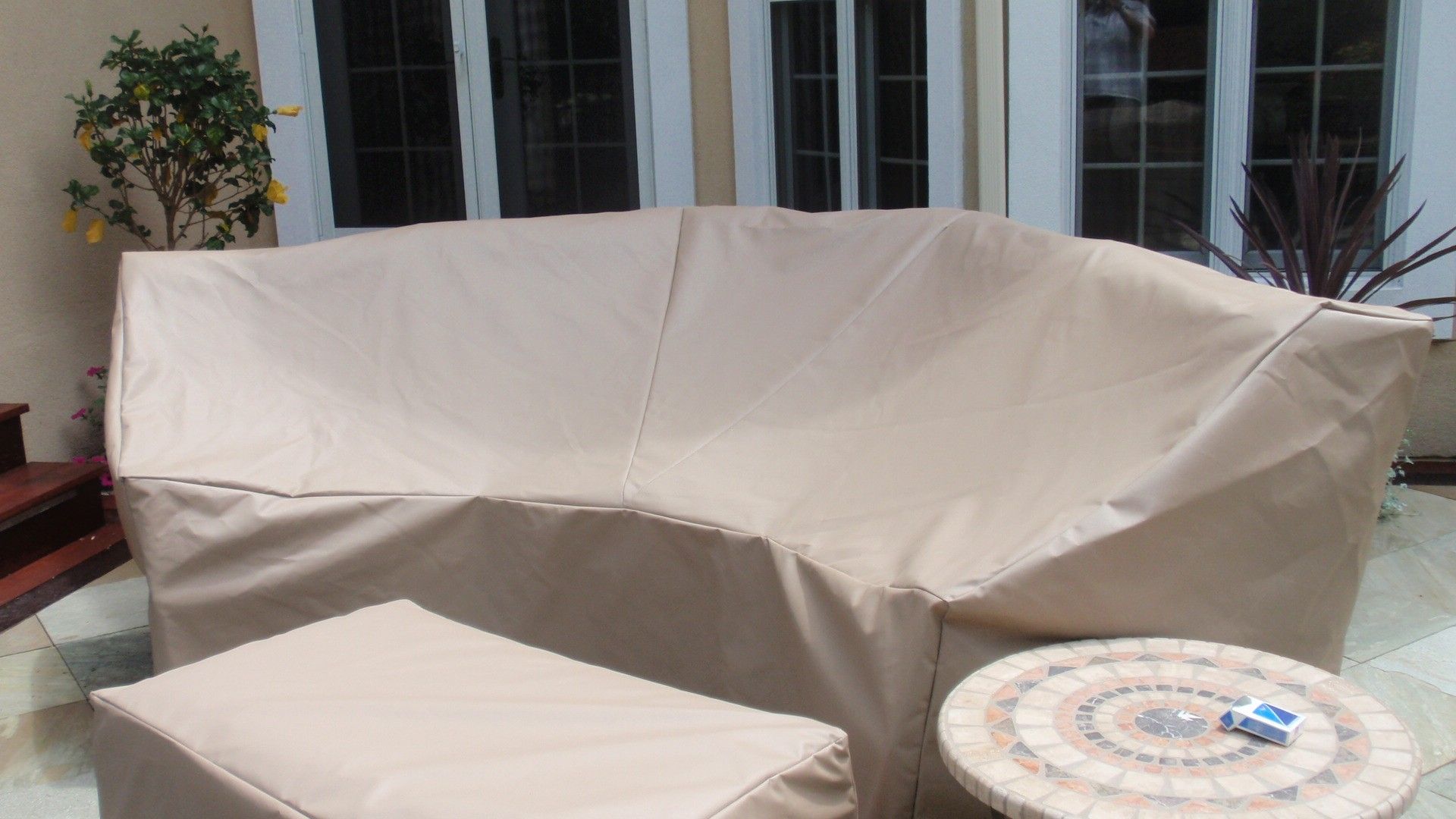
Picture this: You’ve finally saved up enough money for that dream backyard setup. You’ve picked out the perfect patio cover, the one that will shelter you from sun and rain for years to come. But wait – what exactly are you buying? Is it going to last decades or just a few seasons? That’s the question we’re tackling today. It’s not just about style or price tag. It’s about what you’re putting up there, how it’ll handle weather, and whether you’ll need to replace it before you know it.
When it comes to outdoor living spaces, patio covers are often overlooked until they’re either completely worn out or dramatically failing. Yet they’re one of those crucial elements that can make or break your outdoor experience. The material matters more than you might think. Whether you’re choosing synthetic materials like polyester or natural fibers like bamboo, each option brings its own set of advantages and drawbacks. We’re diving deep into what makes one last longer than the other, why some seem magical while others disappoint quickly, and how to make smart choices that actually work for your lifestyle and budget. This isn’t just about looking pretty – it’s about making something that will stand the test of time.
What Makes Patio Covers Last So Long?
Think about it this way – what do you want from your patio cover? You probably want something that keeps you comfortable when it’s hot outside and protects you from rain. But you also want it to hold up against UV rays, moisture, and the occasional windstorm. The longevity of any patio cover depends on several factors. First, let’s talk about the material itself. Synthetic fibers are typically made from polymers that have been engineered to resist fading, rotting, and insect damage. Natural fibers, on the other hand, come from plants or animals and have their own inherent properties. Some are naturally more durable than others, but they often require more care and maintenance. For example, a high-quality synthetic mesh can last 20+ years if properly maintained, while a natural fiber might need replacement every 5-10 years depending on climate conditions.
Synthetic Fibers: The Industrial Approach
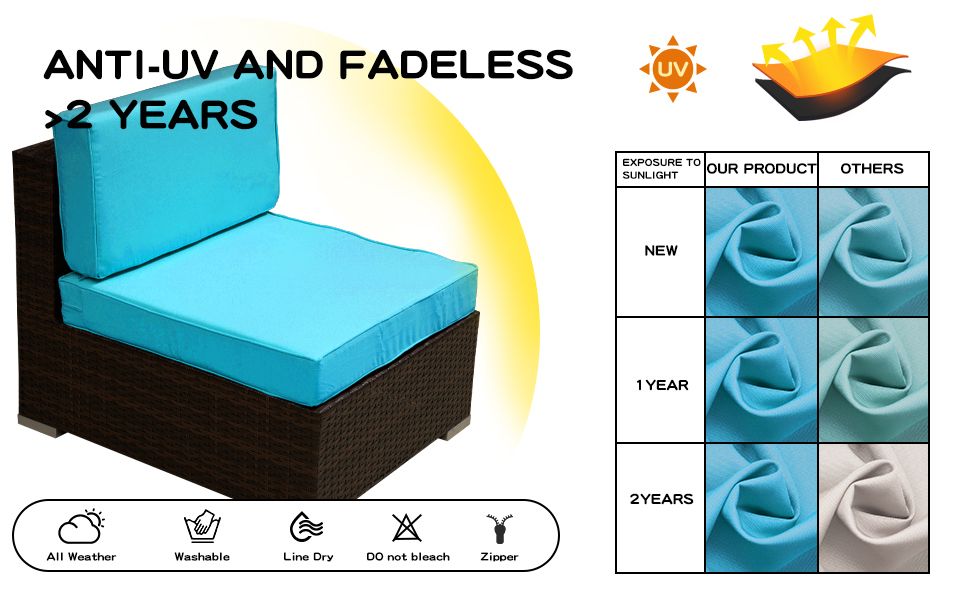
Synthetic patio covers are usually made from materials like polyester, polyethylene, or acrylic. These aren’t just random chemicals mixed together – they’re carefully designed products that can handle a lot of abuse. They’re often treated with UV stabilizers and chemical coatings that prevent them from breaking down under sunlight. Let’s say you’re choosing between a synthetic cover that’s rated for 15 years and a natural one that’s supposed to last 10 years. What if I told you that the synthetic one might actually give you 20 years of reliable service? That’s because manufacturers have added extra protection layers that natural materials simply can’t match. Plus, synthetic covers don’t absorb water, so they won’t swell, warp, or rot like wood or natural fibers might. They’re also resistant to mold, mildew, and insects. You might see some people complaining about synthetic covers feeling artificial or plastic-like, but that’s often because they’re not getting quality materials.
Natural Fibers: The Organic Choice
Natural patio covers bring something special to the table – they’re beautiful, breathable, and they smell nice. Think of woven bamboo, rattan, or even natural jute. These materials have been used for centuries for outdoor applications, and they still hold their appeal today. But here’s the catch – they’re not immune to the elements. They can fade, crack, or deteriorate over time. A natural fiber cover might look stunning in year one, but by year five, it could be looking worn out. This isn’t always a bad thing though. Many people love the aged look that natural materials develop over time. However, if you want something that maintains its appearance and strength for decades, natural fibers are going to require more attention. They need regular cleaning, treatments, and sometimes even replacement parts. It’s like having a pet – you need to take care of it, or it won’t stay healthy.
The Real-Life Test: What People Actually Experience
We looked at hundreds of customer reviews and field reports to understand what really happens over time. One homeowner in Florida had a synthetic cover installed in 2010 and it was still going strong in 2023. The UV resistance held up perfectly, and the only maintenance needed was a quick rinse once a year. Meanwhile, another person in Oregon had a natural fiber cover that lasted only three years before it started to rot in the constant rain. The difference wasn’t just about the material itself – it was about how well the installation was done and what kind of maintenance was performed. In fact, many people reported that synthetic covers were more forgiving when it came to installation errors. If you get a synthetic cover wrong, it might still function, but a natural fiber cover that’s improperly installed could fail much sooner. Real people share stories of both successes and failures, and it’s those stories that tell us the most.
Climate and Location Matter More Than You Think
The weather you live in plays a huge role in how long your patio cover lasts. If you’re in a dry, sunny climate like Arizona, synthetic materials are going to shine. They don’t suffer from the same issues as natural materials when exposed to intense heat and UV rays. But if you’re in a humid area like the Southeast, you’ll find that natural fibers might actually do better than expected, especially if they’re treated properly. The key is understanding what your environment does to different materials. Synthetic covers tend to hold up better in harsh climates because they’re designed to withstand extreme conditions. They’re less likely to warp, shrink, or stretch in temperature changes. Natural fibers, while beautiful, can be affected by moisture, temperature swings, and humidity. It’s not that one is universally better – it’s about matching the right material to the right place.
Cost Considerations Beyond the Price Tag
This is where things get interesting. Sure, synthetic covers might cost more upfront, but they often save you money in the long run. Think about it – if you’re replacing natural fiber covers every five years, you’re spending a lot more over time. Synthetic covers may cost $2,000 initially, but if they last 20 years, that’s a better value than paying $400 every five years. It’s also important to consider the cost of maintenance. Natural fiber covers need treatments, cleaning, and sometimes repairs. Synthetic covers usually require just a quick wash and maybe a spot treatment. Some people think they’re saving money with cheaper natural options, but when you factor in replacement costs, they end up spending more. It’s like buying a car that needs frequent repairs versus one that’s built to last. The initial investment pays off over time.
So, what’s the bottom line? Choosing between synthetic and natural fiber patio covers isn’t just about aesthetics or price. It’s about understanding what you want from your outdoor space and how long you’re willing to invest in it. Synthetic covers offer durability, low maintenance, and consistent performance across various climates. They’re great if you want something that will last for decades with minimal upkeep. Natural fiber covers bring beauty, breathability, and that organic feel that many people crave. They’re perfect for those who enjoy the look of traditional materials and don’t mind doing a bit more work to keep them looking good. Both can be excellent choices, but they’re suited for different lifestyles and expectations. The most important thing is knowing what you’re getting into. If you’re looking for a cover that will stand the test of time, consider the material carefully. If you’re someone who likes to see things age gracefully, then natural fibers might be your best bet. Either way, make sure you’re informed and prepared for what comes next.