Have you ever looked at your bathroom mirror or shower door and wondered how those white, cloudy spots got there? You’re not alone. These pesky marks aren’t just cosmetic issues – they’re actually telling a story about the water flowing through your pipes. What if I told you that understanding these stains could save you time, money, and a lot of frustration?
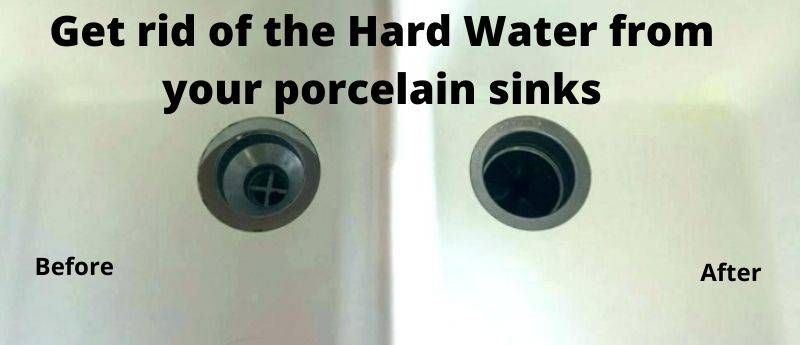
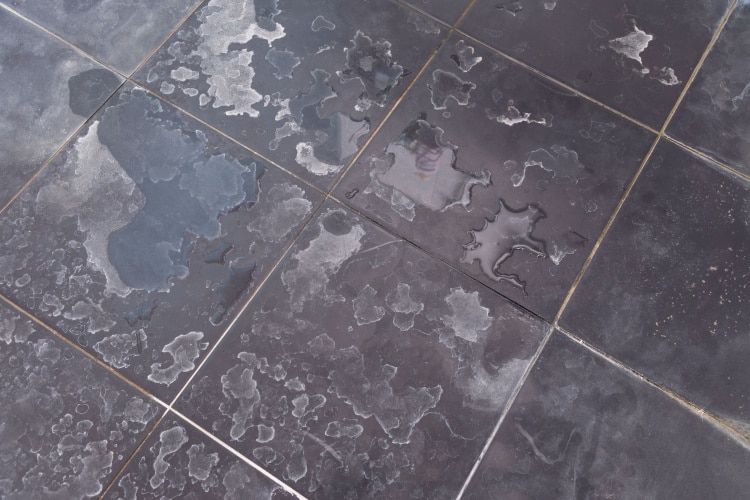
Hard water stains might seem like a small annoyance, but they’re actually quite common and can be surprisingly persistent. They appear everywhere – in bathrooms, kitchens, on glass surfaces, and even on your dishes. These deposits form when water containing dissolved minerals evaporates, leaving behind calcium and magnesium residues. It’s a natural process, but one that can really mess with your home’s appearance and cleanliness. The good news? With the right knowledge and approach, these stains don’t have to be permanent fixtures in your life.
What Causes Hard Water Stains?
Think of hard water as nature’s mineral-rich gift to your plumbing system. When groundwater seeps through rocks and soil, it picks up calcium and magnesium compounds along the way. These dissolved minerals don’t disappear when the water reaches your home – they stay suspended until something happens to them. When water evaporates, these minerals get left behind, creating those telltale white or yellowish deposits.
The amount of minerals in your water varies greatly depending on your location. Some areas have naturally soft water, while others deal with extremely hard water conditions. This difference explains why some people never encounter these stains, while others battle them daily. The minerals themselves aren’t harmful to health, but they do create quite the visual problem.
Where Do You Typically See Hard Water Stains?
These stains love certain places in your home:
• Bathroom fixtures – sinks, tubs, showers, and toilets often show telltale signs
• Kitchen appliances – especially those that come into contact with water frequently
• Glass surfaces – windows, mirrors, and shower doors get particularly bad spots
• Dishware and silverware – you might notice discoloration on your plates or cutlery
• Laundry – sometimes shows up on clothes after washing
The key is that these stains appear wherever water sits and evaporates. They’re most noticeable in high-humidity areas like bathrooms and kitchens, where moisture levels are consistently high.
Why Hard Water Stains Are So Difficult to Remove
These stubborn marks aren’t just simple dirt or grime. They’re actually mineral deposits that bond strongly with surfaces over time. The longer they sit, the harder they become to remove. Think of it like trying to wash off dried paint – it takes more effort and the right tools.
Some surfaces are more challenging than others. Porous materials like limestone or natural stone can absorb these minerals deeper into their structure. Smooth surfaces like glass or ceramic might seem easier, but the mineral buildup can create a protective layer that resists cleaning attempts.
Another factor is that many commercial cleaners aren’t designed specifically for mineral deposits. They work better on organic matter, leaving these hard water stains untouched or even making them worse by creating new chemical reactions.
Natural Cleaning Solutions That Actually Work
Don’t let the fancy store-bought products fool you – many effective solutions are right in your kitchen cabinet. Here are some tried-and-true natural options:
• White vinegar – its acidity breaks down mineral deposits effectively. Pour it directly onto affected areas and let it sit for 15-30 minutes before scrubbing.
• Lemon juice – another acidic option that works well for light stains. The citric acid helps dissolve the calcium buildup.
• Baking soda paste – creates a gentle abrasive action when mixed with water. Great for scrubbing away stubborn spots.
• Salt – acts as a mild abrasive and can help remove surface-level deposits.
These methods work because they target the chemical composition of the stains rather than just removing surface dirt. They’re also safer for both your family and the environment compared to harsh chemicals.
Commercial Products That Can Help
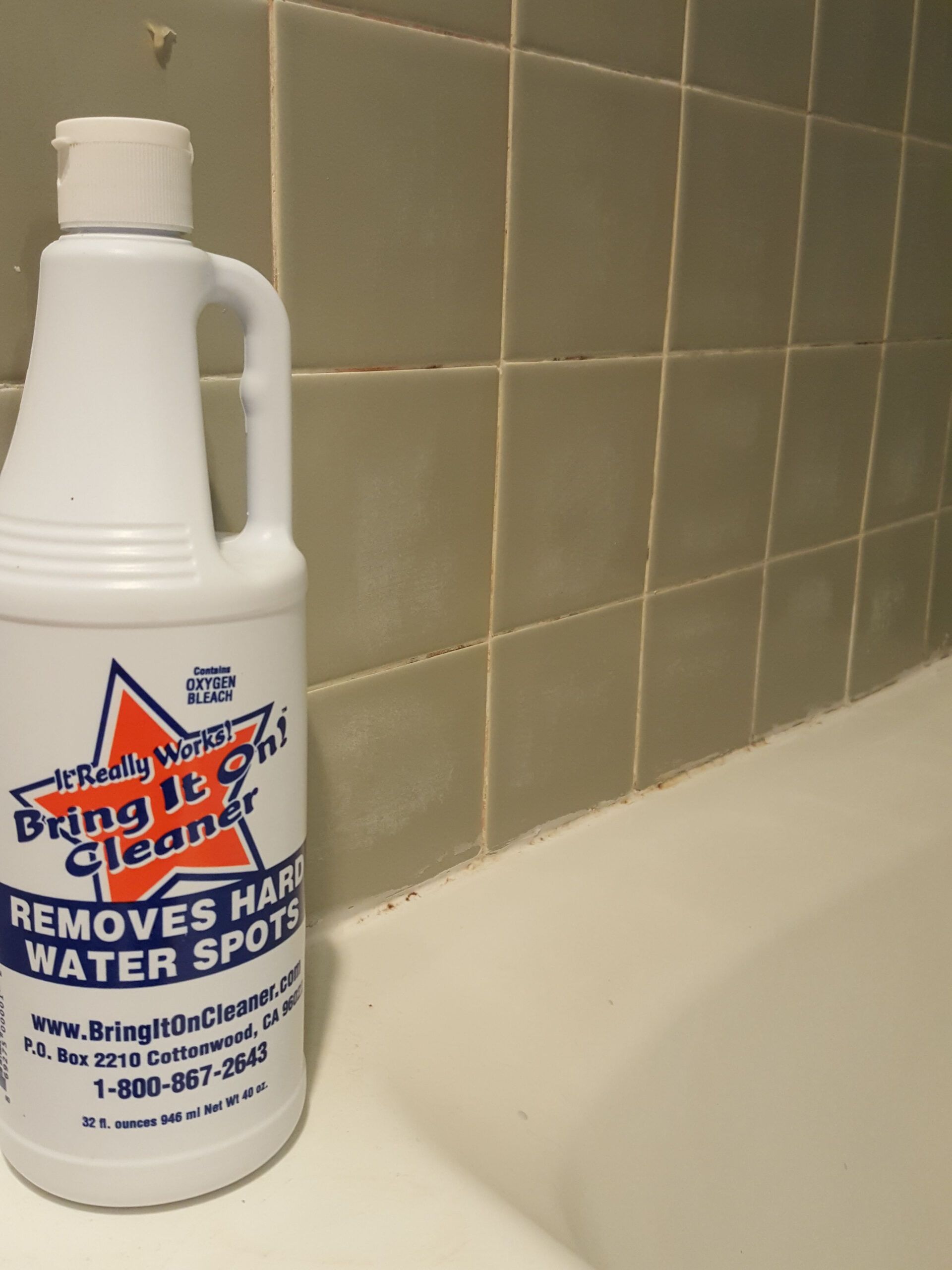
If you prefer using specialized products, there are several options available. Look for items labeled specifically for hard water stain removal or mineral deposit cleaning. Many are formulated with acids or chelating agents that bind to the minerals.
Some popular choices include:
• Descaler sprays – designed specifically for bathroom and kitchen surfaces
• Lime scale removers – work particularly well on showerheads and faucets
• Multi-surface cleaners – often combine multiple cleaning agents for broad effectiveness
However, always read labels carefully and follow instructions. Some products require ventilation, protective gear, or special handling. Also remember that these often work better on fresh stains rather than old, set-in deposits.
Prevention Strategies to Keep Stains at Bay
Prevention is always better than cure, especially with these recurring problems. Here are some strategies to minimize future staining:
• Regular cleaning – the sooner you address spots, the easier they are to remove
• Use a squeegee – especially after showers or baths to prevent water from sitting
• Install a water softener – this addresses the root cause by removing minerals before they reach your fixtures
• Apply protective coatings – some products create barriers that prevent mineral buildup
• Dry surfaces quickly – use towels or air dry after washing to reduce evaporation time
The most important tip is consistency. If you clean regularly and address small issues immediately, you’ll avoid having to deal with heavy-duty cleaning sessions later.
When to Call in the Professionals
Sometimes, despite your best efforts, these stains persist. Consider professional help when:
• The stains are very old and deeply embedded
• You’re dealing with large areas or multiple surfaces
• You’re unsure about the material of your fixtures or surfaces
• Commercial products aren’t working after repeated attempts
• You have expensive fixtures or surfaces that could be damaged
Professional cleaners often have access to stronger solutions and equipment that can handle tough cases. They can also assess whether underlying plumbing issues might be contributing to the problem.
Making the Most of Your Cleaning Routine
Creating an effective cleaning schedule can make all the difference. Set aside time weekly for quick maintenance tasks like wiping down surfaces and checking for early signs of staining. For more intensive cleaning, plan monthly deep cleans of areas prone to buildup.
Keep a small supply of your preferred cleaning solutions in convenient locations. This way, you can tackle stains immediately rather than letting them develop into bigger problems. Remember that prevention and regular attention are far more effective than dramatic cleanup sessions.
Hard water stains don’t have to be a permanent part of your household routine. Understanding what causes them, where they typically appear, and how to address them effectively gives you the power to maintain a cleaner, more attractive home. Whether you prefer natural solutions or are willing to try commercial products, the key is consistent care and knowing when to seek additional help. The investment of time and effort now will save you from dealing with stubborn, long-term stains later. Your surfaces will thank you, and your home will look much better for it.