Have you ever noticed how some chairs feel incredibly supportive while others leave you feeling uncomfortable after just minutes? It’s not just about cushioning or fabric – it’s about the mathematical patterns built into seat designs. These geometric principles might seem subtle, but they’re the foundation of how we sit comfortably for hours on end.
When you think about seating, you probably picture the basic shapes we’ve all grown familiar with: rectangles, circles, and squares. But what happens when designers start playing with more complex geometric arrangements? What if the way a chair’s seat is shaped could actually affect your posture, circulation, and overall comfort? This isn’t just about aesthetics – it’s about the science of how shapes interact with our bodies. The research shows that geometric patterns aren’t random choices. They’re carefully calculated to optimize support, distribute weight evenly, and encourage better sitting habits. Whether you’re a desk worker, someone who spends hours on the couch, or simply someone who wants to reduce back pain, understanding this science can change how you approach seating choices.
The Foundation of Supportive Design
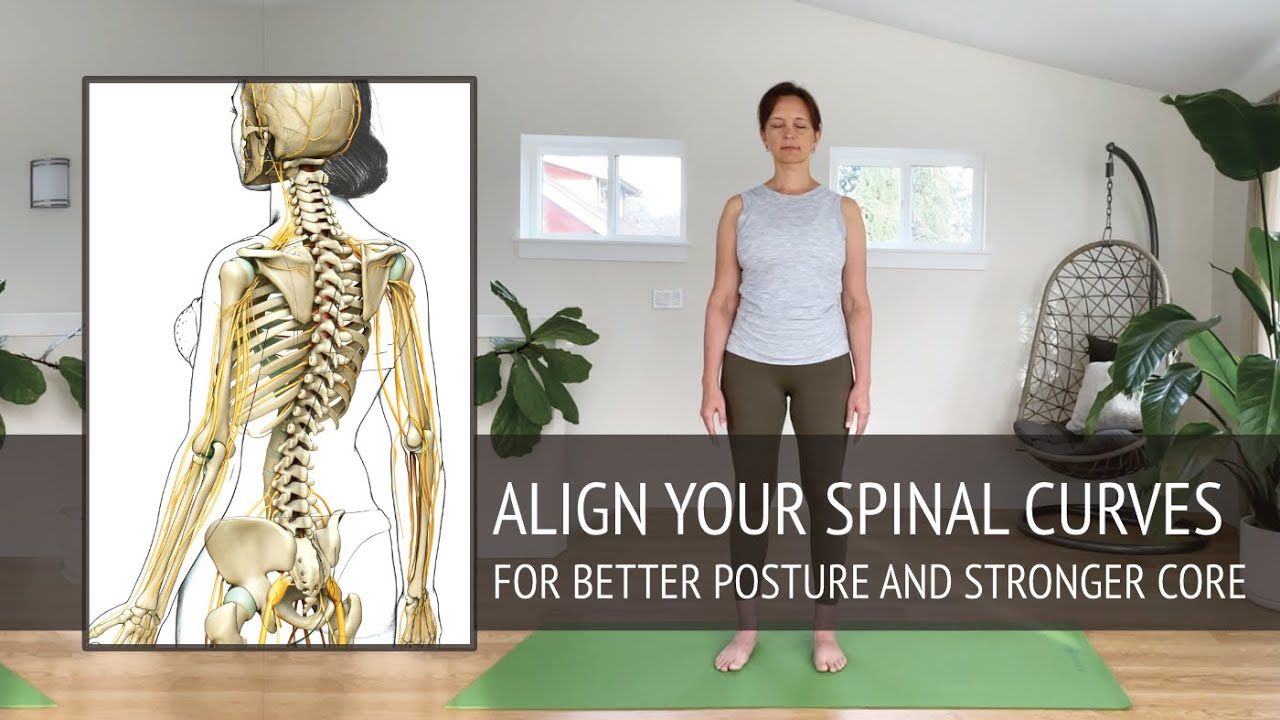
The first thing to understand is that seating isn’t just about softness. It’s about creating a stable platform that supports your body’s natural alignment. Geometric patterns help achieve this balance in several ways. Take the classic hourglass shape, for example. This form naturally encourages good posture because it creates a gentle curve that follows the spine’s natural S-shape. The middle section narrows slightly, providing a natural anchor point for your lower back. When designers incorporate such shapes into their work, they’re essentially creating a biomechanical blueprint for optimal support. The mathematics behind these forms isn’t complicated, but it’s powerful. Each curve and angle works together to distribute pressure across multiple points rather than concentrating it in one area. This is why a well-designed ergonomic chair can make the difference between a painful day and a comfortable one. Some seating experts suggest that even small changes in geometric proportions can lead to significant improvements in user comfort levels.
Pressure Distribution Through Shape
One of the most critical aspects of supportive seating is how it handles pressure. Our bodies aren’t uniform, and neither are our seats. The way geometric patterns manage pressure distribution can make or break your sitting experience. Imagine trying to sit on a flat surface versus a curved one. The curved surface allows your body to conform more naturally to the shape, spreading out the pressure points. This principle applies to everything from office chairs to lounge seating. Designers often use mathematical models based on the body’s center of gravity to determine optimal shapes. These calculations take into account how weight moves across different areas of the body during various sitting positions. For instance, a seat that gradually slopes downward toward the back can help prevent the common problem of sliding forward in chairs. The geometry here ensures that your weight is distributed more evenly across your pelvis and thighs. It’s fascinating how something as simple as a gentle slope can have such a profound impact on comfort. Many users report feeling less fatigued when seated on properly designed geometric surfaces compared to traditional flat designs.
Posture Enhancement Through Form
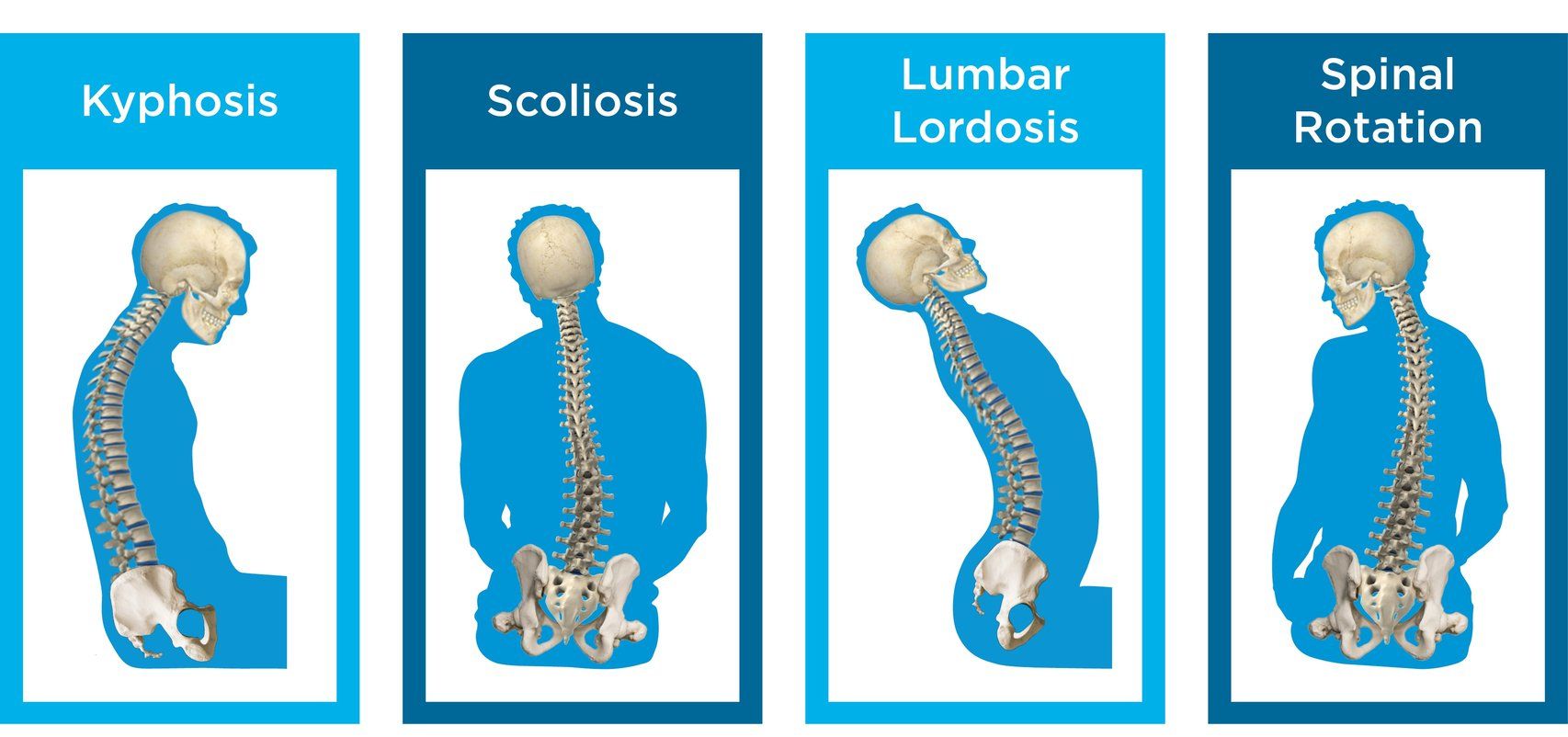
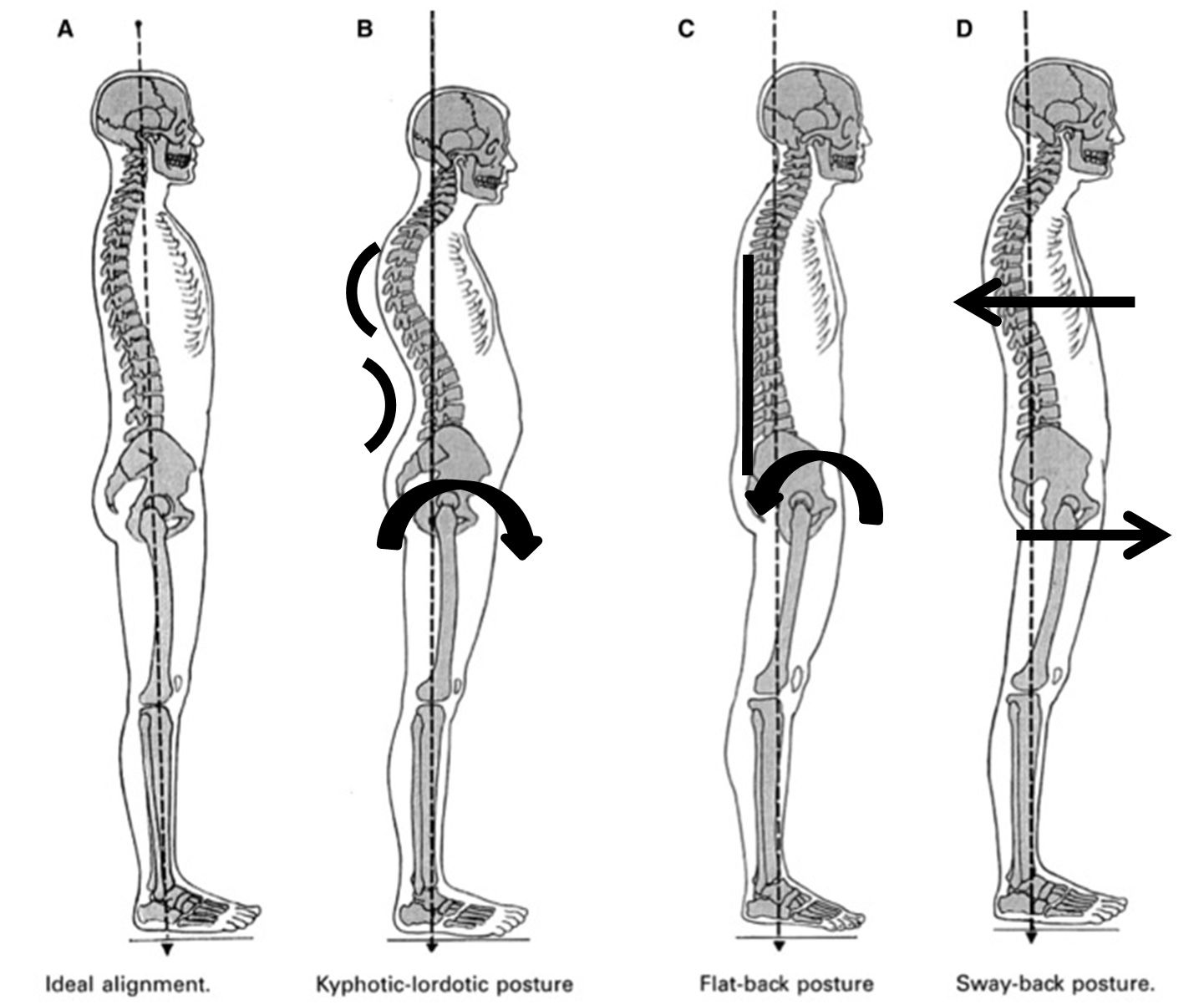
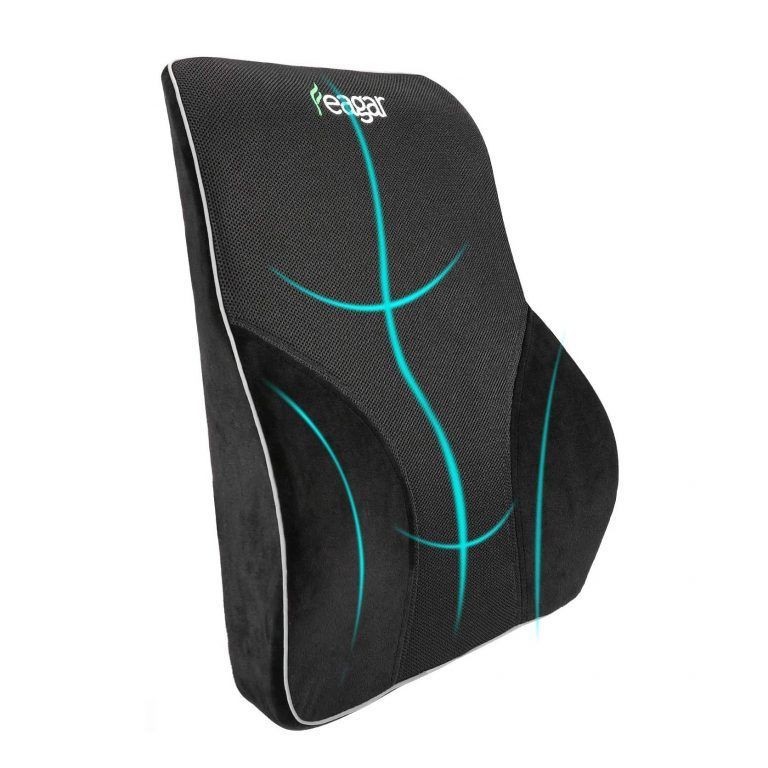
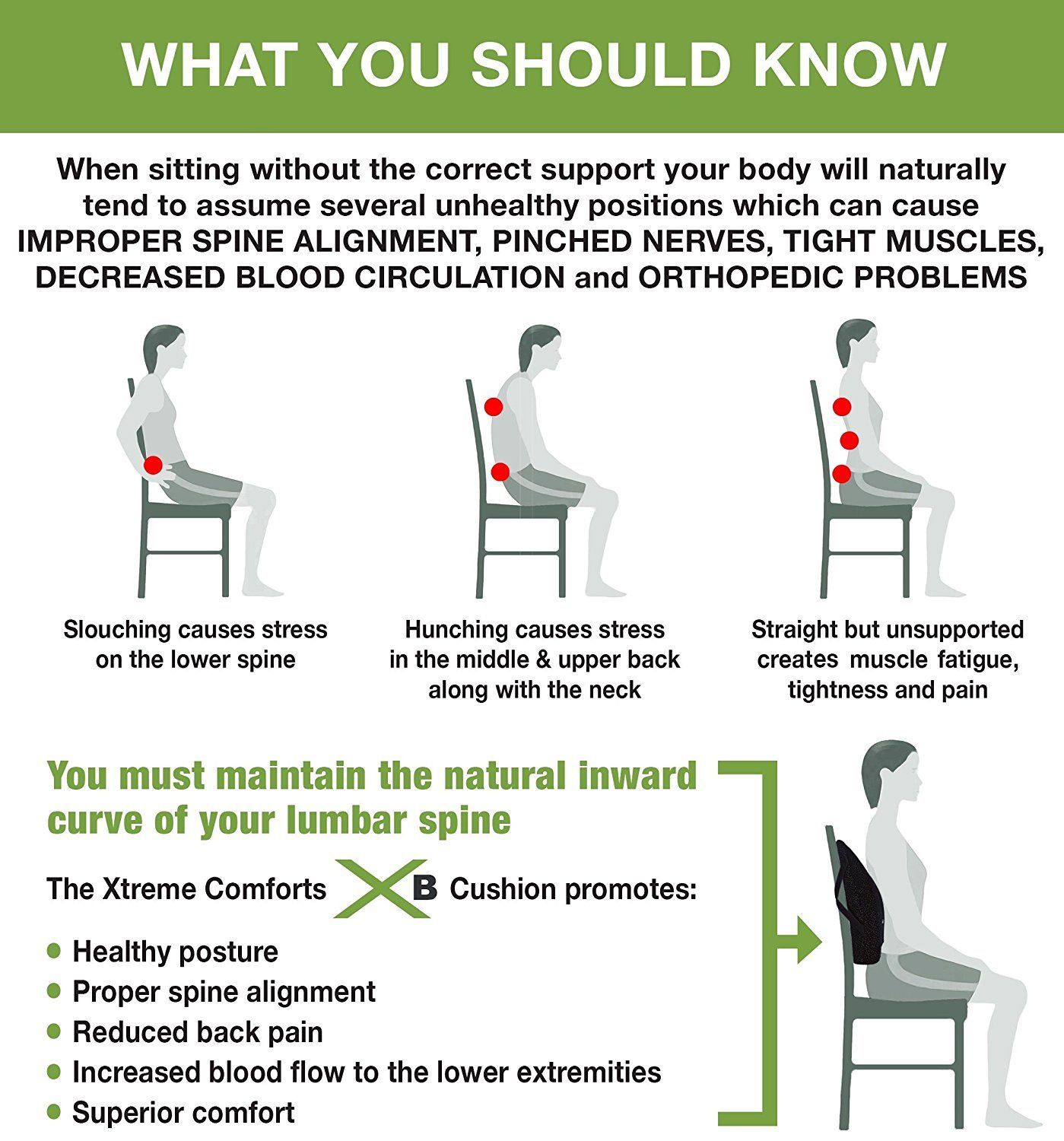
Here’s where things get really interesting – how seating shapes can actually improve your posture. The human body is designed to maintain certain natural curves, particularly in the lumbar region. When these curves are supported properly, you’ll find yourself sitting more upright and comfortably. Geometric patterns like those found in wedge-shaped seats or seats with subtle contours can provide exactly this kind of support. These designs work by encouraging the spine to maintain its natural alignment. Think about it: when you sit on a perfectly flat surface, your back muscles have to work overtime to keep you upright. But when the seat gently cradles your lower back, those muscles can relax. This isn’t just theoretical – studies have shown that people who use properly shaped seating report fewer instances of back pain and improved focus. The geometry essentially acts as a gentle reminder to sit correctly. Some researchers even suggest that certain geometric configurations can help correct minor postural issues over time, making them valuable tools for anyone who sits regularly.
Circulation and Blood Flow Considerations
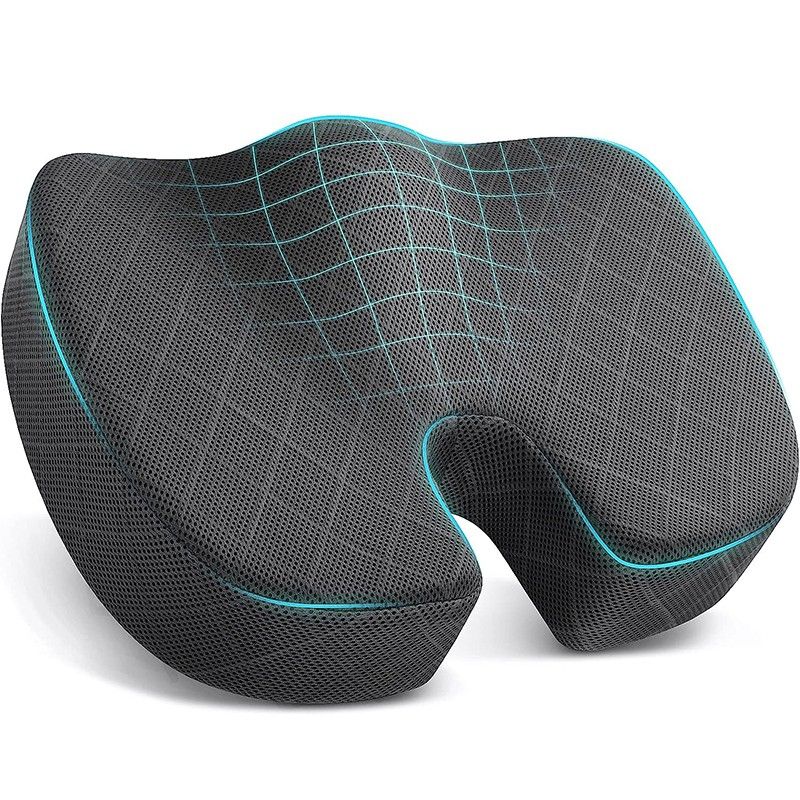
Good seating isn’t just about comfort – it’s about health too. The way your body sits affects blood circulation, and that’s where geometric patterns come into play. Poorly designed seats can restrict blood flow by putting excessive pressure on certain areas of the body. This can lead to numbness, tingling, and even long-term circulation problems. The solution lies in creating spaces within the seating structure that allow for proper blood flow. This means incorporating gaps, curves, and angles that don’t completely compress the tissues beneath. Many modern chairs feature what’s called ‘pressure relief zones’ – specific geometric areas designed to let blood flow freely. These aren’t just fancy terms; they’re practical solutions to real physiological problems. When you consider how much time many people spend sitting, even small improvements in circulation can make a huge difference in overall health. The mathematics of these designs helps ensure that pressure points are relieved at regular intervals, preventing the kind of discomfort that comes from prolonged sitting.
Real-World Applications and Examples
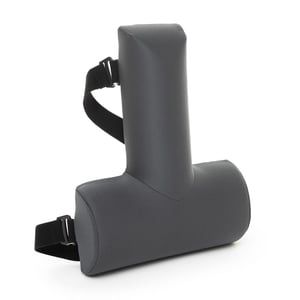
Let’s talk about how these theories translate into actual products. You’ve probably seen chairs with distinctive curves or angled surfaces, but what makes them special? Take the popular ergonomic chair with its distinctive side curves – these aren’t just stylish choices. They’re based on extensive research into how the human body interacts with seating surfaces. The curved sides help maintain proper hip alignment while providing support where it’s needed most. Another example is the use of segmented seating in some high-end office chairs. These designs break up the seating surface into multiple geometric sections, each optimized for a different part of the body. The result is a chair that adapts to your body’s natural shape rather than forcing your body into an unnatural position. Many professional ergonomists recommend looking for seating that incorporates these principles. The investment in properly designed geometric seating can pay off in reduced back pain, better productivity, and improved overall well-being. Even simple changes like adding a small lumbar support curve can make a noticeable difference.
Choosing the Right Geometric Fit for You
So how do you know if a chair is using effective geometric principles? Start by paying attention to how it feels. Does it support your lower back naturally? Do you feel like you’re being held in place rather than pushed around? Good geometric design should make you feel secure and comfortable without requiring constant adjustment. Look for features like gradual curves rather than sharp edges, and spaces that allow for natural movement. The seat shouldn’t be so flat that you slide around, nor so curved that it feels restrictive. The best seating strikes a delicate balance between support and freedom of movement. Pay attention to how the chair’s shape changes from front to back and side to side. A well-designed geometric seat will feel like it’s working with your body rather than against it. Remember, the science behind these patterns is meant to enhance your daily life, not complicate it. When you choose seating that considers these principles, you’re investing in both immediate comfort and long-term health benefits.
The next time you sit down in a chair, take a moment to notice how it feels. Is there a gentle curve supporting your back? Does the shape encourage you to sit more upright? These seemingly small details are actually the result of careful scientific consideration of geometric principles. The evidence suggests that thoughtful design involving mathematical shapes can significantly improve comfort, posture, and even circulation. Whether you’re shopping for a new office chair or simply looking to improve your home seating setup, understanding how these patterns work can help you make better choices. The beauty of this approach is that it’s not just about expensive or high-tech solutions – many of these principles can be applied to simpler seating options too. As we continue to spend more time sitting, the importance of well-designed geometric seating becomes increasingly apparent. It’s not just about looking good – it’s about feeling good and staying healthy. The future of seating may well lie in the marriage of ancient mathematical principles and modern comfort needs, creating solutions that work with our bodies rather than against them.