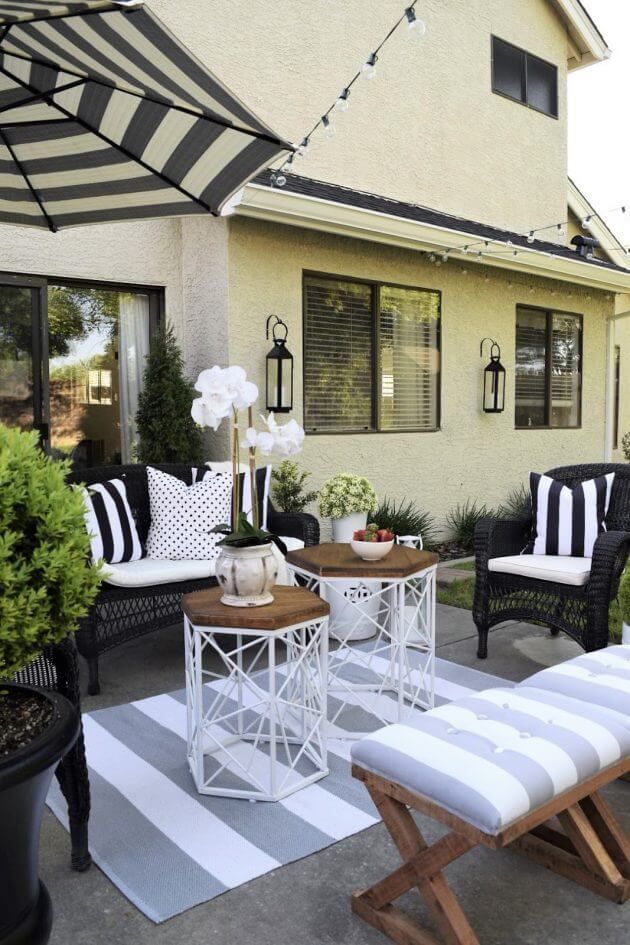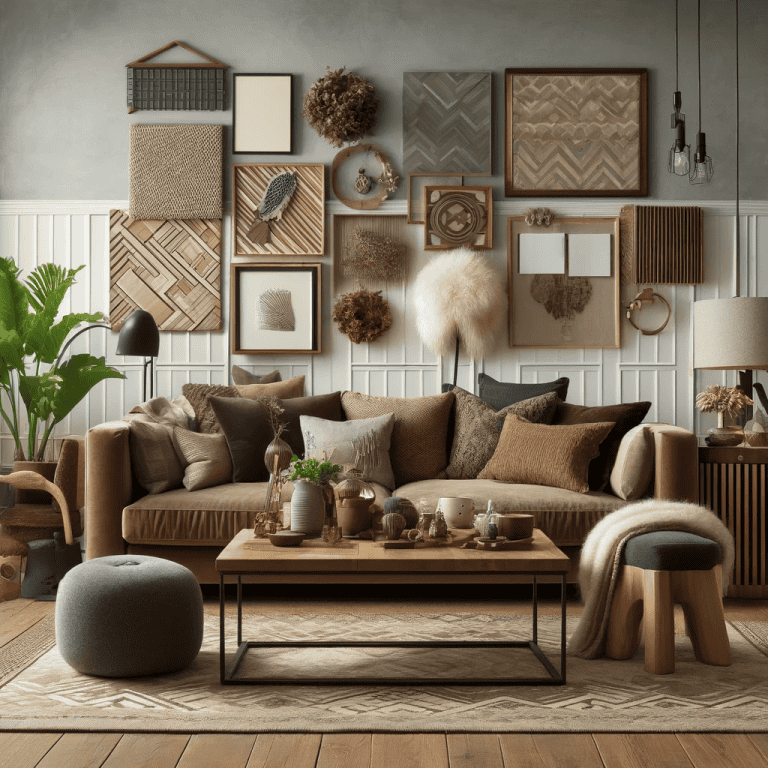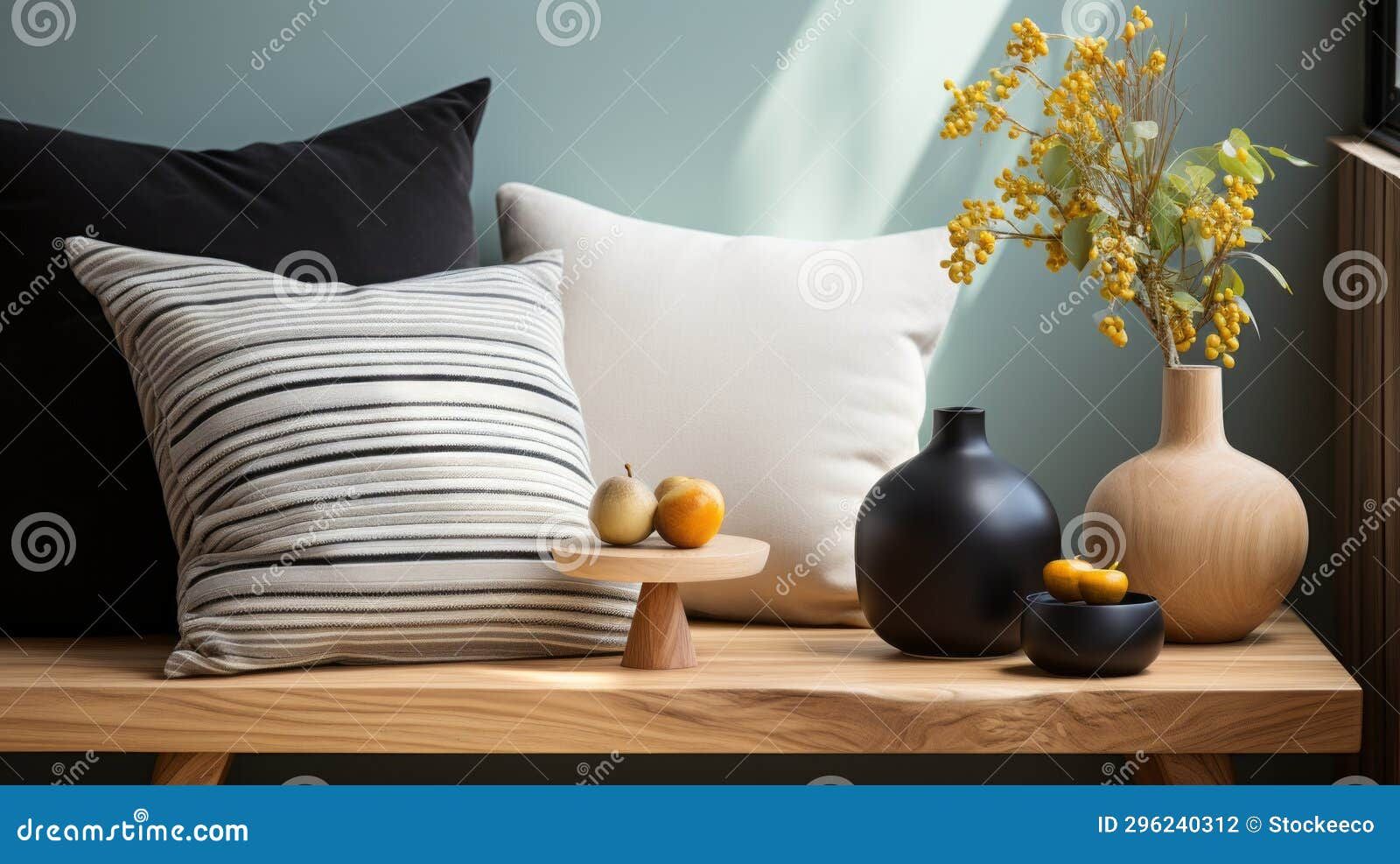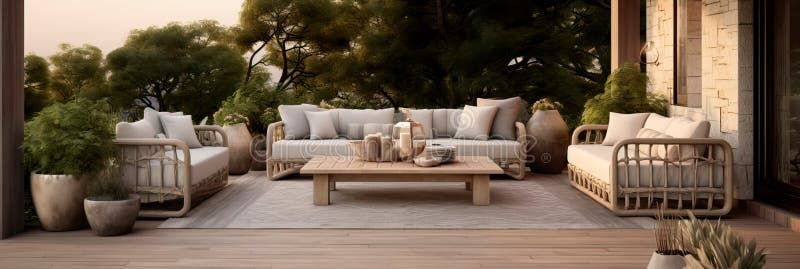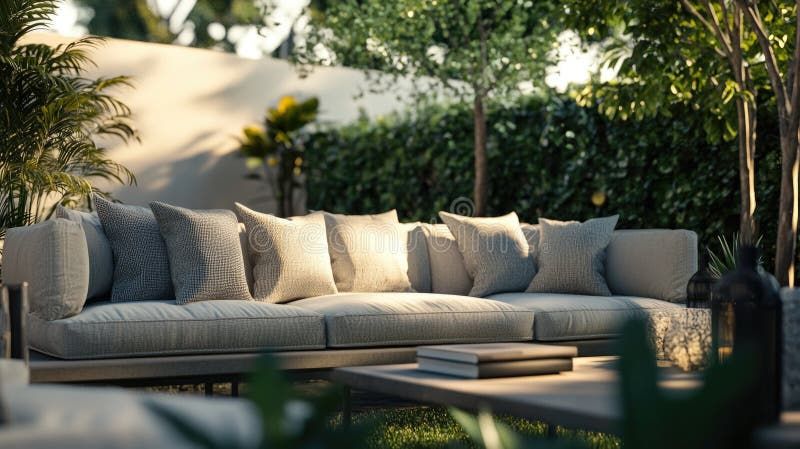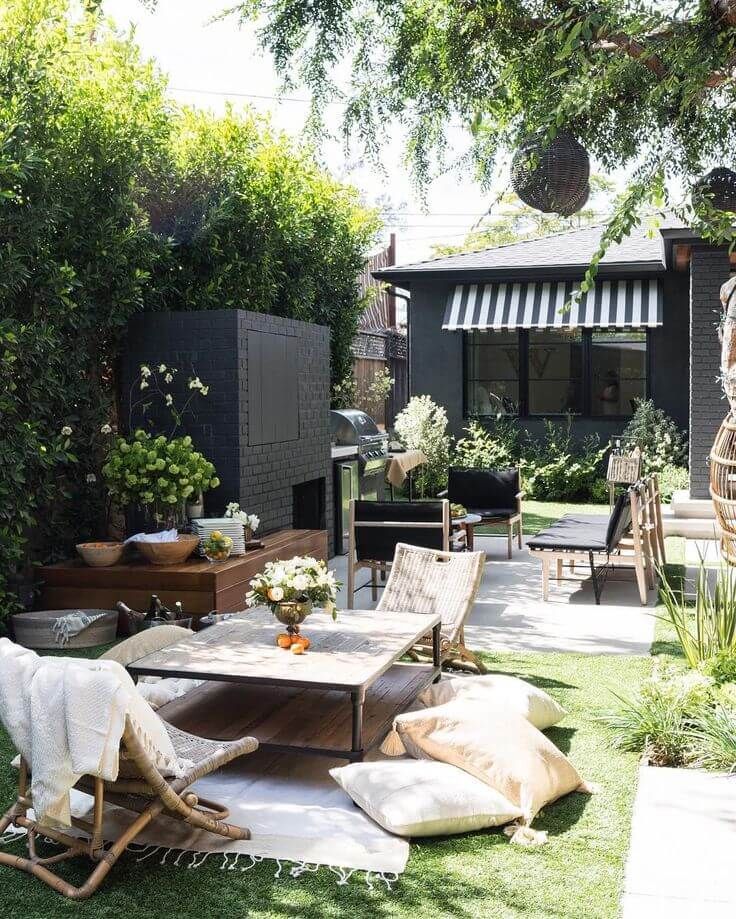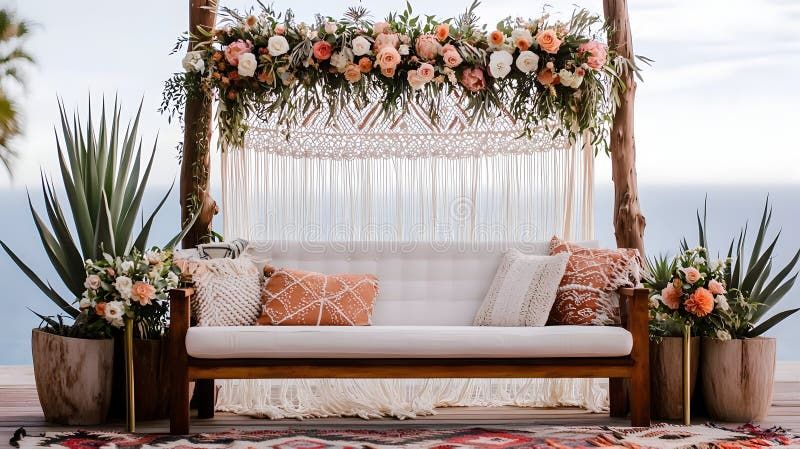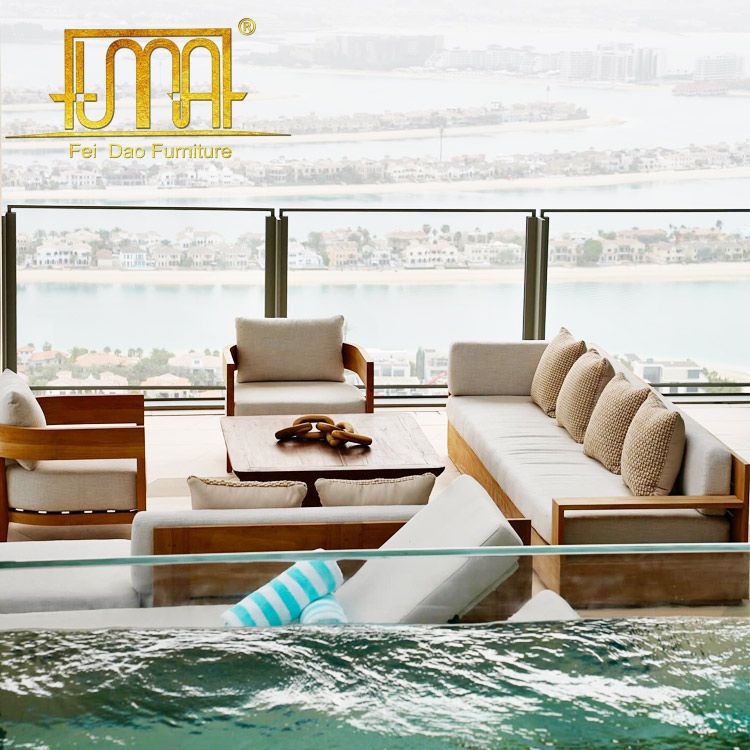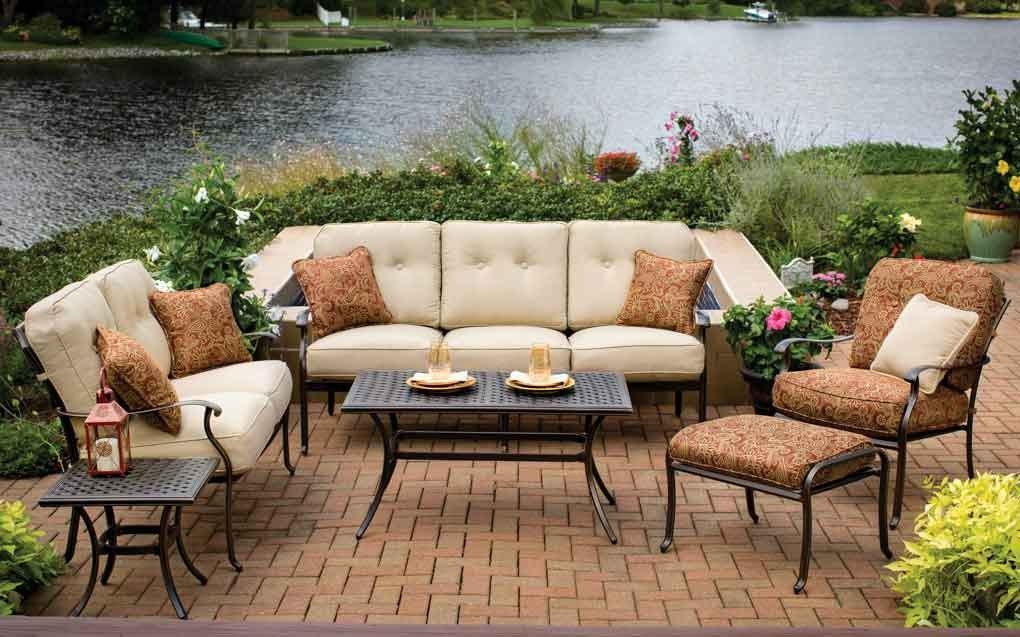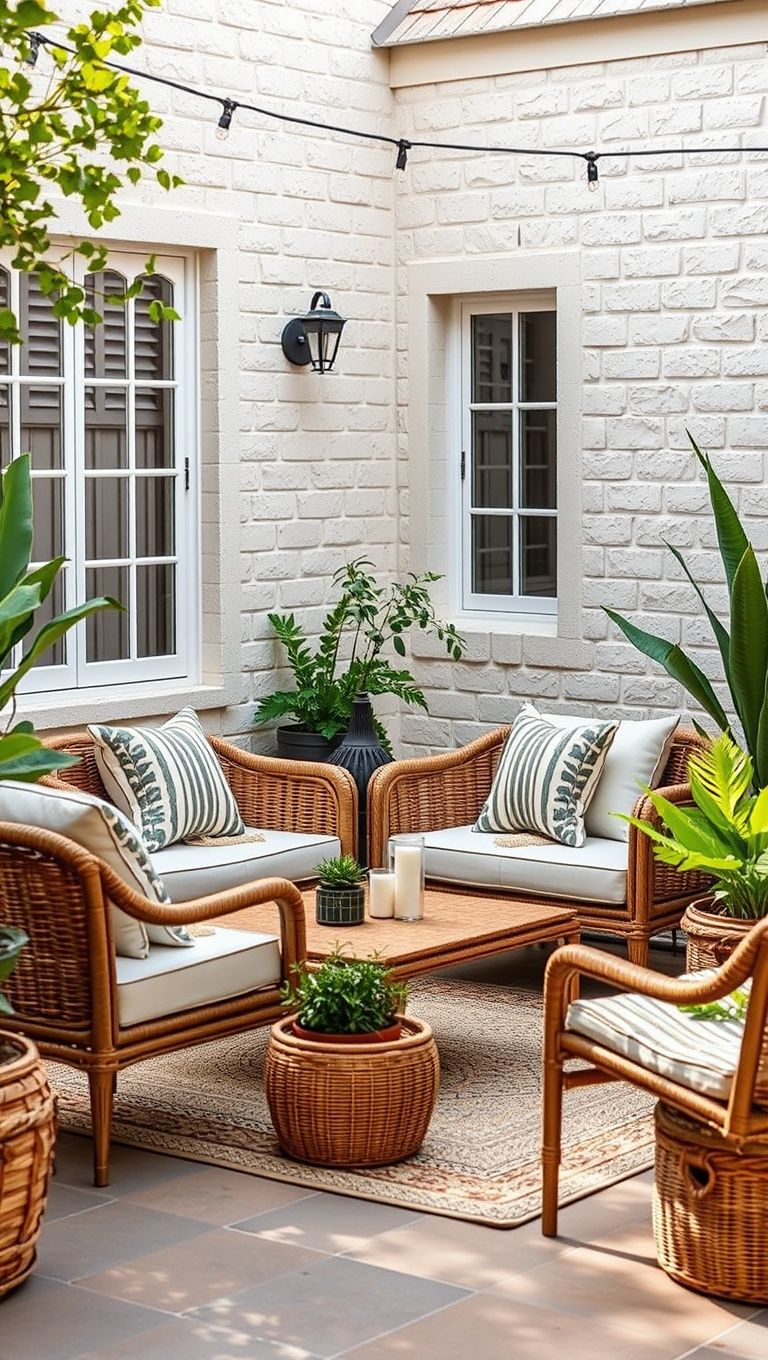
Imagine sinking into a plush chair on your deck, feeling the gentle breeze against your skin while the sun warms your face. That’s the magic of creating cozy outdoor seating spaces with premium textiles. It’s not just about buying pretty furniture – it’s about understanding how materials breathe, resist weather, and feel against your skin.
Outdoor living has evolved far beyond simple dining sets and basic lounge chairs. Today’s homeowners want their patios and decks to feel like extensions of their indoor comfort zones. This shift means choosing fabrics that offer both durability and luxury. Think of it as creating a bridge between the comfort of your home and the freedom of the outdoors. The right textiles can make all the difference in turning a functional space into a place you actually want to spend time in. What makes one outdoor seating area feel like a resort getaway while another feels like a temporary setup? It often comes down to thoughtful fabric selection.
Understanding Weather-Resistant Fabric Basics
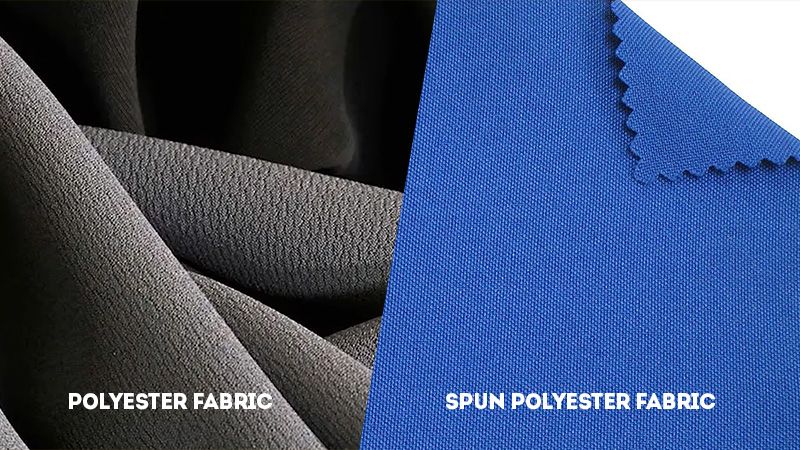
When selecting outdoor textiles, you’re essentially looking for materials that can handle everything Mother Nature throws at them. Sun exposure, rain, humidity, and temperature changes all affect fabric performance. Premium outdoor fabrics typically incorporate synthetic fibers like polyester and nylon, which naturally resist fading and water damage. These materials often feature special coatings or treatments that enhance their protective properties.
Consider the difference between a basic cotton blend and a high-end solution like solution-dyed polyester. The latter maintains its color vibrancy even after months of direct sunlight exposure. Many premium outdoor fabrics also include UV protection built-in, preventing the breakdown of fibers that causes fading and weakening over time.
The key is finding the right balance between protection and comfort. You want something that looks good and feels good, even when it’s been sitting in the sun all afternoon. Some manufacturers even add antimicrobial treatments to prevent mold and mildew growth in humid conditions.
The Comfort Factor: Softness Meets Durability
Here’s where things get interesting – you might think that outdoor fabrics have to sacrifice softness for durability. But modern innovations have made it possible to have both. Premium outdoor textiles often use advanced weaving techniques that create a luxurious texture while maintaining structural integrity.
Think about the difference between a basic outdoor cushion and one made with premium performance fibers. The better option might use a combination of brushed acrylic and polyester blends, creating a surface that feels almost like cashmere against your skin. Yet it still resists stains, dries quickly, and won’t mildew in damp conditions.
Many designers now incorporate memory foam or similar padding technologies into outdoor cushions. This adds an extra layer of comfort without compromising the fabric’s ability to handle outdoor conditions. The result is seating that feels like it belongs in a five-star hotel rather than a backyard.
What really matters is how the fabric behaves over time. Does it maintain its shape? Does it keep its softness after repeated washing and sun exposure? These are questions worth asking before making your final choice.
Color Psychology and Visual Appeal
Colors play a crucial role in how we perceive and interact with outdoor spaces. The right palette can make a small patio feel spacious, while the wrong one can make even a large area seem cramped or uninviting. Premium outdoor textiles offer a broader range of colors and patterns compared to basic options.
Neutral tones like beige, gray, and cream create a timeless look that works well with most architectural styles. They also tend to show fewer signs of wear and fading, making them practical choices for high-traffic areas. However, don’t underestimate the power of bold accent colors – they can transform a boring outdoor space into something truly memorable.
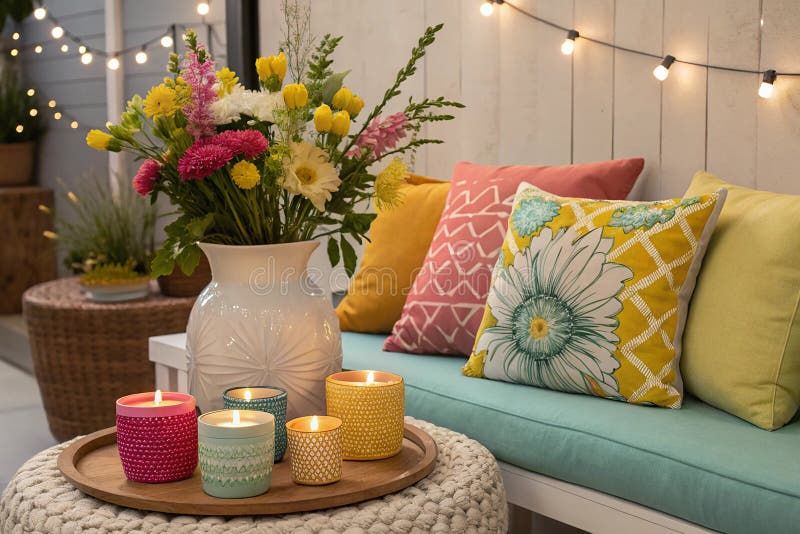
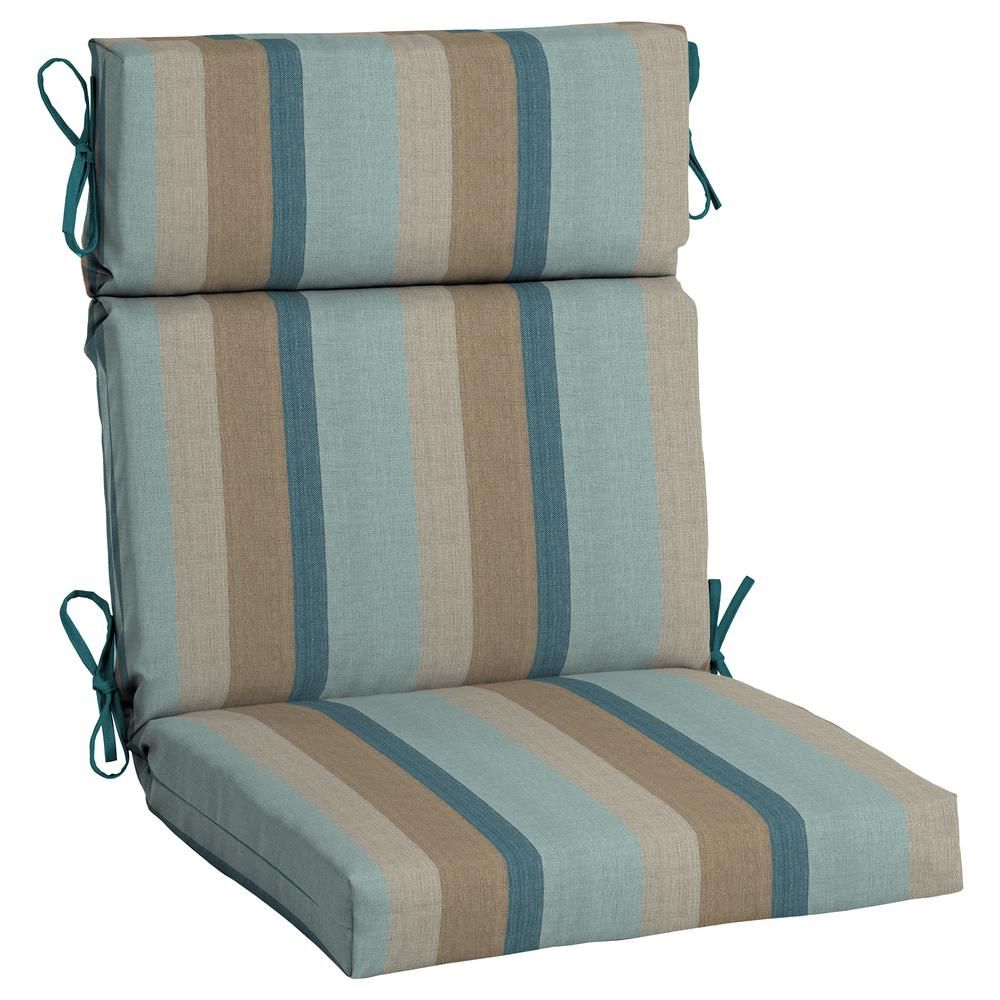
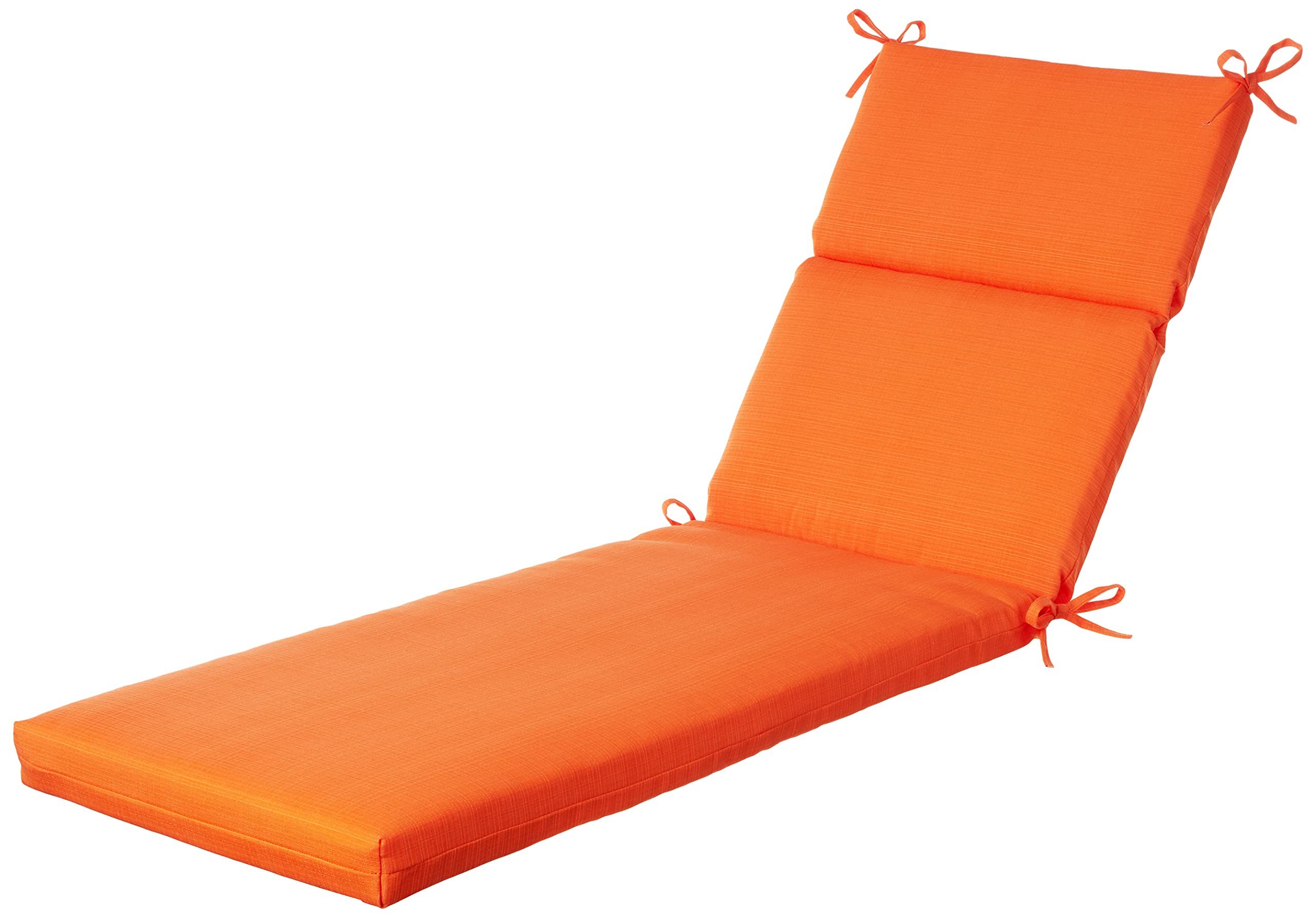
Consider how different colors affect the mood of your outdoor area. Cool blues and greens can create a calming atmosphere, while warm oranges and reds add energy and excitement. Many premium fabric collections offer both classic and contemporary color palettes, allowing you to match your personal style while considering the overall aesthetic of your home.
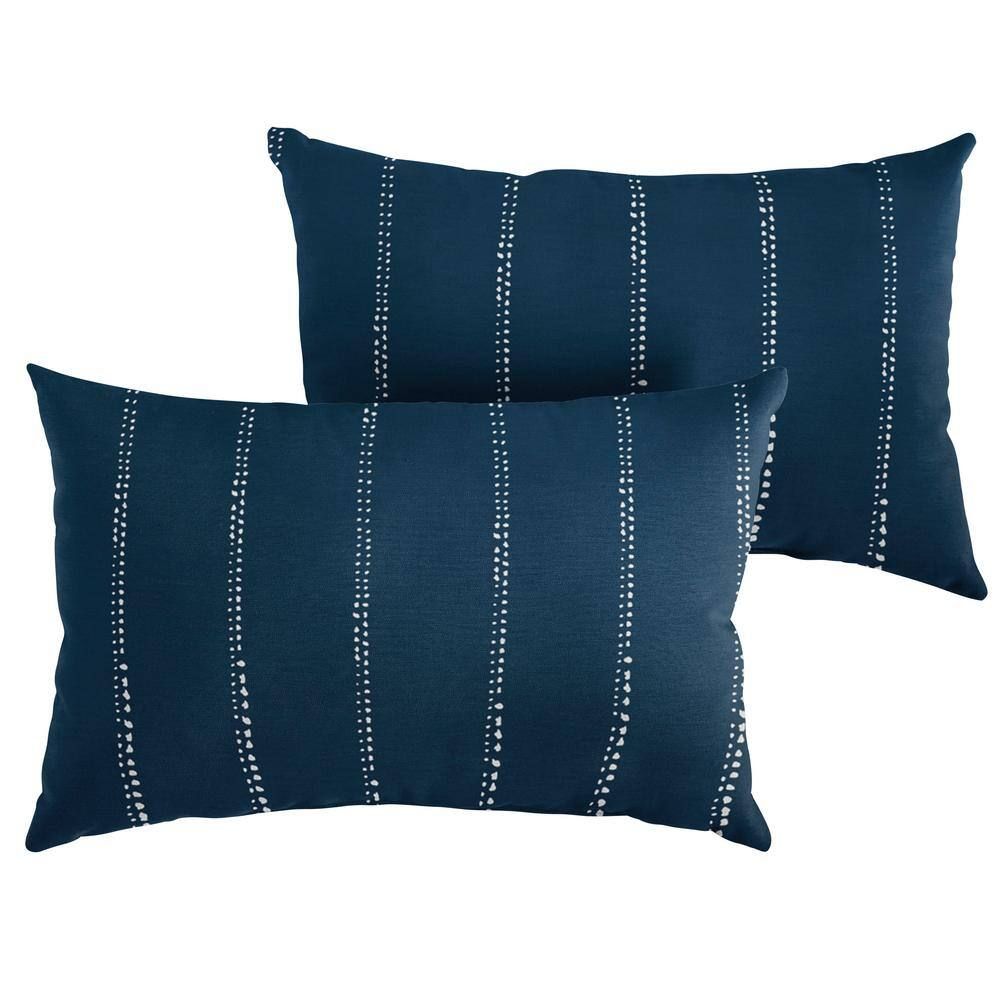
Pattern selection also matters. Solid colors work well for creating clean lines and minimalist designs, while subtle patterns can add visual interest without overwhelming the space. The key is consistency – choose patterns that complement each other and the surrounding environment.
Maintenance and Longevity Considerations
One of the biggest advantages of premium outdoor textiles is their reduced maintenance requirements. While all outdoor fabrics will eventually need cleaning, high-quality materials resist staining and fading much better than cheaper alternatives. This means less time spent on upkeep and more time enjoying your outdoor space.
Look for fabrics that are easy to clean and quick-drying. Some premium options can be spot-cleaned with just water and mild soap, while others are machine washable. The ability to remove stains easily is particularly important for families with children or pets.
Long-term investment value matters too. A quality outdoor fabric that lasts 8-10 years will cost less than replacing cheaper materials every few years. Consider the total cost of ownership rather than just the initial purchase price. Premium fabrics may cost more upfront, but they often provide better value over time.
Some manufacturers offer warranties on their outdoor fabrics, which speaks to their confidence in product longevity. These guarantees can provide peace of mind and protection against manufacturing defects or premature deterioration.
Texture and Dimensional Appeal
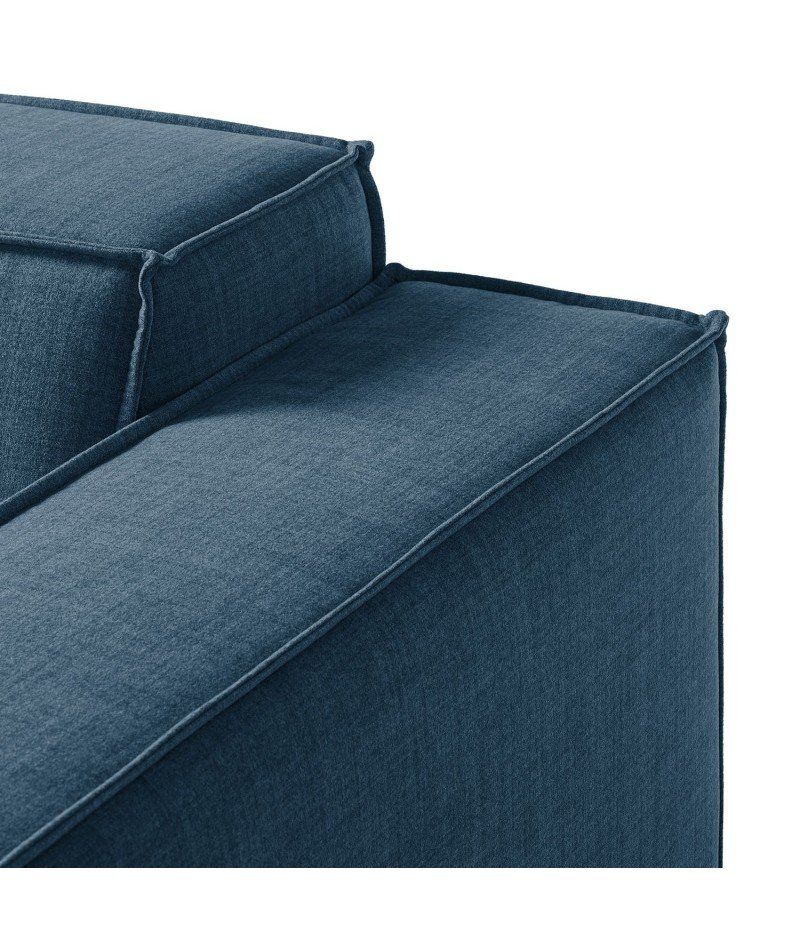
Texture creates depth and interest in outdoor seating areas. Premium textiles offer a variety of surface finishes that can dramatically change how a space feels and looks. Smooth, sleek surfaces create a modern aesthetic, while textured fabrics add warmth and visual complexity.
Think about how different textures interact with light. Smooth fabrics reflect light differently than those with more pronounced surface variations. This can create interesting shadows and highlights that change throughout the day. Some premium outdoor textiles feature woven or knitted patterns that catch and scatter light in beautiful ways.
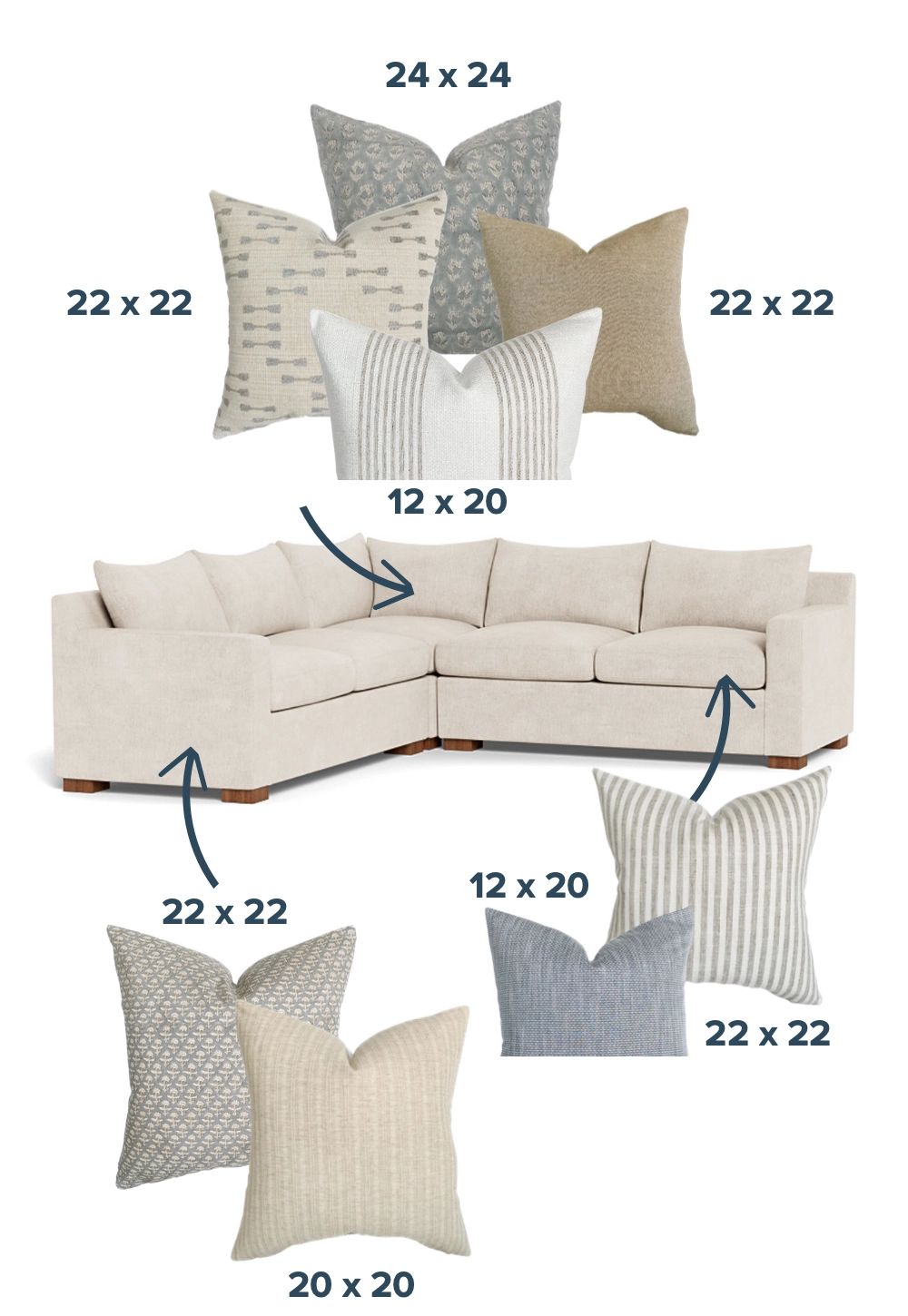
Layering textures is another powerful technique. Combine a smooth, neutral chair cover with a textured throw pillow, or pair a soft velvet cushion with a linen accent. These combinations create visual harmony while adding tactile interest. The contrast between materials can make even simple seating arrangements feel sophisticated.
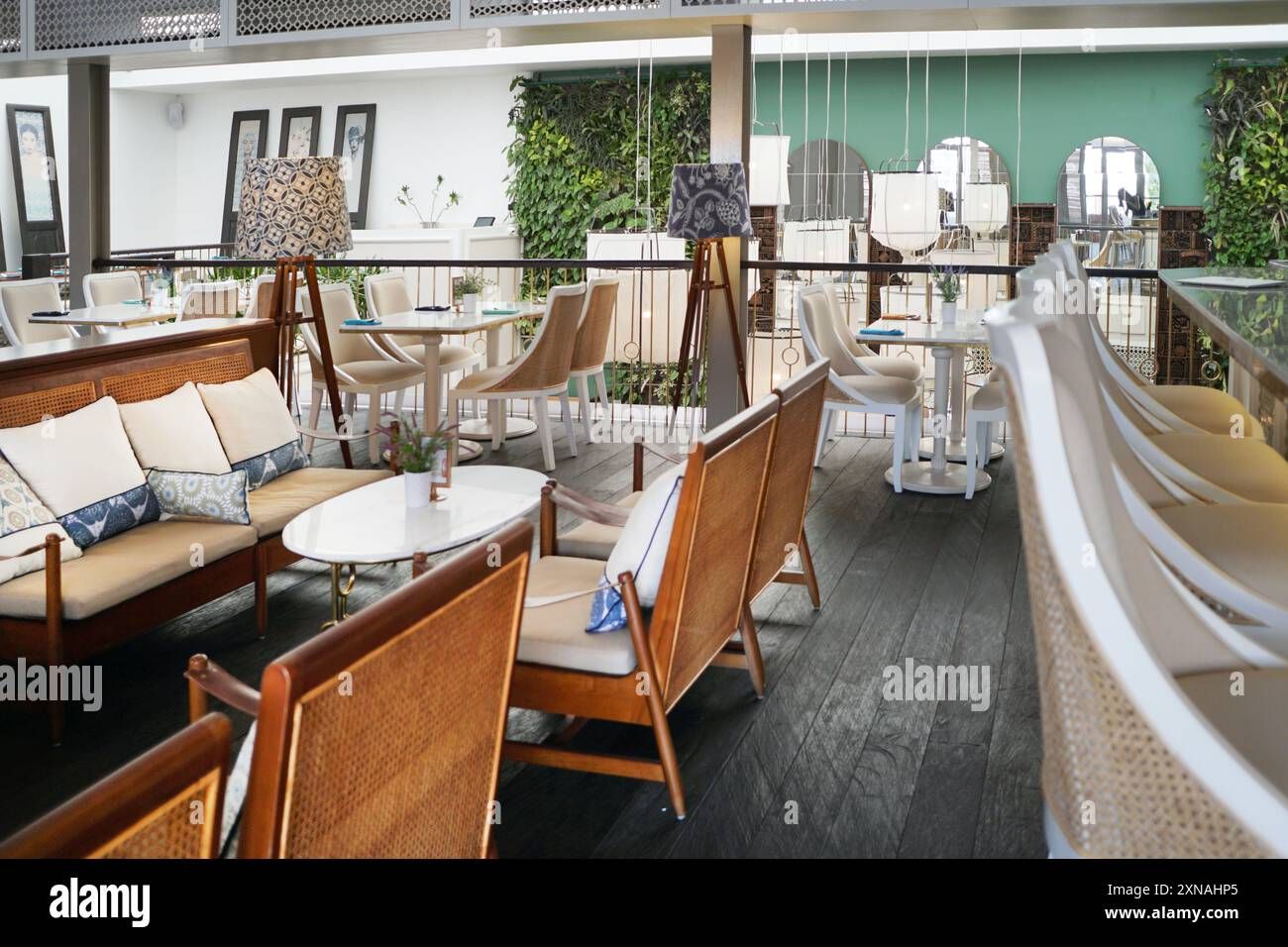
Don’t overlook the importance of coordinating texture with function. A smooth, easy-to-clean fabric works well for high-use areas, while softer textures might be better suited for more intimate conversation spaces. The right combination can transform a utilitarian outdoor area into a multi-functional entertainment zone.
Practical Tips for Choosing the Right Materials
Making the right choice starts with understanding your specific needs and environment. Consider how much time you’ll spend outdoors and how frequently your seating will be used. High-traffic areas require more durable materials than occasional use spaces.
Test fabric samples before purchasing. Take them home and expose them to different lighting conditions throughout the day. Notice how they look and feel under various circumstances. This gives you a better sense of how they’ll perform in your actual space.
Check the fabric’s specifications carefully. Look for information about fade resistance, water repellency, and stain resistance ratings. Some premium fabrics come with detailed performance data that helps you understand their capabilities.
Consider the climate where you live. If you experience harsh winters or extreme heat, you’ll want fabrics that can handle those conditions. Some regions require specific types of outdoor textiles that can withstand local weather patterns.
Don’t forget about matching existing indoor textiles. If you already have a particular style or color scheme indoors, try to find outdoor fabrics that complement rather than compete with your current design elements.
Creating cozy outdoor seating with premium textiles isn’t just about buying expensive materials – it’s about making smart choices that enhance both comfort and longevity. When you invest in quality outdoor fabrics, you’re investing in years of enjoyment and relaxation. The right combination of weather resistance, comfort, and visual appeal can turn any patio or deck into a true sanctuary. Remember that the best outdoor textiles are those that feel good against your skin, look great in your space, and stand up to the elements year after year. Whether you’re designing a new outdoor area or refreshing an existing one, thoughtful fabric selection should be at the heart of your planning process. The payoff is a space that feels both luxurious and practical, where you can truly unwind and enjoy the beauty of outdoor living.