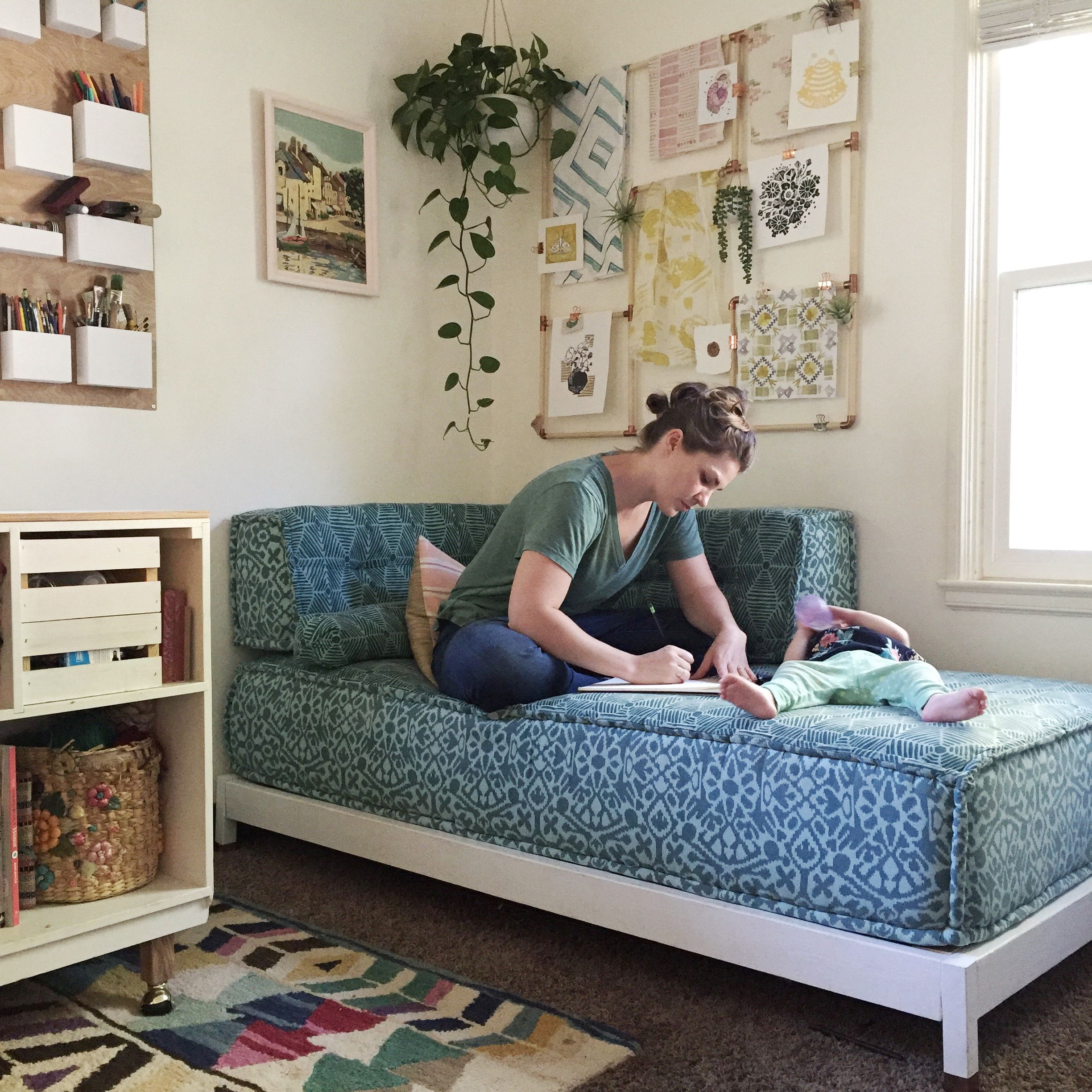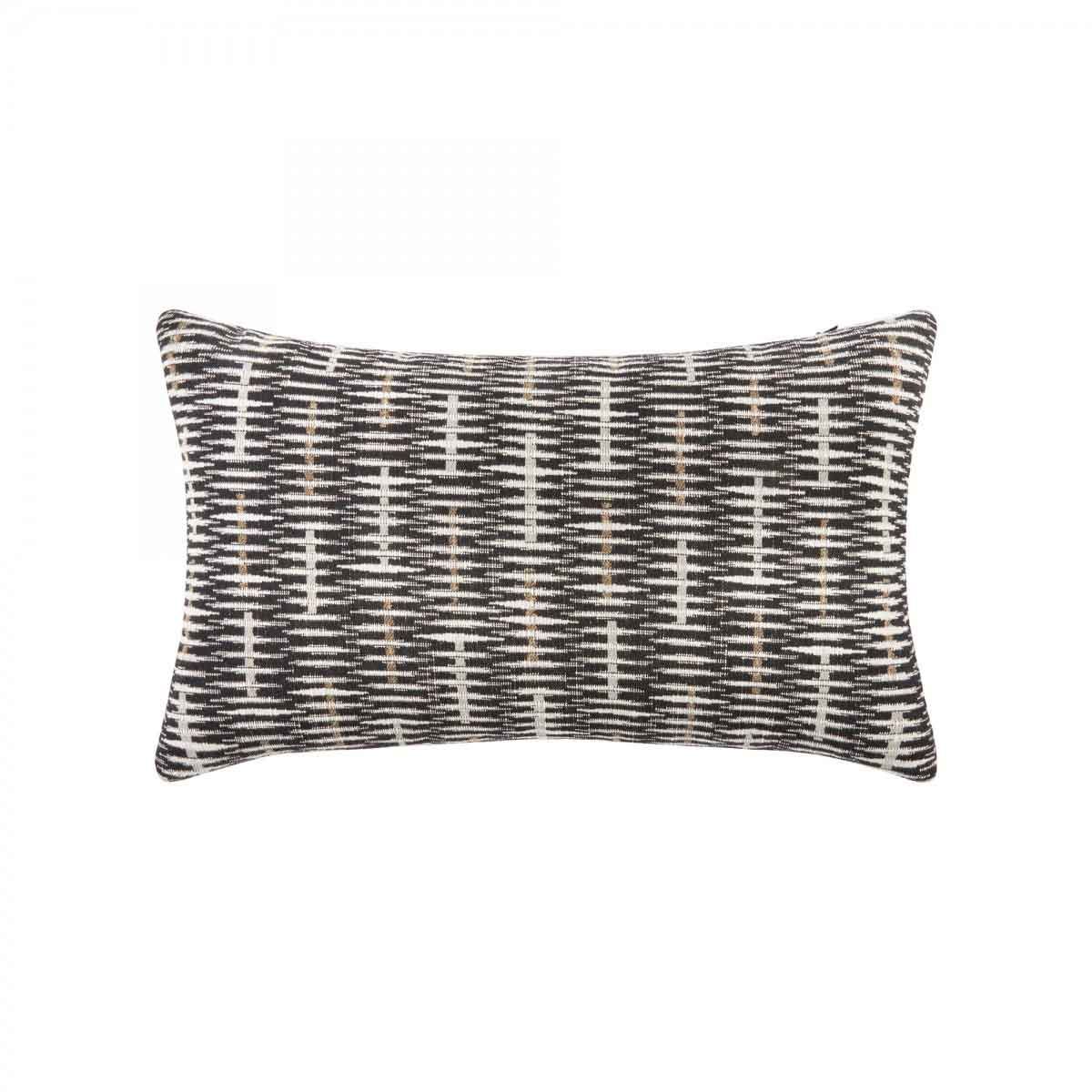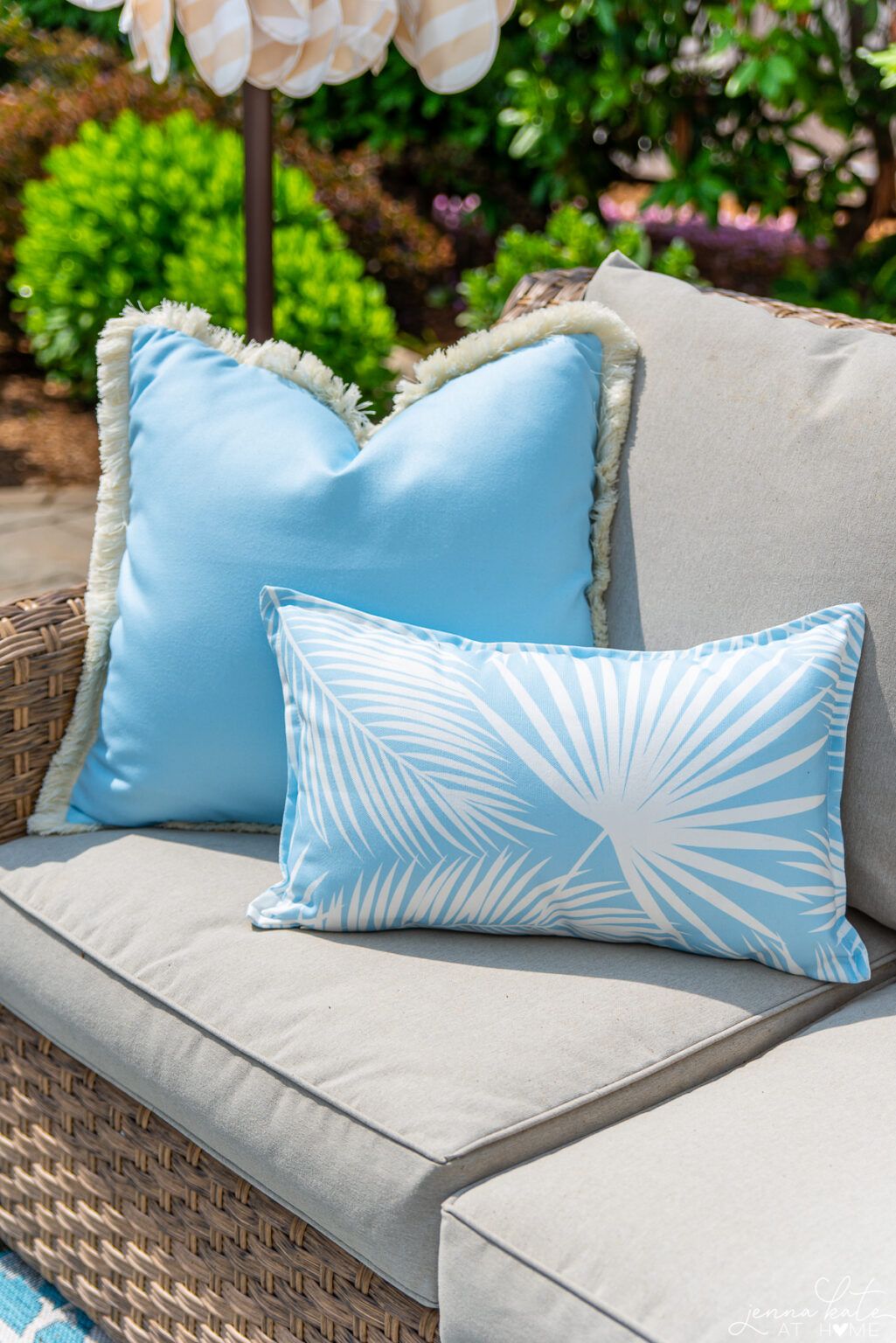
Have you ever walked into a room and instantly felt a different energy? That’s not just coincidence. It’s the subtle magic of geometric patterns working their way into your daily life. These mathematical designs aren’t just pretty to look at – they actually shape how we experience space, influence our moods, and tell stories about who we are.
Think about the last time you entered a room and something felt just… right. Maybe it was the way light danced across a wall, or how furniture seemed to breathe in harmony with the space. Often, it’s not the big pieces that make the difference – it’s the small details that carry the most weight. One of those powerful little elements is geometric pattern. From ancient temples to modern apartments, humans have been using geometric designs to transform the very essence of where we live. These patterns don’t just decorate walls and floors – they reshape how we see and interact with our environment. They speak to something deep within us, connecting our physical space to our emotional well-being. Let’s explore how these mathematical marvels work their magic in our homes.
The Psychology Behind Geometric Design
What happens when you look at a geometric pattern? Your brain doesn’t just register shapes and lines – it responds to them on a deeper level. Scientists have found that certain geometric arrangements can affect our mood, attention, and even stress levels. For instance, circular patterns often create feelings of calm and unity. Think about how a circular rug can make a room feel more intimate and welcoming. Triangular patterns, on the other hand, bring energy and movement. They can make a space feel dynamic and alive. Hexagonal patterns – like those found in honeycombs – create a sense of order and efficiency. This might explain why many minimalist designers love hexagonal tiles for kitchens and bathrooms. The brain recognizes these patterns as familiar and safe, which helps reduce anxiety and promotes relaxation. When you walk into a room filled with carefully chosen geometric patterns, your nervous system responds naturally. It’s like your home is whispering to you, telling your body exactly how to feel. The right pattern can make a large space feel cozy, or a small one feel expansive. It’s not magic – it’s psychology working in the background.
Classic Geometric Shapes in Modern Homes
Some patterns have stood the test of time because they work so well with human perception. Squares and rectangles are the foundation of most rooms. They create structure and stability. You’ll find them in everything from floor tiles to picture frames. But it’s the way they interact with each other that really matters. A checkerboard pattern isn’t just black and white squares – it’s a conversation between light and shadow. When you place a square pattern on a wall, it creates a visual anchor that draws the eye around the room. Circles are equally powerful. They’re soft and inviting, making them perfect for accent pieces like round mirrors or circular coffee tables. The circle represents completeness and infinity – qualities that many people find comforting. Triangles add drama and movement. They can be used in smaller doses for visual interest, like triangular-shaped artwork or even triangular throw pillows. Diamond shapes create a sense of elegance and sophistication. They’re often used in formal settings and can make a simple space feel luxurious. The key is knowing when and where to use each shape. A bedroom might benefit from the calming effect of circles, while a home office might need the energizing power of triangles.
Color Theory Meets Geometry
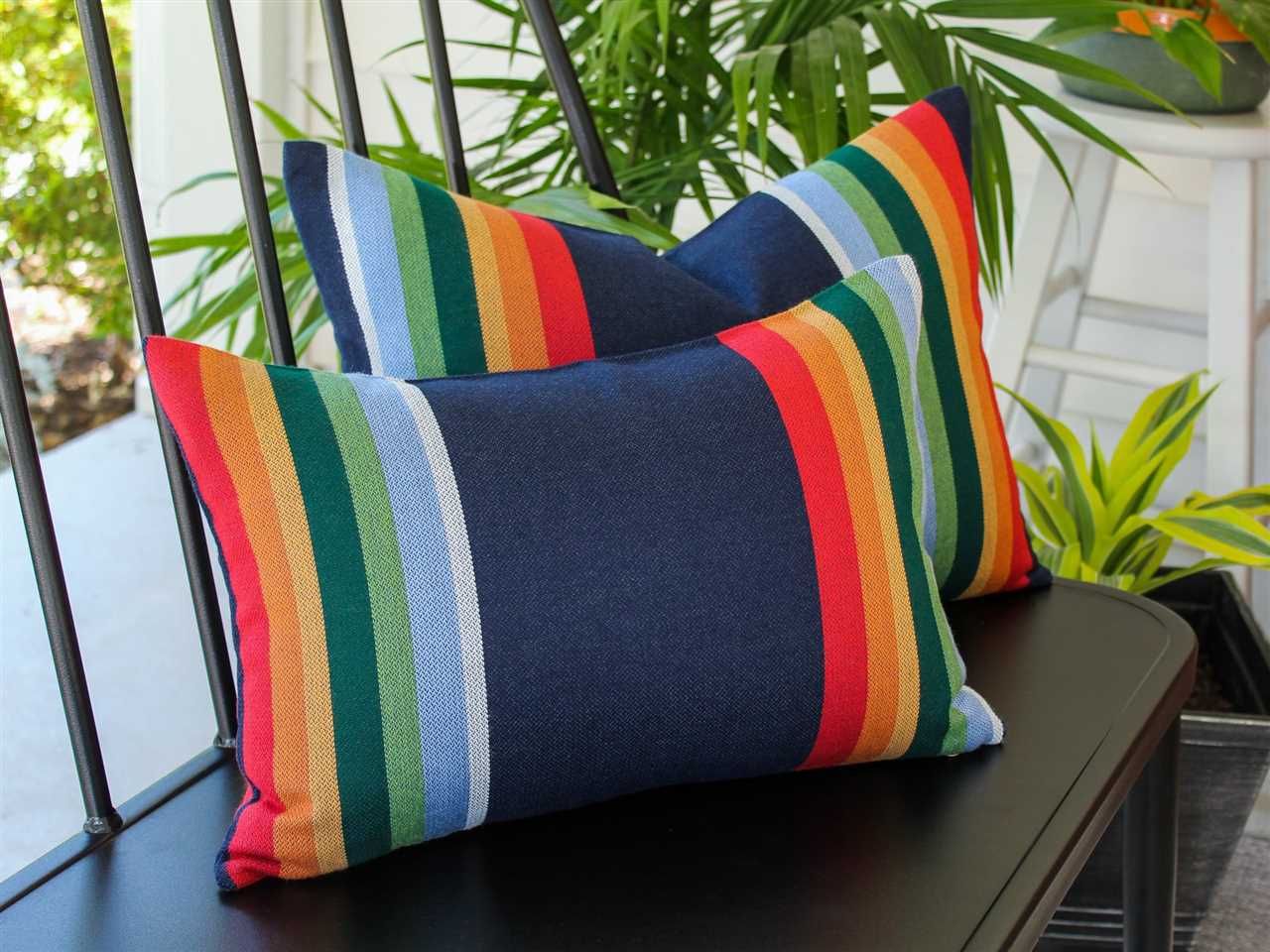
Colors and geometric patterns together create a symphony of visual impact. When you add color to a geometric design, you’re not just making it prettier – you’re changing its personality entirely. Bright colors in geometric patterns can make a space feel vibrant and youthful. Think about a bright yellow diamond pattern on a living room wall – it immediately brings energy and happiness to the room. Cool blues and greens work beautifully in geometric designs, especially in bedrooms or bathrooms where you want to promote relaxation. Red geometric patterns are bold and commanding. They’re perfect for dining rooms or entryways where you want to make a strong first impression. Purple, with its association with creativity and luxury, can elevate any space when used in geometric patterns. The beauty of combining color with geometry is that you can control the mood of a room completely. For example, a geometric pattern with warm tones will make a space feel more intimate and cozy, while cool tones create a sense of openness and clarity. Sometimes, the most effective approach is to limit yourself to two or three colors maximum. This prevents overwhelming the eye while still creating visual interest. Consider how a geometric pattern with just black and white can be incredibly striking. The contrast between the two creates a powerful visual statement that commands attention.
Practical Applications in Different Rooms
Every room in your house has different needs, and geometric patterns can meet those needs in unique ways. In the kitchen, consider geometric backsplashes. They’re easy to clean and add character to what can sometimes be a utilitarian space. A hexagonal tile pattern can make a small kitchen feel larger and more sophisticated. Living rooms are perfect for large-scale geometric patterns. Whether it’s a large area rug with a geometric design or wall art featuring geometric shapes, these elements become focal points that define the room’s character. Bedrooms benefit from softer geometric patterns. Circular or curved geometric designs can create a calming atmosphere that promotes restful sleep. The key is matching the pattern’s scale to the room size. A small bathroom might not handle a large geometric pattern well – it could overwhelm the space. Instead, opt for smaller, repeating patterns that create visual interest without dominating the room. Bathrooms are also great for geometric tiles, especially in shower areas or as accent walls. The patterns can make small spaces feel more spacious and interesting. Even outdoor spaces can benefit from geometric design – think garden paths or patio tiles with geometric patterns. The consistency of these shapes helps tie different areas together visually.
Creating Visual Flow and Balance
One of the most important skills in using geometric patterns is understanding how to create visual flow. Imagine walking through a room and feeling like your eyes naturally follow a path from one element to another. This is achieved through careful placement and repetition of geometric shapes. Start by choosing one dominant pattern and then use smaller versions of it elsewhere in the room. This creates a sense of unity that makes the space feel cohesive. Balance is crucial – if you have a large geometric pattern on one wall, balance it with simpler elements on the opposite wall. The goal isn’t to make everything identical, but rather to create harmony. Vertical lines in geometric patterns can make ceilings appear higher, while horizontal lines can make walls seem wider. Diagonal patterns create movement and can draw the eye around the room in interesting ways. Consider the relationship between patterns and furniture placement. If you have a geometric rug, position furniture so that it complements rather than competes with the pattern. Sometimes, less is more. Using a geometric pattern in one area of the room and keeping the rest of the space simple can create a stunning visual impact. The key is to let the pattern guide the eye, not confuse it. When done right, geometric patterns create a sense of rhythm and order that makes any space feel intentional and well-designed.
Modern Trends and DIY Approaches
Today’s design landscape sees a surge in geometric patterns that blend traditional shapes with contemporary styles. Bold, oversized geometric prints on walls are becoming increasingly popular in both residential and commercial spaces. These patterns can be created using modern printing techniques and offer homeowners a way to make a dramatic statement without expensive custom installations. Many people are now creating their own geometric patterns through DIY projects. Simple things like geometric wall decals, handmade textiles with geometric motifs, or even painted geometric designs on walls can transform a space affordably. The rise of digital design tools has made it easier than ever to experiment with different geometric combinations before committing to a full installation. Online communities and social media platforms showcase countless examples of creative geometric applications, inspiring people to try new approaches. Some trends focus on mixing different geometric patterns within the same space, creating layers of complexity that are visually exciting. Others prefer to stick with single patterns but vary the scale and color to create interest. The key is experimentation – try different combinations and see what works best for your personal style and the function of your space. Remember, geometric patterns don’t have to be expensive or complicated to be effective. Sometimes the simplest geometric shapes can create the most lasting impact.
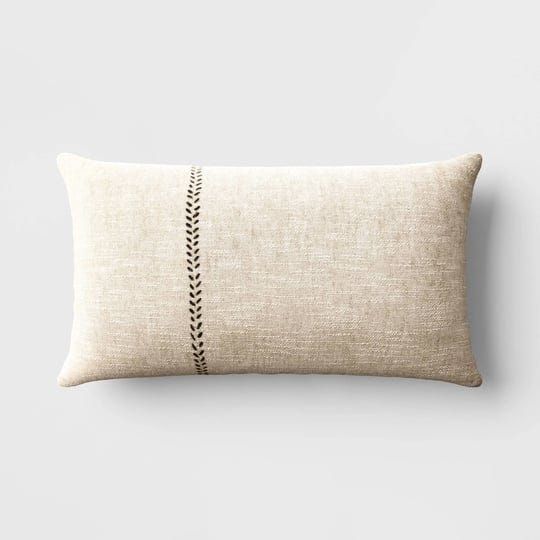
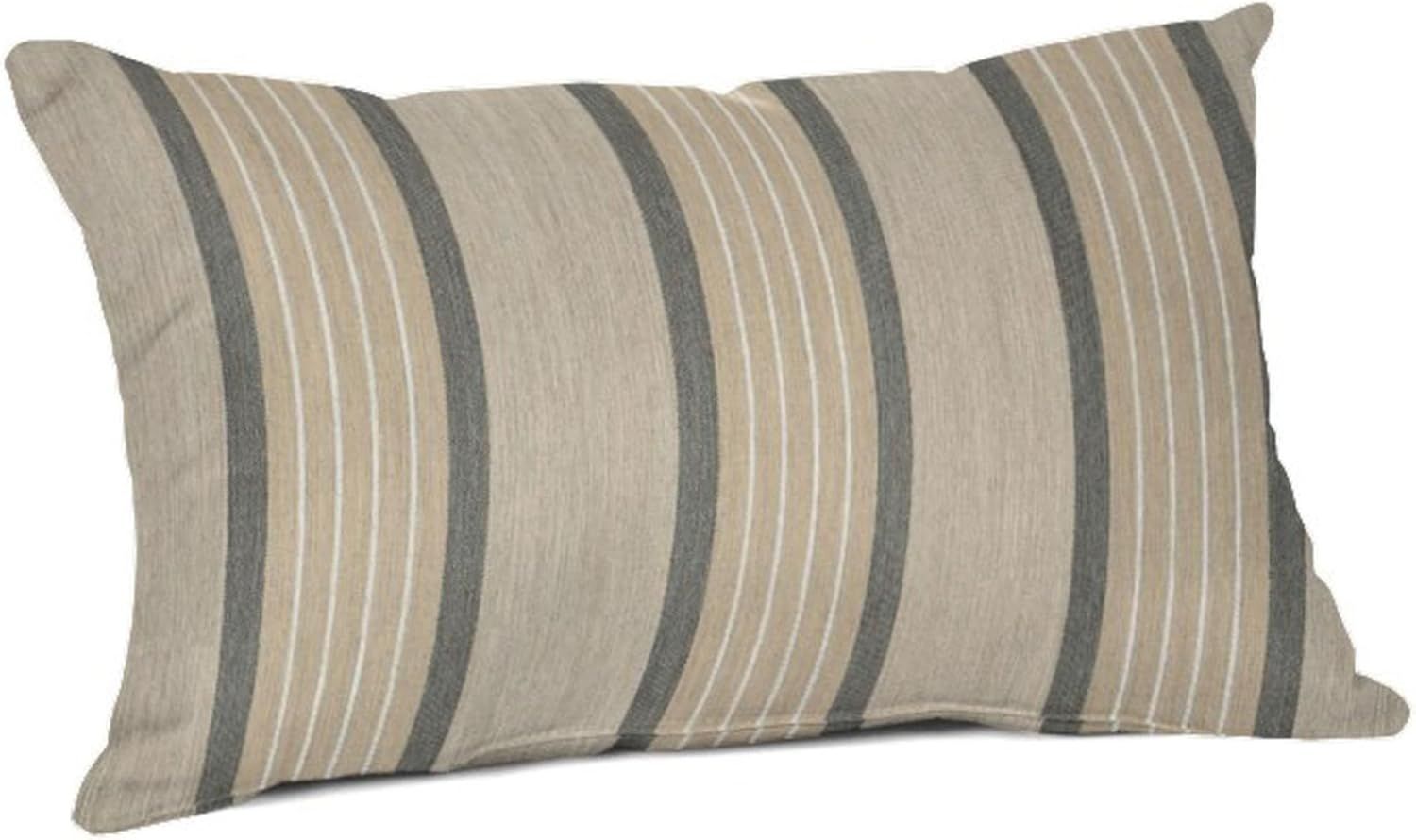
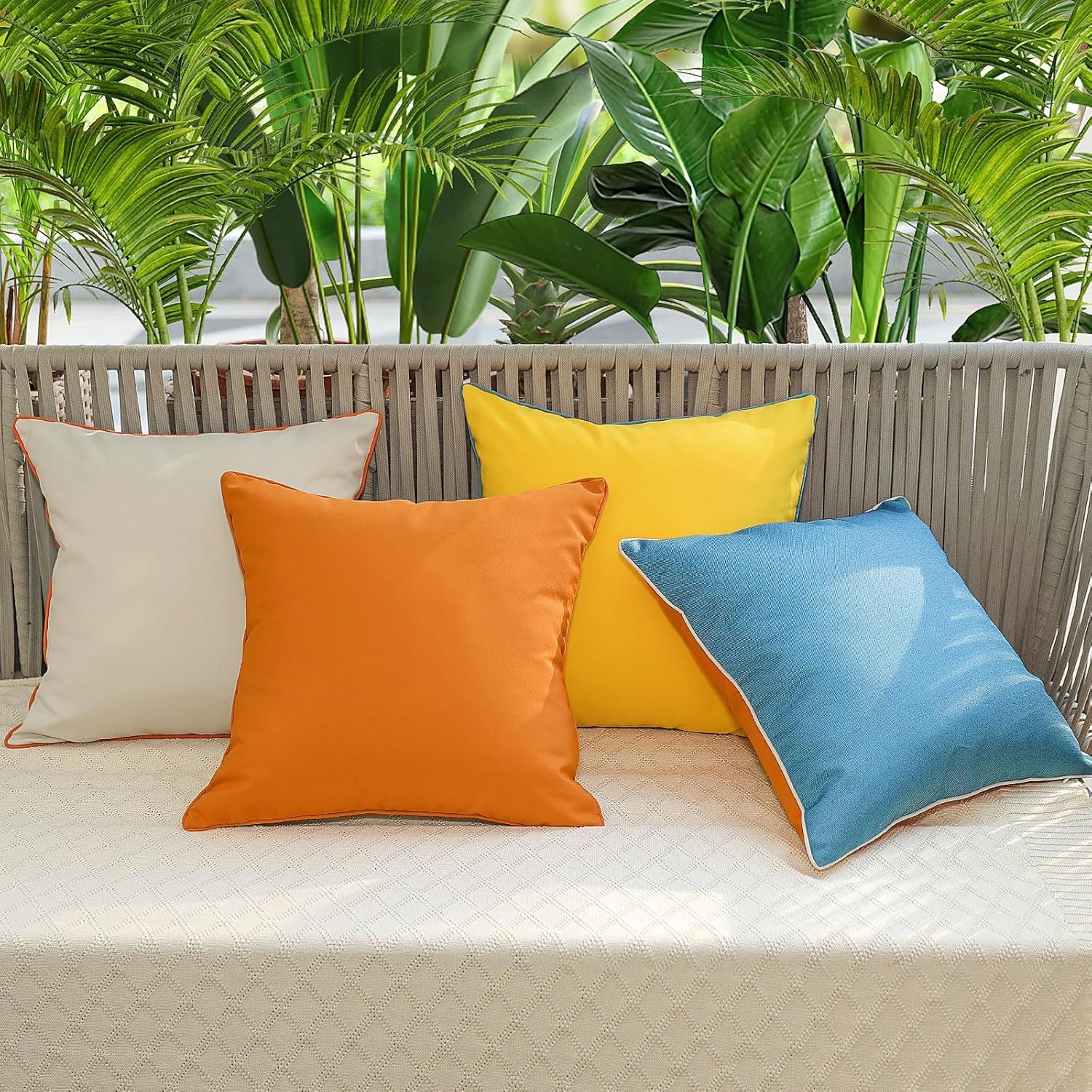
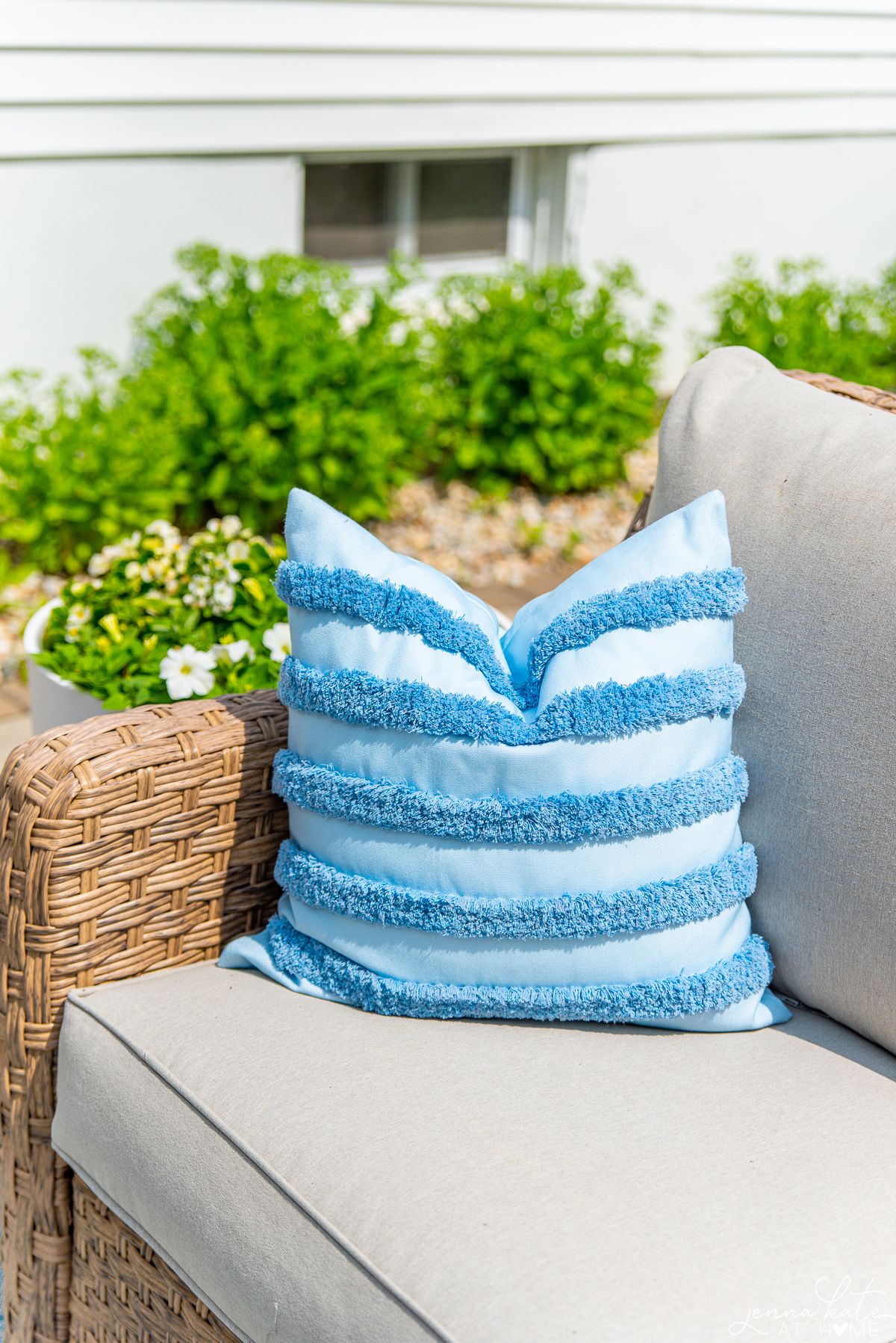
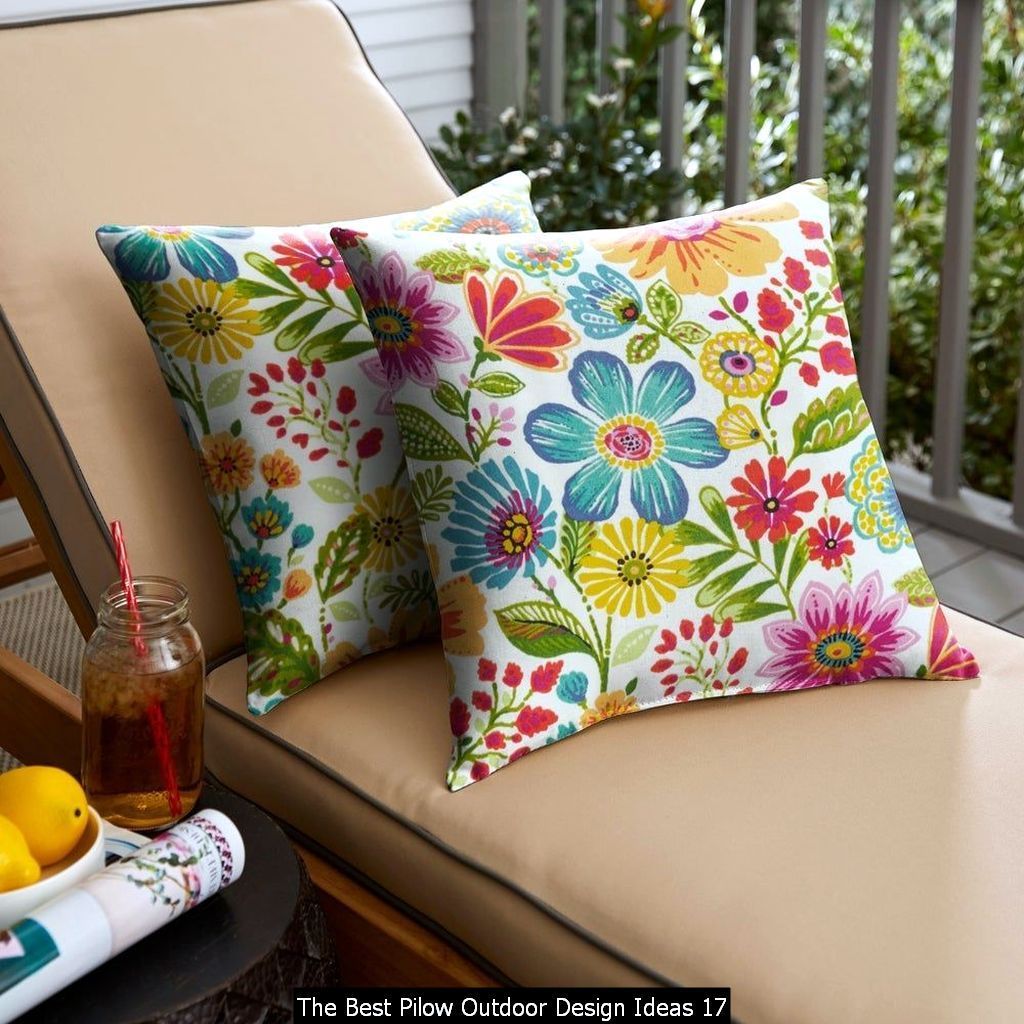
Geometric patterns are more than just decorative elements – they’re powerful tools for shaping how we experience our living spaces. Whether you’re designing a new home or simply looking to refresh your current space, understanding how these mathematical designs work can transform your approach to interior design. The key lies not in following rigid rules, but in understanding how patterns interact with light, color, and human psychology. Start small – perhaps with a geometric throw pillow or a small area rug. Notice how it changes the energy of the room. As you become more comfortable with geometric design principles, you can gradually expand your approach. Remember, the most successful geometric designs are those that serve the purpose of the space while reflecting your personal style. Every pattern you choose tells a story about how you want to live, how you want to feel, and what kind of environment supports your daily life. The magic of geometric patterns is that they work on multiple levels – aesthetic, emotional, and functional. They’re not just about making things look good; they’re about making your home truly feel like a reflection of who you are. So go ahead, experiment with geometric patterns. Your space – and your well-being – will thank you for it.