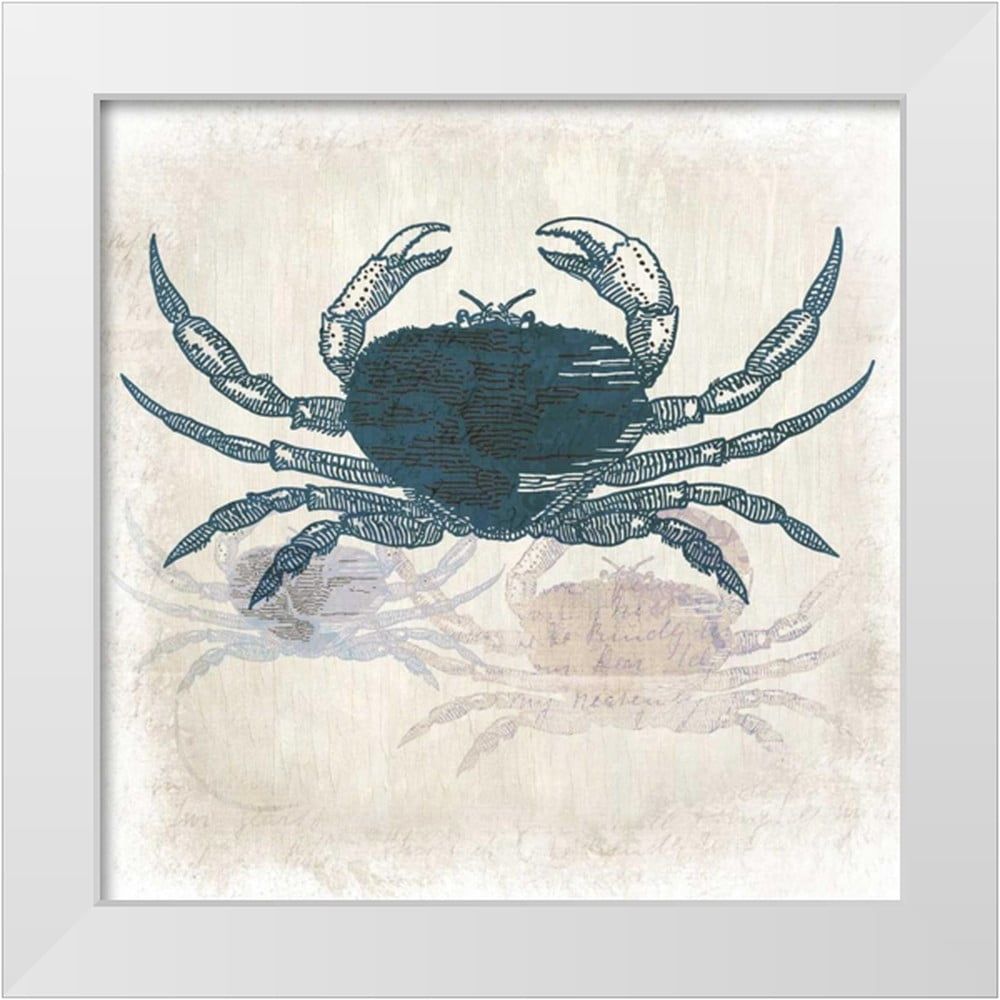
In the murky waters of the Chesapeake Bay and beyond, blue crabs have become more than just seafood. They’ve transformed into powerful symbols that speak to the very essence of coastal identity. These creatures aren’t just part of the ecosystem – they’re embedded in the cultural fabric of entire communities.
When you think of the Chesapeake Bay, what comes to mind? Maybe the misty mornings, the muddy shores, or perhaps the taste of a perfectly steamed crab. But there’s something deeper happening here – something that goes beyond the obvious. Blue crabs have become so much more than their role as dinner guests. They’ve evolved into cultural icons, telling stories of heritage, tradition, and community that stretch back generations. The way these creatures appear in art, literature, and local celebrations isn’t just coincidence. It’s a deep-rooted connection that speaks to who we are when we live by the water.
The Crustacean’s Cultural Journey
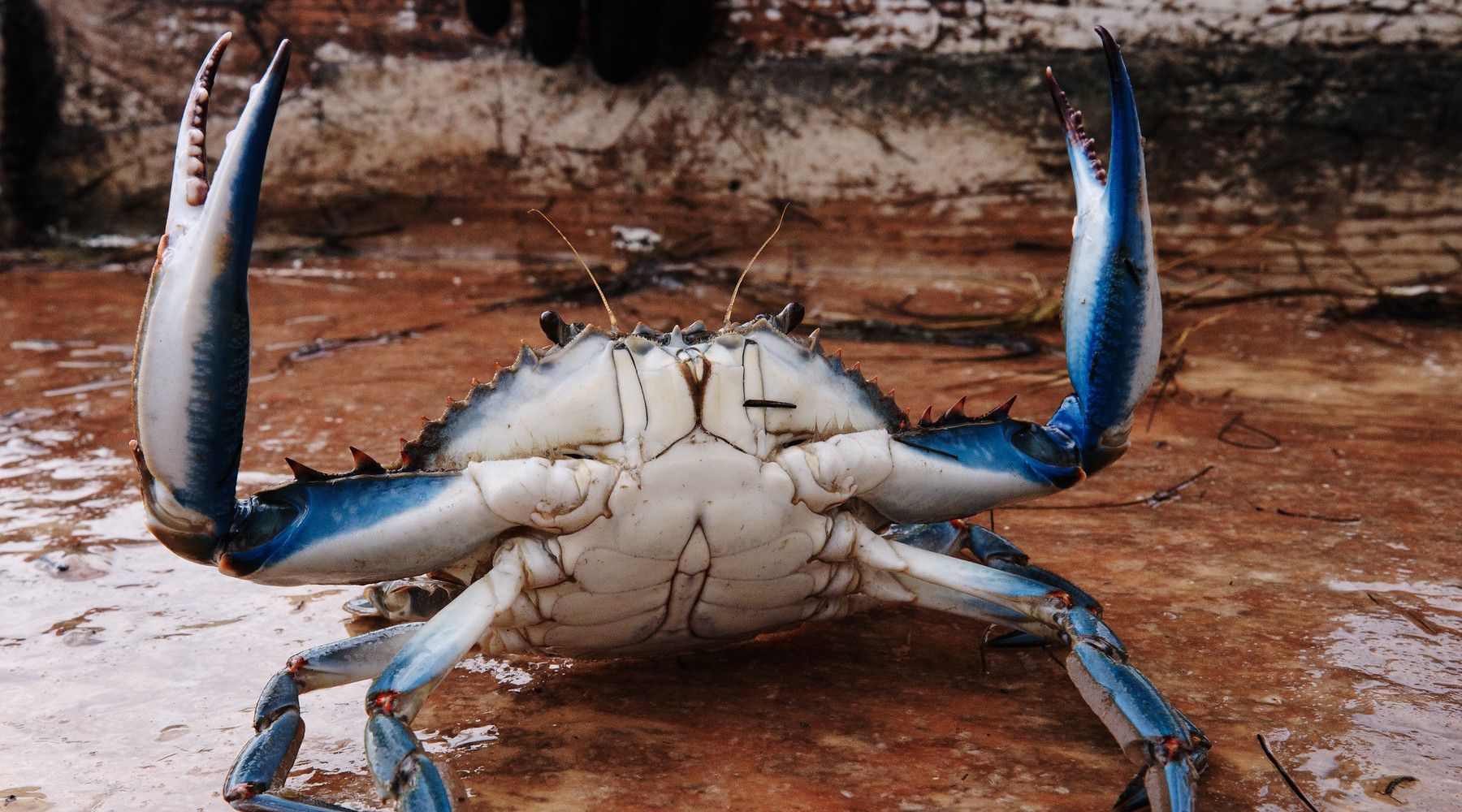
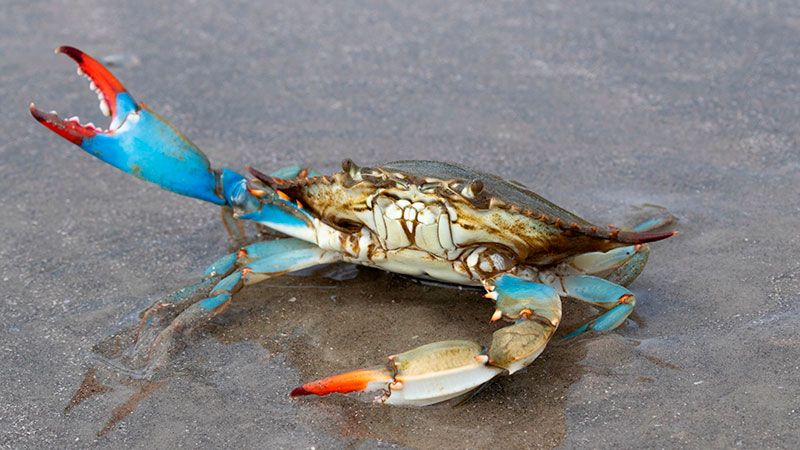
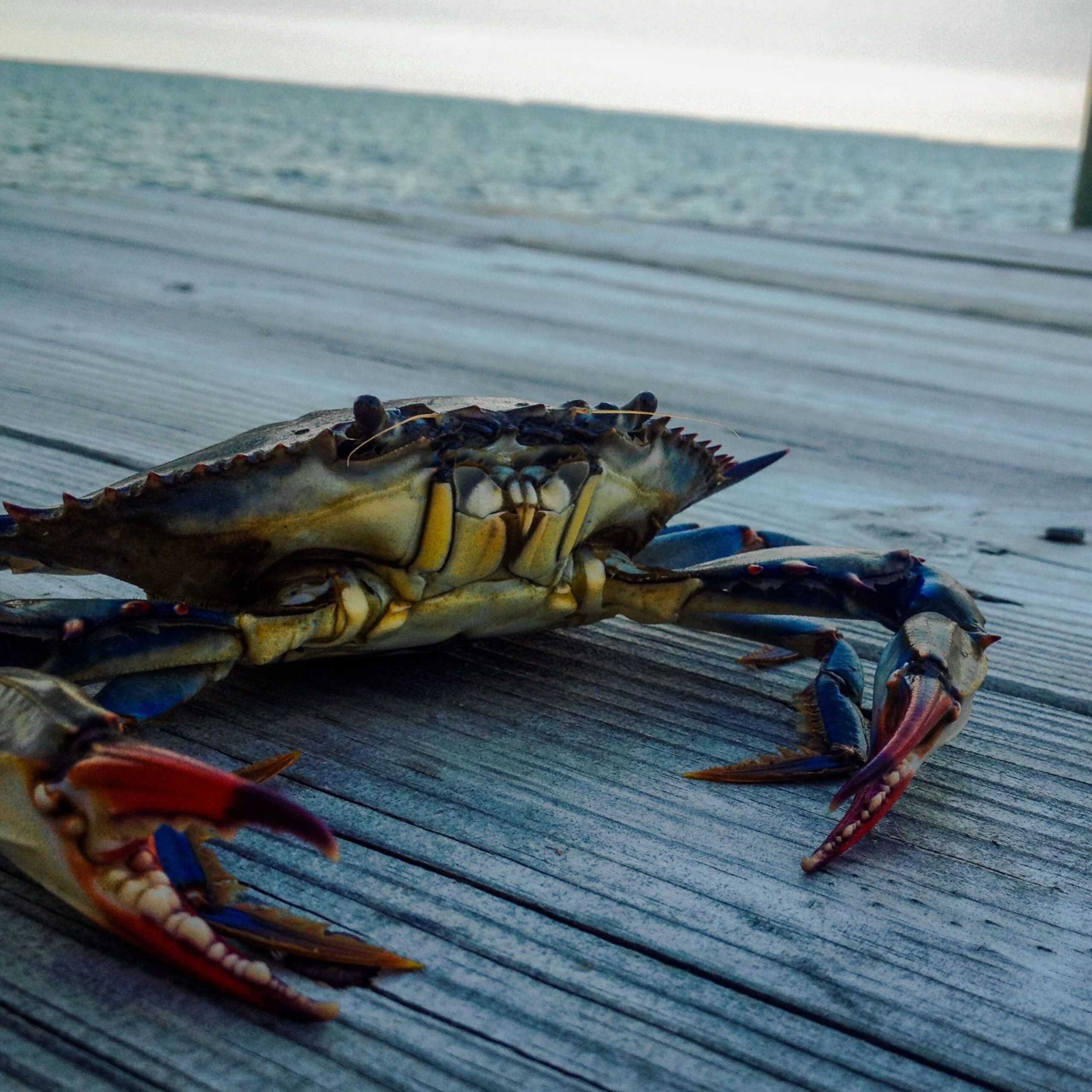
Blue crabs didn’t suddenly become symbols overnight. Their journey into cultural significance happened gradually, like a slow tide moving across the shore. For centuries, coastal communities have relied on these creatures for sustenance, economic activity, and even spiritual meaning. When fishermen first began using nets and traps, they weren’t just catching food – they were participating in a ritual that connected them to the sea. The crab became a character in countless stories passed down through families. Grandmothers would tell tales of the great crab catches, while children learned to recognize different crab behaviors. This storytelling tradition helped embed the blue crab into the collective memory of coastal populations. The crab’s distinctive appearance – those bright blue claws and armored shell – made it easy to spot and remember. Soon, it wasn’t just a fisherman’s catch, but a symbol of coastal life itself. The way these crabs move, their curious nature, and their resilience in harsh conditions all contributed to their mythic status. It’s no wonder then that artists began incorporating crab imagery into their work, capturing not just the physical form but the spirit of the coast.
Artistic Expressions of Coastal Spirit
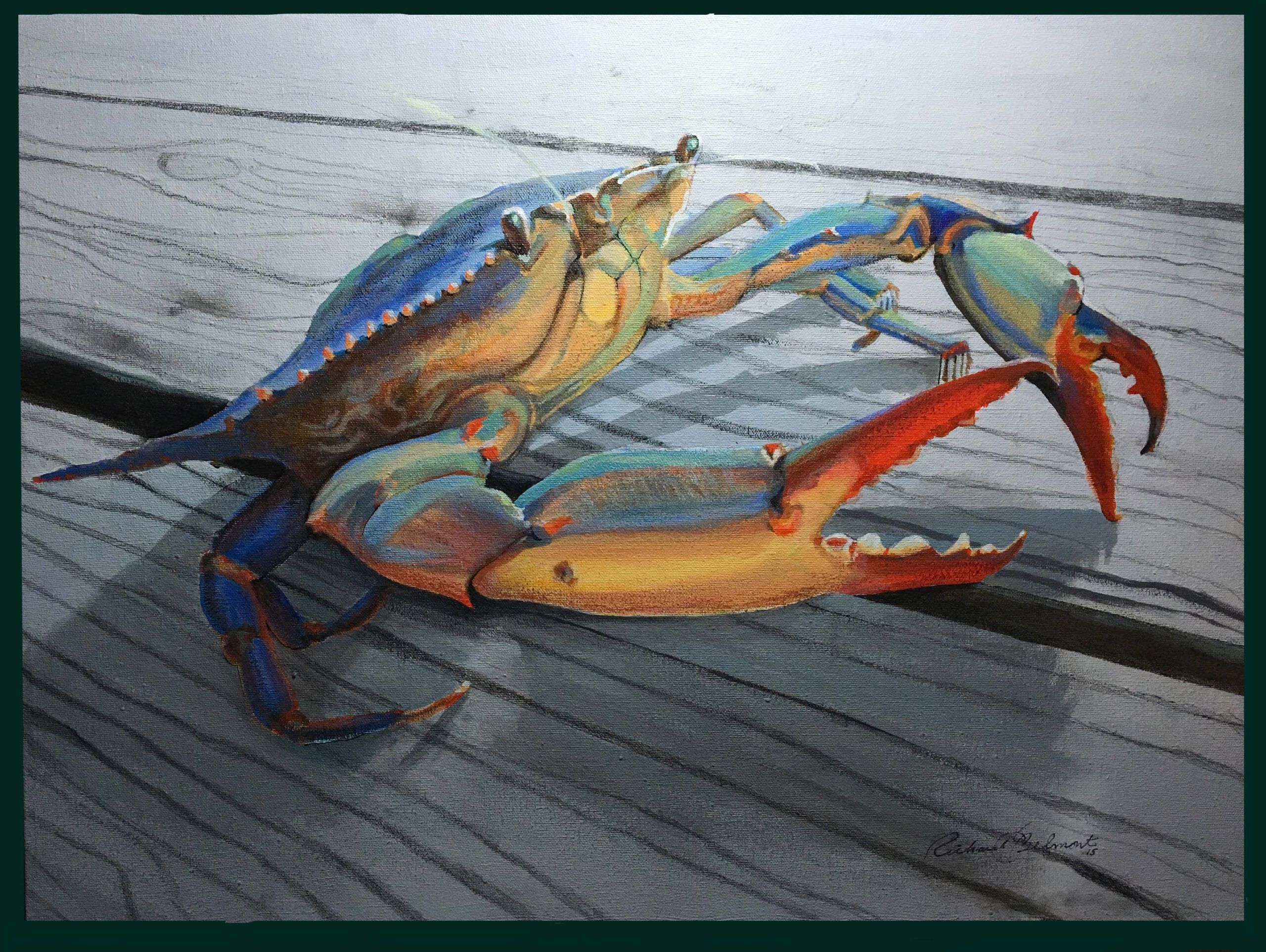
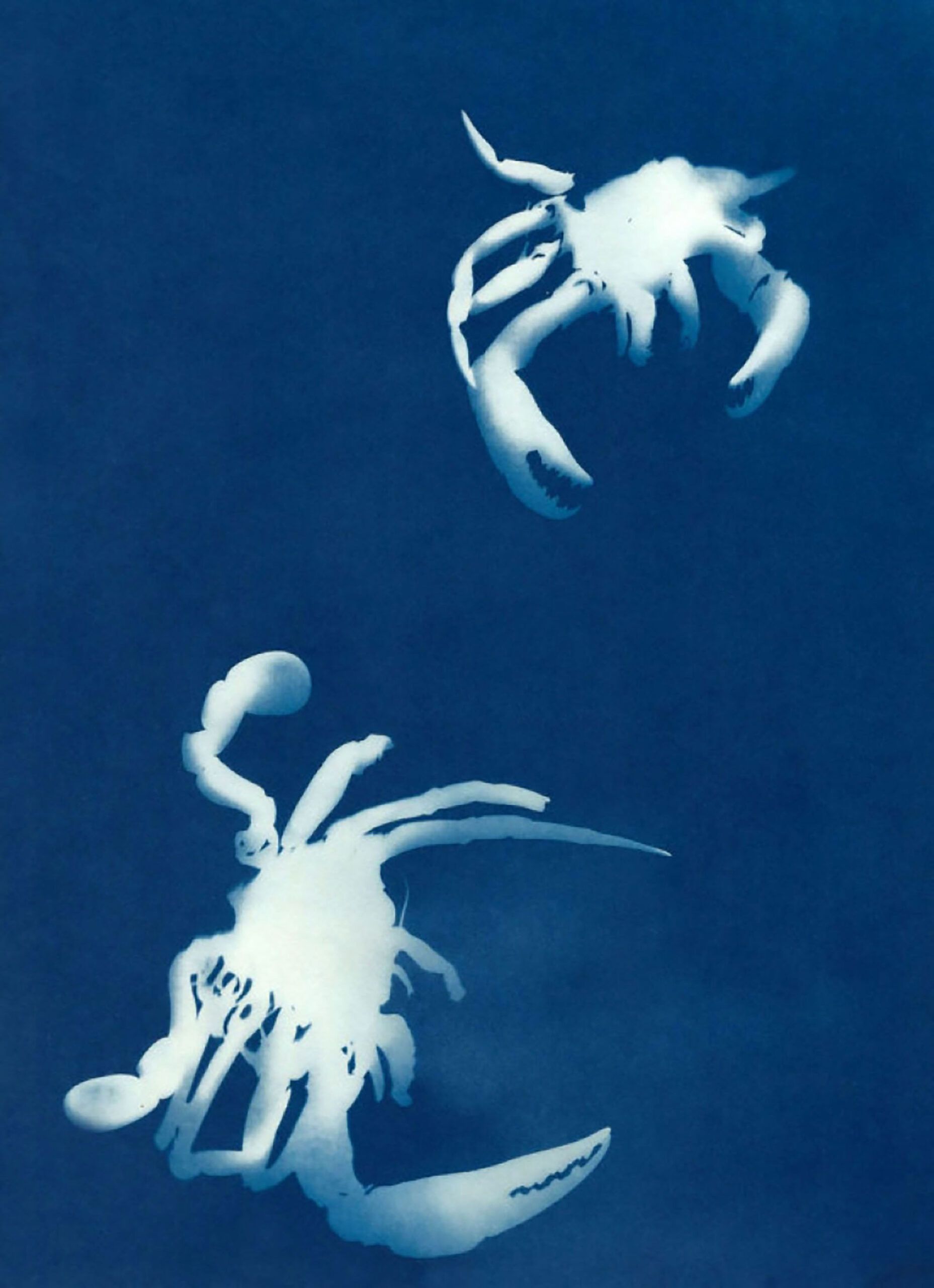
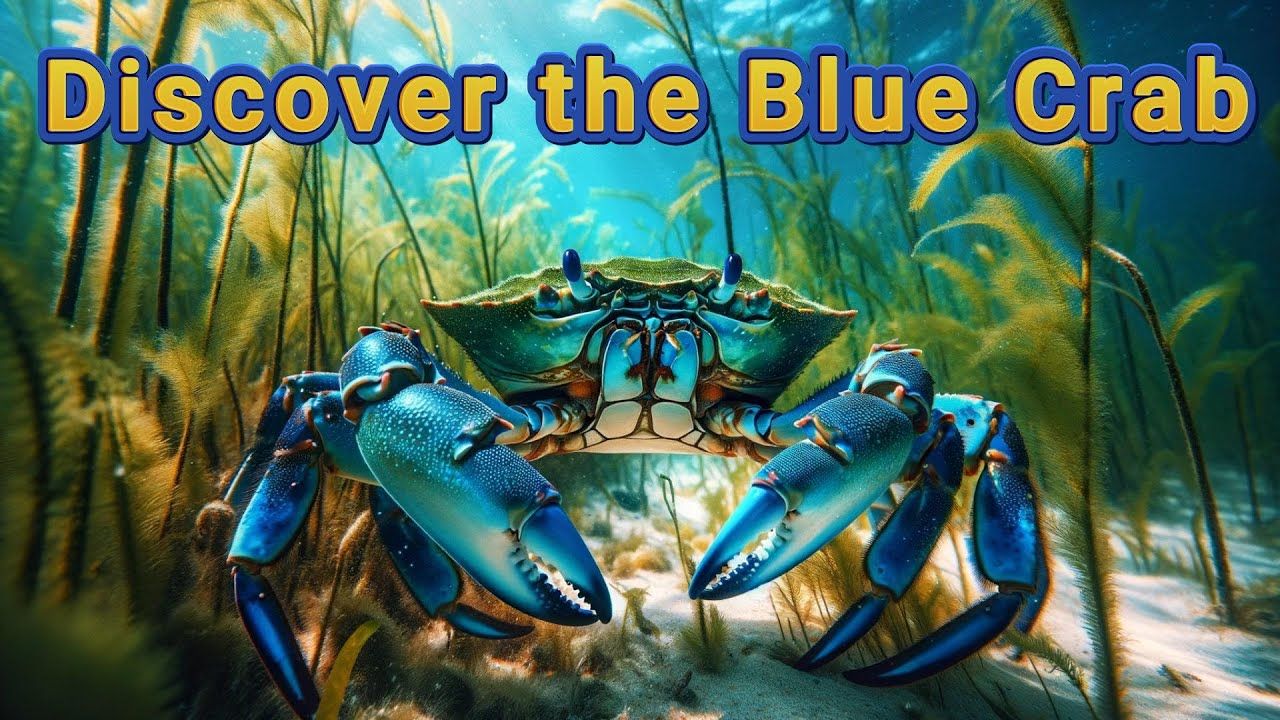
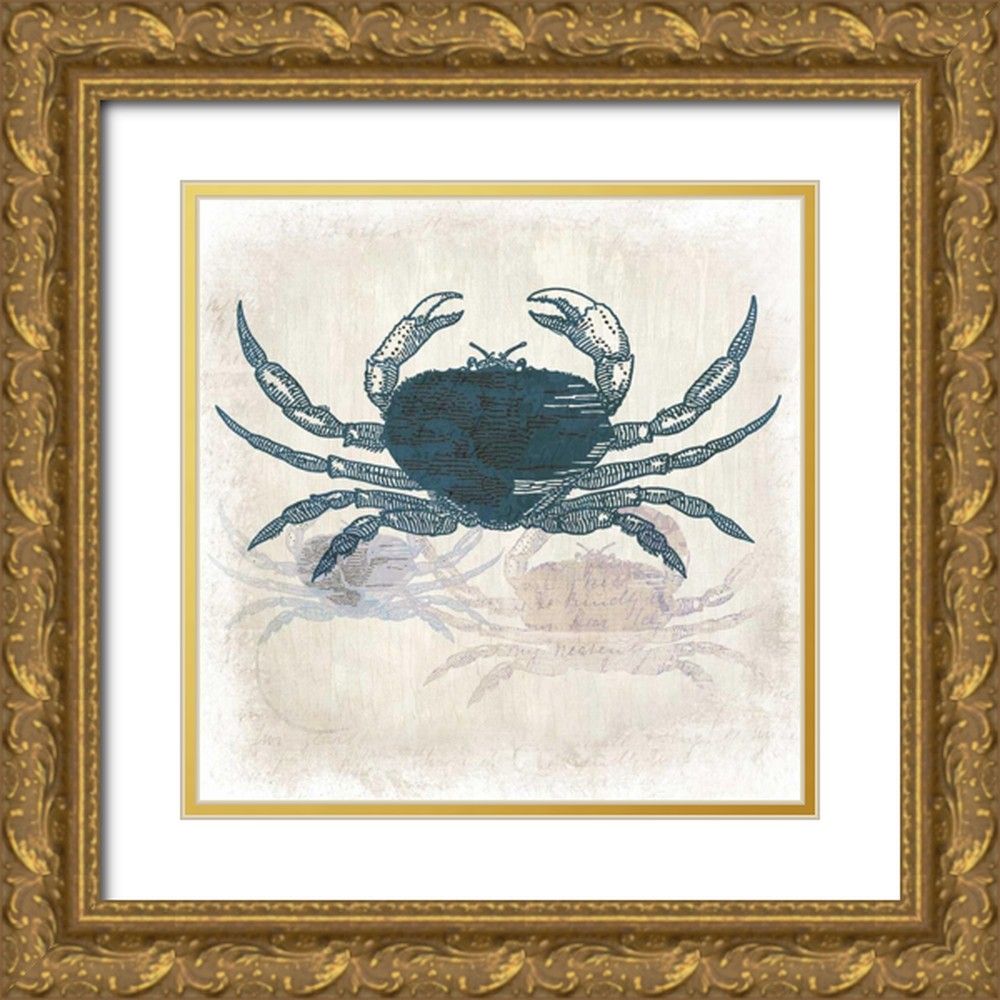
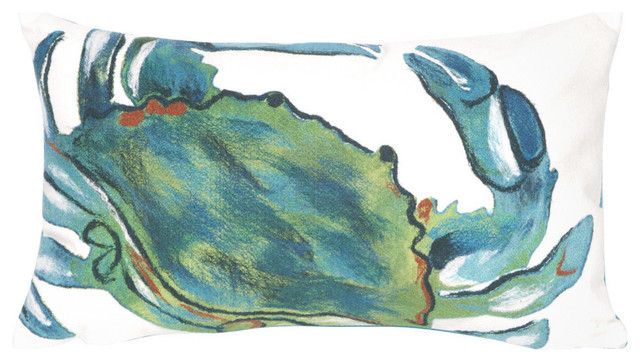
The artistic portrayal of blue crabs has taken many forms across different cultures and time periods. From traditional folk art to contemporary paintings, these creatures have inspired countless creators. In Maryland, you’ll find blue crab motifs adorning everything from pottery to jewelry. Local artists often paint scenes featuring crabs emerging from the water, sometimes with exaggerated features that emphasize their importance. The symbolism runs deep – the crab’s ability to navigate both land and water mirrors the coastal experience itself. Many paintings show crabs in various stages of life, from tiny juveniles to mature adults, representing the cycle of growth and renewal that defines coastal communities. Sculptors have captured the crab’s distinctive movements, creating lifelike pieces that seem to dance with the waves. Even modern digital artists use blue crab imagery to convey themes of environmental awareness and conservation. The most striking aspect of this artistic tradition is how it transcends simple representation. Artists don’t just copy what they see – they capture the essence of what the crab represents to coastal people. A single blue crab painting might represent decades of family traditions, the changing seasons, or the challenges of maintaining livelihoods in a changing world.
Identity Through Culinary Traditions
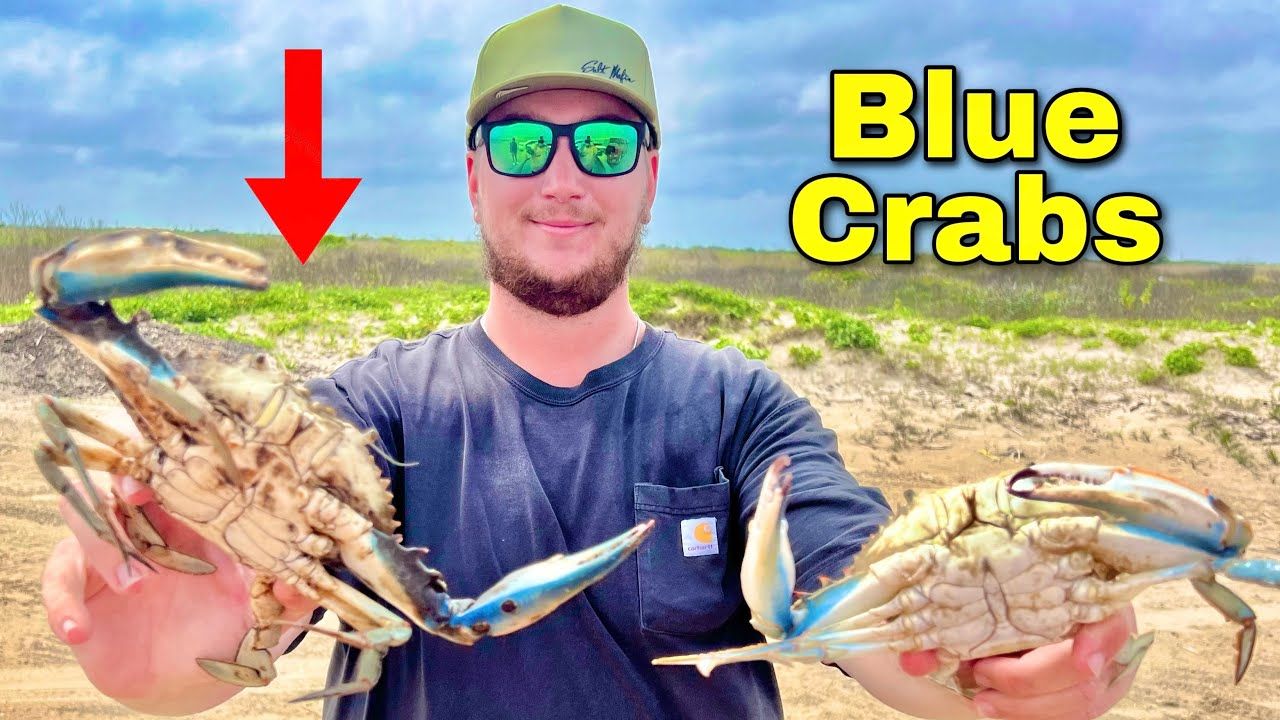
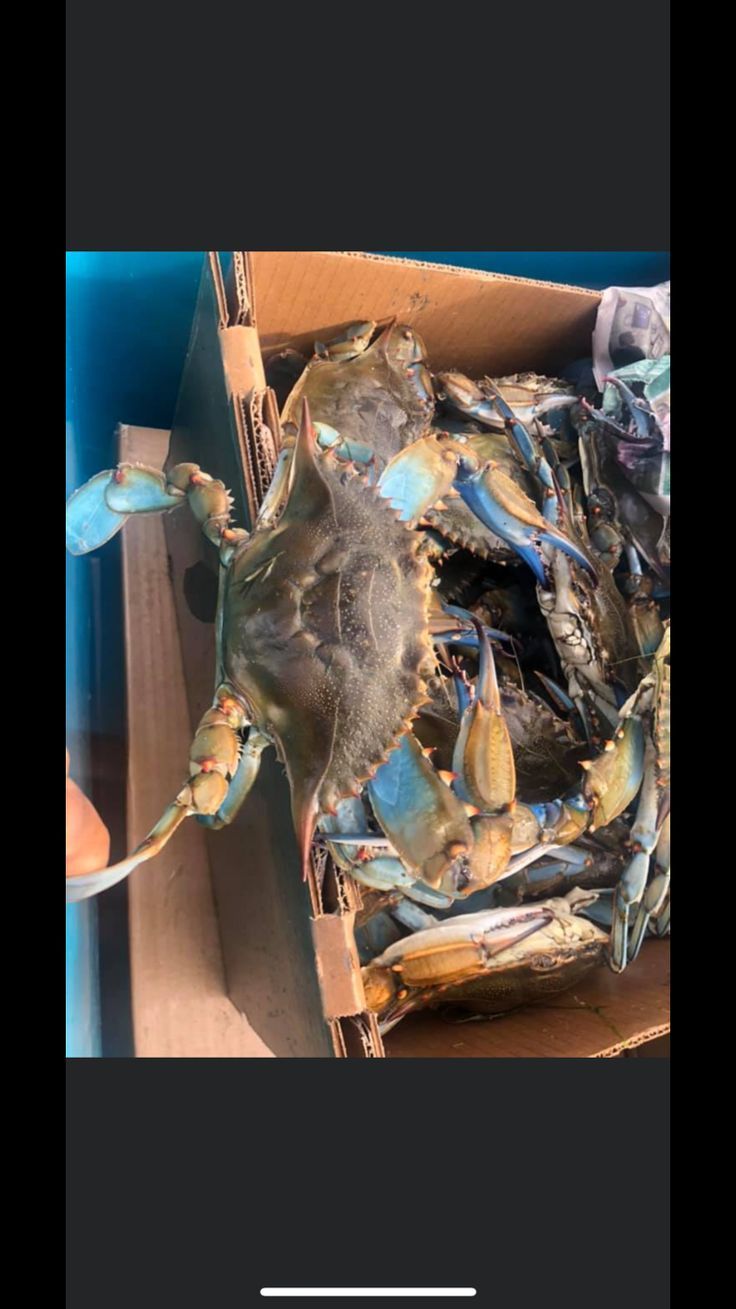
Food plays a central role in how coastal communities define themselves, and blue crabs are at the heart of many culinary traditions. The preparation methods vary dramatically across regions, each carrying its own cultural significance. In the Chesapeake Bay area, steamed crabs are more than a meal – they’re a communal experience that brings families together. The process of cracking and eating crabs becomes a shared ritual, connecting people to their heritage and to each other. Different regions have developed their own approaches to preparing these crustaceans. Some communities favor butter sauce, while others prefer Old Bay seasoning or simple salt and pepper. The timing of crab season – typically spring and fall – creates seasonal celebrations that reinforce community bonds. These festivals often feature crab races, cooking competitions, and storytelling events. The fact that crabs are often eaten fresh and locally makes them particularly meaningful to coastal identity. When someone eats a blue crab caught from their own bay, they’re not just consuming food – they’re participating in a tradition that spans generations. The effort required to harvest these crabs – the skill, the patience, the knowledge passed down through families – all contribute to the cultural weight of the dish. This connection between food and identity is one of the strongest links between blue crabs and coastal culture.
Economic Foundations and Community Values
Beyond their cultural significance, blue crabs provide economic stability for many coastal towns and cities. The crab industry supports thousands of jobs, from commercial fishing to processing plants to restaurants. This economic foundation helps shape community values and social structures. When the crab population is healthy, communities thrive. When it’s threatened, entire regions feel the impact. The economic relationship with blue crabs has created unique social dynamics within coastal areas. Fishing cooperatives and family-owned businesses often pass down knowledge about crabbing techniques and seasonal patterns. These businesses become community anchors, providing not just income but also social connections. The timing of crab seasons affects everything from local employment to tourism patterns. During peak seasons, small coastal towns can experience dramatic population increases as visitors come to enjoy the crabbing experience. This economic pulse creates a rhythm that many coastal residents learn to read intuitively. The value placed on sustainable crab harvesting has led to community-wide efforts to protect these resources. These conservation efforts often bring together diverse groups of people who might otherwise have little in common, united by their shared interest in preserving their cultural and economic foundation.
Seasonal Celebrations and Rituals
Coastal communities have developed elaborate traditions around blue crab season, turning simple harvests into cultural celebrations. These events often blend practical necessity with spiritual significance. The arrival of crab season marks important transitions in the annual cycle, bringing families together and reinforcing community bonds. Many coastal towns hold annual crab festivals that celebrate not just the bounty but also the skills and knowledge required to harvest it successfully. These festivals often include educational components, teaching younger generations about crab biology and conservation. The timing of these celebrations aligns with the natural cycles of crab reproduction and migration, creating a seamless integration of human activity and natural rhythms. Traditional recipes and cooking methods are showcased during these events, preserving culinary heritage for future generations. The social aspects of these gatherings are just as important as the food itself. People meet old friends, share stories about past crabbing adventures, and plan for upcoming seasons. These events often serve as community planning sessions, where residents discuss everything from weather patterns to market prices. The rituals associated with crab season help maintain cultural continuity while adapting to changing circumstances. They provide structure and meaning to an otherwise cyclical existence, giving people something to look forward to and work toward throughout the year.
Environmental Awareness and Conservation
As awareness of environmental issues grows, blue crab imagery has taken on new meanings related to conservation and sustainability. The health of blue crab populations directly reflects the overall health of coastal ecosystems. Communities that depend on these creatures have become advocates for ocean protection and responsible fishing practices. The visual representation of blue crabs in environmental campaigns often emphasizes their role as indicator species – creatures whose presence or absence signals broader ecological health. Many conservation organizations use blue crab imagery to educate the public about pollution, habitat loss, and climate change impacts. The crab’s ability to survive in changing conditions makes it a powerful symbol for resilience and adaptation. Coastal communities often incorporate crab imagery into their environmental education programs, helping children understand the interconnectedness of marine life and human well-being. The shift from viewing crabs purely as resources to seeing them as part of a larger ecological system has changed how communities relate to them. This evolution reflects broader changes in how coastal populations understand their relationship with the natural world. Modern conservation efforts often combine traditional knowledge with scientific understanding, creating hybrid approaches that honor both heritage and innovation.
The blue crab represents far more than a simple marine creature to coastal communities. It embodies the intersection of tradition and modernity, survival and celebration, economy and environment. Every time someone sees a blue crab painted on a storefront or tastes a perfectly seasoned crab at a local restaurant, they’re participating in a cultural narrative that stretches back generations. These crustaceans have become living symbols of what it means to be part of a coastal community – resilient, resourceful, and deeply connected to the water that sustains them. Whether through art, food, economics, or environmental stewardship, blue crabs continue to shape and reflect the identity of coastal peoples. Their influence extends beyond the immediate community, inspiring others to appreciate the rich tapestry of coastal culture. The story of blue crab imagery is ultimately a story about human connection to place, tradition, and the natural world. It reminds us that our identities are often shaped by the creatures and landscapes around us, and that these relationships deserve careful attention and respect. As we face new environmental and social challenges, the blue crab continues to serve as a bridge between past and future, reminding us of what we’ve lost and what we must preserve for generations to come.