We’ve all been there – pulling back a shower curtain only to discover unsightly black spots or that musty smell. It’s not just gross; it’s unhealthy too. But what if you could stop mold before it even starts growing? What if you could do it without harsh chemicals or expensive products? The answer might be simpler than you think.
Mold on shower curtains isn’t just an eyesore. It’s a health hazard and a persistent problem that many homeowners face regularly. The combination of warmth, moisture, and darkness inside your bathroom creates the perfect environment for mold spores to take root and spread. You might think that just washing your curtain regularly will solve everything, but sometimes mold gets in places you can’t reach. This is especially true with those fabric shower curtains that have seams, folds, and crevices that trap moisture and bacteria. The good news is that there are several natural ways to fight back against mold growth that are both effective and safe for your family and home. These methods work by either preventing mold spores from settling or by creating conditions that make it hard for them to survive.
Understanding Why Mold Grows on Shower Curtains
Before we dive into how to stop mold, let’s understand why it happens in the first place. Mold is a type of fungus that thrives in damp environments. When you shower, water vapor fills the air and condenses on cooler surfaces like your curtain. If this moisture isn’t removed quickly, it creates the perfect breeding ground for mold. It’s not just about being wet – it’s about moisture staying trapped. Think about it: when you hang your curtain after a shower, does it dry completely? Most of the time, no. That’s where the problem begins. Mold spores are everywhere – they’re in the air, on surfaces, even on your skin. When they land on a moist surface like a shower curtain, they start to grow. The key is to break that cycle early. The longer moisture stays, the more likely mold is to establish itself. You can’t always control the humidity in your bathroom, but you can control how well your curtain dries after each use. And that’s where prevention becomes crucial.
The Importance of Proper Ventilation
One of the most effective ways to prevent mold is to reduce moisture in your bathroom. Proper ventilation means more than just turning on a fan – it means using it correctly and consistently. When you’re taking a shower, turn on the exhaust fan and leave it running for at least 20 minutes after you’re done. This removes the steam that causes condensation on your curtain. If you don’t have an exhaust fan, opening a window can help. But it’s not just about getting rid of moisture – it’s about ensuring air circulates properly. Stagnant air allows moisture to linger longer. Good airflow helps the curtain dry faster, reducing the chance of mold forming. Some people find that running the fan for a few extra minutes after their shower helps prevent that lingering dampness. Consider installing a timer on your fan so you don’t forget to turn it off. Another tip is to keep your bathroom door closed during showers. This contains the steam and keeps it from spreading to other areas of your home. You might also want to consider a small dehumidifier if your bathroom tends to stay humid even after using the fan.
Natural Cleaning Solutions to Fight Existing Mold
Sometimes mold shows up despite your best efforts. That’s okay – you can tackle it naturally without resorting to bleach or harsh cleaners. White vinegar is one of the most powerful natural antifungal agents available. Mix equal parts white vinegar and water in a spray bottle and apply directly to mold spots. Let it sit for 10-15 minutes, then scrub gently with a brush or sponge. The acetic acid in vinegar breaks down mold at its roots. Baking soda works great in combination with vinegar. Sprinkle baking soda on the affected area, spray with vinegar solution, and let it fizz for a few minutes before wiping clean. Tea tree oil is another excellent option. Its natural antimicrobial properties make it effective against mold and mildew. Add a few drops to a spray bottle filled with water and use it as a final treatment. For stubborn cases, you might need to repeat the process a few times. Always test any cleaning solution on a hidden part of the curtain first to make sure it doesn’t cause fading or damage.
Choosing the Right Curtain Material
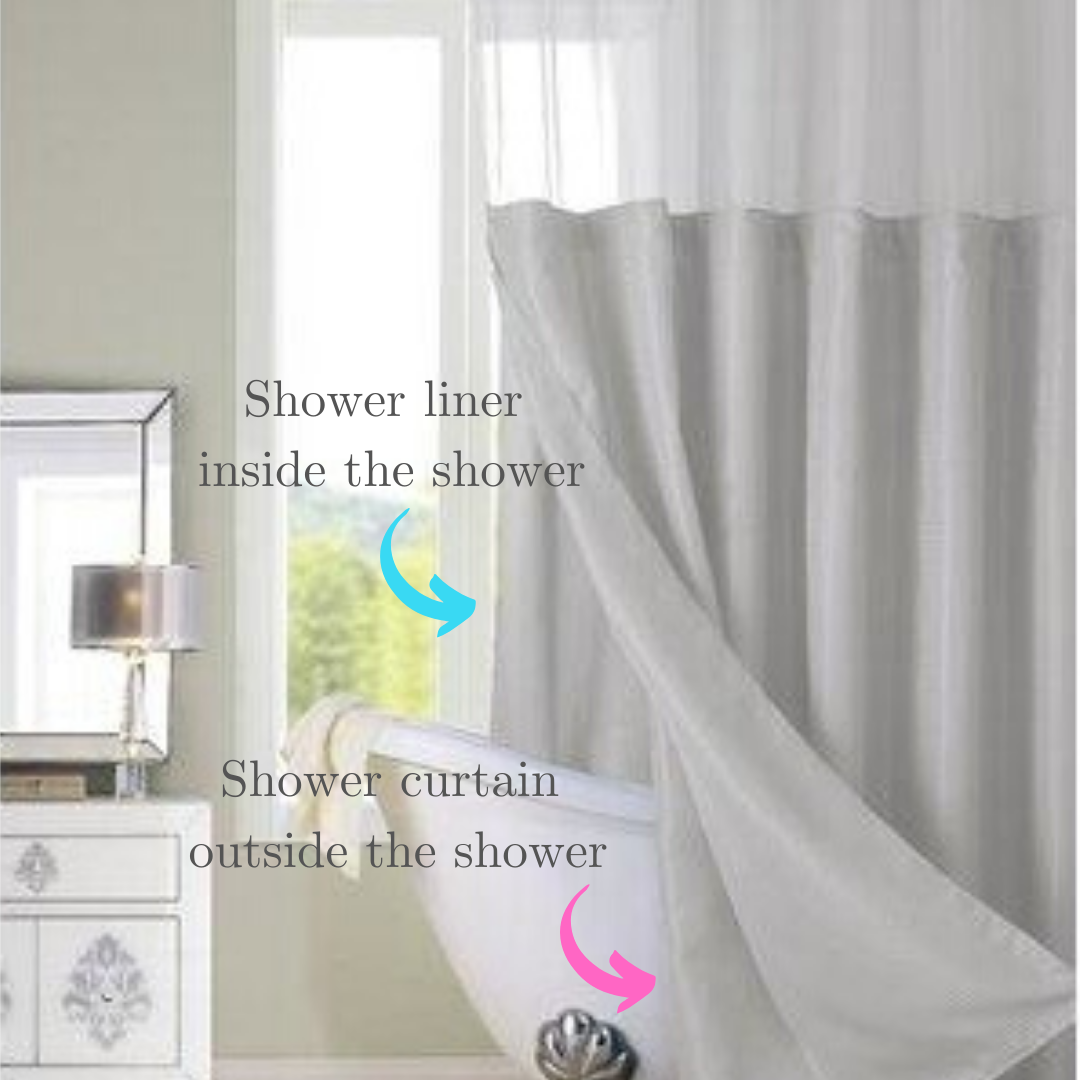
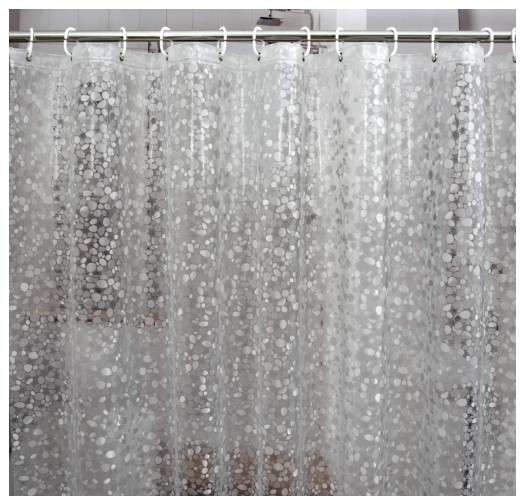
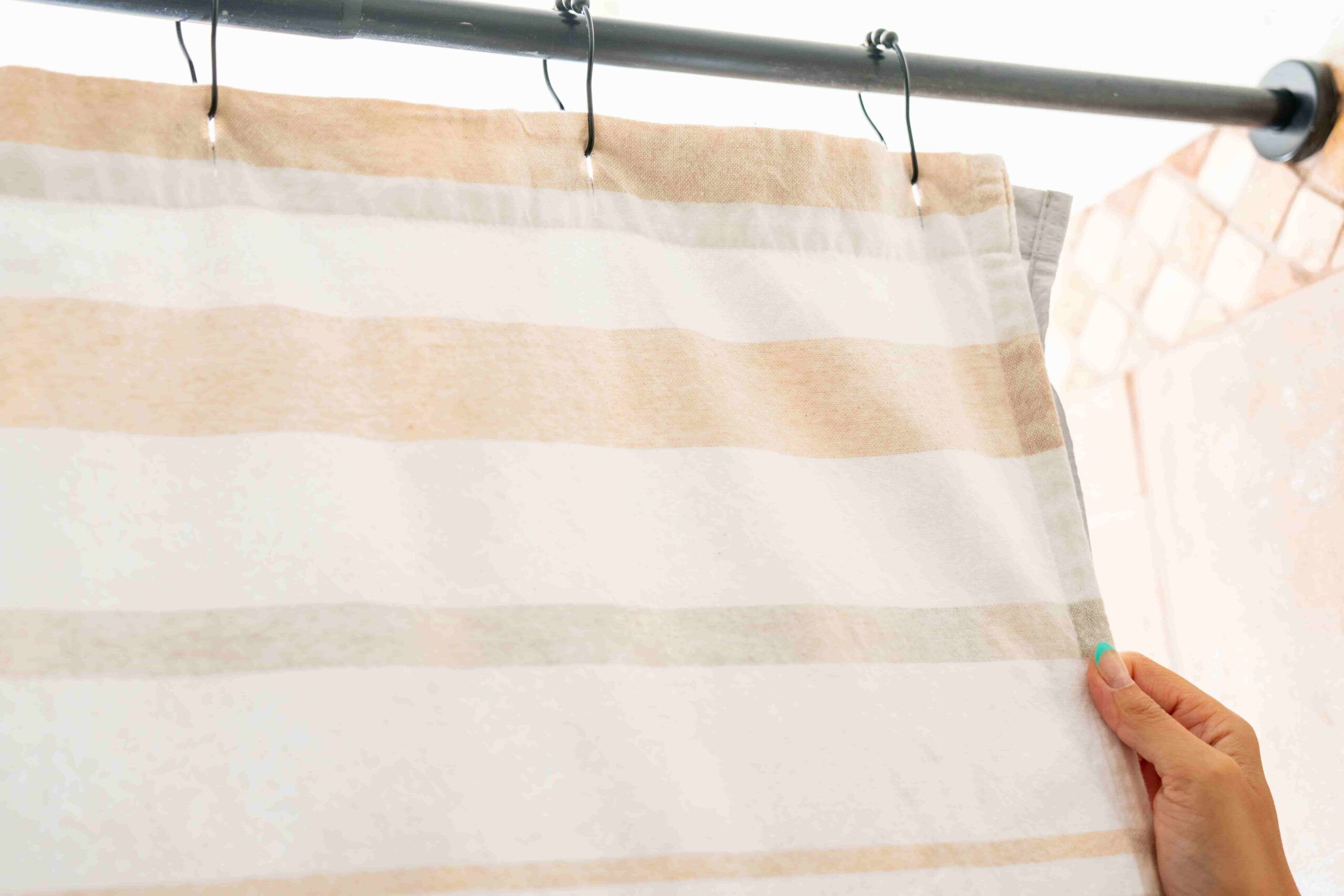
Not all shower curtains are created equal when it comes to resisting mold. Fabric curtains, while attractive, tend to hold onto moisture longer than others. PVC or vinyl curtains are often better choices because they don’t absorb water like fabric does. If you prefer the look of fabric, look for curtains made from materials designed to resist moisture. Some are treated with antimicrobial coatings that help prevent mold growth. Others are made with tightly woven fabrics that allow less moisture to penetrate. You might also consider a shower curtain liner – a thin plastic sheet placed behind your main curtain. This creates a barrier between the moisture and your fabric curtain. Liners are easy to remove and wash separately, which makes it easier to keep them clean. When shopping for a new curtain, check labels for moisture-resistant features. Some brands now offer curtains specifically designed to combat mold and mildew. The investment in quality material can save you from frequent replacements and cleaning battles.
Regular Maintenance Routine
Prevention is always easier than cleanup, but regular maintenance is still necessary. After each shower, give your curtain a quick shake to remove loose water droplets. Open the curtain fully to let air circulate around it. You can also hang it up to dry completely after each use. This doesn’t mean you have to take it down every day – just make sure it’s not sitting in a puddle of water. Weekly, give your curtain a light cleaning. Even if you don’t see visible mold, a quick wipe-down with a damp cloth can help prevent buildup. If you notice any musty smells, that’s a sign mold might be starting to develop. Don’t wait until it’s too late. A simple solution of water and a few drops of lemon juice can help eliminate odors while cleaning. You might also want to vacuum the area around your curtain periodically to remove dust and spores that could contribute to mold growth. Keeping the surrounding area clean helps reduce the number of spores that can settle on your curtain.
Additional Tips for Long-Term Mold Prevention
Beyond basic care, there are a few additional strategies that can really help keep mold at bay. One is to use a squeegee after each shower. This removes water from the curtain and prevents it from dripping onto the floor or accumulating in corners. Another helpful trick is to run a hair dryer on a cool setting across the curtain after it’s been washed. This helps evaporate any remaining moisture that might otherwise remain trapped. You can also try placing a small bowl of white vinegar in your bathroom. The scent helps mask odors and the vinegar can help kill airborne mold spores over time. For particularly problematic areas, consider using a UV light device. These lights can kill mold spores in the air and on surfaces. Just remember to keep them away from the curtain itself to avoid damage. Finally, don’t forget about your showerhead. Clean it regularly to prevent mineral deposits that can trap moisture and provide a surface for mold to cling to. A quick soak in vinegar once a month can keep it clean and functioning properly.
Preventing mold on your shower curtain doesn’t have to be complicated or expensive. By combining proper ventilation, natural cleaning solutions, smart material choices, and consistent maintenance, you can keep your bathroom fresh and mold-free. The key is acting early and being consistent with your routine. Mold loves moisture and darkness, so keeping your curtain dry and well-ventilated is your best defense. You don’t need to buy special products or spend hours on cleaning – simple changes in how you use and maintain your curtain can make a big difference. Remember, prevention is always easier than dealing with mold once it’s established. Start with one or two of these methods and build from there. Your bathroom will thank you, and so will your health. Sometimes the simplest solutions are the most effective.