Have you ever walked into a space where you couldn’t tell if you were inside or outside? That seamless flow isn’t just a dream – it’s a design possibility that’s transforming how we live. Picture stepping into a home where the kitchen flows directly into a garden, or where a living room opens onto a peaceful patio. These aren’t just fancy fantasies anymore. They’re becoming the new standard for comfortable, functional living spaces.
The way we think about our homes is changing fast. Gone are the days when indoor and outdoor spaces were strictly separate. Today, people want their homes to feel like extensions of nature itself. It’s not just about having a few windows or a small balcony. We’re talking about creating entire environments where walls become transparent, where natural light floods in, and where the boundary between inside and outside simply disappears. This isn’t just about aesthetics – it’s about creating healthier, more connected living experiences that bring the best of both worlds together.
Understanding the Psychology Behind Seamless Design
Why does this kind of design work so well? The answer lies deep in our psychology. Humans have an innate connection to nature that goes beyond simple preference. When we’re surrounded by natural elements, our stress levels drop, our creativity increases, and we generally feel better. This concept, called biophilic design, explains why spaces that blur the line between inside and outside feel so restorative.
Consider the Japanese concept of shinrin-yoku or forest bathing. People who spend time in natural settings show measurable improvements in mental health and immune function. By bringing elements of the outdoors into our homes, we’re essentially creating these therapeutic environments right in our own living spaces. The key is not just adding plants or natural materials, but designing so that the transition feels effortless and natural.
Key Design Principles for Smooth Transitions
Creating those magical transitions requires understanding some fundamental principles:
• Visual Continuity: The eye should move naturally from one space to another. This means matching color palettes, textures, and lighting between indoor and outdoor areas.
• Material Harmony: Using similar materials in both spaces helps create a sense of unity. Think stone flooring that continues from indoors to outdoors, or wood that flows from the deck into the living room.
• Lighting Integration: Natural light should flow freely between spaces. This might mean large windows, skylights, or even strategic use of mirrors to reflect outdoor views.
• Functional Flow: The spaces shouldn’t just look connected – they should function as one continuous area. This means considering traffic patterns, furniture placement, and how people actually move through these spaces.
Practical Implementation Strategies
Putting these ideas into practice doesn’t require a complete renovation or massive budget. Here are some ways to start blending your indoor and outdoor spaces:
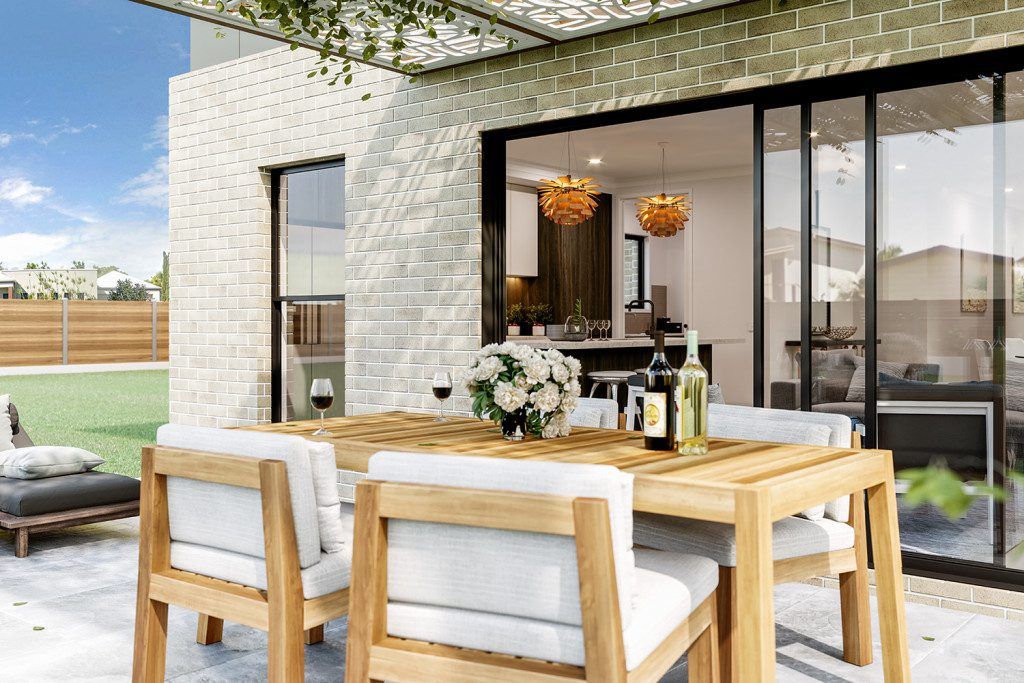
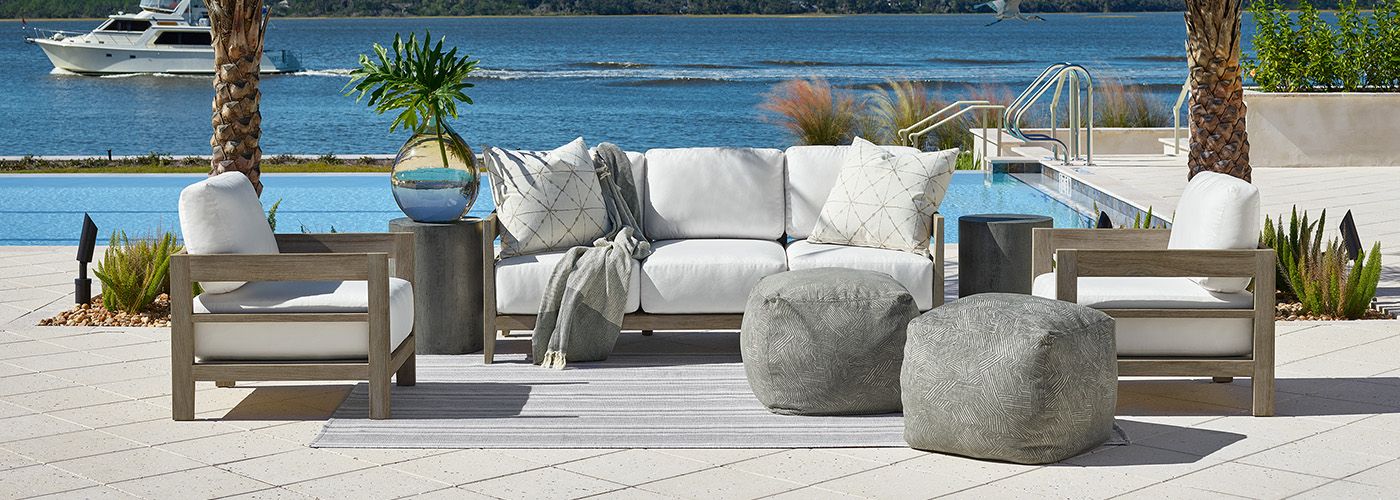
• Create a Covered Outdoor Area: A pergola or covered patio gives you a transitional zone where you can enjoy the outdoors while staying protected from weather.
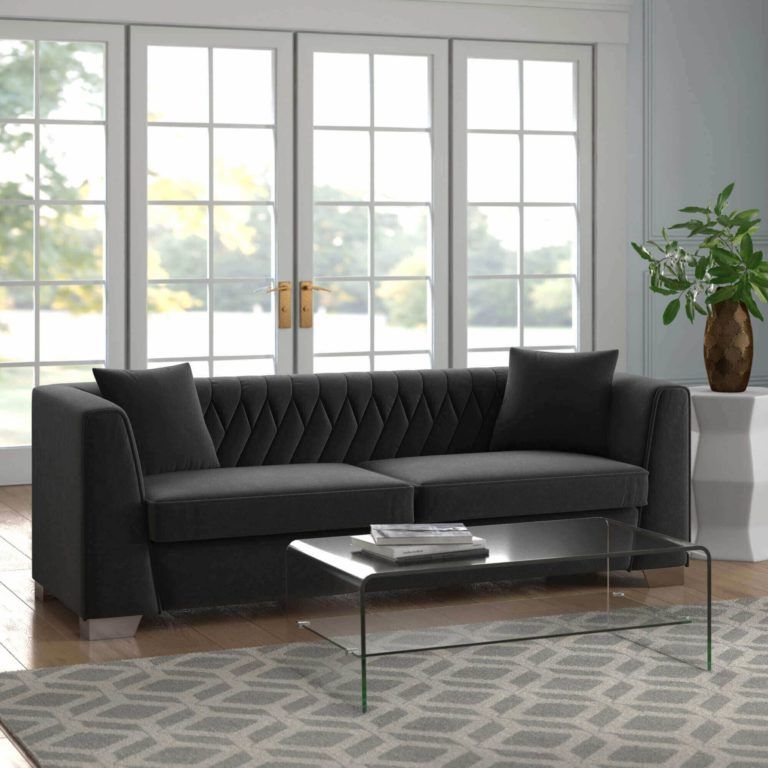
• Use Sliding Doors: Large sliding glass doors create an almost invisible barrier between rooms. They allow for easy access to outdoor spaces and let natural light flood in.
• Extend Your Kitchen: Consider making your kitchen an extension of your outdoor dining area. This creates a seamless flow for entertaining and daily life.
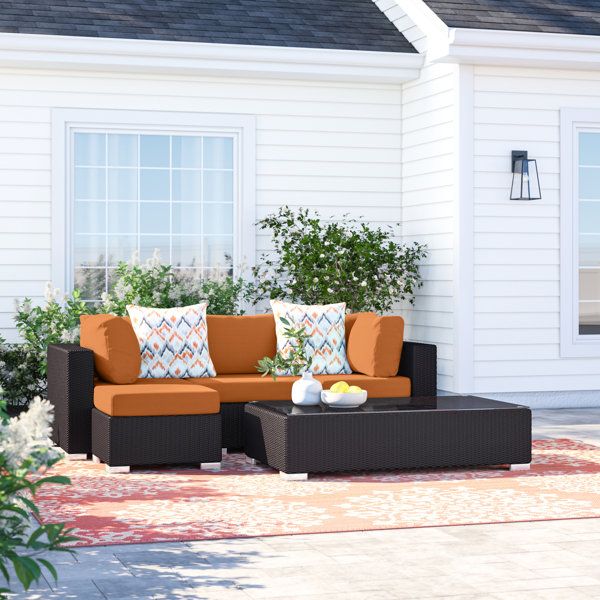
• Add Outdoor Living Areas: Create distinct outdoor spaces that feel like natural extensions of your home. Think of a porch, deck, or garden room that’s designed to be used year-round.
Materials That Bridge Indoor and Outdoor Spaces
Choosing the right materials is crucial for successful transitions. You want materials that can handle both indoor and outdoor conditions without compromising aesthetics.
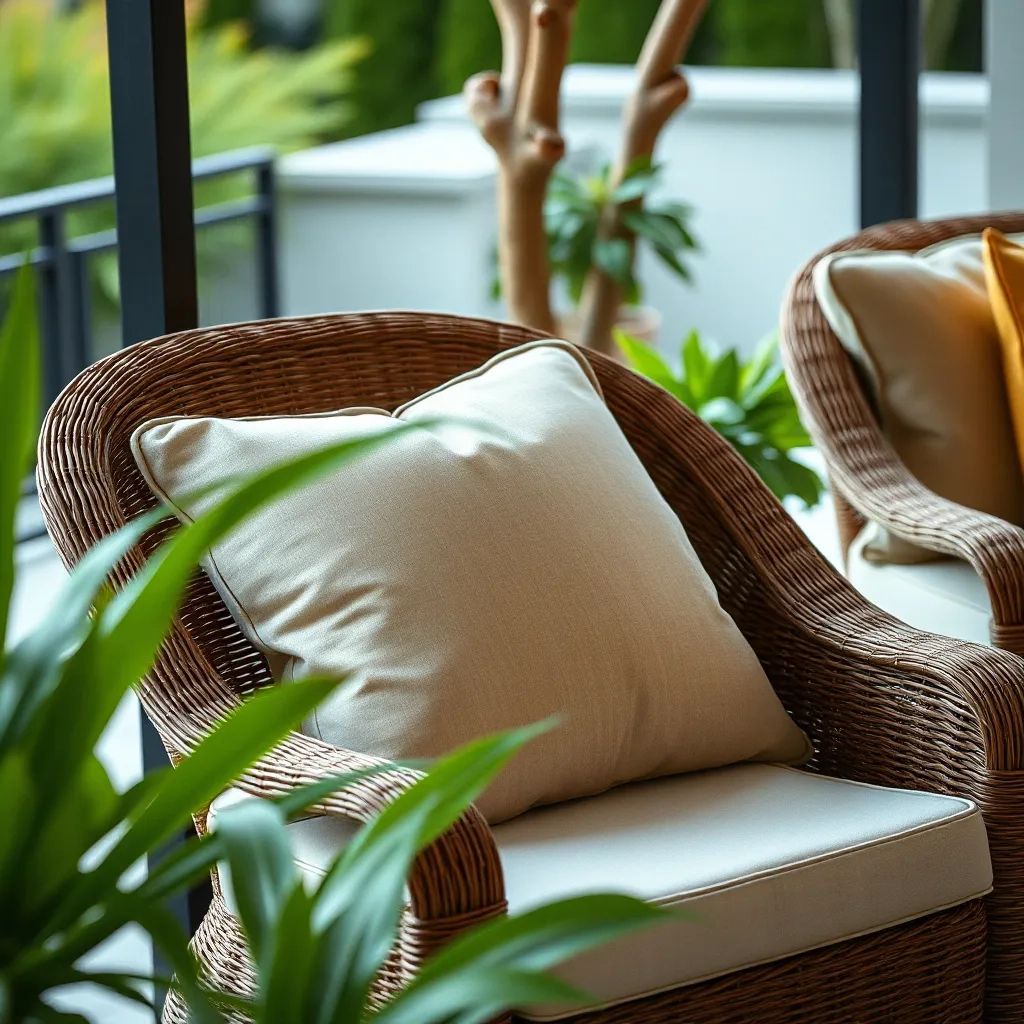
Natural materials often work best because they already exist in both environments. Stone, wood, and plants are excellent choices because they bridge the gap between interior and exterior seamlessly. For example, using the same type of stone for both indoor flooring and outdoor patios creates visual continuity.
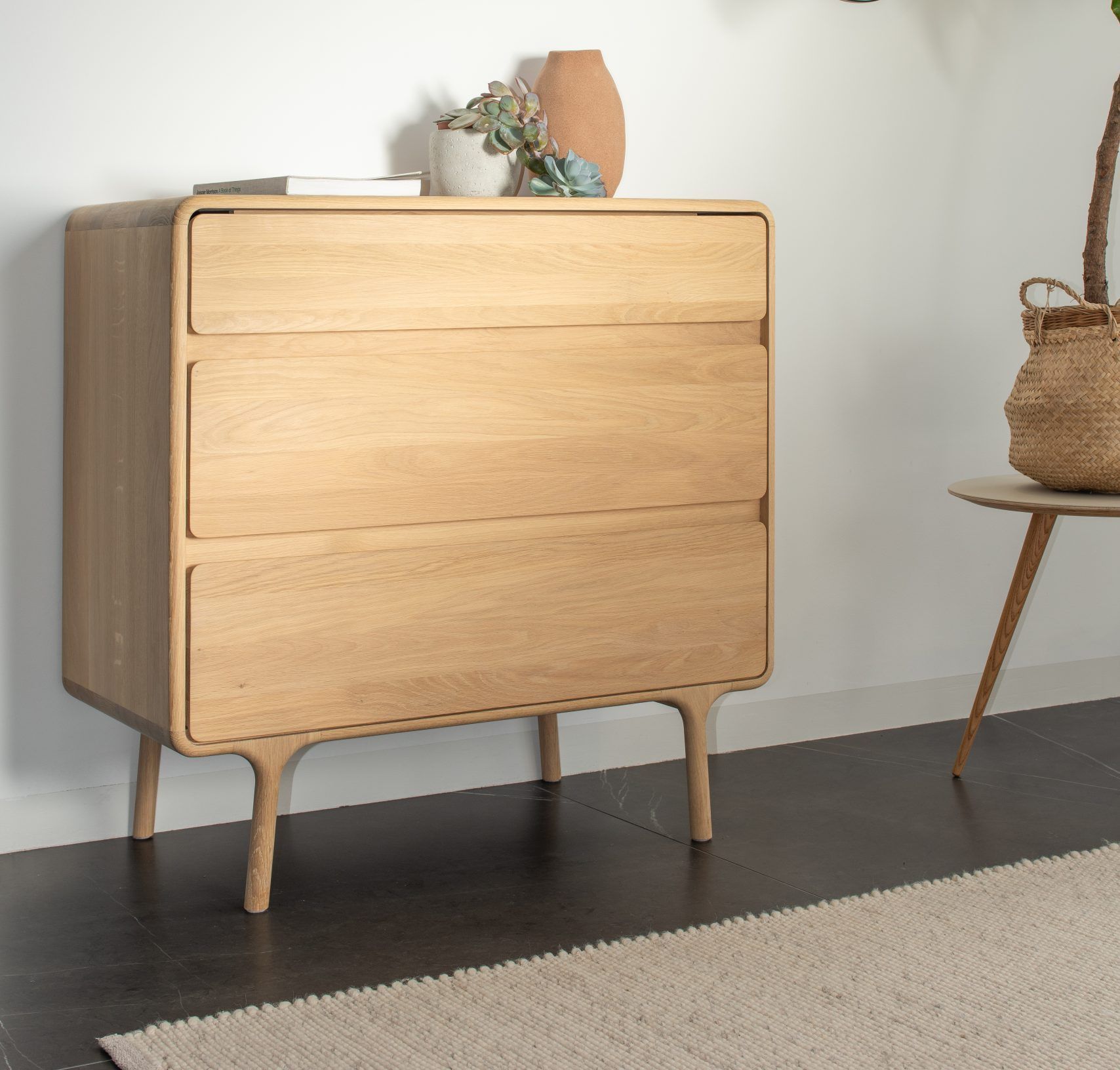
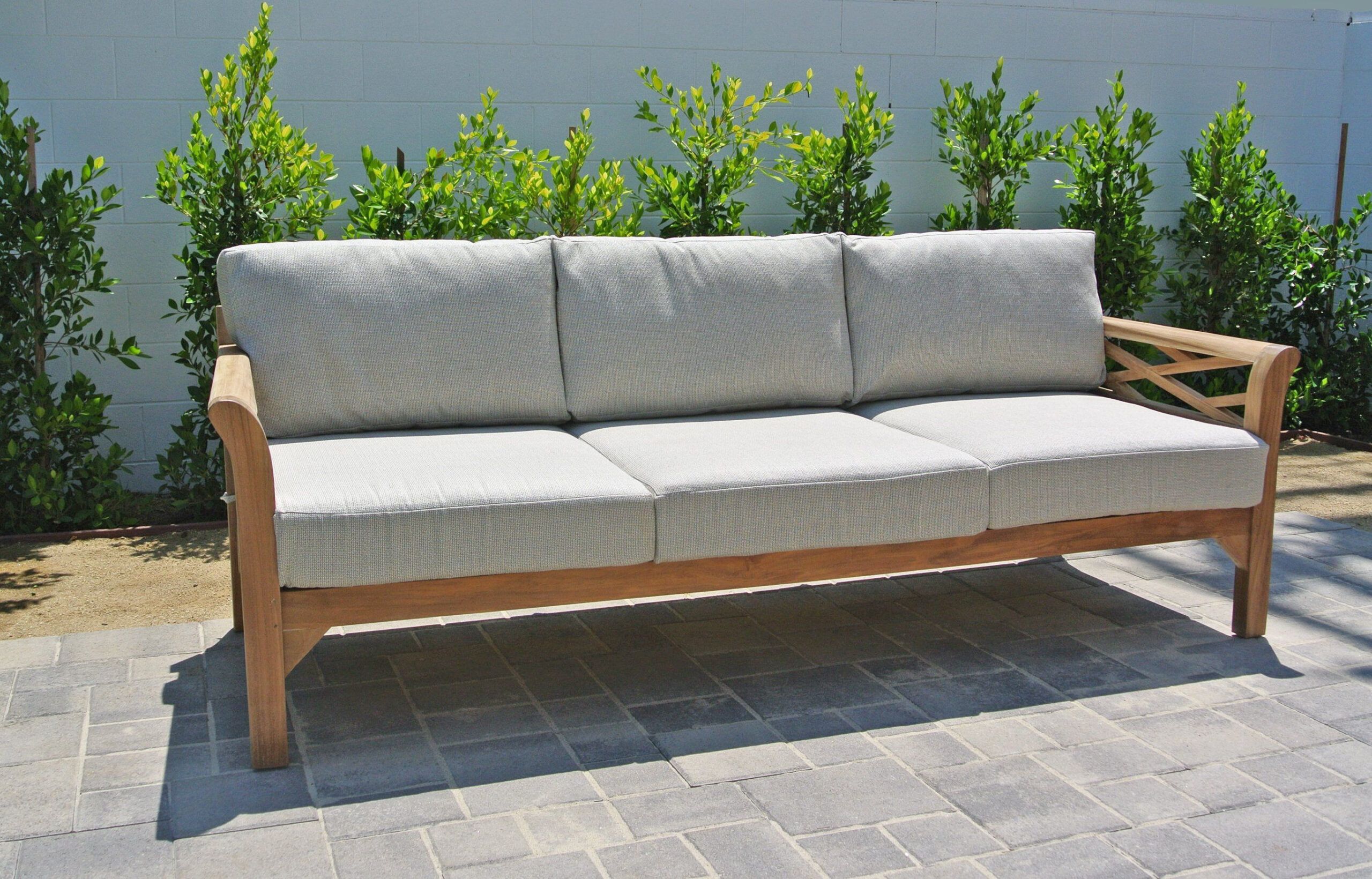
When it comes to wood, consider treatments that make it suitable for outdoor use. Cedar and teak are popular choices because they’re naturally resistant to weathering. For indoor applications, you might choose lighter woods that complement the overall aesthetic.
Glass is another powerful material in this context. Large windows and glass doors let light flow between spaces and provide clear views of the outdoors. The key is choosing appropriate glass types – perhaps tempered glass for safety, or tinted glass for privacy and sun protection.
Lighting Solutions for Continuous Ambiance
Lighting plays a critical role in making indoor-outdoor transitions feel cohesive. Good lighting should enhance rather than interrupt the flow between spaces.
Natural light is obviously ideal. Maximize it with large windows, skylights, and open floor plans that let sunlight move freely through the space. But artificial lighting also has its place.
Consider layering your lighting to create different moods for different times of day. Under-cabinet lights can illuminate kitchen areas while maintaining the outdoor feel. String lights can add warmth to outdoor spaces during evening hours. LED strips hidden in architectural features can create gentle illumination that highlights natural textures.
One particularly effective approach is using dimmer switches to adjust lighting levels based on the time of day and season. This helps maintain the feeling of natural rhythm between indoor and outdoor environments.
Maintaining Comfort Across Seasons
The beauty of seamless indoor-outdoor design is that it works year-round, but it requires careful planning for different weather conditions.
In warmer months, you want to maximize airflow and minimize heat buildup. This might involve strategic window placement, ceiling fans, or even outdoor air conditioning systems.
During colder seasons, you’ll need to consider heating solutions that don’t disrupt the flow. Radiant floor heating can be installed under outdoor spaces, while fire pits or outdoor heaters can keep people comfortable in cooler weather.
Water features, while beautiful, need to be planned carefully for winter conditions. Some can be drained and stored, while others might require special heating systems.
The key is thinking ahead about how each space will function in different seasons. What looks great in summer might not work as well in winter, so designing flexibility into your plan is essential.
Designing spaces that flow seamlessly between indoors and outdoors isn’t just about following trends – it’s about creating environments that support how we actually live and breathe. These transitions don’t happen overnight, but they’re worth the effort. Whether you’re starting with a small addition or redesigning your entire home, remember that the goal is to make the boundary between inside and outside feel less like a wall and more like a gentle bridge. The result is a living space that feels more alive, more connected, and more truly yours. As you plan your next design project, ask yourself: How can I make my home feel like it’s part of the natural world around it? That’s the question that leads to truly transformative spaces.