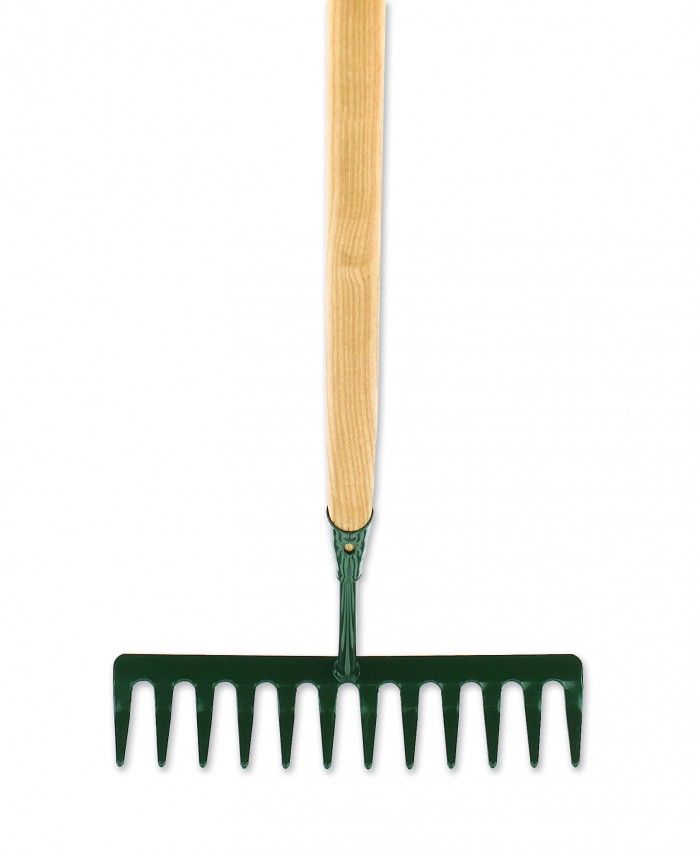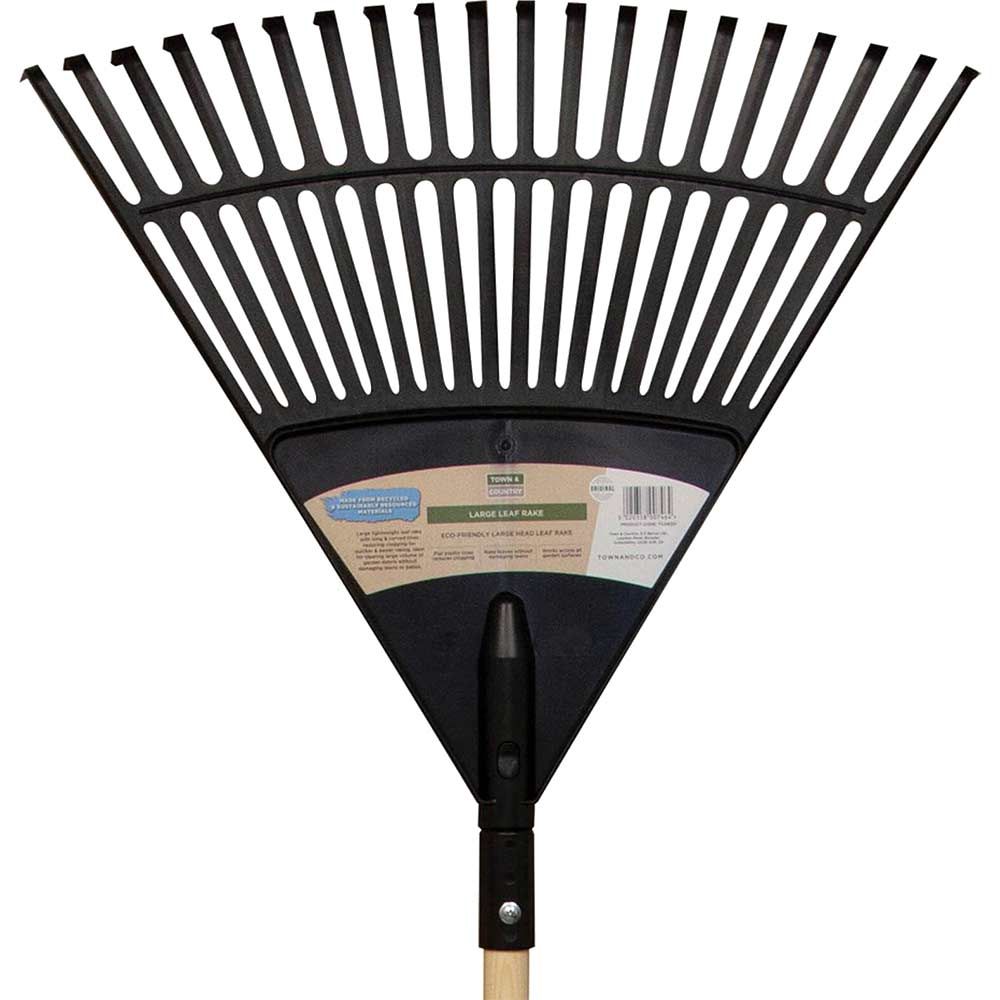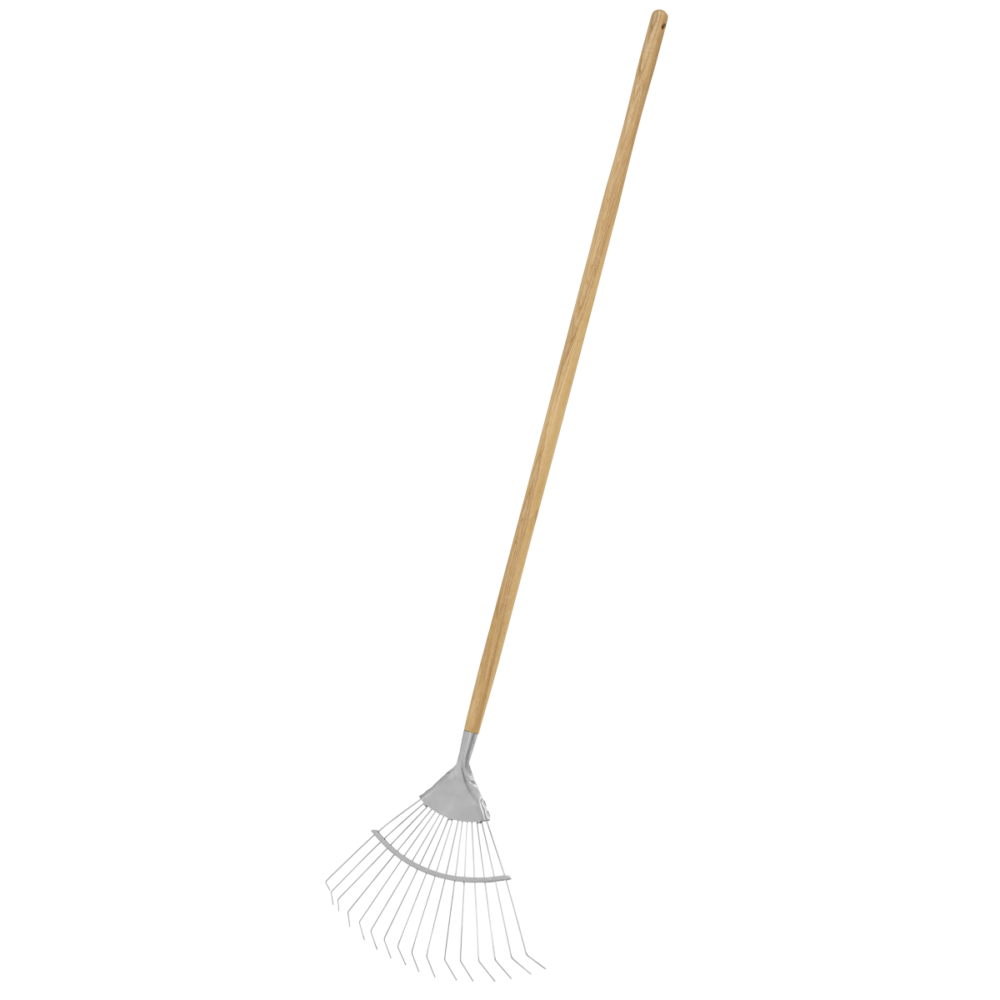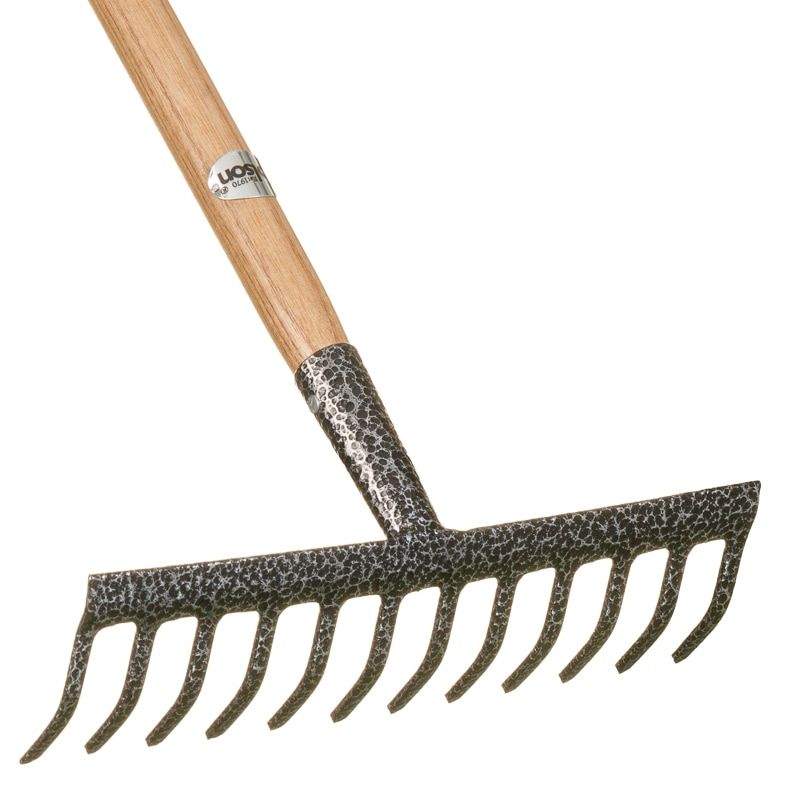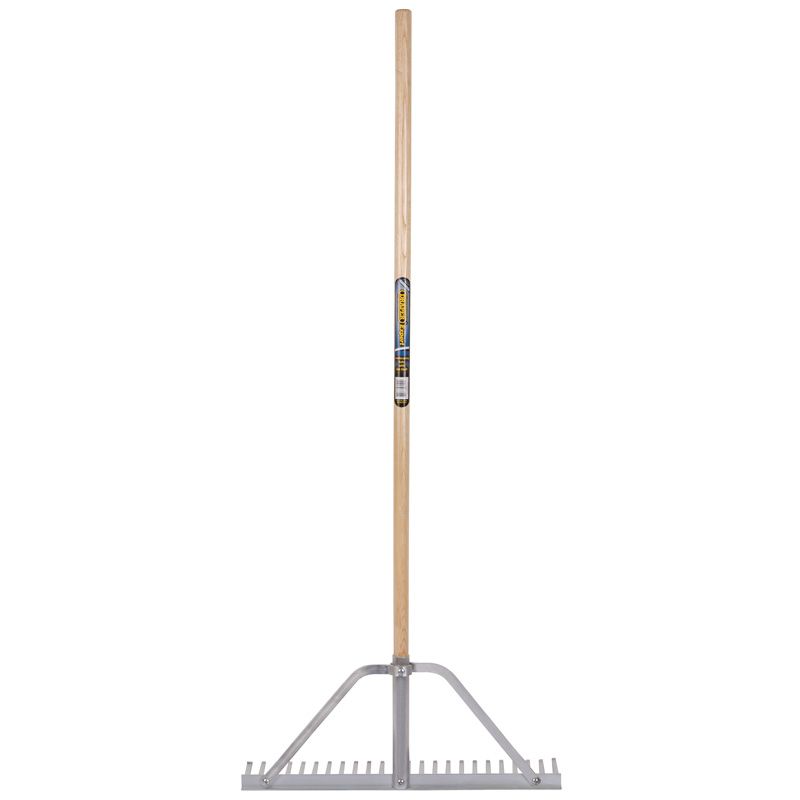
Picture this: a gentle breeze through your garden, the soft sound of a rake against soil, and a tool that’s been crafted from nature itself. That’s what ash wood garden rakes bring to sustainable gardening practices. These aren’t just tools – they’re part of a larger conversation about how we interact with our earth. When you choose ash wood over plastic or metal, you’re making a statement about care, longevity, and respect for natural materials.
In the world of gardening, every tool matters. From the way you till your soil to how you prepare your garden beds, the equipment you choose sends a message about your approach to cultivation. Ash wood garden rakes represent a unique intersection of traditional craftsmanship and modern environmental consciousness. They’re not flashy or trendy – they’re simply good, solid tools made from one of nature’s most resilient materials. The appeal isn’t just aesthetic; it’s deeply rooted in sustainability, durability, and the timeless wisdom of using what nature provides. Whether you’re a seasoned gardener or someone just starting out, understanding why ash wood rakes matter could transform how you think about your gardening tools.
The Natural Strength of Ash Wood
Ash wood stands out among timber species for its exceptional strength and flexibility. This hardwood comes from the ash tree, which grows rapidly and can live for hundreds of years. The wood’s grain structure creates natural resilience that makes it ideal for garden tools. Unlike brittle materials that crack under pressure, ash wood bends slightly when stressed, then springs back into shape. This property means your rake won’t snap during tough soil conditions or heavy use. The wood’s density also contributes to its durability – it’s heavy enough to work effectively but not so heavy that it becomes cumbersome. Many gardeners notice that ash rakes handle rough terrain better than their plastic counterparts, which tend to break or warp after extended use.
Environmental Impact Considerations
Choosing ash wood garden rakes over synthetic alternatives significantly reduces your environmental footprint. Plastic rakes often end up in landfills where they take centuries to decompose. Metal rakes, while sturdy, require energy-intensive manufacturing processes and mining operations. Ash wood, however, comes from trees that naturally grow and regenerate. When properly sourced, it represents a renewable resource that can be sustainably harvested without depleting forests. The production process for wooden rakes typically involves fewer chemicals and less energy compared to plastic manufacturing. Plus, if your rake eventually wears out, ash wood can be composted or used as firewood rather than contributing to landfill waste. Some gardeners even collect fallen ash branches from local parks or woodlands to create their own tools, further reducing environmental impact.
Longevity and Cost Effectiveness
A well-made ash wood rake can last decades with proper care, making it a smart investment for gardeners who plan to use their tools regularly. Plastic rakes may seem cheaper initially, but they often need replacement every few seasons due to cracking or breaking. Metal rakes can rust and deteriorate over time, especially in humid environments. Ash wood rakes, on the other hand, can withstand years of outdoor exposure when maintained properly. The initial cost might be higher, but consider the total cost of ownership over several years. A single quality ash rake might replace five plastic rakes or two metal ones. The longevity also means fewer resources are consumed in manufacturing replacements. Many gardeners report that their favorite ash rakes have lasted longer than they expected, sometimes being passed down through generations.
Performance in Different Soil Types
Ash wood rakes excel across various soil conditions, from sandy loam to dense clay. Their natural flexibility allows them to conform to different ground textures without losing effectiveness. In sandy soils, the rake teeth grip particles well, helping to distribute organic matter evenly. When dealing with heavier clay soils, the wood’s resilience prevents it from bending or breaking under pressure. The material’s natural properties also mean that ash rakes don’t conduct heat like metal tools do, keeping your hands cooler during hot summer days. Many gardeners find that ash rakes work particularly well for preparing seedbeds because they create a fine, uniform texture without compacting the soil too much. The rake’s ability to handle different soil types makes it versatile for multiple garden tasks beyond just raking leaves.
Maintenance and Care Requirements
Proper maintenance keeps ash wood rakes in excellent condition for many years. Regular cleaning after use removes dirt and debris that can cause deterioration. Applying a light coat of linseed oil or beeswax helps protect the wood from moisture and weathering. Some gardeners prefer to store their rakes indoors during winter months to prevent extreme temperature changes. The wood should be inspected periodically for signs of splitting or damage, though these issues are rare with quality construction. Unlike metal rakes that need rust prevention, ash wood requires minimal ongoing care. The natural oils in the wood provide some protection against insects and decay. With basic care, your ash rake will continue performing well season after season, proving that sometimes the simplest solutions are the most enduring.
Cultural and Historical Significance
Ash wood has been used for tool-making for thousands of years, connecting modern gardeners to ancient traditions. Many cultures have revered the ash tree for its strength and versatility, using its wood for everything from tool handles to boat construction. In European folklore, ash trees were considered sacred, associated with wisdom and protection. This historical significance adds a layer of meaning to using ash wood rakes today. It’s not just about function – it’s about participating in a tradition that spans centuries. Many gardeners appreciate knowing that their tools share the same material that once helped build homes, craft furniture, and support communities. This connection to heritage gives a sense of continuity and purpose that modern synthetic tools simply cannot match.
Ash wood garden rakes represent more than just functional tools – they embody a philosophy of sustainable gardening that honors both nature and tradition. Their combination of strength, durability, and environmental responsibility makes them a compelling choice for gardeners who want to minimize their impact while maximizing their results. While they might not be the flashiest option available, their quiet reliability speaks volumes about thoughtful gardening practices. Whether you’re tending a small urban plot or managing a large landscape, choosing ash wood can be a simple yet powerful step toward more sustainable horticultural practices. The next time you reach for your garden rake, consider the story behind the wood and how your choice might influence future generations of gardeners. After all, the best tools often aren’t the newest ones – they’re the ones that stand the test of time.