Imagine a world where the machines that feed us don’t harm the earth they work on. That’s exactly what’s happening in agriculture today. As we face mounting environmental challenges and health concerns, farmers and engineers are reimagining everything from tractors to harvesters. This isn’t just about bigger, faster machinery—it’s about smarter, cleaner solutions that protect both our soil and our future.
When you think of farming, you probably picture vast fields and powerful machines cutting through rows of crops. But what if those machines could do more than just grow food? What if they could heal the land, protect our air, and keep our families healthier? Today, that vision is becoming reality. The agricultural industry is undergoing a massive transformation, one that’s putting health and environmental care at the heart of farming innovation. It’s not just about productivity anymore—it’s about sustainable productivity that benefits everyone.
The Hidden Costs of Traditional Farming Equipment
Traditional farm machinery has been the backbone of agriculture for decades, but it comes with a price tag that extends far beyond the cost of fuel and maintenance. These machines often run on diesel engines that emit harmful pollutants into the air we breathe. Think about it—when tractors rumble through fields, they’re releasing nitrogen oxides, particulate matter, and carbon dioxide that contribute to respiratory problems and climate change.
Consider the impact on farm workers who spend hours each day operating these machines. Long-term exposure to exhaust fumes and pesticide residues can lead to serious health issues including asthma, lung disease, and even cancer. The very tools meant to feed us might be poisoning those who grow our food.
And then there’s the soil damage. Heavy machinery compacts the earth, crushing beneficial microorganisms and reducing its ability to absorb water and nutrients. This creates a vicious cycle where farmers need to apply more fertilizers and pesticides to maintain yields, further harming the environment.
Clean Energy Solutions Taking Root
The good news is that engineers and farmers are working together to develop alternatives that don’t compromise on performance. Electric tractors are no longer science fiction—they’re here now. These machines produce zero emissions during operation and are significantly quieter than their diesel counterparts.
Take the case of John Deere’s electric tractor prototypes. They’re already being tested in various farming operations across the country. These machines can power through challenging terrain while delivering the same performance as traditional tractors but with none of the pollution.
Hydrogen fuel cell technology is another promising avenue. These systems generate electricity through a chemical reaction between hydrogen and oxygen, producing only water vapor as a byproduct. While still in early stages, several companies are developing hydrogen-powered farm equipment that could revolutionize the industry.
Solar power is also making waves in agriculture. Solar panels installed on farm buildings can provide clean energy for charging electric equipment, powering irrigation systems, and even running grain dryers. Some farms have gone completely solar-powered, proving that renewable energy can work alongside traditional farming operations.
Smart Technology for Smarter Farming
Modern farming equipment isn’t just about cleaner engines—it’s about intelligent systems that reduce waste and improve efficiency. Precision agriculture technologies allow farmers to apply exactly the right amount of fertilizer, pesticide, or water to specific areas of their fields. This approach dramatically reduces chemical usage while maintaining crop yields.
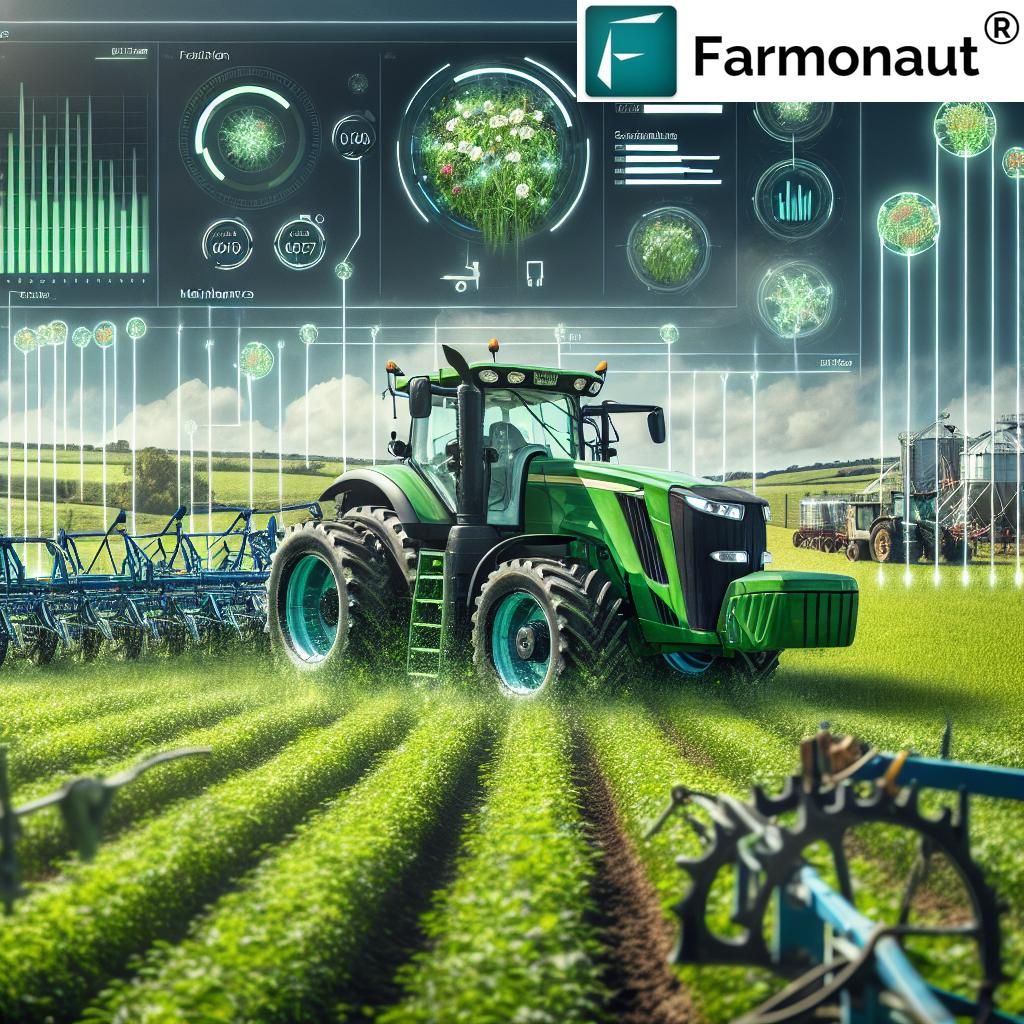
GPS-guided tractors can follow precise paths, avoiding unnecessary overlap and reducing soil compaction. These machines can also map soil conditions, moisture levels, and nutrient content in real-time, helping farmers make informed decisions about when and where to plant, fertilize, and harvest.
Autonomous machinery is another game-changer. Self-driving tractors and harvesters can operate around the clock without fatigue, optimizing planting and harvesting schedules for maximum efficiency. These machines also reduce the risk of accidents and can be programmed to avoid sensitive areas like wildlife habitats or water sources.
Sensor technology embedded in equipment provides continuous monitoring of engine performance, fuel consumption, and even soil health. This data helps farmers optimize their operations and catch potential problems before they become costly repairs.
Health Benefits for Farmers and Communities
The shift toward environmentally friendly farm equipment brings substantial health benefits for those who work in agriculture. Reduced exposure to diesel exhaust means fewer cases of respiratory illness among farm workers. This is particularly important for children who may be exposed to farm environments during school field trips or family visits.
Lower chemical usage translates to less pesticide residue on crops and in farm worker clothing and equipment. This reduction in chemical exposure helps prevent skin irritation, allergic reactions, and long-term health effects associated with chronic pesticide exposure.
Cleaner air around farms improves the quality of life for rural communities. When farmers switch to electric or hybrid equipment, nearby residents experience better air quality, especially during peak growing seasons when traditional machinery operates most frequently.
Additionally, healthier soil from reduced compaction and chemical inputs leads to better-quality crops. These improvements can result in more nutritious food for consumers, contributing to overall public health. Better soil health also means more efficient water filtration, reducing contamination risks in local water supplies.
Environmental Impact and Climate Benefits
The environmental advantages of modern farm equipment extend far beyond individual farms. Reduced emissions from agricultural machinery directly contribute to lower greenhouse gas levels in the atmosphere. According to recent studies, agriculture accounts for approximately 10-12% of global greenhouse gas emissions, with machinery being a significant contributor.
Electric and hybrid equipment can cut these emissions by up to 90% compared to traditional diesel machinery. This reduction becomes even more impactful when combined with renewable energy sources for charging.
Better soil management practices enabled by smart equipment lead to improved carbon sequestration. When soil is properly managed without heavy machinery, it can store more carbon dioxide from the atmosphere, acting as a natural carbon sink.
Reduced chemical usage means less contamination of waterways and groundwater. This protection of aquatic ecosystems helps maintain biodiversity and prevents algal blooms that can devastate fish populations and make water unsafe for human consumption.
Conservation tillage practices supported by precision equipment help preserve topsoil. Erosion costs the United States alone over $44 billion annually in lost agricultural productivity. Modern equipment helps farmers adopt practices that keep soil intact and fertile.
Economic Advantages for Farmers
While the initial investment in new, environmentally friendly equipment can seem daunting, the long-term economic benefits often outweigh the upfront costs. Electric tractors, for example, require less maintenance than diesel models. There are no oil changes, fewer moving parts, and no expensive fuel costs.
Precision agriculture technology can increase crop yields by 10-15% while reducing input costs. When farmers apply fertilizers and pesticides only where needed, they save money and reduce waste. A single application of fertilizer can cost hundreds of dollars per acre, so precision targeting can save thousands of dollars per farm.
Government incentives and tax credits make the transition more affordable. Many states offer rebates for farmers who purchase electric or hybrid equipment. These programs are designed to encourage adoption of cleaner technologies.
Energy savings compound over time. Solar panels for charging equipment or powering farm buildings can dramatically reduce utility bills. Some farms report energy costs that are 70% lower after implementing renewable energy solutions.
Insurance costs may also decrease for farms using newer, safer equipment. Modern machinery often includes safety features that reduce accident risks, leading to lower insurance premiums. Additionally, some insurance companies offer discounts for farms that demonstrate environmental stewardship.
Real-World Examples of Success
Several farms across the country have already embraced these changes with remarkable results. The Smith Family Farm in Iowa switched entirely to electric equipment last year and saw a 60% reduction in operational costs within the first six months. Their farm workers reported significantly fewer respiratory issues and improved overall health.
In California’s Central Valley, a group of organic farmers collaborated with equipment manufacturers to develop specialized electric harvesters. These machines have helped them reduce pesticide usage by 85% while maintaining the same yield levels. The farm workers’ health improved dramatically, and they’ve seen increased customer demand for their pesticide-free produce.
A dairy operation in Wisconsin installed solar panels and electric milking equipment, cutting their energy costs by 80%. The farm’s carbon footprint dropped by 70%, and they’ve been able to market their products as environmentally responsible, commanding premium prices from eco-conscious consumers.
The Green Valley Cooperative in Ohio has created a program where member farmers can share electric equipment costs through a cooperative model. This approach makes advanced technology accessible to smaller operations that might otherwise struggle with the upfront investment. The cooperative has grown to include over 200 farms and has collectively reduced emissions by 2,000 tons annually.
The future of farming isn’t just about feeding more people—it’s about feeding them better, protecting our planet, and ensuring the health of everyone involved in the process. As we continue to rethink farm equipment for health and environmental considerations, we’re creating a more sustainable and equitable food system. The evidence shows that these investments pay off—not just in terms of profits, but in cleaner air, healthier soil, and better living conditions for farm workers and their families. Every tractor that runs on electricity, every machine that applies chemicals with precision, and every farm that chooses sustainability over convenience is part of this positive transformation. The question isn’t whether we can afford to make these changes—it’s whether we can afford not to. The farmers who embrace these innovations today are building tomorrow’s food security and environmental health. It’s time to move beyond traditional thinking and start cultivating a new kind of agriculture that works for everyone.