Picture this: you’re tending to your garden, your hands covered in soil, and your tools neatly stored in a bag that’s just as good for the earth as it is for your plants. That’s the magic of compostable garden tool bags. They’re not just another gardening accessory – they’re part of a larger movement toward sustainable living that’s quietly revolutionizing how we think about our outdoor spaces.
When you think about gardening, what comes to mind? Probably the satisfaction of growing something beautiful, the joy of watching seeds sprout, or maybe just the simple pleasure of being outdoors. But have you ever considered what happens to your garden tools after you’re done using them? Or what about the bags you carry them in? Traditional plastic bags, while convenient, can linger in landfills for hundreds of years. Enter compostable garden tool bags – a small but mighty solution that’s changing how gardeners approach sustainability.
What Makes a Bag Compostable?
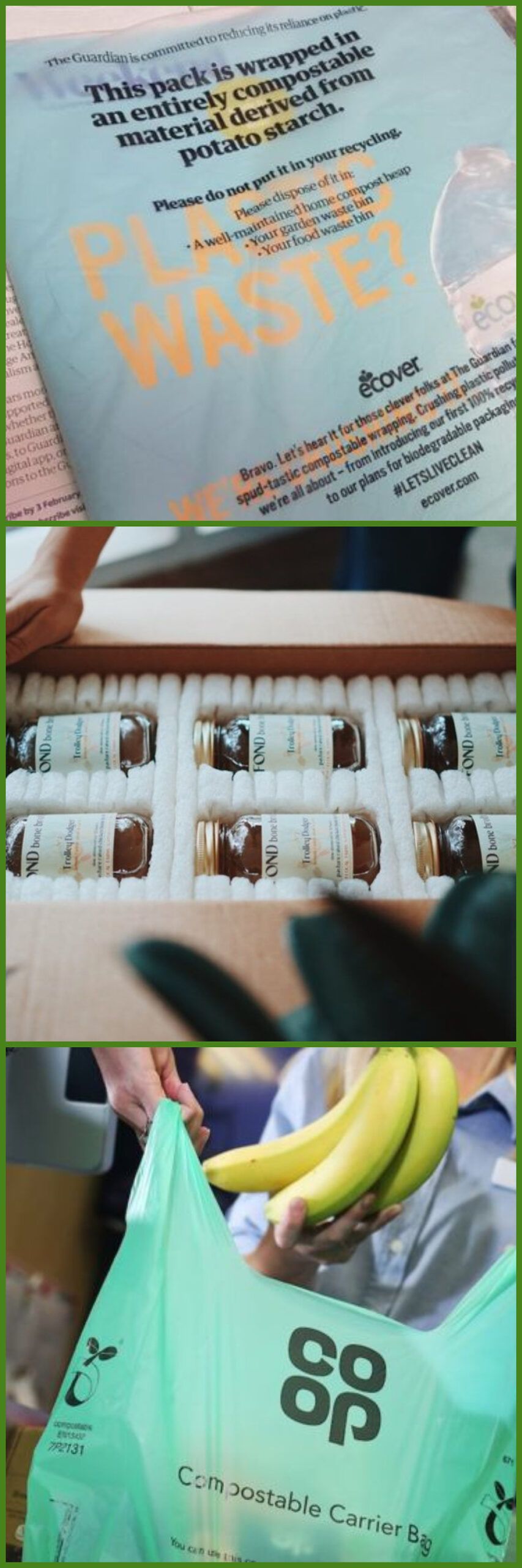
Compostable bags aren’t just fancy marketing terms. They’re made from materials that naturally break down into harmless substances under the right conditions. These materials often come from renewable sources like cornstarch, sugarcane, or even agricultural waste. Unlike regular plastic bags that can persist in the environment for centuries, compostable bags are designed to decompose within months when placed in proper composting conditions.
The key ingredients in compostable bags usually include bioplastics derived from plant starches, cellulose fibers, or other organic matter. Some bags are made entirely from plant-based materials, while others might combine traditional plastics with compostable additives. The difference isn’t just in the materials – it’s in the entire lifecycle of the product.
Benefits Beyond the Environment
Compostable garden tool bags offer advantages that go beyond just reducing landfill waste. For starters, they’re often more durable than their plastic counterparts. Many are designed to withstand the rigors of garden work, including exposure to moisture, soil, and various weather conditions.
Consider the practical aspects too. These bags often provide better breathability for your tools, helping prevent mold and mildew buildup that can occur in sealed plastic containers. They’re also typically lighter weight, making them easier to carry around your garden. Plus, many gardeners find that the natural materials feel more comfortable against their skin during extended use.
But perhaps most importantly, using compostable bags gives gardeners a sense of alignment with their values. It’s a small action that makes a meaningful statement about caring for the planet.
How to Choose the Right Compostable Bag
Not all compostable bags are created equal. When shopping for a garden tool bag, consider several factors:
• Material composition: Look for bags made from certified compostable materials like PLA (polylactic acid) or PBAT (polybutylene adipate terephthalate)
• Size and capacity: Choose based on your tool collection and garden size
• Durability features: Check for reinforced handles, sturdy zippers, or reinforced bottom construction
• Composting requirements: Some bags need industrial composting facilities, while others can handle home composting
• Certification labels: Look for standards like ASTM D6400 or EN 13432 for assurance
Think about how you’ll actually use the bag. If you’re doing heavy-duty work, you might want extra reinforcement. For casual gardeners, a simpler design might suffice. The key is matching the bag’s capabilities with your gardening habits.
Where to Find Them and What to Expect
You won’t find compostable garden tool bags on every shelf, but they’re increasingly available through various channels. Specialty gardening stores often stock them, and many online retailers now carry a selection. Some local farmers markets or eco-friendly shops might carry them too.
Price points vary significantly based on brand, material quality, and size. Expect to pay anywhere from $8 to $25 for a decent compostable bag. While they cost more upfront than regular plastic bags, consider them an investment in your garden’s future and the planet’s health.
When you do purchase one, look for clear labeling about composting instructions. Some bags require industrial composting facilities, while others are suitable for home composting. Understanding these requirements helps ensure you’re disposing of the bag properly once it’s reached the end of its useful life.
Proper Disposal and Composting Methods
Here’s where things get interesting – knowing how to dispose of your compostable bag correctly is crucial. Many people assume that because something is labeled ‘compostable,’ it will break down anywhere. That’s not quite true.
Most compostable bags need specific conditions to decompose properly. Industrial composting facilities provide the heat, moisture, and microbial activity necessary for complete breakdown. These facilities typically operate at temperatures above 140°F for several weeks.
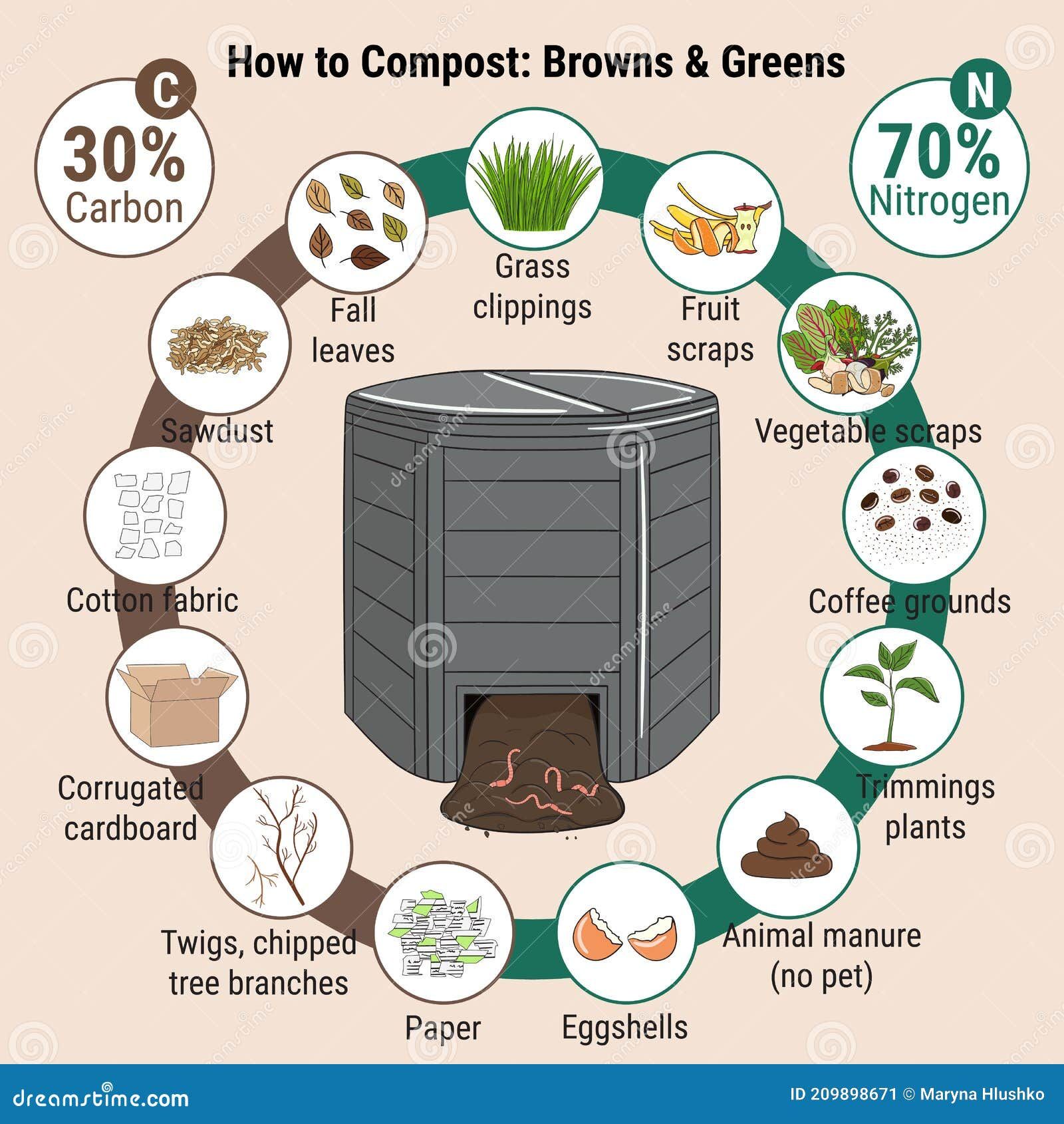
Home composters can handle some compostable bags, but they require the right conditions. Your pile should reach adequate temperatures, maintain proper moisture levels, and have sufficient oxygen circulation. If you’re unsure about your home composting setup, check with local composting facilities or extension offices.
Some bags are designed specifically for home composting and will break down within 90 days in ideal conditions. Others might take longer or require industrial processing. Always follow manufacturer guidelines for best results.
Real-Life Experiences from Gardeners
Let’s hear from actual gardeners who’ve made the switch to compostable bags. Sarah from Portland, Oregon, switched after her son asked why they were throwing away so much plastic. She found that her new bags lasted longer than her old plastic ones and actually helped keep her tools drier during wet seasons.
Mike in Austin, Texas, was initially skeptical but decided to try one after seeing his neighbor’s garden. He discovered that the bags were surprisingly sturdy and didn’t tear easily during his daily garden routine. "I never thought I’d say this," he said, "but I actually prefer the feel of these bags over the old plastic ones."
Many gardeners report that the transition was seamless. The bags perform just as well as traditional ones, if not better. Some even appreciate the natural look and feel of the materials. The environmental impact, while subtle, adds up when thousands of gardeners make the switch.
Compostable garden tool bags represent more than just a trendy alternative to plastic. They’re part of a broader shift toward conscious consumption and environmental responsibility in gardening. While they may seem like a small change, they reflect a growing awareness among gardeners about their impact on the planet.
Whether you’re a seasoned gardener or someone just starting out, considering compostable options for your garden tools is a step toward a more sustainable future. The bags themselves might be small, but their potential for positive environmental impact is significant. As more gardeners make this simple switch, we’re collectively creating a greener tomorrow – one tool bag at a time. The question isn’t whether you can afford to try them – it’s whether you can afford not to.