When it comes to maintaining our outdoor spaces, we often overlook the environmental impact of the tools we use. But what if your garden shears, lawnmower, or watering can were part of the solution rather than just part of the problem? The choices we make about our outdoor equipment can either support or harm our planet’s health. It’s time to think differently about how we tend to our gardens, lawns, and outdoor areas.
The modern home gardener faces a dilemma. We want to create beautiful outdoor spaces while also protecting the environment. This means looking beyond traditional tools and considering their full lifecycle impact. From manufacturing to disposal, every outdoor tool tells a story about our relationship with nature. Many of us have been using the same old-fashioned tools for decades, but there’s a growing movement toward greener alternatives that don’t compromise on performance or durability. The question isn’t whether we can do better, but how we can make smarter choices that benefit both our outdoor spaces and our planet.
Understanding the Environmental Impact of Outdoor Tools
Before diving into specific tools, it’s important to understand what makes some outdoor equipment more eco-friendly than others. Most conventional tools are made from materials like steel, aluminum, and plastic that require significant energy to produce. Manufacturing processes often involve fossil fuel consumption and generate pollution. Consider the entire journey of a tool from factory floor to your garden. The carbon footprint of a single tool can be surprisingly large when you factor in transportation, materials extraction, and end-of-life disposal. Even simple items like garden gloves or pruning shears have environmental implications. Some manufacturers now use recycled materials or design products for easy recycling. Others focus on durability to reduce replacement needs. When choosing outdoor tools, look for companies that prioritize sustainable practices throughout their operations. This might include renewable energy usage, waste reduction programs, or ethical labor practices. Think about the materials used – are they renewable, recyclable, or biodegradable? What happens to the tool after you’ve finished using it?
Materials That Matter: Sustainable Options for Outdoor Tools
The foundation of any sustainable outdoor tool lies in its construction materials. Wood remains one of the most environmentally friendly options, especially when sourced from responsibly managed forests. Reclaimed wood adds another layer of sustainability, giving new life to existing materials. Bamboo is gaining popularity due to its rapid growth rate and minimal resource requirements. Steel and aluminum can be recycled indefinitely without losing quality, making them excellent choices when sourced from recycled materials. Plastic, unfortunately, presents challenges. While some plastics are recyclable, many end up in landfills or oceans. Look for tools made from recycled plastic or those designed for extended use to minimize replacement needs. Natural fibers like hemp or organic cotton offer sustainable options for handles and straps. These materials grow quickly and require fewer pesticides than conventional crops. When evaluating materials, consider not just the initial environmental cost but also how well they’ll last. A tool that breaks easily means more resources consumed over time. Sometimes the most sustainable choice is simply investing in something that will serve you for years rather than months.
Power Sources: Going Green with Your Outdoor Equipment
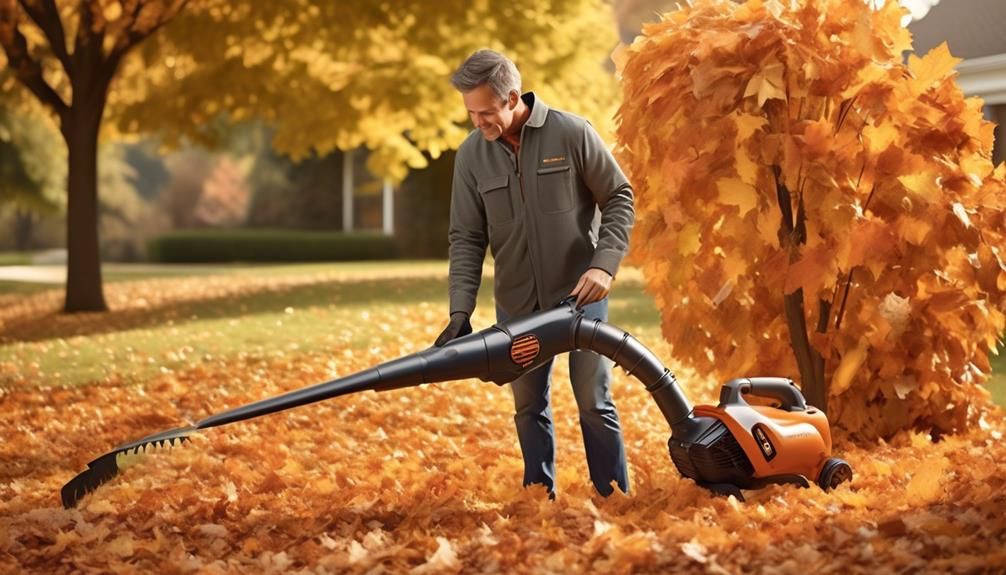
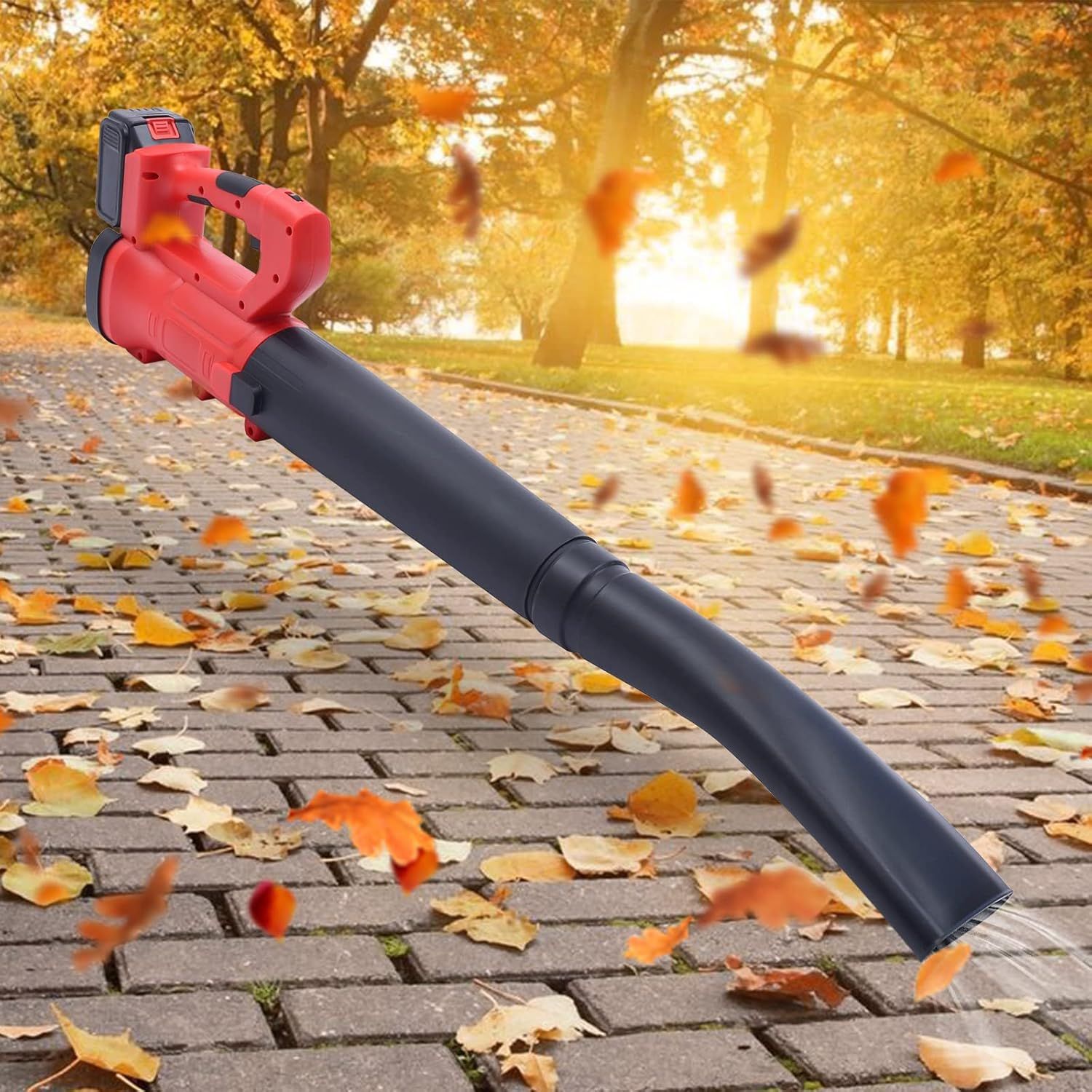
Electric and battery-powered tools represent a major shift toward sustainability in outdoor maintenance. Solar-powered equipment eliminates fossil fuel dependence entirely, though initial investment costs may be higher. Battery-operated tools offer convenience without emissions, provided the batteries are properly recycled. Manual tools like hand pruners, rakes, and shovels require no power source at all. They’re incredibly reliable and never need charging or refueling. However, they do require more physical effort. Hybrid options combine manual and electric features, offering flexibility while reducing overall energy consumption. Some manufacturers now offer tools powered by renewable sources like wind or solar energy. These options are still emerging but show great promise for reducing environmental impact. Consider the energy source of your tools carefully. If you’re already using renewable electricity at home, battery-powered tools become much more environmentally friendly. For larger equipment like lawn mowers or leaf blowers, electric models typically produce zero direct emissions and are quieter than gas alternatives. The key is matching your power needs with sustainable energy options wherever possible.
Durability Over Disposable: Building Longevity Into Your Tool Collection
One of the most important aspects of sustainable outdoor tools is their longevity. A high-quality tool that lasts decades is far more environmentally responsible than multiple low-quality replacements. Look for tools with solid construction and good warranties. Materials like stainless steel and hardwood tend to last longer than their alternatives. Check reviews for comments about wear and tear resistance. Quality craftsmanship often shows in the attention to detail – tight joints, smooth finishes, balanced weight distribution. Consider the repairability of tools. Can parts be replaced rather than the whole unit? Tools with modular designs often offer better long-term value. Some companies even provide repair services or sell replacement parts separately. Investing in tools that can handle regular use without breaking down reduces waste significantly. When you purchase a tool, ask yourself: will I use it regularly enough to justify the investment? Will it perform well enough that I won’t need to replace it soon? These questions help determine whether a tool truly supports your sustainable goals.
Recycling and Disposal: What Happens After You’re Done
Sustainable tool selection extends beyond purchase to disposal. Many traditional outdoor tools end up in landfills where they take decades to decompose. Some contain hazardous materials that can contaminate soil and groundwater. Proper disposal requires research and planning. Before throwing anything away, check if the manufacturer offers take-back programs or recycling initiatives. Many companies now provide guidelines for responsible disposal of their products. Some tools can be broken down into component parts for separate recycling. Metal components often have the highest recycling value. Electronics in battery-powered tools may need special handling. Consider whether you could donate working tools to community gardens or schools. Some organizations collect usable tools for redistribution. The goal is to maximize the useful life of each tool and minimize environmental impact during end-of-life phases. Plan ahead for disposal when purchasing new tools. Understanding what happens to your equipment after use helps inform your buying decisions today.
Making Smart Choices for Your Specific Needs
Every gardener’s situation is different, so sustainable tool selection should match your actual requirements. Small gardens may benefit from lightweight manual tools that require no power. Larger properties might need more robust equipment, but still choose sustainable options when possible. Consider frequency of use – tools used daily get more wear than occasional items. Think about your skill level and physical abilities. Some sustainable tools may require different techniques or more effort initially. Budget considerations matter too, but remember that quality tools often provide better value over time. Research local suppliers who carry sustainable options. Some communities have tool libraries or sharing programs that reduce individual purchases. Look for tools that can serve multiple purposes to reduce overall inventory. For example, a versatile pruner that also functions as a hedge trimmer. Ask around in gardening groups or forums about sustainable tool recommendations. Real-world experience from fellow gardeners provides valuable insights. Remember that sustainable choices often come with benefits beyond environmental impact – they may be more comfortable, efficient, or enjoyable to use.
Choosing sustainable outdoor tools isn’t just about making environmentally conscious decisions – it’s about creating a deeper connection between ourselves and the natural world we care for. Every tool we select represents a vote for the kind of future we want to create. By focusing on materials, durability, power sources, and proper disposal, we can significantly reduce our environmental impact while maintaining productive outdoor spaces. The transition to sustainable tools doesn’t happen overnight, but every small step counts. Whether you’re replacing one tool or overhauling your entire collection, the principles remain the same: choose wisely, use well, and dispose responsibly. As more people make these conscious choices, we collectively move toward a more sustainable relationship with our outdoor environments. The tools we use in our gardens and yards reflect our values and priorities. Making sustainable choices with outdoor tools is one way to ensure our homes and communities remain healthy for generations to come. It’s not about perfection, but about progress toward better practices. The journey toward eco-conscious outdoor tool use starts with awareness and continues with action. Your next tool purchase could be the beginning of a more sustainable gardening approach that benefits both you and the planet.