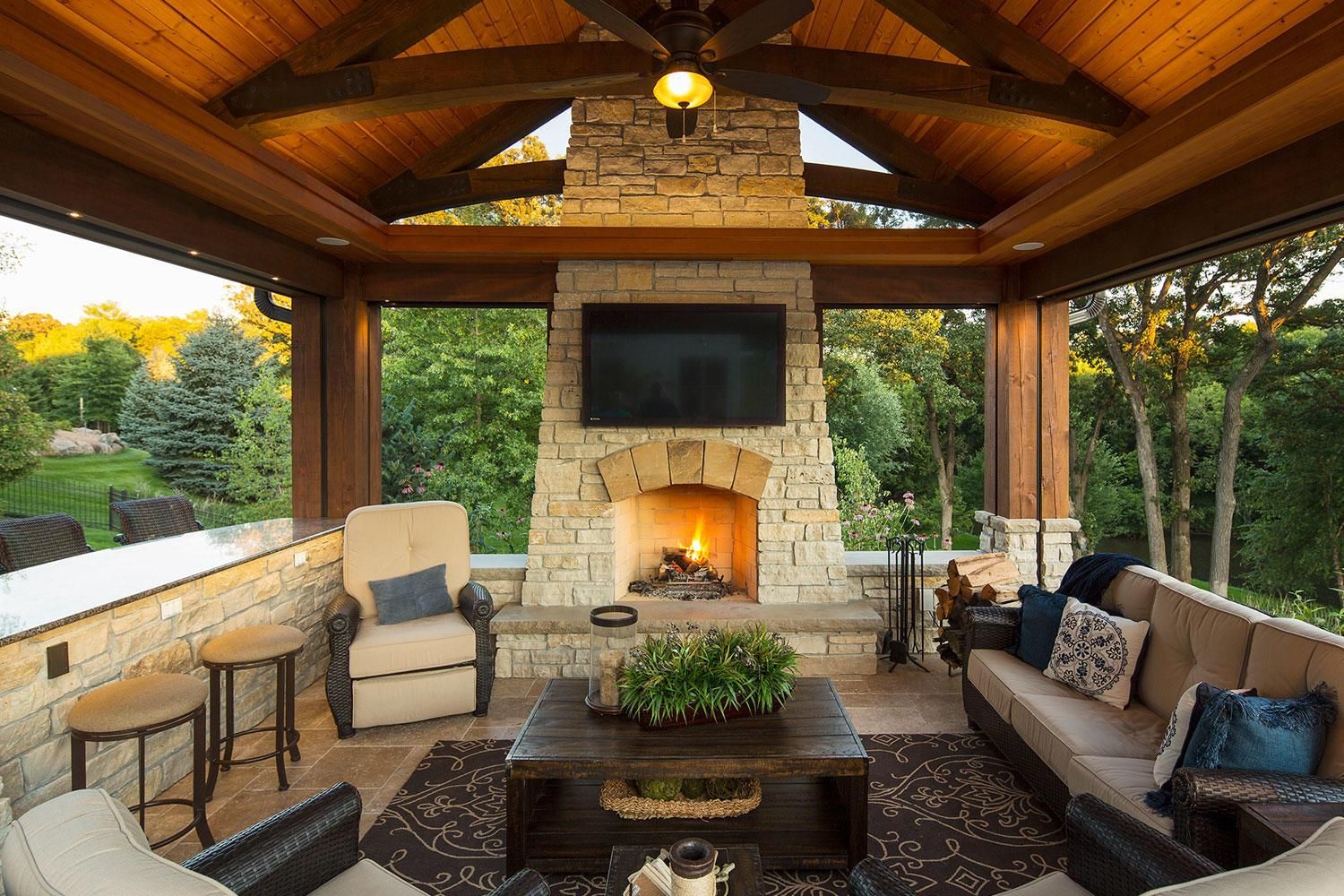
Picture this: you have a tiny patio that’s barely big enough for a coffee table and two chairs. But what if you could turn that modest space into a versatile entertaining area that adapts to your needs? That’s exactly what smart modular seating solutions can do for your outdoor living space. It’s not just about fitting more furniture in less room – it’s about creating flexibility and functionality that makes every square foot count.
Outdoor living spaces have become essential parts of our homes, especially in warmer climates. But for many of us, space is at a premium. Whether you live in a small apartment with a tiny balcony or have a compact backyard, the challenge remains the same: how do you make the most of limited outdoor area? The answer might be simpler than you think. Smart modular seating isn’t just a trendy term – it’s a practical solution that’s changing how people approach small outdoor spaces. These clever seating arrangements offer versatility, adaptability, and style all rolled into one. Think of it as having a magic trick for your patio – something that can morph and change shape based on your needs, whether you’re hosting a small dinner party or just want to relax with a good book.
Understanding Modular Seating Systems
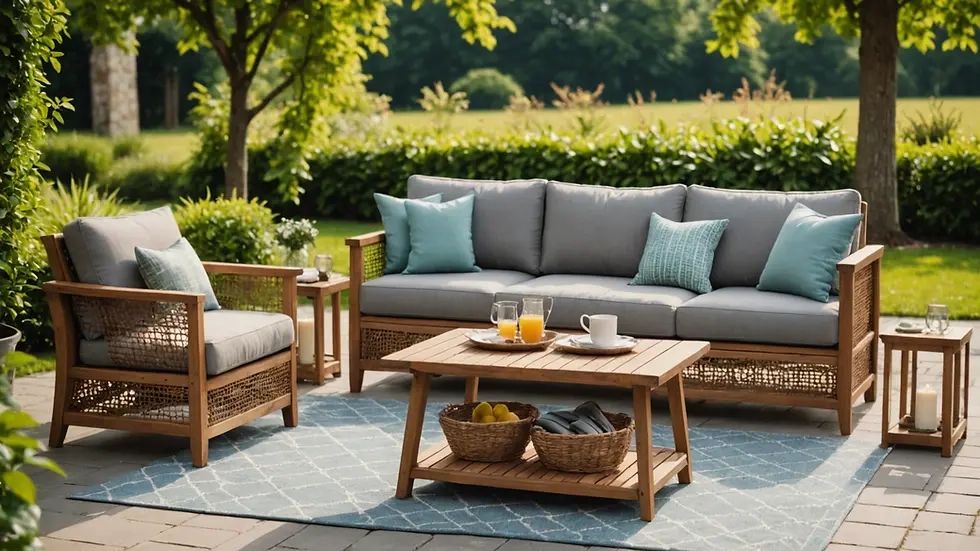
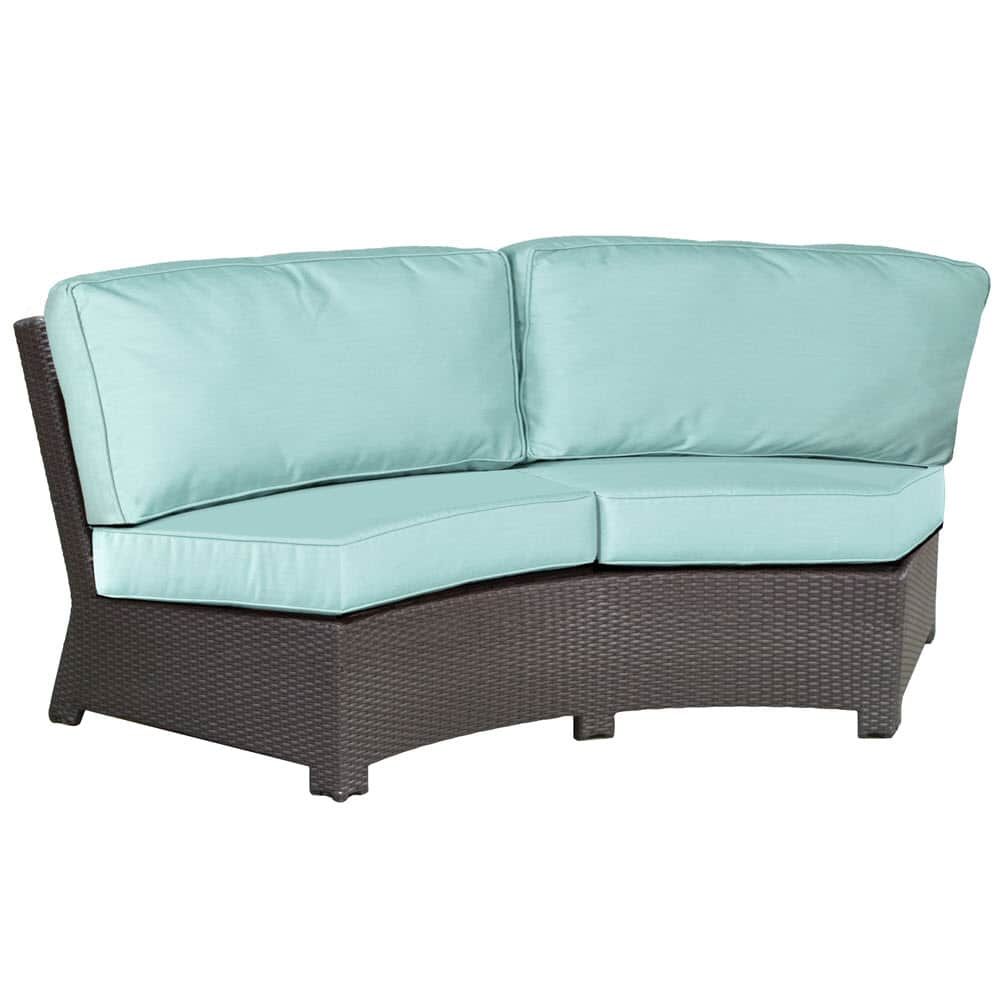
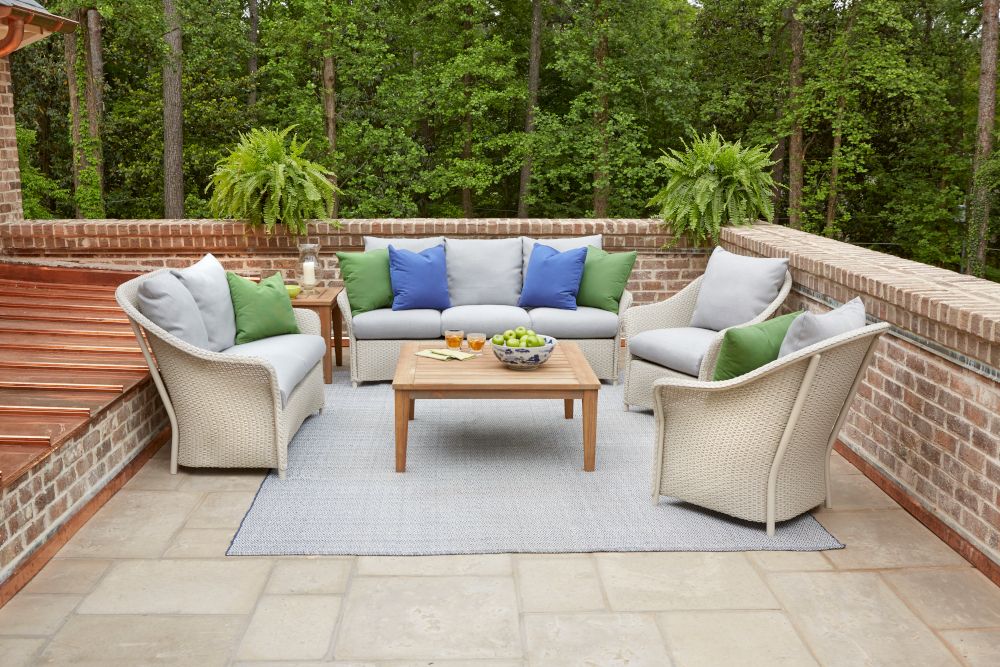
Modular seating systems are built around the idea of interlocking pieces that can be arranged in multiple configurations. Instead of buying a fixed set of furniture, you’re investing in individual components that work together. This means you can create different seating arrangements depending on what you need to do. Some pieces might be designed to connect with others, while others function independently. The beauty lies in their adaptability. For instance, you might start with a basic configuration of two chairs and a loveseat, then add a side table later when you decide to host more guests. Or perhaps you’ll rearrange them to form a conversation circle during summer evenings.
What makes these systems particularly useful for small spaces is that they often come in compact sizes. Each piece is typically designed to be functional without taking up excessive room. You can easily move them around, reconfigure them, and even store them when not in use. This flexibility means you’re not locked into one seating arrangement forever. Plus, because many modular systems use similar design elements, they create a cohesive look that feels intentional rather than random.
Key Benefits for Compact Outdoor Areas
When you’re working with limited space, every advantage counts. Modular seating offers several distinct benefits that make it ideal for small patios:
• Space efficiency: Unlike traditional furniture that takes up fixed positions, modular pieces can be rearranged to maximize available space
• Cost effectiveness: You can build your seating system gradually rather than purchasing everything at once
• Versatility: One setup works for intimate conversations, another for larger gatherings
• Storage convenience: Many modular pieces can be stacked or folded for easy storage
• Aesthetic flexibility: Different arrangements can create completely different looks and moods
Imagine having a small patio that can transform from a quiet reading spot to a lively gathering area just by moving a few pieces. That’s the power of modular thinking. You’re not just buying furniture – you’re investing in a system that grows with your lifestyle. It’s like having a chameleon that changes colors to match your environment. The key is choosing pieces that complement each other and work well together in various configurations.
Design Principles for Maximum Impact
Creating an effective modular seating setup requires thoughtful consideration of several design principles. First, consider the flow of movement in your space. Even in small areas, people need room to walk around and move comfortably between seating areas. A general rule of thumb is to leave at least 24 inches of clearance around seating groups. Second, think about scale and proportion. In small spaces, oversized furniture can overwhelm and make the area feel cramped. Choose pieces that are appropriately sized for your patio dimensions.
Color and material consistency also play crucial roles. When pieces share similar color palettes or materials, they create visual unity that makes the space feel more intentional. This doesn’t mean everything has to match perfectly – sometimes mixing textures and tones creates interesting contrast. Consider using neutral base colors with pops of accent colors to keep things fresh and dynamic. Lighting is another often-overlooked element. Strategic placement of string lights or small lanterns can dramatically change the mood of your modular seating area, making it feel cozy in the evening and bright during the day.
Practical Examples and Real-World Applications
Let’s look at some real-world scenarios where modular seating has made a significant difference. Take Sarah, who lives in a downtown apartment with a 6×8 foot balcony. She started with just two armchairs and a small side table. As her social life grew, she added a loveseat and a coffee table. Now her balcony transforms from a quiet morning coffee spot to a weekend gathering place simply by rearranging the pieces. Her setup uses lightweight aluminum frames that can be easily moved and stored.
Another example is the Johnson family, who have a 10×10 foot backyard. They purchased a modular system that includes a couple of dining chairs, a bench, and a couple of side tables. During summer parties, they arrange everything to create a large dining area. For quieter moments, they move the pieces into smaller clusters for intimate conversations. Their favorite part? The ability to change the setup seasonally without buying new furniture.
These stories show how modular seating can evolve with your needs. Whether you’re a solo enthusiast or someone who frequently entertains, these systems provide the flexibility to adapt to changing circumstances.
Materials and Durability Considerations
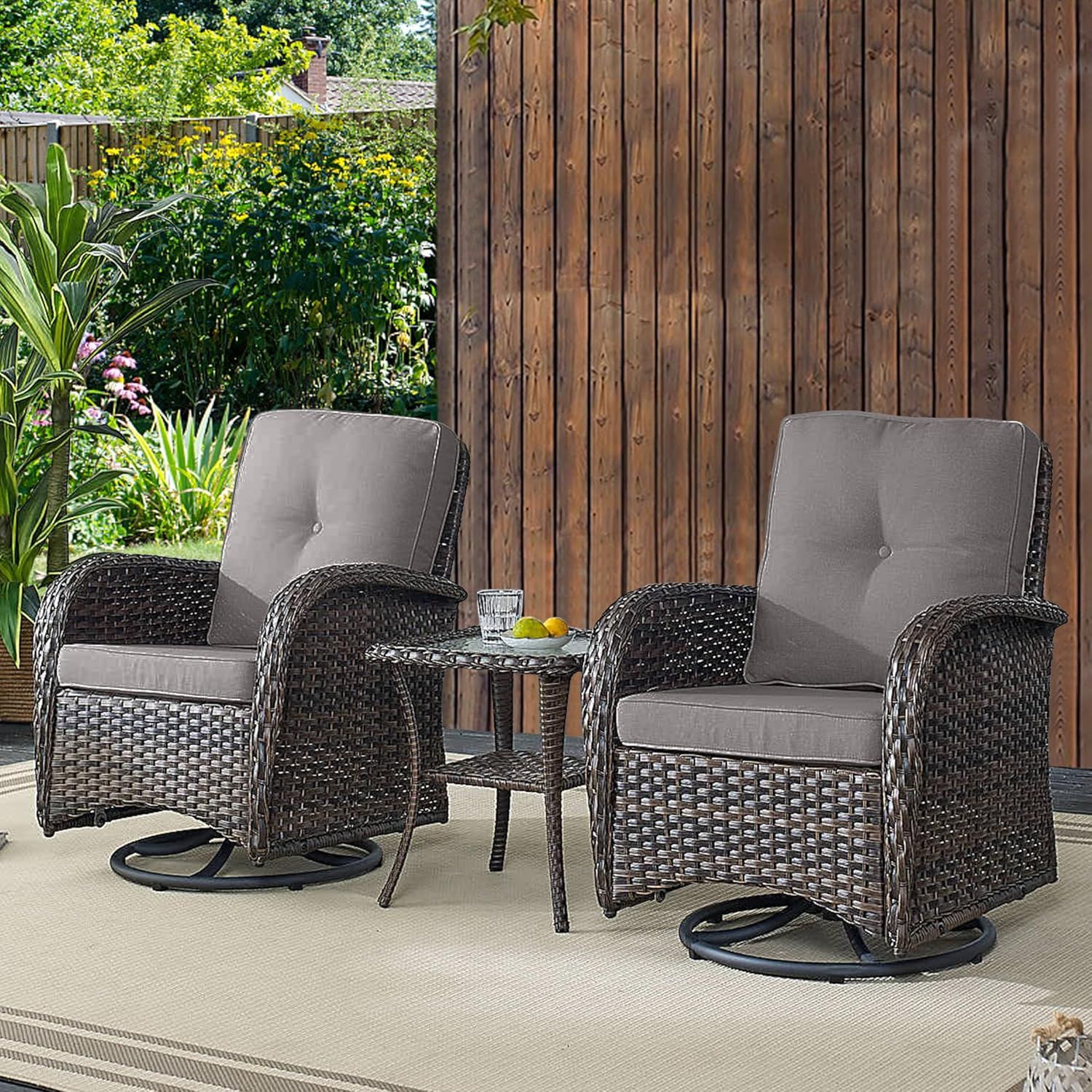
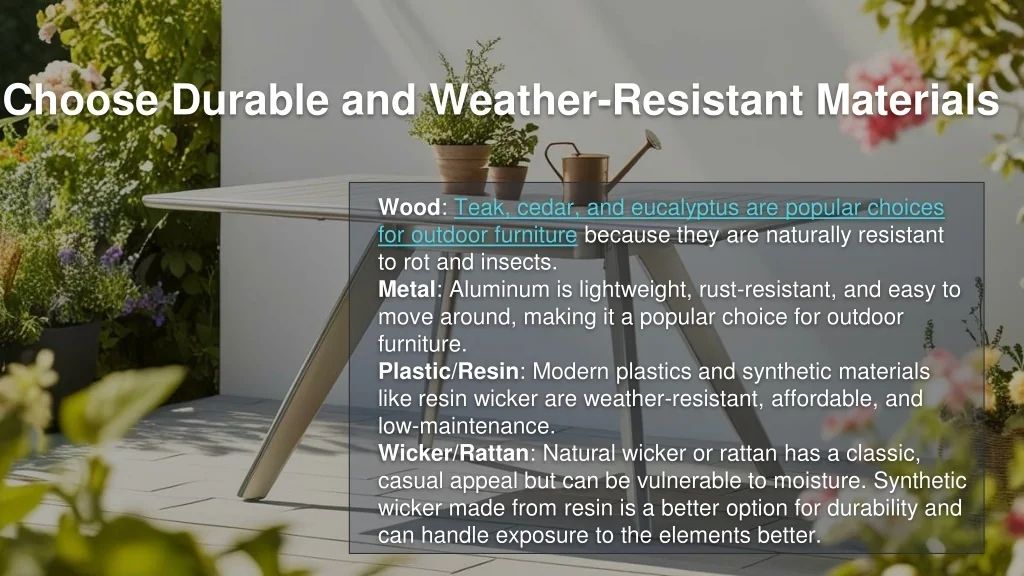
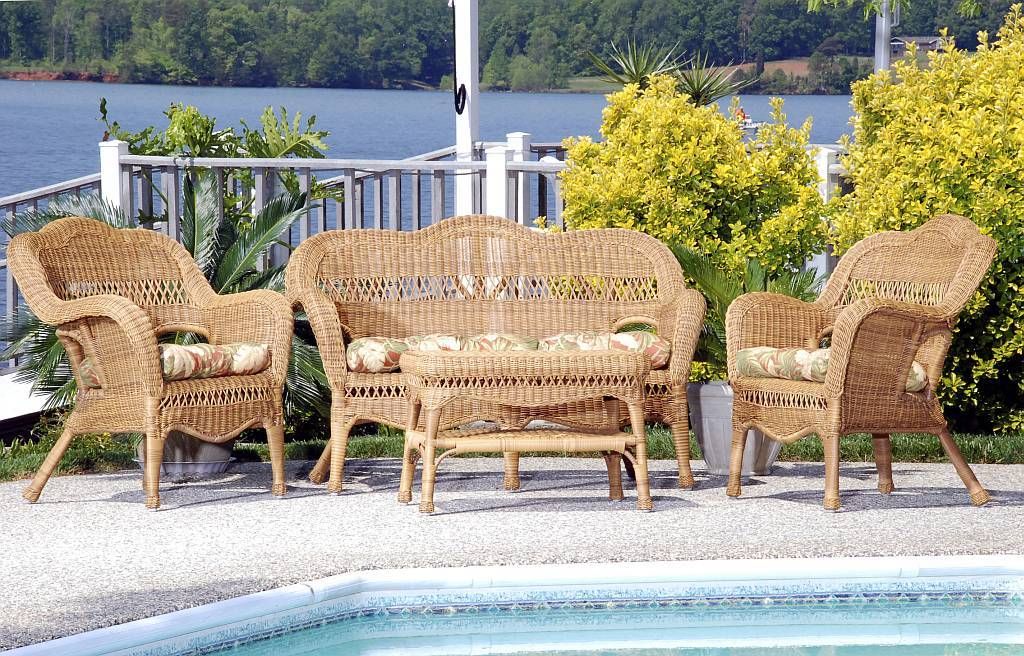
The success of any modular seating system depends largely on the quality of materials used. For outdoor applications, durability is paramount. Look for materials that can handle weather conditions, whether that’s resistance to rust, fading, or water damage. Aluminum and synthetic wicker are popular choices because they’re both lightweight and weather-resistant. Teak wood offers a classic look but requires more maintenance.
Consider the weight of pieces as well. If you’re dealing with a small balcony or upper-level patio, lighter materials are essential for safety reasons. However, don’t sacrifice stability for lightness. A well-designed modular system will balance portability with structural integrity. Some companies offer modular seating with hidden storage compartments, which is perfect for small spaces where every inch matters.
Quality construction also matters. Look for pieces with reinforced joints and secure connection points. These features ensure that your modular system stays together when you’re rearranging it or using it regularly. The investment in quality materials pays off in longevity and reliability.
Budget-Friendly Strategies and Tips
Modular seating doesn’t have to break the bank. Here are some strategies for building a great system without overspending:
• Start with basics and expand gradually
• Look for sales and seasonal discounts
• Consider buying pieces in sets to save money
• Mix high-quality pieces with more affordable options
• Check out second-hand markets for gently used modular furniture
• Invest in pieces that serve multiple purposes
One budget-conscious approach is to purchase core pieces first and add accessories later. For example, buy two chairs and a table, then add a side table or ottoman when you can afford it. This way, you’re not committed to a full system upfront. Many retailers offer modular systems with a core set of pieces that can be expanded over time. Some even provide upgrade paths, allowing you to add new components as your needs change.
Don’t overlook the value of DIY solutions either. Sometimes you can find inspiration online for repurposing existing furniture or creating simple modular pieces yourself. The key is finding a balance between cost and functionality that works for your situation.
Smart modular seating solutions represent more than just a trend – they’re a practical response to modern living challenges. In our increasingly urbanized world, where outdoor space is often at a premium, these adaptable systems offer genuine value. They allow us to make the most of limited areas while maintaining flexibility and style. Whether you’re working with a 6×8 foot balcony or a 10×10 foot backyard, modular seating gives you the tools to create an outdoor space that truly works for your lifestyle. The key is starting with thoughtful planning and selecting pieces that align with both your aesthetic preferences and practical needs. With the right approach, even the smallest patio can become a versatile outdoor oasis that evolves with your changing requirements. The future of outdoor living isn’t just about bigger spaces – it’s about smarter ways to use what we already have.