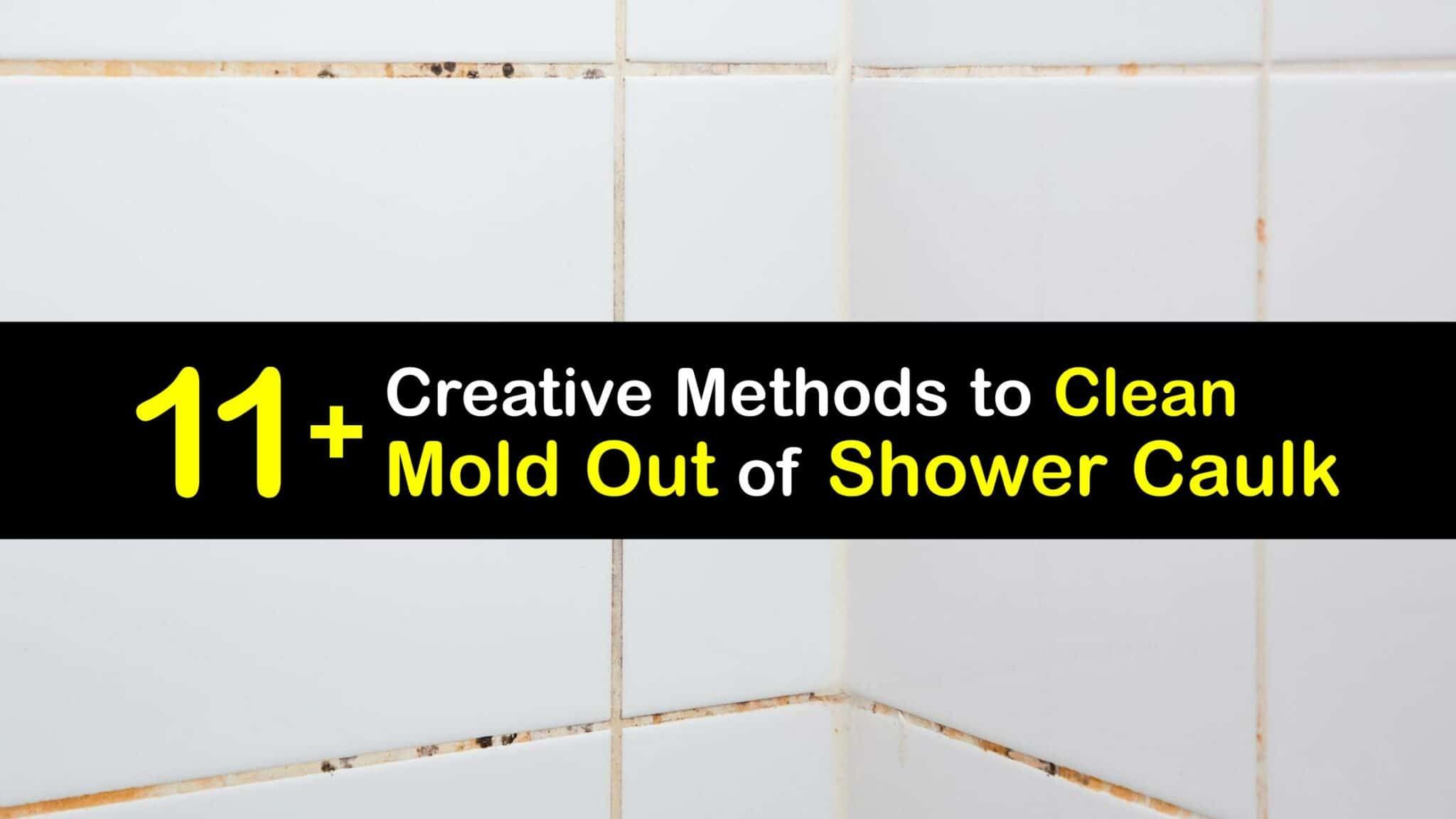
We’ve all been there – stepping out of the shower to find black or green spots on the silicone around your tub or shower. It’s not just gross; it’s a health hazard too. But what if we told you there’s a way to prevent this common problem? It’s not magic, but it does require some know-how and consistent habits. Let’s dive into how to keep that silicone looking fresh and clean.
Most people think of silicone as this amazing material that never fails – it’s waterproof, flexible, and built to last. But even the best silicone sealants can fall victim to mold growth, especially in the damp environment of a bathroom. This is particularly true when water sits in the tiny cracks and crevices around your shower or bathtub. What happens then? Well, you get those unsightly black or green spots that make you want to avoid stepping into your shower. The good news is that with the right techniques and a little bit of effort, you can keep your silicone looking new for years. It’s not about perfection, but about consistency.
Understanding Why Silicone Gets Moldy
Mold loves moisture, and bathrooms provide the perfect playground. When water sits in the microscopic gaps of silicone, it creates an ideal breeding ground. Think of it like a tiny ecosystem where mold spores thrive. These spores are everywhere – they’re in the air, on surfaces, and even on your skin. When conditions are right, they start growing. The key is preventing water from pooling and staying in contact with the silicone for extended periods. This means understanding that your shower isn’t just a place to wash off – it’s a place where water and mold have a lot of time together.
The Role of Ventilation in Mold Prevention
Let’s talk about ventilation because it’s one of the most overlooked factors. A well-ventilated bathroom is like having a shield against mold. When you turn on your exhaust fan during and after your shower, you’re removing the moisture that mold feeds on. Without proper ventilation, humidity builds up and creates that perfect storm for mold. If you don’t have an exhaust fan, consider installing one. Even a simple fan can make a huge difference. And don’t forget to leave the door open when possible – letting fresh air circulate helps reduce moisture buildup.
Regular Cleaning Routines That Work
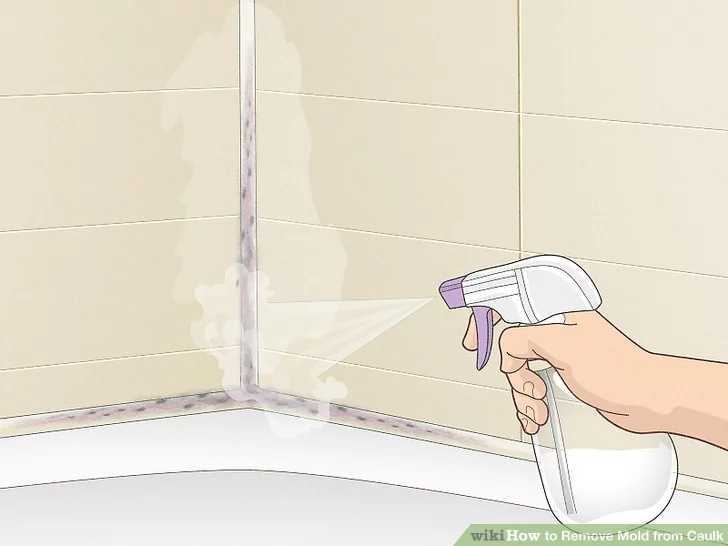
Cleaning isn’t just about keeping things looking nice – it’s about preventing problems before they start. You should clean your silicone sealant at least once a month using a mild detergent and a soft brush. Pay special attention to areas where water tends to pool. A mixture of baking soda and water works wonders for removing surface mold. For deeper cleaning, white vinegar is your friend. It’s acidic enough to kill mold spores without being harsh on your skin. The key is consistency – don’t wait until mold is visible to start cleaning. It’s better to do a quick wipe-down every few days than to deal with a full cleanup later.
Choosing the Right Silicone Products
Not all silicones are created equal. When you’re replacing or installing silicone, choose products specifically designed for bathroom environments. Look for mold-resistant options or those labeled as mildew-proof. Some brands add antimicrobial agents that help fight mold growth. These aren’t foolproof, but they give you an extra layer of protection. Also, make sure you’re using high-quality silicone rather than cheap alternatives. Cheaper products often break down faster and are more prone to cracking, creating more places for mold to hide. Quality matters, and it’s worth investing in better products for long-term results.
Proper Maintenance Techniques
Maintenance is really about being proactive. After each shower, give the silicone a quick wipe with a towel to remove excess water. This simple step can prevent a lot of mold growth. You can also use a squeegee to remove water from the walls and ceiling. The idea is to minimize standing water wherever possible. Another tip is to inspect your silicone regularly. Look for signs of cracking, peeling, or discoloration. If you see any of these early warning signs, address them quickly before they become bigger problems. Early detection saves both time and money.
Natural Remedies for Mold Prevention
If you prefer natural solutions, there are several effective options. Tea tree oil is a powerful antifungal agent that can be mixed with water and sprayed on affected areas. Lemon juice contains natural acids that help kill mold spores. You can also try hydrogen peroxide – it’s gentle but effective. These remedies work best as part of a regular cleaning routine. They’re especially helpful if you want to avoid harsh chemicals. Just remember that natural remedies may require more frequent applications than chemical treatments, but they’re safer for your family and the environment.
Preventing mold on shower silicone isn’t rocket science, but it does require attention to detail and consistent care. By understanding why mold grows, improving ventilation, maintaining regular cleaning schedules, choosing quality materials, and using preventive techniques, you can keep your shower looking pristine. It’s about making small changes that compound over time. Remember, a little effort now prevents a lot of stress later. Your shower should be a place of comfort, not a source of worry about mold. With these tips, you’ll be well on your way to maintaining a healthy, beautiful bathroom space.