Imagine stepping into your garden and seeing vibrant, healthy plants thriving without chemicals or machines. That’s the magic of growing vegetables the green way through manual cultivation. It’s not just about getting your hands dirty – it’s about creating a sustainable relationship with your soil, your plants, and the environment around you. When you choose to grow your own food the natural way, you’re not just feeding yourself, you’re nurturing the earth itself.
There’s something deeply satisfying about watching vegetables grow from seed to harvest with nothing but your hands, a simple hoe, and the sun’s energy. Manual cultivation isn’t just an old-fashioned approach – it’s a conscious choice to grow food in harmony with nature. You might wonder if it’s worth the effort when modern gardening seems so easy with tools and chemicals. But there’s a special connection that happens when you work directly with the earth, feeling every seed’s potential, every plant’s struggle, and every harvest’s reward. This method builds stronger relationships between gardener and garden, and it’s better for both your health and the planet.
Understanding Manual Cultivation Basics
Manual cultivation means working with your hands instead of relying on machinery or chemical solutions. It’s about understanding soil composition, knowing when to plant, and recognizing the signs that your plants need attention. The foundation starts with soil health. Healthy soil is like a living ecosystem, teeming with beneficial microbes, earthworms, and organic matter. You’ll want to test your soil pH and nutrient levels before starting. Most vegetables prefer slightly acidic to neutral soil (pH 6.0-7.0).
Think of it this way: your garden is like a kitchen. If you want great meals, you need quality ingredients. Soil quality determines everything else. You can improve soil structure by adding compost, aged manure, or leaf mold. These additions feed the microorganisms that break down organic matter, making nutrients available to plants. Consider a small compost pile or even a worm bin for kitchen scraps.
When it comes to timing, manual cultivation requires patience. You can’t rush nature. Planting too early in cold soil can lead to poor germination, while planting too late might miss optimal growing seasons. Pay attention to local weather patterns, frost dates, and seasonal changes. Many gardeners find success by following lunar cycles or traditional planting guides that have been passed down through generations.
Essential Tools for Hand-Grown Gardens
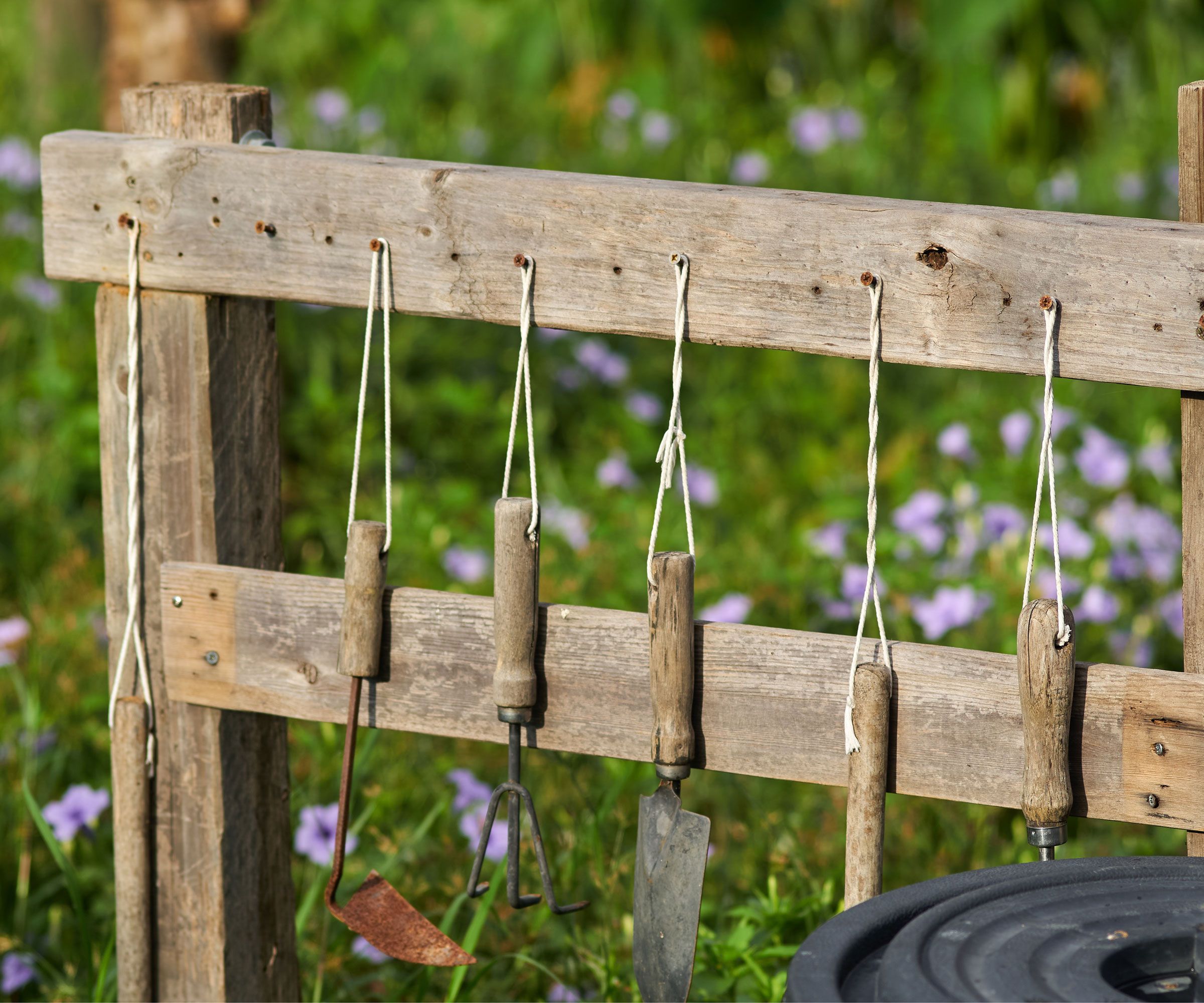
You don’t need fancy equipment to start manual vegetable cultivation. A few basic tools will serve you well and can last decades with proper care. The most important item is a good hand trowel – it’s your primary tool for digging holes, transplanting seedlings, and mixing amendments into soil. Look for one with a comfortable grip and sturdy blade.
A hand cultivator or hoe works wonders for breaking up soil clumps and removing weeds. These tools are particularly helpful for maintaining rows between plants. A small hand fork helps with loosening compacted soil without disturbing root systems. For watering, a long-handled watering can with a fine rose is ideal. It allows you to water precisely where needed without wasting water or washing away seeds.
Don’t overlook the importance of gloves. They protect your hands from thorns, rough soil, and plant irritants. Choose breathable materials that allow you to feel what you’re doing. A small wheelbarrow can save your back when moving heavy loads of compost or harvested vegetables. Finally, keep a small pruning shears handy for harvesting delicate crops like herbs or lettuce.
Remember, the best tool is often the one you already have. Many successful gardeners start with just a trowel, a hoe, and their bare hands. As your garden grows, you can add more specialized items based on your specific needs.
Soil Preparation Without Chemicals
Preparing soil properly sets the stage for healthy plant growth. Unlike chemical approaches that rely on synthetic fertilizers, manual cultivation focuses on building soil naturally through organic matter and careful attention. Start by clearing debris and rocks from your growing area. Then, test your soil to determine its current condition. If it’s compacted, consider using a broadfork to loosen it without turning over the soil structure.
Composting is central to soil preparation. Create a compost pile using kitchen scraps, yard waste, and organic materials. Layer brown materials (leaves, straw) with green materials (vegetable scraps, grass clippings). Turn the pile regularly to aerate it and speed decomposition. Finished compost should smell earthy and look dark and crumbly. Mix this into your garden beds at least two weeks before planting.
For nitrogen-fixing plants like beans and peas, consider companion planting strategies. These plants naturally add nitrogen to soil through their root nodules. You can plant them in rotation with heavy feeders like tomatoes or corn. This reduces the need for external nitrogen inputs.
Mulching after planting helps retain moisture, suppress weeds, and gradually adds organic matter to soil. Use materials like straw, shredded leaves, or grass clippings. Apply 2-4 inches thick around plants, keeping it away from stems to prevent rot. This practice alone can dramatically improve soil health over time.
Planting Strategies for Success
Successful manual cultivation begins with thoughtful planning and smart planting techniques. Start by choosing varieties suited to your climate zone and growing conditions. Some vegetables do better in cool weather, while others need warmth and long days. Check seed packets for planting depth, spacing requirements, and expected maturity times.
Direct seeding works well for many crops like carrots, radishes, and beans. Plant seeds at the recommended depth – usually two to three times their width. Cover lightly with soil and water gently. Some seeds benefit from pre-soaking or scarification to improve germination rates.
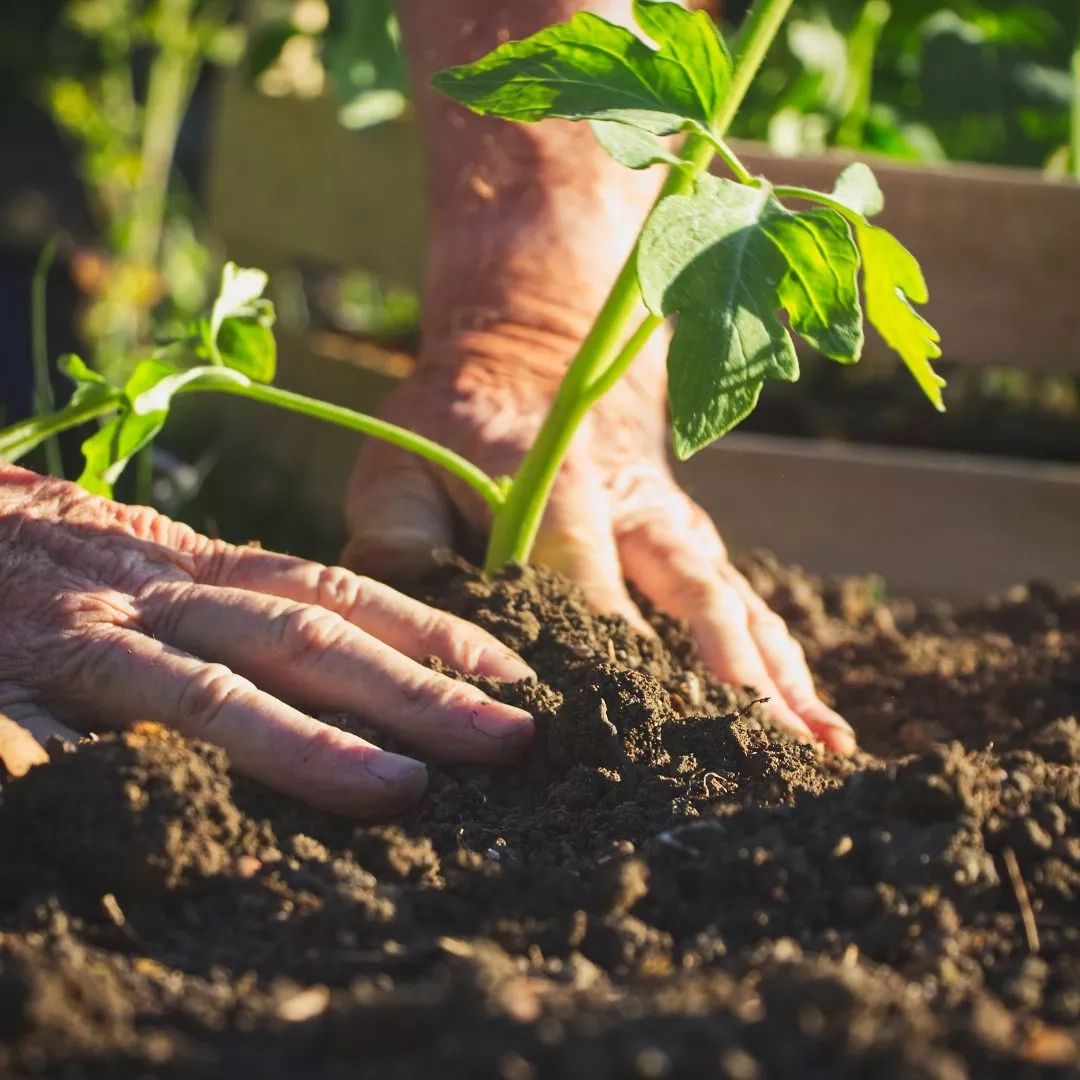
Transplanting seedlings requires gentle handling to avoid damaging delicate roots. Dig a hole slightly larger than the root ball, place the seedling carefully, and fill with soil. Water thoroughly after transplanting to settle the soil around roots. Many gardeners find it helpful to harden off seedlings gradually by exposing them to outdoor conditions before planting.
Succession planting keeps your garden productive throughout the growing season. Plant quick-growing crops like lettuce every two weeks for continuous harvests. This strategy maximizes space and ensures a steady supply of fresh vegetables. Consider intercropping by planting fast-growing crops between slower-growing ones. For example, plant lettuce between rows of tomatoes, allowing the lettuce to mature before the tomato plants get too large.
Weed Management Through Hand Work
Weeds are nature’s way of telling you something about your garden conditions, but they compete with your vegetables for nutrients, water, and sunlight. Manual removal is the most environmentally friendly approach, though it does require time and attention. The key is to remove weeds before they go to seed and establish deep root systems.
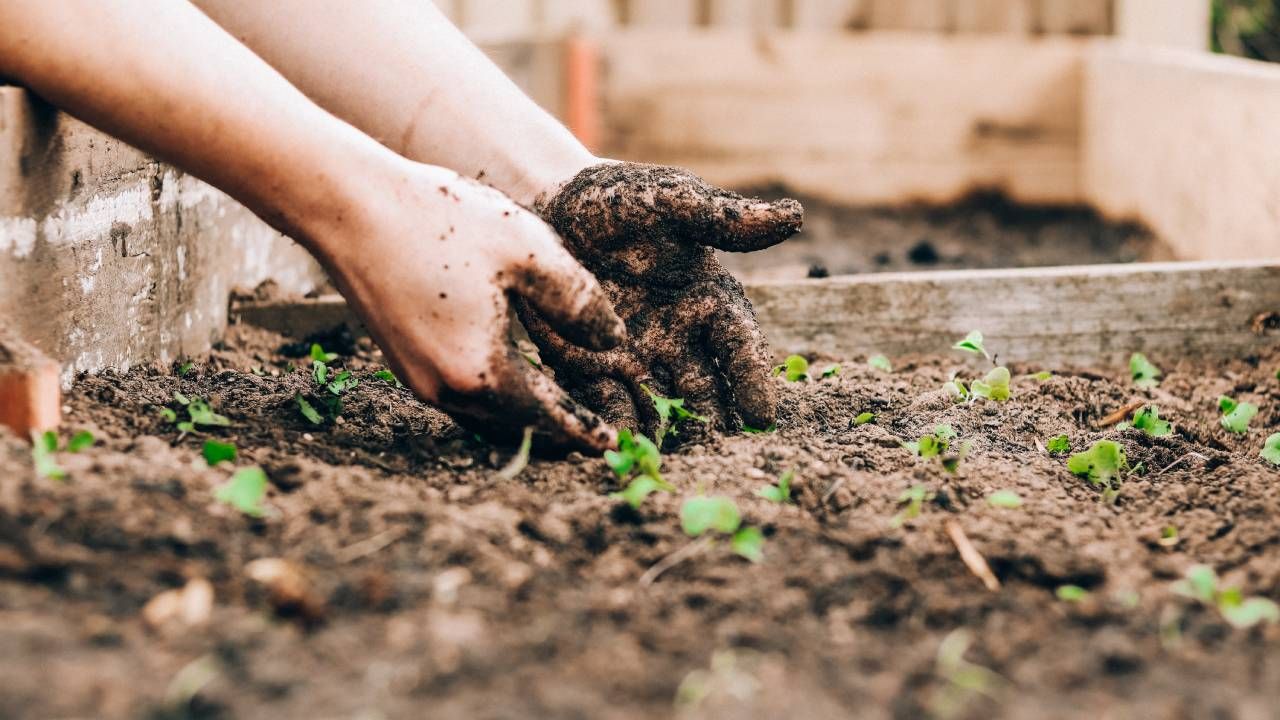
Hand weeding works best when soil is moist and loose. Pull weeds by their entire root system rather than just cutting them off at ground level. This prevents regrowth and maintains soil structure. Some gardeners prefer to hoe regularly to keep weeds from establishing, but this requires consistent attention.
Mulching provides excellent weed suppression while improving soil health. Organic mulches like straw, wood chips, or shredded leaves block light from reaching weed seeds, preventing germination. Keep mulch a few inches away from plant stems to avoid moisture-related problems.
Cover cropping is another effective strategy for managing weeds. Plant cover crops like clover or rye during off-seasons to suppress weeds and add organic matter. These plants can be tilled under before they flower to provide additional soil benefits.
Consider the "weed as resource" approach. Some weeds like dandelions are actually edible and nutritious. Instead of destroying them, learn to identify which ones are safe to eat and incorporate them into your diet. This shifts your perspective from enemy to ally in the garden.
Watering Techniques and Moisture Management
Proper watering is crucial for manual cultivation success. Plants grown without chemical inputs depend entirely on natural soil moisture and rainfall. Understanding your soil type helps determine appropriate watering schedules. Sandy soils drain quickly and may need more frequent watering, while clay soils hold moisture longer and can become waterlogged easily.
Deep, infrequent watering encourages strong root development compared to shallow, frequent applications. Water at the base of plants rather than overhead to reduce disease risk and conserve water. Morning watering gives plants all day to absorb moisture before evening humidity increases disease pressure.
Drip irrigation systems or soaker hoses are excellent for delivering water directly to root zones. These methods minimize water waste and reduce foliar diseases. For small gardens, a watering can with a narrow spout works well for targeted watering. Water slowly to allow absorption and prevent runoff.
Rainwater collection is a sustainable practice that benefits manual cultivation. Install rain barrels or containers to capture precipitation. Rainwater is naturally soft and free of chlorine or fluoride found in municipal water supplies. This simple addition can significantly reduce your water bills while providing better-quality irrigation.
Monitoring soil moisture is essential. Stick your finger into soil about an inch deep to check moisture levels. If soil feels dry at that depth, it’s time to water. Overwatering is often more harmful than underwatering, especially in poorly drained soils. Plants show stress through wilting, yellowing leaves, or stunted growth when they don’t receive adequate water.
Harvesting and Maintaining Garden Health
The joy of manual cultivation comes not just from growing plants but from harvesting them at peak freshness. Timing is everything when it comes to harvesting vegetables. Many crops are best picked when young and tender, while others develop better flavor when allowed to mature fully. Regular harvesting encourages continued production in many plants.
Use clean, sharp tools when harvesting to avoid damaging plants. Cut vegetables at the right stage of maturity – too early and they lack flavor, too late and they become tough or bitter. Leafy greens can be harvested by cutting outer leaves, leaving the center to continue producing. Root vegetables should be pulled carefully to avoid damaging nearby plants.
Post-harvest care extends beyond the garden. Proper storage preserves nutritional value and extends shelf life. Store leafy vegetables in the refrigerator in perforated bags to maintain humidity. Root vegetables can be stored in cool, dark places for months. Many gardeners find success with root cellars or cool pantries for long-term storage.
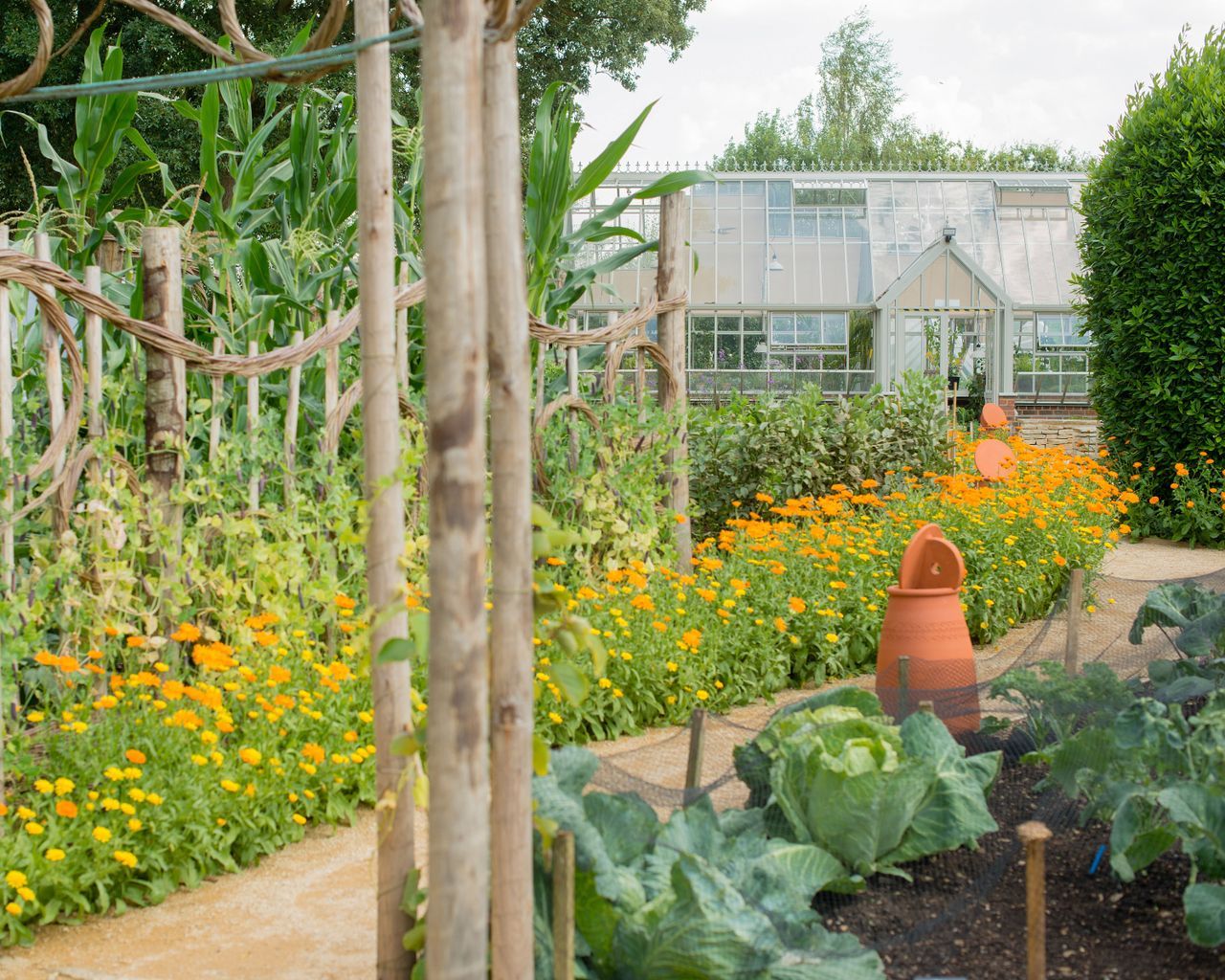
Maintaining garden health involves regular observation and preventive care. Watch for signs of pests or disease early. Many issues can be managed through cultural practices like proper spacing, crop rotation, and sanitation. Companion planting helps deter certain pests naturally. For example, marigolds can repel nematodes while basil protects tomatoes from insects.
Keep detailed notes about what works in your garden each season. Record planting dates, weather conditions, pest problems, and harvest yields. This information becomes invaluable for planning future gardens and learning from successes and failures. Over time, you’ll develop an intuitive understanding of your specific growing conditions and what your plants need.
Growing vegetables the green way through manual cultivation offers rewards that extend far beyond the dinner table. You’re not just growing food – you’re participating in a timeless tradition that connects you to the earth and to generations of gardeners who understood that sustainable practices yield lasting benefits. While it may take more time and effort than conventional methods, the satisfaction of working with nature rather than against it creates a sense of accomplishment that’s hard to match. Your vegetables taste better because they’ve grown in healthy soil with proper care. Your garden becomes a sanctuary where you can observe the natural rhythms of growth and decay, learning lessons that apply to life beyond the garden gates. The skills you develop through manual cultivation – reading soil conditions, understanding plant needs, and working with seasonal cycles – become gifts that enhance every aspect of your life. Whether you’re starting a new garden or refining an existing one, remember that the most important tool is your willingness to learn, adapt, and work with the natural world around you. Every seed planted by hand, every weed pulled with care, and every harvest gathered with gratitude contributes to a healthier planet and a deeper appreciation for the simple act of growing food.