When you think about gardening tools, most people picture metal watering cans with classic designs. But what if I told you there’s a smarter, more sustainable choice that’s quietly revolutionizing how we care for our plants? It’s not just about being green anymore – it’s about making informed decisions that benefit both your garden and the environment. The answer might be right in your local garden center, sitting beside those familiar metal cans, waiting to be discovered.
Gardening has always been a deeply personal activity, connecting us to nature in ways that feel almost sacred. Whether you’re tending to a small windowsill herb garden or managing a sprawling backyard oasis, every decision you make impacts not just your plants, but the broader ecosystem around you. When it comes to choosing a watering can, the options seem endless – from traditional metal models to modern plastic varieties. But there’s one category that’s often overlooked yet holds tremendous potential: recycled plastic watering cans. These aren’t just another garden accessory; they represent a thoughtful approach to sustainability that many gardeners never consider. What makes them special isn’t just their appearance or price tag – it’s what happens behind the scenes when you choose to support recycled materials. Let’s take a closer look at why these seemingly ordinary containers might actually be one of the most intelligent choices you can make for your garden.
Environmental Impact Beyond the Surface
The environmental benefits of recycled plastic watering cans extend far beyond simply reducing waste. When manufacturers use recycled plastic, they’re diverting materials from landfills and reducing the need for virgin plastic production. This means fewer resources consumed, less energy used in manufacturing, and reduced carbon emissions associated with creating new plastic products. Think about it – every time you purchase a recycled plastic watering can, you’re essentially giving a second life to materials that might otherwise end up in a landfill. It’s like buying a pre-loved book instead of a brand-new one. The manufacturing process for recycled plastic requires significantly less energy than producing new plastic from raw materials. Studies show that recycling plastic uses approximately 80% less energy than creating virgin plastic. That’s not just good for the planet – it’s good for your wallet too, since manufacturers often pass along some of these savings to consumers. But here’s something many gardeners don’t realize: the environmental impact starts even earlier in the supply chain. By choosing recycled products, you’re encouraging companies to invest in better recycling infrastructure and processes. Every purchase becomes a vote for more sustainable practices in manufacturing. The ripple effect is powerful. As demand grows for recycled plastic products, manufacturers increase their efforts to collect and process post-consumer plastics. This creates a positive cycle that benefits everyone involved. Plus, these containers typically have a much lower carbon footprint than their metal counterparts, which require mining, smelting, and extensive processing to create.
Durability That Surpasses Expectations
Contrary to popular belief, recycled plastic watering cans can offer exceptional durability that rivals traditional metal alternatives. Modern recycling techniques have evolved dramatically, allowing manufacturers to produce high-quality plastic containers that can withstand years of regular use. The strength of recycled plastic comes from its molecular structure and the careful selection of materials used in the recycling process. Many recycled plastic watering cans feature reinforced handles and sturdy construction that resists cracking or breaking, even in extreme weather conditions. Unlike metal cans that can rust over time, especially in humid environments, plastic maintains its integrity indefinitely. This longevity means you’re investing in a product that will serve you for decades rather than having to replace it after a few seasons. Some gardeners report using the same recycled plastic watering can for over ten years without significant wear. The weight factor also matters – recycled plastic cans tend to be lighter than metal alternatives, making them easier to carry around your garden. This can be particularly helpful for older gardeners or those with physical limitations. The lightweight design doesn’t compromise functionality either. Many recycled plastic models offer excellent water capacity and distribution, often matching or exceeding the performance of heavier metal cans. What’s more, these containers are virtually maintenance-free. No need for rust prevention treatments or regular polishing. Just fill, carry, and water. The simplicity of maintenance is appealing to busy gardeners who want reliable tools without constant upkeep. Many users discover that their recycled plastic cans develop a beautiful patina over time, not from rust or corrosion, but from natural weathering that adds character rather than detracting from function.
Cost-Effective Long-Term Investment
While recycled plastic watering cans may initially appear slightly more expensive than basic metal models, their true value emerges over time. The cost per use is remarkably low when you consider how long these containers can last compared to cheaper alternatives. A quality recycled plastic watering can can easily handle hundreds of uses before needing replacement, while budget metal cans might fail within months of regular use. This economic advantage becomes even more apparent when you factor in the costs of repairs and replacements. Metal watering cans often require rust removal, repainting, or complete replacement when they begin to deteriorate. These additional expenses add up quickly. Recycled plastic cans eliminate these concerns entirely. They’re built to last, which means fewer replacements and less money spent on gardening accessories over time. The initial investment pays for itself many times over through reduced replacement costs and increased reliability. Many gardeners find that they can purchase multiple recycled plastic watering cans at a reasonable price point, allowing them to have different sizes for various garden areas. Having a dedicated can for different plant types or garden zones increases efficiency and ensures you always have the right tool available. Some retailers offer bulk purchasing options for recycled plastic watering cans, further reducing the per-unit cost. The cost savings compound over several gardening seasons, making these containers an excellent financial decision for serious gardeners. Additionally, because these containers are generally lighter, they reduce the risk of back strain or injury during regular use. This might seem like a small consideration, but for gardeners who spend hours working in their gardens, the ergonomic benefits can translate into significant long-term health savings.
Design Flexibility and Innovation
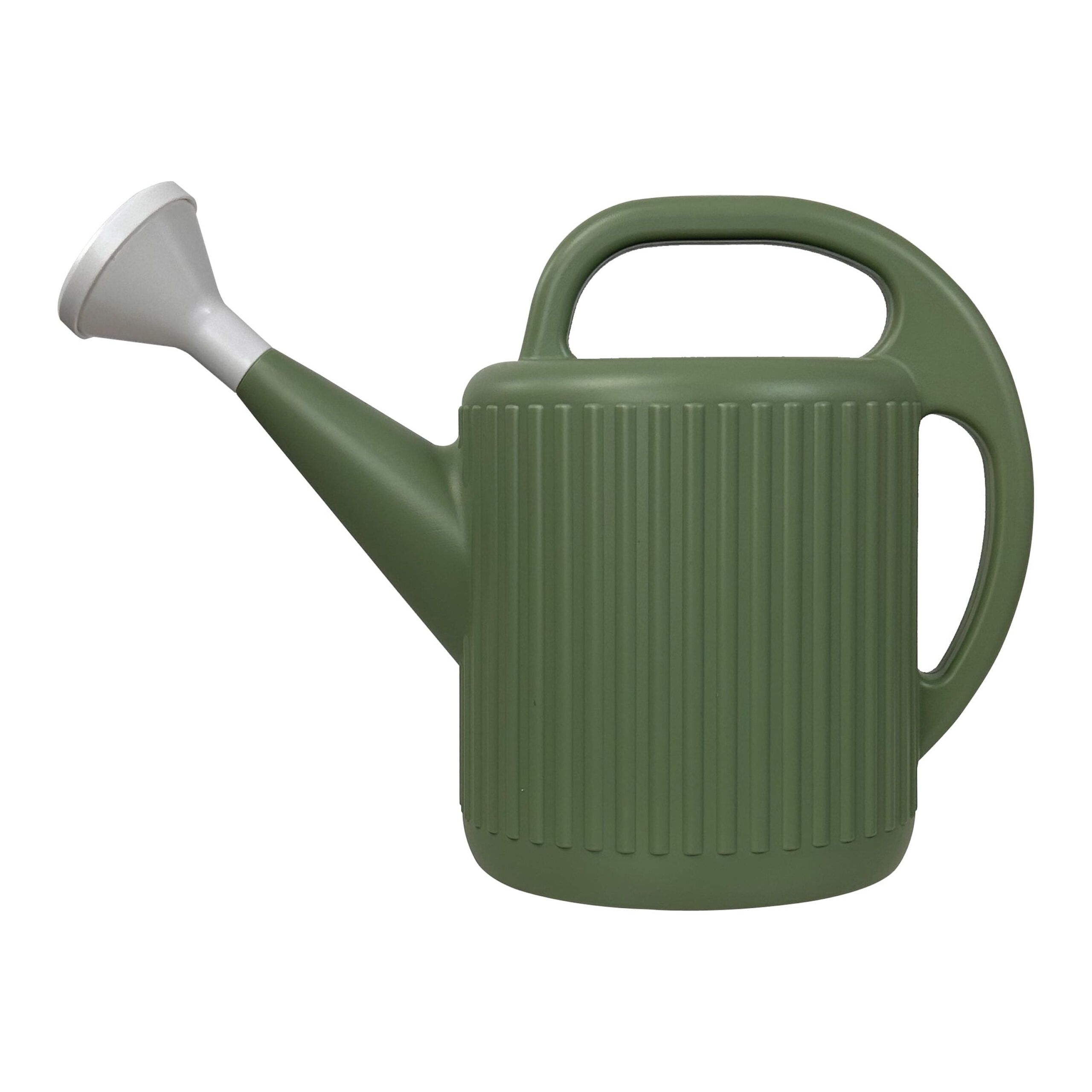
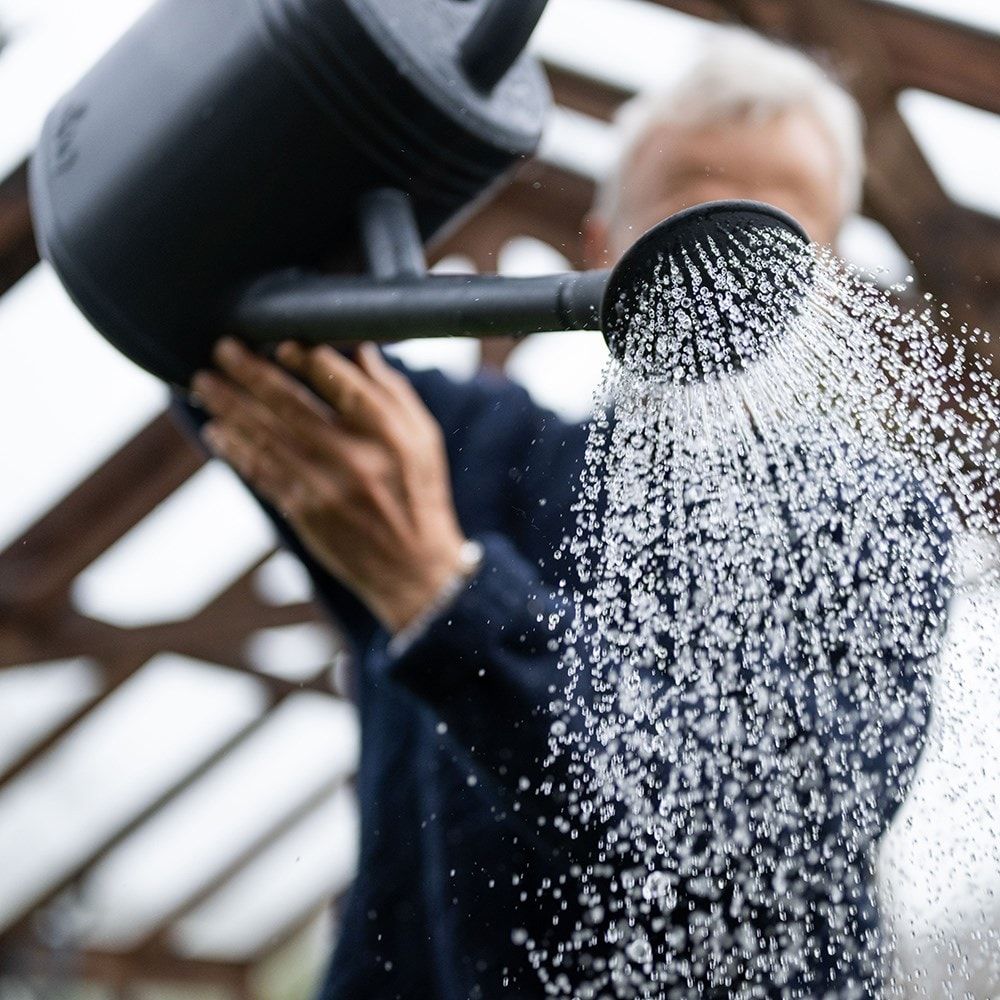
One of the most exciting aspects of recycled plastic watering cans is the design freedom they offer. Manufacturers can create shapes, sizes, and features that would be impossible with traditional metal casting methods. The malleability of recycled plastic allows for innovative designs that enhance functionality while maintaining aesthetic appeal. You’ll find models with unique spray patterns, ergonomic handles, and clever storage solutions that make watering more efficient and enjoyable. Some brands have introduced smart features like built-in measuring cups, automatic shut-off mechanisms, and specialized nozzles for different watering needs. These innovations come from the material’s ability to be molded into precise shapes and integrated with various components. The color options are also impressive – recycled plastic can be manufactured in vibrant hues that brighten any garden space. Unlike metal cans that often end up looking tarnished or weathered, recycled plastic maintains its visual appeal for years. Some manufacturers even incorporate UV-resistant additives to prevent fading from prolonged sun exposure. The versatility extends to the size range as well. From compact mini cans perfect for indoor plants to large capacity models ideal for vegetable gardens, recycled plastic offers options for every gardening need. The manufacturing process also allows for consistent quality control, ensuring each container meets specific standards for performance and safety. This consistency helps gardeners know exactly what to expect from their watering can, reducing guesswork and improving overall gardening success. Some designers even experiment with textured surfaces or grip-enhancing patterns that improve handling comfort and reduce slippage during use.
Health and Safety Considerations
Safety is paramount when it comes to gardening tools, and recycled plastic watering cans offer several health advantages over traditional alternatives. One major concern with metal watering cans is the potential for rust particles to contaminate water, especially in older or poorly maintained containers. Rust can affect the taste of water and potentially pose health risks, particularly for those with sensitive digestive systems. Recycled plastic eliminates this issue entirely, providing clean, uncontaminated water delivery. The non-porous surface of plastic also prevents bacterial growth that can occur in metal containers with scratches or imperfections. Many recycled plastic models are made from food-safe materials, ensuring that any water contact is completely safe for plants and, if necessary, for human consumption. The absence of metal also reduces the risk of electrical conductivity, making these cans safer to use in areas where electricity or water might be present. For gardeners with metal allergies or sensitivities, recycled plastic provides a completely safe alternative. The smooth surface finish also makes cleaning easier and more thorough, eliminating crevices where dirt or debris might accumulate. This is particularly important for gardeners who use their watering cans for both outdoor and indoor plants, as contamination from outdoor use could transfer to indoor environments. Additionally, the lack of sharp edges or rough surfaces in recycled plastic containers makes them safer for children to handle under supervision. Many gardeners appreciate that these containers don’t require the same level of maintenance as metal alternatives, reducing the chance of accidental injuries from rusted or damaged metal parts.
Practical Advantages for Modern Gardeners
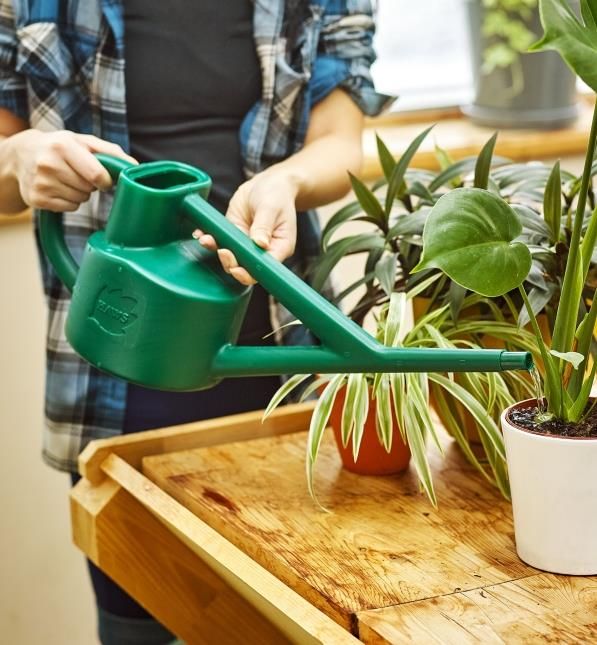
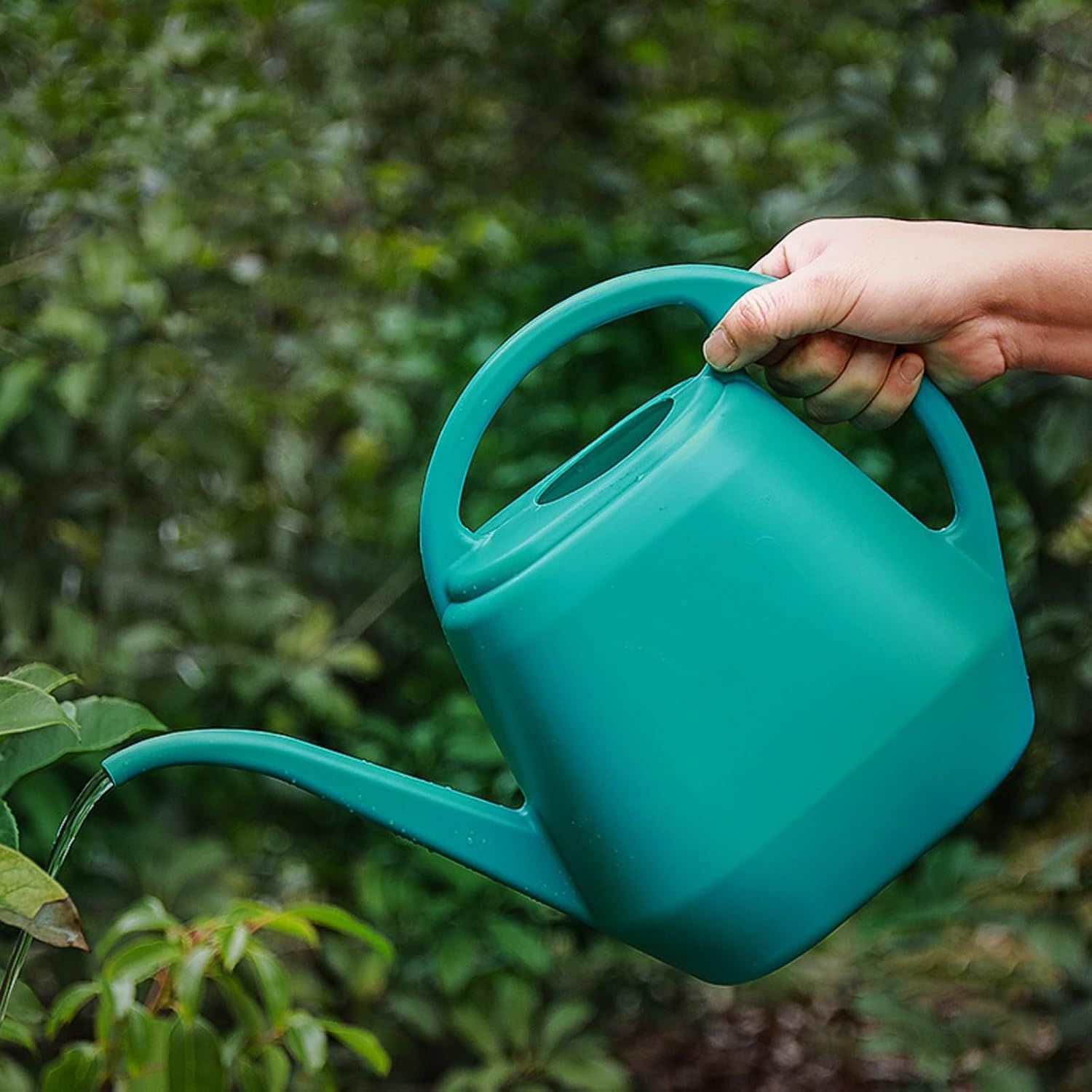
Modern gardeners face unique challenges that recycled plastic watering cans address exceptionally well. The lightweight nature of these containers makes them ideal for gardeners who prefer to move around their spaces frequently. Whether you’re working in raised beds, container gardens, or small urban spaces, the ease of transport matters greatly. Many recycled plastic models feature innovative carrying handles designed for comfort and stability. The spill-resistant design is another practical advantage, especially for gardeners who work in windy conditions or need to transport water between different areas. Some containers include features like wide mouths for easy filling and cleaning, or narrow spouts for precise watering. The versatility extends to storage as well – recycled plastic cans stack efficiently and take up minimal space when not in use. Many gardeners find that they can store multiple containers in small spaces, which is particularly beneficial for apartment dwellers or those with limited garden space. The temperature regulation properties of plastic also provide practical benefits. Unlike metal cans that can become uncomfortably hot in direct sunlight, recycled plastic remains cool to the touch, making it more comfortable to handle during summer months. The durability against temperature changes means these containers won’t crack or warp in freezing winter conditions or melt in extreme heat. Some models even include features like integrated measuring scales or drip trays to enhance functionality. These practical improvements make gardening more accessible and enjoyable for people of all ages and abilities. The ability to customize your watering experience with different nozzle attachments or accessories adds flexibility for various gardening tasks and plant requirements.
Choosing a recycled plastic watering can represents more than just a simple shopping decision – it’s a commitment to sustainable living that pays dividends in both environmental responsibility and practical benefits. The evidence clearly shows that these containers offer superior durability, cost-effectiveness, and design innovation compared to traditional alternatives. From their impressive longevity to their safety advantages, recycled plastic watering cans provide gardeners with reliable tools that enhance rather than complicate their gardening experience. The environmental impact of choosing recycled materials creates a positive feedback loop that supports better recycling practices and reduces overall waste. When you select a recycled plastic watering can, you’re making a conscious choice that aligns with modern values of sustainability and responsible consumption. The practical advantages – lighter weight, easier maintenance, and versatile design – make these containers particularly appealing to today’s diverse gardening community. Whether you’re a seasoned gardener or someone just starting out, the benefits of recycled plastic watering cans are clear and compelling. They represent a perfect blend of functionality, sustainability, and value that deserves serious consideration. So next time you’re shopping for garden tools, consider what you might be missing by overlooking these remarkable containers. The choice you make today could influence not just your garden’s success, but also contribute to a healthier planet for future generations. Sometimes the smallest changes in our daily habits can lead to the biggest improvements in our collective environmental impact.