Imagine stepping under a shower where your skin feels soft instead of tight, where your hair looks vibrant instead of dull, and where you don’t have to constantly reapply moisturizer after every wash. What if all of this could happen simply by changing one thing in your bathroom? That thing might just be your shower head.
We’ve all experienced it – that uncomfortable, itchy feeling after stepping out of the shower. You know, that sensation like sandpaper against your skin, leaving you feeling dry and irritated. For many people, this isn’t just a minor inconvenience. It’s a daily struggle that affects everything from their confidence to their skin health. The culprit behind this frustrating experience might be something we often overlook: hard water. Hard water contains high levels of minerals like calcium and magnesium, which can leave unsightly residue on your skin and hair. But here’s what most people don’t realize – there’s a simple fix that’s been hiding in plain sight right in their own bathrooms.
What Exactly Is Hard Water?
Hard water isn’t just a fancy term for water that’s harder to drink. It’s water that has absorbed minerals as it traveled through underground rock formations. Specifically, it’s got lots of dissolved calcium and magnesium. These minerals aren’t harmful to drink, but they can cause problems when you use them for bathing and cleaning. Think about it like this: when you pour hard water into a pot and let it boil, you’ll notice a white, chalky buildup on the bottom. That’s the same stuff that’s affecting your skin and hair. When hard water hits your body during a shower, those minerals cling to your skin and hair, creating that rough, dry feeling. They can also leave deposits on fixtures, making them look cloudy or spotted. The mineral buildup isn’t just cosmetic – it can actually strip away your skin’s natural oils and leave your hair feeling brittle and lifeless. This is why people living in areas with hard water often report frequent skin irritation, eczema flare-ups, and hair that feels coarse rather than smooth.
The Impact on Skin and Hair Health
Let’s talk about what hard water really does to your body. Your skin is your largest organ, and it works tirelessly to protect you from the outside world. When exposed to hard water regularly, your skin’s natural barrier gets compromised. The minerals in hard water bind with soap and shampoo, creating a residue that sticks to your skin. This residue acts like a film, preventing your skin from breathing properly and keeping essential moisture locked in. Result? Dry, flaky, and itchy skin. You might find yourself reaching for more moisturizer than usual, or worse, dealing with persistent rashes and irritation. For hair, the situation is even more pronounced. Hard water minerals can build up on your hair strands, making them feel rough and dull. The minerals interfere with the effectiveness of shampoos and conditioners, meaning they don’t clean as well as they should. Your hair might look greasy faster, feel weighed down, and lose its natural shine. Over time, this can lead to breakage and damage. Many people notice their hair becoming more difficult to style and manage when they’re regularly exposed to hard water. It’s like trying to comb through sandpaper – not exactly pleasant, and certainly not good for your hair’s health.
How Shower Filters Work to Solve the Problem
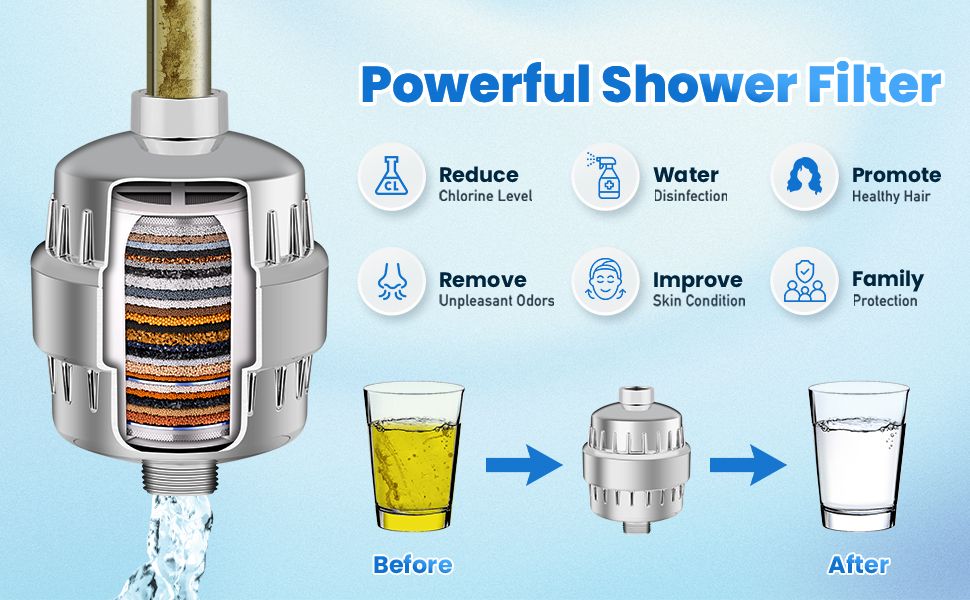
Now comes the exciting part – how shower filters actually work. Think of a shower filter like a gatekeeper for your water. It sits between your water source and your showerhead, filtering out those problematic minerals before they reach your body. Different types of filters use different methods. Carbon filters are popular because they’re excellent at removing chlorine and some minerals. KDF (Kinetic Degradation Fluxion) filters use a special media that removes heavy metals and reduces chlorine through a process called redox. Some advanced systems combine multiple filtration methods for maximum effectiveness. The key is that these filters don’t just remove the minerals that cause problems – they also help preserve the beneficial properties of water. You still get clean, safe water, but without the harsh effects of hard minerals. When you start using a filtered shower head, you’re essentially creating a protective barrier between your body and the mineral-rich water. It’s like putting on sunscreen before going out in the sun – you’re shielding yourself from something that could be causing harm. The results are noticeable within just a few showers. Your skin starts to feel smoother, your hair becomes softer, and you may even notice less dryness and irritation throughout the day.
Types of Shower Filters Available
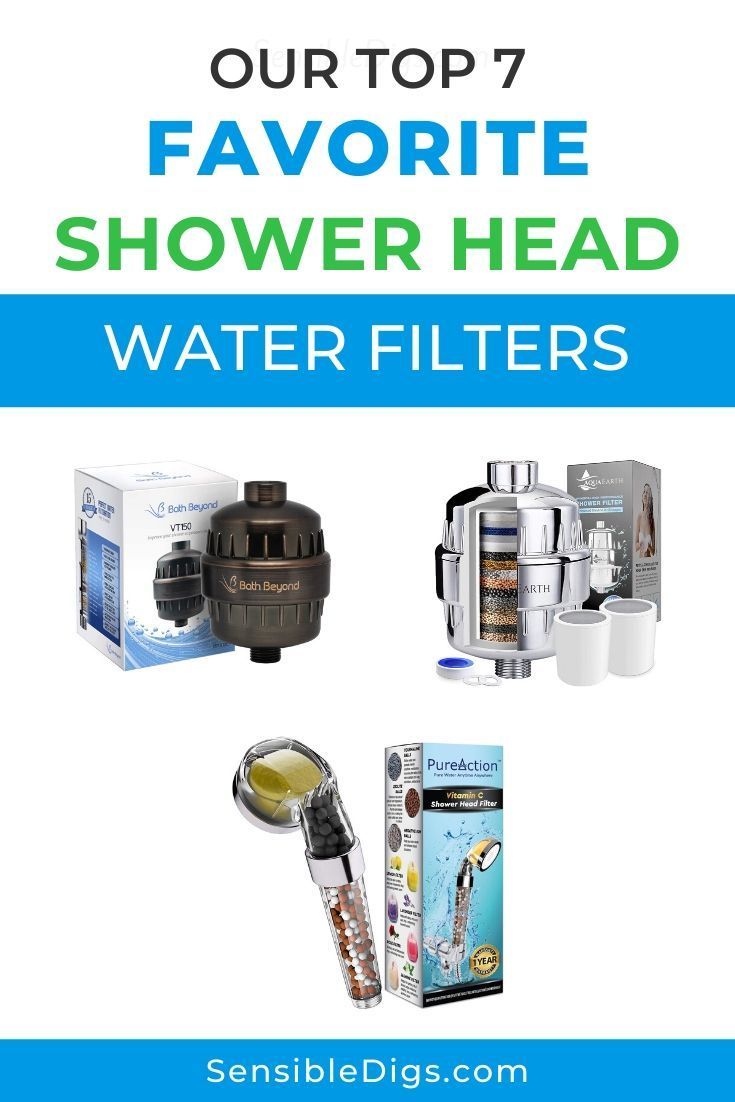
Not all shower filters are created equal, and that’s important to understand. There are several different types, each with their own strengths and weaknesses. Carbon filters are probably the most common and affordable option. They’re great at removing chlorine and some organic compounds, though they may not eliminate all the mineral buildup. KDF filters work well for removing heavy metals and reducing chlorine while being more effective at addressing some mineral issues. Some filters use a combination approach, incorporating both carbon and KDF media. There are also more advanced systems that use sediment filters, UV light, and even reverse osmosis technology for extremely thorough purification. The choice depends on what specifically you’re dealing with in your water supply. If you have a lot of chlorine, a carbon filter might be perfect. If you’re dealing with heavy metals, a KDF system might be better. Some people prefer the convenience of a whole-house system, while others opt for individual shower filters that can be easily installed and replaced. Consider consulting with a water treatment specialist if you’re unsure about which type would work best for your specific situation.
Installation and Maintenance Tips
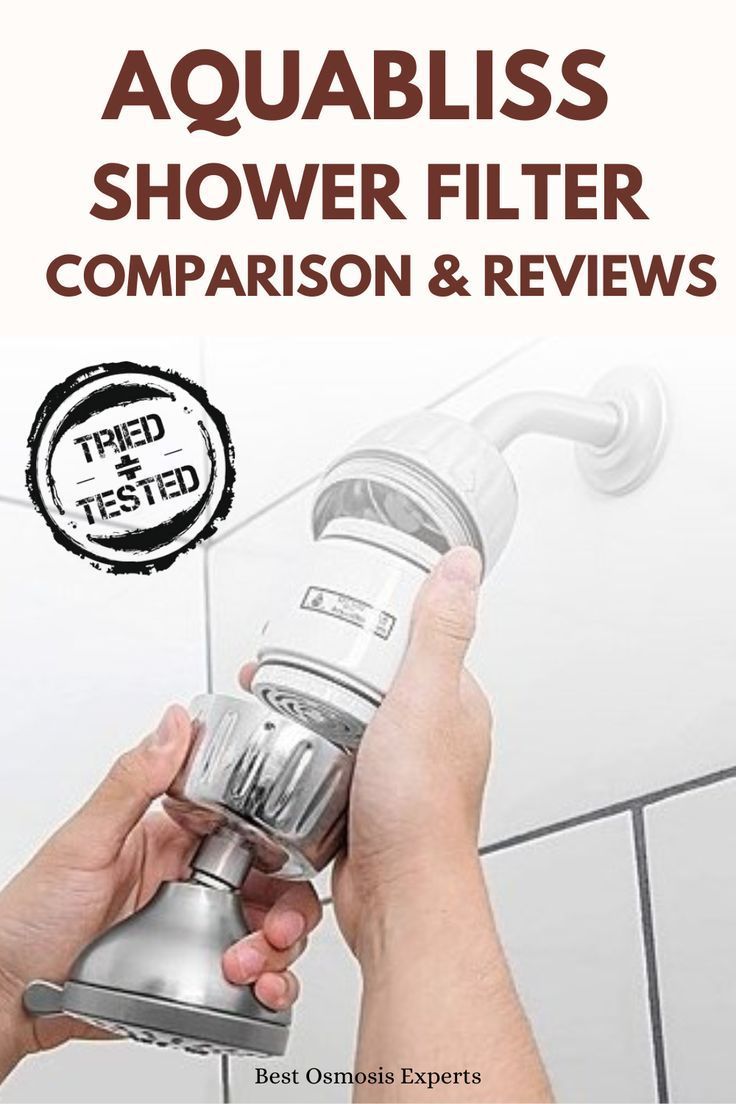
Installing a shower filter is surprisingly simple, and most people can do it themselves with basic tools. Most filters screw directly onto your existing shower arm, requiring no plumbing knowledge or professional installation. However, it’s crucial to follow the manufacturer’s instructions carefully. Some filters require specific water pressure ranges, so check that your setup meets those requirements. Once installed, maintenance is straightforward but essential. Most filters need to be replaced every 6 to 12 months, depending on usage and water quality. The filter media degrades over time and becomes less effective. Regular cleaning of the showerhead itself helps prevent mineral buildup on the nozzle holes. Many people notice that their showerhead starts to spray unevenly or with less pressure when the filter needs replacement. It’s worth noting that some filters require initial priming or flushing before first use. Always read the instructions completely before installing. Also, consider the cost of replacement cartridges – these can add up over time, so factor that into your decision-making process. The good news is that most shower filters are designed to be user-friendly and don’t require any special skills to maintain.
Real-Life Benefits and User Experiences
The transformation people experience with filtered shower heads is truly remarkable. Sarah, a mother of two from Colorado, noticed her daughter’s eczema symptoms improved significantly after switching to a filtered shower system. ‘I never thought it would make such a difference,’ she said. ‘My daughter’s skin is so much softer now, and I don’t have to apply moisturizer three times a day.’ Another user, James from Texas, shared how his hair became noticeably softer and more manageable. ‘I used to have to use expensive treatments to keep my hair healthy, but now I barely need any products at all.’ These aren’t just isolated stories – they represent what many people experience when they switch to filtered water. The benefits extend beyond personal comfort. People report fewer skin irritations, reduced need for expensive skincare products, and even better sleep quality due to less skin discomfort. Some users even mention feeling more confident in their appearance, which can have a positive impact on their overall well-being. The psychological benefit alone – knowing that you’re taking care of your skin and hair in the most natural way possible – can be incredibly empowering.
Cost-Benefit Analysis
When considering whether to invest in a filtered shower head, it’s helpful to think about the costs versus the benefits. The upfront investment typically ranges from $20 to $100 for a quality filter system. This includes the filter itself and usually some installation accessories. The ongoing cost is primarily replacement cartridges, which can range from $20 to $50 every 6 to 12 months. While this may seem like an expense, it’s important to consider what you’re saving elsewhere. Many people discover they spend less on expensive moisturizers, hair treatments, and skin care products. The potential savings can quickly add up over time. Additionally, you’re protecting your plumbing system from mineral buildup, which can be costly to repair. Some people also find that their washing machine and dishwasher last longer when they have filtered water. The health benefits alone – fewer skin problems, better hair condition, and potentially reduced medical expenses related to skin irritation – provide a strong return on investment. Consider the time and money you save by not having to constantly reapply moisturizer or purchase expensive hair products. In many cases, the cost of a good filter system pays for itself within a year or two.
Making the Right Choice for Your Situation
Choosing the right filtered shower head involves understanding your specific water conditions and needs. Start by testing your water to determine exactly what’s in it. You can buy home test kits or hire a professional to analyze your water quality. This will tell you whether you’re dealing with high mineral content, chlorine, or other contaminants. Consider your budget and how often you’ll use the shower. If you have a large family, you might want a system that can handle high water flow rates. If you’re on a tight budget, look for systems that offer good value for money. Some people prefer to start with a basic carbon filter and upgrade later if needed. Others might go straight for a more advanced system if they have particularly challenging water conditions. Don’t forget to research the warranty and customer service support offered by different brands. Reading reviews from actual users can give you insight into real-world performance. Remember, the best filter isn’t necessarily the most expensive one – it’s the one that addresses your specific water problems effectively. Sometimes a simple solution works better than a complex one, especially if you’re just starting out.
The journey from hard water frustration to smooth, healthy skin and hair might seem daunting, but it’s actually quite achievable. A filtered shower head isn’t just a luxury item – it’s a practical solution that can transform your daily routine and overall well-being. The evidence is clear: people who switch to filtered water report significant improvements in their skin and hair health, along with increased confidence and reduced spending on beauty products. It’s a small change that can make a big difference. Whether you’re dealing with occasional dry skin, stubborn hair problems, or simply want to take better care of your body, a quality shower filter might be exactly what you’ve been looking for. Don’t underestimate the power of something as simple as your morning shower to impact your entire day. The right filtered shower head could be the missing piece in your wellness routine, offering relief from hard water’s negative effects while providing a more enjoyable bathing experience. Give it a try – you might be surprised at how quickly things improve.
![What Is The Best Shower Filters For Hard Water [In 2025] with regard to The Science Behind Shower Filters and Their Impact on Water Quality in Hard Water Areas](https://dahomengarden.com/wp-content/uploads/2025/11/what-is-the-best-shower-filters-for-hard-water-in-2025-with-regard-to-the-science-behind-shower-filters-and-their-impact-on-water-quality-in-hard-water-areas.jpg)