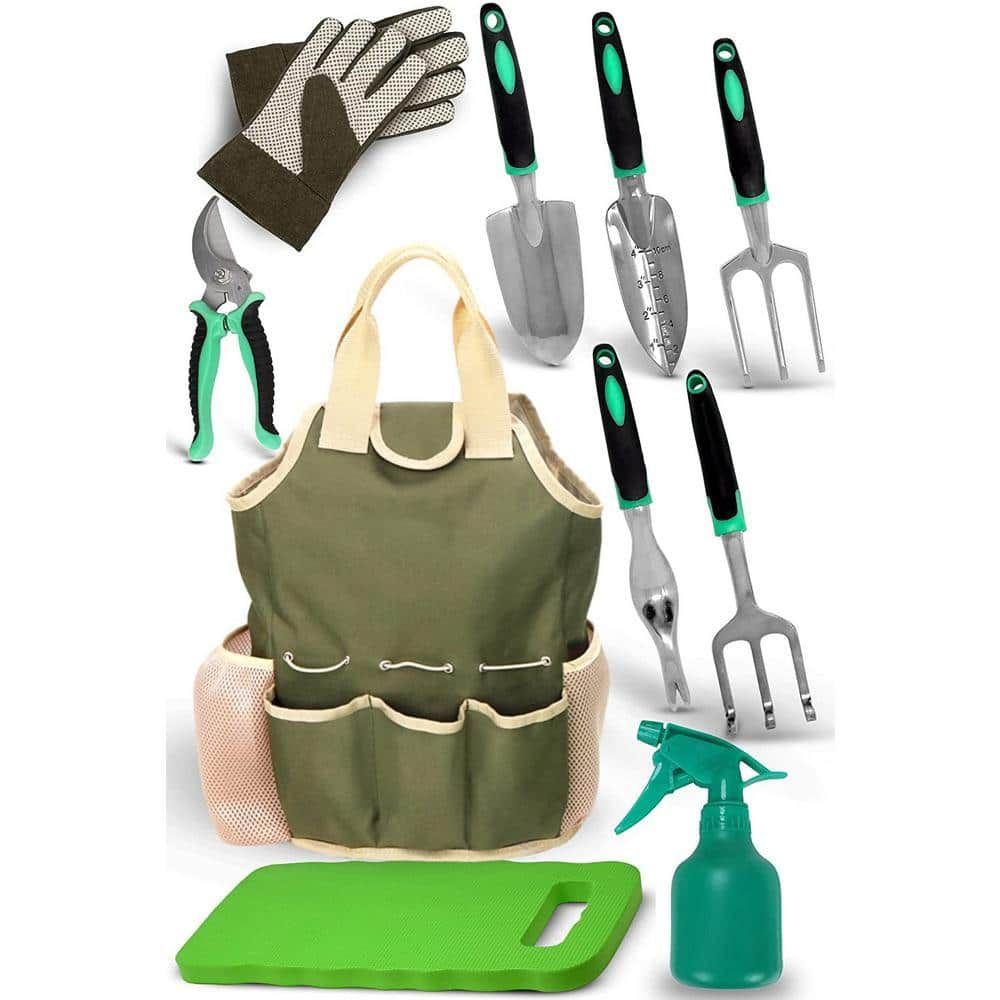
When you’re tending to your garden, every cut matters—not just for your plants, but for the delicate ecosystem around them. The right hand pruners can make all the difference between harming and helping nature. From the soil beneath your feet to the birds nesting in nearby branches, choosing eco-friendly gardening tools is a small step with big impact.
Gardening isn’t just about growing beautiful flowers or bountiful vegetables—it’s about nurturing the environment around us. When we pick up our tools, we’re not just shaping plants; we’re influencing the entire web of life in our outdoor spaces. That’s why selecting the right hand pruners becomes crucial. These tools might seem simple, but they play a vital role in protecting soil integrity, minimizing disruption to wildlife, and maintaining healthy ecosystems. Whether you’re a seasoned gardener or just starting out, understanding how to choose sustainable pruners can transform your approach to gardening.
Understanding the Environmental Impact of Gardening Tools
Think about it—when you prune a branch, you’re not just cutting wood. You’re disturbing the soil around the plant root system, potentially affecting microorganisms that keep soil healthy. Traditional metal pruners can sometimes cause more damage than necessary, especially if they’re too heavy or poorly designed. They might compress soil, harm beneficial insects, or even leave behind metal shavings that could contaminate the earth over time. The good news? There are better options available that reduce these impacts significantly.
Eco-friendly pruners often feature lighter materials, sharper blades, and designs that minimize soil compaction. Some even use recycled materials or biodegradable components. These features might seem minor, but they add up to a healthier garden environment. Consider how much pressure your tool puts on the ground when you use it. A well-designed eco-pruner should make clean cuts without excessive force, reducing stress on both plants and surrounding habitat.
Key Features to Look For in Sustainable Pruners
Not all pruners are created equal, especially when it comes to environmental friendliness. Here are some essential characteristics to prioritize:
• Lightweight materials: Look for pruners made from aluminum, recycled plastics, or bamboo. These materials are less likely to compact soil and offer durability without unnecessary weight.
• Sharp, high-quality blades: Dull blades require more force, which increases soil disturbance. Sharp blades ensure clean cuts with minimal pressure.
• Ergonomic design: A comfortable grip reduces the need for excessive force, making your pruning work gentler on both your body and the environment.
• Minimal metal content: Reduce the risk of soil contamination by choosing tools with fewer metal parts.
• Recyclable or biodegradable components: Some manufacturers now offer pruners made from sustainable materials that won’t harm the planet when discarded.
These elements work together to make your gardening experience more responsible and effective. It’s like choosing a gentle touch over a heavy-handed approach—both get the job done, but one respects the environment more.
Materials That Matter: Wood, Metal, and Plastic Options
The choice of material in your pruners says a lot about their environmental impact. Traditional steel pruners are durable but heavy, often leading to soil compaction and increased wear on your hands. Aluminum alternatives are lighter and more eco-friendly, though they may not last as long under heavy use. Bamboo handles offer a renewable option that feels great in your hand and decomposes naturally if the tool breaks down.
Some innovative brands now combine materials, using recycled plastic for the main body and stainless steel for the blade. This hybrid approach balances durability with sustainability. Others focus entirely on biodegradable materials, such as plant-based polymers or reclaimed wood. These choices reflect a growing awareness among manufacturers about their responsibility to the environment. Each material has its place, but the key is finding a balance between performance and planetary care.
How Proper Pruning Techniques Support Ecosystem Health
Using the right tool is only half the battle. How you use it matters just as much. Proper pruning techniques protect not just individual plants but the broader ecosystem they live in. For example, pruning during certain seasons avoids disturbing nesting birds or hibernating insects. Making clean cuts rather than tearing branches helps prevent disease spread and supports faster healing in plants.
Consider the timing of your work. Pruning in late fall or early spring minimizes disruption to wildlife. Also, avoid cutting too close to the trunk, which can damage bark and invite pests. Instead, make angled cuts just above a bud or branch. This approach encourages healthy growth and reduces stress on the plant. When you’re mindful of these practices, your gardening becomes part of the solution rather than part of the problem.
Top Eco-Friendly Pruner Brands and Models
Several brands have stepped up to meet the demand for environmentally conscious gardening tools. One standout is Fiskars, which offers pruners made from recycled materials and designed for precision cutting. Their tools are built to last, reducing the need for frequent replacements.
Another brand worth noting is Felco, known for their classic designs and exceptional build quality. While traditionally made from steel, newer models incorporate lighter materials and eco-friendly coatings. The company also emphasizes longevity, encouraging users to maintain their tools properly rather than replacing them.
For those seeking fully sustainable options, look into companies like Gardeners’ Supply or Bonsai USA, which offer pruners made from recycled aluminum and biodegradable components. These brands often provide detailed information about their manufacturing processes, allowing consumers to make informed decisions about their purchases. Reading reviews and researching company values can help you find tools that align with your environmental goals.
Maintenance Tips for Longevity and Sustainability
Even the most eco-friendly pruners will eventually wear out. But proper maintenance can extend their life significantly, reducing waste and the need for new tools. Here are some simple steps to keep your pruners in top shape:
• Clean them after each use to remove sap, dirt, and debris
• Oil the pivot points regularly to prevent rust and ensure smooth operation
• Sharpen blades periodically to maintain cutting efficiency
• Store them in a dry place away from moisture
• Check for loose parts and tighten as needed
Taking care of your tools isn’t just about saving money—it’s about reducing the environmental footprint of your gardening habits. A well-maintained pruner lasts longer, which means fewer resources used in manufacturing and less waste in landfills. Plus, sharp tools make your work easier and more precise, leading to better results in your garden.
Choosing eco-friendly hand pruners isn’t just a trend—it’s a thoughtful decision that reflects our growing awareness of how gardening impacts the natural world. These tools don’t just help us tend to our plants; they help us protect the soil, preserve wildlife habitats, and contribute to a healthier planet. By focusing on lightweight materials, proper design, and sustainable practices, we can enjoy our gardens while ensuring future generations can too. Every cut you make with a responsible pruner is a step toward a greener, more balanced approach to gardening. The next time you reach for your tool, remember that you’re not just shaping plants—you’re shaping the environment around them. Making smart choices today leads to a more sustainable tomorrow, one branch at a time.